You probably grew up picturing dinosaurs as cold, scaly brutes that laid a bunch of eggs and walked away. Lately, though, the fossil record has been quietly rewriting that mental image. When you zoom in on nests, embryos, and tiny skeletons preserved beside adults, you start to see something far more familiar: parents investing serious time and energy into their young. You are living at a moment when those scattered clues are finally being pulled together. New studies on brooding behavior, nest design, growth rates, and egg structure are all converging on the same idea: in several dinosaur groups, parenting was not an afterthought – it was a strategy. Once you see that pattern, it is hard to un-see it, and your old picture of dinosaurs starts to feel strangely incomplete.
You Can Now Picture Dinosaurs Brooding Like Giant, Feathery Birds
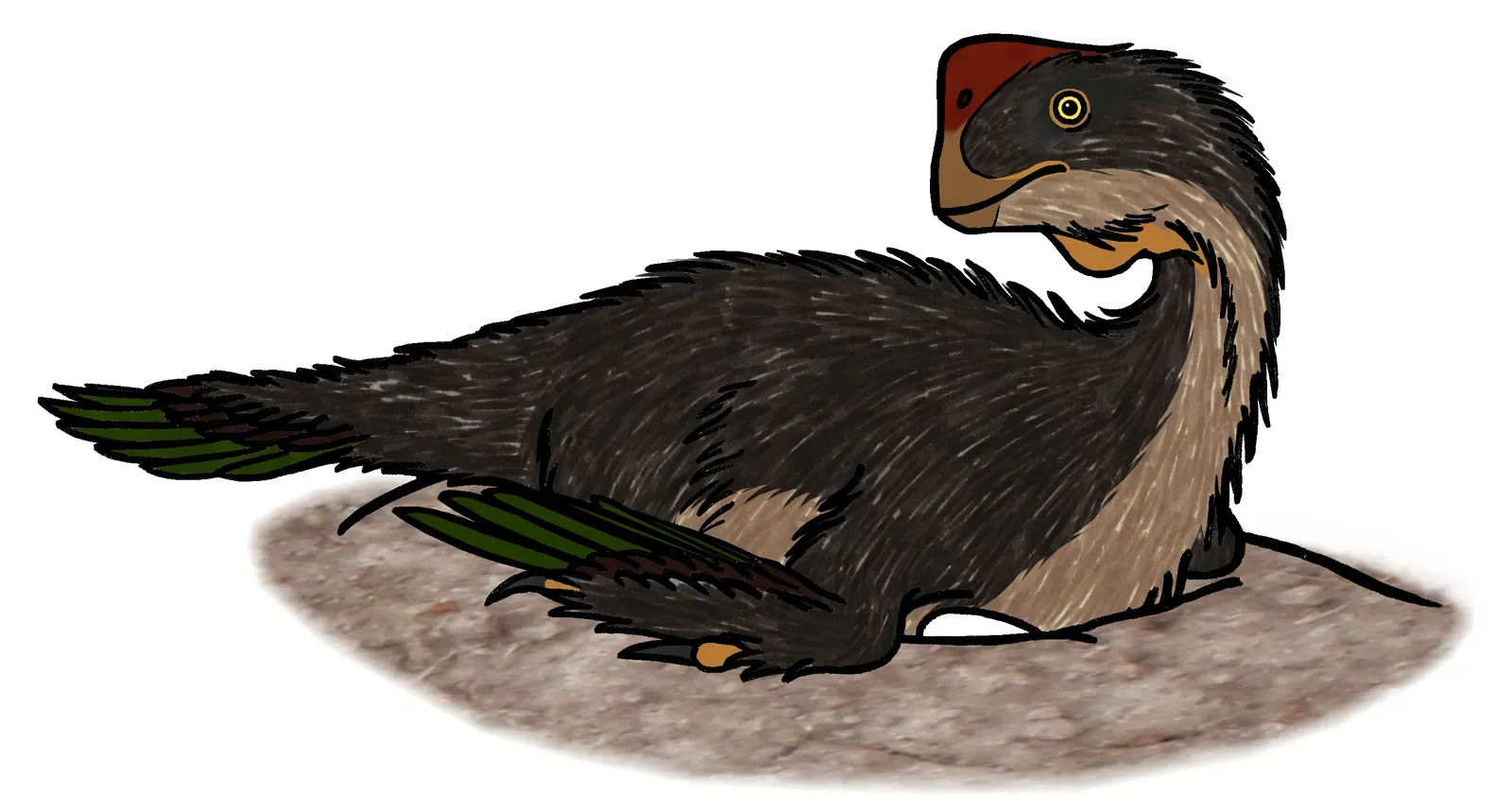
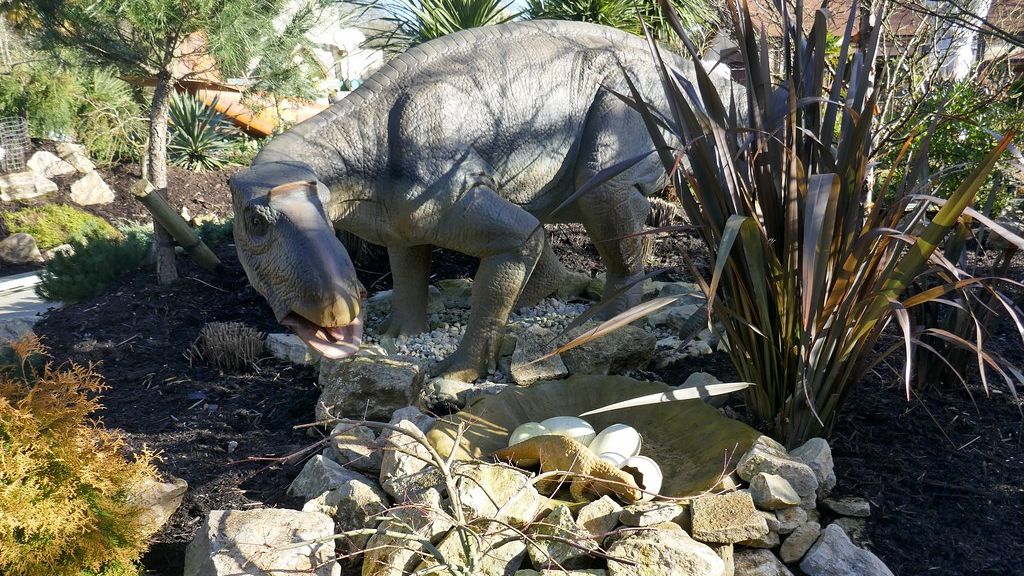
Imagine walking into a museum and realizing that the dinosaur posed protectively over a nest looks less like a monster and more like a giant, anxious bird. That is essentially what you are seeing with some oviraptorosaur fossils: adults preserved directly on top of circular clutches of eggs, limbs and bodies arranged as if shielding them. In a few cases, embryos are still preserved inside those eggs, showing they were well along in development when the parent died, which strongly suggests the adult stayed there and brooded rather than just passing by. You are not just looking at an animal that laid eggs; you are looking at one that stuck around.
Experimental work has gone even further and tried to test how such nesting would have functioned in real life. Researchers have built life‑size nest models, used surrogate “adult” heat sources, and measured how eggs in ring‑shaped clutches would warm up and cool down. When you follow the logic, you see a hybrid strategy: the parent seems to have supplied part of the heat, while nest structure and sunlight did the rest, more like careful engineering than blind instinct. Instead of imagining a reptile casually dumping eggs in sand, you are being pushed toward imagining a dedicated sitter that knew exactly where its body needed to be.
You See Evidence That Some Dino Babies Needed Serious Post‑Hatch Care
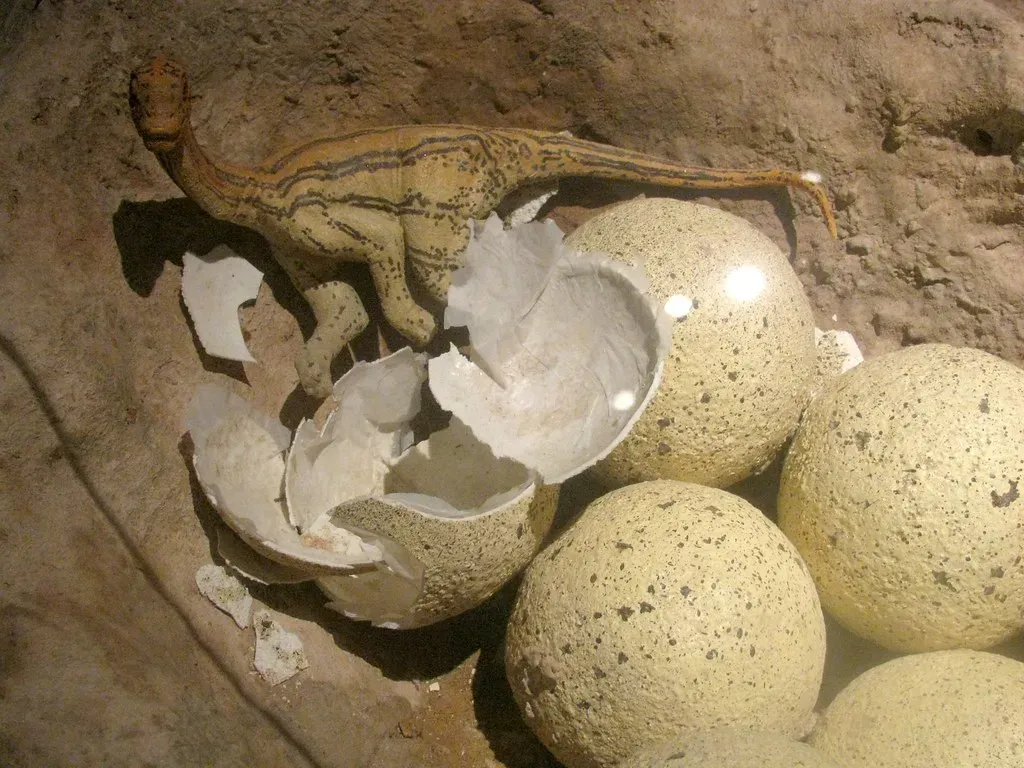
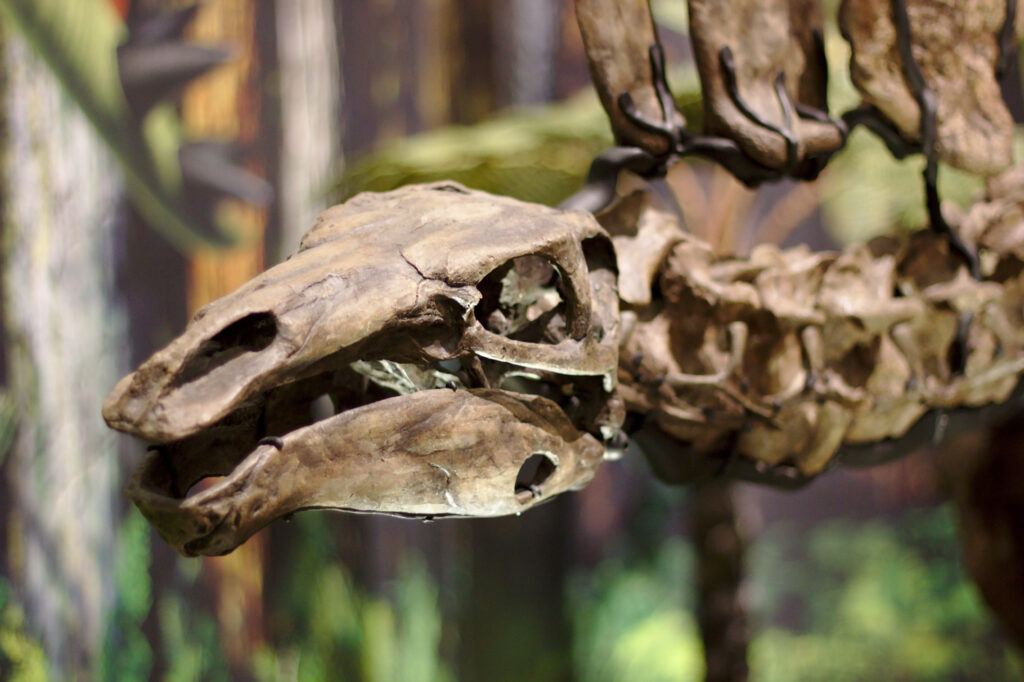
Once you look beyond the egg and into the bones of hatchlings and embryos, the story gets even more parental. In some early long‑necked dinosaurs, limb bones and skulls show that the babies would not have been ready to walk off and forage immediately. Their limbs look underbuilt for independence, and their heads suggest they could not process tough plant material on their own. When you compare those bone patterns with what you see in modern birds that rely on parents to bring food, you get a striking match: these dinosaur babies look more like helpless nestlings than like miniature adults.
If that is true, you are forced to imagine parents doing more than just guarding eggs. You have to picture adults bringing food back to the nest, defending it, and maybe even choosing nesting spots with shelter and cover in mind. Those behaviors are not speculative fantasies; they are the simplest way to make sense of young animals that clearly were not built to fend for themselves. You start to realize that, for at least some dinosaurs, having kids meant a long, exhausting season of parenting instead of a quick reproductive fling.
You Can Read Parenting Clues Directly From Nests And Egg Layouts
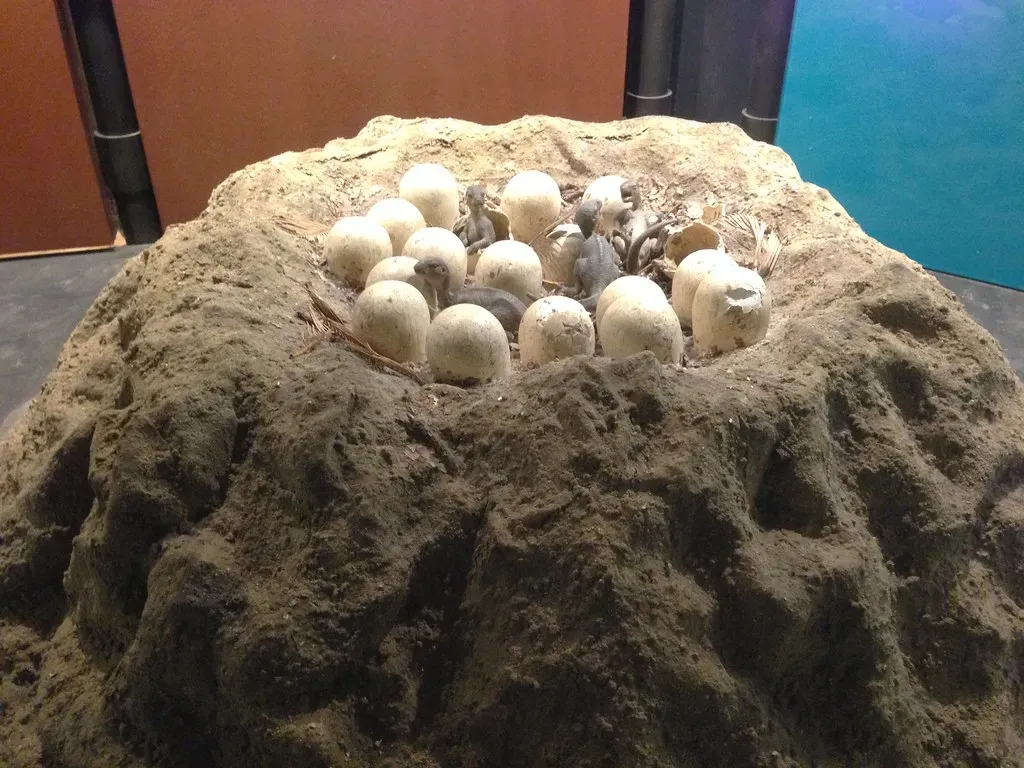
Even when you do not have a skeleton on a nest, you can still read a surprising amount about dinosaur family life just from the eggs and how they are arranged. Some nests show beautifully organized patterns: eggs set in rings, often with carefully spaced gaps and sometimes multiple layers. When you see that, you are not just seeing “egg dumping”; you are seeing planning. Those gaps probably allowed warm air to move through the clutch or left room for a parent’s body, and the repeated patterns across many sites hint that you are dealing with behavior that was learned or instinctively fixed, not random chance.
On the other hand, massive nesting grounds from giant titanosaurs tell you that not all dinosaurs took the same approach. These sauropods laid many small clutches, packed closely together across landscapes that look like prehistoric hatchery fields. That pattern looks more like a numbers game: lay a lot of eggs, let environmental heat do the work, and rely on sheer quantity to ensure that some youngsters survive, rather than guarding each nest. When you compare these two extremes side by side, you can see that dinosaur parenting sat on a spectrum – from minimal involvement in some giants to strikingly hands‑on care in smaller, bird‑like forms.
You Learn That Egg Type And Shell Structure Hint At Care Levels
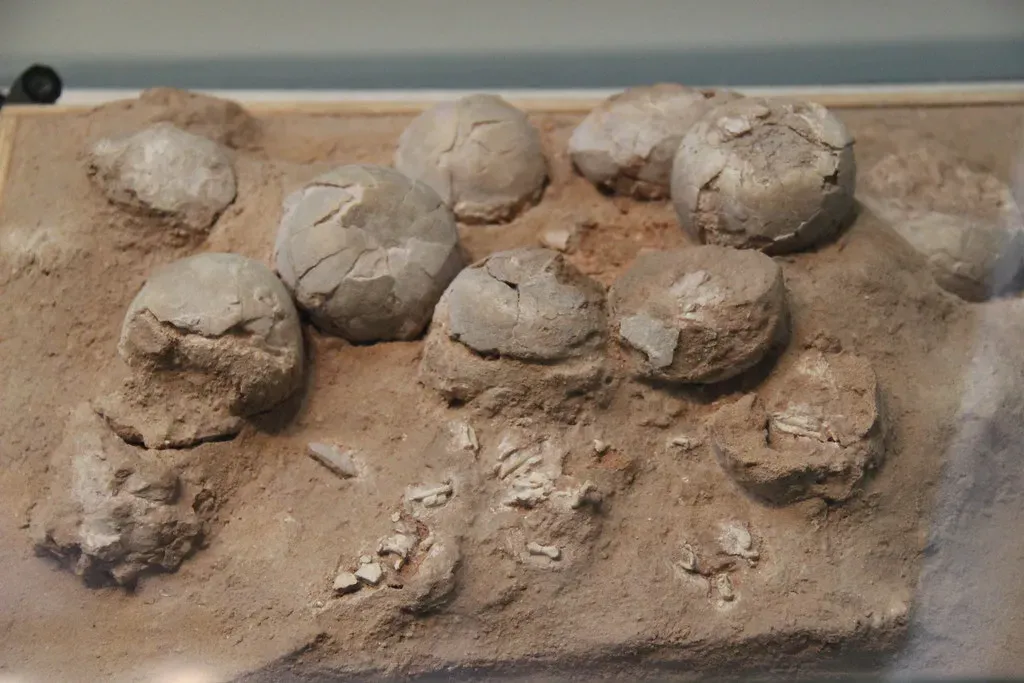
You might not think a thin shell versus a thick shell could tell you much about parenting, but it does. Some dinosaur eggs were harder and more rigid, closer to what you would expect if they were buried deeply and left to the warmth of soil or rotting vegetation. Others were more delicate or even soft‑shelled, which makes them vulnerable to drying, crushing, and predators. If you picture those fragile eggs lying unprotected in a harsh landscape, you quickly realize they would not last long without some kind of careful placement or at least a safer, more buffered nesting site.
When you compare this with what you see in living reptiles and birds, shell type starts to look like a quiet clue to parenting style. Heavily buried, tough eggs often go with low parental investment, while exposed or softer eggs tend to be watched more closely, guarded, or even brooded. So as you read about new egg discoveries from Asia or South America, you can start asking yourself the same question researchers ask: given the shell, the size, and the nesting context, how much care would these eggs have needed? More often than not, the answer nudges you toward a more involved parent than your childhood textbooks admitted.
You Can Trace How Parental Care May Have Evolved Toward Modern Birds
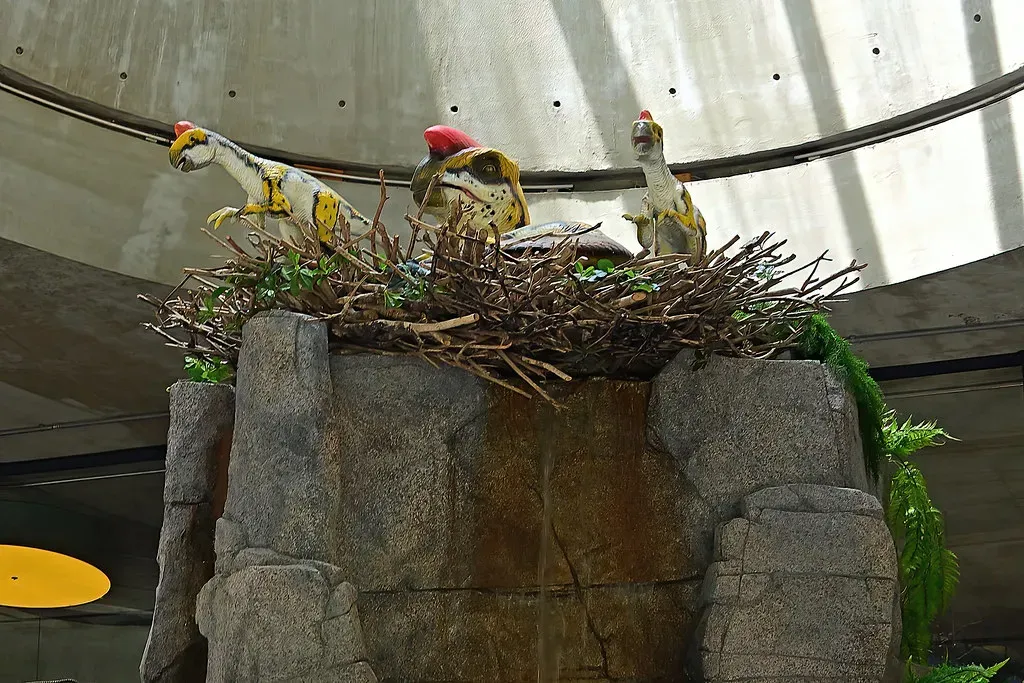
Because you live in a world filled with hyper‑attentive birds, it is tempting to start with them and work backward. Instead, paleontologists are building the story from the dinosaur side going forward. When you line up different dinosaur groups – early long‑necked forms, some plant‑eating relatives, theropods that are closer to birds – you see repeated hints of care: clusters of juveniles at “nest‑like” sites, growth patterns suggesting slow early development, and multiple examples of adults near or atop eggs. Each data point on its own feels tentative; together, they start to look like stepping stones that lead straight into bird‑style parenting.
Some researchers argue that at least basic forms of parental care might have been present in the common ancestors of many dinosaur lineages, with more elaborate behaviors evolving in separate branches. When you think about it that way, bird parenting stops feeling like a sudden invention and starts to feel more like an intensification of older dinosaur habits. You can almost imagine a continuum: from dinosaurs that just chose decent nesting spots, to others that stayed nearby, to lineages that brooded, fed, and fiercely defended their young, eventually giving you the kind of obsessive care you see in a backyard robin today.
You Also See Pushback: Not Every Dinosaur Was A Doting Parent
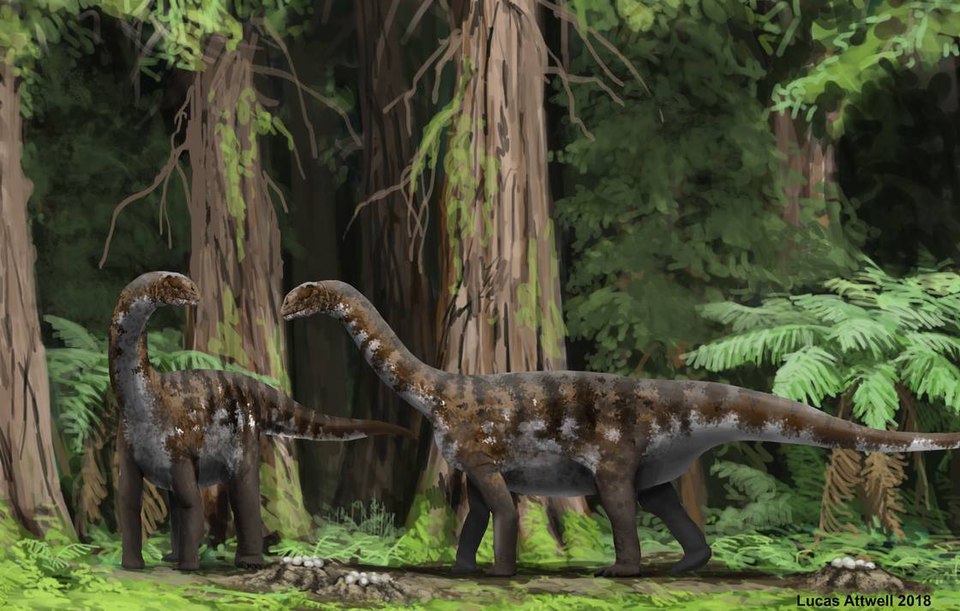
To keep your picture honest, you need to hold on to an important caveat: some new discoveries push against the idea of universal dinosaur parenting. Those dense titanosaur nesting grounds in India, for example, look much more like the strategy of sea turtles today – huge numbers of eggs laid in one place, likely swamped by predators, with survival depending on sheer volume rather than parental defense. You do not see adults on nests in those deposits, and the crowded layout would have made careful guarding almost impossible. In that context, the evidence argues against attentive sauropod parents rather than for them.
What this tension teaches you is that “dinosaurs were good parents” is not a single claim that applies to every species. Instead, you are looking at a patchwork of strategies: low‑investment egg‑laying in some giants, and high‑investment care in others that were smaller, more agile, or living in different environments. When you keep that nuance in mind, the newer studies that highlight parental care become more exciting, not less, because they are not trying to turn all dinosaurs into clones of modern birds. They are showing you just how varied and flexible dinosaur family life actually was.
You Realize How Hard It Is To Prove Parenting From Stone – And Why Caution Matters
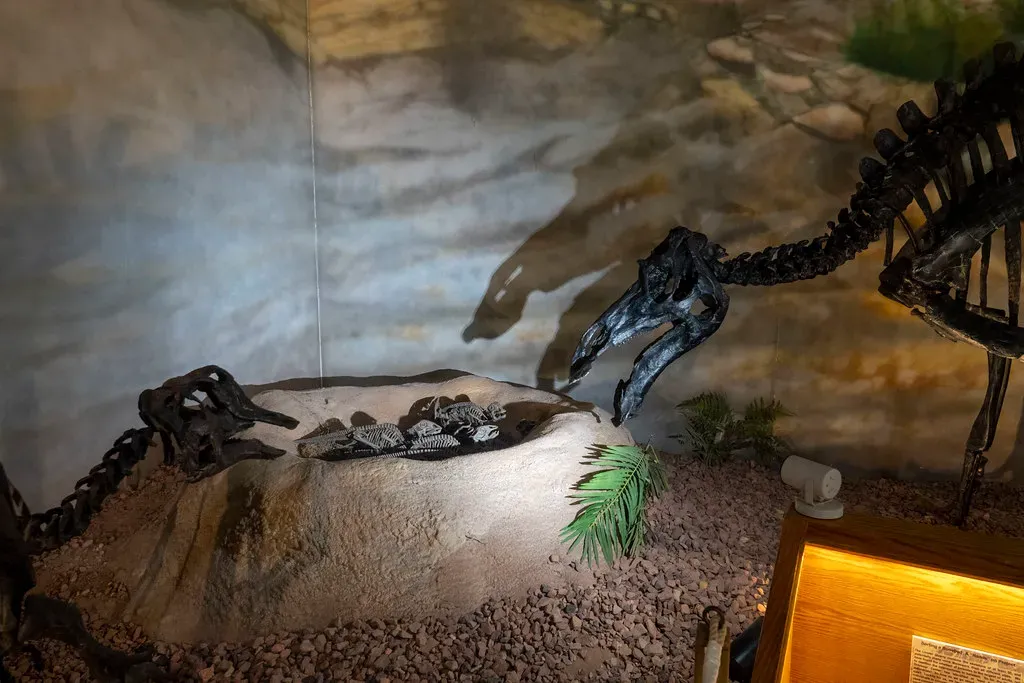
Here is the tricky part you are rarely told in popular stories: fossils are bad at recording behavior, especially tender moments. An adult on a nest could, in theory, have died by accident; juveniles grouped together might have gathered after hatching rather than inside a nest. Even eggs and embryos are hard to interpret, because you need to know how developed they were at death to say how long parents might have stayed around. When you look over the shoulders of paleontologists, you see them constantly asking if a “cute” parenting interpretation is really the simplest explanation, or if it is just an appealing story.
That is why the most careful recent work hits a balance you should appreciate. Researchers combine multiple lines of evidence – bone growth, nest architecture, egg chemistry, the developmental stage of embryos – before they talk about parental care. They lean on comparisons with modern birds and reptiles, but they also test their ideas with experiments and models rather than stopping at look‑alike arguments. For you as a reader, that means the new picture of dinosaur parenting is more cautious than the headlines suggest, but also more reliable. You are not being sold a fantasy; you are being invited into an unfolding debate grounded in actual rock and bone.
You Start To See Dinosaurs As Animals You Can Empathize With
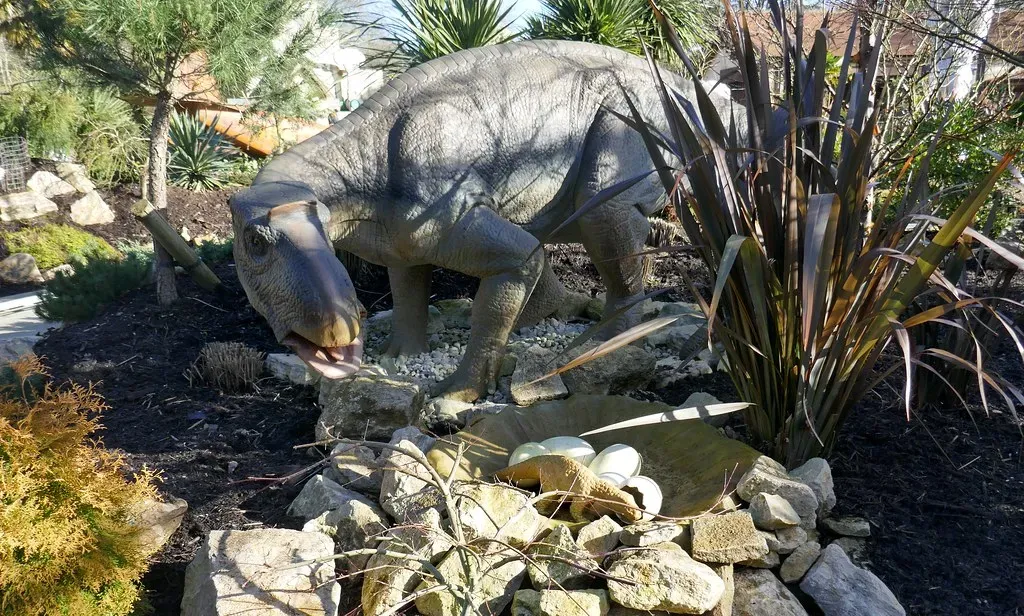
When you put all of this together, something quietly powerful happens: you stop seeing dinosaurs as distant movie monsters and start seeing them as animals whose lives you might recognize. If you have ever watched a bird huddle over its eggs in bad weather, or a small mammal drag food back to hidden young, you already have a mental model for what at least some dinosaurs probably did. That mental shift does not require you to believe every species was soft and nurturing. It just asks you to admit that fearsome teeth and claws could coexist with fierce devotion to offspring.
On a personal level, that change in perspective made dinosaurs feel more real to me. They stopped being abstract icons of extinction and turned into creatures wrestling with the same basic problem you face: how to get your genes safely into the next generation. Whether you are looking at a feathered theropod brooding in a dust storm or a long‑necked giant gambling on mass egg laying, you are seeing different answers to that same question. Once you view them through that lens, the deep past looks less alien – and you may find yourself wondering what other “monsters” in Earth’s history were busy being parents when no one was watching.
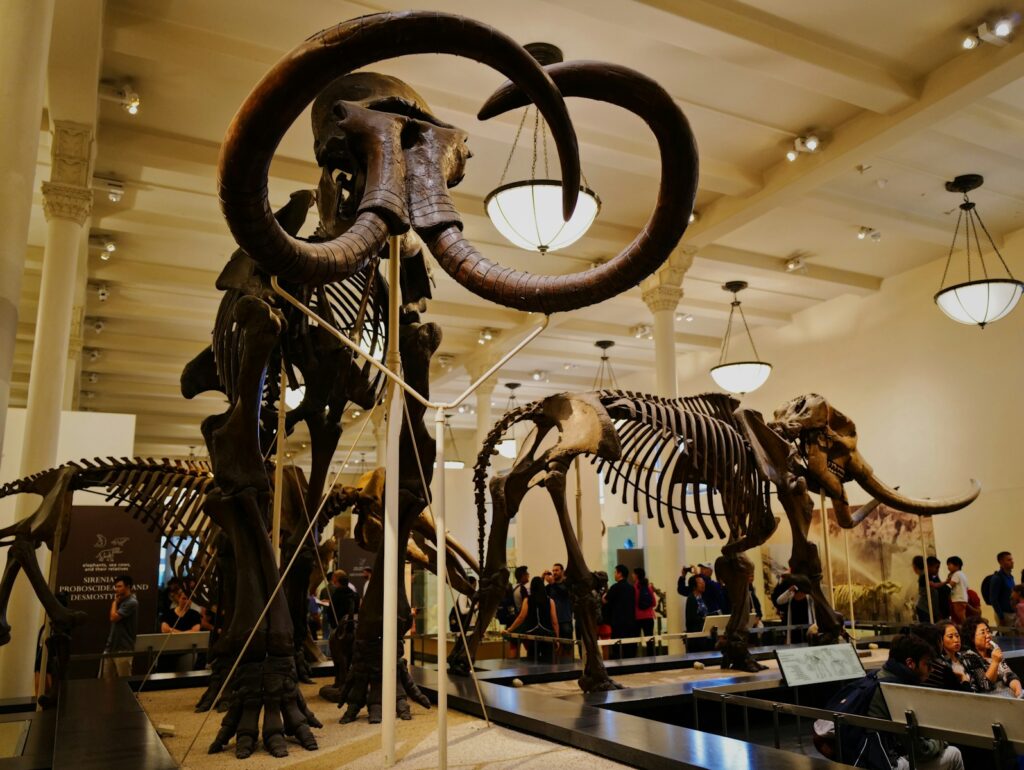
In the end, the headline idea holds up, but with nuance: new research really does suggest that many dinosaurs were more parental than you were taught, just not all of them, and not in the same way. You are watching a picture sharpen slowly, fossil by fossil, as scientists learn to read parenting in stone. The next time you stand under a towering skeleton in a museum, you might quietly ask yourself: was this animal just a predator, or was it also once a frantic, exhausted parent trying to keep a nest of fragile lives alive – and which possibility would you have guessed before you knew any of this?