If you could open a door and look back more than thirteen billion years, would you step through it? In a strange way, that is what you do when you study black holes. These objects are not just cosmic monsters that swallow everything; they are also quiet archivists, storing clues about how the universe looked when it was young and wild.
When you hear the phrase “time capsule,” you probably think of an old metal box buried under a schoolyard. A black hole is like that box but written in gravity instead of metal. By learning how black holes grow, how they bend light, and how they shake the fabric of space-time, you’re essentially reading messages sent from an era when the first stars were just beginning to burn.
The Surprising Idea: Black Holes As Time Machines You Cannot Enter
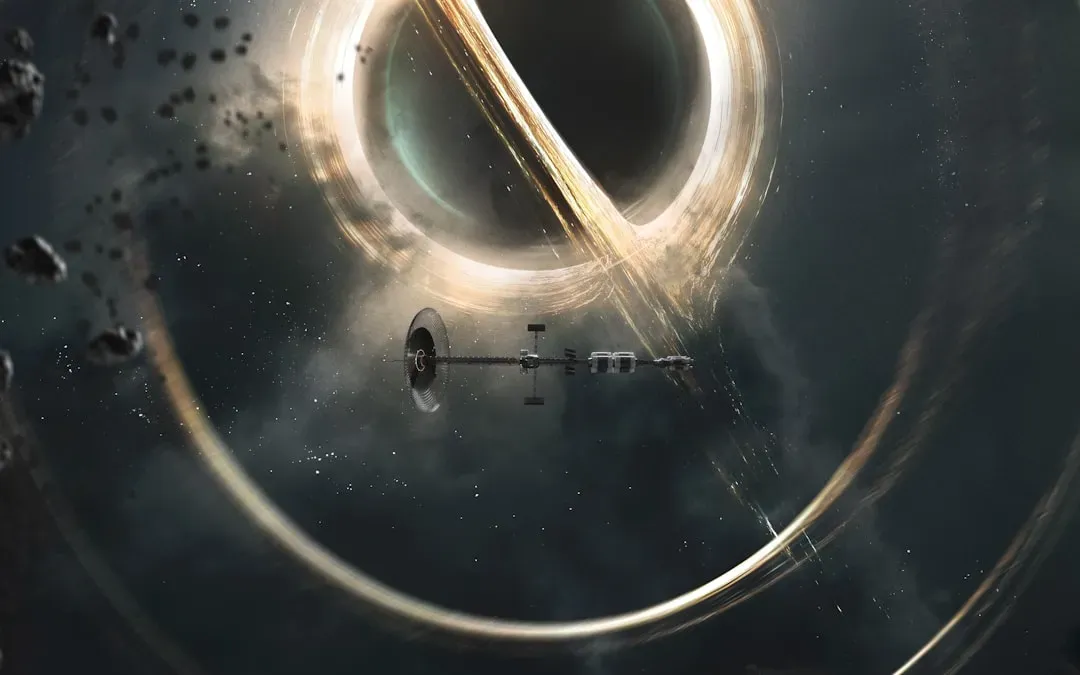
You’ve probably seen black holes described as bottomless pits where time stops and everything disappears forever. That image is dramatic, but it hides the more subtle and fascinating truth: from your point of view, a black hole is less like a trash bin and more like a locked archive. Information about what falls in does not simply vanish from your universe; instead, it gets scrambled, stretched, and encoded in ways physicists are still trying to decode.
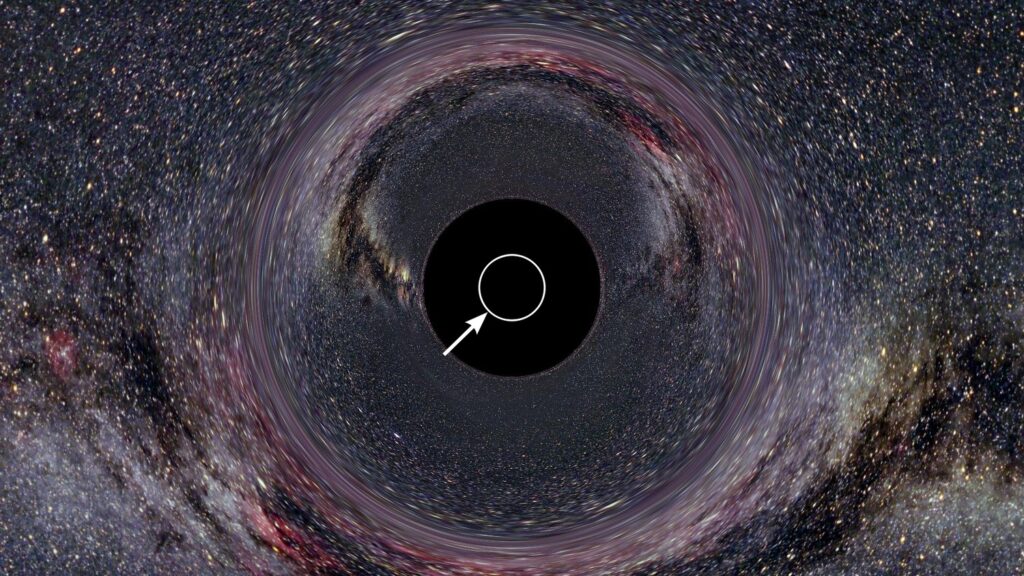
Imagine watching a spaceship falling toward a black hole. You would never actually see it cross the edge, called the event horizon. To your eyes, it would slow down, dim, and seem to freeze right at the boundary, while its light gets more and more stretched and red. In that sense, the black hole’s surface becomes a kind of frozen history of everything that tried to get in. You can’t reach in and pull it back, but you can study how that surface behaves and treat it as a kind of time-stamped record of violent events long ago.
Seeds From The Dawn: Ancient Black Holes As Fossils Of The First Galaxies
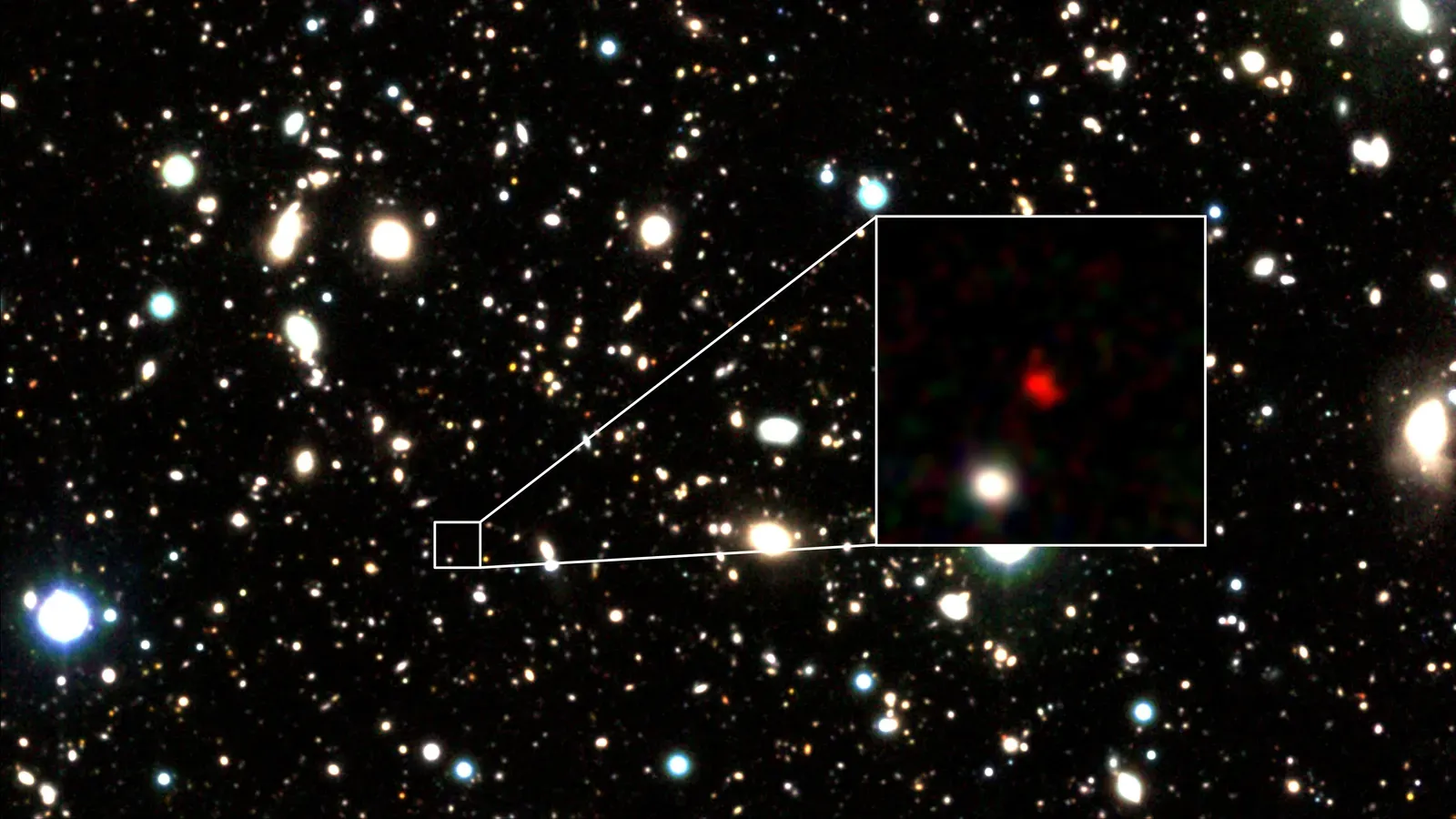
When you look at very distant galaxies with powerful telescopes, you’re seeing them as they were billions of years in the past, simply because light needs time to travel. Now imagine finding a black hole at the center of one of those galaxies that is already hugely massive, even though the universe at that time was still young. That is like finding a full-grown redwood tree in a forest that just sprouted last week. It forces you to ask how such a giant could have formed so fast.
These early, overgrown black holes act as fossils from a time when the first stars and galaxies were forming. By measuring their masses, their brightness, and how they influence their host galaxies, you can infer what kinds of stars collapsed to form them, how quickly matter was falling in, and how turbulent the young universe really was. When astronomers call them “seeds,” they mean that these black holes may have been the cores around which the first galaxies assembled, leaving you a gravitational imprint of the universe’s chaotic childhood.
Gravitational Lenses: When A Black Hole Turns Into A Natural Telescope
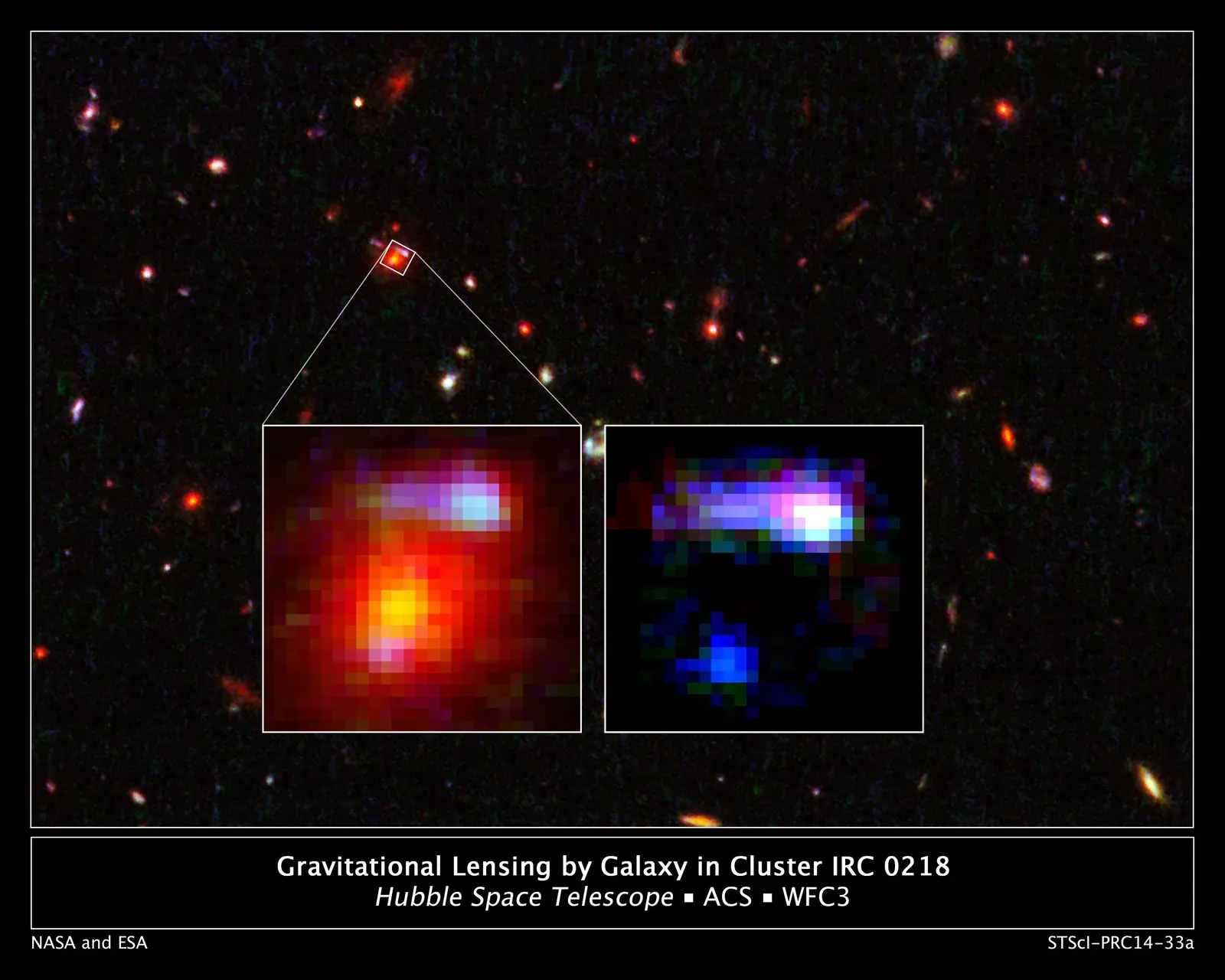
One of the strangest ways a black hole can help you look back in time is by acting like a cosmic magnifying glass. Because gravity bends light, a black hole sitting between you and something far behind it can distort and magnify the background object. Instead of seeing a single distant galaxy, you might see smeared arcs, duplicated images, or rings of light wrapped around the black hole’s position in the sky.
When you study these warped images carefully, you can reconstruct what the background galaxy really looks like and how far away it is. That lets you examine galaxies that formed when the universe was only a small fraction of its current age, galaxies that would otherwise be too faint for you to see. In that sense, the black hole is not just warping space; it is literally lending you its gravity as a tool, turning into a telescope that lets you spy on the early universe.
Cosmic Clocks: How Black Hole Mergers Time-Stamp The History Of The Universe
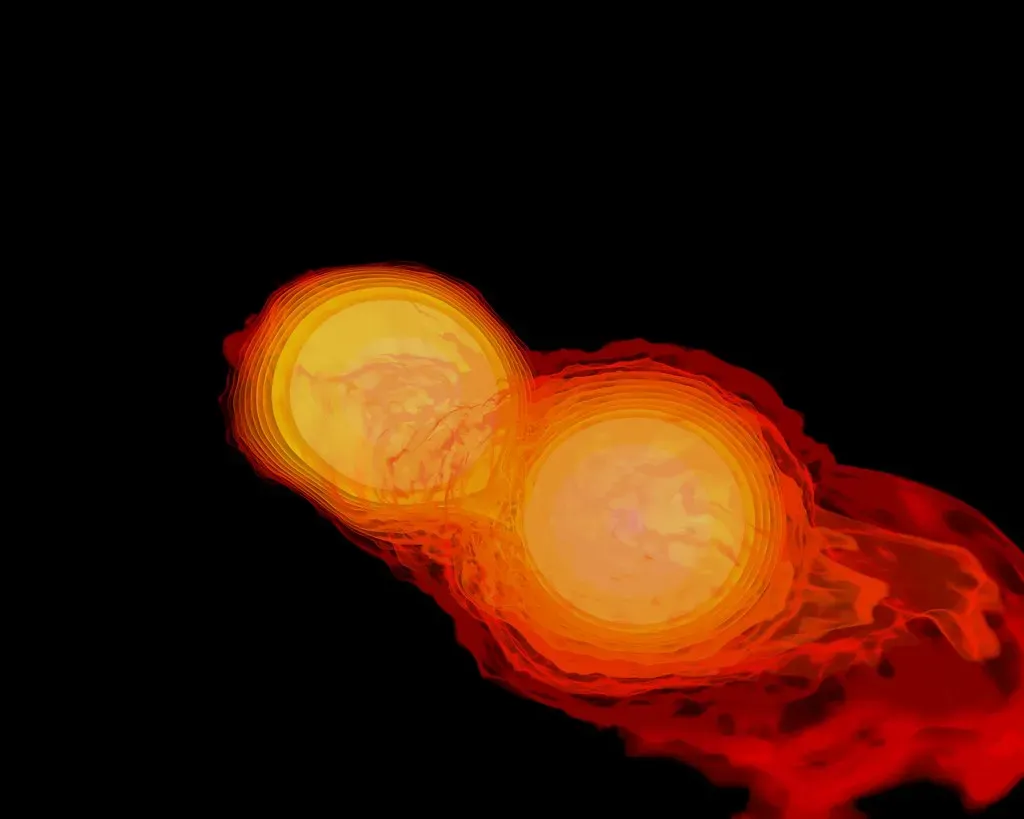
Every time two black holes collide and merge, they send out ripples in space-time known as gravitational waves. When detectors on Earth pick up those waves, you are listening to a kind of cosmic chime that rings from across the universe. Each “note” you catch carries information about how heavy the black holes were, how fast they were spinning, and how far away their collision happened.
Because light and gravitational waves both take time to cross the universe, the most distant mergers you detect correspond to some of the earliest generations of stars and black holes. By building up a catalog of these events, you start to assemble a timeline: when the first big black holes formed, how often they collided, and how their masses changed over billions of years. The universe becomes a concert hall, and black hole mergers are the drums that quietly keep time for cosmic history.
Spin, Mass, And Memory: What A Black Hole’s Properties Reveal About Its Past
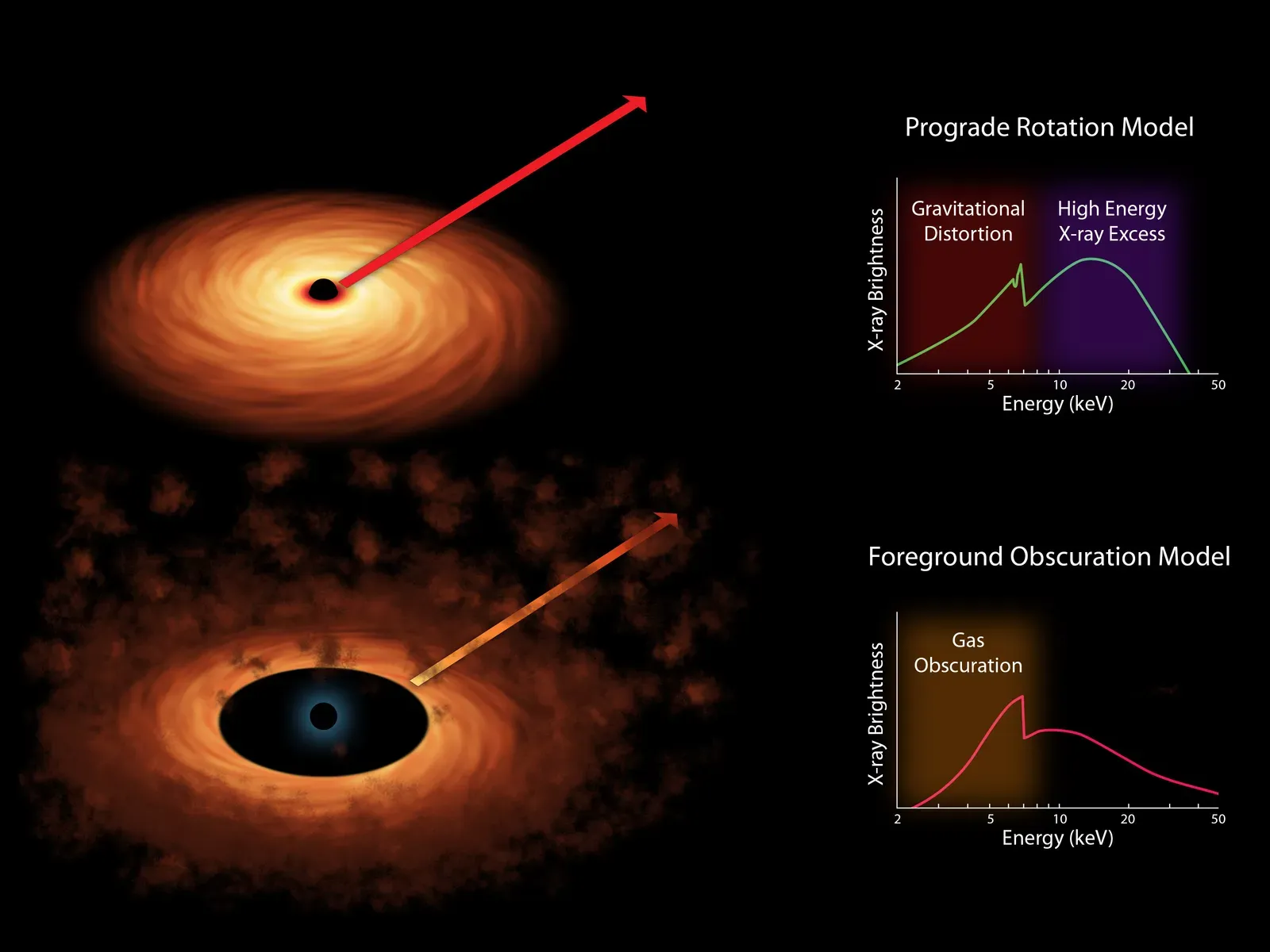
At first glance, a black hole seems almost boring. You can describe it with just a few numbers: its mass, its spin, and, in principle, its electric charge. Yet those simple numbers are like the barcode on a product; if you know how to read them, they tell you a story. A very massive black hole suggests either a long lifetime of steady feeding or one or more violent mergers. A rapidly spinning black hole hints that matter fell in with a preferred direction or that the hole grew through repeated, ordered processes.
By comparing the mass and spin of black holes in different environments and at different distances, you can reconstruct how the universe evolved. Black holes in the centers of large galaxies today reflect billions of years of growth and galactic mergers. Smaller black holes in dense star clusters or dwarf galaxies may preserve a more “pristine” record of early star formation. Each black hole is not just a number; it is a compressed biography of its surroundings, turned into gravity and rotation.
The Information Puzzle: Why What Falls In Might Never Be Truly Lost
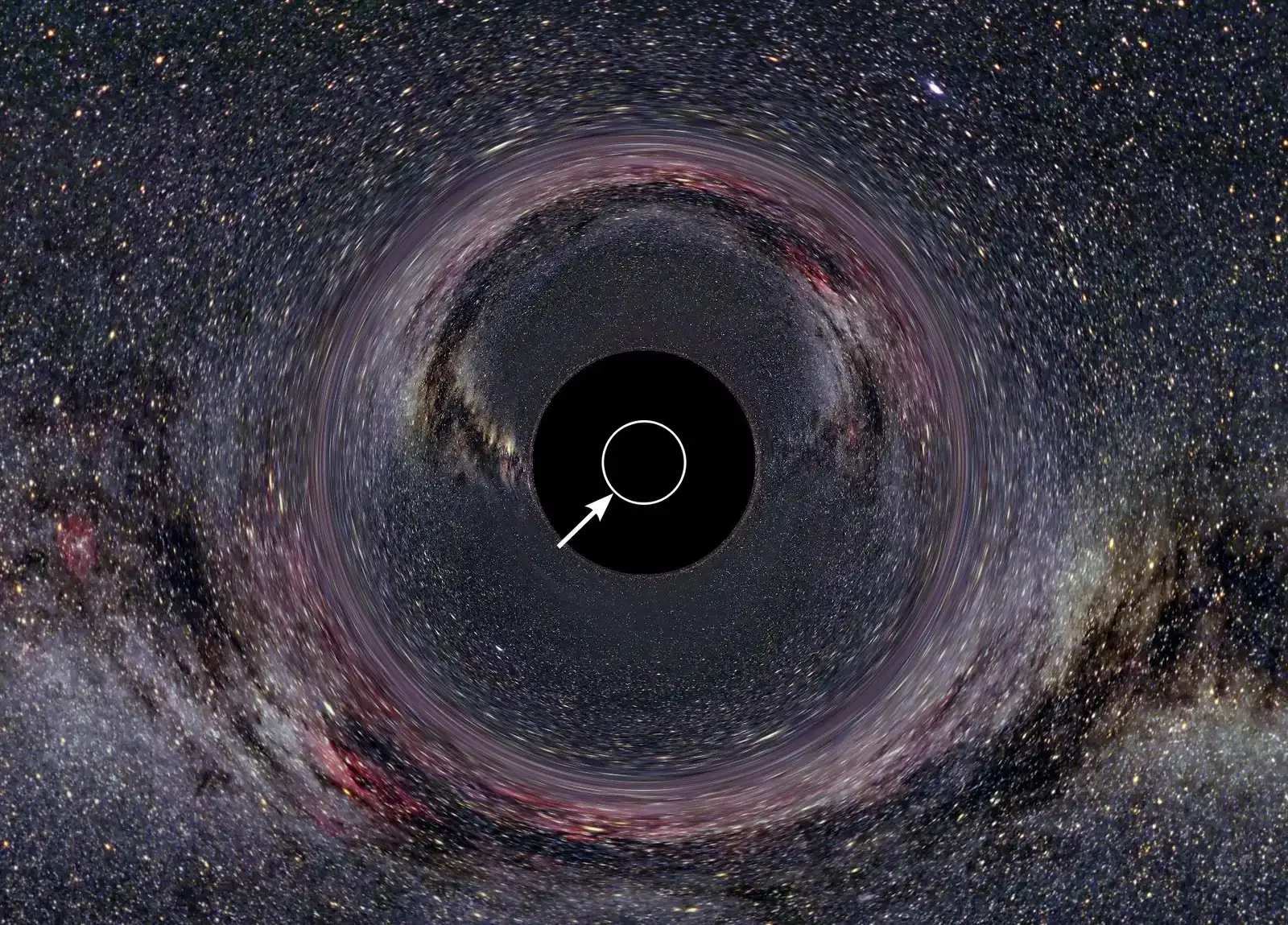
For decades, physicists have wrestled with a question that sounds almost philosophical: when something falls into a black hole, is the information about what it was destroyed forever? On one side, the rules of quantum physics say information should never be wiped out. On the other side, the classic picture of a black hole makes it look like a perfect shredder. This tension has pushed people to rethink how black holes store and release information, and that discussion has directly shaped how you see them as time capsules.
Ideas like holography and quantum gravity suggest that the information about what falls in might be stored in subtle patterns on or near the event horizon and could, in principle, leak back out over extremely long timescales through radiation. Even though you do not yet have a complete theory, the direction of progress points away from the idea of total loss and toward the view that black holes are extreme but lawful archivists of the past. When you think of them this way, they become not just destructive endpoints but key pieces in the puzzle of how the universe keeps track of its own history.
Supermassive Hearts: How Galactic Black Holes Preserve The Story Of Cosmic Cities
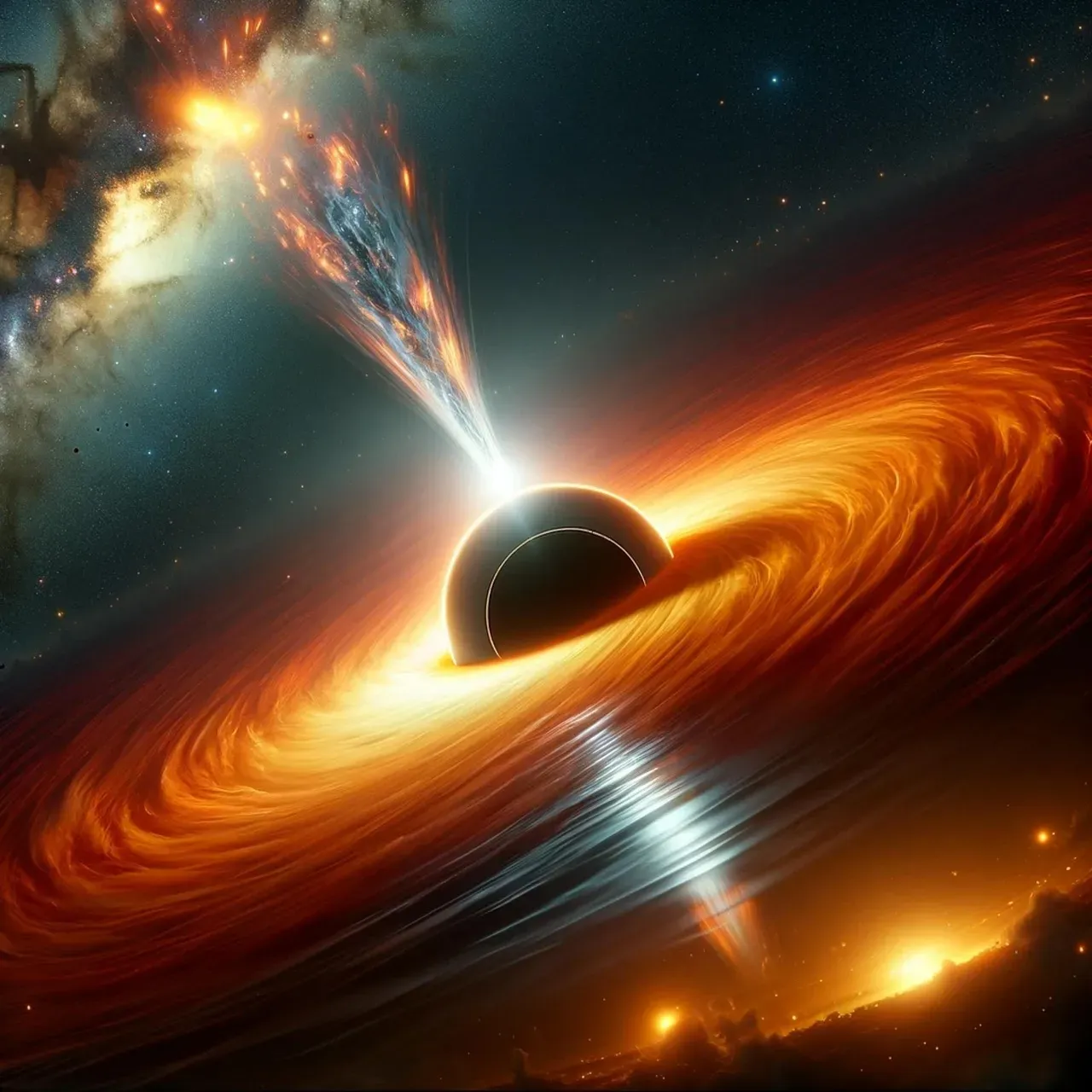
At the center of most large galaxies, including your own Milky Way, sits a supermassive black hole weighing millions or even billions of times the mass of the Sun. These monsters grow in lockstep with their host galaxies, and that tight relationship is one of your strongest clues that they are recording, and even regulating, the entire life story of those cosmic cities. When gas falls toward a supermassive black hole, it heats up and can blast out powerful jets and winds that shape how and where new stars form.
By comparing nearby galaxies to very distant ones, you can see how this black hole–galaxy partnership has changed over cosmic time. In the early universe, supermassive black holes often appear as blindingly bright quasars, signaling phases of furious feeding and rapid growth. Today, many of them are quieter, like retired engines idling at low power. In both cases, their current masses, spins, and activity levels preserve a statistical memory of how galaxies built themselves, merged with neighbors, and transformed from chaotic star factories into the more orderly structures you see now.
Peering Deeper: How Future Telescopes Will Let You Read These Cosmic Time Capsules
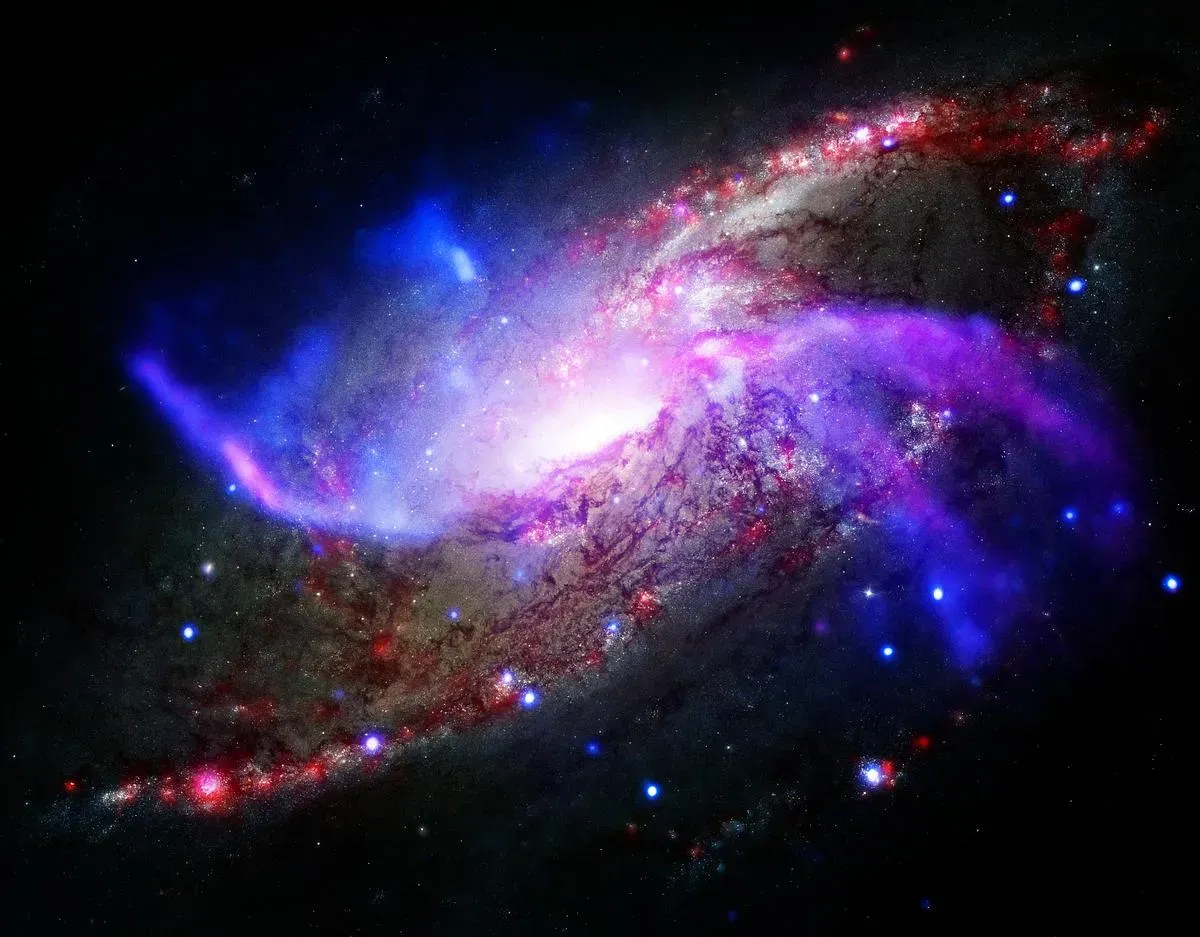
You are living at a moment when black holes are moving from theory and speculation into direct observation. Space telescopes that can see infrared light let you peer through dust and pick out some of the earliest galaxies and their central black holes. Gravitational-wave observatories on the ground are already catching the echoes of merging stellar-mass black holes, and proposed space-based detectors aim to reach even lower frequencies, where giant black holes in the early universe would sing the loudest.
With every new instrument, you gain another way to “open” these time capsules without ever touching them. Better resolution lets you map the gas whirling just outside event horizons. Wider surveys reveal how the number and sizes of black holes change over distance and time. As those pieces come together, you are not just learning what black holes are; you’re learning what they remember about the universe’s past and how that history set the stage for galaxies, stars, planets, and eventually you.
When you step back, the idea that black holes are cosmic time capsules changes how you feel about them. They stop being just symbols of destruction and become strange, dark libraries, storing records of a universe that was smaller, hotter, and far more chaotic than the one you see now. The next time you see an image or hear news about a black hole, you can quietly remind yourself: you are not just looking at an object, you are peeking at a piece of time itself, sealed in gravity. Did you ever expect something so empty to hold so many secrets?