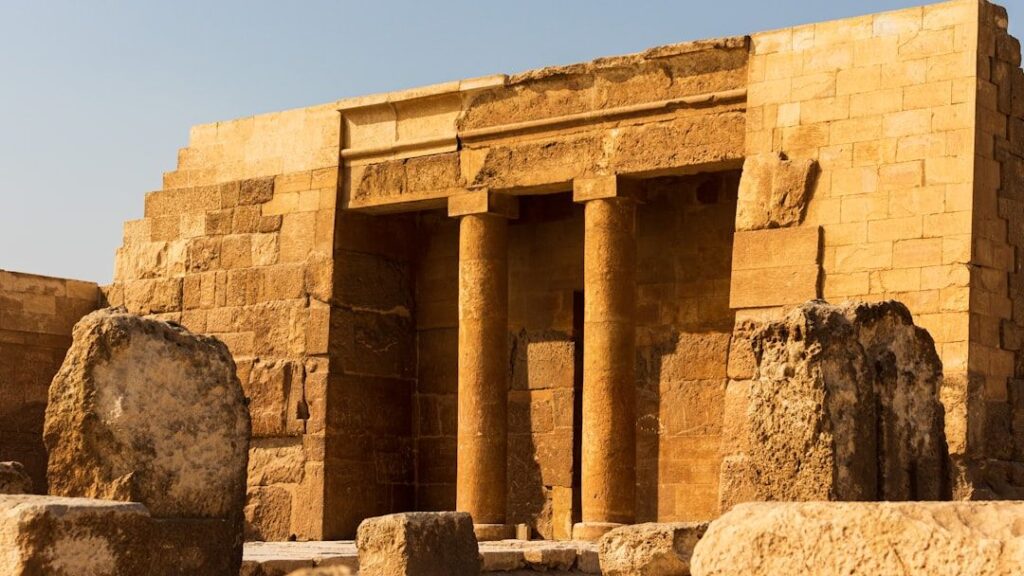
Minya, Egypt – A joint Egyptian-Spanish archaeological mission recently unearthed a Roman-era tomb at Al-Bahnasa, the site of the ancient city of Oxyrhynchus. This discovery illuminates funerary customs from the Greco-Roman period, blending Egyptian traditions with classical influences. Excavators revealed mummies adorned with golden amulets and a papyrus fragment from Homer’s Iliad, alongside unusual cremated remains in limestone chambers.
A Major Find at Ancient Oxyrhynchus
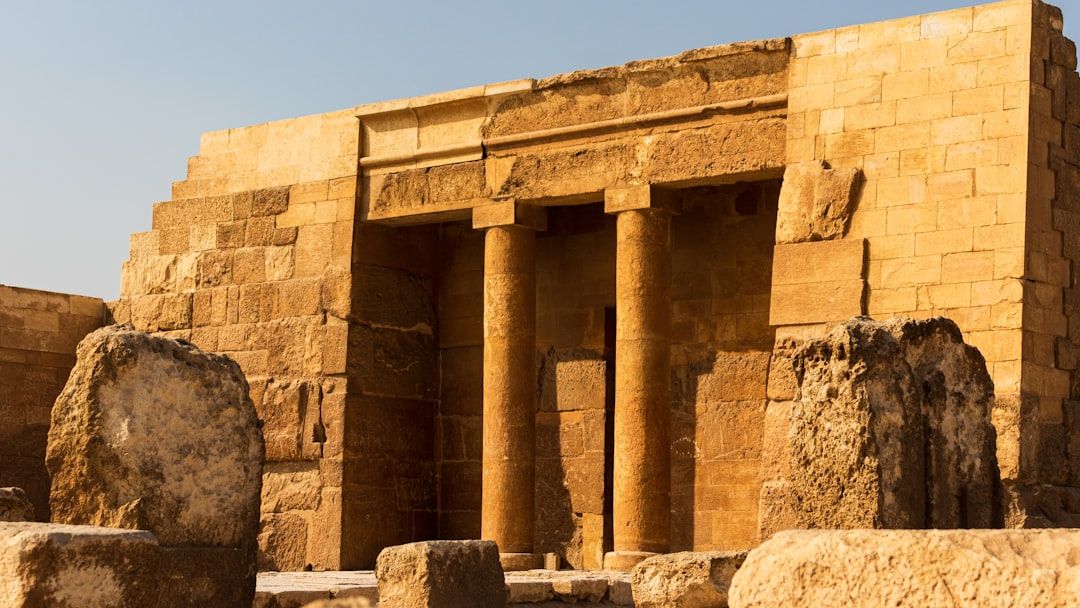
A Major Find at Ancient Oxyrhynchus (Image Credits: Unsplash)
Researchers from the University of Barcelona, led by Maite Mascort Roca and Esther Pons Mellado, conducted the excavations. Field director Hassan Ibrahim Amer oversaw the work, which built on prior discoveries at the site. The tomb emerged near a previously identified Ptolemaic structure, hinting at a dense necropolis. Hisham El-Leithy, Secretary-General of the Supreme Council of Antiquities, noted that the dig supplied fresh evidence of burial rites from the Greek and Roman eras.
Al-Bahnasa holds fame for its vast collection of ancient papyri, recovered in the late 19th and early 20th centuries. Those documents preserved works by classical authors, making the new literary find especially poignant. The mission plans continued exploration, as the site promises further revelations about daily life and death in antiquity.
Mummies Adorned for the Afterlife
Several linen-wrapped mummies appeared in the main tomb, some featuring geometric patterns. Wooden coffins accompanied the remains, many showing damage from ancient looting. Excavators recovered three golden tongues, one copper tongue, and traces of gold leaf on certain bodies. These amulets symbolized speech in the afterlife, a practice documented at the site before.
Minister of Tourism and Antiquities Sherif Fathy highlighted the tomb’s role in showcasing Minya’s archaeological wealth. He emphasized how such finds underscore Egypt’s multifaceted heritage across epochs. The elaborate preparations reflected deep beliefs in posthumous existence.
- Decorated linen wrappings on multiple mummies
- Wooden coffins, partially deteriorated
- Golden and copper tongue amulets for eternal voice
- Gold leaf accents on select remains
Papyrus Links to the Trojan War
One mummy yielded a standout artifact: a papyrus bearing text from Book 2 of Homer’s Iliad. Known as the Catalogue of Ships, the passage enumerated Greek forces in the Trojan War. This rare item bridges Greco-Roman literature with Egyptian burial contexts. Hassan Ibrahim Amer described its importance, as experts view it as elevating the site’s scholarly value.
Nearby, another tomb exposed additional Roman mummies and painted wooden coffins within a hypogeum, or underground chamber. Looting had disturbed these burials long ago, yet fragments endured.
Enigmatic Chambers and Cremations
East of the Ptolemaic tomb, a trench revealed three limestone burial chambers. Partial survival marked the structures, but contents proved intriguing. One chamber held a large jar with an adult’s cremated remains, an infant’s bones, and a feline head, all bundled in textile. Another jar in a separate chamber contained two individuals’ remains plus extra animal bones.
South of the main area, small terracotta and bronze figurines surfaced. These included Harpocrates as a horseman and a Cupid figure, merging Egyptian deities with Greco-Roman motifs. Such syncretism characterized the period’s art.
Insights into a Cultural Crossroads
Oxyrhynchus thrived as a provincial capital under Ptolemaic and Roman rule. Its rubbish heaps preserved thousands of papyri, from tax records to literary masterpieces. This tomb reinforces the site’s status as a hub of cultural exchange. Cremations and animal inclusions suggest diverse rituals uncommon in traditional Egyptian practice.
The discoveries expand understanding of how locals navigated blended identities. Future seasons may clarify the necropolis’s full scope.
Key Takeaways
- Roman mummies with golden tongues highlight afterlife speech rituals.
- Homer’s Iliad papyrus connects classical texts to Egyptian tombs.
- Cremated remains and figurines reveal hybrid Greco-Roman customs.
These finds from Minya remind us how archaeology revives forgotten voices. What secrets might the next layer hold? Share your thoughts in the comments.