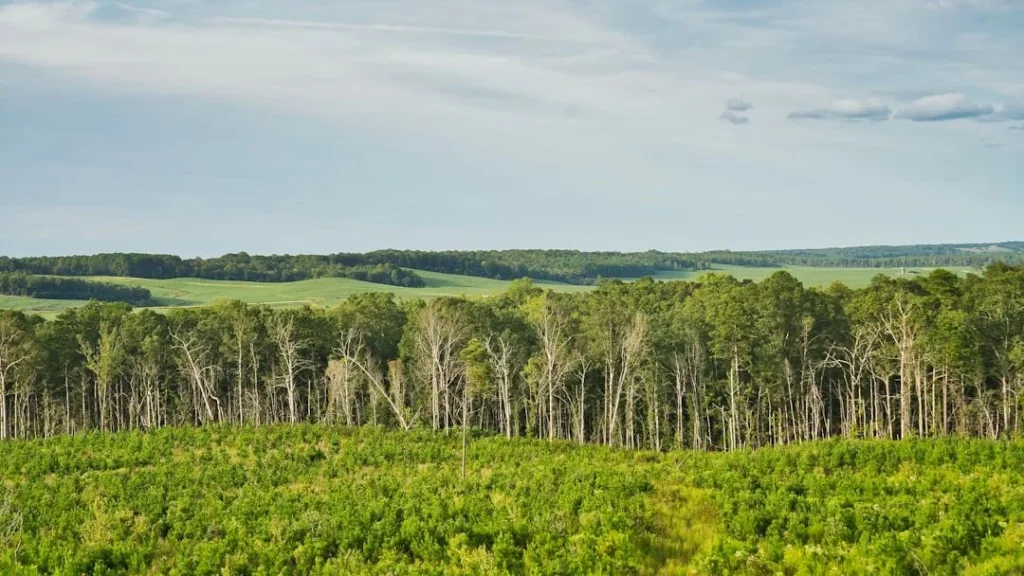
Nonforest ecosystems such as grasslands and wetlands have undergone conversion to agricultural use at a rate four times higher than forests over the past 15 years. A recent report from the Rainforest Alliance, World Resources Institute and partners highlights this trend, noting that these areas often escape the scrutiny of major environmental policies. Nearly 190 million hectares – an expanse comparable to Mexico – shifted primarily to pastures and croplands between 2005 and 2020. The findings underscore a critical oversight in conservation efforts centered on trees.
Conversion Rates Reveal Uneven Pressures
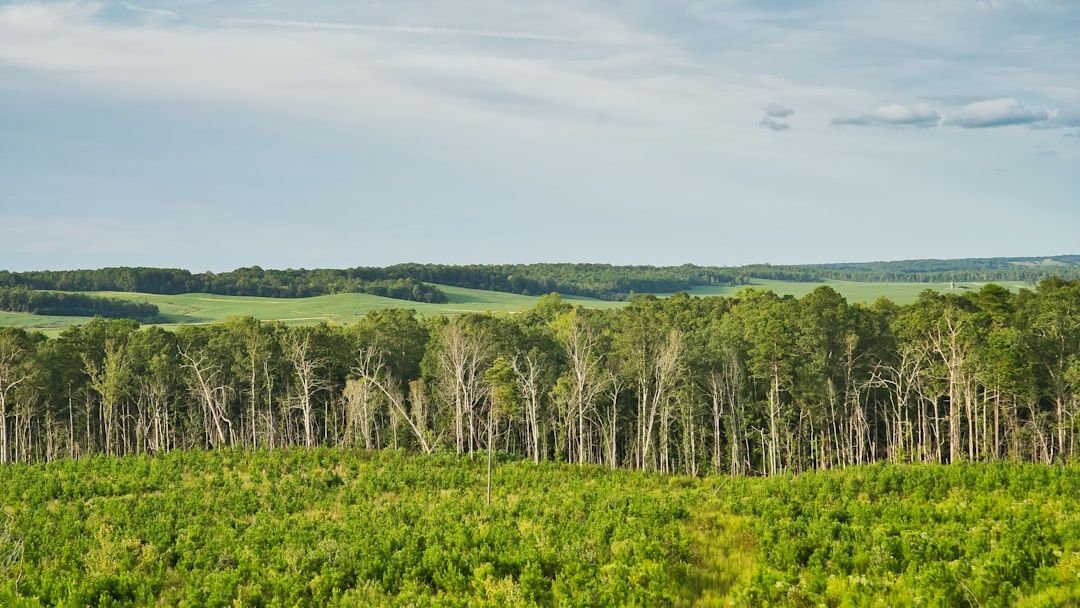
Conversion Rates Reveal Uneven Pressures (Image Credits: Unsplash)
The report documented the rapid transformation of nonforest natural ecosystems into farmland. These areas, vital for diverse wildlife and soil health, faced agricultural encroachment far more aggressively than wooded regions. Researchers observed this disparity across global datasets, attributing it partly to heightened protections for forests.
Over the study period, nonforest losses outpaced forest clearances by a factor of four. This shift occurred as international commitments and national laws increasingly targeted deforestation. Both types of ecosystems play key roles in storing carbon and supporting biodiversity, yet policies have prioritized one over the others.
Europe’s Key Law Overlooks Broader Impacts
The European Union’s deforestation-free regulation, known as the EUDR, aims to block imports of commodities like soy, cattle, coffee, cocoa, palm oil, rubber and wood tied to recent tree loss. While this measure strengthens forest safeguards, it largely ignores conversions in grasslands, wetlands and similar habitats. Agricultural supply chains feeding into Europe thus continue to drive expansion into these unprotected zones.
Corporate sustainability pledges mirror this forest-centric approach. Few commitments address nonforest ecosystems, leaving them vulnerable to the same market demands. The practical consequence emerges in global trade: tighter forest rules redirect farming pressures elsewhere without addressing the full ecological footprint.
Key Findings at a Glance
– Nonforest conversion: 190 million hectares (2005-2020)
– Rate: 4x faster than forests
– Primary uses: Pastures and farms
– Size equivalent: Nearly Mexico
Leading Countries in Nonforest Losses
Brazil recorded the highest volume of nonforest ecosystem conversion to agriculture during the 15-year span. China, Russia and the United States followed closely, each contributing significantly to the global tally. These nations host vast expanses of grasslands and wetlands now repurposed for production.
The pattern reflects broader dynamics where forest protections intensify. In Brazil, for instance, soy and cattle operations expanded into savannas after Amazon enforcement ramped up. Stakeholders including farmers, governments and importers now grapple with balancing food demands against ecosystem integrity.
Urgent Push for Comprehensive Protections
Siyi Kan, an environmental economics researcher at the University of Oxford, emphasized the risks in communications with Mongabay. “When protections tighten around forests, agricultural pressure can shift into other natural ecosystems that are also ecologically important but often much less protected,” Kan stated. Both forest and nonforest areas matter equally for biodiversity and carbon sequestration, she noted.
Kan called for immediate attention: “We need to start paying attention to them now, before it is too late.” Policymakers and businesses face pressure to expand regulations beyond trees. The timeline ahead will test whether global trade rules evolve to cover these overlooked frontiers effectively.