Singapore – Resorts World Sentosa has decided to halt the sourcing of wild dolphins for its aquarium and suspend its captive-breeding program, marking a significant shift in how the facility manages its marine mammals. This move comes amid ongoing debates over animal welfare in captivity and responds to years of criticism from conservation advocates. Insiders revealed the decision, which now prompts questions about the future care of the dolphins already housed there.
A Pivot in Marine Mammal Management
A Pivot in Marine Mammal Management (Image Credits: Unsplash)
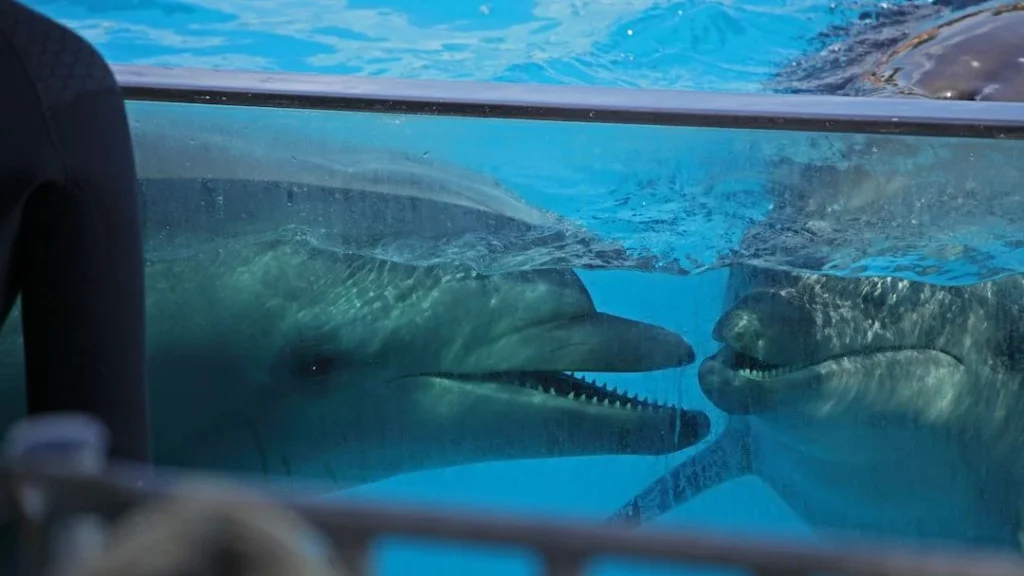
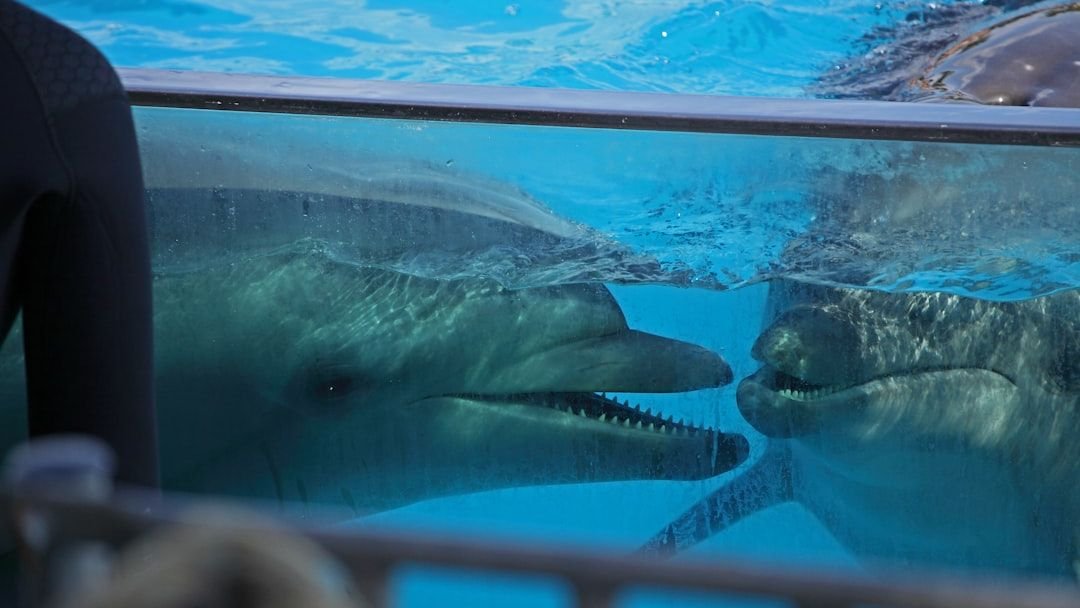
The resort’s Oceanarium, part of the popular S.E.A. Aquarium, houses more than 20 Indo-Pacific bottlenose dolphins. Staff confirmed details to Mongabay, noting that the facility is forming a panel of experts to chart the animals’ path forward. This panel will assess options for the pod, including the youngest member, a 7-year-old male named Kenzo.
Resorts World Sentosa initially declined to comment on the changes but later emphasized its commitment to the dolphins’ care. The decision to stop sourcing wild animals and breeding in captivity reflects broader pressures on marine parks worldwide to rethink such exhibits. While specifics remain under wraps, the step signals a potential end to expansion of the program.
Tracing the Origins of the Dolphin Exhibit
The dolphins arrived at the resort in shipments from the Solomon Islands during 2008 and 2009, totaling 27 individuals. Tragically, at least four perished either en route or shortly after from infections. The exhibit finally opened to visitors in 2013, drawing immediate backlash from animal welfare organizations concerned about capture methods and confinement.
Since then, the facility has maintained that its setup offers educational benefits alongside conservation messaging. The dolphins have received specialized attention, yet questions persist about their quality of life in enclosed tanks. This history underscores why the halt on new sourcing carries weight in conservation circles.
Welfare Perspectives from Experts and Staff
Anbarasi Boopal, former co-chief executive of the animal welfare group Animal Concerns Research and Education Society, welcomed the news as a positive development. She stressed the need for clear communication on plans for the existing dolphins. Staff members expressed skepticism about releasing the animals into the wild, citing their prolonged time in captivity.
Resorts World Sentosa countered with a statement affirming top-tier care: “At the Marine Mammal Habitat, the health and well-being of our dolphins is a top priority.” The resort highlighted a team of marine mammal specialists, veterinarians, and husbandry experts providing constant oversight. These assurances aim to address doubts, though transparency on long-term strategies remains a focal point for observers.
What matters now: The expert panel’s recommendations could redefine standards for captive marine mammals, balancing welfare with public education.
Navigating the Path Forward
With sourcing and breeding paused, attention turns to sustainable options for the current residents. Possibilities might include enhanced habitats, retirement to sanctuaries, or continued care under stricter protocols. The resort’s actions align with global trends, where facilities like SeaWorld have phased out similar programs following public and regulatory scrutiny.
Conservationists view this as progress, yet they urge detailed disclosures to ensure the dolphins’ best interests prevail. The coming expert review will likely shape not only Sentosa’s approach but also influence policies elsewhere in Asia. For now, the focus stays on delivering the high standards the resort promotes.
This development highlights a gradual evolution in how entertainment venues reconcile animal welfare with visitor experiences. It offers a measured advancement, reminding stakeholders that true conservation demands ongoing accountability and adaptation.