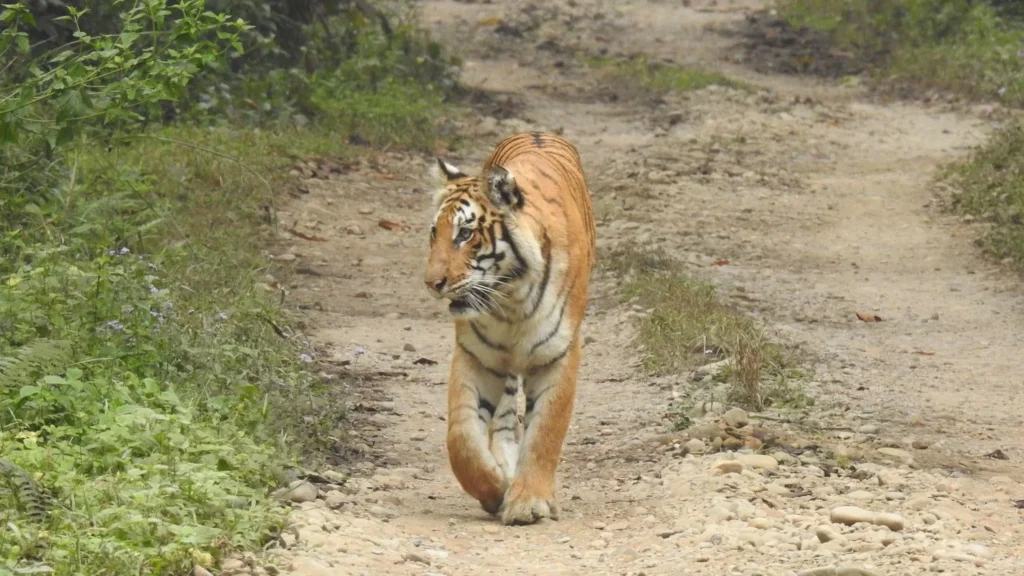
BARDIYA, Nepal — Nepali authorities have put forward a plan to build a specialized park for tigers that clash with humans, addressing a challenge born from the nation’s remarkable wildlife recovery. The initiative targets big cats responsible for human fatalities, easing pressure on strained holding facilities. Officials aim to balance conservation triumphs with community safety through this measured approach.
A New Home for Problem Tigers
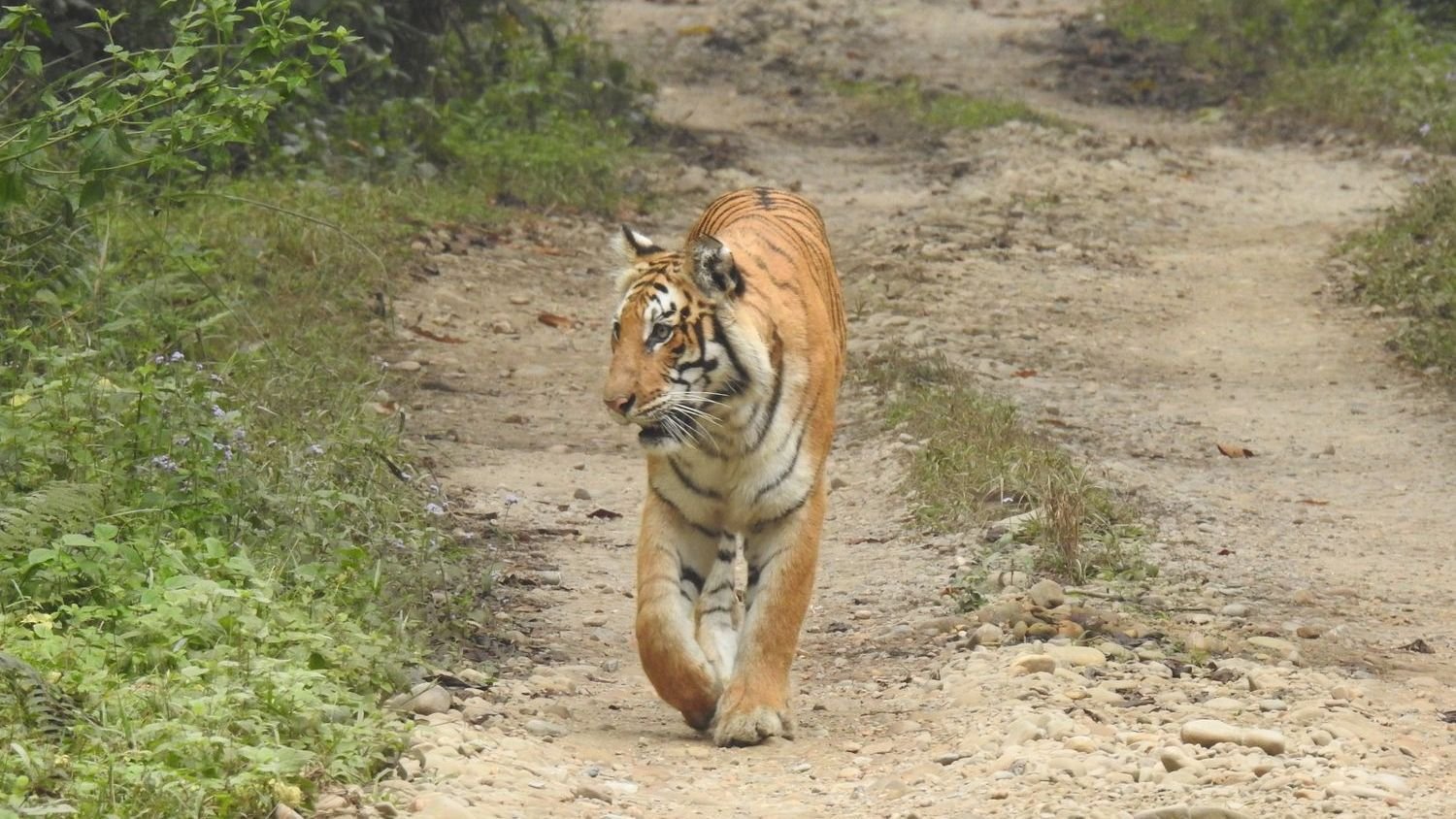
A New Home for Problem Tigers (Image Credits: Upload.wikimedia.org)
The government outlined a 50-hectare site in the Durganar-Tikauli forest, adjacent to Chitwan National Park, to accommodate these animals. Problem tigers, defined as those that have killed at least one person, currently languish in cramped cages at overcrowded centers. The proposed fenced enclosure would allow them more space to roam, hide in vegetation, and exhibit natural behaviors.
Hari Bhadra Acharya, a senior ecologist with the Department of National Parks and Wildlife Conservation, leads the committee evaluating the project. He highlighted the financial burden of captivity. “Currently, we need to spend around 1.5 million rupees [about $10,000] annually for each captive tiger even if we feed it minimally,” Acharya said.
Conservation Success Fuels the Need
Nepal’s tiger numbers have more than doubled since 2009, climbing from 121 to 355 individuals. These endangered Panthera tigris now thrive in key areas like Chitwan, Bardiya, and Shuklaphanta national parks. Such growth stems from dedicated protection efforts, yet it has led to increased human-wildlife encounters.
Attacks by tigers on people underscore the tensions in shared landscapes. Holding centers, designed as temporary solutions, now face capacity limits. The park would relocate these animals permanently, preventing further releases into the wild where risks persist.
Tourism Revenue to Offset Costs
Visitors flock to Nepal’s parks hoping to glimpse tigers, though sightings remain rare. The new facility would offer controlled viewing opportunities, with ticket sales funding meat, care, and veterinary needs. This model promises self-sustainability while educating the public on conservation challenges.
Acharya noted the dual appeal. Tourists could observe the big cats in a semi-natural setting, boosting eco-tourism without straining existing reserves. Such revenue might alleviate the ministry’s budget pressures long-term.
Key Elements of the Proposal:
- 50-hectare fenced habitat near Chitwan National Park
- Housing for tigers involved in human attacks
- Space for natural behaviors over cage confinement
- Ticketed access to cover upkeep expenses
Unresolved Questions Ahead
Several details about the park remain unclear, including timelines for construction and final capacity. Experts must assess environmental impacts on the surrounding forest and ensure the enclosure’s security. Community input will likely shape the project’s viability.
The plan reflects Nepal’s evolving strategy in wildlife management. Successful tiger recovery demands innovative responses to conflicts. If implemented, this park could serve as a model for other nations facing similar dilemmas.