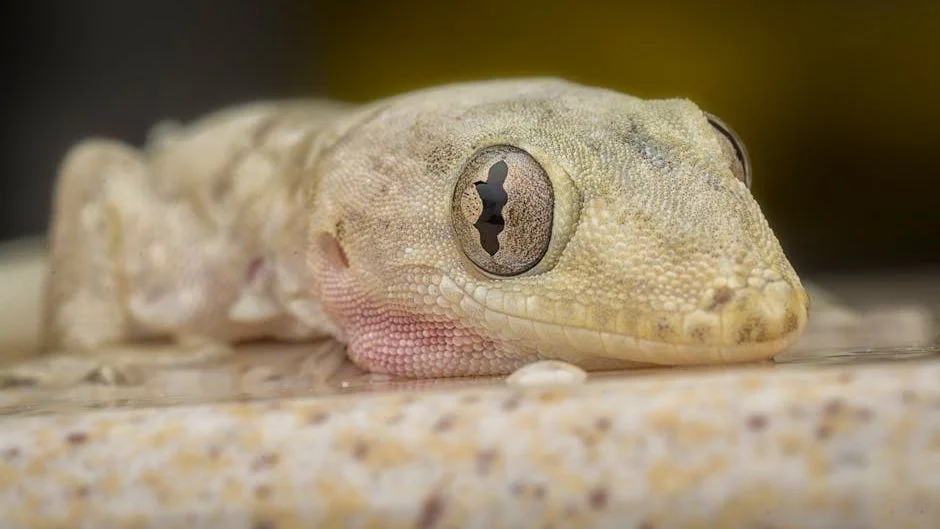
Conservationists in northern Vietnam face a dual reality: the thrill of uncovering hidden wildlife alongside the urgency of protecting fragile ecosystems from rapid decline. Researchers recently identified a new species of slender gecko in the karst landscapes of Son La province, adding to the roster of biodiversity surprises in these limestone-dominated forests. This find underscores the untapped potential of areas often dismissed as barren, even as human activities encroach on their survival.
A Nighttime Surprise in Copia Nature Reserve
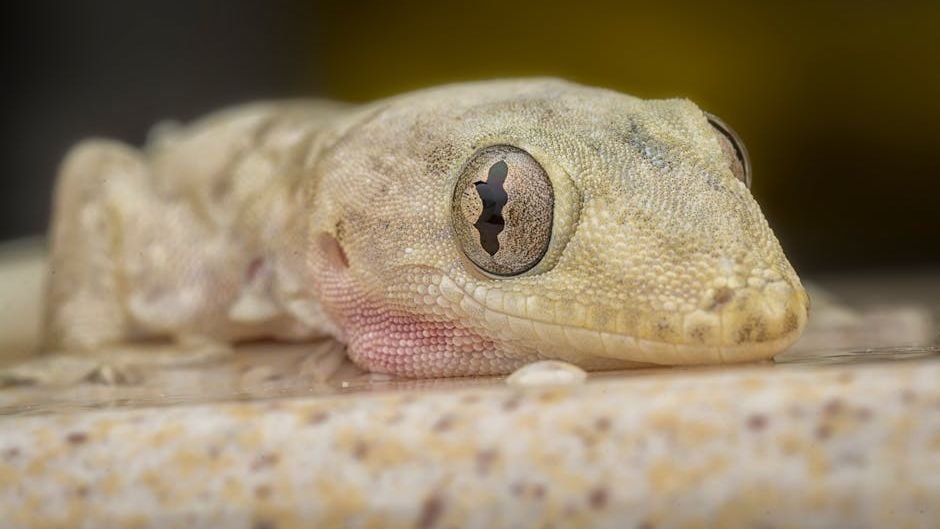
A Nighttime Surprise in Copia Nature Reserve (Image Credits: Pexels)
Surveys in the Copia Nature Reserve brought the new gecko to light during nocturnal expeditions. Teams spotted these small, yellowish-grey lizards clinging to limestone cliffs, their slender bodies blending seamlessly into the rugged terrain. In one unexpected sighting, an individual perched on an electric pole amid a cornfield, hinting at how these creatures navigate human-altered edges of their habitat.
The discovery marks Vietnam’s 12th known species in the Hemiphyllodactylus genus, a group of slender geckos adapted to karst environments. Researchers conducted the work amid growing concerns over deforestation and quarrying in these regions, where unique formations support specialized wildlife. This species, dubbed Ziegler’s Slender Gecko, emerged from meticulous fieldwork that revealed its distinct traits.
Unmasking the ‘Cryptic’ Nature of the Find
The term “cryptic” captures the challenge of spotting evolutionary novelty in look-alike species. At first glance, Ziegler’s Slender Gecko mirrors its relatives, but genetic analysis told a different story. Tests showed a 14% divergence from the closest kin, a substantial genetic gap signaling deep evolutionary separation.
Co-author Minh Le from Vietnam National University described the discovery as “exciting,” yet anticipated. “Because we acknowledge, based on our research, that the diversity of this group of cryptic geckos is substantially underestimated,” he explained in an email. He predicted more species would surface soon, reflecting ongoing surveys in understudied karst zones. This pattern aligns with recent science, where appearances deceive and DNA uncovers hidden lineages.
Honoring a Conservation Pioneer
The species bears the name Hemiphyllodactylus ziegleri, a tribute to Thomas Ziegler of Germany’s University of Cologne. The study authors credited him “for his outstanding contribution to biodiversity research and conservation in Vietnam.” Ziegler’s long-term efforts have illuminated the richness of Southeast Asian reptiles, influencing policies and protected areas.
Such naming practices not only commemorate expertise but also rally support for ongoing work. In Vietnam, where karst forests harbor disproportionate biodiversity, dedicated researchers like Ziegler bridge fieldwork and global awareness. Their legacy amplifies calls to safeguard these ecosystems before losses mount.
Recent Surge and Looming Threats
The gecko genus has seen explosive documentation, with 85% of its species described within the past decade. This boom stems from advanced genetics and intensified surveys, peeling back layers of overlooked diversity. Northern Vietnam’s karst forests, with their towering cliffs and caves, foster such endemics, yet remain vulnerable.
Habitat degradation poses immediate risks. Quarrying for limestone, agriculture expansion, and urbanization fragment these landscapes, threatening species before they are fully known. Researchers urge protective measures for the new gecko, including expanded reserves and monitoring.
- Strengthen patrols in karst reserves to curb illegal extraction.
- Enhance genetic databases for rapid species identification.
- Collaborate with local communities on sustainable land use.
- Monitor human-wildlife interfaces, like cornfields near cliffs.
What Lies Ahead for Vietnam’s Hidden Herpetofauna
As more cryptic geckos emerge from genetic scrutiny, the focus sharpens on human actions shaping their fate. Vietnam’s karst regions, vital for global biodiversity, demand balanced development that preserves these evolutionary hotspots. The Ziegler’s Slender Gecko serves as a timely reminder: discoveries bring joy, but sustained conservation ensures they endure.
Local scientists like Minh Le emphasize the underestimation of diversity, forecasting further revelations. Yet unresolved questions linger about habitat resilience and adaptation to change. For communities relying on these lands, the path forward hinges on integrating science with stewardship, lest these slender survivors slip away unnoticed.