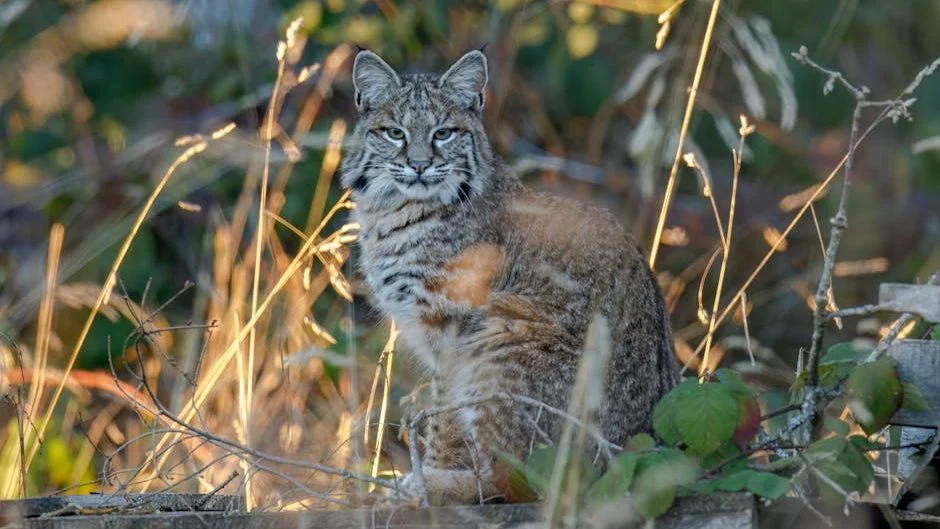
Kiawah Island, South Carolina – This barrier island’s residents cherished sightings of bobcats slipping through palmetto thickets amid vacation homes. The population thrived for decades under careful habitat management. Then, in 2019, a series of unexplained deaths shattered that stability, dropping annual survival rates from 98 percent to 39 percent and threatening local extinction within five years.
A Mysterious Wave of Deaths
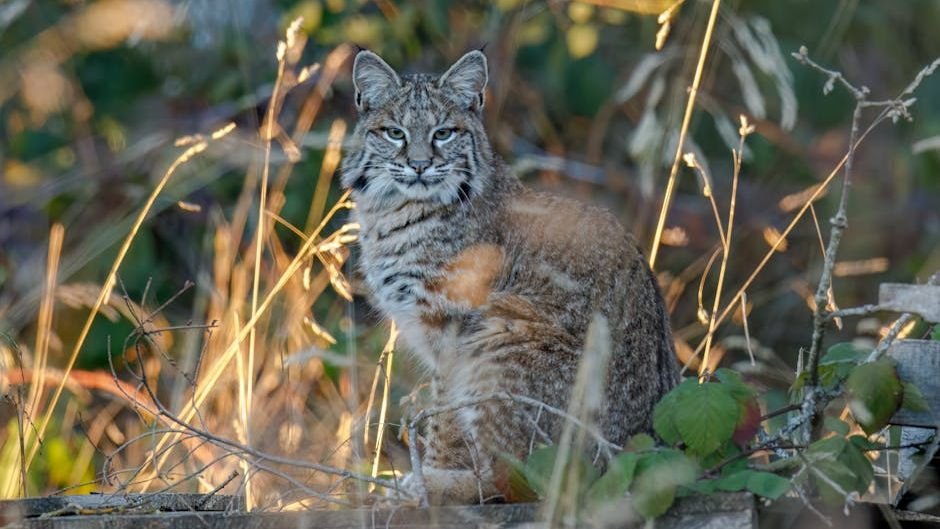
A Mysterious Wave of Deaths (Image Credits: Pexels)
Wildlife officials first discovered a female bobcat that had bled to death during labor. Soon after, two more carcasses appeared without visible trauma. These losses represented about 10 percent of the island’s estimated 30 to 35 bobcats. Over the following four years, 12 additional animals perished, signaling a crisis for the isolated group studied by researchers for more than three decades.
Meghan Keating, a doctoral candidate at Clemson University, noted the sharp departure from prior patterns. The team had recorded years without any mortalities. Necropsies at a state lab revealed elevated levels of rodenticides in the blood and livers of all deceased bobcats. The toxins had entered the food chain indirectly, poisoning the predators through their rodent prey.
Rodenticides Fuel the Problem
Kiawah Island, a 13-mile-long gated community, balances heavy development with environmental protections that sustain native vegetation vital for wildlife. Its year-round population of 2,000 swells to 10,000 in peak tourist season, including a surge in short-term rentals starting around 2018. That influx correlated with heightened pest issues, particularly rats and mice, leading to widespread use of anticoagulant rodenticides.
These second-generation poisons prevent blood clotting, causing internal bleeding that can take days to prove fatal. A single bait ingestion suffices for rodents, which then become easy targets for bobcats. Keating explained that the lethargic, poisoned prey proved irresistible to the cats. Bioaccumulation amplified the risk, as toxins built up across multiple meals.
Linking Poisons to Population Impacts
Keating’s analysis, detailed in a recent Animal Conservation study, examined satellite imagery of development, interviews with residents and pest control firms, and data from GPS-collared bobcats spanning 2007 to 2022. Housing density showed no strong tie to survival declines. Rodenticide exposure, however, correlated directly with lower rates.
Over 70 percent of sampled bobcats carried traces of four or more anticoagulant chemicals, indicating repeated exposures rather than isolated incidents. Other species suffered too: necropsies of raccoons, opossums, and even an alligator pointed to the same poisons traveling up the chain. Keating highlighted the scarcity of studies demonstrating such population-level effects. South Carolina’s limited pesticide reporting rules hindered precise tracking, as firms retain records for just two years.
Key Findings from the Study:
- No significant link between urbanization density and bobcat deaths.
- Direct correlation between rodenticide exposure and reduced survival.
- Multiple chemicals detected in over 70% of tested animals.
- Broader risks to predators like raptors, snakes, and scavengers.
Swift Community and State Interventions
Projections from 2021 data warned of bobcat disappearance by 2025 without change. Late in 2020, locals launched the Bobcat Guardian program, securing pledges from residents and businesses to forgo anticoagulant rodenticides. The initiative gained traction amid public awareness campaigns, including videos documenting the poisons’ toll.
South Carolina responded with a statewide restriction, now requiring a license for these substances. Ongoing monitoring via collars and samples bolstered recovery efforts. Keating credited the community’s attachment to its feline mascots for the rapid shift. The population stabilized, preserving not just bobcats but the island’s ecological balance for other species reliant on the same prey base.