
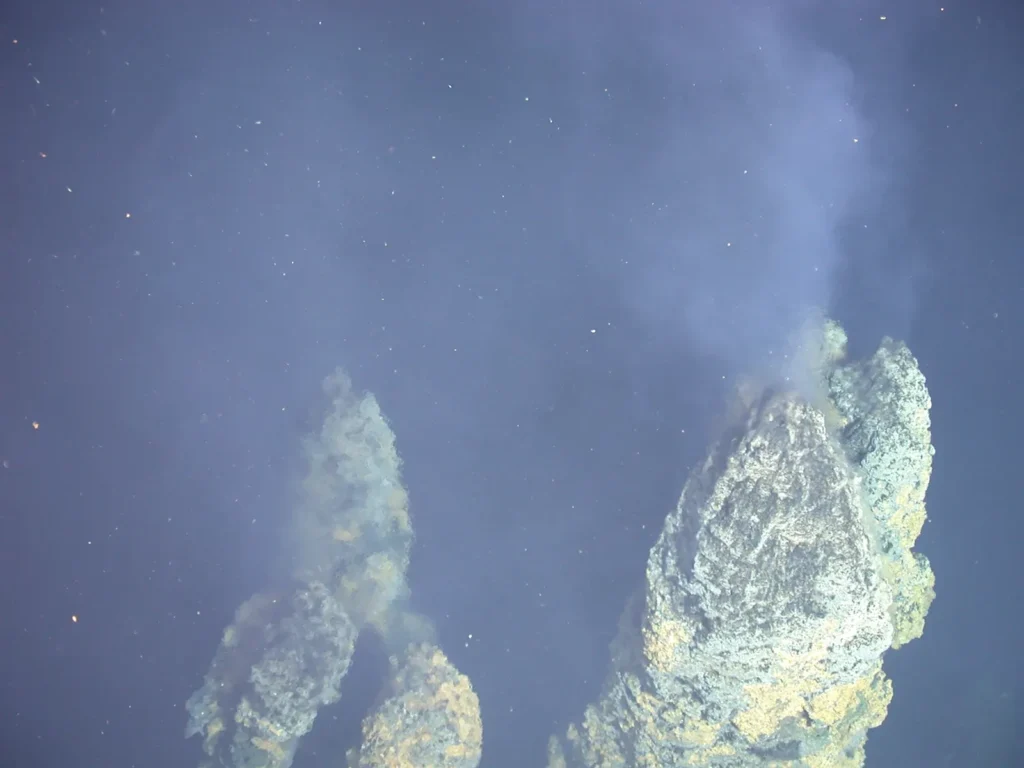
If you could roll the clock back more than three and a half billion years, you would not see forests, oceans full of fish, or even blades of grass. You would find something that looks almost disappointingly simple: a rocky planet, volcanic and restless, and pools of murky, chemical-rich water often described as a primordial soup. Yet inside that unremarkable setting, the first real spark of life was brewing, quietly setting the stage for everything you know and everything you are.
Thinking about this can be strangely emotional. You are, in a very real sense, the latest chapter of a story that began in that ancient soup, a chain of survival stretching across billions of years. When you look at your hands, your DNA, your thoughts, you are looking at the ongoing result of an experiment that started with simple molecules bumping into each other in warm water. Understanding how that story began does not just satisfy curiosity; it gives you a different way of seeing yourself, your place on Earth, and what it really means to be alive.
The Young Earth: A Hostile Home With Hidden Potential
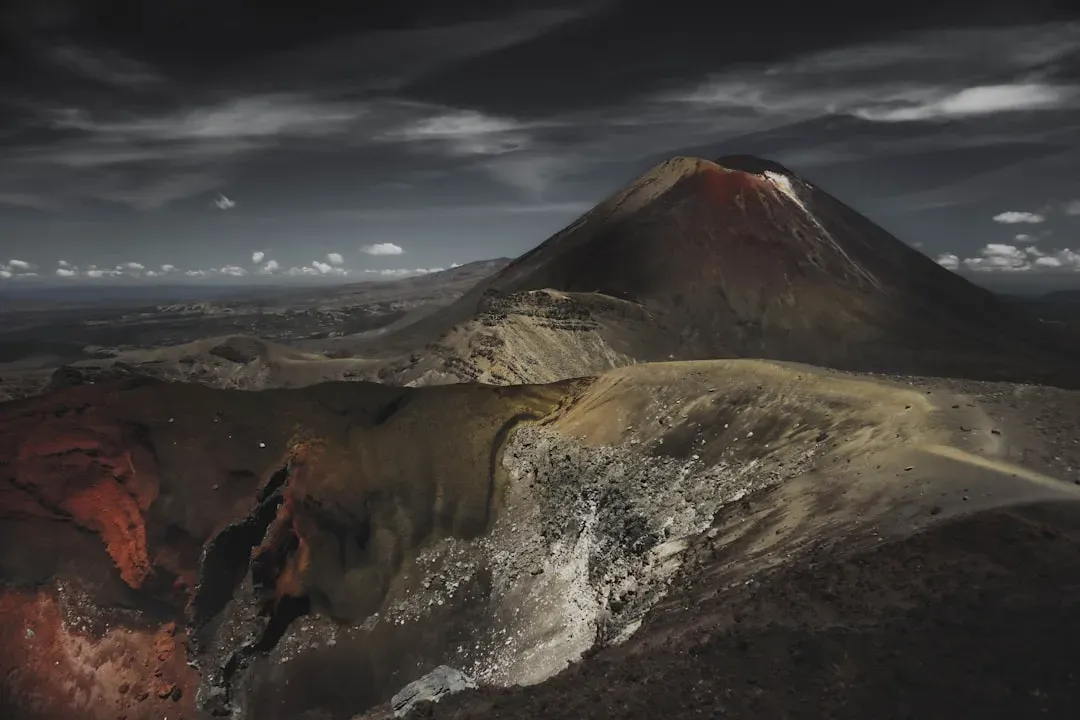
When you imagine early Earth, do not picture a gentle blue planet like the one you see from space today. Instead, imagine a world of constant volcanic eruptions, a sky choked with gases, lightning ripping through thick clouds, and an ocean that was hotter and more acidic than anything you would swim in now. There were no trees to soften the landscape, no insects buzzing, no birds in the sky – just rock, water, gas, and energy. It sounds brutal, but that chaos gave you something incredibly valuable: endless sources of chemical and physical energy.
Those violent conditions helped drive raw ingredients into new forms. Volcanic gases like methane and ammonia mixed with water vapor and carbon dioxide, while lightning, ultraviolet light from the young Sun, and the heat from hydrothermal vents pumped in energy. You might think of this as a planetary-scale chemistry lab that never shut off. Instead of destroying the chance for life, this harsh environment increased it, constantly churning and recombining molecules until some of them began to behave in surprisingly life-like ways.
What Scientists Mean By “Primordial Soup”
The phrase primordial soup sounds almost poetic, but you can think of it very literally: a liquid mixture rich in dissolved chemicals, some of which were the building blocks for life. Picture shallow pools near volcanic coasts, tide pools splashed by early oceans, or water-filled cracks in rock where minerals and water interacted constantly. These were not clean, clear pools; they were messy, murky, and thick with dissolved molecules, including simple carbon-based compounds. In that mess, chemical reactions could keep happening over and over again.
For you, the key idea is that life did not appear out of nowhere in a single magical step. It emerged gradually from this soup of chemicals, as some molecules formed, broke apart, and reformed in patterns that slowly became more stable, complex, and organized. Over time, that soup stopped being just chemistry and started creeping toward biology. The reason scientists care about these details is simple: if life could arise from such a mixture once, understanding how it happened might help you recognize where life could appear again, on Earth-like worlds or even in places that look quite different.
From Simple Molecules to Life’s First Building Blocks
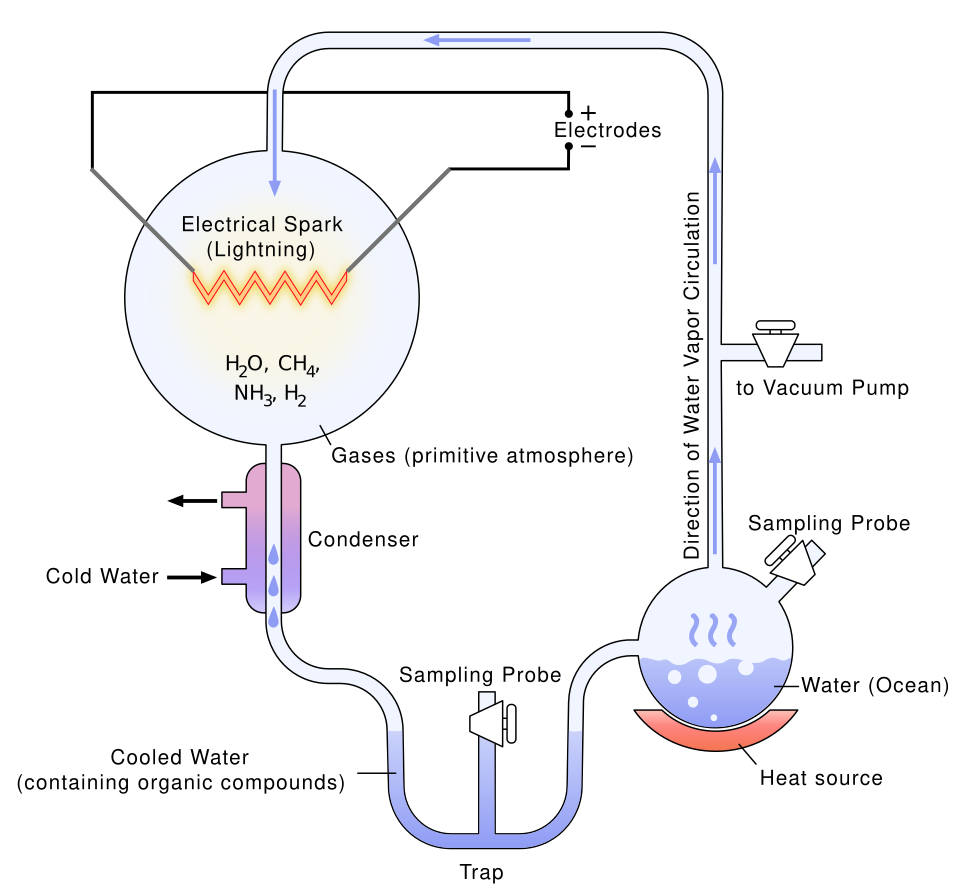
Before you can have cells, you need ingredients: things like amino acids, which can form proteins, and nucleotides, which can form genetic material such as RNA and DNA. Laboratory experiments have shown that if you take gases similar to what early Earth likely had, add water, and then blast the mixture with energy like electrical sparks, you can form a surprising variety of organic molecules. You end up with a kind of chemical broth that is much richer than what you started with. It is not life yet, but it is far more interesting than just water and gas.
On early Earth, natural processes did this kind of experiment for you, over and over, across enormous spans of time. Ultraviolet light, hot rocks, evaporating pools, and mineral surfaces all helped concentrate and rearrange molecules. You can think of this as a long series of blind chemical trials, where most combinations went nowhere, but once in a while, certain molecules stuck together in ways that allowed them to last just a bit longer or react in more useful ways. Those were the tiny, crucial steps leading you from simple chemistry toward the earliest whisper of biology.
Why RNA May Have Been Your First Genetic Material
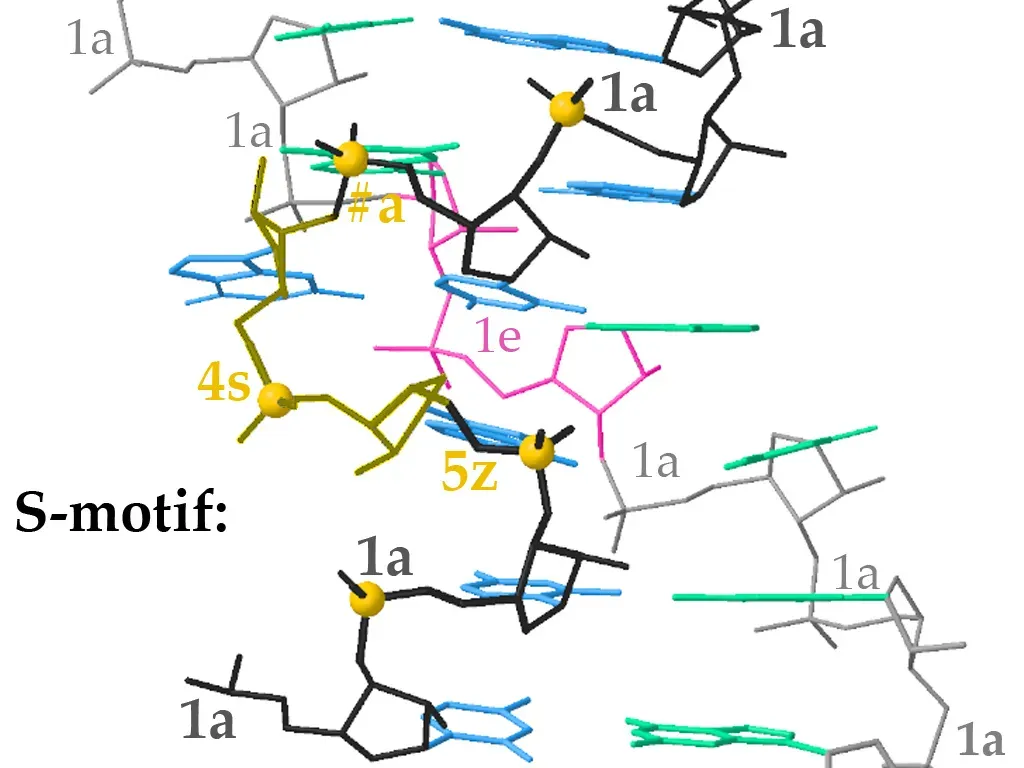
Today, you carry your genetic instructions in DNA, but many scientists think that before DNA dominated, a simpler molecule called RNA may have played a starring role. RNA can store information like DNA, but it can also help catalyze chemical reactions, a bit like a protein. That means a single type of molecule might have been able to both carry a rough blueprint and help build useful structures. In a primordial soup, that is a huge advantage, because it simplifies the problem of getting life started. You do not need many different complex parts right away.
In this picture, you can imagine an early stage of life where short strands of RNA formed spontaneously and sometimes were able to copy parts of themselves, even if very imperfectly. Those that happened to copy more reliably or resist breaking down too quickly would have had a small edge. Over time, through countless cycles of trial and error, these strands could have become more stable and complex. Once that happened, you basically had a crude form of inheritance, and with inheritance comes evolution – the same evolutionary engine that eventually produced you.
The Role of Water, Rock, and Energy in Shaping Early Life
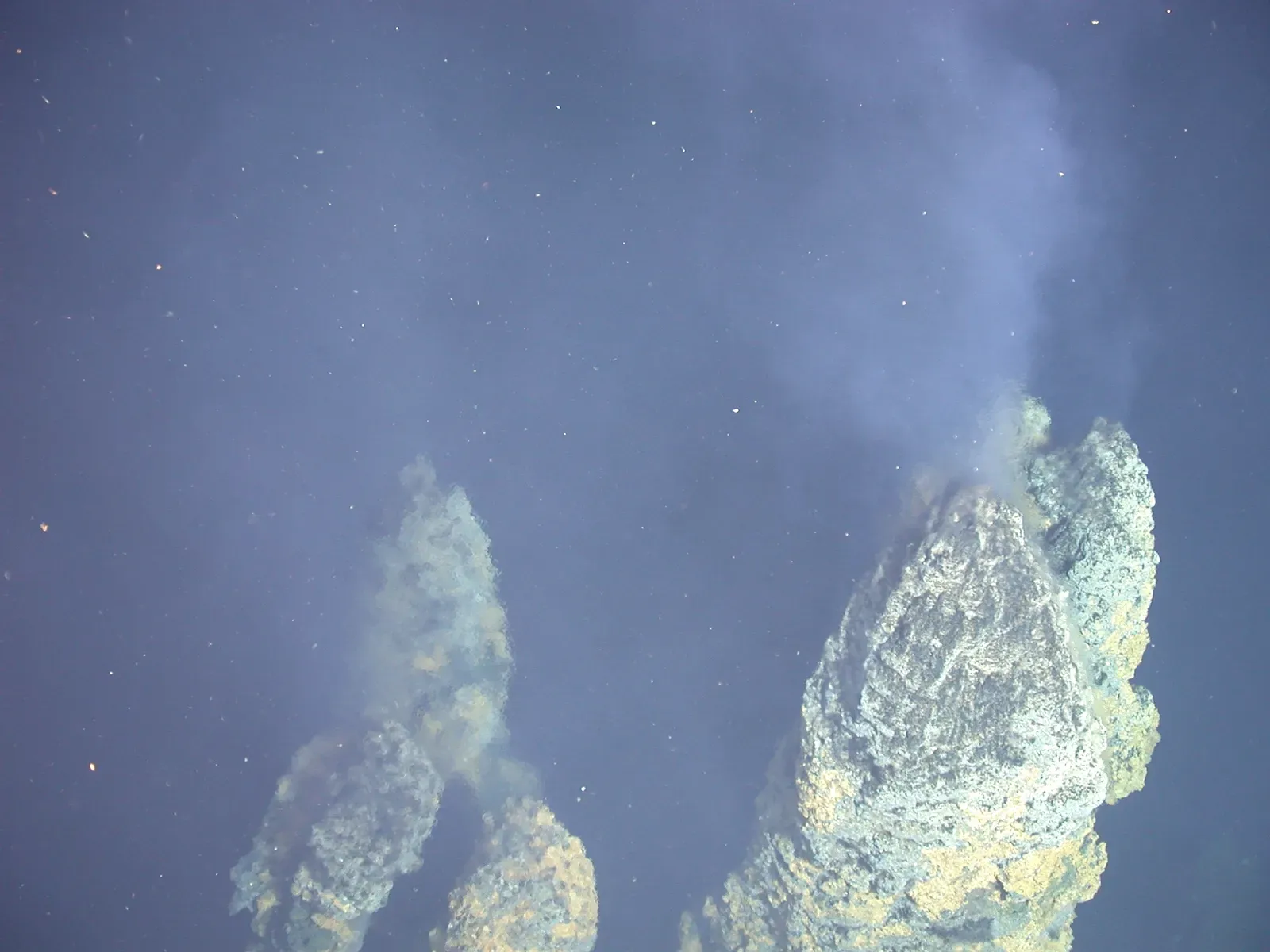
It is easy to focus only on the soup itself, but you also need to think about the bowl it sat in. Water, rock, and energy sources like sunlight and geothermal heat were not just background scenery; they were active players in shaping early life. Water allowed molecules to move freely, bump into each other, and react. Rock surfaces, especially those rich in certain minerals, could have acted like scaffolding, trapping molecules in tiny spaces where they stayed close enough for complex reactions to unfold. In these natural micro-labs, the odds of building something life-like increased dramatically.
Energy sources powered the whole process. Sunlight drove photochemical reactions near the surface, while hydrothermal vents on the seafloor pumped out heat and minerals that created extreme but potentially fertile conditions. When you hear about life possibly starting in deep-sea vents rather than shallow pools, this is what scientists are talking about: different combinations of water, minerals, and energy giving chemistry a push in slightly different directions. Whether you lean toward the shallow-pool idea, the deep-vent idea, or a mix of both, you are still looking at a world where your earliest ancestors were shaped by rock, water, and relentless flows of energy.
When Chemistry Becomes Biology: The First True Cells
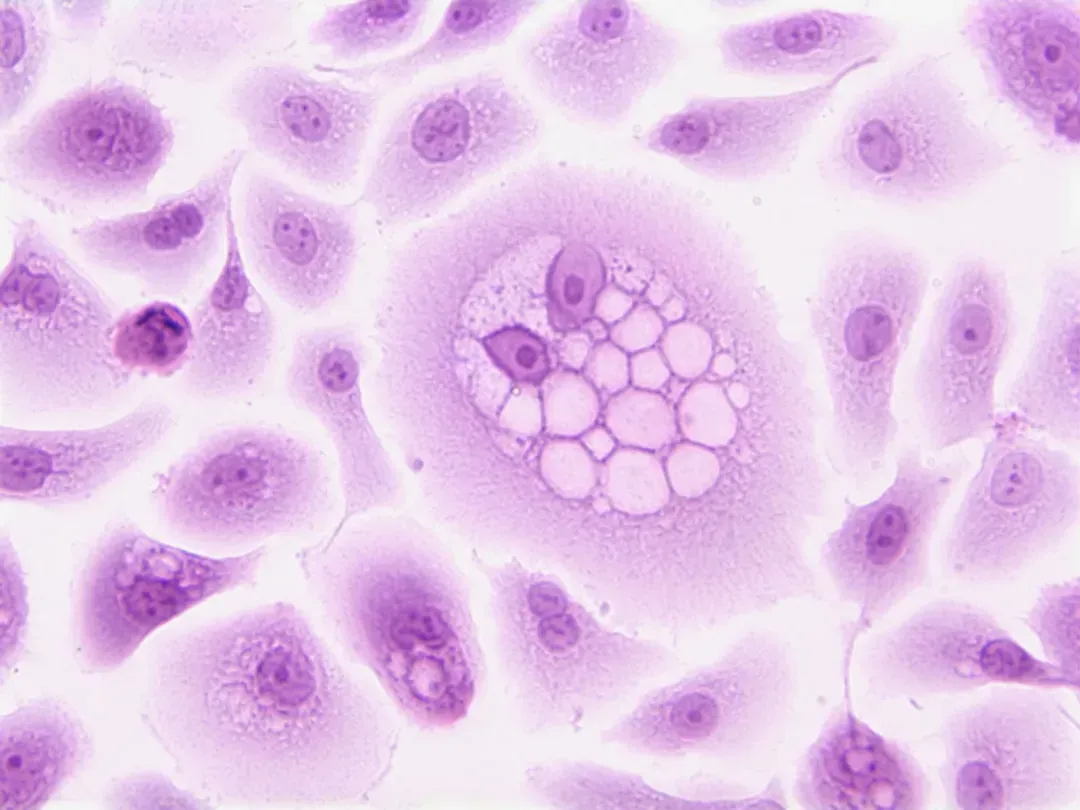
At some point, the chemistry in the primordial soup crossed an important threshold: it stopped being just loose, drifting molecules and became something you would reasonably call life. One big step in that journey was the formation of simple membranes – tiny bubbles made from fatty molecules that naturally form enclosed compartments in water. Once you have a bubble, you have an inside and an outside, and that separation lets chemistry inside the bubble evolve differently from the chemistry outside. That small difference is a huge turning point.
Inside these tiny bubbles, primitive genetic molecules and basic metabolic reactions could start working together. If a particular bubble happened to trap a useful combination of molecules that let it grow, divide, or survive longer, then that combination would become more common over time. You can recognize this as natural selection operating at a microscopic scale. Even though these first cells would have been incredibly simple compared to modern bacteria, they were still your direct ancestors. Every cell in your body is a highly refined version of those first fragile, membrane-bound pockets of chemistry.
What This Origin Story Tells You About Evolution and Yourself

When you understand that life began as simple chemistry in a messy, unstable environment, evolution stops being an abstract theory and becomes a very practical story about survival and change. You can see how small advantages, like a more stable molecule or a tougher membrane, could add up over unimaginable stretches of time. You also see that there was no blueprint aiming at you specifically; instead, evolution explored whatever paths the environment allowed. You are here not because the universe planned you, but because your ancestors kept finding ways not to vanish.
There is a kind of quiet wonder in realizing that your thoughts, your memories, and your emotions are the latest expression of a process that started with simple molecules in warm, ancient water. The atoms in your body cycled through stars, rocks, oceans, and finally into living cells that learned to copy themselves with increasing fidelity. By the time you came along, that process had already run for billions of years. Seeing yourself as part of that chain can shift how you relate to other living things and to the planet itself. You are not separate from this story – you are its continuation.
Why the Primordial Soup Still Matters to You Today
It might be tempting to think of the primordial soup as an interesting but distant curiosity, something that happened long ago and no longer matters to your daily life. But your modern world is full of echoes of that first chemistry. Every time you hear about synthetic biology, artificial life, or scientists trying to build simple cells in the lab, you are really hearing about people trying to replay, in a controlled way, the same broad steps that Nature took billions of years ago. Understanding those steps can help you engineer new medicines, more efficient enzymes, or even life-support systems for future space missions.
There is also a deeply personal side to this knowledge. When you look at other planets and moons – places like Mars, Europa, or Enceladus – you can ask a more informed question: could their own version of a primordial soup have formed, and if so, did it ever start to simmer with life? By learning how it happened here, you get better at recognizing where it might happen elsewhere. In a way, every time you learn something new about the first steps of evolution, you are not just studying the past; you are expanding your sense of what might be possible for life in the universe, including your own role in protecting and exploring it.
In the end, life on Earth truly beginning in a primordial soup is not just a scientific idea; it is your origin story. You came from a world that was rough, unstable, and noisy, and out of that noise, order slowly emerged, one tiny chemical success at a time. The fact that you can now look back, ask questions, and even try to recreate those first steps in a lab is a remarkable twist in the story itself. When you think about it that way, you are not just a spectator of evolution – you are its current storyteller. What part of that ancient journey surprised you the most?