If you could dive into the oceans of the Mesozoic Era, you’d feel like you’d dropped straight into a science fiction movie. No whales, no dolphins, no great white sharks – instead you’d be surrounded by reptilian giants with toothy jaws, paddle-like limbs and eyes built for hunting in dim, murky depths. These were not dinosaurs, but a whole parallel world of marine reptiles that evolved to dominate the seas for more than a hundred million years.
As you get to know these creatures, you start to see a pattern: evolution kept running the same experiment in different ways. Sleek, dolphin-shaped fish hunters, massive jaw-driven ambush predators, long‑necked stealth specialists – the same basic jobs you see in today’s oceans were already being done, just by very different animals. Let’s wade into that ancient water and meet ten of the most fascinating marine reptiles that once ruled it.
Mosasaurus – The Lizard That Became a Sea Monster
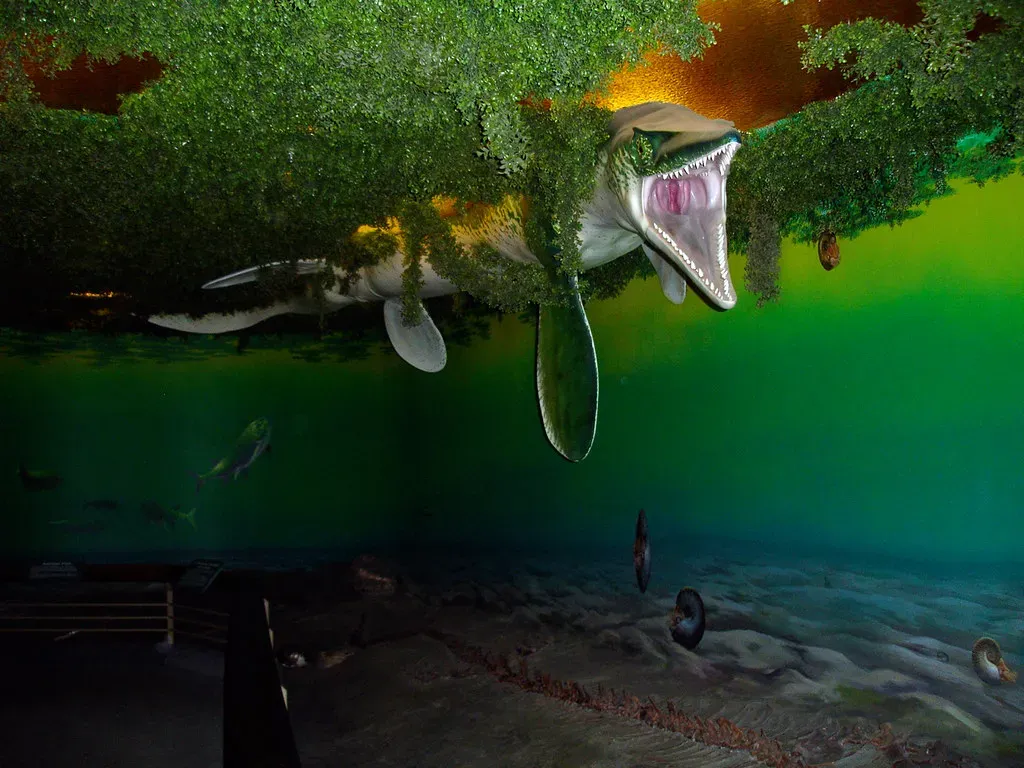
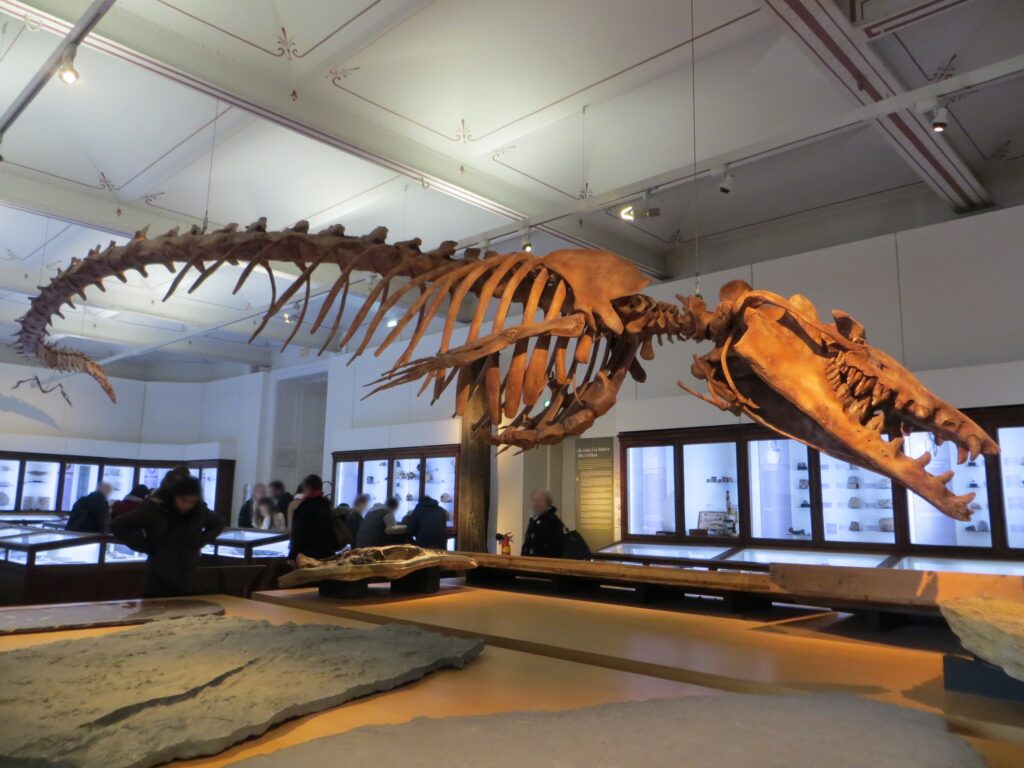
When you picture a gigantic sea reptile bursting out of the water in pop culture, you’re usually thinking of some version of Mosasaurus. You’re looking at a reptile that started out on land in the lizard family tree, then returned to the water and pushed that lifestyle to the extreme. It lived in the Late Cretaceous, during the last few tens of millions of years before the asteroid impact, when it rose to the very top of the marine food chain.
Its body was long and muscular with a powerful tail, flipper-like limbs and a massive skull armed with conical teeth ideal for grabbing and tearing prey. You can think of it as a cross between a komodo dragon and a killer whale, scaled up and streamlined. Fossils show Mosasaurus and its relatives in seas that once covered parts of modern Europe, North America, Africa and beyond, which tells you it was incredibly successful at what it did.
Other Mosasaurs – The Diverse Dynasty of Marine Lizards
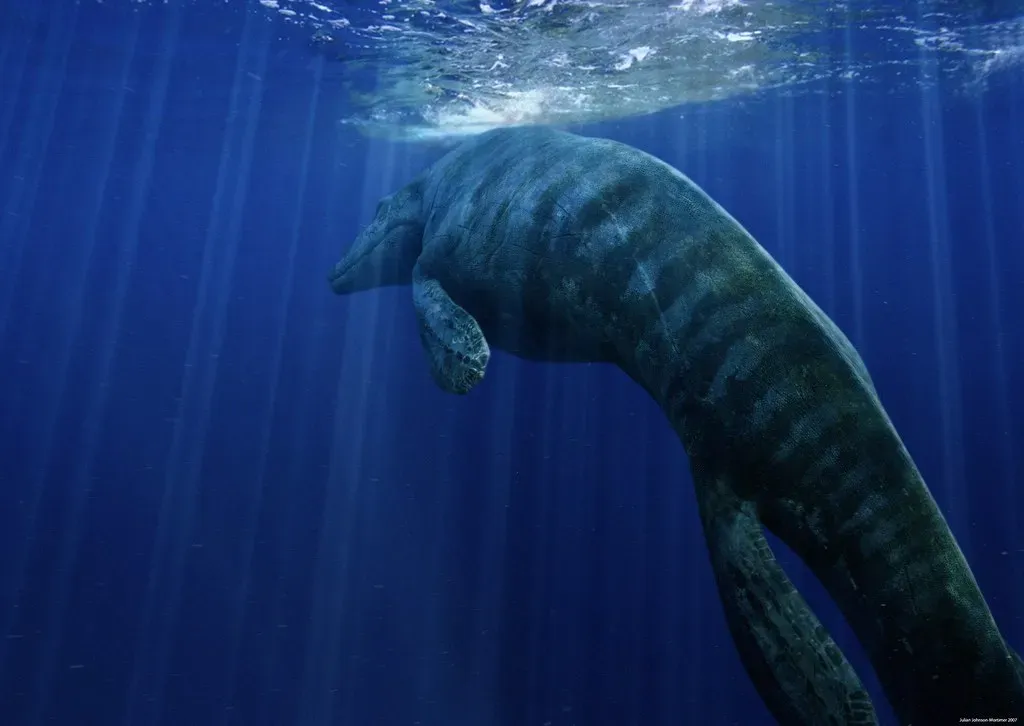
Once you step back from Mosasaurus itself, you realize you’re actually looking at an entire family empire: the mosasaurs. You have smaller, more agile forms like Platecarpus that probably chased fish in the mid‑water zone, as well as long, torpedo‑shaped hunters such as Tylosaurus with reinforced snouts that may have rammed or stunned prey. Some early forms, like Dallasaurus, still had more lizard‑like limbs, giving you a snapshot of the transition from land to sea.
As you explore their fossils, you see evidence suggesting they gave birth to live young and had bodies tuned for open‑ocean cruising rather than life clinging to coastlines. Pigment studies hint that some were countershaded – darker on top, lighter underneath – much like modern sharks and tuna, an adaptation that makes you harder to spot from above and below. In other words, if you dropped mosasaurs into today’s oceans, they’d fit right into the high‑speed, high‑stakes game of open‑water predation.
Ichthyosaurs – The “Fish Lizards” That Became Dolphin Look‑Alikes
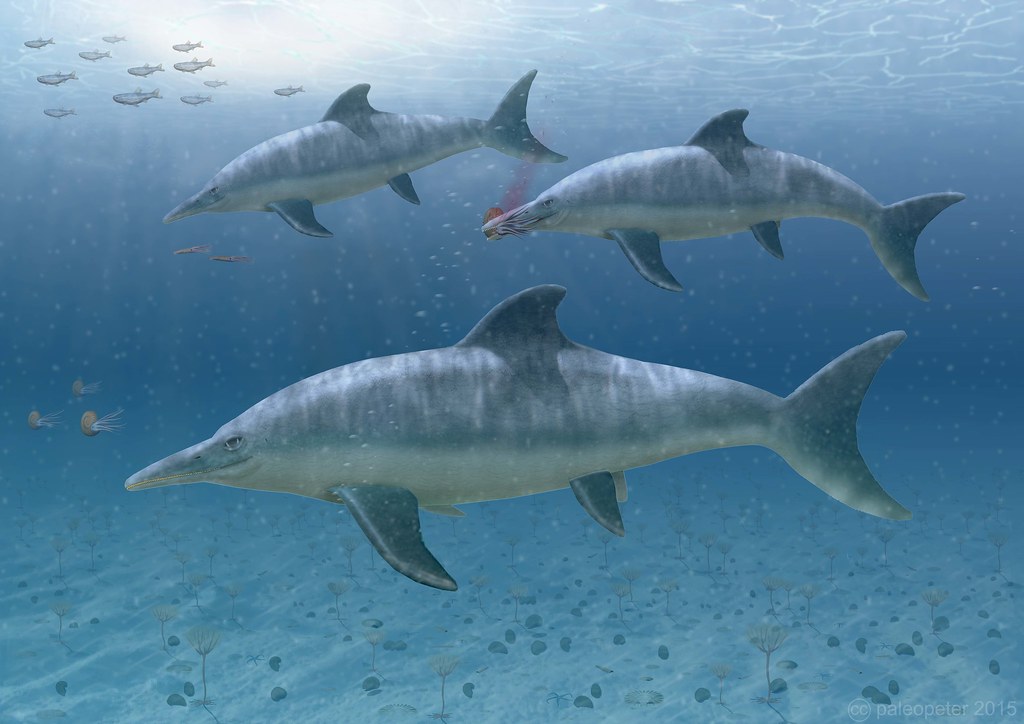
If you saw an ichthyosaur in life, your first reaction might be confusion: you’d swear you were looking at a strange dolphin. These reptiles evolved sleek, streamlined bodies, vertical tail fins and long snouts packed with teeth, all converging on the same solution that fish and many marine mammals use for fast swimming. They first appeared around the dawn of the Triassic seas and stayed successful for well over a hundred million years, which tells you just how well their design worked.
Some species had truly enormous eyes, in some cases comparable to a basketball in diameter, suggesting you’re dealing with hunters that could see in low light, perhaps at depth or during dusk and dawn. Stomach contents preserved in fossils show you that many ichthyosaurs fed on fish and squid‑like animals, snapping them up with quick, precise strikes. Over time, some lineages reached colossal sizes, rivaling today’s largest whales in length, turning the open ocean into their hunting ground.
Plesiosaurs – Long‑Necked Icons of the Ancient Seas
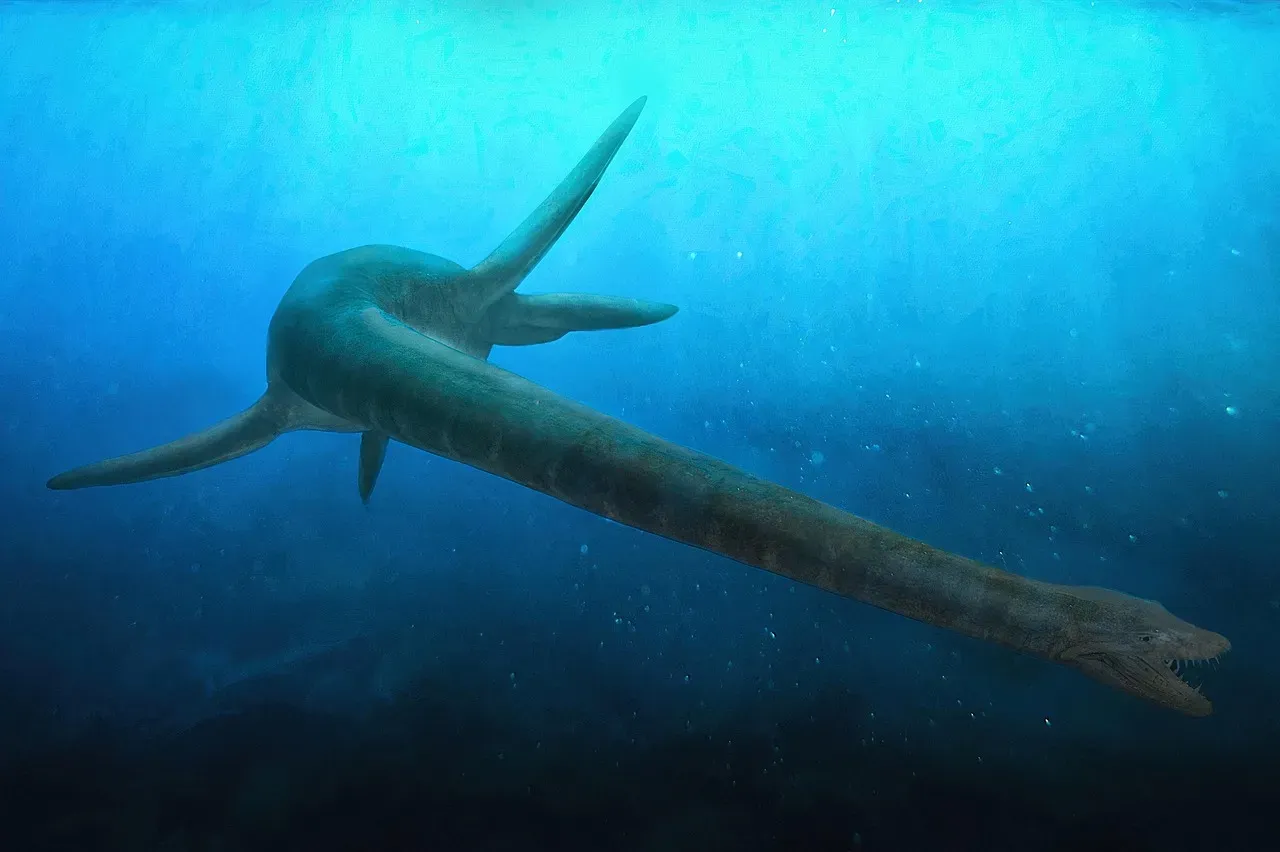
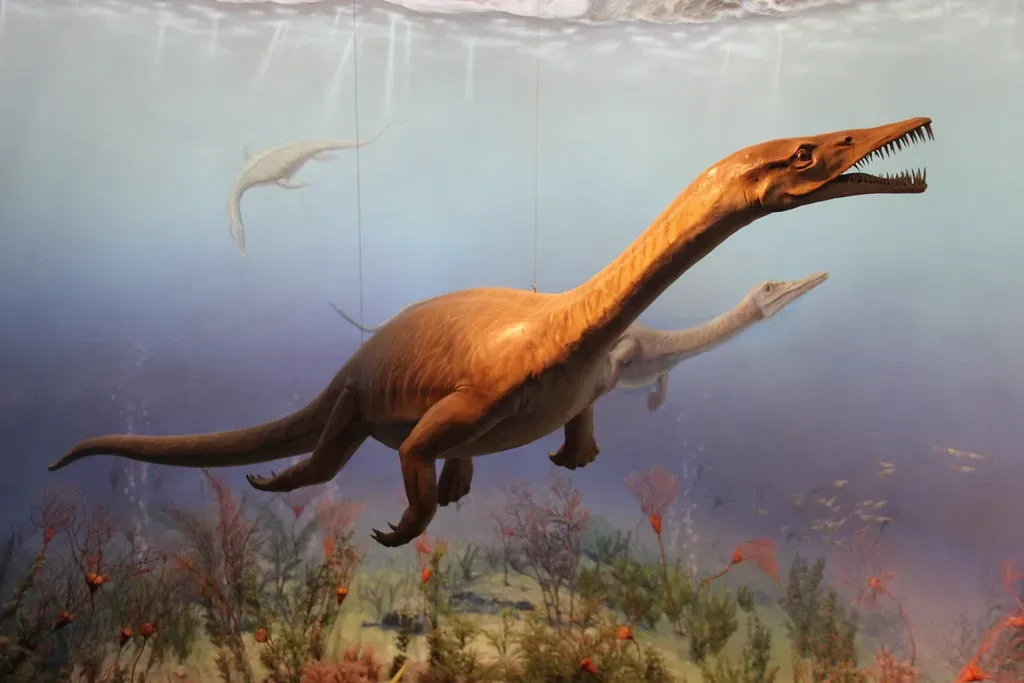
When someone mentions a mysterious lake monster, you probably picture something plesiosaur‑like without even realizing it: a small head, absurdly long neck, stout body and four big flippers. Plesiosaurs were not dinosaurs, but a separate group of marine reptiles that thrived from the Late Triassic right up to the end of the Cretaceous. You can split them into two broad body types: long‑necked forms with smaller heads, and short‑necked forms with massive skulls, both united by that unique four‑flipper design.
The long‑necked species likely used their flexible necks to sneak up on schools of fish or invertebrates, striking from surprising angles while keeping their bulkier bodies at a distance. Imagine gliding through the water and then, instead of lunging your whole body forward, you just snake your head in like an extending arm. Their flippers worked rather like underwater wings, generating lift and thrust in a style sometimes described as underwater flight, allowing them to maneuver gracefully in three dimensions.
Pliosaurs – The Short‑Necked Heavy‑Hitters
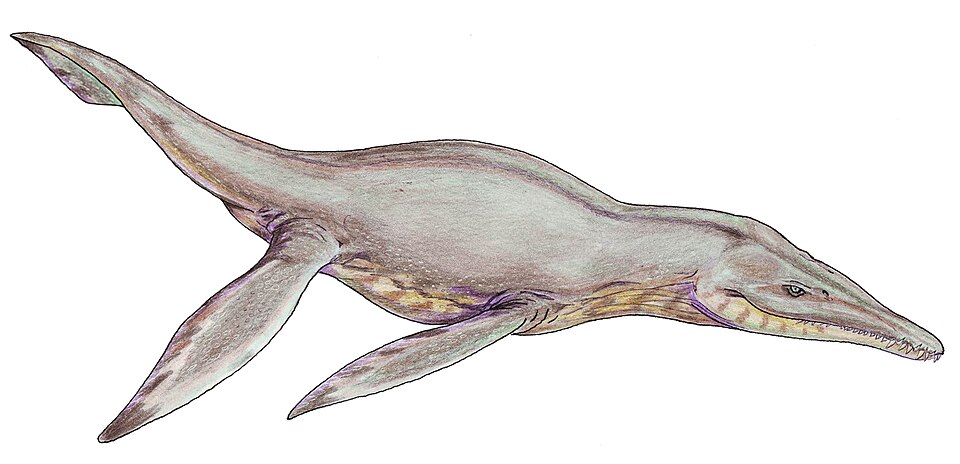
If plesiosaurs are the elegant gliders of this story, pliosaurs are the heavy‑hitting bruisers. They belong within the same overall group but took a very different route, evolving shorter necks and enormous, powerfully muscled heads. You can think of them as the marine equivalent of a big‑jawed ambush predator, roughly filling the role you might assign to a giant crocodile mixed with an orca, only with four flippers doing the work instead of a tail‑based stroke.
Some species reached lengths well over ten meters, with skulls several meters long studded with conical teeth that could crush bone. Fossil evidence and biomechanical modeling suggest they were capable of powerful bursts of speed, more than enough to overtake prey in the open water. Their victims likely included large fish, other marine reptiles and just about anything else unfortunate enough to cross their path, putting pliosaurs firmly among the most fearsome hunters of the Jurassic seas.
Kronosaurus – Australia’s Giant Jaw on Flippers
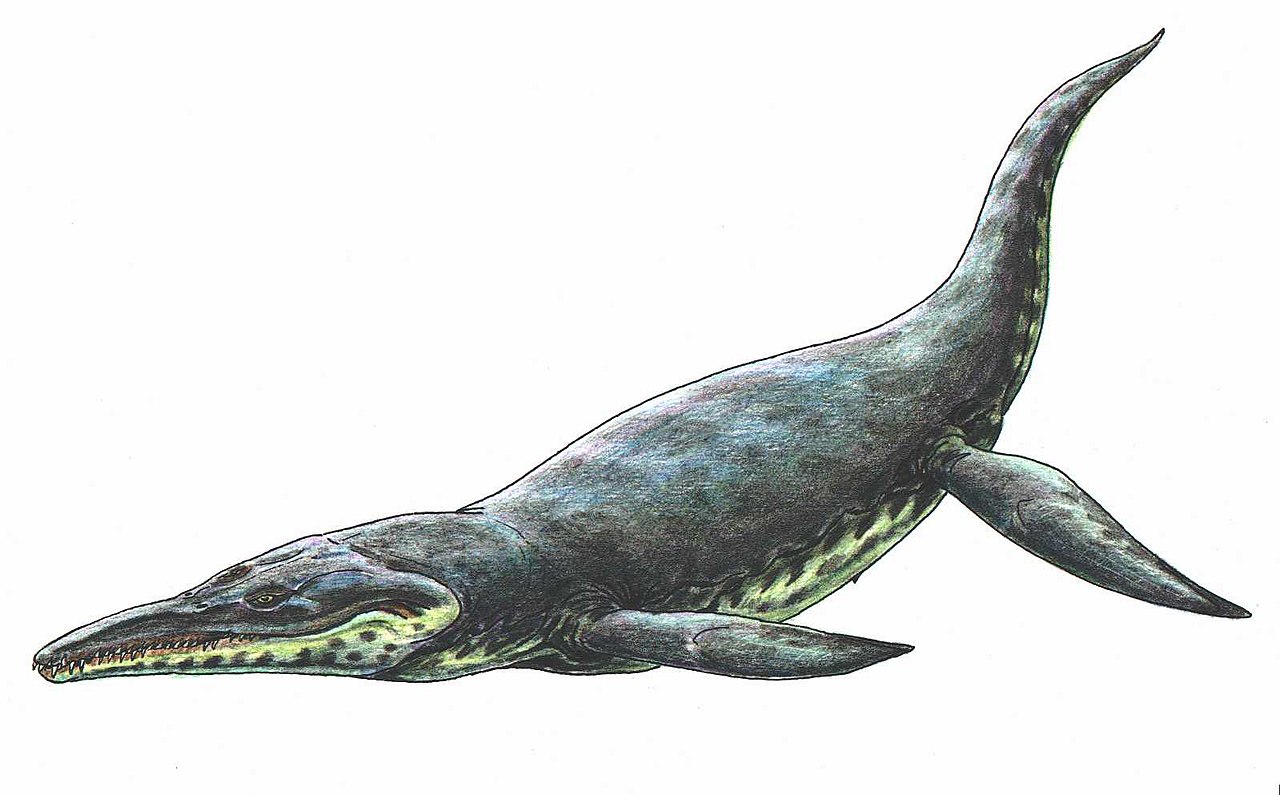
If you want a specific pliosaur that lives up to its fearsome reputation, you should spend some time with Kronosaurus. This Cretaceous titan, known from Australia and possibly South America, carried a skull that could reach nearly three meters in length. When you imagine that massive head driven by a muscular neck and anchored to a barrel‑shaped body with four strong flippers, you’re looking at an animal that seems purpose‑built for overpowering big, struggling prey.
Its teeth were large, conical and interlocking, ideal for gripping slippery victims such as other marine reptiles or large fish. Paleontologists have suggested that its bite forces and skull structure were more than a match for thick bones and armor. If you’ve ever watched footage of an orca attacking seals or sharks, you already have a mental template; Kronosaurus was doing something similar tens of millions of years earlier, only with a reptilian twist.
Elasmosaurus – The Neck That Defied Common Sense
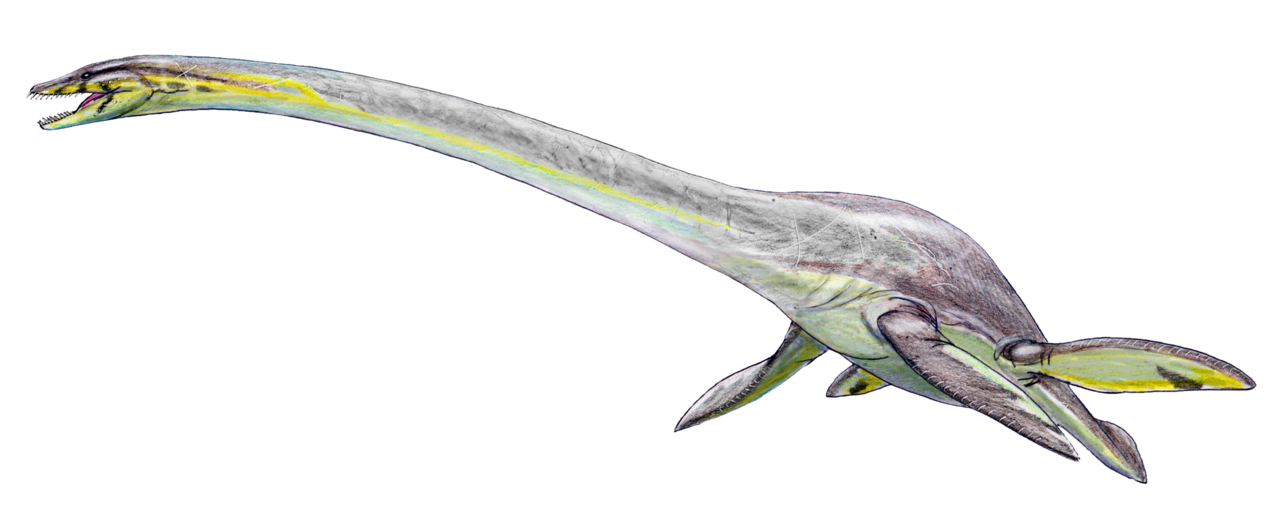
Elasmosaurus is the animal that really tests your imagination. This long‑necked plesiosaur from the Late Cretaceous carried a neck with an astonishing number of vertebrae, giving it a length that made up a huge portion of its total body size. When you picture swimming with such a creature, you’re not just looking at a reptile; you’re watching what looks like a living periscope gliding under the waves.
Earlier reconstructions even mistakenly coiled the neck like a snake, but modern research suggests it was relatively stiff, more suited for gentle curves and sweeps rather than tight bends. That still gave the animal plenty of reach to probe schools of fish or invertebrates while its body remained at a safe distance. In a way, it turned its neck into a long, extendable feeding arm, letting it sample prey in multiple directions without demanding big movements from its body that might give it away.
Thalattosuchians – The Crocodile Cousins That Took to the Sea
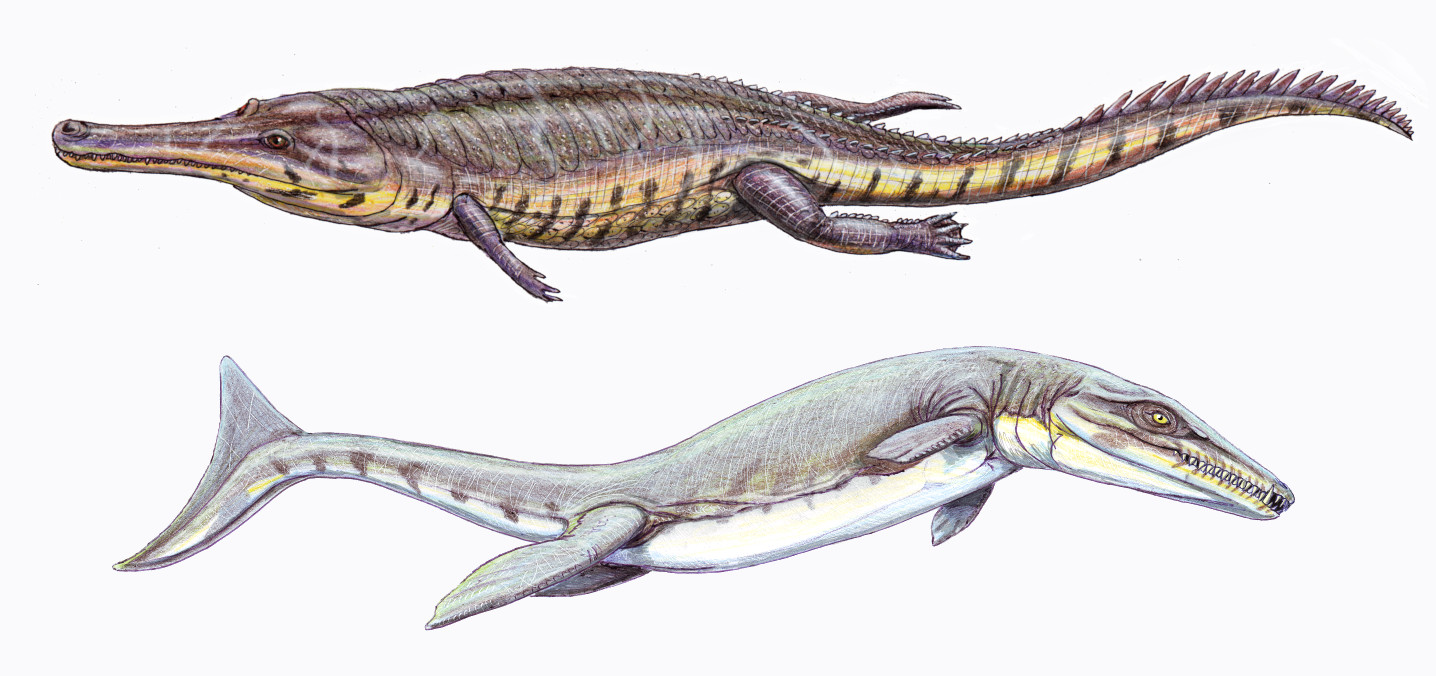
When you think of crocodiles, you probably imagine lurking river predators, but one extinct group, the thalattosuchians, pushed far out into the marine realm. These crocodile relatives evolved streamlined bodies, powerful tails and, in some forms, reduced armor, trading heavy protection for speed and agility. Some species, like Metriorhynchus, became so adapted to life offshore that they developed flippers instead of the typical crocodile limb layout.
By doing this, they carved out a lifestyle more like that of small to medium‑sized marine predators, hunting fish and possibly smaller marine reptiles in coastal and open‑ocean settings. You can think of them as an early experiment in turning a semi‑aquatic ambush predator into a fast‑swimming pursuit hunter. Their story shows you that the pull of the ocean was strong enough to reshape even the crocodile clan into something very different from the riverbank lurkers you know today.
Placodonts – The Shell‑Crushers of Shallow Seas
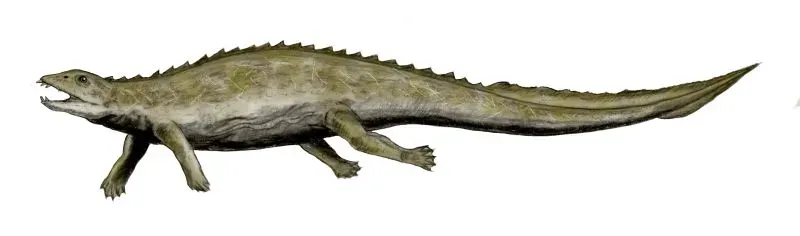
Not every marine reptile chased big, fast‑moving prey; some specialized in a slower but equally tough lifestyle. Placodonts were early marine reptiles of the Triassic that developed broad, flat teeth perfect for crushing hard shells. Picture yourself in a warm, shallow sea full of clams, snails and shelled invertebrates – if you can crack those armored snacks, you’ve got a steady lifestyle, and placodonts evolved exactly the tools for that job.
Many species had stout bodies and, in some cases, armor plates that gave them a turtle‑like appearance from above. They were not particularly large compared to later marine giants, but they filled an important ecological niche as shell‑crushers. If you imagine walking along a modern reef and watching a parrotfish rasp coral or a triggerfish crunch sea urchins, you already understand the logic: armored food rewards any animal that can evolve the hardware to open it.
Thalattosaurs – The Oddballs of the Triassic Coastlines
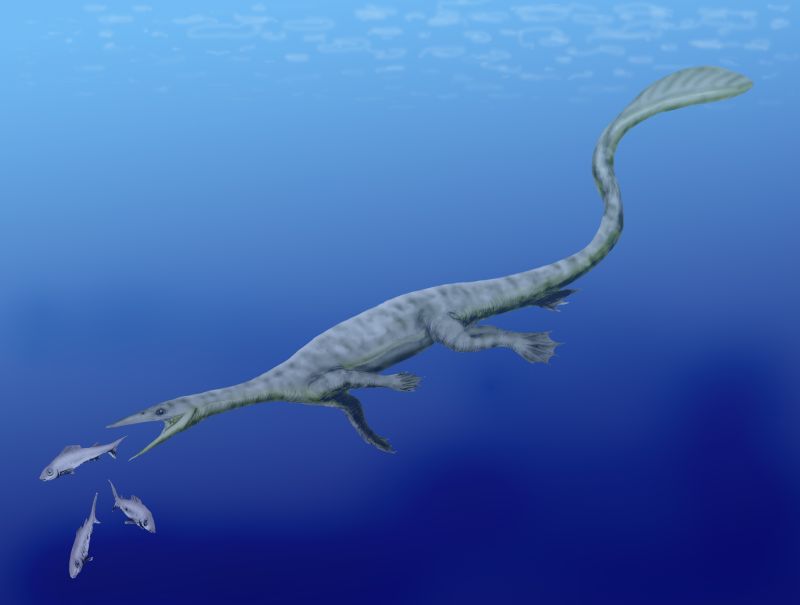
Thalattosaurs are the kind of animals that remind you evolution is not picky about elegance. These Triassic marine reptiles had long tails, often slender bodies and heads that varied quite a bit between species, from relatively simple shapes to more bizarre, down‑turned snouts. They were not the biggest or most famous marine reptiles, but they show you just how experimental early reptile evolution became once it hit the water.
Most evidence suggests they preferred coastal and shallow environments rather than the deep open ocean, perhaps feeding on fish, invertebrates and other small marine animals. Some skull and tooth shapes hint that certain species may have specialized diets, maybe going after soft‑bodied prey or scraping food from rocks. When you look at them as a group, you see an early wave of reptiles trying out different solutions to marine life long before mosasaurs and many plesiosaurs truly took over.
Conclusion – A Lost Oceanic Cast You Can Still Read in Stone
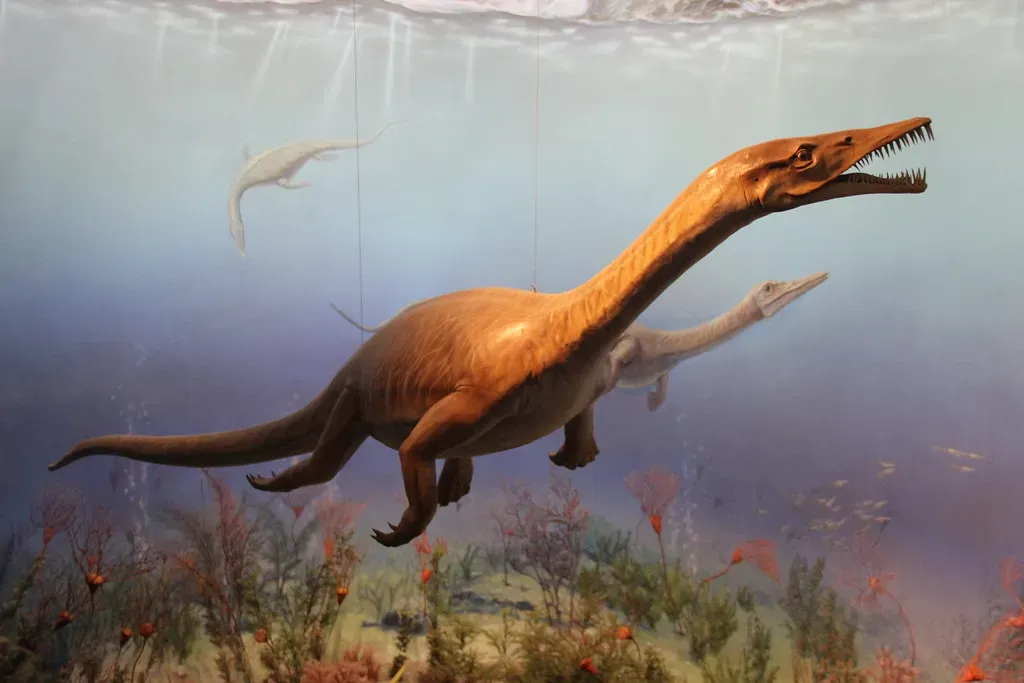
When you step back from all these creatures, you start to see the ancient oceans as a crowded stage, not a simple backdrop for a few monsters. You had fast dolphin‑shaped ichthyosaurs, long‑necked plesiosaurs, brutal jaw‑driven pliosaurs, shell‑smashing placodonts, crocodile cousins turned pelagic hunters and the late‑game arrival of mosasaurs that ended up ruling the seas just before the asteroid strike. Each group took a different route, but they all solved the same basic problems of breathing air, swimming efficiently and finding food in a three‑dimensional world of water.
What sticks with you is how familiar their roles feel, even though the actors themselves are gone. Modern whales, sharks, seals and sea turtles now fill most of those ecological jobs, but the blueprints were tested long before mammals ever swam. Next time you watch a documentary about the open ocean, you can mentally layer these reptiles back into the picture and imagine just how alien – and yet strangely recognizable – those ancient seas would have felt. Which of these long‑vanished rulers of the water surprised you the most?