
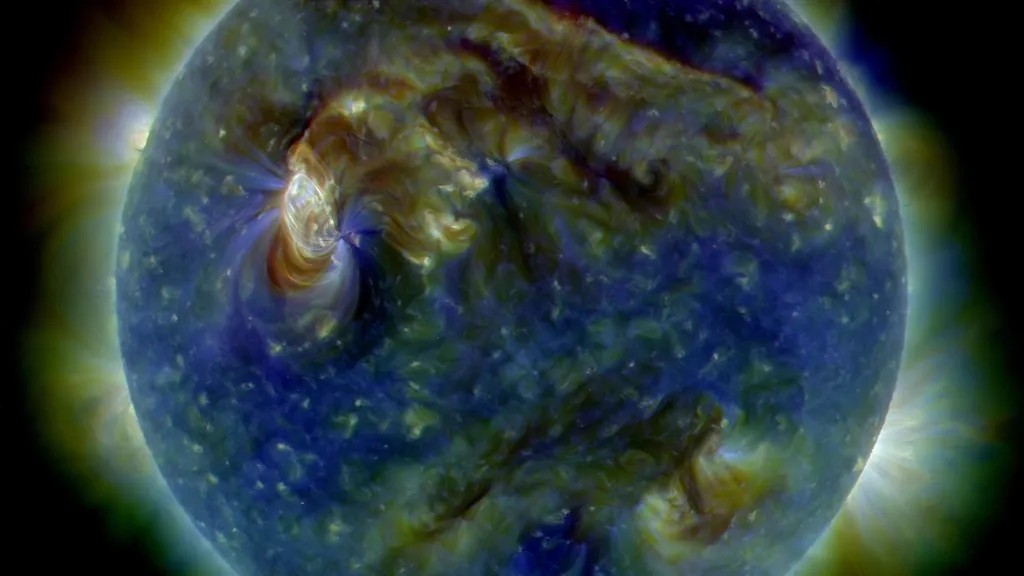
You live on a planet that has been repeatedly shaped, shaken, and even rescued by events far beyond the sky you see at night. Space is not some distant, harmless backdrop; it has crashed into your oceans, fried your atmosphere, guided your calendars, and powered the technology in your pocket. When you zoom out and look at Earth’s story, space is less like a pretty ceiling and more like a restless neighbor that keeps knocking on the door.
As you explore these nine space events, you’ll start to see your world differently. Some of these moments happened billions of years before humans existed, yet they made your existence possible. Others took place within your grandparents’ or parents’ lifetimes and now quietly run your daily life. By the end, you may never look at the Moon, the stars, or even your phone’s GPS the same way again.
The Giant Impact That Gave You the Moon
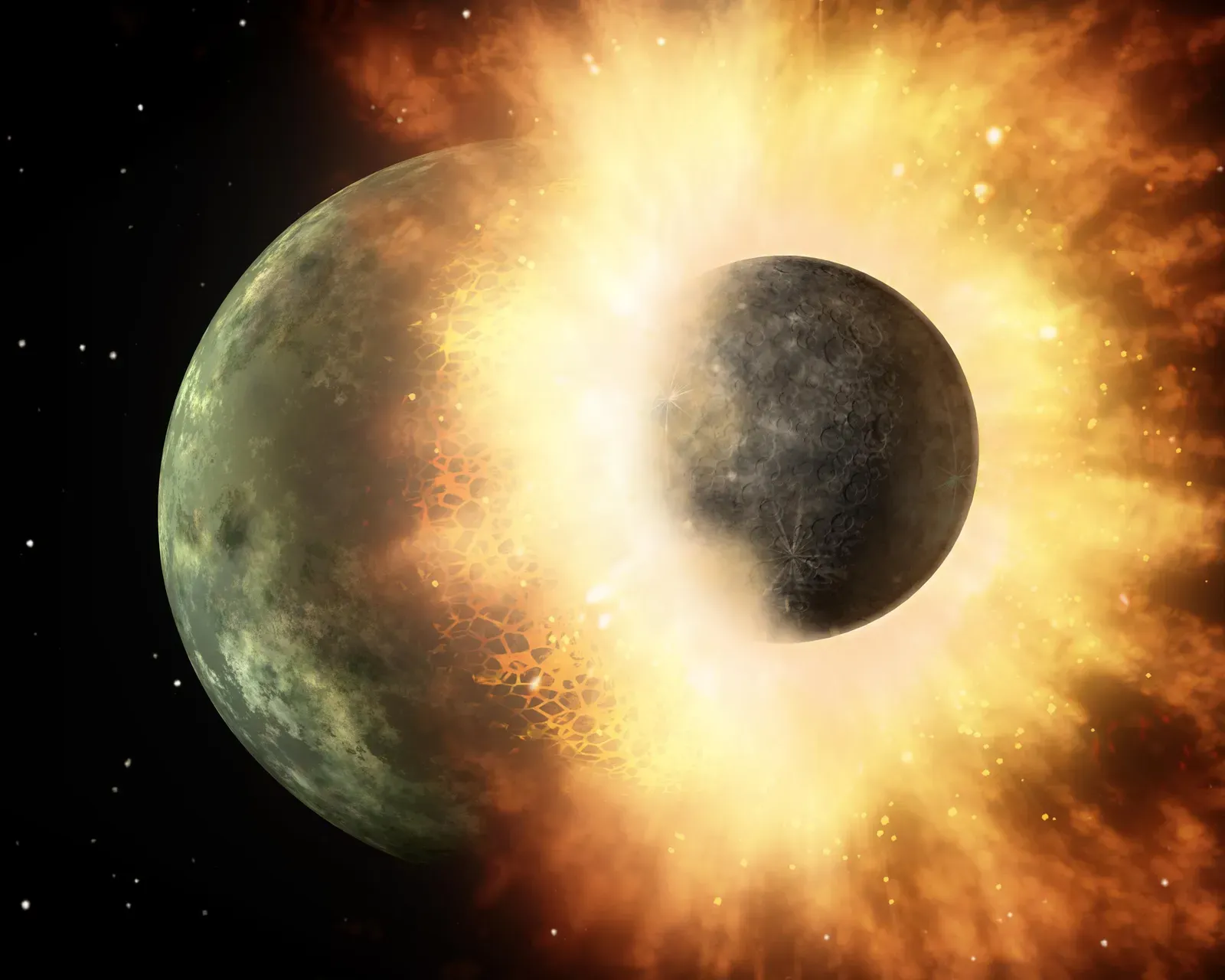
Imagine looking up at the night sky and seeing no Moon at all – no soft glow, no tides the way you know them, no familiar companion rising and setting. Early in Earth’s history, a Mars-sized object likely slammed into the young planet, blasting molten rock into orbit that eventually clumped together to become the Moon. You owe your nightly moonlight to an ancient, catastrophic collision so violent that it briefly turned parts of Earth into a glowing ocean of magma.
This impact did a lot more than give you a pretty nightlight. The Moon helps stabilize Earth’s tilt, which smooths out extreme climate swings over long periods of time, making the planet more hospitable for complex life like you. Those tides the Moon pulls also helped stir early coastal environments, where some scientists think life may have diversified. Without that one colossal space smash-up, you might be living on a wildly wobbling world with brutal climate chaos – and maybe no humans at all to wonder about it.
Heavy Elements Forged in Ancient Supernovae
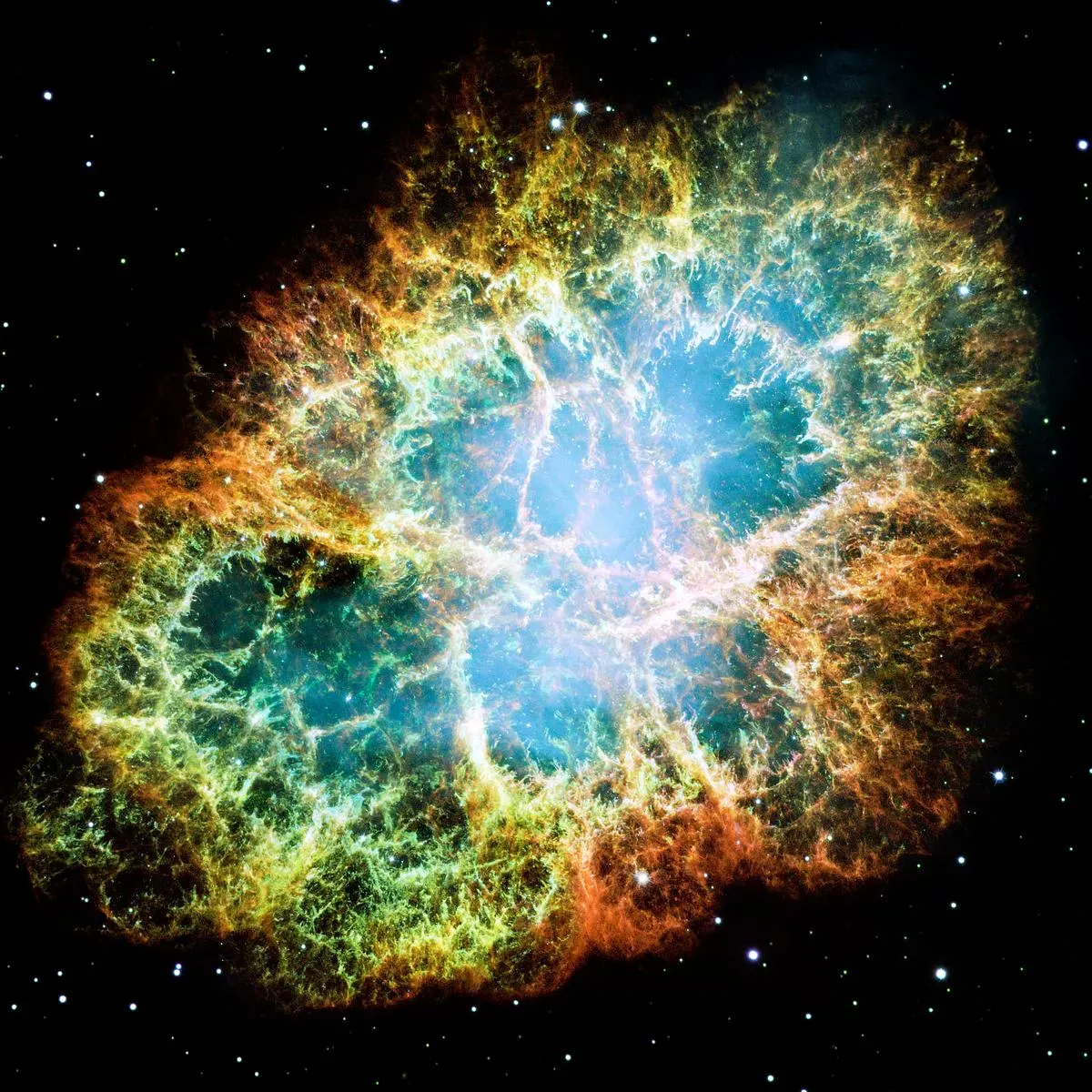
Every time you look at a gold ring, take iron supplements, or read about calcium in your bones, you’re seeing the afterglow of dead stars. The carbon in your cells, the oxygen you breathe, the iron in your blood – all of these heavier elements were forged in the cores of massive stars and then scattered when those stars exploded as supernovae. Long before Earth formed, star after star lived, burned, and died to seed your corner of the galaxy with the raw materials you’re made of.
When you say you’re made of “stardust,” that’s not poetic fluff – it’s literal physics. Clouds of gas and dust enriched by these ancient explosions clumped together to form new stars and planetary systems, including your own Sun and Earth. The atoms inside you have traveled through space for billions of years, passing through at least one generation of stars before ending up in your body. You are, in a very real way, walking evidence that violent stellar deaths long ago completely changed what Earth could become.
The Asteroid Impact That Wiped Out the Dinosaurs
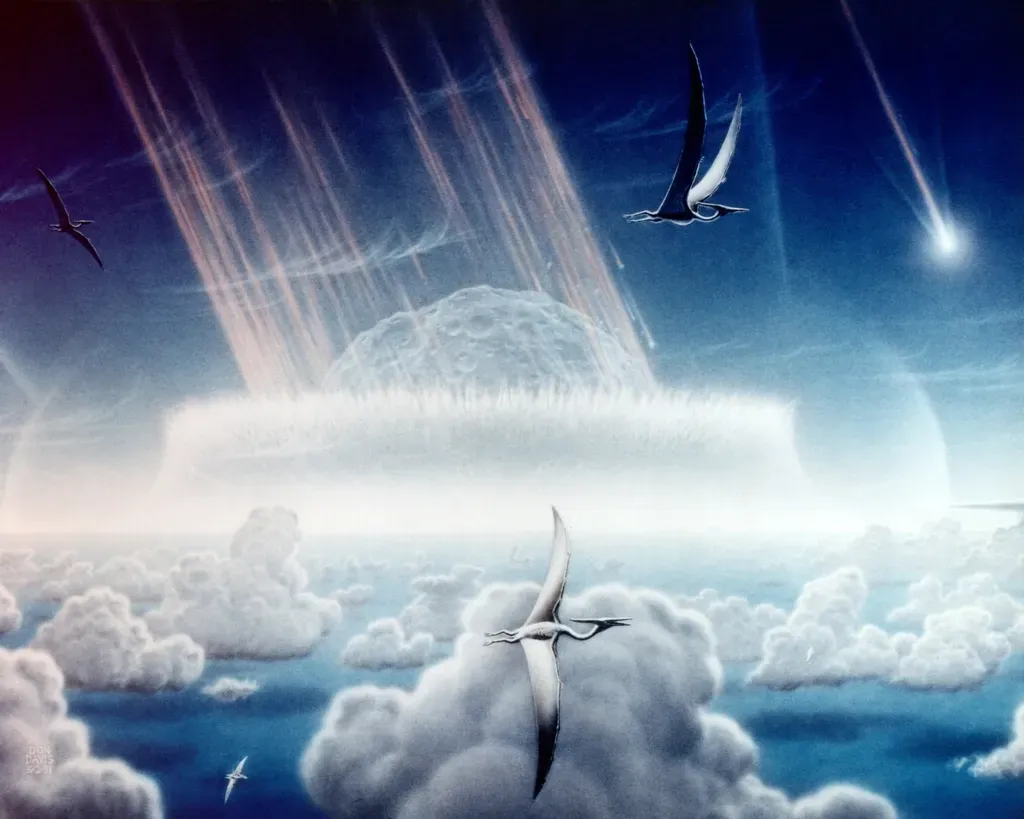
If you love the fact that humans, not giant reptiles, run the planet today, you can quietly thank a six-mile-wide rock from space. About sixty-six million years ago, a huge asteroid slammed into what is now Mexico’s Yucatán Peninsula, carving out the Chicxulub crater and unleashing a global catastrophe. The impact likely triggered massive fires, blasted dust and sulfur into the atmosphere, and blocked sunlight long enough to crash food chains on land and in the oceans.
That disaster cleared ecological space for small mammals – your distant ancestors – to flourish. Without that single, terrible day, dinosaurs might still dominate Earth, and you might not be here at all. You live in the long shadow of that impact: the distribution of fossils, oil deposits, and even modern biodiversity patterns all carry its fingerprints. In a twist that’s hard to ignore, a random rock from deep space set the stage for humans to rise and eventually look back and figure out what happened.
The Sun’s Stable Fire That Lets Life Thrive
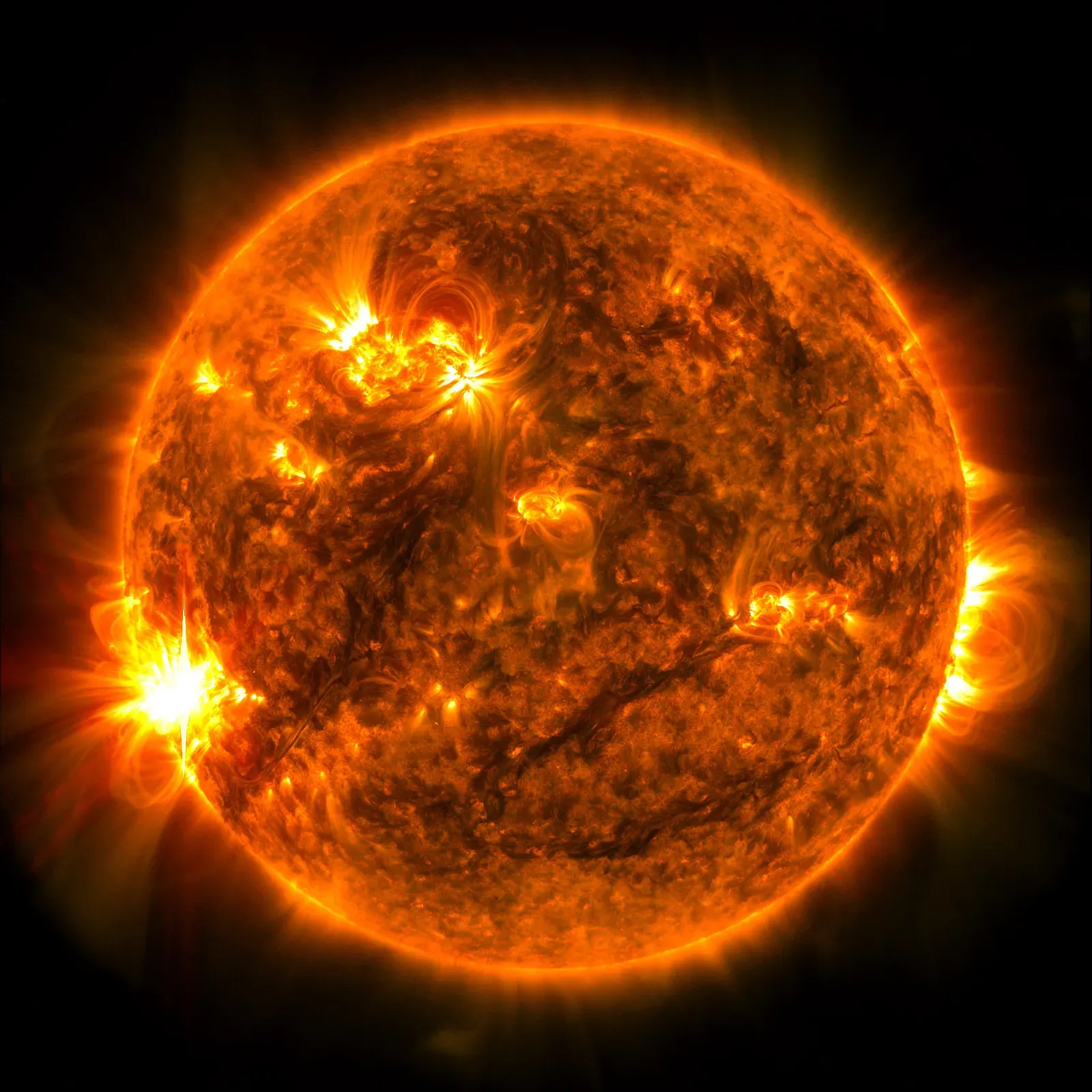
If your star were wildly unstable, flaring constantly or dimming dramatically, you wouldn’t be reading this. The Sun’s relatively steady output over billions of years has given Earth a long, stable window of energy for life to appear, adapt, and get complicated enough to invent science and smartphones. You orbit a star that is not the biggest or the brightest, but it’s remarkably reliable, and that quiet consistency might be the single most important reason your planet is habitable.
The Sun’s light drives your weather, powers photosynthesis in plants that feed you, and fuels solar energy systems that are slowly transforming how you power your world. Yet the same Sun also reminds you that space is never entirely gentle: solar flares and coronal mass ejections can disturb Earth’s magnetic field, disrupt power grids, and affect satellites. You live under a star that is both nurturing and occasionally temperamental, and your entire civilization depends on managing that delicate relationship.
The Meteorites That Delivered Water and Organic Building Blocks
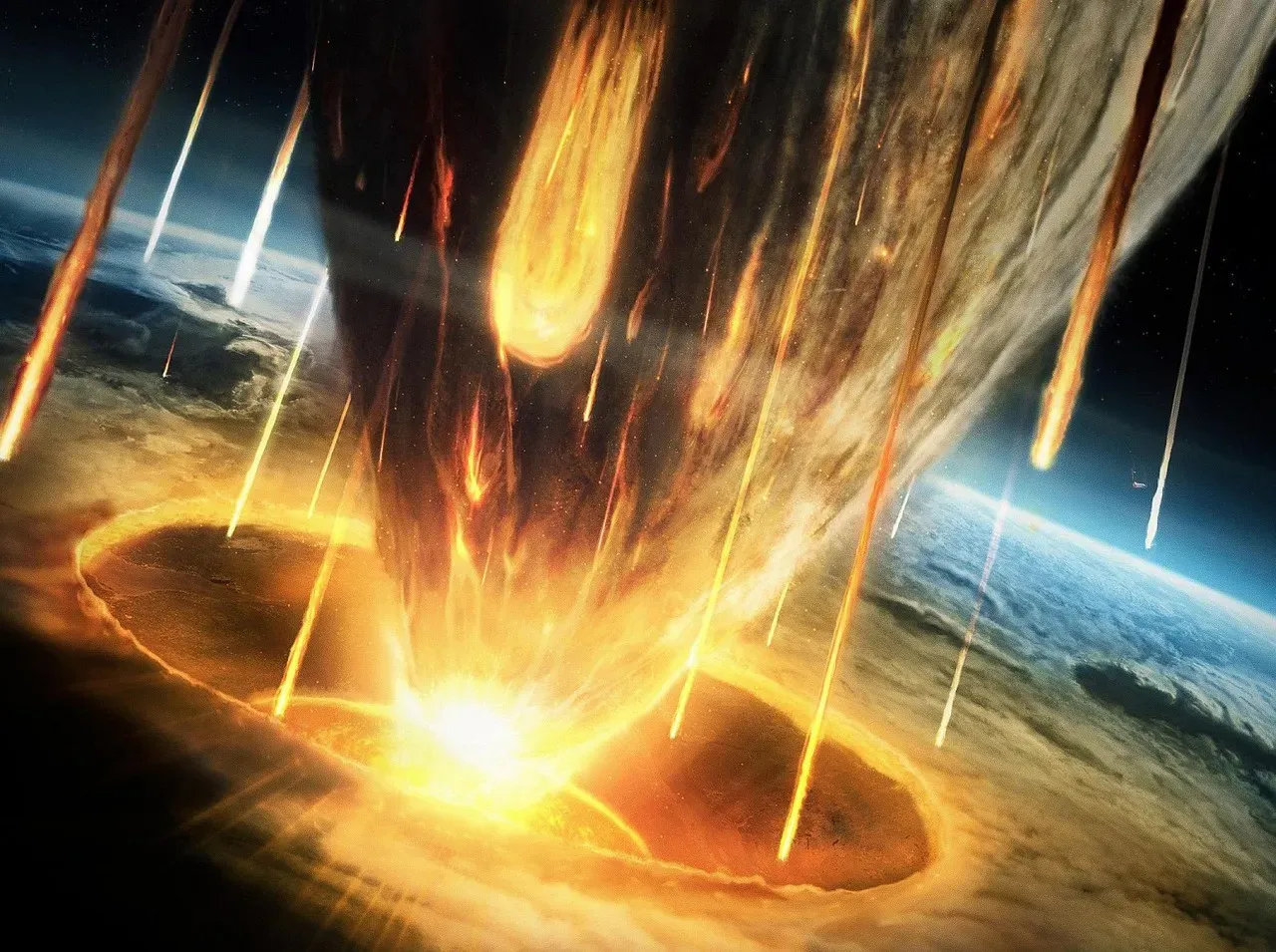
Along with water, many meteorites carry complex organic molecules, including amino acids and other carbon-based compounds. When you imagine the early Earth being pelted by space debris, you can picture it not just as destruction, but as delivery: space might have been dropping off some of the ingredients needed to cook up life. You may never know the exact recipe, but it’s entirely possible that the building blocks of your DNA spent eons drifting between the stars before crashing down into ancient oceans.
Earth’s Protective Magnetic Field and Solar Wind Battles
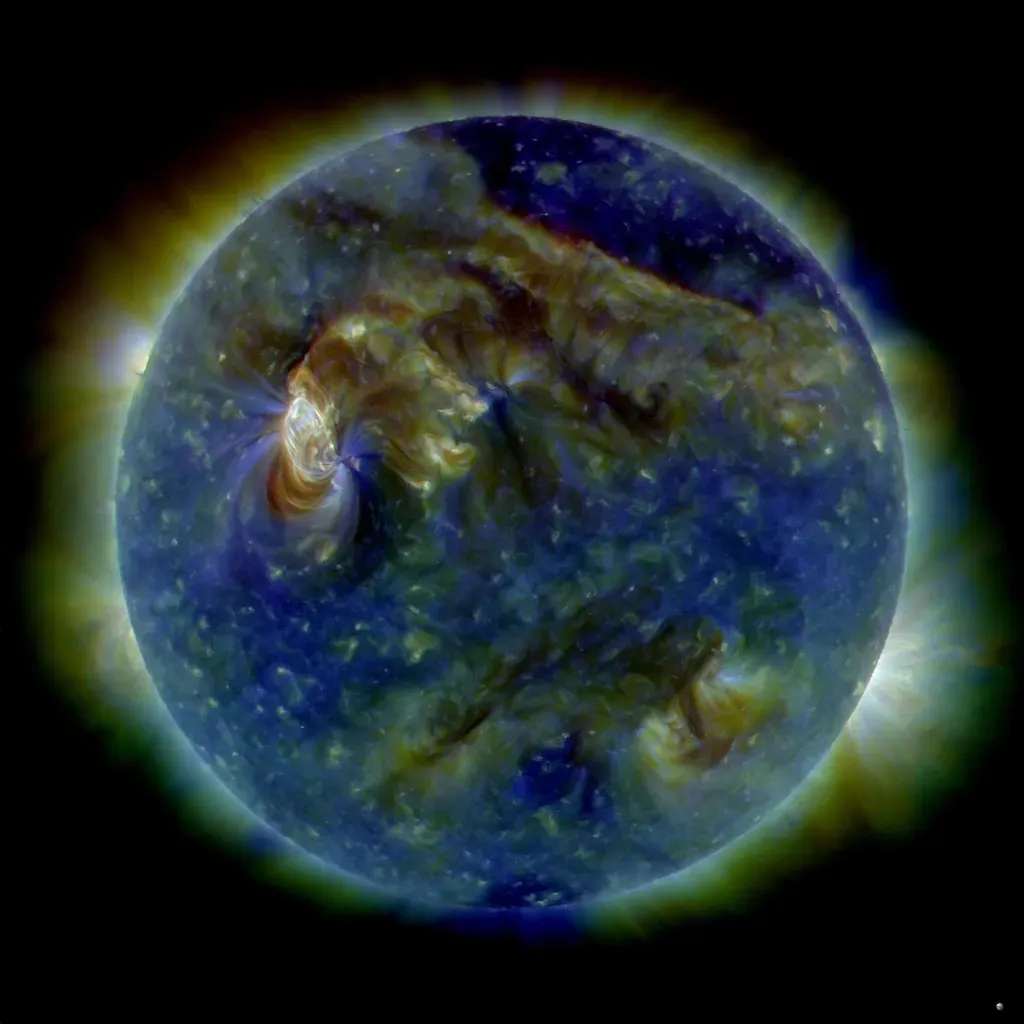
If you could see Earth’s magnetic field, you’d probably never look at a compass the same way again. Generated by the churning, molten iron in your planet’s core, this invisible shield deflects most of the charged particles streaming from the Sun in the solar wind. Without it, the solar wind could strip away the atmosphere over time, much like what appears to have happened to Mars, leaving you with a thin, harsh sky and little protection from radiation.
Instead, you get a different kind of show: when solar particles do slip in near the polar regions, they light up the sky as auroras. You might think of those lights as beautiful curtains in the sky, but they’re also a vivid reminder that space weather is constantly slamming into your planet. The fact that you can breathe, walk around without a radiation suit, and keep thick oceans on the surface is tied to this ongoing, silent electromagnetic battle between Earth and the Sun.
The First Artificial Satellite and the Birth of the Space Age
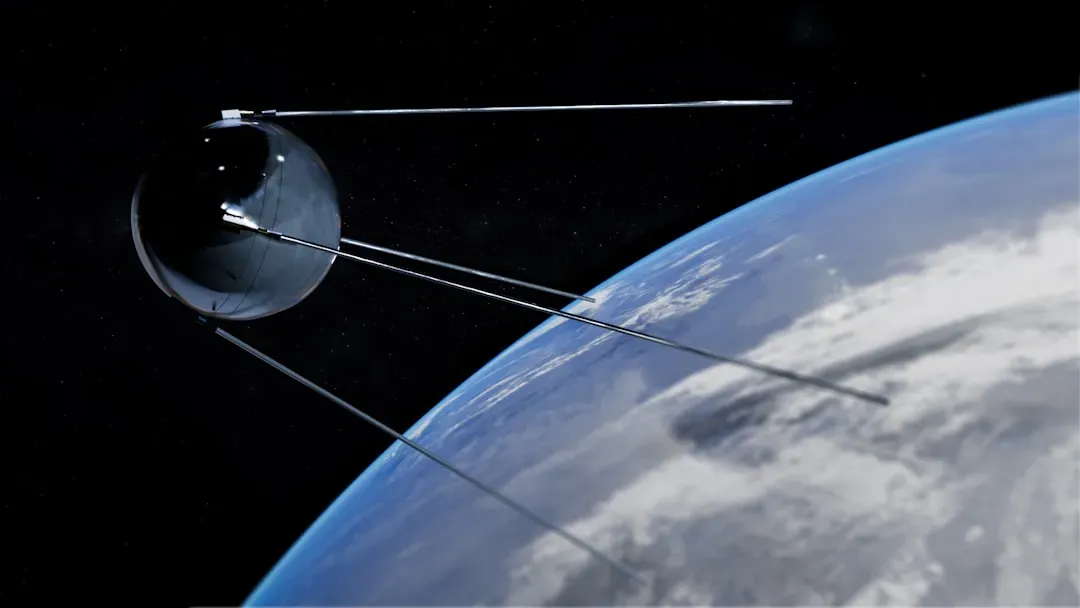
In 1957, when the first artificial satellite was launched into Earth orbit, your species did something no other life form on this planet had ever done: it put a machine into space on purpose. That small beeping sphere marked the start of the space age, and it changed your world in ways people at the time could barely imagine. From that moment on, Earth was no longer just a place floating in space; it became part of a larger, human-made network extending beyond the atmosphere.
You now rely on satellites for navigation, communications, weather forecasting, disaster monitoring, and even climate research that tells you how your planet is changing. When you use GPS to find your way, watch live sports from another continent, or check storm radar before a trip, you are leaning on an entire shell of technology orbiting overhead. The launch of that first modest satellite is directly connected to the global, always-connected lifestyle you now see as normal.
The Apollo Moon Landings and the First Steps on Another World
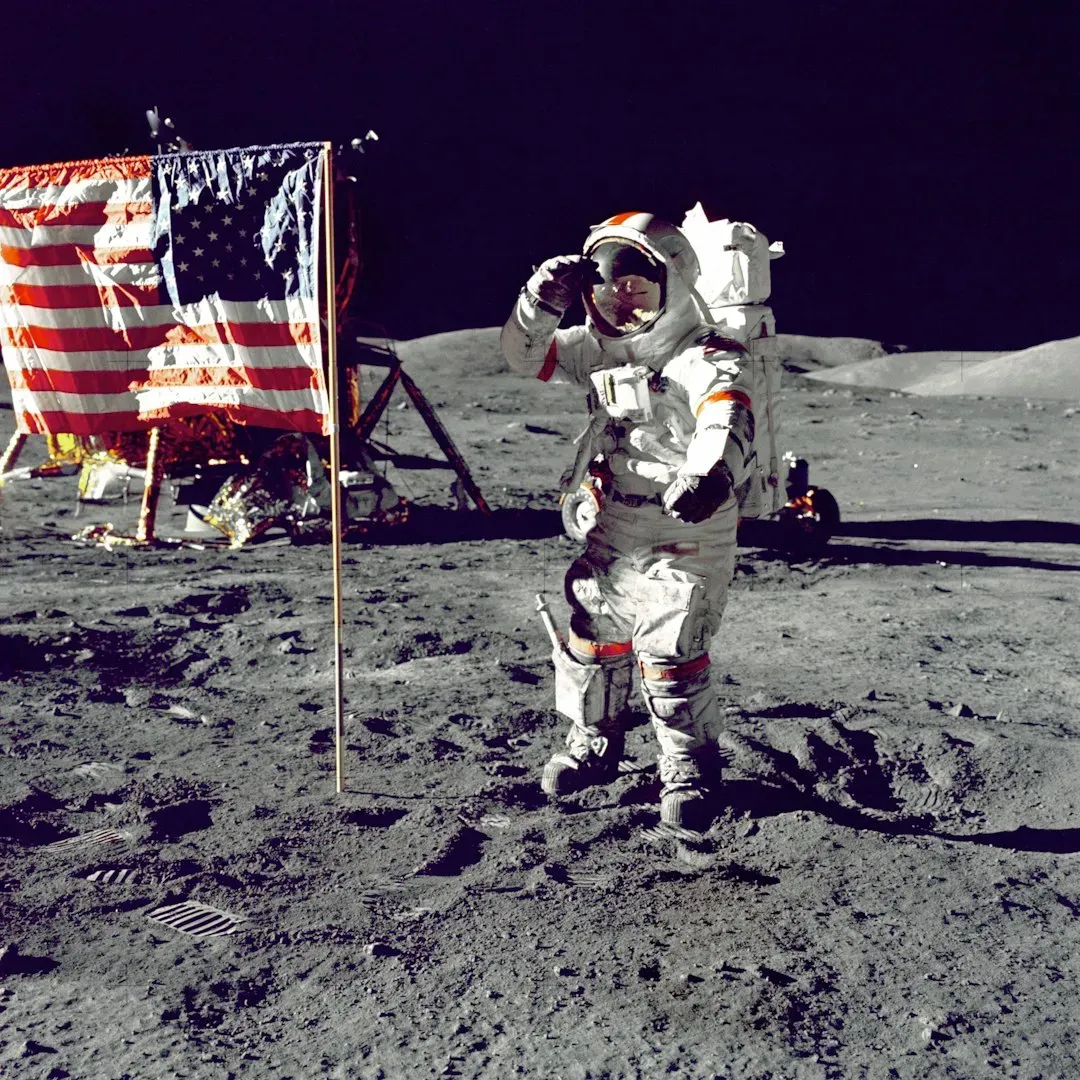
When humans first walked on the Moon, Earth’s story changed in a single, unforgettable moment. For the first time, a species born here left its home world, stepped onto another body in space, and then brought back samples and data that told you new truths about your cosmic neighborhood. Those missions turned the Moon from a distant light into a place you had touched, studied, and begun to understand as part of your shared history.
The Apollo era did more than plant flags and collect rocks. It pushed advances in computing, materials, and engineering that seeped into everyday life, from miniaturized electronics to improved medical devices. Just as important, it changed how you see your planet: the iconic photos of Earth from lunar distance helped spark modern environmental awareness by showing your world as a fragile blue sphere in a dark void. When you think about caring for Earth today, you’re partly responding to that outside view humans first earned by going to the Moon.
Satellite Earth Observation and the Climate Mirror Above You
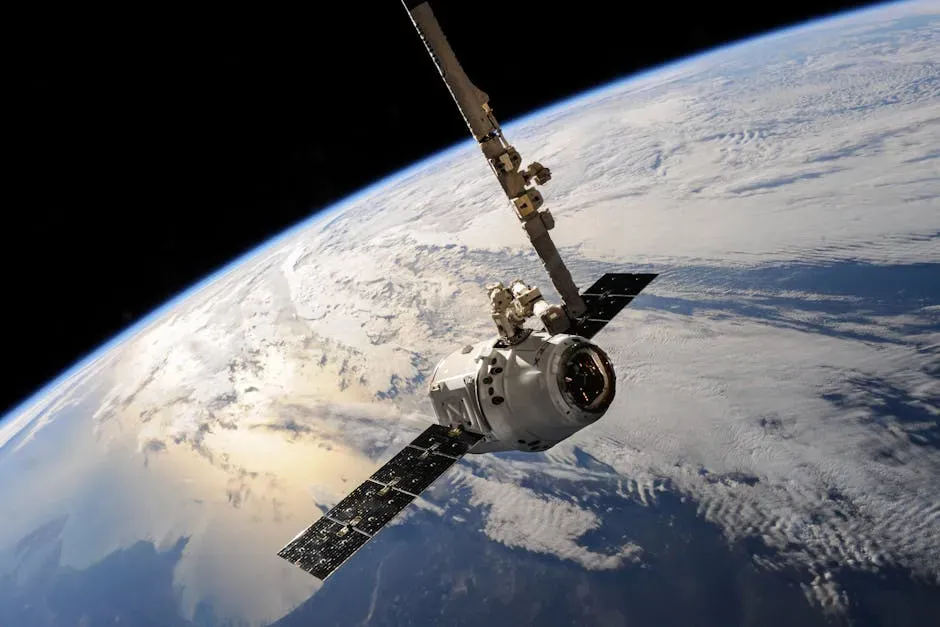
Today, when you talk seriously about climate change, deforestation, or melting ice, you’re leaning heavily on eyes in the sky. Earth-observing satellites track global temperatures, greenhouse gases, ocean levels, storm patterns, and land use in ways no ground-based system ever could. You now have a continuous, planetary-scale mirror above you, quietly recording what your species is doing to the planet and how the planet is responding.
This constant view from space has transformed environmental science, disaster response, and even agriculture. Farmers can adjust irrigation based on satellite data, governments can monitor illegal logging, and emergency teams can track wildfires and floods in real time. Without these space-based tools, you’d be largely guessing about how quickly the climate is shifting and which regions are most at risk. Space has turned Earth into a measurable, trackable system – and given you a chance, however slim, to fix what you’re breaking before it’s too late.
Exoplanet Discoveries That Reframed Your Place in the Universe
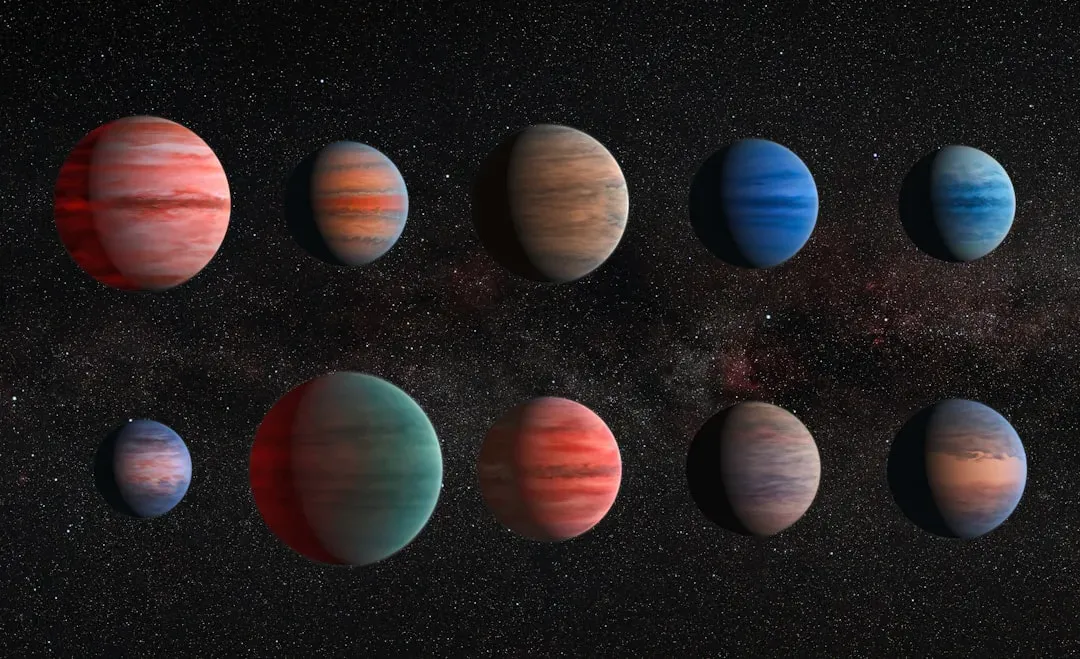
Before the early 1990s, you could only assume that planets might exist around other stars. Now, thousands of exoplanets have been detected, from scorching hot giants to potentially rocky worlds in so-called habitable zones. This flood of discoveries has quietly blown up the old idea that your solar system might be rare or special. Instead, you now know that planets are common, and many stars host entire families of them.
That knowledge changes how you think about Earth. Your planet is no longer a one-off miracle in a mostly empty universe; it’s one example in a vast population, even if it still might be uniquely suited to life as you know it. As telescopes improve, you may detect atmospheric hints of biology on distant worlds, or at least find places where life could thrive. Space has shifted from being a remote backdrop to a crowded, dynamic neighborhood – and you’re just starting to understand how many potential Earths might be out there.
Conclusion: Living on a Planet That Never Really Stands Still
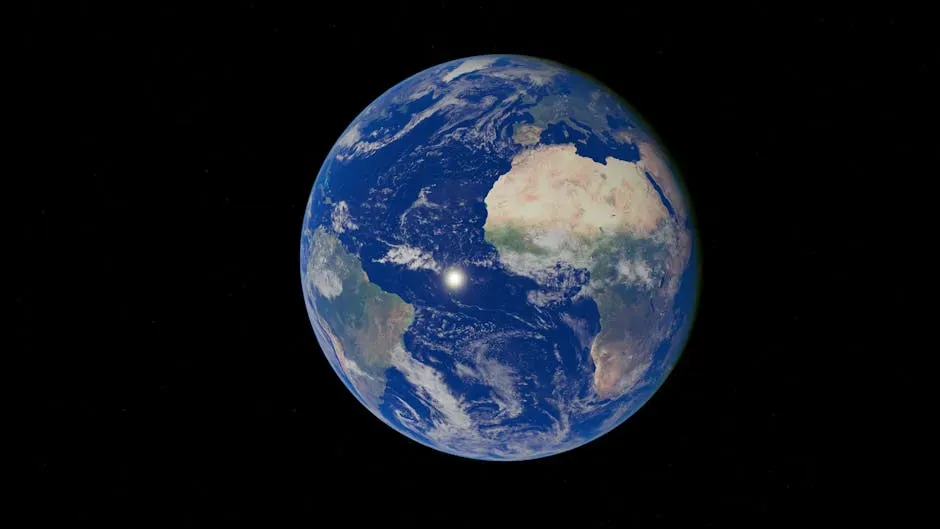
When you put these events side by side – from ancient star explosions to modern weather satellites – you start to see Earth as a work in progress shaped by space at every turn. You drink water that may have arrived on icy rocks from afar, walk under a Moon born in a colossal collision, and survive thanks to a magnetic shield battling the solar wind. Even your daily routines, from checking the forecast to finding a café on your phone, quietly depend on machines circling overhead.
You are not just living on Earth; you are living in a solar system, in a galaxy, in a universe that keeps leaving fingerprints on your world and on you. The next big space event that reshapes life down here might be an asteroid you deflect, a new planet you discover, or a decision to settle another world. When you look up tonight, will you see just a pretty sky, or a history book still being written – and maybe, a future you’re about to help decide?