
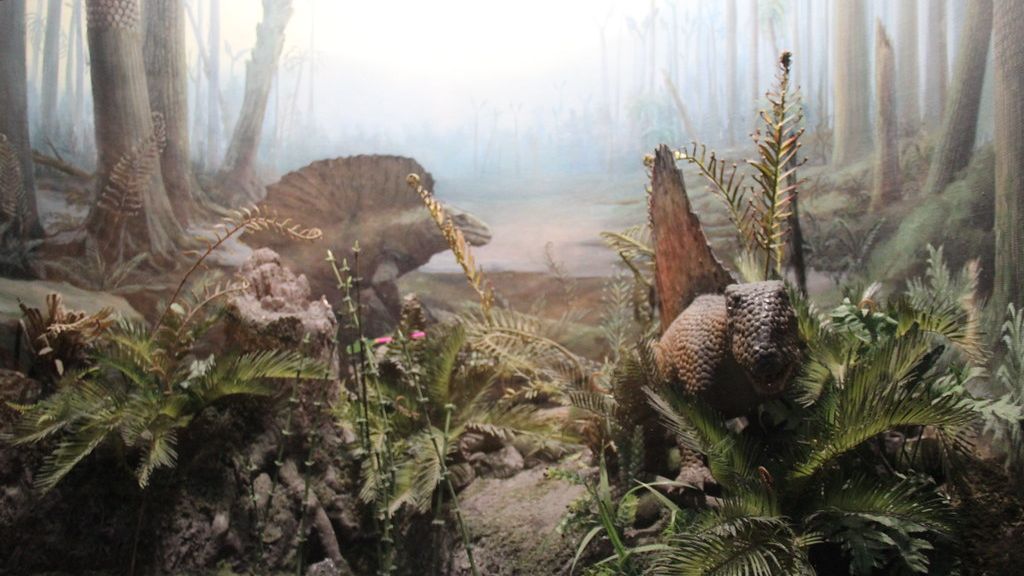
If you could walk across North America hundreds of millions of years before dinosaurs ever showed up, the scene would feel strangely alien and yet oddly familiar. You would still see rivers, forests, swamps, and coastlines, but the animals roaming around would look like experiments from a cosmic sketchbook: crocodile-like predators with upright legs, sail-backed reptiles sunning on riverbanks, and beaver-sized “mammal cousins” gnawing on plants under towering club‑moss trees.
In this article, you will step into that deep past and meet ten remarkable prehistoric creatures that dominated what is now the United States long before the age of dinosaurs. You will see how they moved, hunted, and survived in landscapes that stretched from Arizona’s red rocks to Pennsylvania’s coal swamps. Along the way, you’ll also get a feel for how scientists piece together these forgotten worlds from fragments of bone, teeth, and ancient footprints, turning dry fossils into living stories in your imagination.
1. Dimetrodon: The Icon With the Enormous Sail
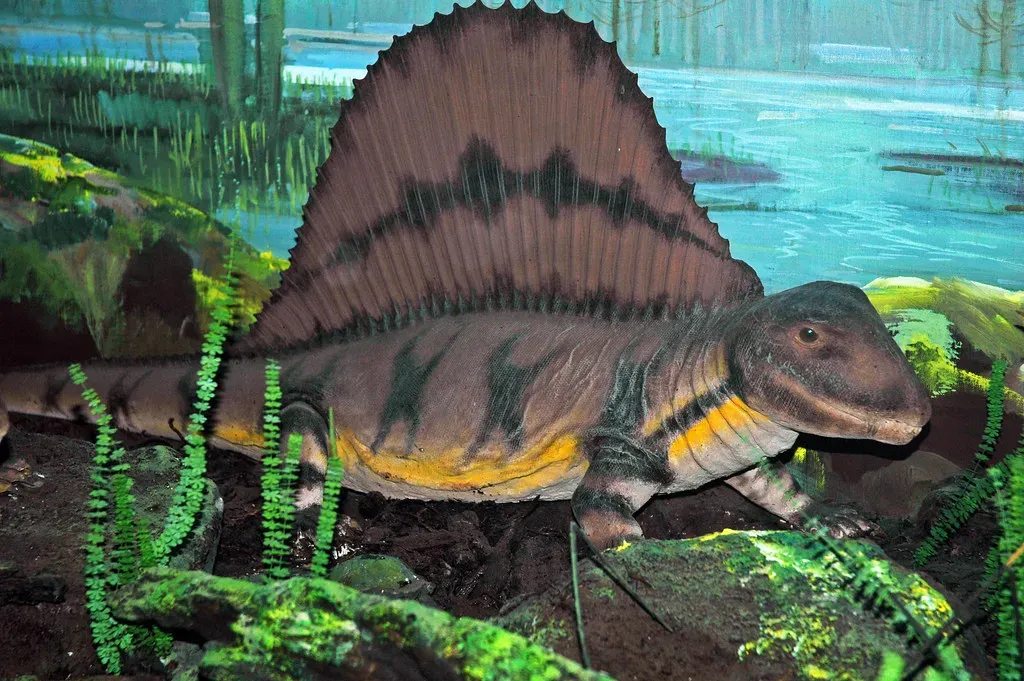
When you picture life before dinosaurs in what is now Texas or Oklahoma, Dimetrodon is probably the first creature you should have in mind. You can imagine this predator, about as long as a modern car, hauling itself along riverbanks in the early Permian Period with a huge, spiny sail rising from its back like a jagged fin. Even though you might have seen Dimetrodon standing next to dinosaurs in old illustrations, it actually lived roughly fifty million years before the first dinosaur appeared and is more closely related to you than to any reptile.
That sail is what really grabs your attention, and scientists think it might have helped Dimetrodon control its body temperature by soaking up morning sun or shedding heat later in the day. You can picture one of these animals turning broadside to the light like a solar panel, warming up faster than its prey and gaining an edge in early-morning hunts. With powerful jaws and blade‑like teeth, Dimetrodon likely targeted large amphibians and other early vertebrates that wandered too close to the water. If you ever visit fossil sites in Texas, it’s easy to imagine these animals dominating the floodplains the way big cats and crocodiles do in some parts of the world today.
2. Edaphosaurus: The Peaceful Sail‑Backed Plant‑Eater
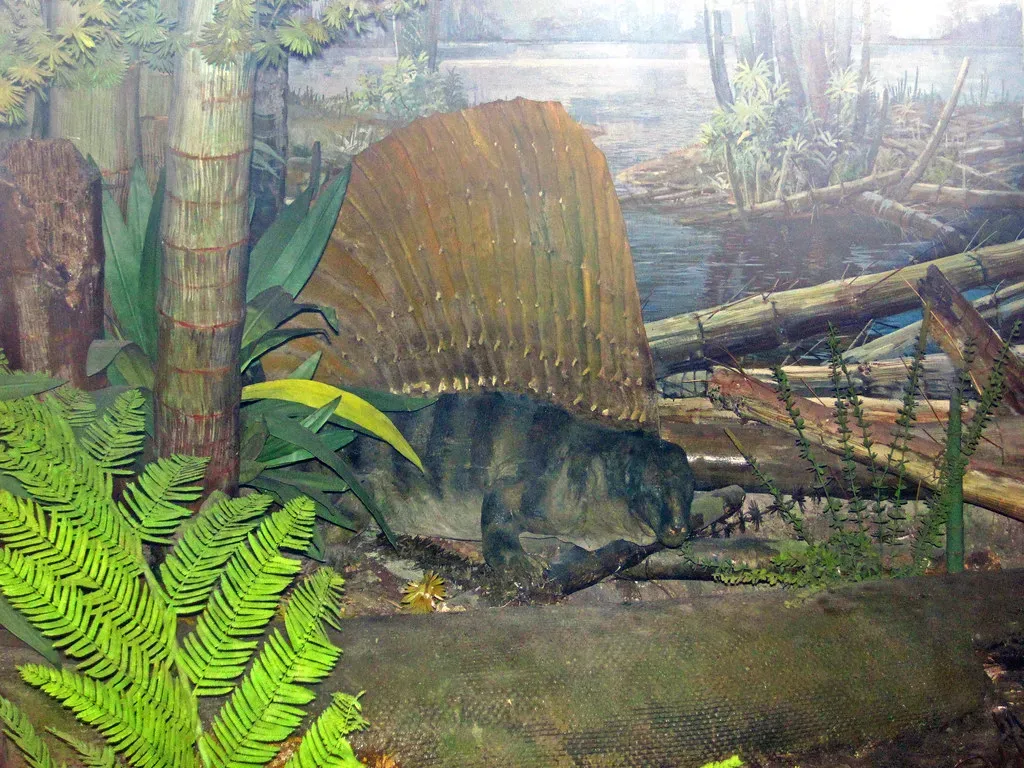
If Dimetrodon was the terror of the early Permian rivers, Edaphosaurus was more like the slow, steady grazer that did its best to stay out of trouble. You would have seen this bulky, sail‑backed herbivore wandering through what is now the American Southwest and southern Midwest, combing low plants, seed ferns, and roots from the ground. At first glance it looks like a gentler version of Dimetrodon, but if you look closely, its sail is shorter and dotted with odd little cross‑bars on the supporting spines, giving it a more intricate, lattice‑like look.
Edaphosaurus carried a relatively small head with blunt, grinding teeth, so you can picture it processing tough vegetation slowly, much like a modern cow or iguana. Its body design suggests it was not built for speed, which means it likely depended on staying in herds or relying on early detection of predators to survive. You can think of Edaphosaurus as one of the earliest large land herbivores in North America, helping shape ecosystems by mowing down plants and recycling nutrients back into the soil. Without creatures like this quietly doing the work of eating and digesting, predators such as Dimetrodon would not have had a stable food web to support them.
3. Ophiacodon: The Swamp‑Lurking Fish Hunter
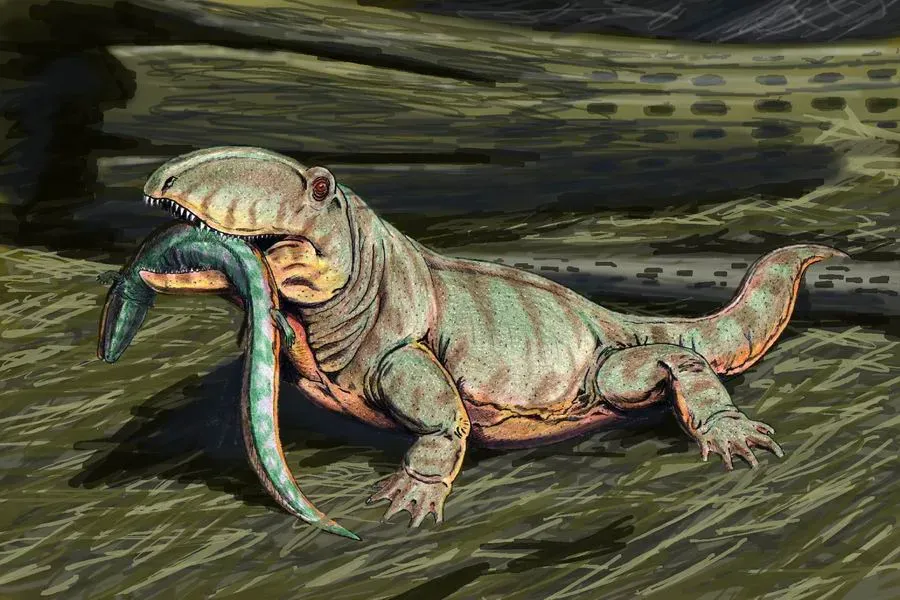
In the low‑lying swamps and sluggish rivers of early Permian America, you would likely notice a long‑snouted animal moving quietly along the water’s edge: Ophiacodon. This creature had an elongate, narrow skull filled with sharp teeth, hinting that it specialized in catching slippery prey like fish and perhaps small amphibians. Its body was more lightly built than the classic sail‑backs, and you can imagine it as a kind of cross between a modern crocodile and a giant monitor lizard, though again, it was more closely related to mammals than to any reptile you see today.
Ophiacodon fossils have been found in several US states, including Texas and New Mexico, which lets you picture this animal as a widespread resident of watery habitats across early Permian landscapes. Its semi‑aquatic lifestyle would have given it access to a relatively stable food source in rivers and lakes, even when conditions on land swung between drought and flooding. If you stood on a muddy bank back then, you might have seen one slip silently into the water, using its tail for propulsion the way an otter or crocodile does now. You can think of Ophiacodon as one of those understated but crucial middle predators that keep fish populations in check and tie together land and water ecosystems.
4. Eryops: The Giant Amphibian of American Coal Swamps
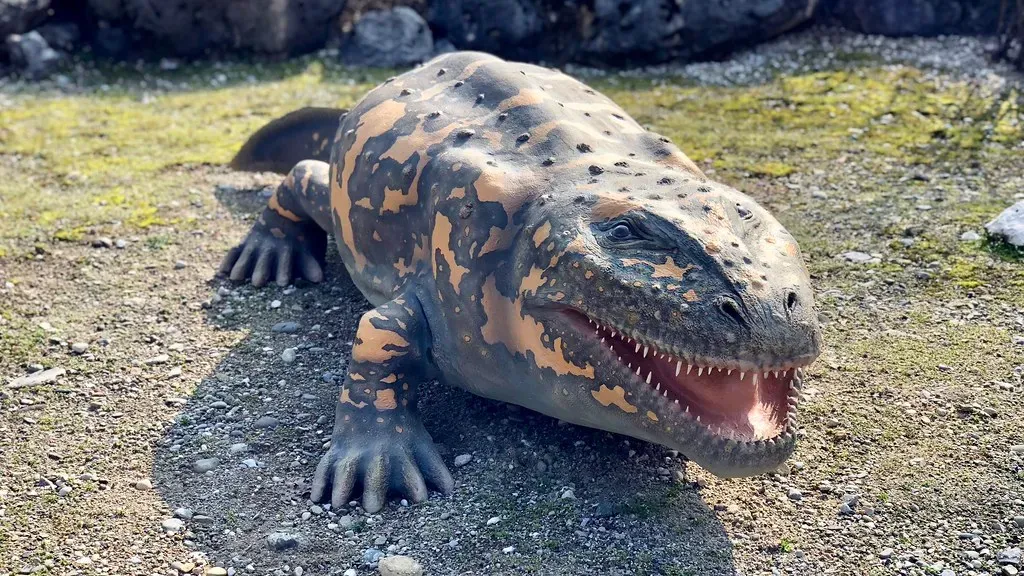
Long before dinosaurs or even many of the advanced mammal‑like reptiles evolved, huge amphibians like Eryops were already stalking what is now the southern United States. If you walked through the dense, humid coal swamps of early Permian Texas, you might have found Eryops lounging near a pond, looking a bit like a massive, muscular salamander with a wide, frog‑like head. Its limbs were sturdy and well‑developed, so you can picture it hauling itself clumsily but confidently on land, then sliding back into the water when danger or opportunity appeared.
Eryops likely spent much of its time in and around the water, preying on fish, smaller amphibians, and anything it could fit in its broad mouth. Its skull was heavily built and armed with conical teeth, making it well adapted to grabbing and holding struggling prey. If you picture a modern alligator waiting motionless at the edge of a river, you get a decent mental model of how Eryops might have hunted, minus the armored scales. You can see it as a symbol of a transitional world, where vertebrates were still deeply tied to water but were starting to test the possibilities of life on land.
5. Seymouria: The Amphibian That Lived Almost Like a Reptile
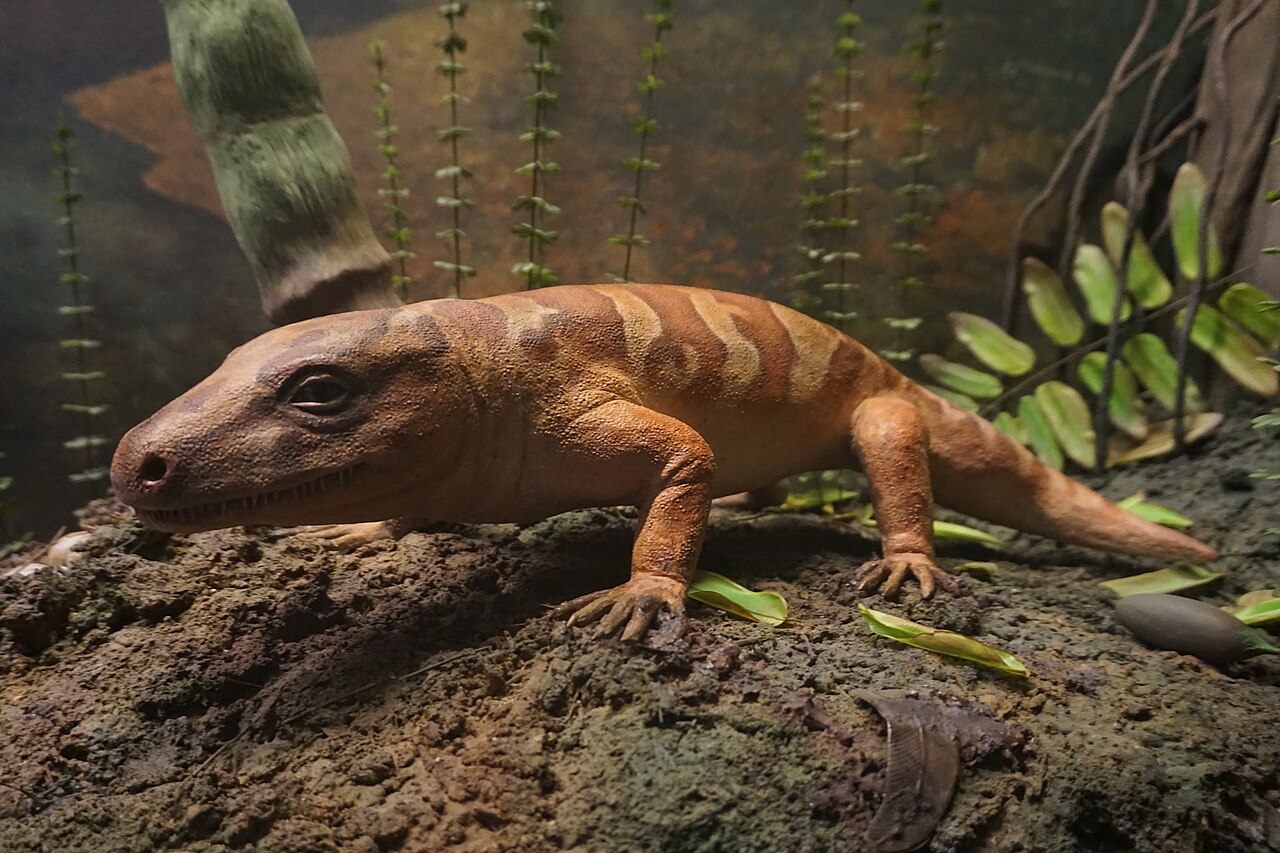
When you look at Seymouria, found in regions such as Texas and New Mexico, you are seeing an animal that blurs the neat categories you might be used to. It is technically an amphibian, but its skeleton and lifestyle suggest it functioned much more like a small reptile on land. You can imagine Seymouria trotting confidently across dry ground on strong, well‑jointed limbs, hunting insects and small invertebrates under the shade of ancient trees instead of lurking passively in ponds.
This creature gives you a window into how vertebrates gradually became less dependent on water for everyday life. While it still needed water to reproduce, as modern amphibians do, Seymouria’s body was better adapted to resisting dehydration and supporting its weight on land. You can picture it as a nimble, lizard‑like animal weaving through leaf litter and roots, relying on keen senses to find food and avoid being eaten. In a way, Seymouria shows you that the march from water to land was not a single leap but a long series of small, clever adjustments over millions of years.
6. Diadectes: The Heavy‑Set Plant Eater That Paved the Way
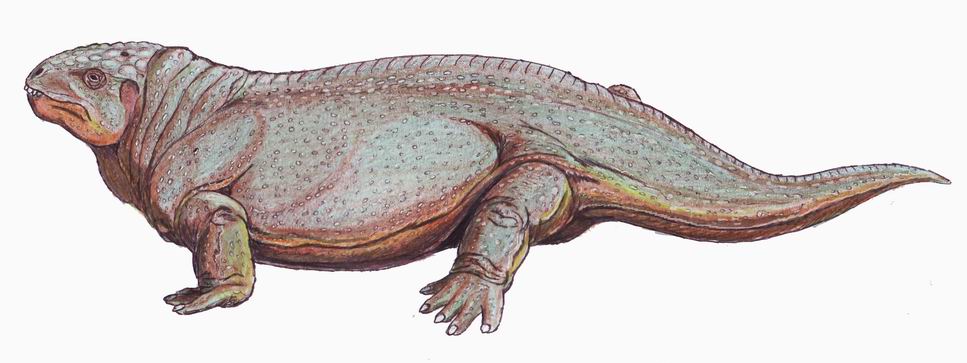
As you picture life before dinosaurs in North America, you might not expect to see many large, dedicated plant eaters at first, but Diadectes breaks that assumption. This stout, barrel‑bodied animal lived in regions that now include Texas and Utah, and you can imagine it plodding slowly through dry floodplains and river valleys, cropping tough vegetation with blunt, peg‑like teeth. It was one of the earliest known terrestrial vertebrates specialized for a herbivorous diet, which makes it surprisingly important to the story of land ecosystems.
Diadectes had strong jaws and expanded cheek regions that helped it process fibrous plant material more efficiently than many of its contemporaries. You can think of it as a kind of early analog to the later herds of plant‑eating dinosaurs and mammals, reshaping the vegetation by constant grazing. Its heavy frame and slow speed suggest it relied on size and perhaps group living for some degree of safety, because it would not have outrun agile predators. When you imagine this animal wandering across early Permian floodplains, you are watching the early stages of a pattern that will repeat again and again: big plant eaters transform the land, and in turn, they support waves of powerful predators.
7. Diplocaulus: The Boomerang‑Headed Denizen of Ancient Streams
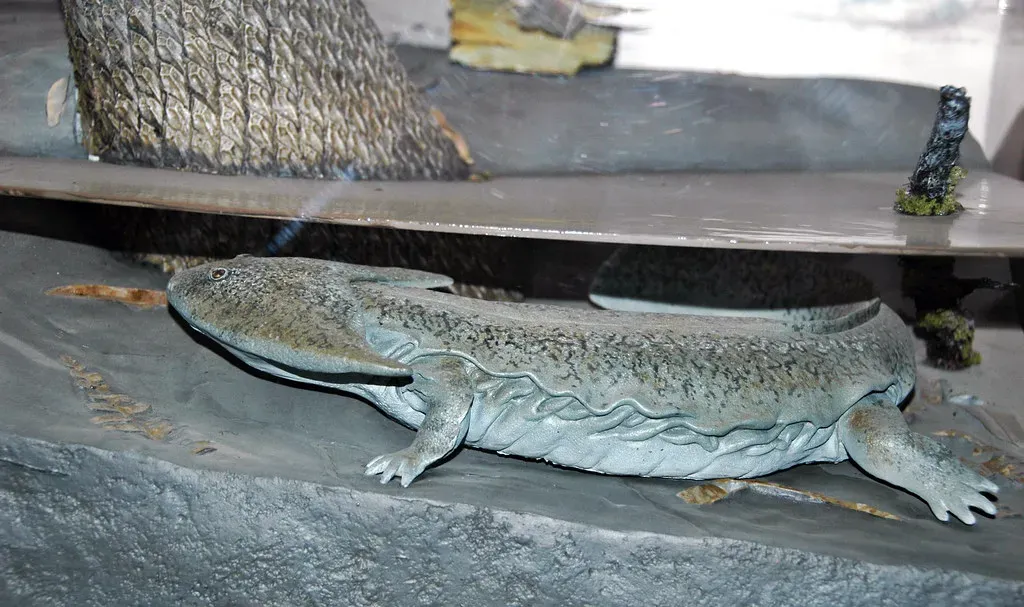
Few prehistoric animals look as instantly strange to you as Diplocaulus, the small amphibian with a wildly boomerang‑shaped head. Fossils of this creature have turned up in early Permian sediments in states like Texas and Oklahoma, where it would have lived in streams and ponds. You can picture its wide, triangular skull cutting through the water as it glided just above the bottom, using that odd head shape perhaps to stabilize itself in currents or make it harder for larger predators to swallow.
Diplocaulus was not a giant, but it would have been a common sight in aquatic habitats, hunting small invertebrates and juvenile fish. If you picture a modern newt or salamander and then imagine it re‑designed by a surreal artist, you are close to what Diplocaulus might feel like. Some researchers have suggested that the extended head “wings” could have helped lift its body as it swam, almost like a hydrofoil in miniature. When you bring this animal to mind, you get a sense of how evolution sometimes arrives at bizarre but effective solutions that seem almost whimsical to your modern eyes.
8. Cotylorhynchus: The Round‑Bodied Giant of the Early Permian
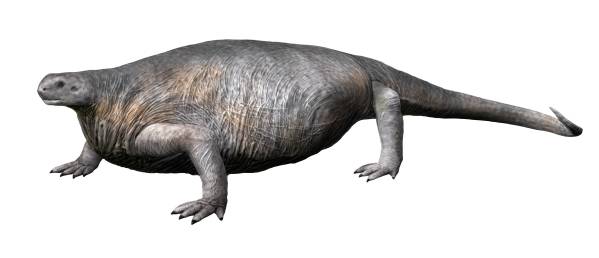
If you enjoy truly odd body shapes, Cotylorhynchus is hard to beat. This creature, known from places like Texas and Oklahoma, had an enormous, barrel‑like body that looked almost inflated, combined with a comically small head at the end of a relatively short neck. You can imagine it lumbering across open landscapes, head low to the ground, stripping low vegetation and perhaps digging up roots or tubers. Its skeleton suggests it was huge for its time, rivaling or exceeding many later dinosaurs in pure bulk, even if it was not as tall.
As a plant eater, Cotylorhynchus likely spent most of its day feeding slowly, using sheer size as its main defense against predators. You might imagine flocks of modern manatees or hippos for a rough emotional comparison: big, seemingly gentle, and very focused on eating. Its oversized ribcage hints at a large gut needed to ferment and digest fibrous plants, just like modern large herbivores. When you picture small predators darting around the feet of this giant, you are seeing a familiar ecological picture play out more than two hundred and fifty million years ago on American soil.
9. Platyhystrix: The Spiky‑Sailed Amphibian of the High Desert
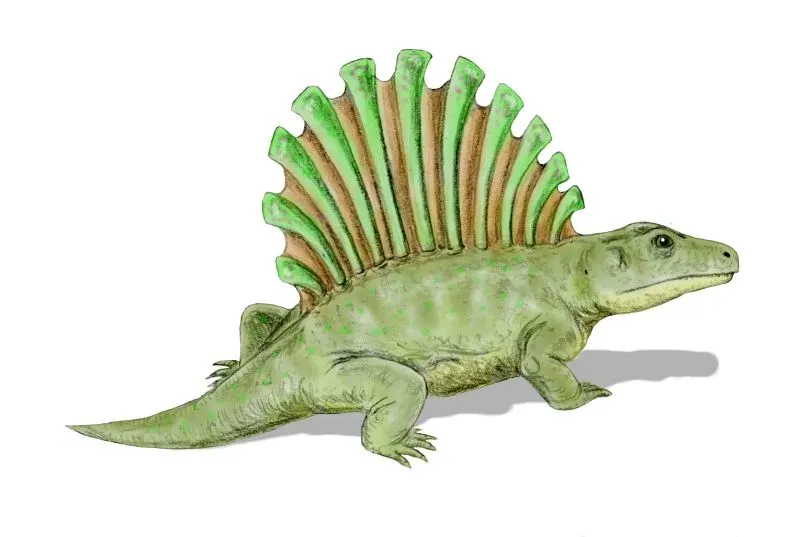
Platyhystrix takes the idea of an amphibian and flips it on its head for you, thanks to the tall, spiny sail that rose from its back. Known especially from what is now the southwestern United States, including New Mexico, this creature looked like a cross between a bulky salamander and a miniature Dimetrodon. You can picture it basking on sun‑warmed rocks in semi‑arid environments, using its sail to capture heat and regulate its body temperature as days swung between cool nights and hot afternoons.
Its body and limbs suggest it could move reasonably well on land, which makes it different from the purely swamp‑bound image you might have of early amphibians. It probably hunted insects, small vertebrates, and anything it could grab near streams or temporary pools. You can think of Platyhystrix as an early experiment in combining amphibian biology with more reptile‑like habits, already testing life in drier climates. When you imagine one silhouetted against a low Permian sun, with its sail spines jutting upward like a row of spears, you start to see how dramatic and diverse these pre‑dinosaur landscapes really were.
10. Sphenacodon: The Southwest’s Sleek Apex Predator
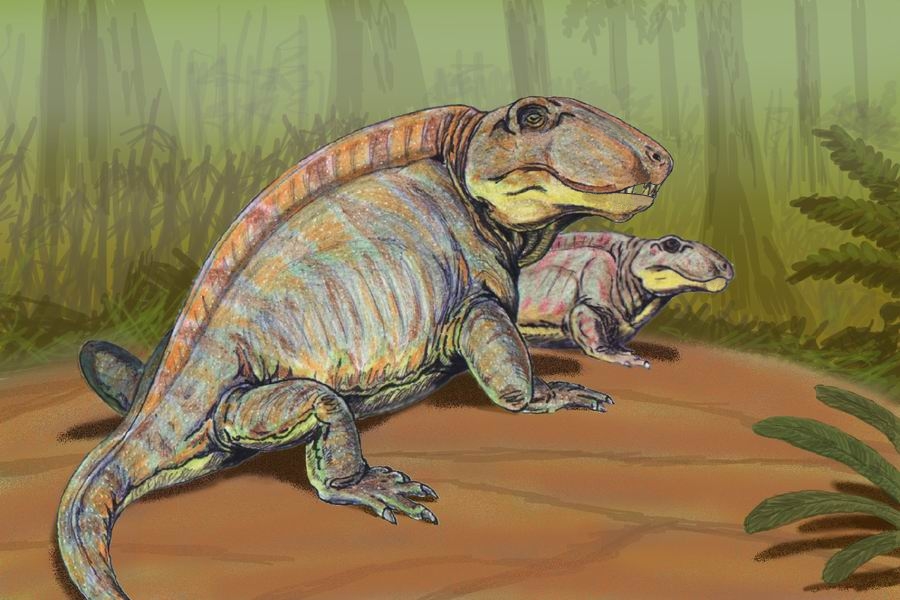
While Dimetrodon often steals the spotlight, you should also pay attention to Sphenacodon, a close relative that prowled what is now the American Southwest, especially New Mexico. Unlike the towering sail of Dimetrodon, Sphenacodon had a much lower, more modest ridge along its back, giving it a sleeker outline. You can imagine this predator moving with surprising agility over rocky ground and floodplains, using powerful legs and a muscular body to chase down large prey.
Its skull was deep and strongly built, and when you picture the jaws snapping shut, you can almost feel the force that would have crushed bones and flesh. Sphenacodon likely hunted early reptiles, amphibians, and maybe even smaller sail‑backs, ruling its local food chain much like big cats or wolves do in some modern ecosystems. Because it lived in more upland, drier environments than some of its relatives, you can think of it as a specialist in tougher, more variable conditions. When you add Sphenacodon to your mental cast of pre‑dinosaur America, you see that apex predators came in more than one model, each tuned to different corners of the landscape.
Conclusion: A Forgotten Age Beneath Your Feet
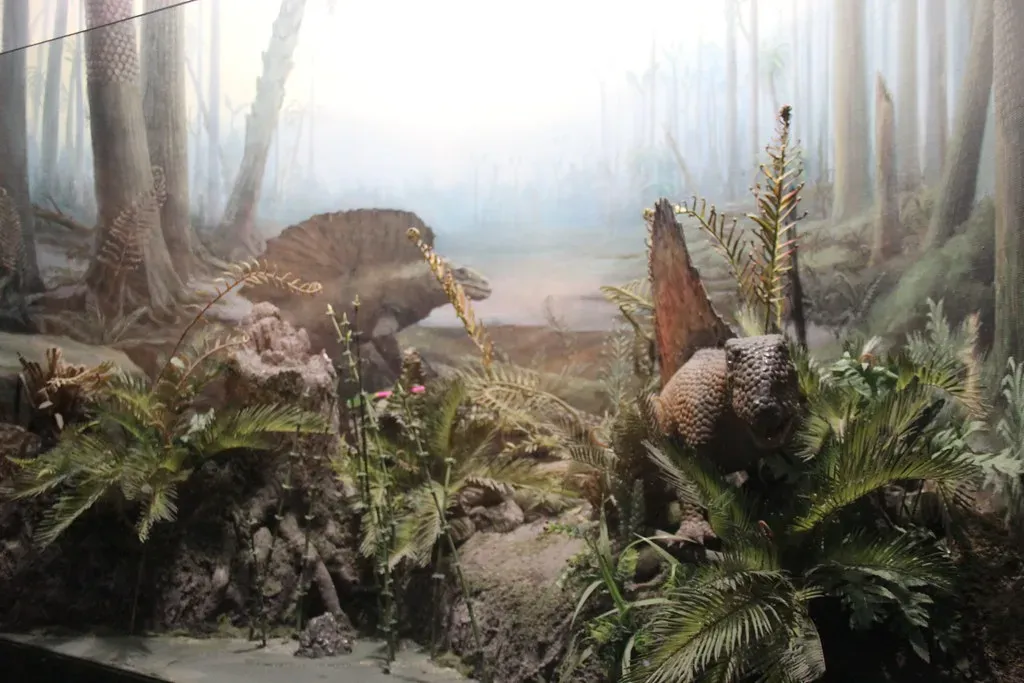
When you picture prehistoric America, it is easy for your mind to jump straight to T. rex and Triceratops, but by now you have walked through a much older chapter of that story. You have met sail‑backed predators, swamp‑lurking amphibians, squat herbivores, and boomerang‑headed oddities that ruled US landscapes long before a single dinosaur left a footprint. These animals filled every available niche, from deep streams to sun‑blasted uplands, proving that complex ecosystems were already thriving more than two hundred and seventy million years ago.
The next time you hike across red rock deserts in the Southwest or stroll through low hills in Texas or Oklahoma, you can imagine Dimetrodon basking by an ancient river, Diplocaulus gliding through a stream, or Cotylorhynchus lumbering past in slow motion. You are walking on top of entire lost worlds layered one over another, each with its own cast of creatures that rose, flourished, and vanished before the next wave appeared. In a way, learning about these pre‑dinosaur rulers lets you see your own continent as a place with an unimaginably deep past, not just a backdrop for familiar animals. Knowing that, how can you ever look at an ordinary landscape in quite the same way again?