You probably grew up with a pretty straightforward story of evolution: life began simple, became more complex, and natural selection slowly shaped everything you see around you. That story is not wrong, but it’s nowhere near the whole picture. Once you dig into modern evolutionary biology, you find a web of ideas that twist, stretch, and sometimes flip that familiar story on its head.
In this article, you’ll walk through ten theories and frameworks that do not replace evolution, but challenge the way you usually think about it. Some expand Darwin’s ideas, some update them with genetics and epigenetics, and some question long‑held assumptions about how fast, how predictably, and how deeply evolution can work. As you go, you might notice your mental model of evolution shifting from a straight line to something more like a tangled, living forest.
The Extended Evolutionary Synthesis: Evolution Is Bigger Than Textbooks Admit
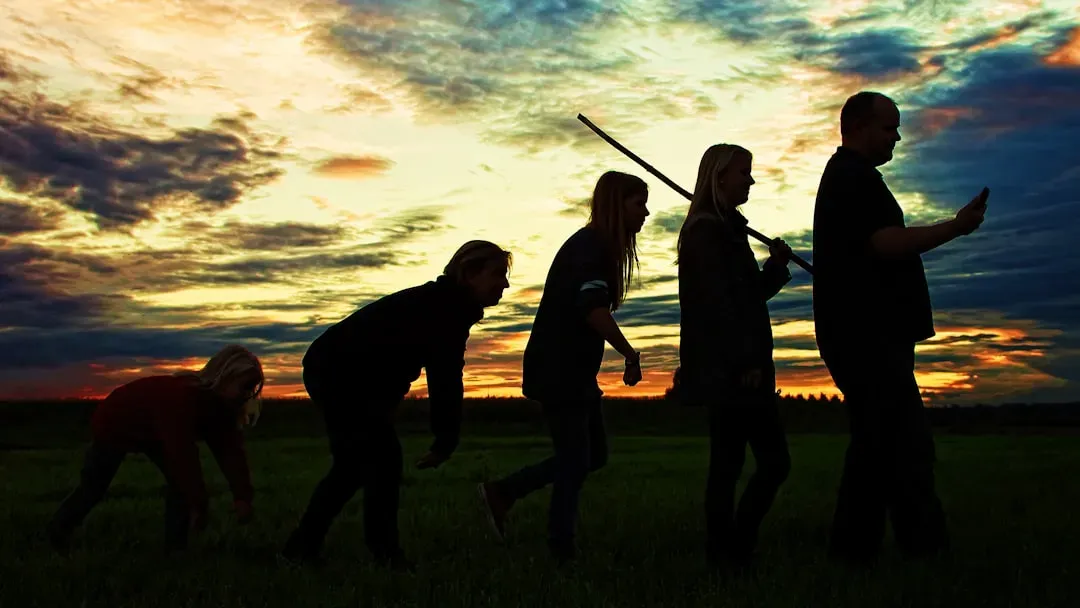
When you think of evolution, you probably think of genes mutating randomly while natural selection sorts winners from losers. The extended evolutionary synthesis says you’re missing several big pieces of the puzzle. It argues that things like development (how embryos grow), learning, culture, and even how organisms alter their own environments can feed back into evolution in powerful ways.
In this view, you are not just a passive product of your genes being filtered by the environment. Instead, you and other organisms constantly modify the world around you, pass on behaviors culturally, and even change how genes are used and expressed over generations. This does not throw out Darwin; it stretches his idea into a wider, more dynamic system where inheritance includes more than DNA, and evolution is not just genes in isolation but genes, bodies, behaviors, and environments all tangled together.
Punctuated Equilibrium: Evolution Does Not Always Creep Slowly
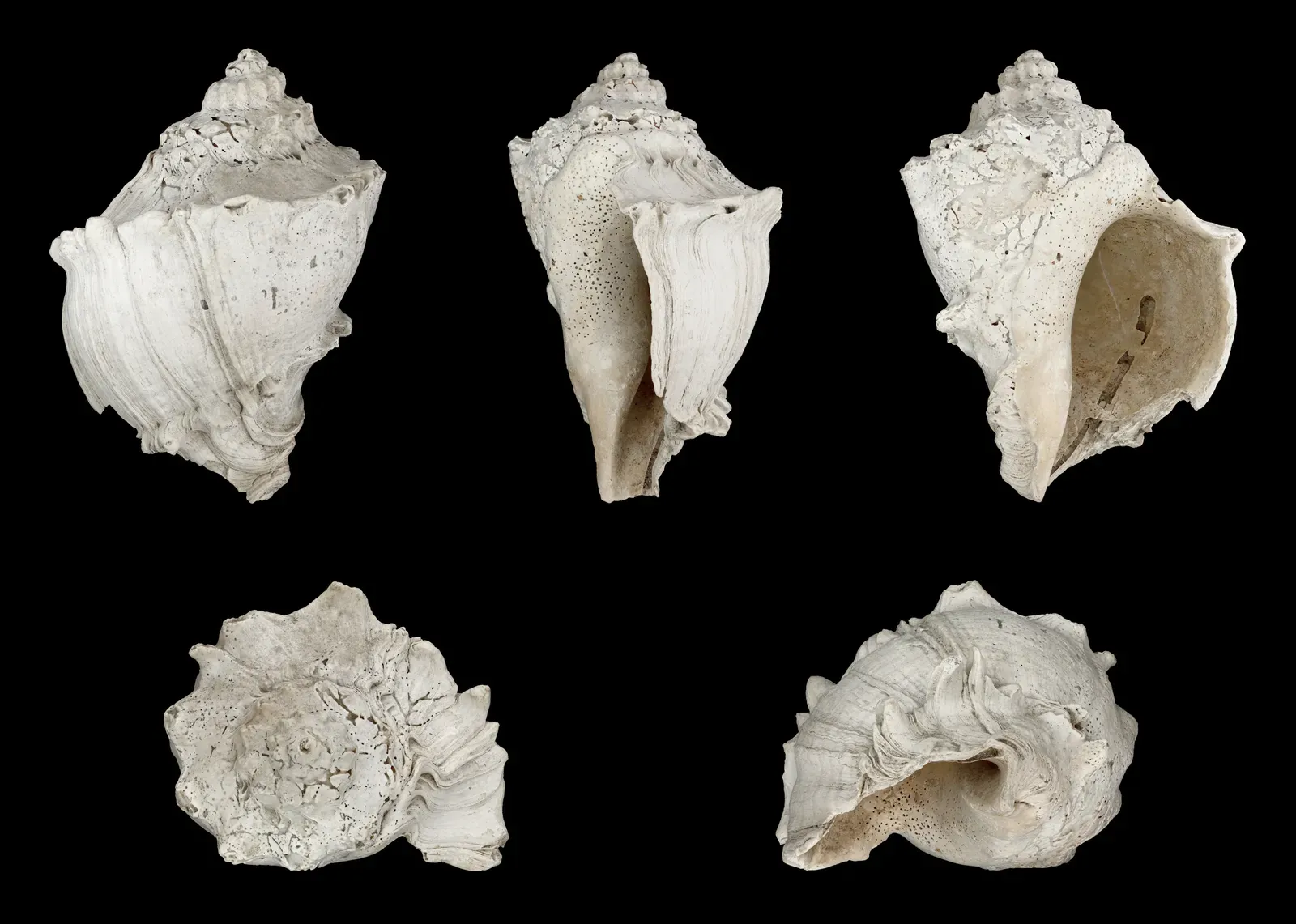
You were probably taught that evolution is always slow and gradual, like a glacier that never stops moving. Punctuated equilibrium challenges that by suggesting evolution often sits relatively still for long periods, then changes rapidly in short bursts, especially when environments shift or small isolated populations break away. When you look at the fossil record, many species seem to appear and disappear suddenly, with long stretches of stability in between.
In this framework, you picture evolution less as a smooth slope and more as a staircase: long flat steps of little change, broken by sudden jumps when conditions push lineages into new forms. For you, that means the world’s history of life may have been far more dramatic than the slow, gentle story you were told, with crises, environmental shocks, and isolation triggering evolutionary “spurts” that redraw ecosystems in surprisingly short geological time spans.
Neutral Theory: Much of Evolution May Be Random Drift, Not Adaptation
When you hear “evolution,” you probably think “adaptation.” It feels obvious that every change must be there for a reason, finely tuned by natural selection. Neutral theory forces you to step back and accept that many genetic changes might be more like background noise than carefully engineered solutions. It suggests that a large share of mutations are nearly neutral in their effects and drift through populations by chance rather than by clear survival advantages.
This does not mean adaptation is a myth; it means you should not assume every feature you see is a perfectly optimized design. In practice, when you look at genomes, you find many differences that do not clearly help or hurt an organism but still become common just through random sampling effects in finite populations. For you as a thinker about evolution, that is humbling: not every trait needs a story, and sometimes, history is about what happened to stick around rather than what was best.
Evo-Devo: How Development Shapes What Evolution Can Do
If you only look at genes as raw code, you miss a crucial step: how that code unfolds during development to build a body. Evolutionary developmental biology (usually called evo‑devo) challenges the idea that evolution just tweaks traits directly, and instead focuses on the deeply conserved “toolkit” genes that guide body plans across many species. When you compare embryos of very different animals, you often see surprisingly similar early stages, hinting at shared developmental blueprints.
For you, evo‑devo changes the question from “How did this trait evolve?” to “How did this developmental process get rewired?” Small genetic changes in regulatory switches can cause big differences in form, like moving where or when a limb grows. That means evolution is not completely free to invent anything; it is constrained and channeled by the architecture of development. You start to see living forms less as random outcomes and more as variations on surprisingly ancient and reusable patterns.
Epigenetic Inheritance: Experiences May Echo Across Generations
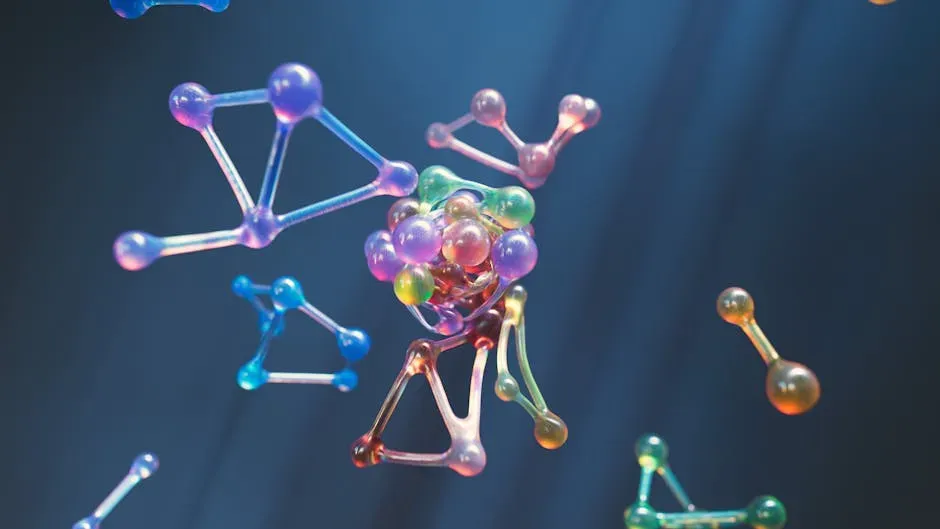
You were probably told that traits you acquire during your life cannot be passed to your children, and in terms of DNA sequence, that still holds. Epigenetic inheritance complicates this picture by showing you that chemical marks on DNA and histones, which help control how genes are turned on or off, can sometimes be transmitted to offspring. These marks can be influenced by diet, stress, toxins, and other environmental factors.
In some plants, worms, and other organisms, researchers have found changes in gene expression patterns that persist for multiple generations without altering the underlying genetic code. For you, the lesson is not that every life experience will echo in your grandchildren, but that inheritance is not only about letters in DNA. Sometimes, how genes are packaged and regulated carries a faint memory of what earlier generations went through, blurring the line between “hard‑wired” and “environmentally shaped.”
Niche Construction: Organisms Do Not Just Adapt, They Remodel the World
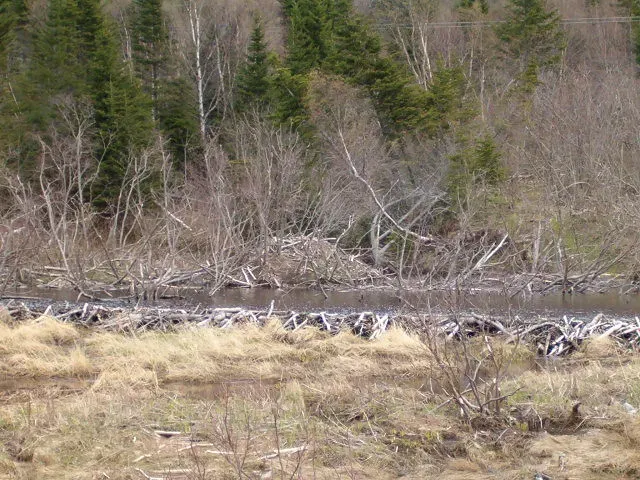
You’re often told that the environment shapes organisms, as if nature were a fixed stage and life just tries to fit in. Niche construction flips that image by reminding you that organisms are constantly altering their surroundings, and those alterations can change the direction of evolution. Beavers build dams, earthworms restructure soil, and humans reshape entire climates and landscapes. Those changes create new selective pressures for future generations.
When you adopt this perspective, you no longer see evolution as a one‑way arrow from environment to genes. Instead, you watch a feedback loop: organisms modify the world, the modified world filters which traits succeed, and the surviving organisms modify things even more. In your own life, you can see this in how human technology and culture transform the selective environment, from antibiotics affecting bacteria to cities reshaping which plants and animals thrive alongside you.
Convergent Evolution: Different Paths, Strikingly Similar Outcomes
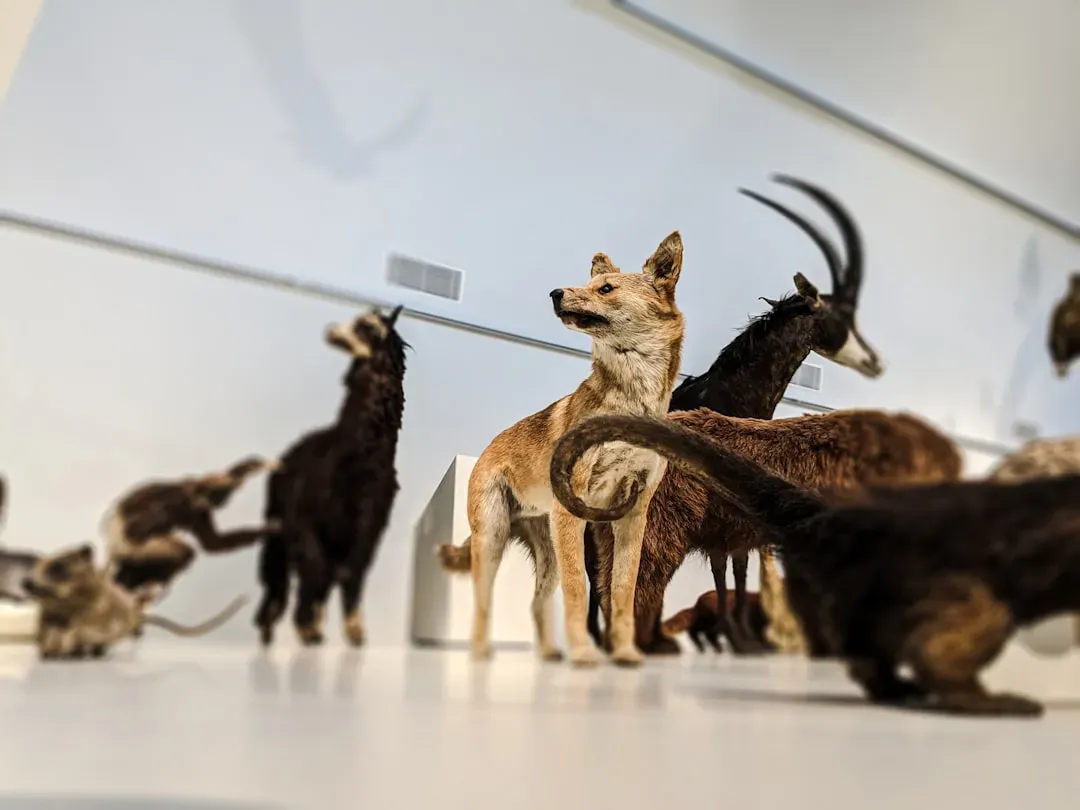
You might assume that life’s diversity means endless unique solutions, but convergent evolution shows you that nature often hits on the same tricks again and again. Very different lineages can independently evolve similar features when they face similar selective pressures: flight in birds, bats, and insects, or streamlined bodies in sharks, dolphins, and certain extinct reptiles. These patterns suggest that evolution, while not predictable in detail, can be surprisingly repeatable in broad strokes.
For you, this challenges the idea that every trait is a historical accident that could just as easily have gone another way. It hints that there are limited “good solutions” to certain problems, like moving quickly through water or seeing in low light, and evolution tends to find them repeatedly. That raises unsettling and fascinating questions about whether intelligence, complex eyes, or social behavior might also be the kind of features evolution is likely to rediscover on other worlds, if similar conditions arise.
Symbiogenesis and the Power of Mergers
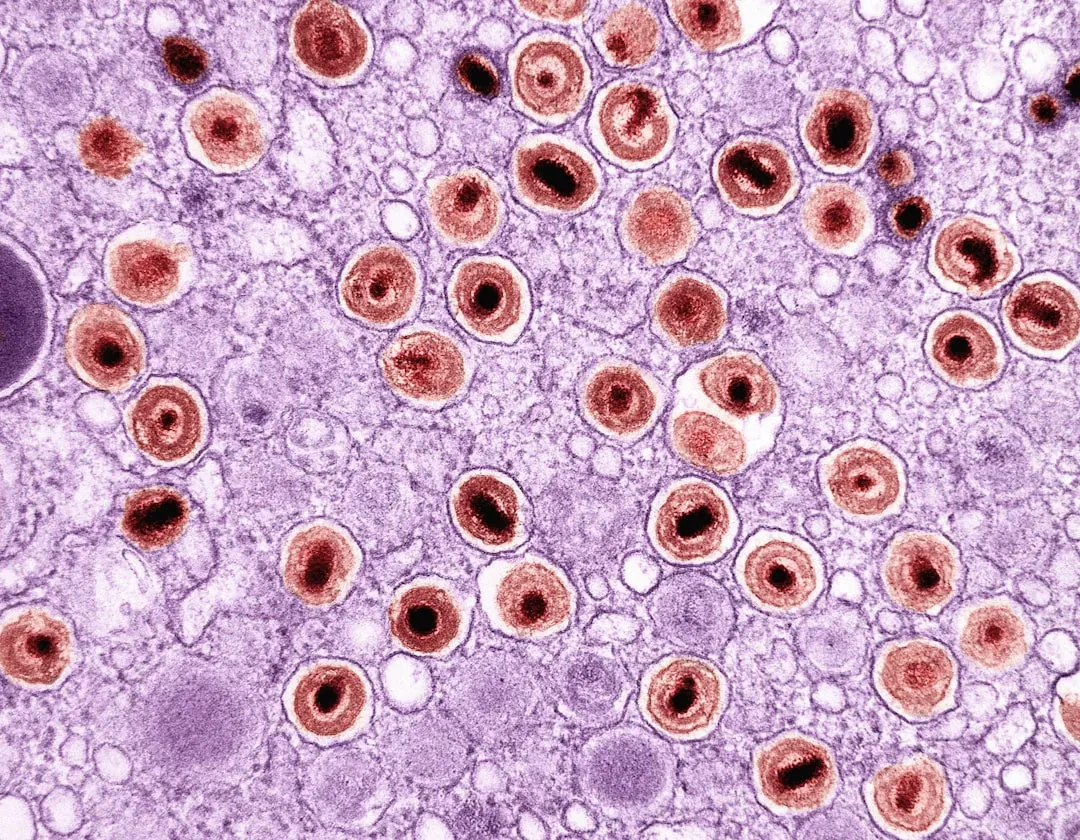
You probably think of evolution as a slow accumulation of small changes, but symbiogenesis highlights the possibility of big leaps when organisms merge. The best‑known example is the origin of mitochondria and chloroplasts, which appear to have started as free‑living bacteria that took up residence inside other cells. Over time, they became essential parts of eukaryotic cells, turning cooperation into a permanent merger written into every cell of your body.
When you embrace this idea, you realize evolution is not only about competition and gradual tweaking. Sometimes, entirely new kinds of organisms emerge from partnerships so tight they fuse into a single entity. This forces you to see individuality itself as more fluid than you might like: you are, in a very real sense, a walking collection of ancient mergers and current symbionts, from your mitochondria to the microbes living in your gut that influence your health and perhaps even your behavior.
Group and Multilevel Selection: Can Selection Favor the Good of the Group?

You’ve probably heard the phrase that evolution is selfish, acting only at the level of individual genes or organisms. Group and multilevel selection theories argue that in some cases, selection can also act on groups, favoring traits that help a group survive and compete, even if they are costly to individuals. Think about cooperative hunting, shared childcare, or alarm calls that put the caller at risk while warning others.
Modern versions of these ideas do not throw away gene‑level selection; instead, they suggest you should picture multiple levels stacked together. Genes compete within bodies, individuals compete within groups, and groups can compete with other groups. Depending on the situation, selection at one level can reinforce or clash with selection at another. For you, this offers a richer way to understand extreme cooperation, self‑sacrifice, and the evolution of complex social systems, including your own species’ tendency to build tight‑knit communities and sometimes destructive tribes.
Selfish Genetic Elements: DNA That Evolves for Its Own Sake
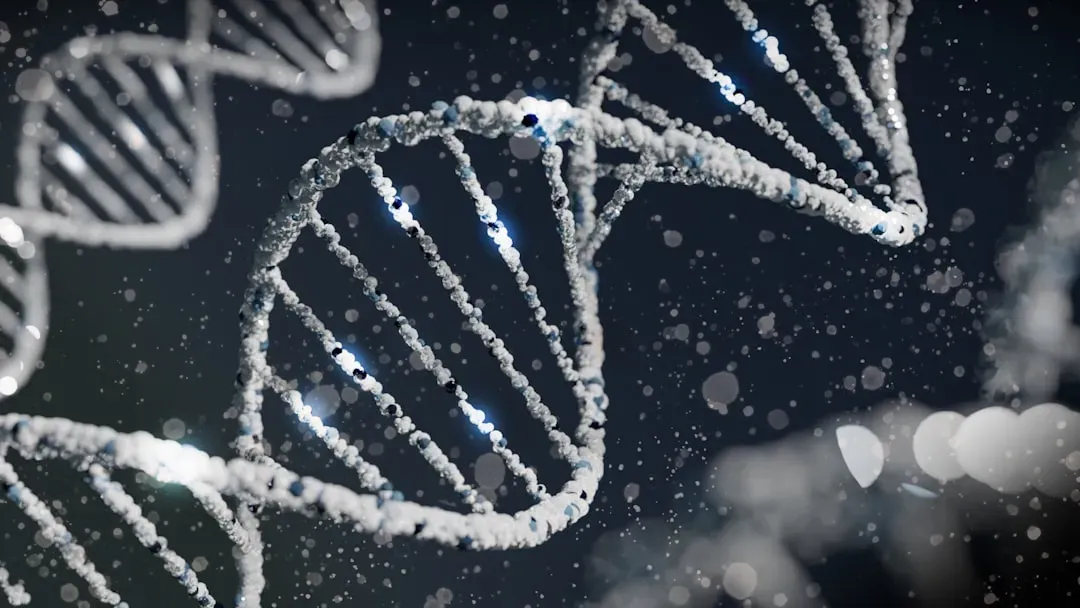
You usually think genes exist to help organisms survive and reproduce, but selfish genetic elements challenge that comforting story. These bits of DNA can spread within genomes even when they do not benefit, and may even harm, the organism as a whole. Examples include certain transposable elements that copy and paste themselves around the genome, or “meiotic drive” genes that bias their own transmission into the next generation.
Once you realize this, you see evolution inside genomes as a kind of internal ecosystem filled with conflicts and alliances. From your perspective, a genome stops being a perfectly harmonious blueprint and starts looking like a negotiated truce among many different pieces of DNA, some aligned with organismal fitness and some mainly promoting their own spread. That idea forces you to reconsider what “adapted” really means, because sometimes what wins at the genetic level is not what you would intuitively call good for the organism.
Conclusion: Rethinking Evolution as a Tangled, Living Process
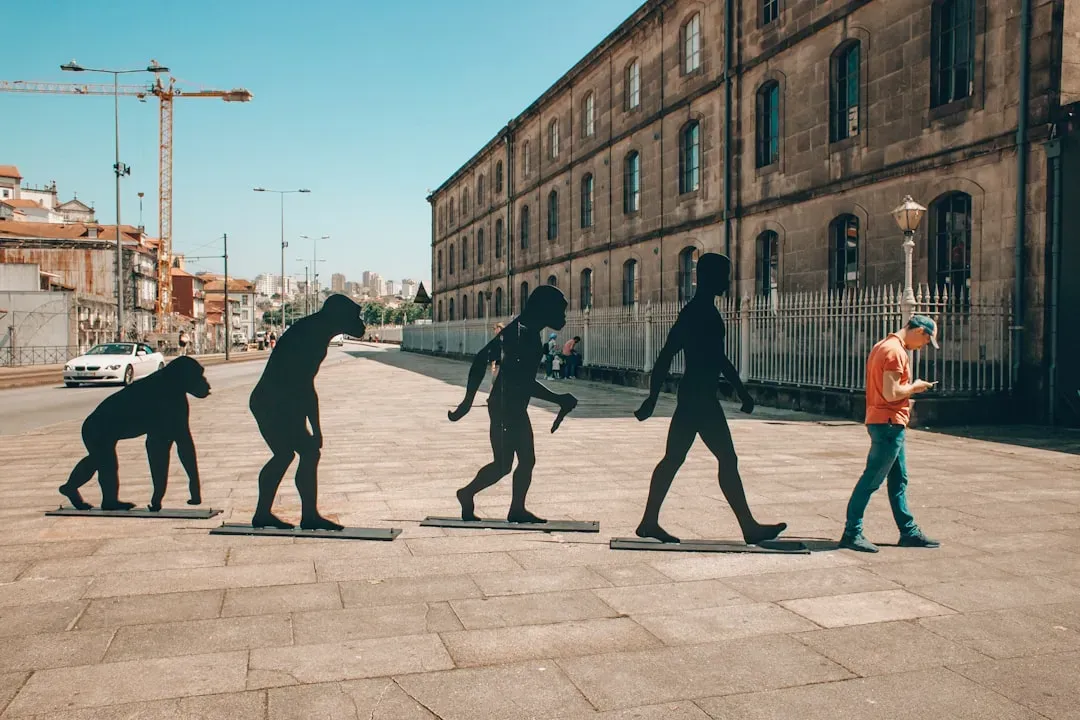
By the time you’ve walked through these ten theories and frameworks, the simple, one‑dimensional picture of evolution you started with has probably dissolved. Instead of a neat story about random mutations and slow selection, you’re looking at a system shaped by development, culture, epigenetics, chance, symbiosis, group dynamics, and organisms that relentlessly remodel their own environments. Evolution becomes less like a straight arrow and more like a constantly shifting conversation among genes, bodies, worlds, and histories.
If you let these ideas sink in, you do not end up rejecting evolution; you end up seeing it as far richer and stranger than you were first told. You realize that the theories that challenge the standard story mostly do so by expanding it, stacking new layers of complexity on top of Darwin’s core insight. The world you inhabit is the outcome of all those layers working together over deep time, and you are part of that ongoing experiment. Which of these challenges to the old picture surprised you the most, and how does it change the way you see yourself in the history of life?