
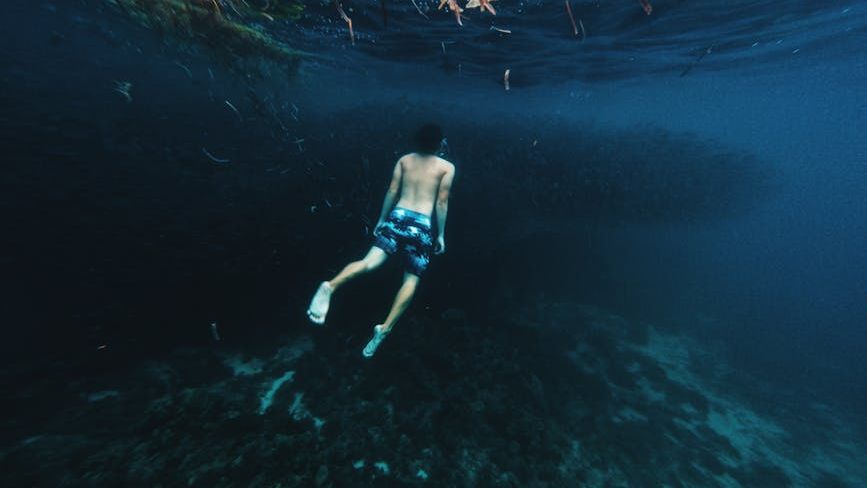
If you had been born into an ocean world instead of on land, almost everything you take for granted about your body, senses, and daily life would be turned upside down. You would not simply be a land human in scuba gear; over millions of years, evolution would have sculpted you into something very different, specially tuned to pressure, darkness, and endless water. When you imagine this, you start to see how deeply your current human form is a product of air, gravity, and dry ground.
Thinking about evolution is not just a fun science-fiction exercise; it actually helps you appreciate the rules that shape real animals on Earth. When you picture what you would need to survive and thrive under the waves, you begin to spot patterns that already exist in whales, seals, fish, and deep-sea creatures. You can use those patterns as your guide, then ask: if your species had always lived down there, what Would you look like, how would you move, and how would you build a society in a place where you can never light a campfire?
Your Body Built For Buoyancy, Not Gravity
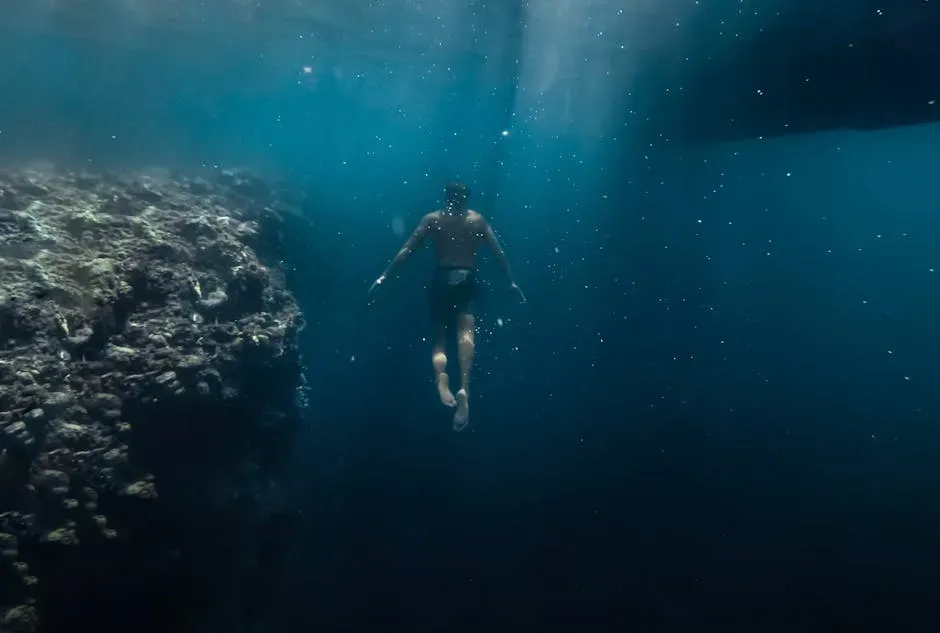
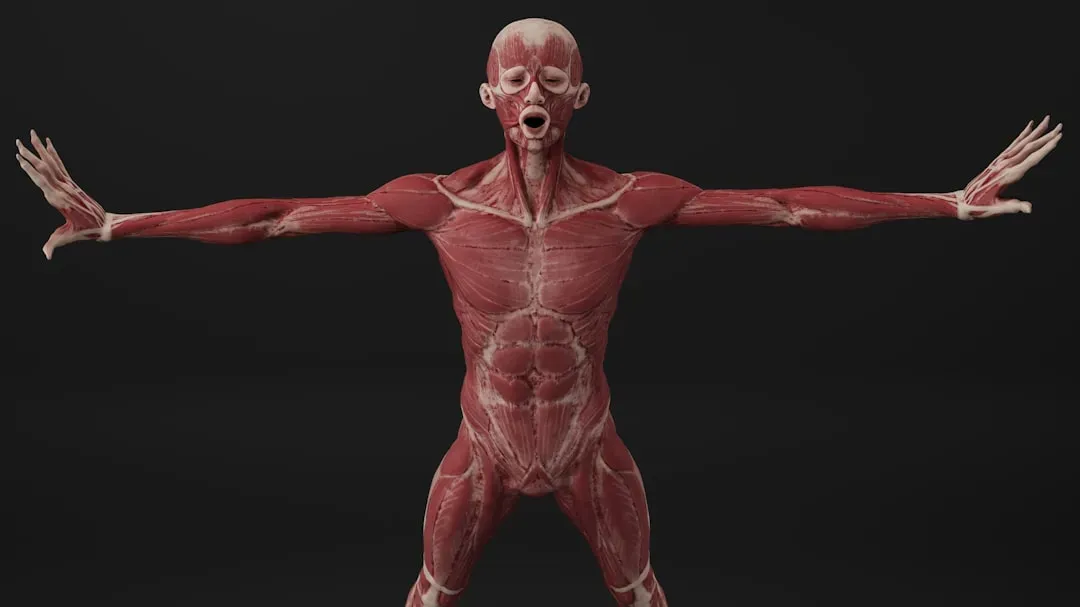
The first thing you would feel in an underwater world is that gravity stops being your main enemy; buoyancy does. On land, your skeleton is a rigid tower constantly fighting to keep you upright. Underwater, the water supports you, so your bones could be lighter, more flexible, and spread differently to handle pressure instead of simple weight. You might carry a denser rib cage to protect vital organs under high pressure, while your limbs could be more fin-like, widening into paddles instead of staying as narrow arms and legs.
If you , muscle placement would change too. You would not need thick leg muscles for running or jumping; you would need smooth, powerful bands of muscle for sweeping motions, like what you see in dolphins or seals. Your spine might become more flexible so you can undulate your body efficiently through water. Over time, you would be less of a walking primate and more of a streamlined swimmer, shaped by currents the way desert animals are shaped by sand and heat.
How You Would Breathe In A World Without Air
If your ancestors never left the water, breathing would be one of the hardest design problems evolution needed to solve for you. You know from biology that land mammals cannot simply grow working gills overnight; your entire circulation system, blood chemistry, and development would have to change. If you ended up with gills, they would likely sit protected alongside your neck or chest, shielded by strong cartilage and skin to keep them from getting clogged or damaged in rough conditions. You would pull dissolved oxygen from the water constantly, the way fish do, instead of taking distinct breaths.
Another possibility is that you would become an extreme breath-holder, more like whales than like fish. In that case, your body would evolve the ability to store huge amounts of oxygen in your blood and muscles, helped by high levels of oxygen-binding proteins. You would slow your heart rate when you dive deeper, shunting blood away from nonessential areas to protect your brain and core organs. Instead of casually inhaling whenever you like, you would plan your movements and activity levels around efficient oxygen use, the way you currently think about stamina during intense exercise.
Your Skin, Eyes, And Ears In Constant Water
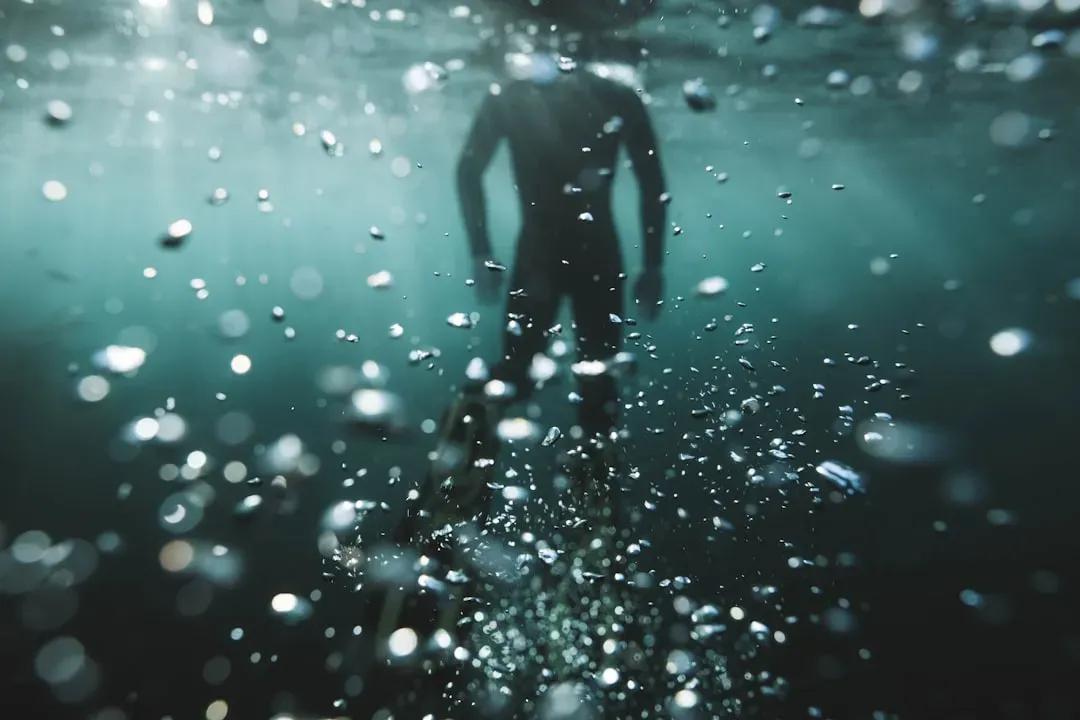
Your skin, built for dry air right now, would not last long in constant immersion. Instead, you would likely develop a smooth, hydrodynamic outer layer, rich in oils or mucus-like coatings to reduce drag and guard against infection. Hair on your body would mostly vanish or become very fine and specialized, because it creates resistance and collects debris in the water. The parts of your body that still needed protection from friction and collision, such as joints or leading edges of your limbs, might grow thicker, calloused skin more similar to that of dolphins or manatees than to your current fragile epidermis.
Your senses would also bend to the water’s rules. Your eyes, for instance, would need to focus properly in an environment where light bends differently than in air, so you might develop more powerful lenses and larger pupils to capture scattered light. In murky or deep water, you might rely less on sight and more on lateral-line–style senses, detecting vibrations and movements across your body. Your ears, instead of sticking out as sound catchers for air, would be streamlined and tuned to receive sound through bone conduction, making you more like a living sonar dish than a land mammal with wiggly outer ears.
How You Would Move, Hunt, And Eat
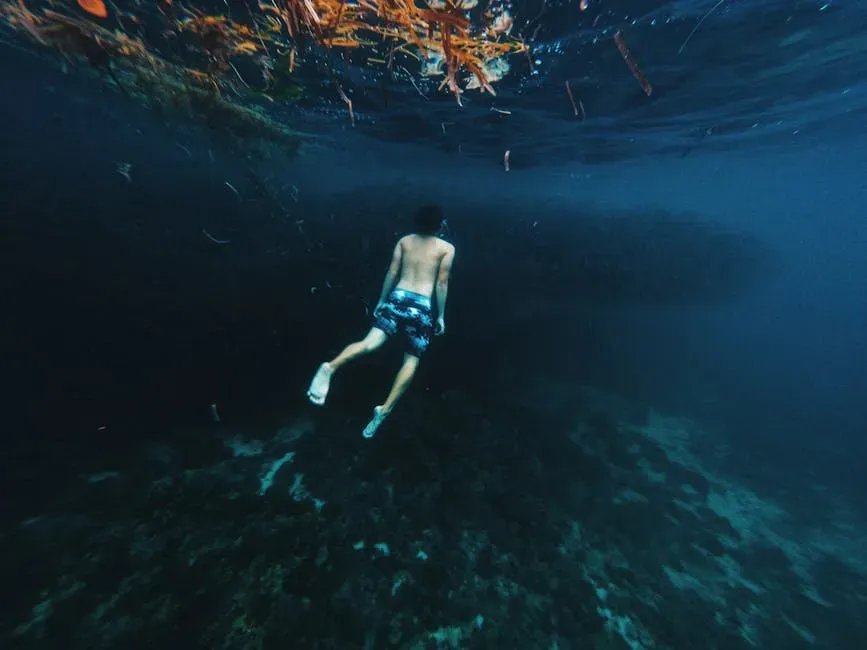
Walking and running would disappear from your everyday vocabulary and be replaced entirely by swimming styles. You might move your body with a dolphin-like tail extension, or fan your broader feet and hands like flippers in coordinated strokes. Quick, explosive moves would cost a lot of energy in thick water, so you would likely favor smooth, efficient gliding punctuated by short bursts of speed. You would feel currents the same way you currently feel wind on your skin, using them as underwater highways instead of constantly fighting them.
Your diet would be built around whatever ocean ecosystem you evolved in. If you spread through shallow coastal regions, you might become a forager of sea plants, crustaceans, and reef creatures, using nimble fingers or specialized teeth to pry and crush. In deeper waters, you might become a pursuit predator, using cooperative hunting similar to dolphins or orcas, surrounding schools of fish. You would develop jaws and teeth that fit that lifestyle: maybe sharp and conical for gripping slippery prey, or broader and flatter if you crushed shellfish and hard-shelled animals as a main food source.
Communication In A Place Where Your Voice Carries Differently
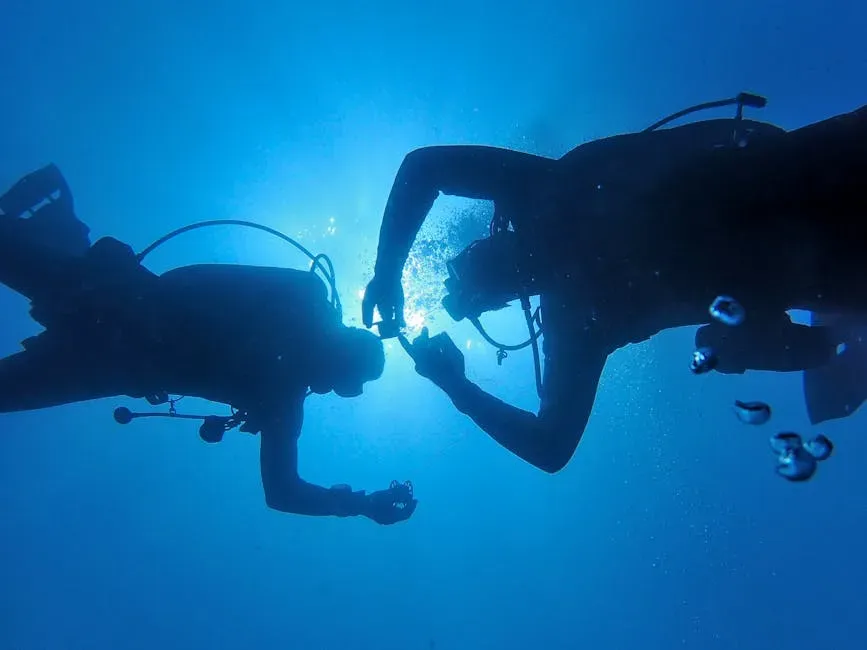
Right now, you treat speech as a stream of air shaped by your mouth and tongue, but underwater, air-based words would not get you very far. Instead, you would probably adopt low-frequency sounds, clicks, and pulses that travel well through water. Your larynx and vocal structures could evolve into powerful sound producers, built to send signals across long distances. You might feel your own voices not just in your ears but vibrating through your bones, giving you a strong sense of direction and distance when others call out to you.
At the same time, you might lean heavily on visual and tactile communication. Bioluminescent patches along your skin or specialized organs could light up with shifting patterns to signal emotions, warnings, or group coordination, a bit like living light displays. Close-up communication might involve gentle touches, changes in body posture, and synchronized movements, especially when visibility is poor. In a quiet, dark trench or a bustling reef, you would effectively speak in sound waves, glows, and gestures all at once, layering multiple channels the way you currently mix voice, facial expressions, and body language.
Building Homes, Tools, And Technology Underwater
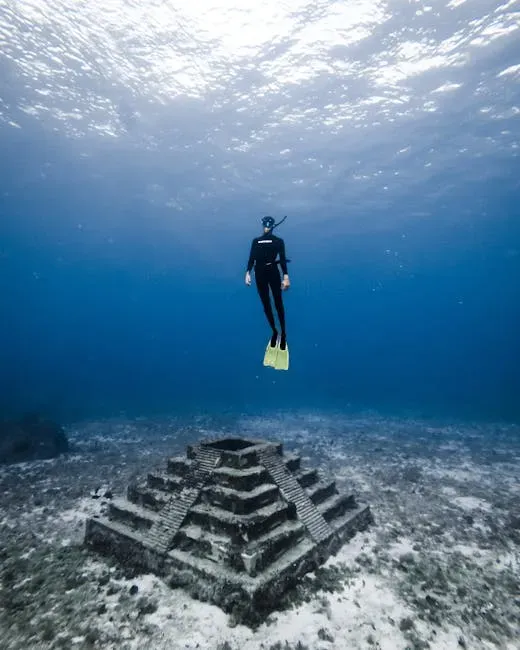
Fire, which sits at the center of so much early human technology, would not exist for you in any normal way underwater. That single change would push your toolmaking down different paths. Instead of smelting metals early on, you would start with stone, bone, shell, and coral, carving and shaping them using abrasion and pressure rather than heat. You might anchor tools and structures to the seafloor, using natural adhesives and plant fibers that hold up well in saltwater, building homes nestled into reef walls or within undersea caves.
Over very long timescales, you could still reach advanced technology, but you would do it by mastering pressure, chemistry, and maybe even pockets of trapped gas. You could use volcanic vents, geothermal gradients, or chemical reactions to drive machinery or create stable, low-oxygen spaces. Your version of a city might look like an intricate three-dimensional maze, with floating platforms, tethered chambers, and channels that guide currents for energy and transportation. Instead of skyscrapers against the sky, you would shape towering reef-like structures that blend with the ocean around you, more like living architecture than the hard edges you are used to.
Social Life, Culture, And Beliefs Beneath The Waves
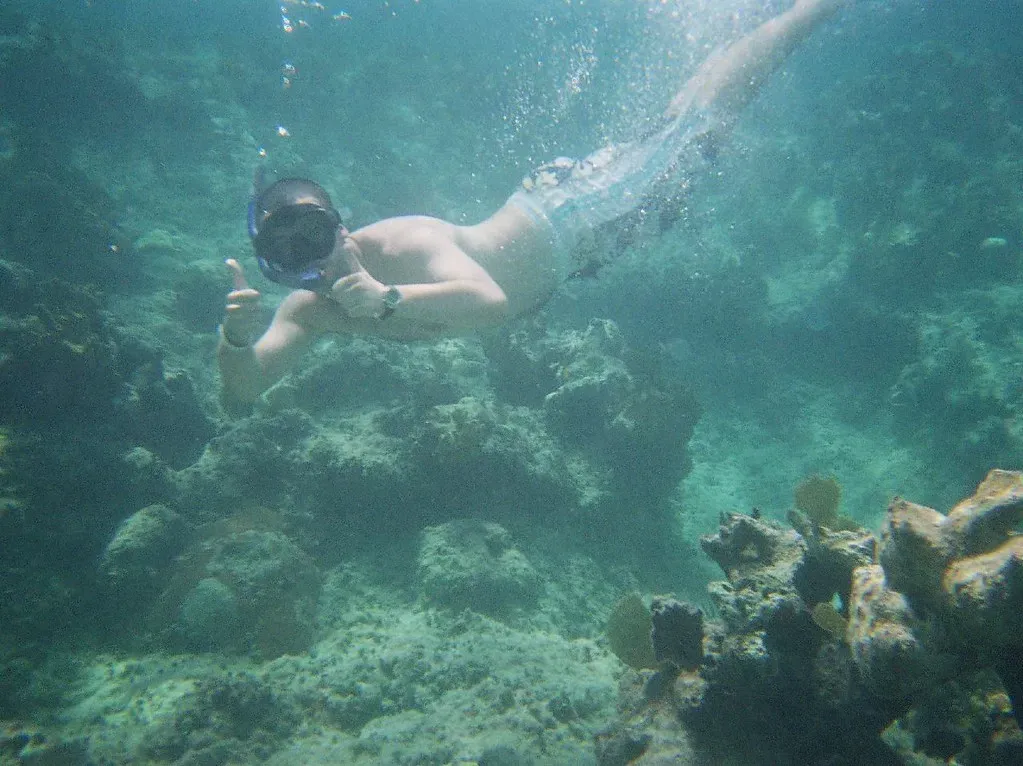
Your social life would adapt to a world where you cannot gather casually around a campfire or shout across a field. You might live in close-knit pods or clusters, moving together through territory that feels more like a shared three-dimensional volume than a flat slice of land. Parenting would need to take pressure and temperature into account, with sheltered nurseries in calmer, protected waters. Seasonal migrations might become a central part of your identity, with stories and rituals built around specific routes and currents you follow year after year.
Your beliefs and stories would grow out of the mysteries you see above and below you. Instead of looking up at a starry sky, you would gaze toward the shimmering, unreachable surface and the darkness that lies beyond it. The deep ocean trenches could become mythic places of origin or danger, while the warm, sunlit shallows might represent safety or rebirth. You would probably develop a strong sense of connection to other marine life, because your survival would be so obviously tied to the health of reefs, currents, and migrating species. In a sense, your culture would be written in waves, tides, and the quiet hush of the deep.
What This Thought Experiment Really Shows You
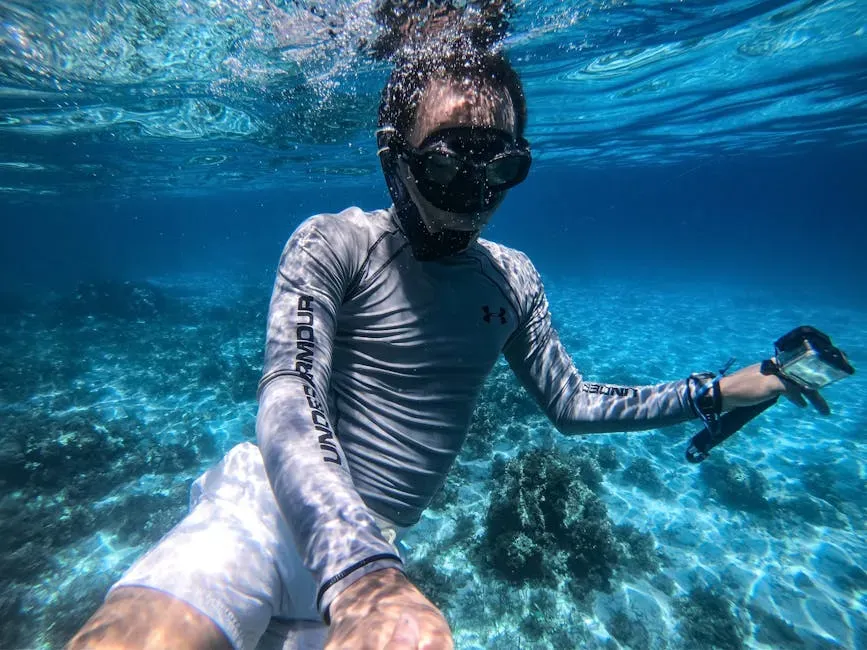
When you imagine yourself as an underwater-evolved human, you start noticing how much of who you are today is simply an adaptation to air and land, not some universal standard of being human. Your lungs, your skeleton, even your way of talking are all specialized tools for a very particular environment. Shift that environment to water, and the blueprint of your body and mind would follow, turning you into a creature that might be barely recognizable by today’s standards. You would still be you in a biological sense, but your whole relationship with the world would feel alien compared with your current experiences.
This kind of thought experiment also nudges you to appreciate real marine life with fresh eyes. When you look at dolphins, seals, or fish after thinking this through, you can see them as highly tuned solutions to the same problems you would face underwater. You may never grow gills or a tail, but you can still learn from the way evolution solved those challenges for other species. And it raises an intriguing question: if intelligent life exists elsewhere in the universe, how many of those minds might have grown up under oceans instead of under skies, seeing your air-filled world the way you now see the deep sea?
In the end, wondering how you might have is really about seeing your own limits and possibilities more clearly. Your current body and society are not the only way to be a thinking, feeling being; they are just one path carved through time by the environment you inherited. Next time you watch waves roll in or see a nature documentary about the deep ocean, you can quietly ask yourself: if you had been born down there, what version of you would be looking back? And if that version met you today, which one of you would seem more strange?