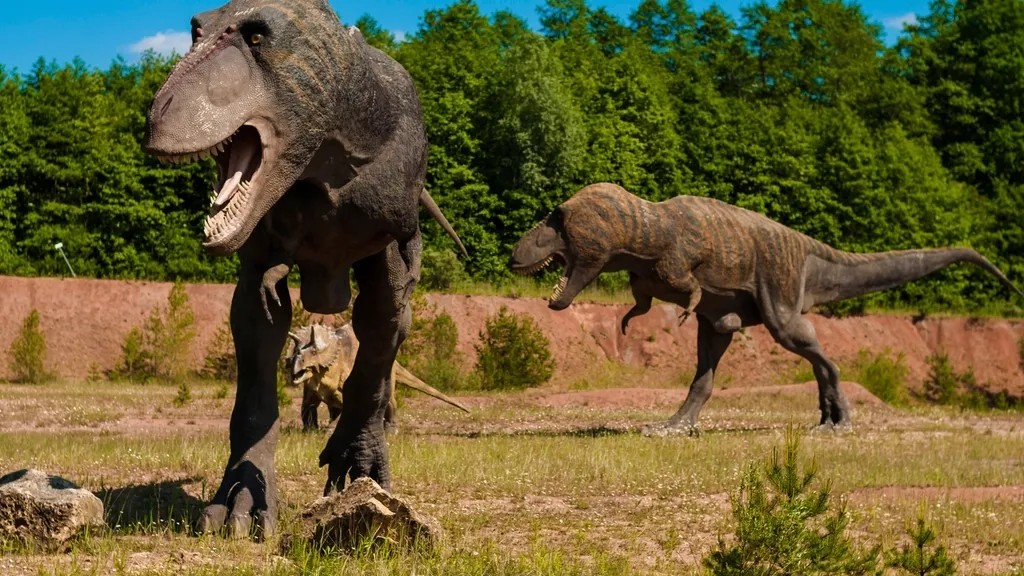
If you picture a T. rex, you probably see a roaring giant with knife-like teeth and tiny, useless arms rampaging across a steaming Jurassic jungle. The funny thing is, almost everything in that mental picture is at least a little wrong. You are dealing with an animal that was stranger, more complex, and in many ways more impressive than the movie monster you grew up with.
When you dig into what scientists have actually learned about T. rex over the last few decades, you start to see it less as a mindless killing machine and more as a highly specialized, oddly elegant piece of evolutionary engineering. You find questions about growth, behavior, intelligence, parenting, and even whether it had feathers on parts of its body. So as you walk through this story, try to set the Hollywood version aside for a moment and meet the real animal on its own terms.
T. Rex Was Not a Jurassic Dinosaur at All
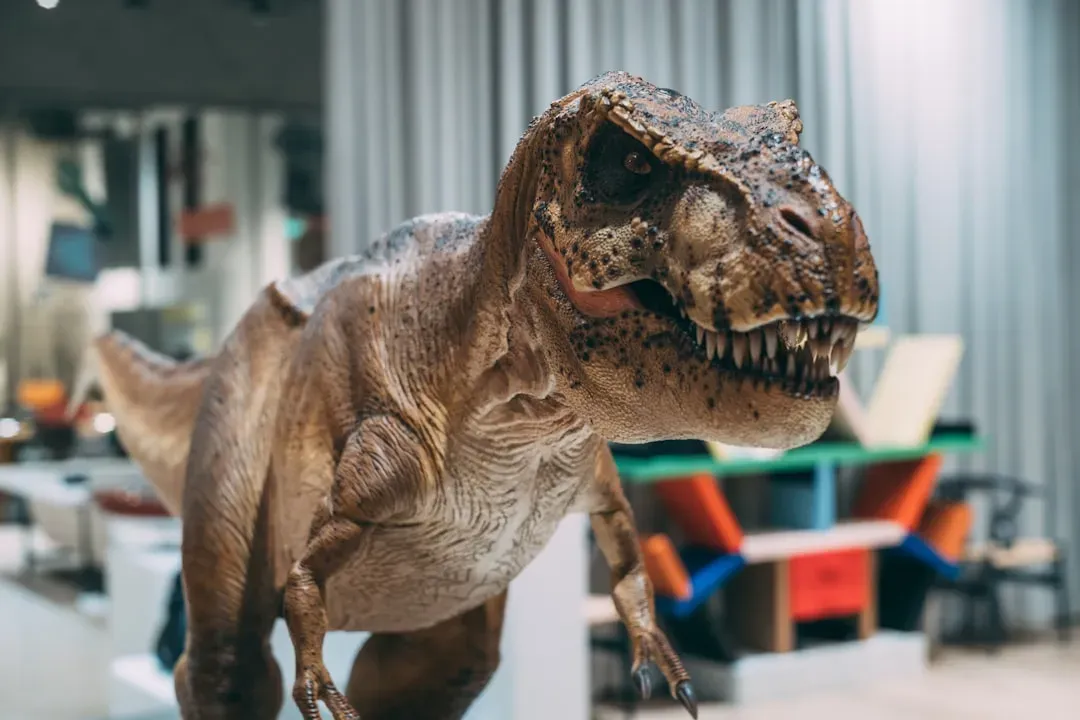
One of the first surprises you run into is that T. rex did not roam during the Jurassic period, even though pop culture constantly shoves it into that era. Instead, you are looking at a Late Cretaceous dinosaur that lived roughly in the last few million years before the asteroid impact that ended the age of dinosaurs. That means it evolved in a world already full of advanced, specialized dinosaur lineages, not in the earlier age of long-necked giants like Diplodocus.
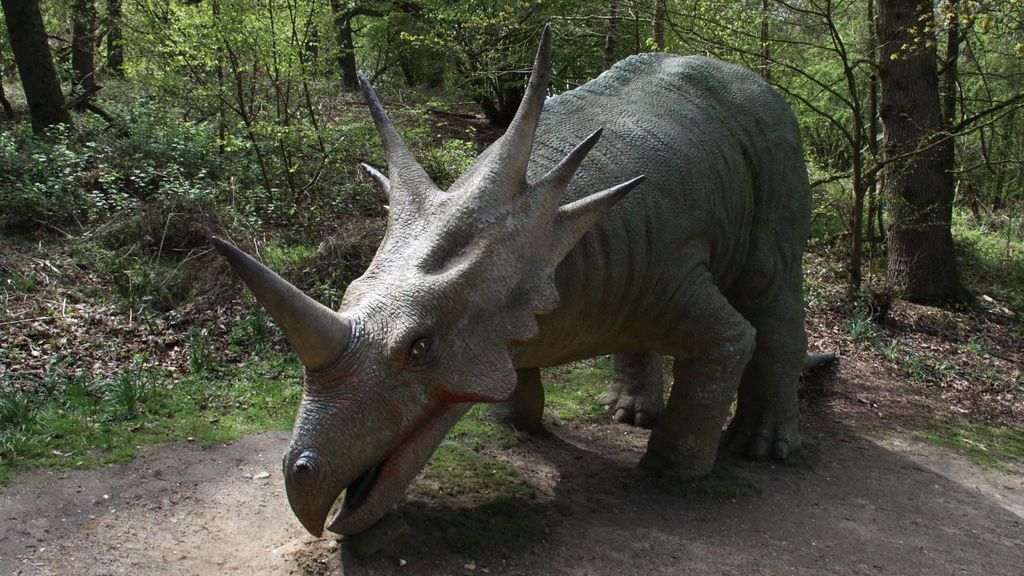
If you could step into its time, you would see something closer to a different planet than to the Jurassic theme parks in your head. Flowering plants were common, birdlike dinosaurs fluttered around, and massive horned dinosaurs like Triceratops were browsing in the forests and plains. T. rex was one of the final acts in the dinosaur story, not an early chapter, and that alone should shift how you think about it: less ancient monster, more endgame apex predator in a very mature ecosystem.
The Skull and Bite: A Bone-Crushing Powerhouse
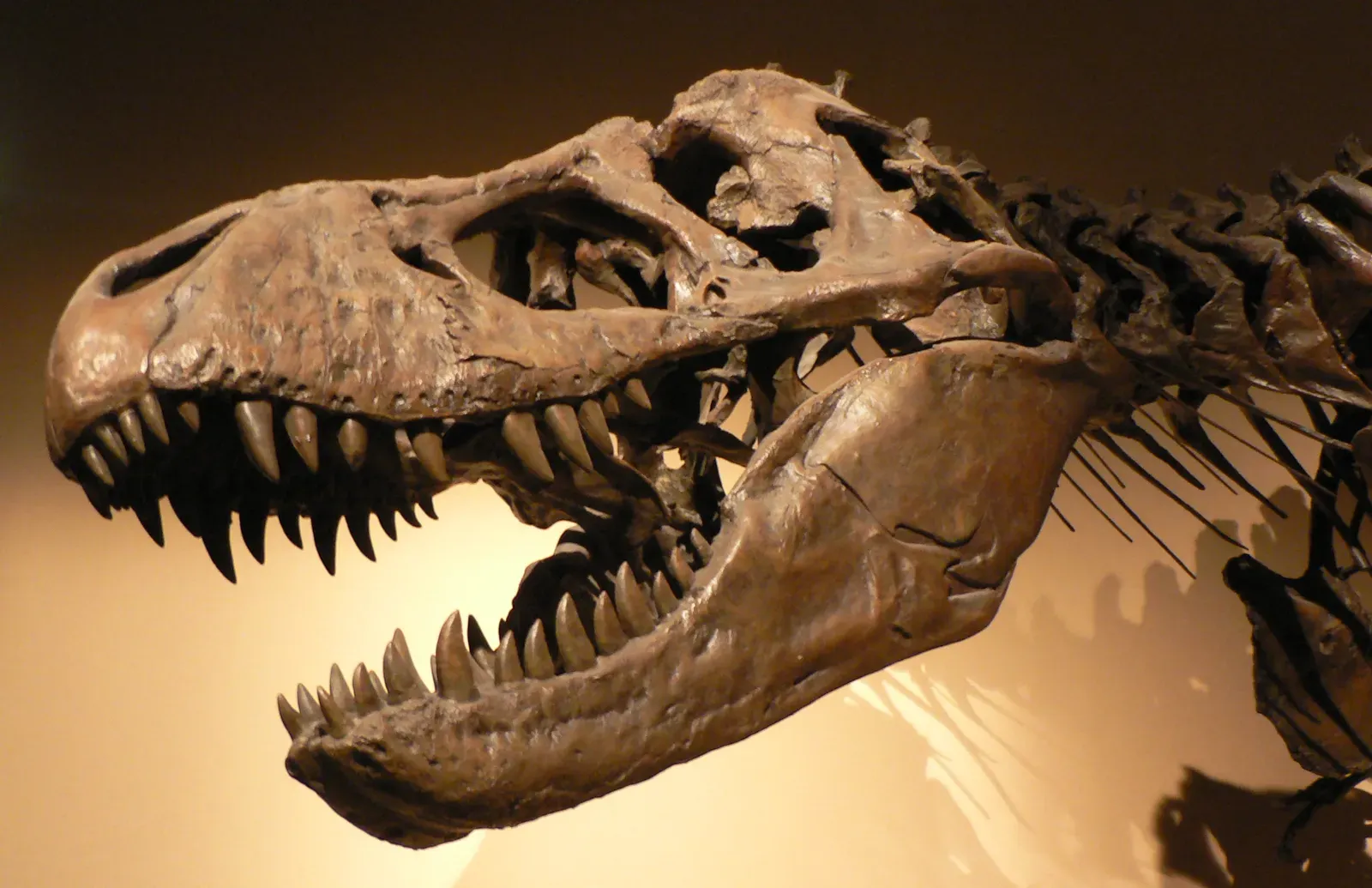
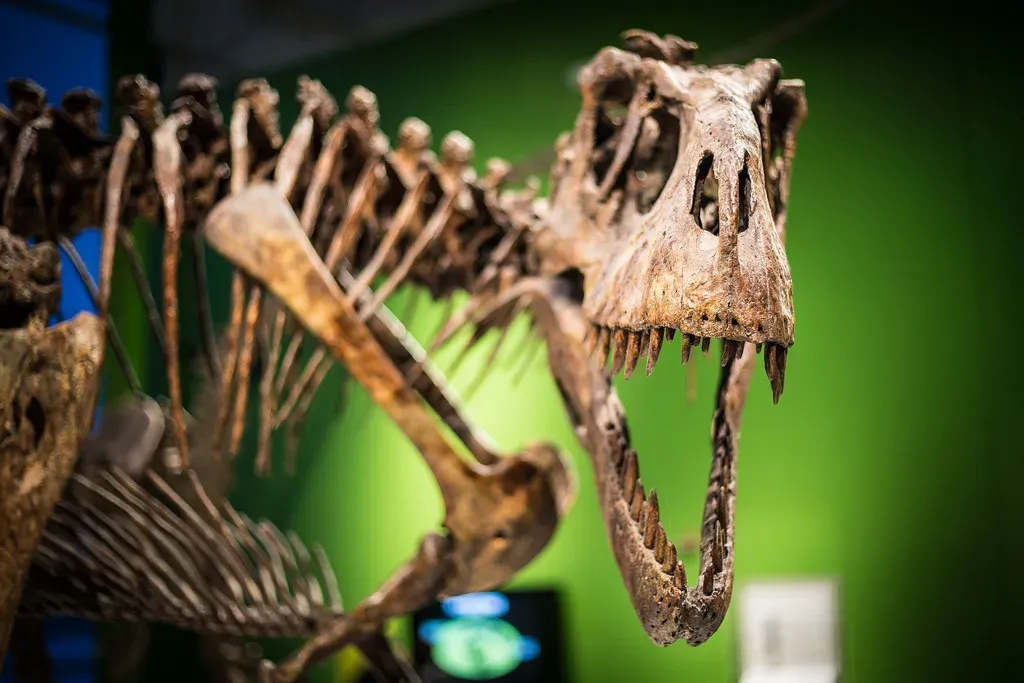
When you stare at a T. rex skull, you are looking at one of the most extreme pieces of anatomy that evolution ever produced. Its head could stretch nearly as long as you are tall, packed with thick, banana-shaped teeth designed not just to slash, but to punch through bone. Studies of bite force suggest that when a T. rex clamped down, the pressure may have reached levels that would crush a car door, allowing it to splinter the skeletons of huge prey like Triceratops.
You can even see the evidence of this in fossils: healed bite marks on bones show that T. rex teeth went straight through solid bone and that some animals survived attacks long enough to start healing. When you picture that, you begin to understand why smaller predators in its environment probably gave it a wide berth. You were not dealing with a precise, surgical hunter so much as a living wrecking ball that could treat a skeleton like you treat a chicken wing: bones and all.
Tiny Arms, Big Purpose: Why Those Limbs Mattered
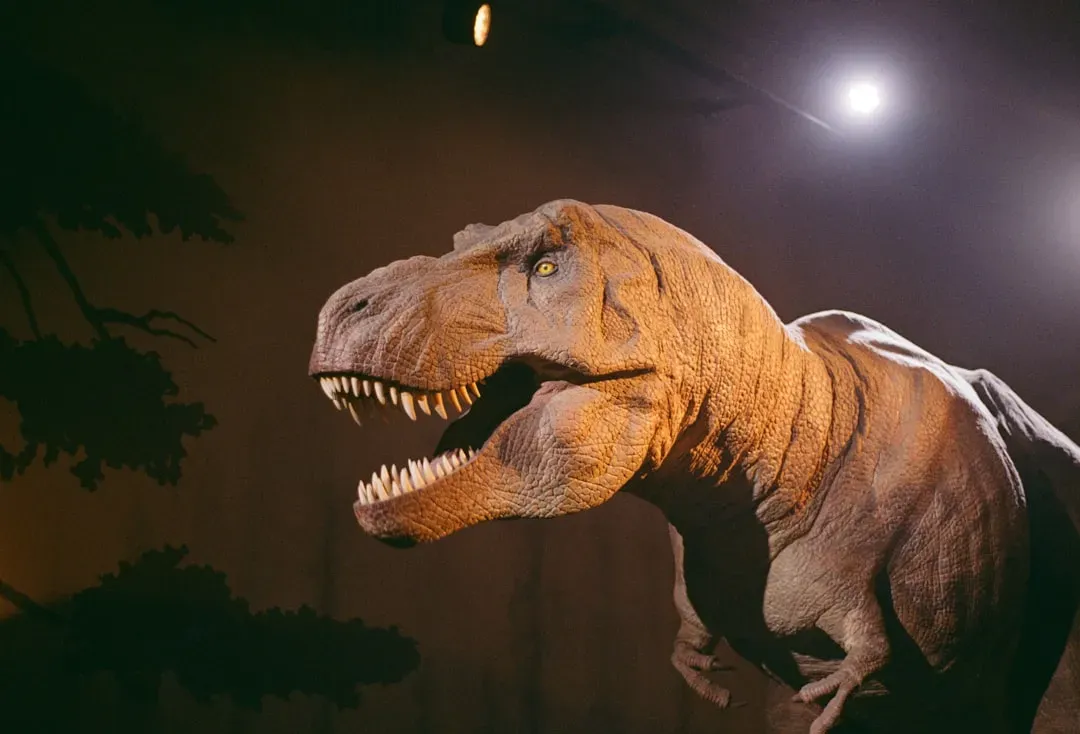
The arms of T. rex get laughed at a lot, but if you actually look at them closely, you find they were anything but useless. Each arm was heavily muscled, with strong attachments to the shoulder girdle, and the claws at the end were robust, not delicate. You would not use them to grab prey like a cat, but you might use them to hold onto a struggling animal at close range, help yourself rise from a lying position, or brace your body during feeding.
Think about it like this: evolution does not tend to keep totally pointless structures on an animal that is under heavy natural selection pressure. Over millions of years, those arms shrank but stayed strong, which suggests you are looking at a limb that got refined into a supporting role instead of disappearing altogether. In a way, T. rex flipped the usual predator script, trading arm-driven attacks for a skull and neck so powerful that its arms became backup tools rather than primary weapons.
Senses Sharper Than You Imagined
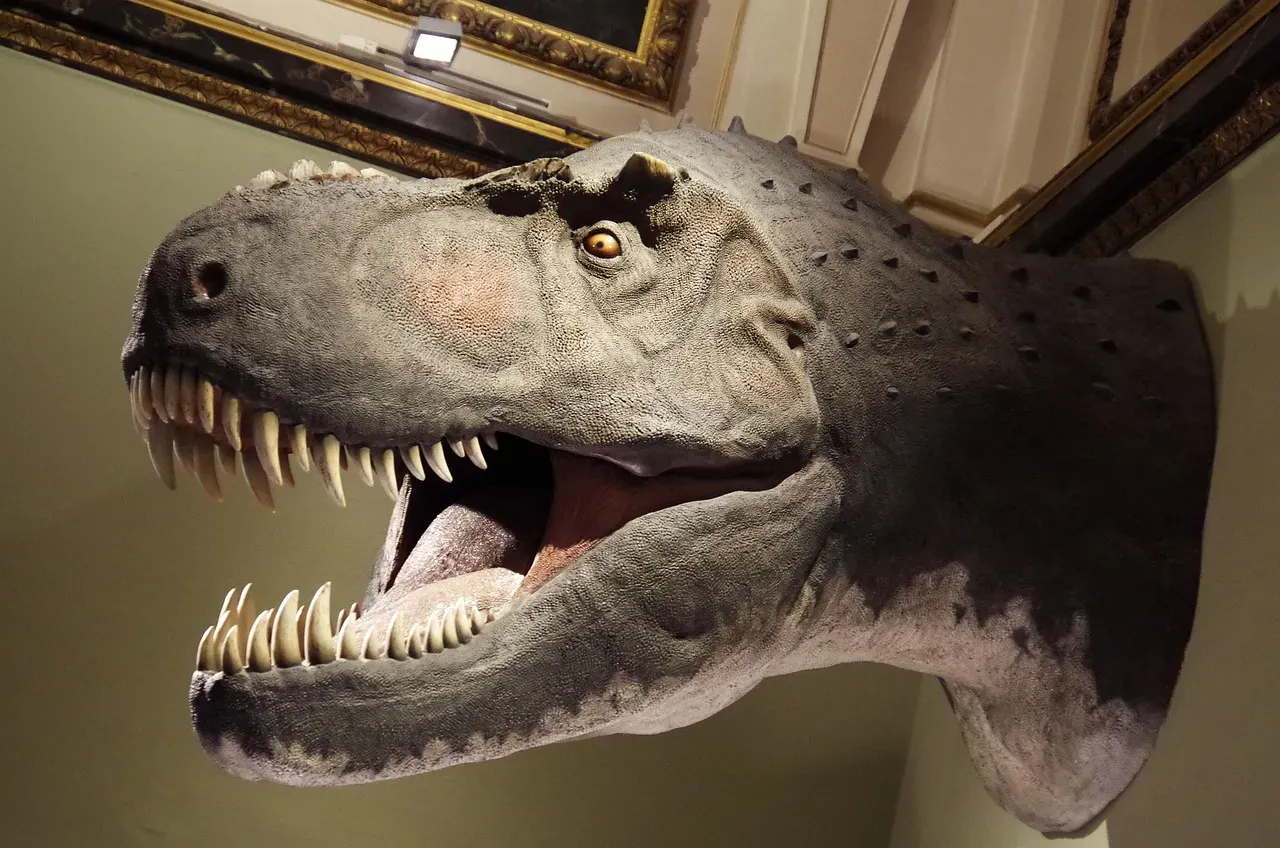
It is easy to imagine T. rex stomping around half-blind and roaring at anything that moves, but the fossil evidence points in the opposite direction. When scientists study the inside of T. rex skulls, they find large areas associated with smell, suggesting you are dealing with an animal that could pick up scents from far away. The shape and size of its eyes and the structure of the skull also hint at good binocular vision, which helps with depth perception during hunting.
Add in evidence that its hearing may have been especially sensitive to low sounds, and you get a much more refined predator than the movies tend to show. You are looking at a hunter that could see you, hear you, and smell you from considerable distances, then lock onto you with impressive accuracy. That combination turns T. rex into less of a clumsy bruiser and more of a high-end sensory machine, perfectly tuned to track both live prey and carcasses across its territory.
Hunter, Scavenger, or Both?
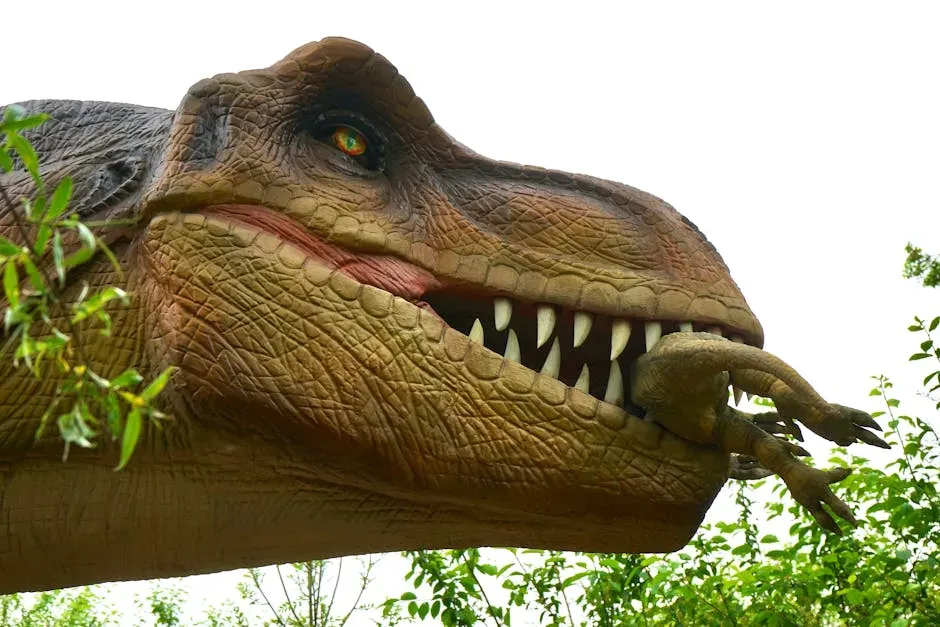
For a long time, people argued over whether T. rex was a pure scavenger that just stole carcasses or a fearsome active hunter. When you weigh the evidence, you end up in a place that might look familiar from modern ecosystems: it almost certainly did both. You can see healed T. rex bite marks on the bones of animals that were clearly alive when they were attacked, which shows that T. rex sometimes tried to kill big prey that managed to escape.
At the same time, a nose that could detect scents over long distances and a body large enough to push smaller predators off a carcass would make scavenging extremely profitable. If you think about modern lions or hyenas, you see the same mixed strategy: you hunt when you can, and you steal or scavenge when it is easier. When you apply that lens to T. rex, the scavenger-versus-hunter debate starts to feel a bit artificial; a smart predator in a tough world rarely turns down a free meal.
Growing Up Rex: From Gangly Teen to Bone-Crushing Adult
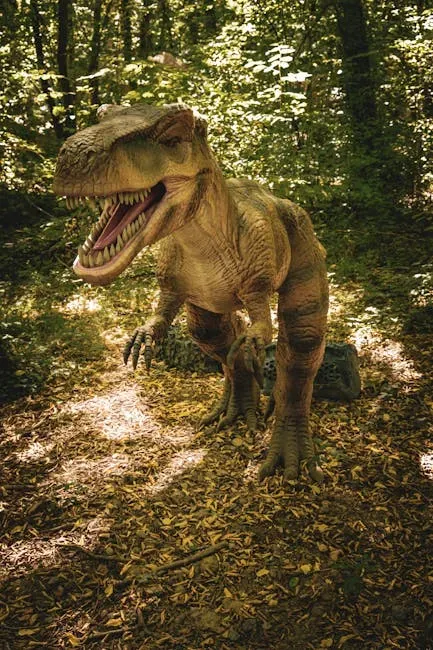
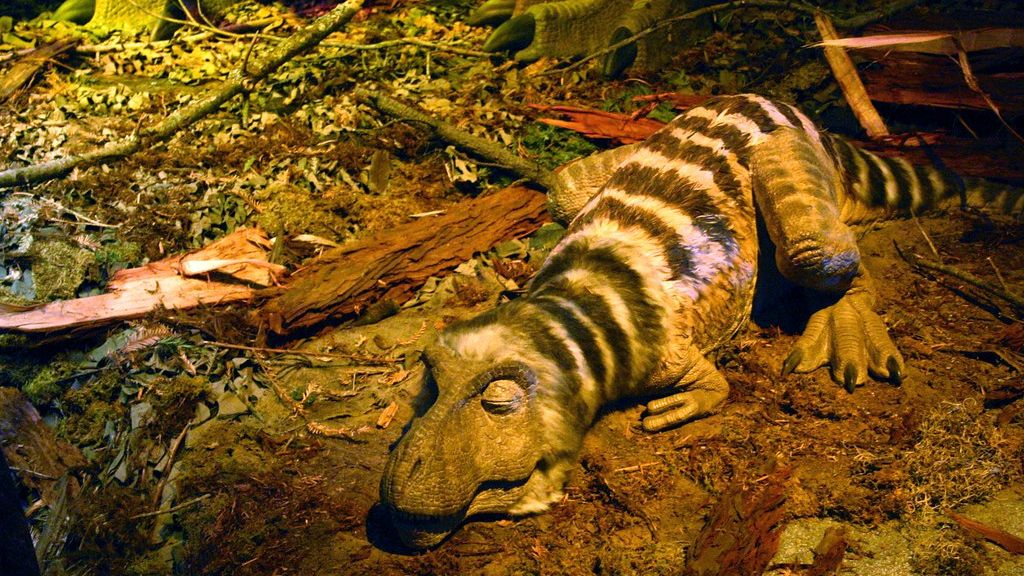
You might imagine a baby T. rex as a tiny version of the adult, but growth studies tell a very different story. When you look at juvenile skeletons, you see an animal that was long-legged, lightly built, and probably much faster and more agile than the heavy adults. It seems that T. rex went through a growth spurt in its teenage years, transforming from a relatively slender hunter into a massive, deep-skulled powerhouse with a bite built for bone.
That change in body shape probably came with a change in lifestyle. As a youngster, you might have chased smaller, quicker prey, filling a different ecological role than your elders. As you grew, you would literally age into a new job description, tackling larger prey and throwing your body weight around. By the time you hit full size, you were no longer just another predator in the environment; you were one of the few creatures that could reshape the entire food web simply by existing.
Family Life and Possible Pack Behavior
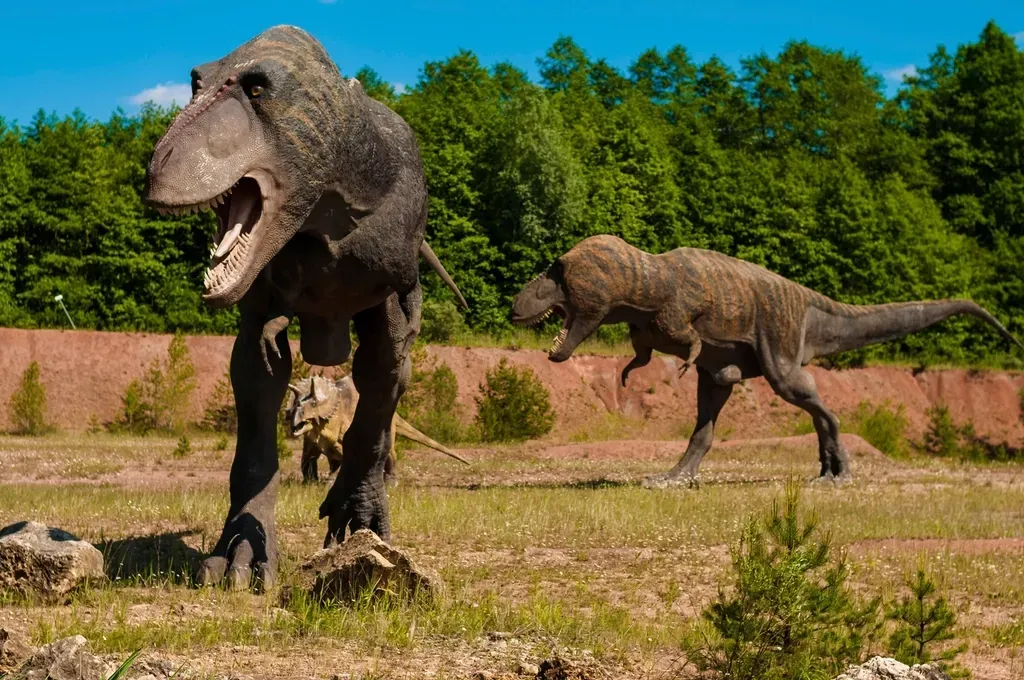
The private life of T. rex is one of those areas where you have to tread carefully, because the fossils only give you hints instead of clear answers. You do, however, find trackways and bonebeds that contain more than one large tyrannosaur, raising the possibility that they sometimes moved or gathered together. Some scientists have suggested that you might be looking at loose groups or at least family associations, especially when individuals of different sizes show up together.
On top of that, when you look at skull injuries and healed wounds, you see signs that T. rex sometimes fought with its own kind, possibly over mates, territory, or feeding rights. That kind of social tension fits with the idea of big predators occasionally interacting rather than living totally solitary lives. If you use modern large carnivores as a rough guide, you can imagine a spectrum: sometimes alone, sometimes in temporary groups, sometimes tolerating relatives for a period before battles for dominance break out.
Feathers, Skin, and What T. Rex Actually Looked Like
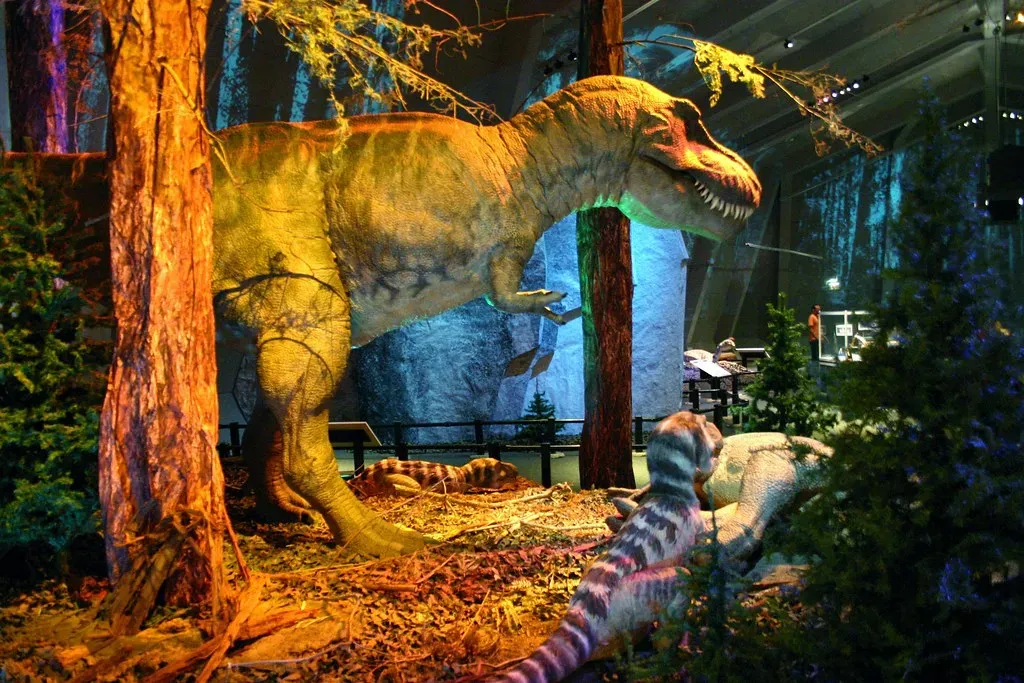
You have probably heard arguments about whether T. rex had feathers, and the honest answer is that the picture is still being refined. Some of its close relatives in the tyrannosaur family definitely carried feathers, especially smaller, earlier species. That makes it very plausible that young T. rex had at least some feathery covering, perhaps for insulation or display, even if large adults ended up with more exposed, scaly skin to help manage body heat.
Fossil skin impressions from big tyrannosaurs show scales in several parts of the body, but they do not cover every inch or every life stage, so you are still missing pieces of the puzzle. The safest picture you can hold is a patchwork one: a mostly scaly giant with possible areas of filament-like structures, especially when younger. This is not the sleek, lizard-skinned monster of older paintings or the fully fluffy beast of some speculative art, but something in between, shaped by climate, size, and ancestry.
T. Rex and the End of the Dinosaurs
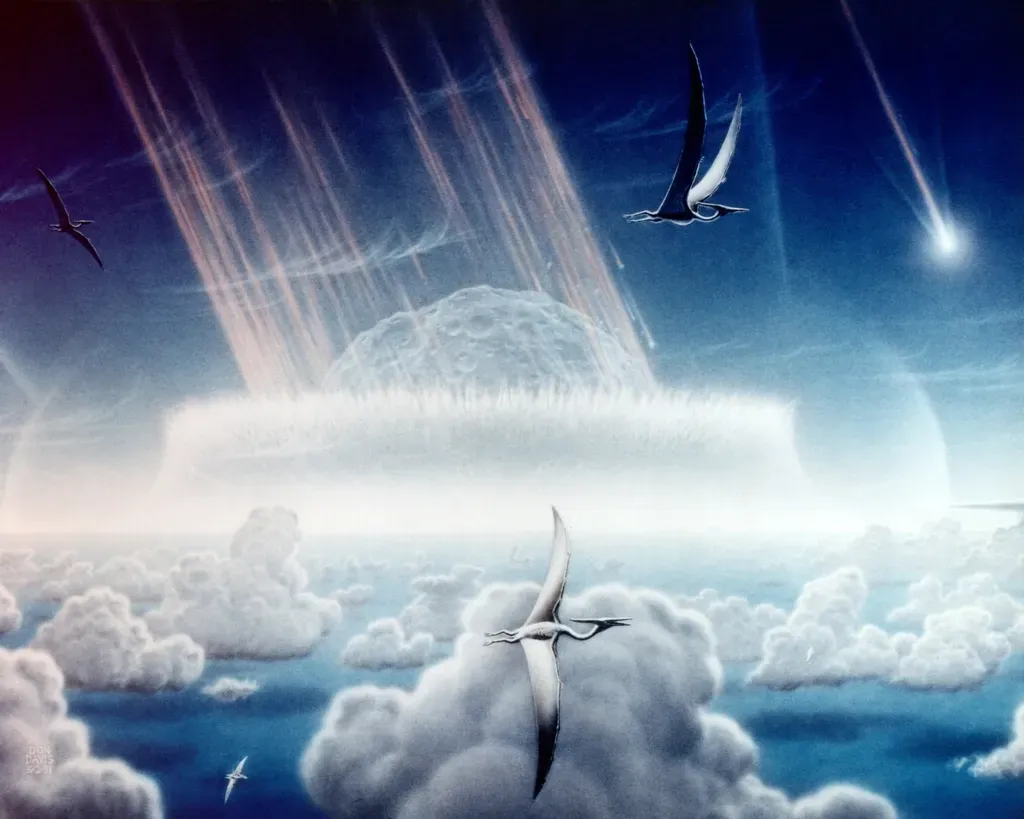
When you think about T. rex, you cannot avoid the shadow of the asteroid impact that ended the non-avian dinosaurs. T. rex was alive toward the very end of the Cretaceous, which means you are looking at one of the last large dinosaurs before that global disaster. It thrived in North America right up until a rock from space slammed into what is now the Yucatán region, throwing dust and vapor into the atmosphere and collapsing food chains worldwide.
If you imagine yourself as a T. rex in those final days, you would likely notice things getting worse before they got suddenly catastrophic: ecosystems in flux, climate changes, disappearing prey. When that impact finally happened, the world you depended on started failing at multiple levels, from plants to herbivores to the carcasses you relied on. In that sense, the story of T. rex is both a triumph of evolution and a reminder that even the most dominant predators can vanish when the environment shifts too fast for them to adapt.
Why T. Rex Still Fascinates You Today
There is a reason you cannot escape T. rex in books, movies, toys, and museum halls: it sits right at the intersection of fear, awe, and curiosity. When you learn that it was not just a roaring brute but a complex animal with sharp senses, changing life stages, and possible social behavior, your fascination gets deeper, not weaker. You start to see it as a real creature that woke up, hunted, rested, and struggled to survive, rather than as a one-note villain.
At the same time, T. rex gives you a window into how science actually works. The image you carry around keeps changing as new fossils are found and old specimens are reexamined with better tools. Every time you update your mental picture, you are quietly participating in that scientific journey, letting evidence nudge you away from old myths. In a world full of exaggerated monsters and simplified stories, the true T. rex ends up being more interesting precisely because it refuses to fit neatly into any single box.
When you pull all these threads together, you come away with a T. rex that is far richer than the movie icon you started with. You are looking at a late-arriving, bone-crushing predator with sharp senses, a complex life history, and a body plan that made trade-offs instead of chasing perfection. It hunted and scavenged, grew and changed roles, possibly interacted with its own kind in ways you are only beginning to understand, and then vanished in one of the most dramatic extinction events in Earth’s history. So the next time you see that familiar silhouette, will you still picture just a fearsome predator, or will you also see the complicated, surprising animal behind the legend?