As wildlife trade expands, so do pathways for disease spillover to humans – Image for illustrative purposes only (Image credits: Pixabay)
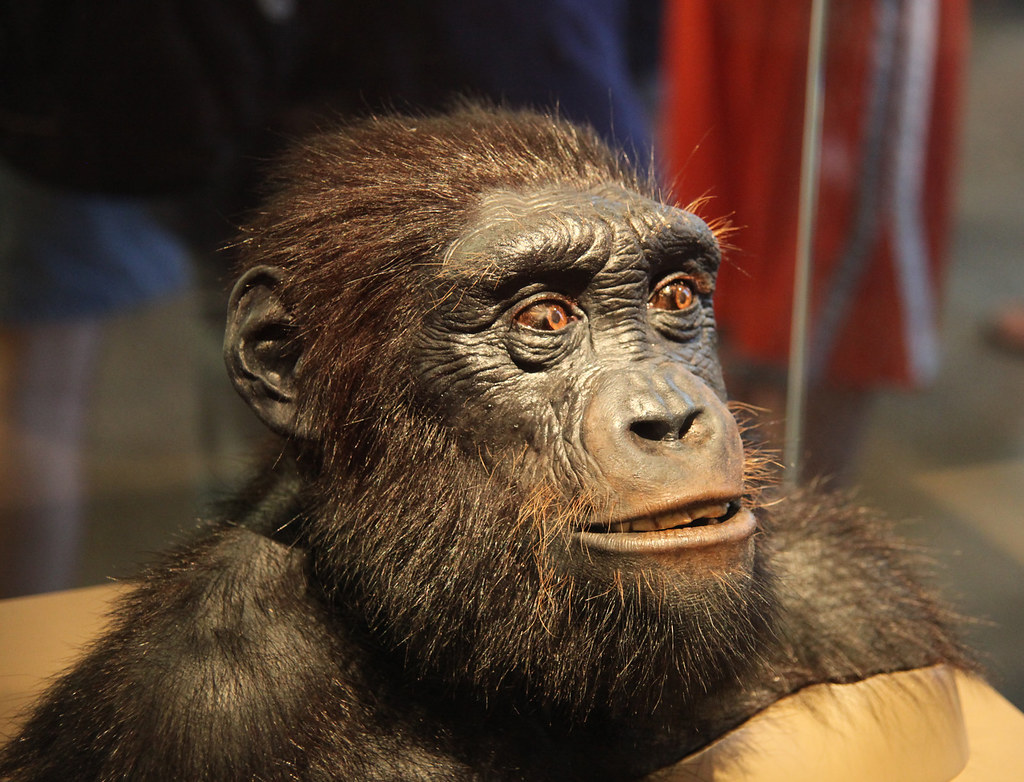
Rescued chimpanzees in Sierra Leone receive care after confiscation from illegal pet traders, highlighting the intimate contacts that fuel disease risks. Scientists have tracked how global commerce in wild mammals has expanded over decades, opening new pathways for pathogens to cross from animals to people. A recent analysis of trade records spanning 40 years reveals this trend as a mounting public health concern, especially amid rising zoonotic threats in a crowded world.
Roots of Zoonotic Diseases
Pathogens thrive in the spaces where humans, livestock, and wildlife intersect. Viruses, bacteria, fungi, and parasites circulate among these groups, waiting for opportunities to jump species. Close proximity accelerates such spillovers, turning natural reservoirs into sources of human illness.
History offers stark reminders of these leaps. Mpox emerged in 1958, followed by the Marburg virus in 1967 and Ebola in 1976. HIV/AIDS showed its first clinical signs in 1981, while COVID-19 struck in 2020. Each outbreak traced back to animal origins, underscoring a pattern experts have observed for years.
Decades of Trade Data Under the Microscope
An interdisciplinary team sifted through records on thousands of mammal species, covering legal and illegal wildlife trade worldwide. They examined shipments of live animals, body parts, and derived products over the past four decades. This exhaustive review aimed to quantify how commerce alters disease dynamics.
The findings pointed to a clear escalation. As trade volumes grew, so did the interfaces between animals, their pathogens, and human handlers. Mammals, particularly those close to humans like primates, emerged as high-risk vectors. Published in the journal Science, the study concluded that these activities foster mutations and spillovers, posing serious threats to global health.
Researchers noted the trade’s vast scope. Animals move across borders for various markets, from exotic pets to traditional foods. Parts find uses in medicine and fashion, while products like leather or tonics circulate broadly. Each transaction multiplies contact points, from capture sites to final consumers.
Virologists have issued warnings for decades about this interconnected landscape. Travel and commerce compress distances, allowing germs to spread faster than ever. The analysis builds on prior alerts, providing empirical weight through long-term trade patterns.
Everyday Pathways in Global Markets
Legal shipments dominate much of the volume, with wild mammals destined for plates, homes, and industries. Pets arrive in homes where families handle them daily. Food markets bustle with live animals awaiting slaughter, drawing crowds and workers into shared airspaces.
Illegal networks add unpredictability. Smugglers bypass inspections, heightening risks during transport. Confiscated animals, like primates in African rescue centers, often carry shared diseases due to their genetic proximity to humans. These hidden flows evade oversight, amplifying dangers.
Public Health in the Balance
The study’s implications extend beyond mammals to broader ecosystems. Fungi and parasites join viruses in the mix, complicating predictions. Crowded urban markets and international shipping hubs serve as hotspots for exchange.
Efforts to curb trade face challenges in enforcement and regulation. Still, awareness from such research drives policy discussions. Monitoring trade volumes offers a starting point for intervention.
Ultimately, the wildlife trade reflects human demands shaping natural boundaries. As pathways multiply, vigilance remains essential to prevent the next spillover from escalating into crisis. The question lingers: how aggressively will the world respond before the next threat emerges?