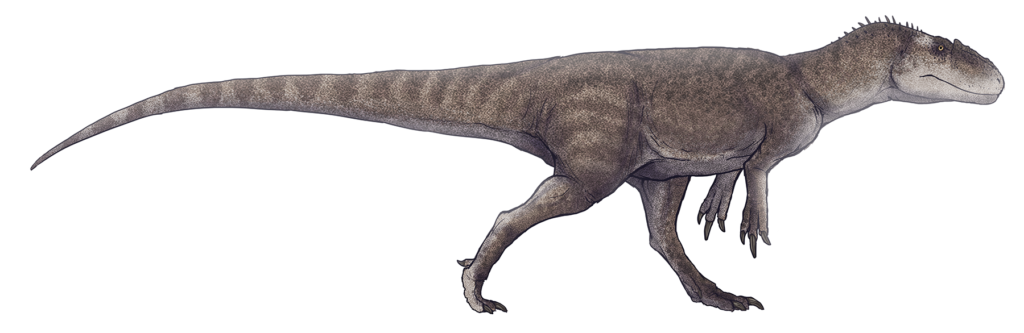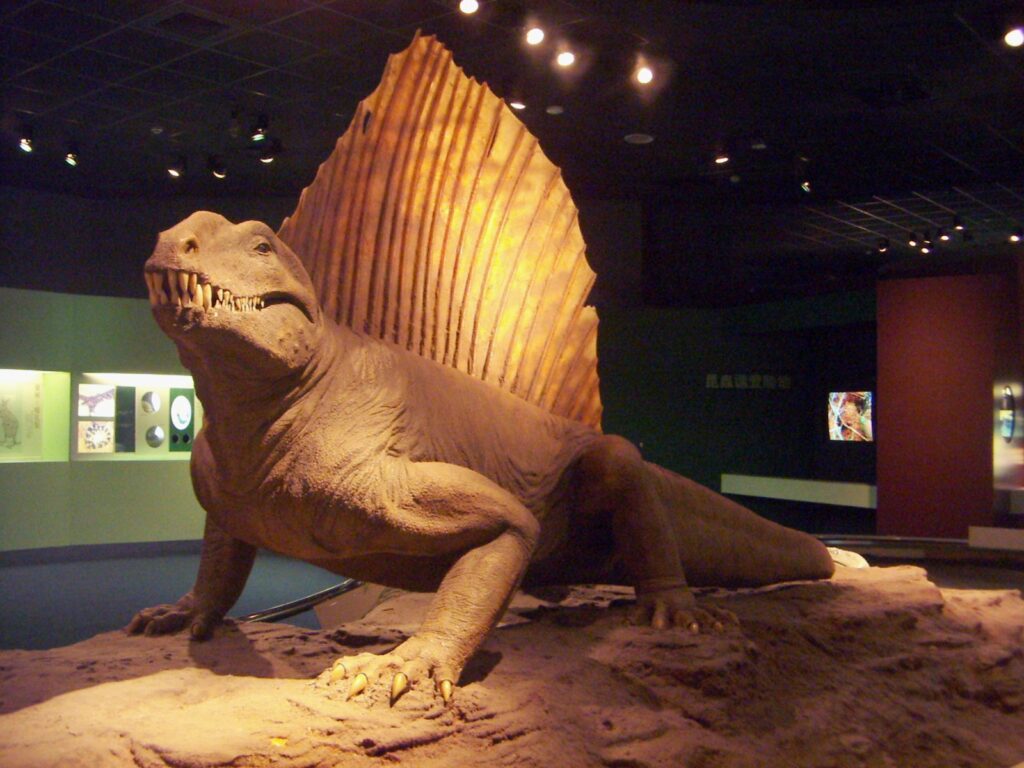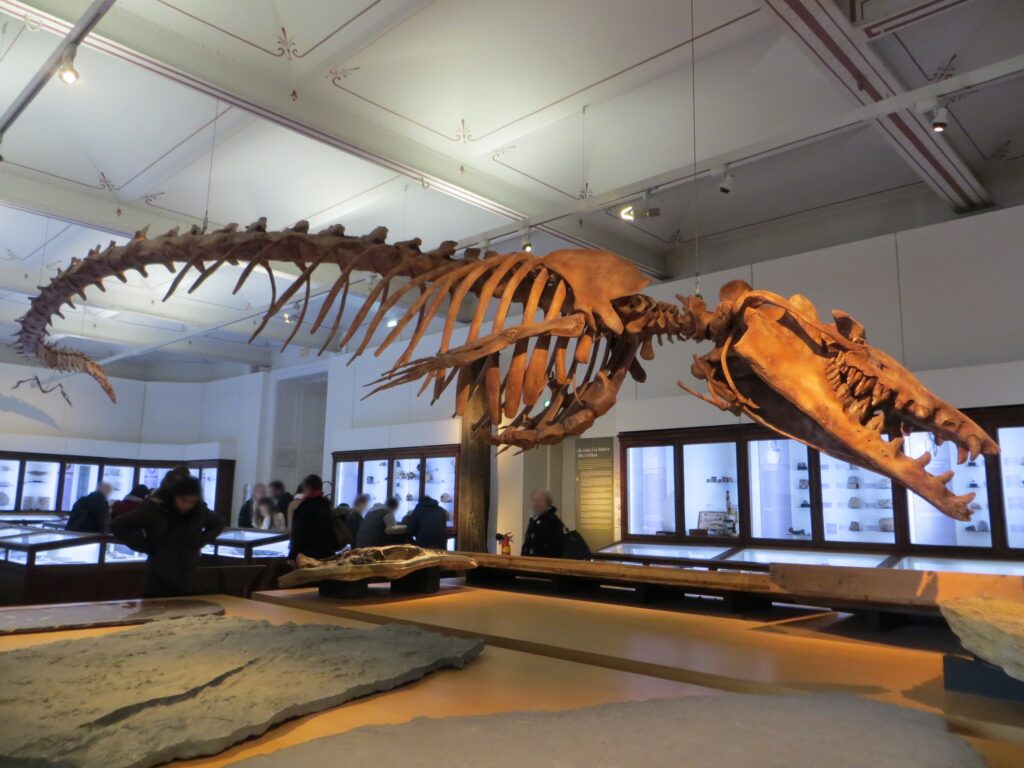
If you could step out of your front door and straight into the age of dinosaurs, the world around you would feel both familiar and utterly alien. The sky would still be blue, rivers would still carve valleys, and oceans would still roar against rocky shores, but the smells, the sounds, and even the colors of the plants under your feet would be surprisingly different. Instead of mammals and flowering plants dominating the scene, you’d be walking through forests of towering conifers, strange ferns, and palm–like cycads, while distant thunder might actually be the footsteps of a sauropod herd.
When you picture dinosaurs, you probably imagine them in generic jungles or barren deserts, yet the real prehistoric Earth was far more diverse and dramatic. You’d find icy polar forests that never saw true darkness in summer, red desert dunes stretching for hundreds of miles, steaming volcanic plains, and shallow tropical seas teeming with life. As you explore these ancient landscapes in your mind, you start to see dinosaurs not as monsters dropped into a random backdrop, but as animals deeply shaped by their homes in ways you might recognize from modern wildlife today.
Tropical Floodplains: The Sauropod Superhighways
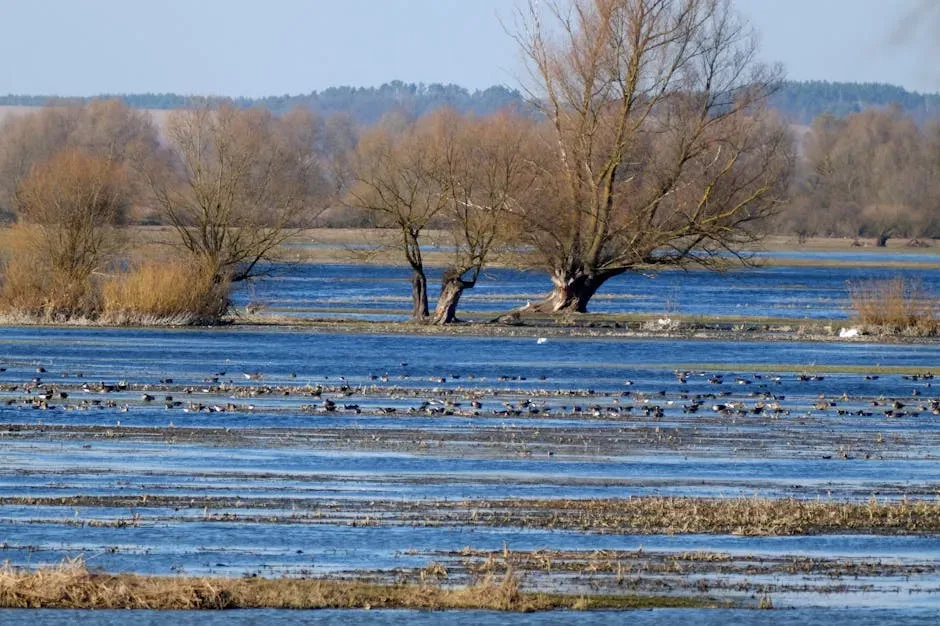
Imagine standing on a vast, flat plain so wide you can hardly see the horizon, with rivers that twist and split like tangled ribbons of silver. This is what many dinosaur floodplains looked like: warm, humid lowlands covered with thick vegetation and crisscrossed by muddy channels that overflowed during seasonal floods. You’d feel the ground tremble as huge sauropods moved through in groups, sticking close to the river corridors where water and fresh plants were most abundant, almost like living freight trains following natural highways.
If you walked along these rivers, you’d notice sandbars, muddy banks full of tracks, and scattered islands of trees providing shade from the heavy, sticky heat. These floodplains acted like buffet lines for plant–eaters, with ferns, horsetails, and conifers constantly being knocked down and regrowing in a cycle driven by flooding. You’d see predators lurking near crossing points, waiting for a youngster or weakened dinosaur to slip in the mud. In a way, you’d be watching a prehistoric version of the modern Serengeti, where water and grass dictate everything’s movements, except here the grass is missing and the animals are the size of buses.
Coastal Swamps and Mangrove–Like Wetlands
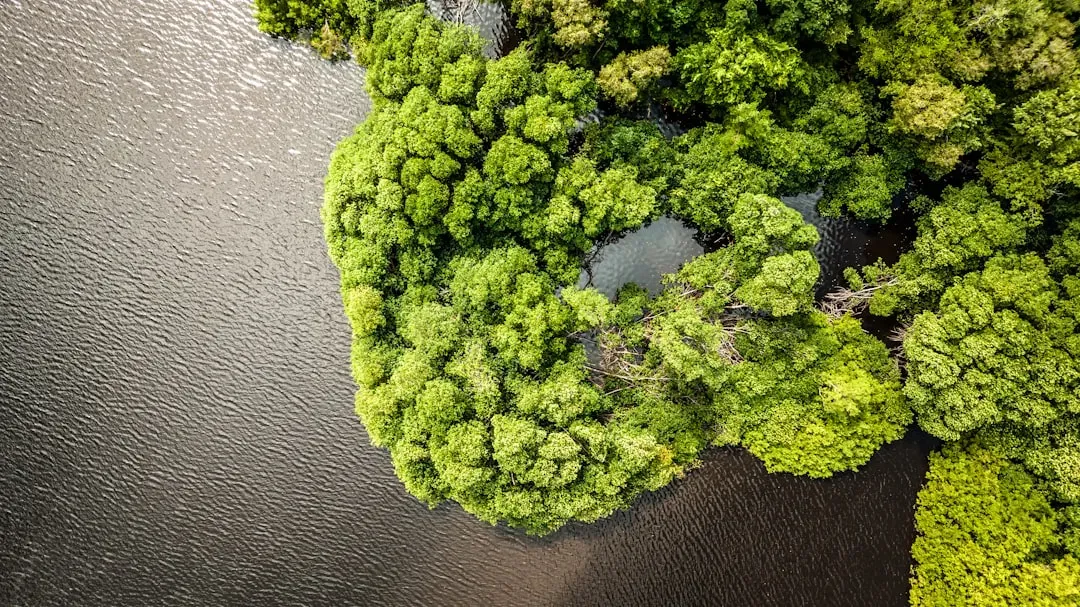
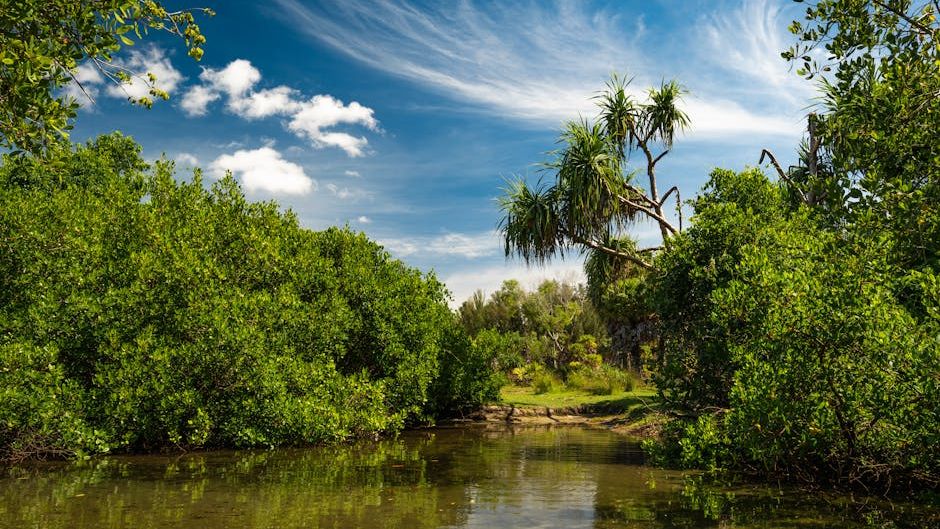
Now picture yourself sinking slightly with every step as you walk into a low, marshy coastal swamp where land and sea blur into one. The air is heavy and smells of wet wood and decay, and every pool you see might hide fish, turtles, or even lurking crocodile–like reptiles that ruled the waterways. You’d be surrounded by dense stands of tall trees with buttressed roots and thick ferns at your feet, forming a maze of shaded channels and stagnant pools that feel mysterious and a little unsettling.
These swampy margins were a paradise for some dinosaurs and a nightmare for others. Plant–eaters could find soft, lush vegetation year–round, but they’d have to navigate slippery ground and hidden waterholes that could swallow a leg – or worse. You’d probably notice that many of the dinosaurs here stayed on more solid ground near the edges of the wetlands, using raised banks or drier ridges as safe paths. Just like modern mangroves shelter birds, crabs, and juvenile fish, these ancient wetlands offered hiding places for young dinosaurs and smaller species that needed cover from the giant predators patrolling nearby.
Desert Dune Seas and Oasis Valleys
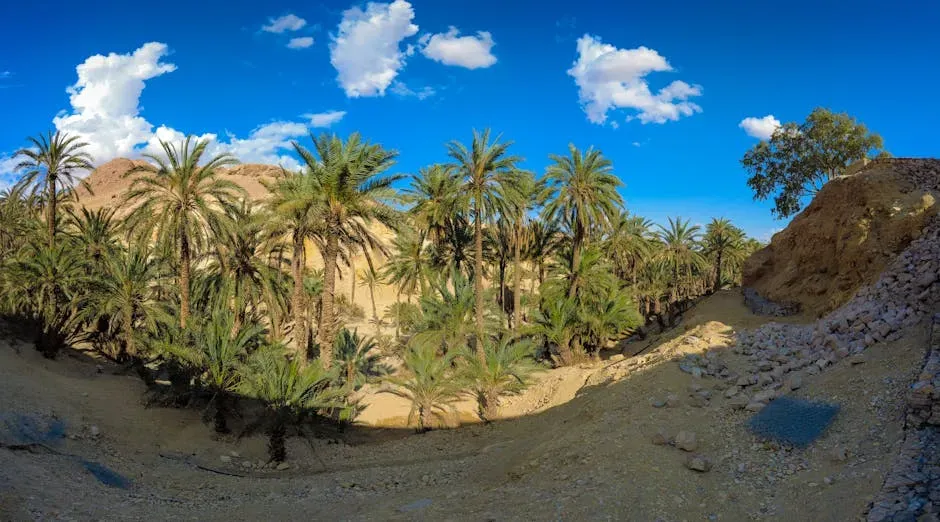
If you climbed a sandstone ridge in the dinosaur age, you might suddenly find yourself staring out over an ocean of dunes, a rolling desert that looks shockingly similar to today’s Sahara. Under your feet, the sand would be hot and shifting, sculpted by relentless winds into curved ridges that marched across the landscape. Yet even here, where you’d expect life to be scarce, dinosaurs left their footprints, moving from one scarce water source to another like living caravans.
In the low points between dunes and along ancient riverbeds, you’d discover pockets of life where vegetation clustered around seasonal streams or permanent springs. These oases would attract herds of small and medium–sized plant–eaters, along with nimble predators adapted to covering long distances across open terrain. You’d probably see more burrows and smaller, lighter–built dinosaurs here, because hiding underground and staying lean would be good strategies in such an unforgiving place. Much like modern desert antelopes and foxes, these dinosaurs would time their movements around the cooler hours, turning the harsh dune sea into a carefully navigated home rather than an empty wasteland.
Lush Conifer Forests and Shadowed Understories
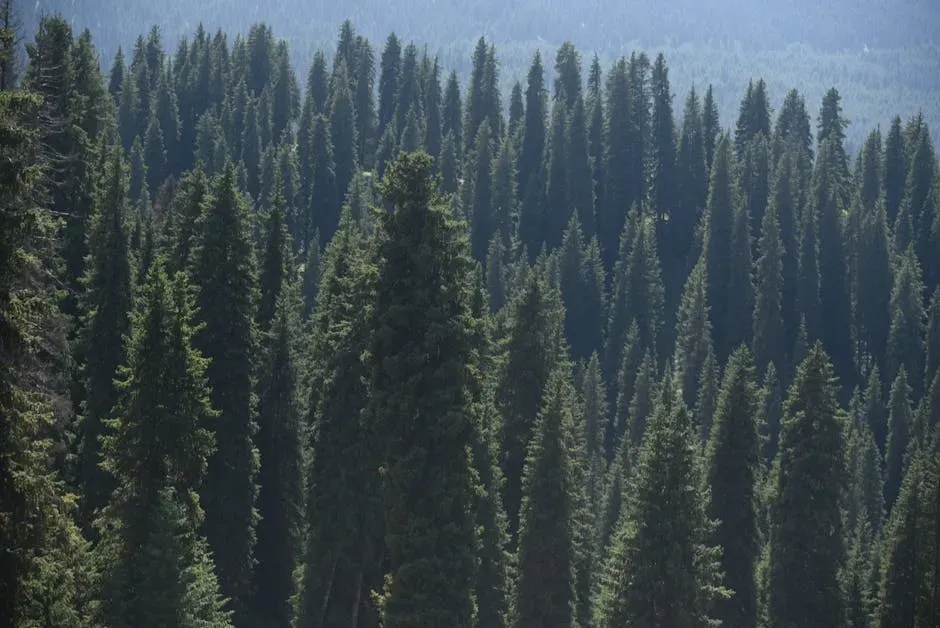
Step into the shade of a Jurassic or Cretaceous conifer forest, and you’d feel the temperature drop as the light suddenly softens around you. Towering conifers would form a high canopy, while ferns, mosses, and low cycads would fan out across the forest floor, giving everything a deep green, almost primeval look. You might hear the crack of branches above as a mid–sized herbivore pushes through, or the rustle of smaller dinosaurs weaving through the undergrowth like oversized birds on a mission.
In these forests, you’d notice how different layers of the habitat supported different lifestyles. Larger dinosaurs would clear broad paths as they pushed through the trees, creating gaps where sunlight could reach the ground and trigger new plant growth. Smaller, agile species would dart along these trails or slip into the dense understory, using trunks and fallen logs as cover. Just like in a modern forest where deer, bears, birds, and insects all share the same space in different ways, you’d see dinosaurs partitioning the forest into vertical and horizontal zones, with some staying near open glades and others preferring the thickest, darkest corners.
Polar Forests Under Midnight Suns
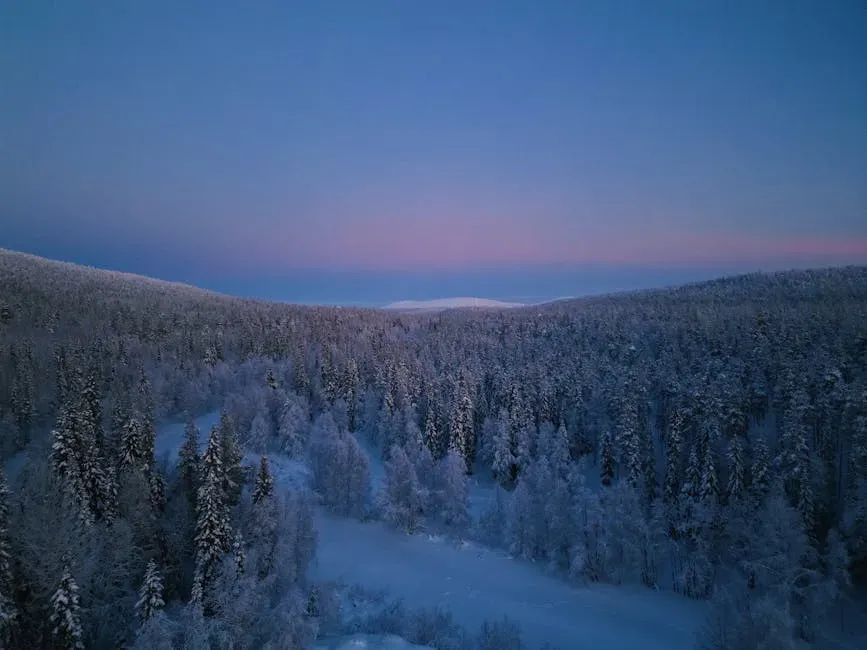
Now take yourself far toward the poles, where in dinosaur times the climate was milder than today but still cool and seasonal. You’d stand in a forest of conifers and hardy deciduous trees, but here the real shock comes from the sky: for part of the year, the sun barely sets, and for another stretch it barely rises. You’d be moving through a landscape where months of dim twilight or continuous daylight shaped how everything lived and fed, including polar dinosaurs adapted to this strange rhythm.
During long, light–filled summers, you’d see bursts of plant growth and a frenzy of feeding, as herbivores stuffed themselves to build up reserves. In the darker seasons, you might notice smaller species staying close to sheltered valleys or river corridors, relying on stored fat or tough evergreen plants. Some dinosaurs here may have tolerated cold snaps, perhaps even light snow, in a way that feels surprisingly similar to modern deer or elk enduring harsh winters. Living in these polar forests, you’d sense how much timing mattered: if you missed the narrow window of abundance, the long lean months could be brutal.
Volcanic Plains and Ash–Covered Valleys
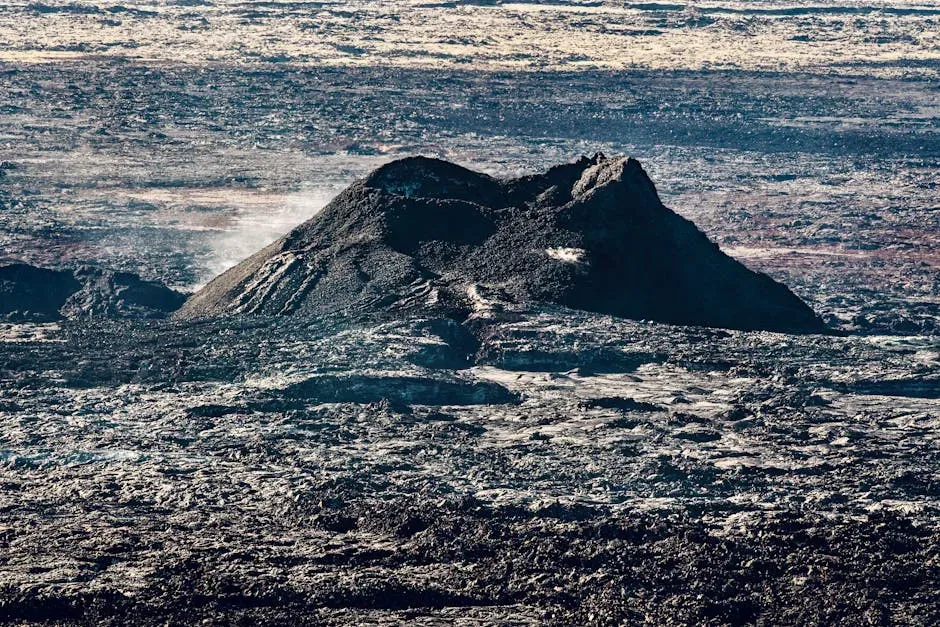
Picture a broad, open plain flanked by low volcanic hills, some of them still fuming in the distance, streaking the sky with thin columns of smoke. The ground beneath you might be a patchwork of fresh lava flows, older weathered rock, and layers of ash that crunch under your feet like powdery snow. You’d feel as if you were walking through a landscape that had been recently reset, where life was busy reclaiming ground after eruptions that scorched everything in their path.
On these volcanic plains, you’d see tough pioneer plants taking root first – ferns, hardy shrubs, and early trees that excel at colonizing disturbed soils. Dinosaurs would follow quickly, especially smaller plant–eaters drawn to the flush of new growth and predators that shadowed them. You might spot evidence of sudden disaster, like skeletons preserved in ash layers, right alongside signs of rapid recovery in newer, greener horizons above. It’s a bit like visiting an area a few years after a modern volcanic eruption or wildfire: you’d witness how destruction and renewal constantly trade places, shaping which animals can live there and for how long.
Shallow Inland Seas and Coastal Shelves
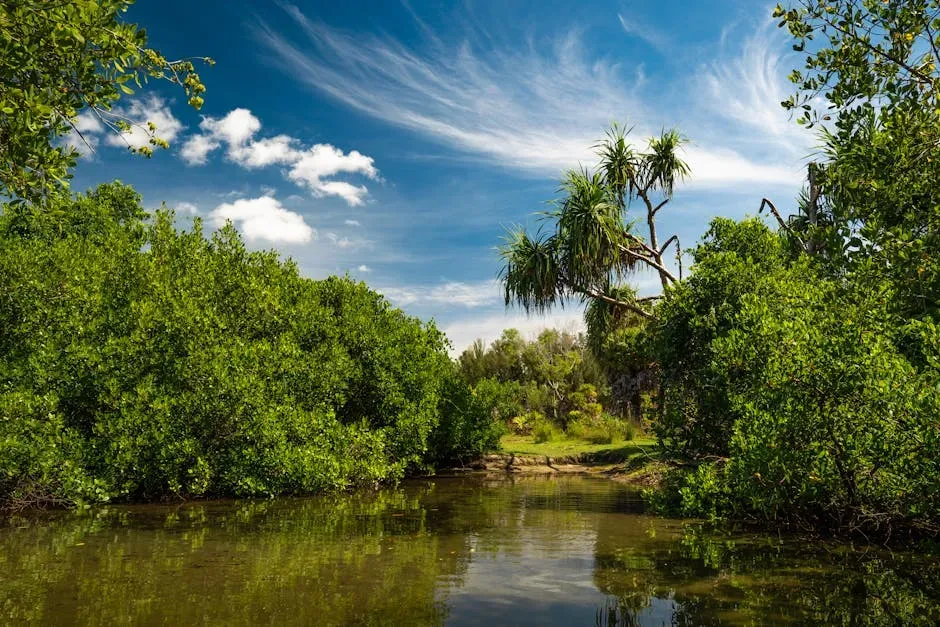
At the edge of an ancient inland sea, you’d stand where warm, shallow water stretched far into the distance across what is now dry land. Gentle waves would lap against muddy or sandy shores, and the water might be crowded with shelled creatures, fish, and huge marine reptiles that patrolled these flooded lowlands. If you waded in, you’d quickly realize this was not a deep, open ocean but more like a gigantic, sunlit lagoon teeming with life near the surface.
Along these coasts, you’d find dinosaurs using the shoreline almost the way modern animals use river deltas and tidal flats. Plant–eaters would graze on coastal vegetation and sometimes leave trackways that got buried and preserved in the soft sediment, while predators might patrol the margins where stranded fish or carcasses washed up. You’d probably notice nesting colonies on slightly higher ground, where eggs could be laid safely above the reach of regular tides but still near the rich feeding grounds of the sea. In many ways, you’d be watching a prehistoric version of present–day coastal ecosystems, with different creatures filling roles you already recognize: waders, scavengers, ambush hunters, and shoreline foragers.
Mountain Uplands and Rugged Highlands
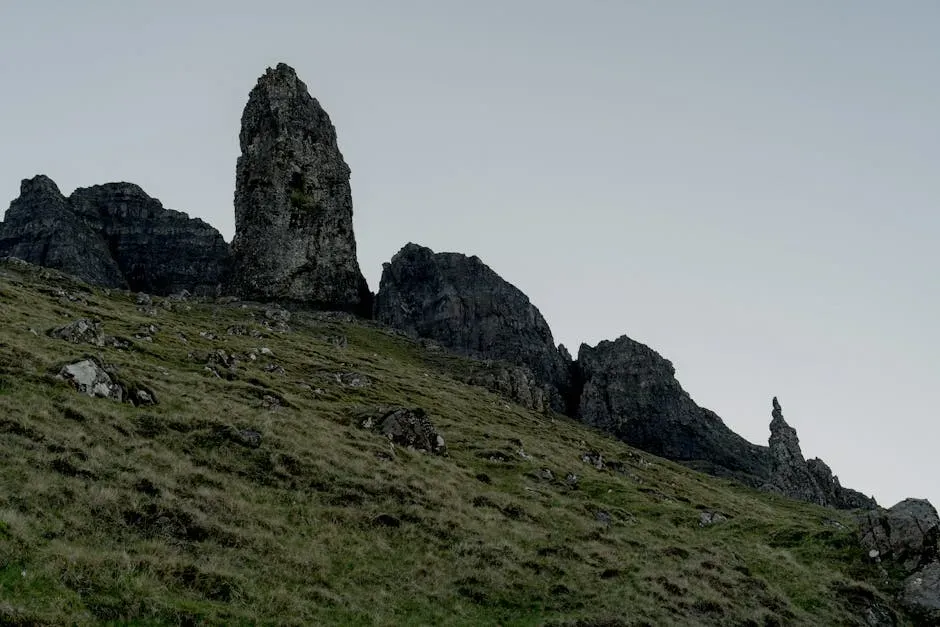
Finally, imagine following a steep, winding path into ancient highlands where thinner air and cooler temperatures greet you with each step. The mountains of dinosaur times might not always have looked exactly like the ranges you know today, but erosion, uplift, and plate movement were already sculpting dramatic peaks and valleys. You’d see stony slopes with sparse vegetation at higher elevations, grading down into richer, more forested foothills where conditions are kinder.
Up here, dinosaurs would likely be fewer but specially adapted, with some species using the uplands as seasonal routes or refuges. You’d notice that the plant life was patchier, forcing animals to travel farther between food sources and water. Predators might have used slopes and cliffs as vantage points, while smaller dinosaurs could have taken advantage of rocky outcrops and crevices for shelter. The highlands would feel a bit like some modern mountain environments: demanding, beautiful, and better suited to travelers and specialists than to massive herds lingering for long.
When you step back from all these ancient scenes, you start to see that dinosaurs were not just movie monsters stomping across a generic background. They were animals tied to very specific worlds: floodplains that behaved like giant migration corridors, swamps that sheltered the small and the cautious, deserts that rewarded endurance, and polar forests that ran on a clock of light and darkness. If you imagine yourself walking through those landscapes, you realize how much of that story is still written in the rocks and fossils beneath your feet today. Next time you picture a dinosaur, can you also picture the world it called home?