
If you could rewind Earth’s history, you wouldn’t see a calm, gently changing planet. You’d be staring at a world repeatedly smashed, scorched, frozen, poisoned, and reset in ways that are almost impossible to imagine. And strangely, you owe your existence to those cataclysms. Each prehistoric disaster was brutal in the moment, but over millions of years, they opened doors for entirely new forms of life, setting the stage for you, right now, reading this.
As you move through these five ancient crises, you’re not just learning about distant geology trivia. You’re following a chain of events that shapes the oxygen in your lungs, the land under your feet, and even the types of creatures that share this planet with you. These were not simple “bad days” for Earth; they were full-scale reboots. And once you see how nature uses disaster as a kind of ruthless editor, you’ll never look at “the end of the world” the same way again.
1. The Great Oxidation Event: When Oxygen Turned Deadly
Imagine waking up tomorrow and finding that the very air around you has turned into a lethal toxin. That’s essentially what happened to most life on Earth during the Great Oxidation Event, which unfolded roughly over two billion years ago. Before this disaster, early microbes thrived in an oxygen-poor world, relying on chemical reactions that would suffocate you today. Then photosynthetic bacteria started pumping out oxygen as a waste product, slowly transforming the atmosphere into something hostile to almost everything alive at the time.
To you, oxygen feels like the essence of freshness, but to those ancient organisms it was closer to a corrosive poison that damaged their cells. As oxygen built up, huge numbers of anaerobic microbes died off or were forced into isolated, low-oxygen pockets, like refugees hiding from an invisible storm. At the same time, that same catastrophe laid the groundwork for you and every other complex animal. Oxygen made high-energy metabolisms possible, so muscles, brains, and large bodies could evolve. What wiped out much of the old world created the chemical fuel for a new one.
2. Snowball Earth: When the Planet Nearly Froze Solid
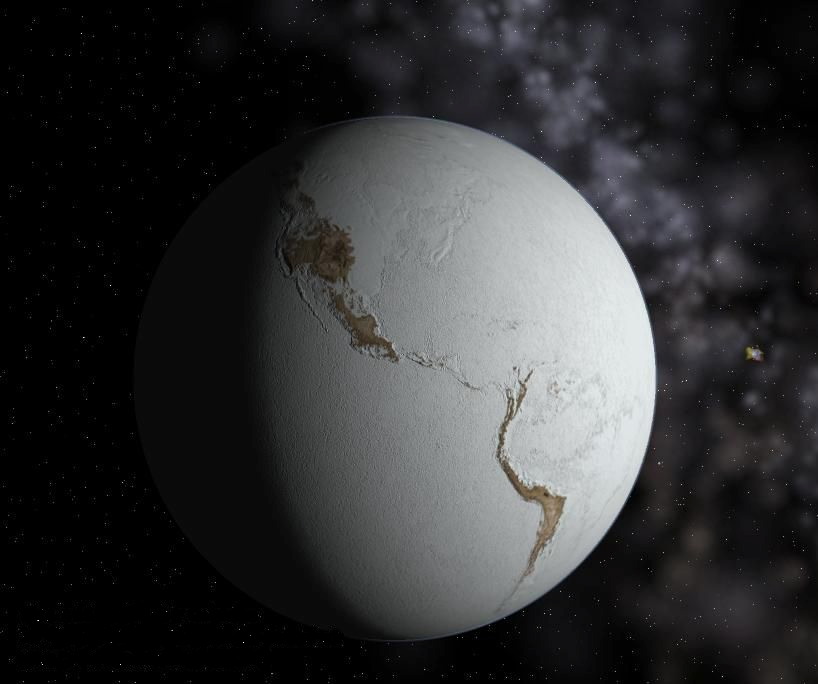
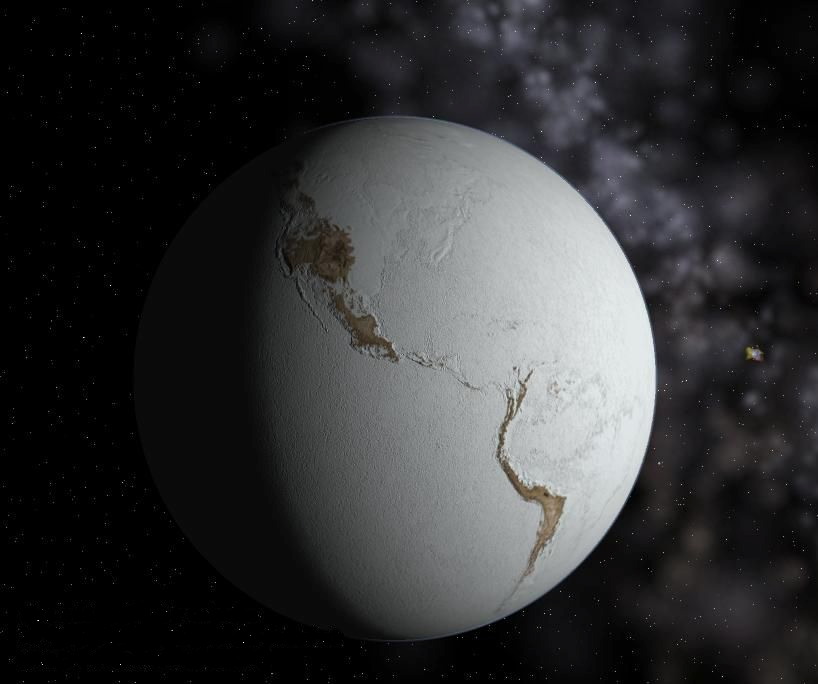
Now picture Earth as a shimmering white marble in space, oceans turned to ice from the poles almost down to the equator. During several intervals between about seven hundred and six hundred million years ago, you would have found the planet in this deep-freeze mode, a scenario scientists call Snowball Earth. Glaciers may have reached tropical regions, and sunlight bounced back into space from the bright ice, making it brutally hard for the planet to warm back up. If you had stood on the shoreline then, you might have seen nothing but an endless, frozen shell where waves should have been.
You might assume life would just quit under conditions like that, but it clung on stubbornly in small havens: maybe under the ice, around hydrothermal vents, or in thin patches of open water. Those harsh bottlenecks likely favored organisms that were especially tough and adaptable. When volcanic activity and rising greenhouse gases finally thawed the planet, you see an explosion of more complex, multicellular life not long afterward. It’s as if the freeze compressed evolution’s spring, and when the ice retreated, that spring released, helping set the stage for the first strange animals you now know from Ediacaran and Cambrian fossils.
3. The Permian–Triassic Extinction: The Day Life Almost Died
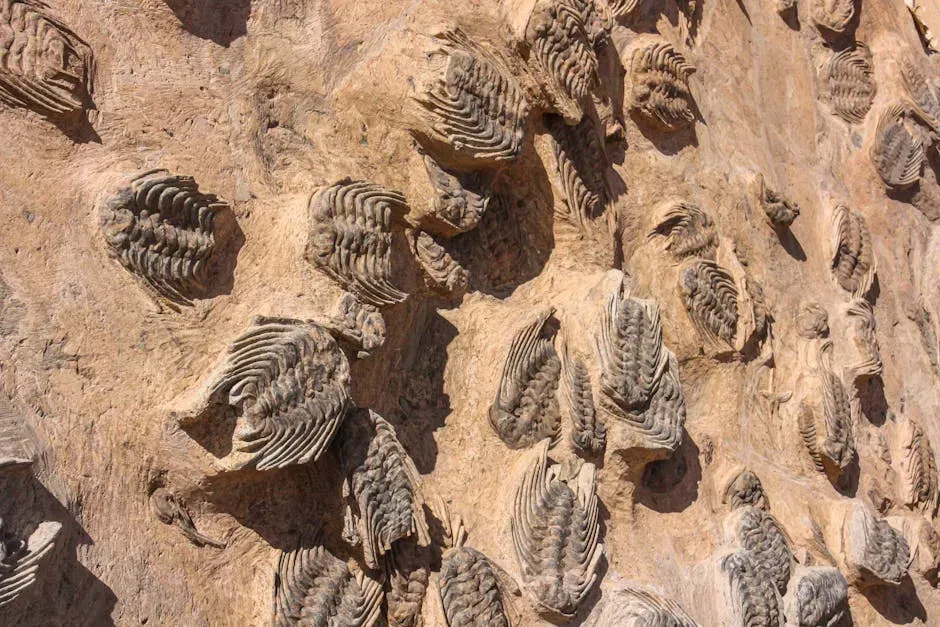
If you want to see what “rock bottom” looks like for life on Earth, you zoom in on the end of the Permian period about two hundred fifty-two million years ago. By the time this extinction event finished, roughly about nine out of ten marine species and a huge majority of land species were gone. You can trace the fingerprints of this disaster in rock layers that suddenly shift from thriving fossil communities to bleak, nearly lifeless sediments. If you walked along a Permian coastline before the crash, you’d see reefs, shelled creatures, and small predators; shortly after, you’d mostly see emptiness and dead zones.
So what happened to you, if you had somehow been there? Volcanic eruptions in what’s now Siberia seem to have poured staggering amounts of carbon dioxide and other gases into the atmosphere over a relatively short geological window. Oceans warmed and lost oxygen, releasing toxic compounds and suffocating marine life. On land, climate swung toward scorching, dry extremes that many plants and animals simply couldn’t handle. Out of that almost total ruin, though, came the evolutionary room for new groups, including early relatives of mammals and the first true dinosaurs. Your distant ancestors crawled out of the ashes of the worst mass extinction Earth has ever seen.
4. The End-Cretaceous Impact: The Rock That Ended the Reign of Dinosaurs
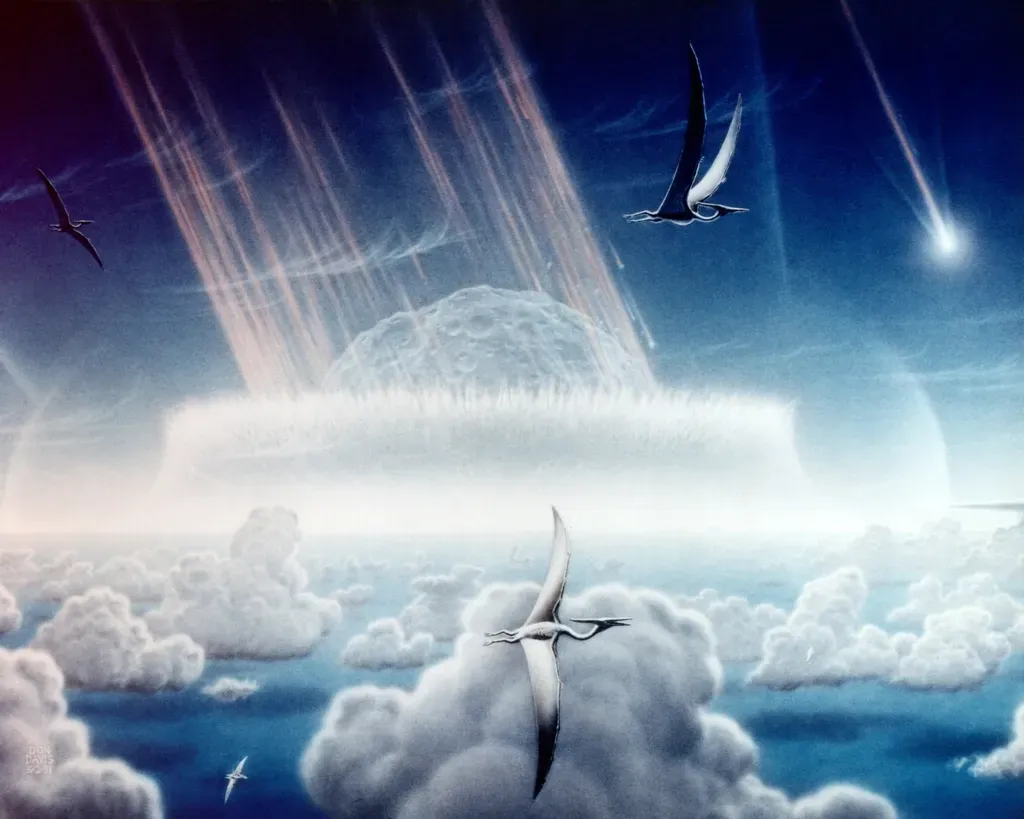
You probably already carry a mental image of this one: a massive asteroid slamming into what is now the Yucatán Peninsula about sixty-six million years ago. But it helps to slow the tape down and imagine what you’d experience in those first terrifying hours and years. The impact unleashed energy rivaling billions of nuclear weapons, vaporizing rock, igniting global wildfires, and launching dust and sulfur high into the atmosphere. Day effectively turned to twilight for months or even years in many regions, as sunlight struggled to punch through the haze.
In a world suddenly robbed of light, the intricate food webs you depend on began to unravel from the bottom up. Plants could not photosynthesize properly, plankton in the oceans collapsed, and the large dinosaurs that ruled land were left without enough to eat. If you were small, agile, and able to hide or burrow – like many early mammals – you had a fighting chance. Once the skies eventually cleared and ecosystems stabilised, those survivors found a world with far fewer giant competitors. Over tens of millions of years, that vacancy in the ecological “job market” allowed mammals to diversify, experiment with new body plans, and ultimately give rise to primates and, eventually, you.
5. The Paleocene–Eocene Thermal Maximum: A Fever That Rewired Climate and Life
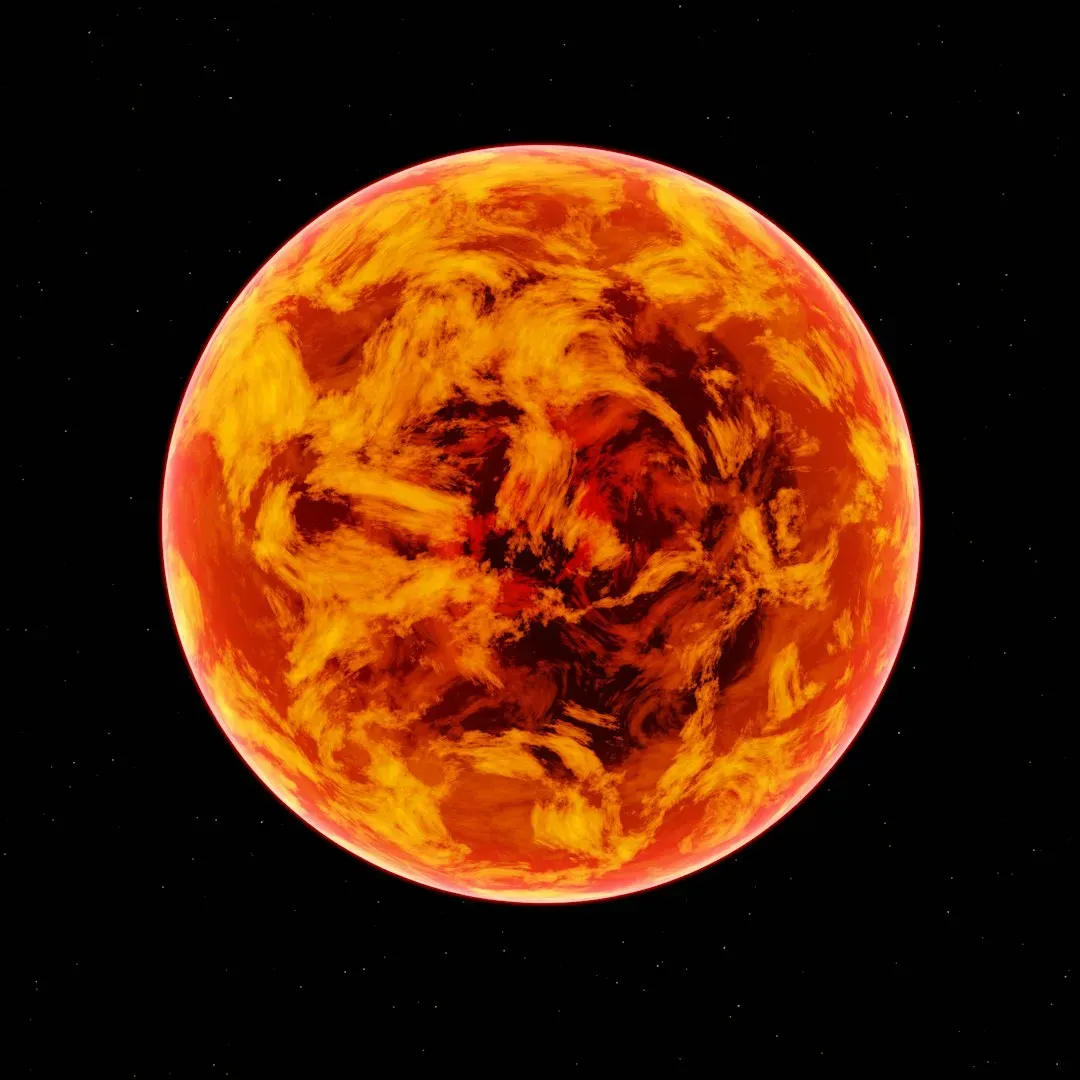
Not all prehistoric disasters come with giant space rocks or walls of ice; some creep up like a fever that keeps rising and never quite breaks. Around fifty-six million years ago, Earth went through a rapid global warming episode known as the Paleocene–Eocene Thermal Maximum. Huge amounts of carbon entered the atmosphere and oceans over a relatively brief geological span, driving temperatures sharply higher. If you had lived in that world, you would have felt more intense heat waves, warmer polar regions, and a climate that pushed species to shift where and how they lived.
You can see the fingerprints of that ancient heat spike in changes to fossils and sediments: some deep-sea organisms vanished, many land animals shrank in body size, and plants migrated toward higher latitudes and elevations. For mammals, including early primates, this was both a threat and an opportunity. Warmer, more forested environments in some regions opened up corridors for movement and diversification, helping primates spread and experiment with new ways of life. When you think about modern climate change, this event becomes uncomfortably relevant: you are essentially pushing the planet into a smaller-scale, much faster version of that ancient fever, with consequences that life – and you – will be dealing with for a very long time.
When you step back and look at these five prehistoric disasters together, you start to see a pattern that is sobering and strangely hopeful at the same time. Each catastrophe slammed the brakes on the world as it was, wiping out comfortable incumbents and tearing holes in ecosystems that had seemed stable for millions of years. Yet those same shocks repeatedly opened space for new forms of life to emerge, including your own branch of the tree. You’re not here in spite of disaster; you’re here because of how life adapted to it.
That perspective cuts both ways. On one hand, Earth is incredibly resilient over deep time, recycling chaos into creativity again and again. On the other hand, the life you care about – including your own species – is fragile on human timescales and can be swept aside much faster than it can recover. When you hear talk about extinctions, climate shifts, or ecosystem collapse today, you’re really listening to the opening notes of stories like the ones you just read. The question is not whether Earth will survive; it’s what kind of world you want to be handing off to whoever comes after you – human or otherwise.