When you look up at the night sky, it’s easy to feel like you’re staring at something timeless and unchanging. But the shocking idea behind the Big Bang theory is that everything you see – every star, galaxy, planet, and even the atoms in your body – had a beginning. Not a quiet, gentle beginning, but a hot, dense, unimaginably energetic one that changed everything in the first fractions of a second.
What makes this theory so powerful is not just that it sounds dramatic, but that it actually explains what you observe today. From the glow of ancient light still filling space, to the way galaxies cluster together, to the very elements in your bloodstream, the Big Bang shows up everywhere if you know how to look. As you walk through these eight ways it shapes your universe, you’ll see that this isn’t just some abstract cosmology idea – it’s the background story of your own existence.
1. Giving the Universe a Beginning (and a Timeline)
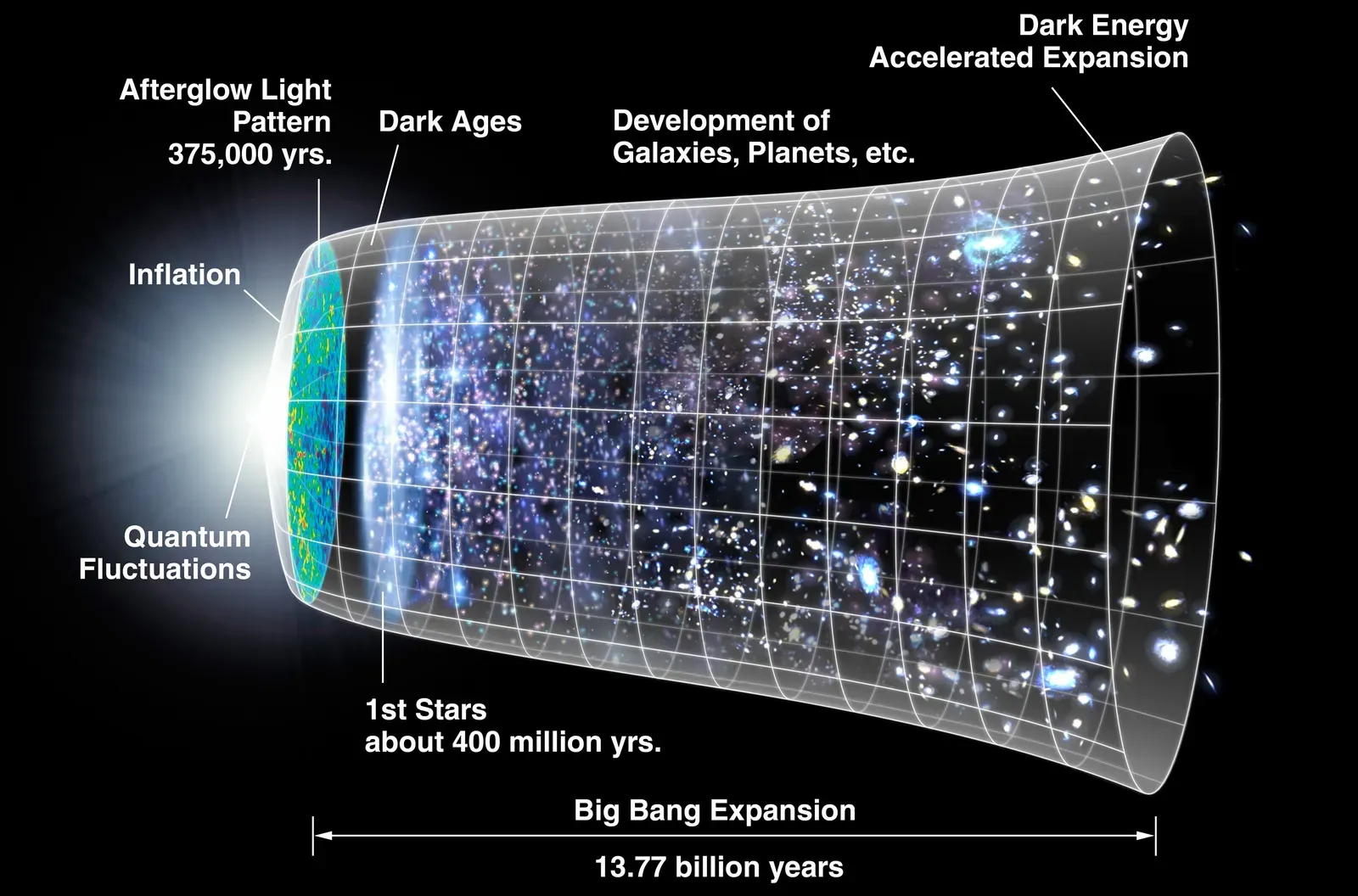
The Big Bang theory gives you something incredibly important: a cosmic “start date.” Instead of imagining an eternal, unchanging universe, you now have a picture where space, time, energy, and matter all emerged from an extremely hot, dense state about many billions of years ago. That means your universe is not just big, it’s also young enough to have a history you can trace, like a life story with a childhood, adolescence, and an ongoing adulthood.
Because of this, you can talk about the age of the universe in a concrete way, not just as a vague idea. Using how fast the universe is expanding right now, you can work backward and estimate when everything was packed much closer together. This timeline lets you ask specific questions: when did the first stars form, when did galaxies assemble, and when did planets like Earth become possible? Without the Big Bang framework, you’d be stuck with a static universe and no meaningful cosmic clock.
2. Explaining Why Space Is Expanding Around You
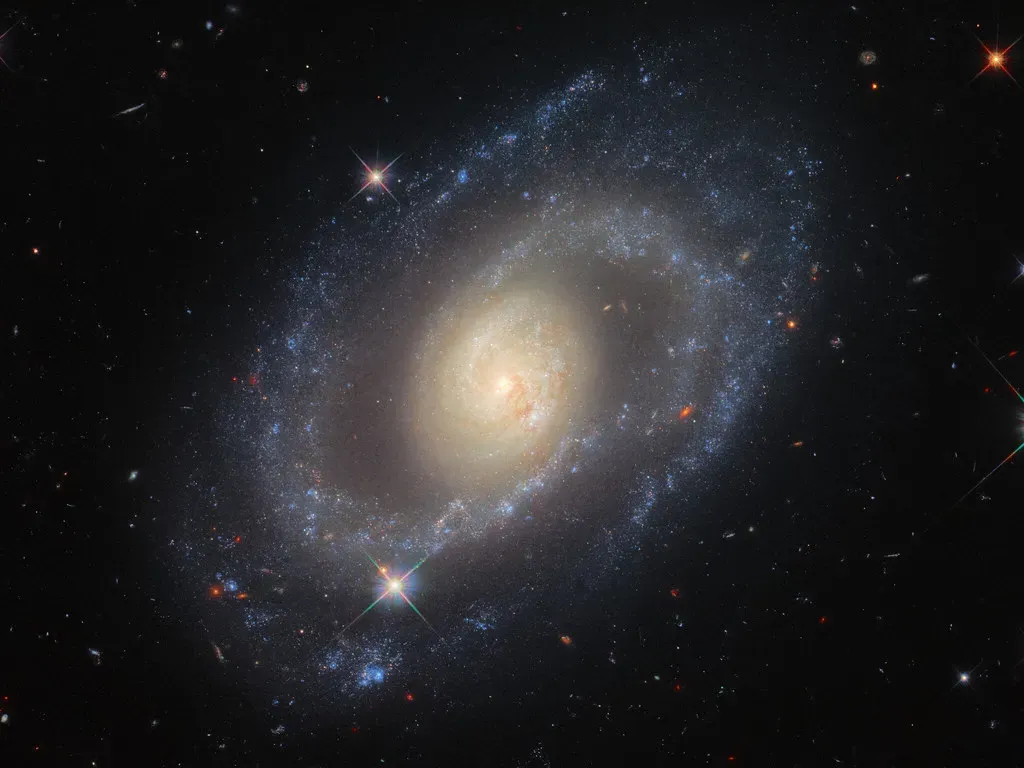
One of the most surprising things you learn from telescopes is that distant galaxies are speeding away from you, and the farther they are, the faster they seem to recede. The Big Bang theory turns this strange observation into something natural: you live in an expanding universe where space itself is stretching. You are not at the center; instead, every distant point sees other distant points moving away, like dots on a balloon as it inflates.
By accepting that the universe started smaller and has been expanding ever since, you suddenly understand why the light from faraway galaxies is stretched to redder colors and why the cosmos looks different when you peer further back in time. The Big Bang tells you that you’re catching the universe in motion, not in a finished state. Every night sky view is a snapshot from the middle of a long, ongoing process of growth.
3. Revealing the Cosmic Microwave Background: The Baby Picture of Everything
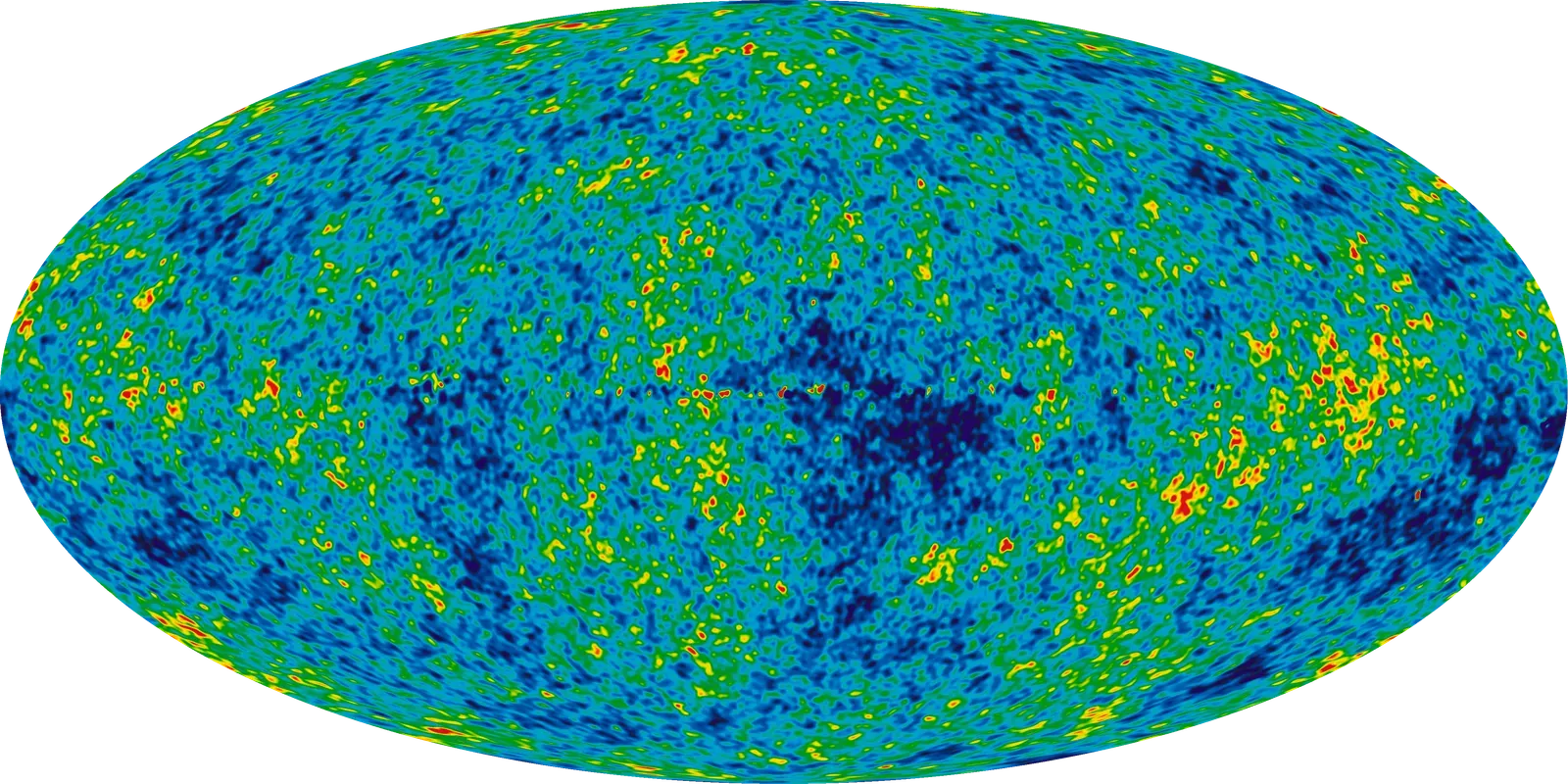
If you tune a sensitive radio or microwave detector to the sky, you can still pick up a faint glow of ancient light left over from the early universe. This glow, called the cosmic microwave background, is like a baby picture of everything that exists, taken when the cosmos had cooled just enough for light to travel freely. The Big Bang theory predicted that such a fossil light should exist, and when you detect it, you are basically seeing a direct imprint of that hot, dense beginning.
For you, this matters because it turns the Big Bang from a nice story into a testable explanation. That background radiation is almost, but not perfectly, uniform, with tiny variations that line up with the theory’s expectations. Those little ripples are the seeds of future galaxies, including the one you live in. When you see a detailed map of this radiation, you’re looking at evidence so strong it’s hard to ignore: your universe really was once much hotter, denser, and simpler than it is today.
4. Showing How the First Elements Formed (and Ended Up in You)
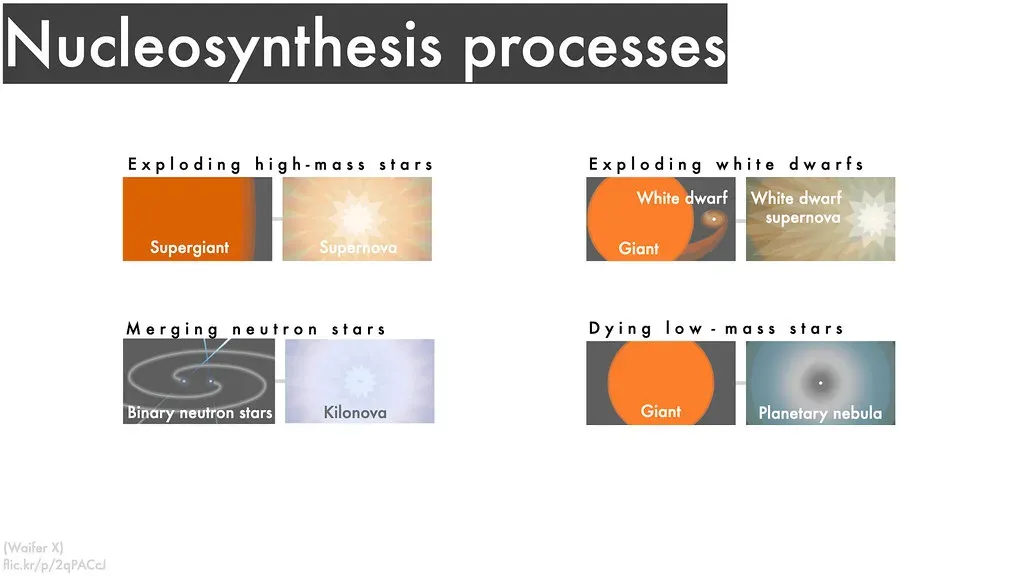
The Big Bang theory does more than talk about space and time; it also explains where the first ingredients of matter came from. In the first few minutes of the universe’s existence, it was hot and dense enough for nuclear reactions to fuse basic particles into light elements like hydrogen, helium, and a small amount of lithium. You can think of this as the universe’s first factory, running briefly but leaving a clear chemical fingerprint behind.
When you measure how much hydrogen and helium exist out in space today, you find ratios that match what Big Bang calculations predict, not what you’d get from stars alone. That means the theory is not just vaguely right; it’s nailing specific, measurable details. Since hydrogen and helium are the raw materials from which stars later forged heavier elements, the Big Bang is ultimately responsible for the carbon in your cells and the oxygen you breathe. You are, quite literally, living proof of an ancient cosmic chemistry experiment.
5. Making Sense of Galaxies, Clusters, and the Cosmic Web
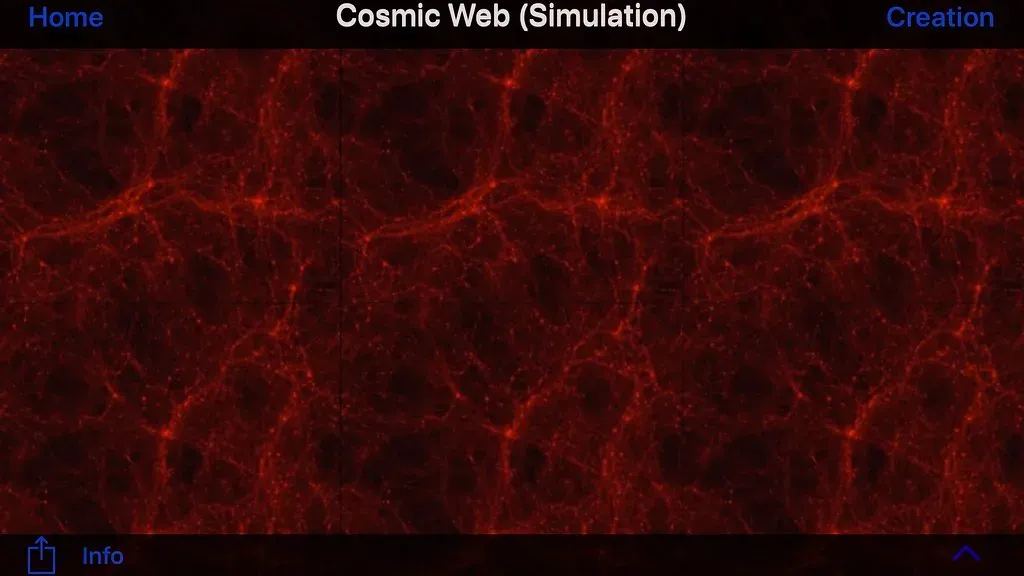
When you map where galaxies sit in the universe, they do not form a random scatter. Instead, you see vast filaments, clusters, and enormous voids, like a three-dimensional spiderweb made of stars and gas. The Big Bang theory, combined with gravity, explains how this structure could grow from tiny early fluctuations. Starting from a nearly uniform hot plasma, tiny density differences got amplified over billions of years, pulling matter together into the large-scale patterns you see today.
For you, that means the grand architecture of the cosmos is not accidental. It arises naturally when you allow gravity to act for a long time in an expanding universe seeded with small irregularities, just as the theory suggests. When you stand on Earth and look out, your galaxy is just one node in this huge cosmic network. The fact that you can simulate this evolution on a computer, starting from conditions inspired by the early universe, and end up with something that looks like the real sky, is a powerful confirmation that the Big Bang story is on the right track.
6. Connecting Dark Matter and Dark Energy to the Cosmic Story
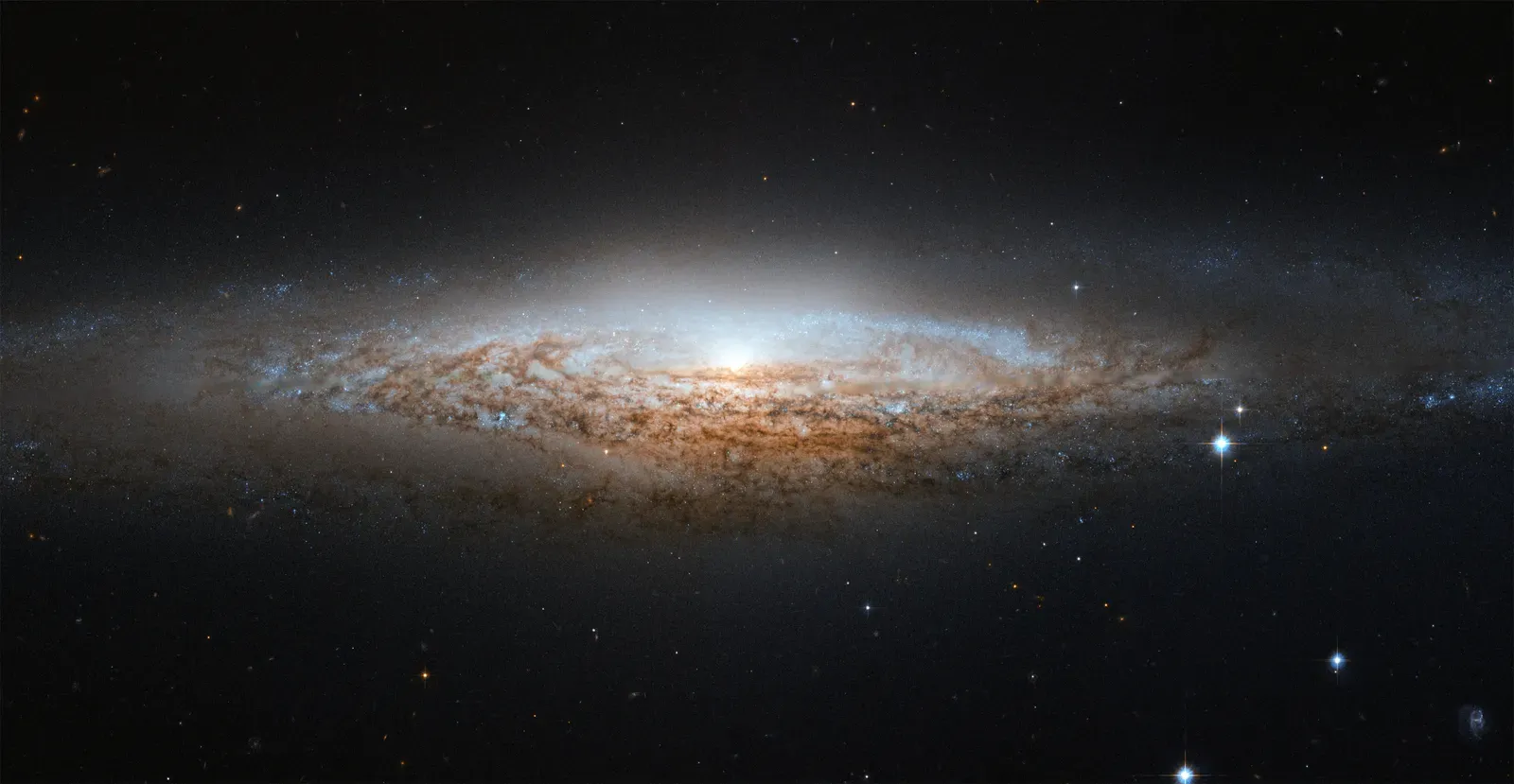
The Big Bang theory also gives you a framework to talk about the strange, unseen components of the universe: dark matter and dark energy. When you track how the universe expands, how galaxies rotate, and how light bends around massive objects, you discover that ordinary matter – the stuff you can see and touch – makes up only a small fraction of everything. The rest seems to be invisible mass and an even more mysterious form of energy driving accelerated expansion.
On its own, that might sound like science fiction, but within the Big Bang picture, these ingredients help the universe grow in just the way you observe. Dark matter helps sculpt galaxies and holds them together, while dark energy shapes the universe’s long-term fate by speeding up the expansion. You might not know exactly what these components are made of yet, but by fitting them into the Big Bang framework, you turn them into measurable, testable pieces of your cosmic puzzle instead of vague mysteries.
7. Letting You See Back in Time with Telescopes
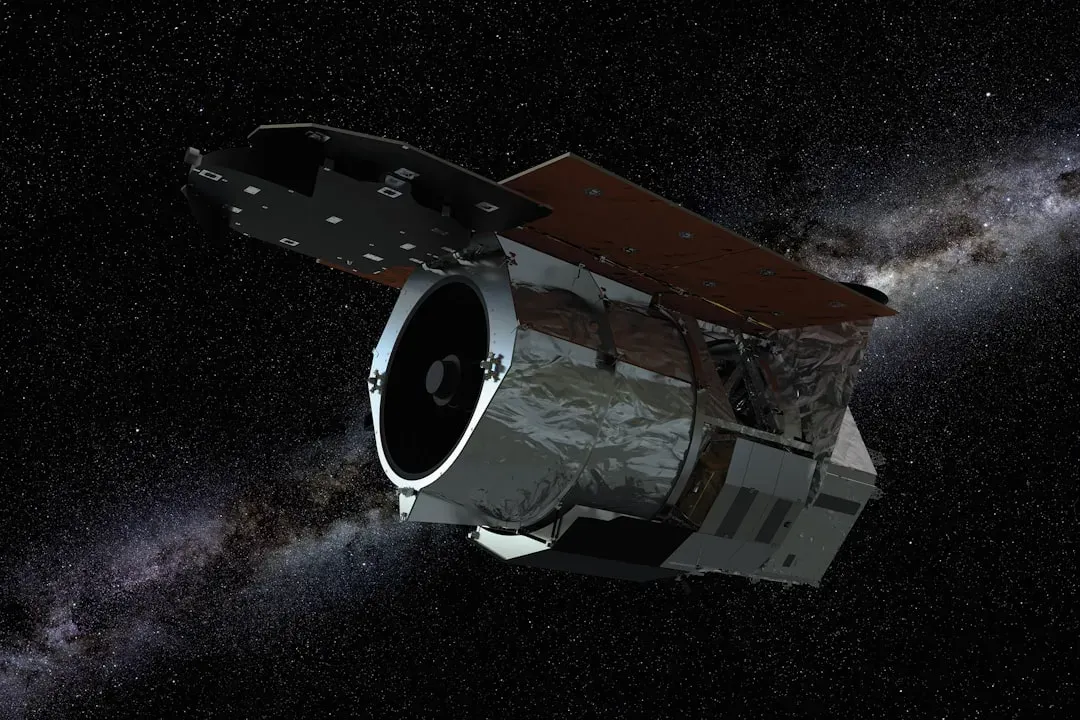
One of the coolest consequences of the Big Bang model is that looking far into space is the same as looking far back in time. Because light takes time to travel, when you observe a distant galaxy, you are seeing it as it was billions of years ago, not as it is “now.” The Big Bang gives you a reason this makes sense: the universe had a beginning, and as you peer farther away, you approach that beginning, step by step.
Modern telescopes are essentially time machines that let you watch galaxies forming, stars igniting, and structures assembling over cosmic history. When you spot very young galaxies that are small, chaotic, and still merging, you see a universe that is clearly different from the calm, mature structures around you today. This changing picture over distance is exactly what you’d expect if the Big Bang happened. It lets you test the theory not just in one era, but across many stages of the universe’s life.
8. Rooting Your Own Existence in a Cosmic Narrative
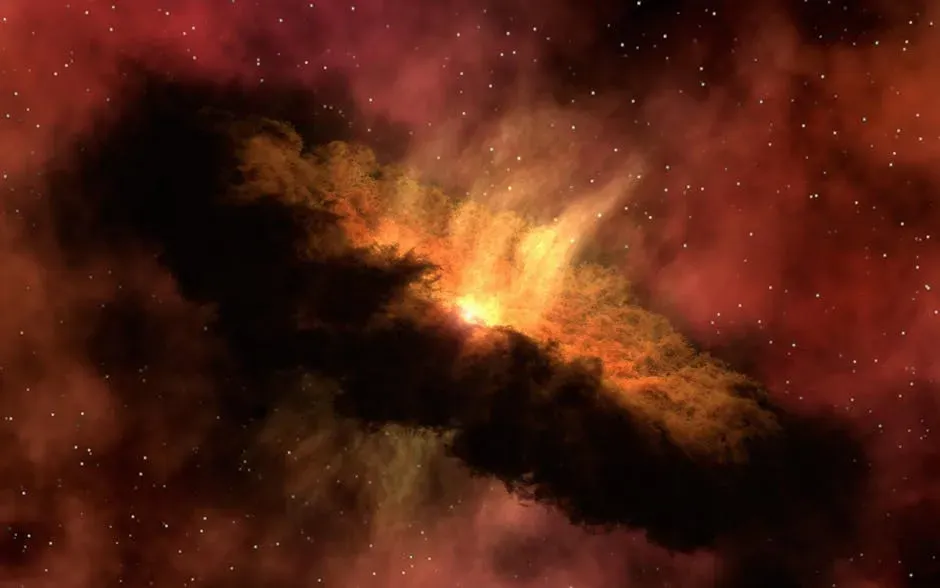
Beyond the data and equations, the Big Bang theory gives you something deeply personal: a place in a shared origin story. It tells you that the atoms in your body were once part of a glowing early universe, that your galaxy grew from tiny ripples in ancient plasma, and that your planet is a late arrival in a much older cosmic drama. Instead of being dropped into a random, static universe, you are part of an unfolding narrative that began long before Earth ever formed.
This does not answer every philosophical or spiritual question you might have, but it does ground your existence in a coherent physical history. You can trace a line from the Big Bang to the first stars, to the heavy elements they forged, to the solar system’s birth, and eventually to life emerging on your world. When you realize that your everyday experiences are built on processes that started with that hot, dense beginning, the universe stops being just a distant backdrop and becomes the shared story you carry in every cell.
Conclusion: Living in the Echo of a Cosmic Beginning
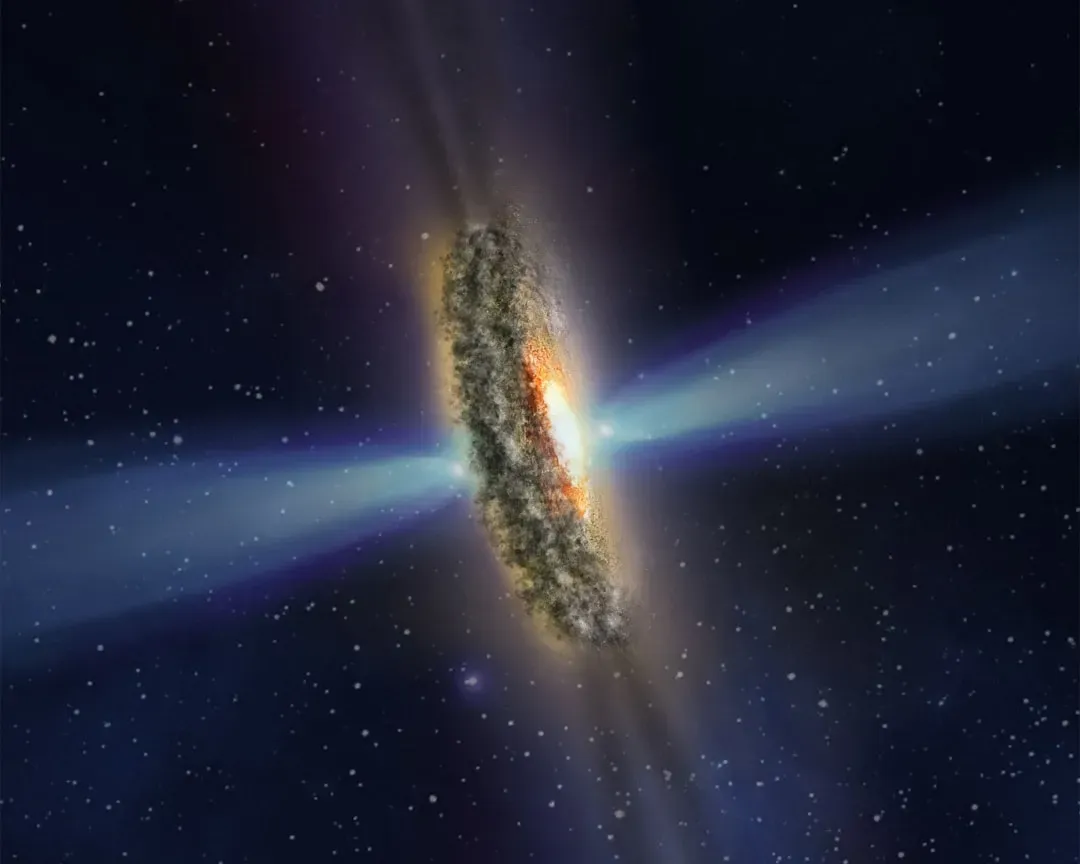
When you pull all of these threads together, the Big Bang theory stops being just an abstract concept from a physics textbook and turns into the backbone of how you understand reality. It explains why space is expanding, why ancient light fills the sky, why the universe has the mix of elements it does, and why galaxies gather in vast webs instead of random clouds. Even the strangest pieces, like dark matter and dark energy, become part of a larger, consistent picture of a universe that has changed dramatically over time.
Most of all, this theory invites you to see yourself as part of something much bigger and much older than your daily routine. You are living in a universe still shaped by its explosive beginning, still evolving and surprising you as you learn to look deeper. The next time you glance up at the stars, you are not just seeing pretty lights; you are seeing the ongoing aftermath of a single, profound event that set everything in motion. Knowing that, how differently do you feel about your place in the cosmos now?