
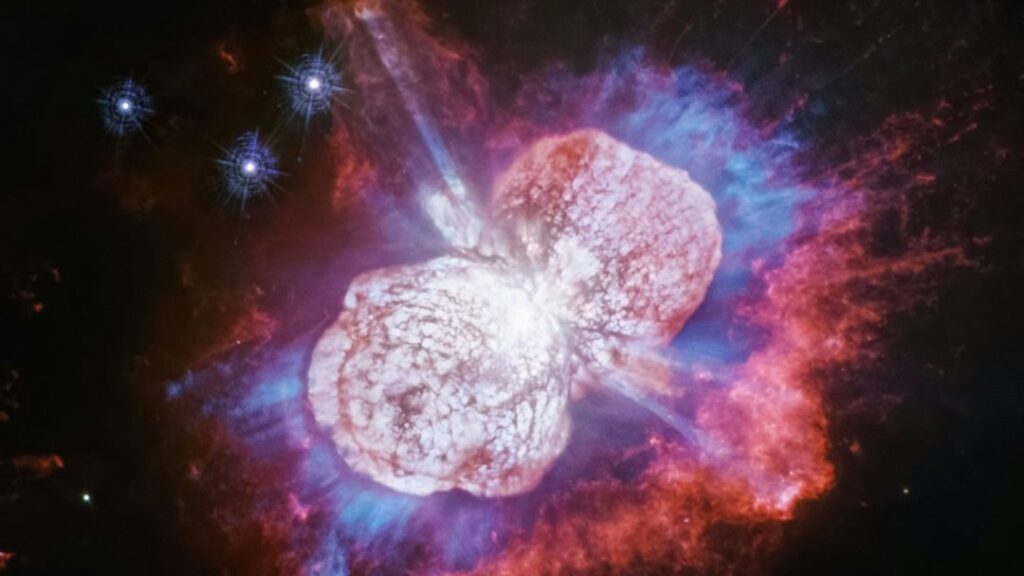
If you have ever stared up at the night sky and felt both tiny and strangely connected to everything, you are already asking Big Bang questions. You are wondering when all of this began, and what, if anything, existed before time, space, and matter showed up. Those are not just astronomy questions; they are questions about your own place in reality.
What makes the Big Bang so compelling is that it is not just a story scientists like; it is a picture of the universe that you can actually test. You can point a telescope at the sky, measure faint signals, and ask whether they match the prediction that everything once came from something unimaginably hot and dense. As you follow the evidence, you discover that the universe has a surprisingly specific age, a violent early history, and a mysterious darkness behind it all that nobody fully understands yet.
The Moment It All Began: Pinning Down the Age of the Universe
When you hear people say the universe is about thirteen and a half billion years old, they are not just guessing. You can trace how fast galaxies are flying away from you and run that movie backward, like rewinding an explosion, until everything shrinks toward a single, incredibly dense beginning. From that cosmic rewinding, combined with other clues, you land on an age of roughly about thirteen and a half to fourteen billion years.
You also see this age in other ways, which should matter to you if you like independent cross-checks. The oldest star clusters you can find sit just a little younger than that number, fitting neatly under the universe’s estimated age rather than contradicting it. The afterglow of the Big Bang, a faint bath of microwave radiation that reaches you from every direction, carries a pattern that only makes sense if the universe has been expanding and cooling for about that long. The more different methods give you the same answer, the more confident you can feel that your universe really did have a beginning in time.
How the Big Bang Actually Worked (And What It Was Not)
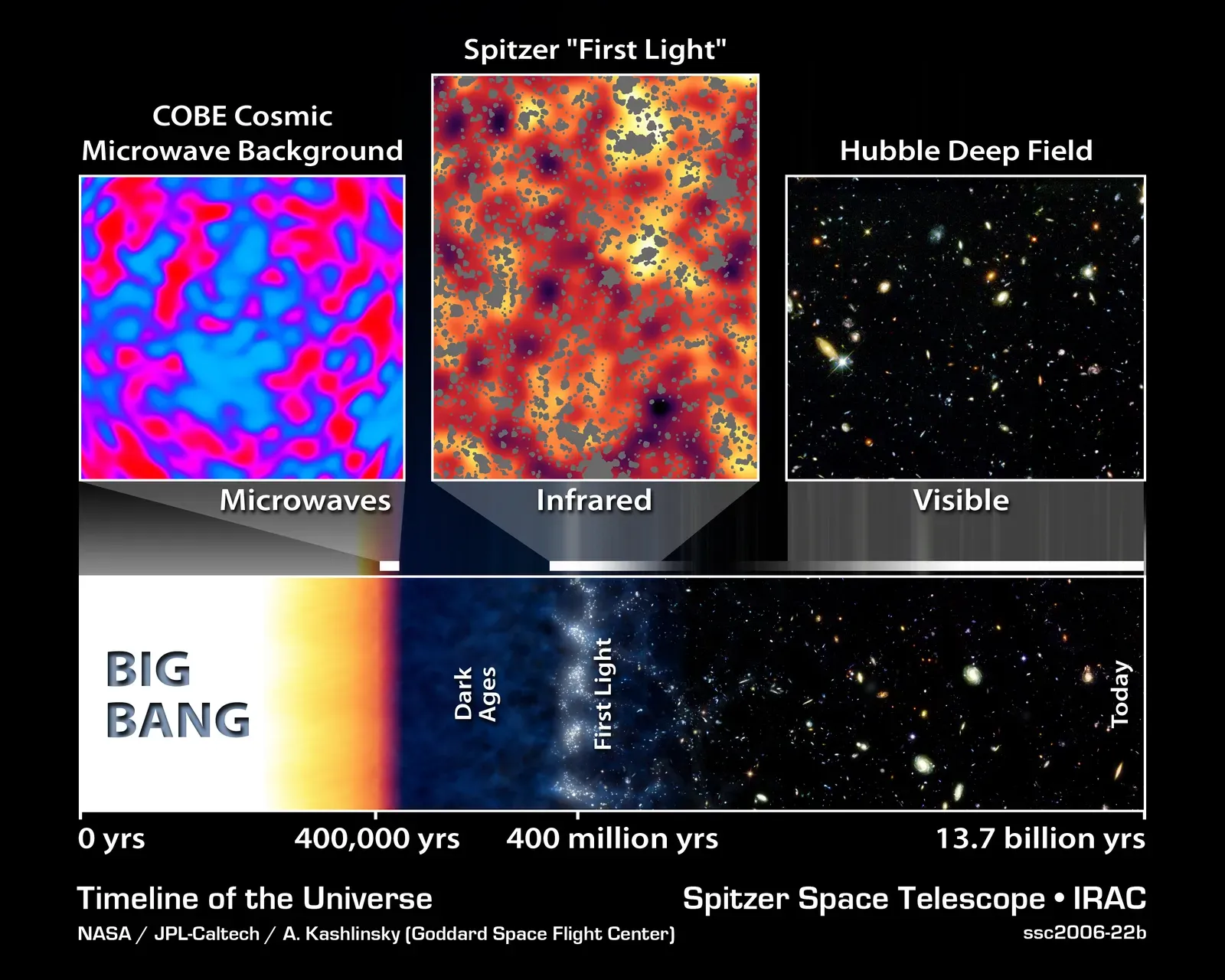
When you picture the Big Bang, it is tempting to imagine a bomb exploding into empty space, but that picture quietly misleads you. What you actually have is space itself stretching and expanding, carrying matter and light along for the ride, like raisin dough rising in an oven. You are not watching galaxies rush into an existing void; you are watching the void itself grow.
At the very earliest moments, the universe around you would have been so hot and dense that atoms could not exist, only a swarm of particles and radiation constantly colliding. As it expanded, it cooled, letting simple nuclei form, then neutral atoms, and much later, stars and galaxies. Every carbon atom in your body and every oxygen atom in your lungs was forged in stars that were only possible because earlier generations of the universe played out in precisely this way. You are literally made of the cooled ashes of the Big Bang.
Seeing the Afterglow: The Cosmic Microwave Background
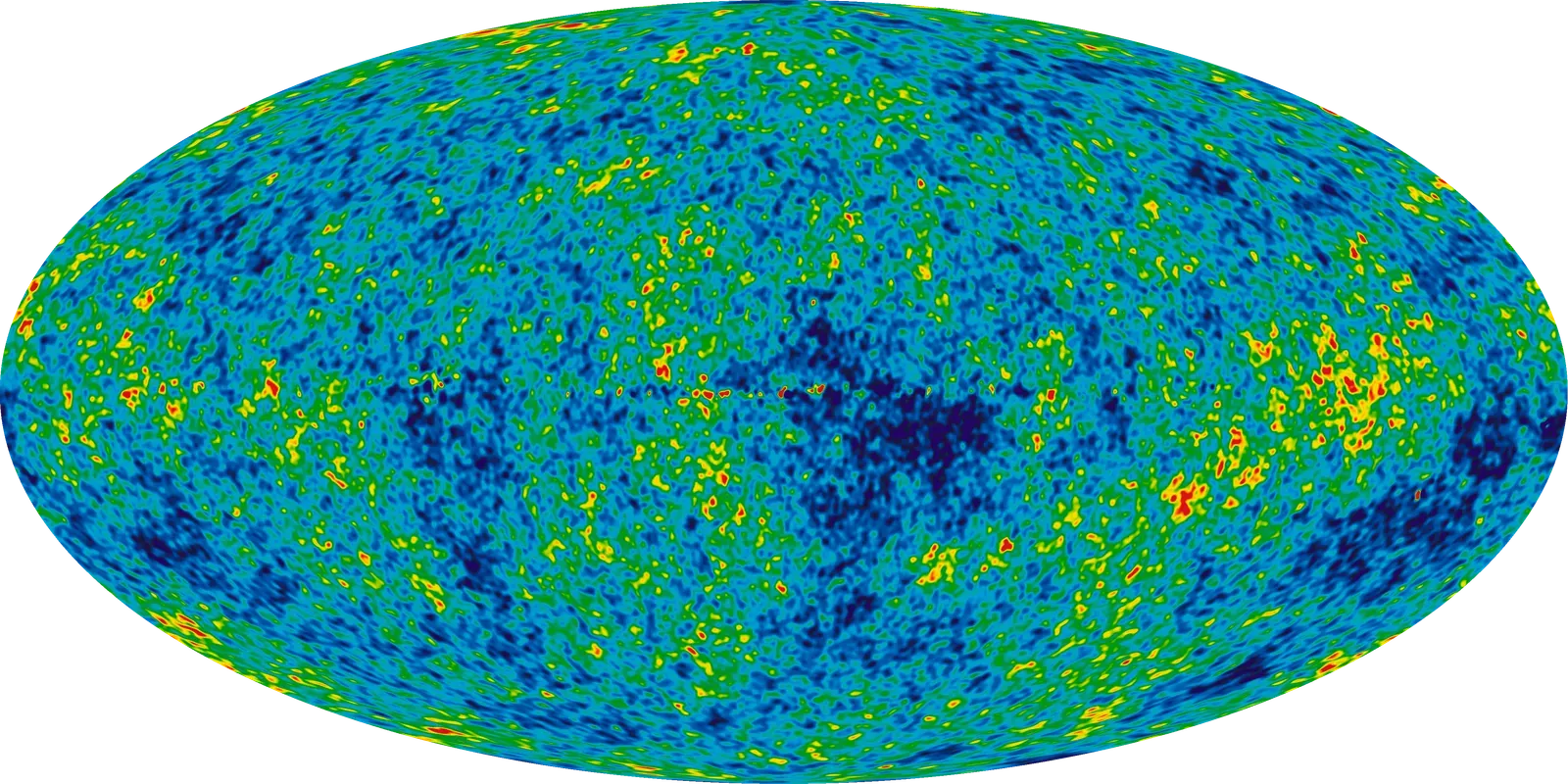
If you could tune your eyes to microwaves instead of visible light, you would see something astonishing: the entire sky glowing almost perfectly evenly. This glow, called the cosmic microwave background, is like a baby photo of your universe, taken when it was only a few hundred thousand years old. When you look at it, you are seeing the moment when the hot primordial soup cooled enough for light to travel freely for the first time.
What makes this afterglow powerful for you is not just that it exists, but that its tiny temperature variations tell you about the universe’s early ripples. Those little warm-and-cool patches trace the seeds of future galaxies, including the one you live in right now. When scientists map these patterns, they can infer things like the universe’s age, its overall shape, and how much ordinary matter, dark matter, and dark energy it contains. In a very real sense, that faint microwave haze is the universe telling you its origin story in a quiet, persistent whisper.
Did Anything Come Before the Big Bang? What “Before” Even Means
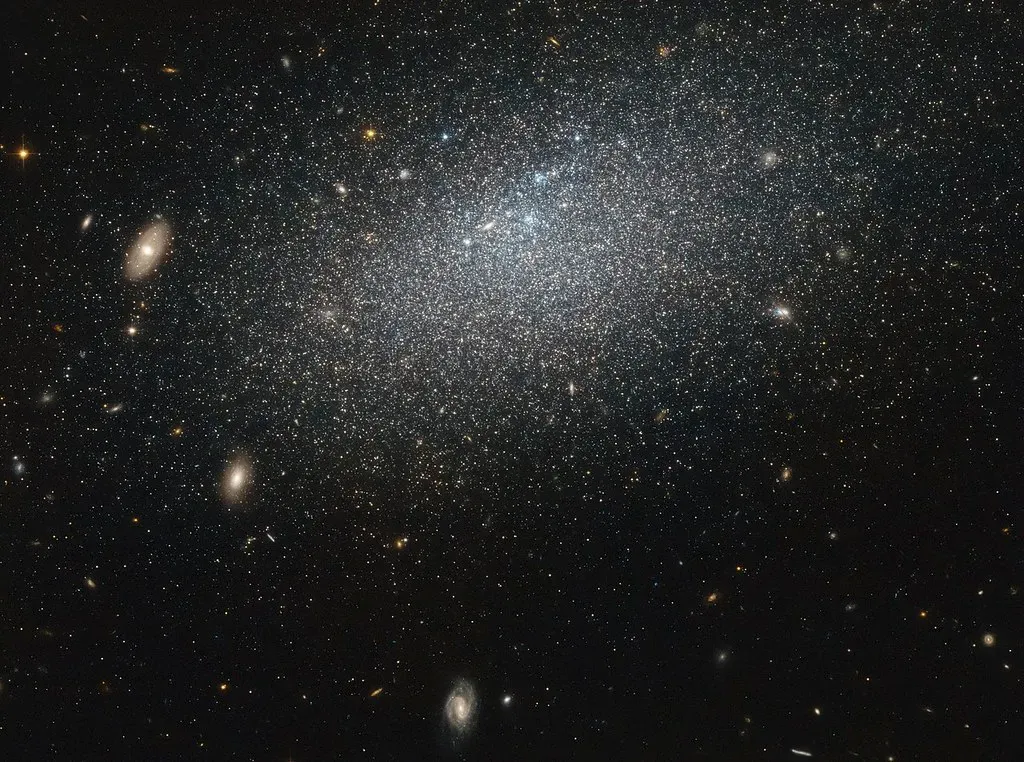
This is where your everyday intuition starts to break down. You are used to asking what happened yesterday, and the day before that, so it feels natural to ask what came before the Big Bang. But the equations that describe your universe suggest that time and space themselves may have started in that event, which would mean that “before” is not a meaningful word in this context, like asking what is north of the North Pole.
That said, you are not forced to stop thinking there. Some modern ideas propose that the Big Bang might have emerged from a previous phase of the universe, like a bounce from an earlier collapse, or that your Big Bang is just one bubble in a much larger multiverse. These scenarios are still speculative; you do not yet have solid, direct evidence to confirm them. For now, the only honest thing you can say is that the Big Bang marks the earliest era you can reliably describe with current physics, and anything before that lives in the realm of careful, testable speculation, not established fact.
Inflation, Quantum Fluctuations, and the Seeds of Everything
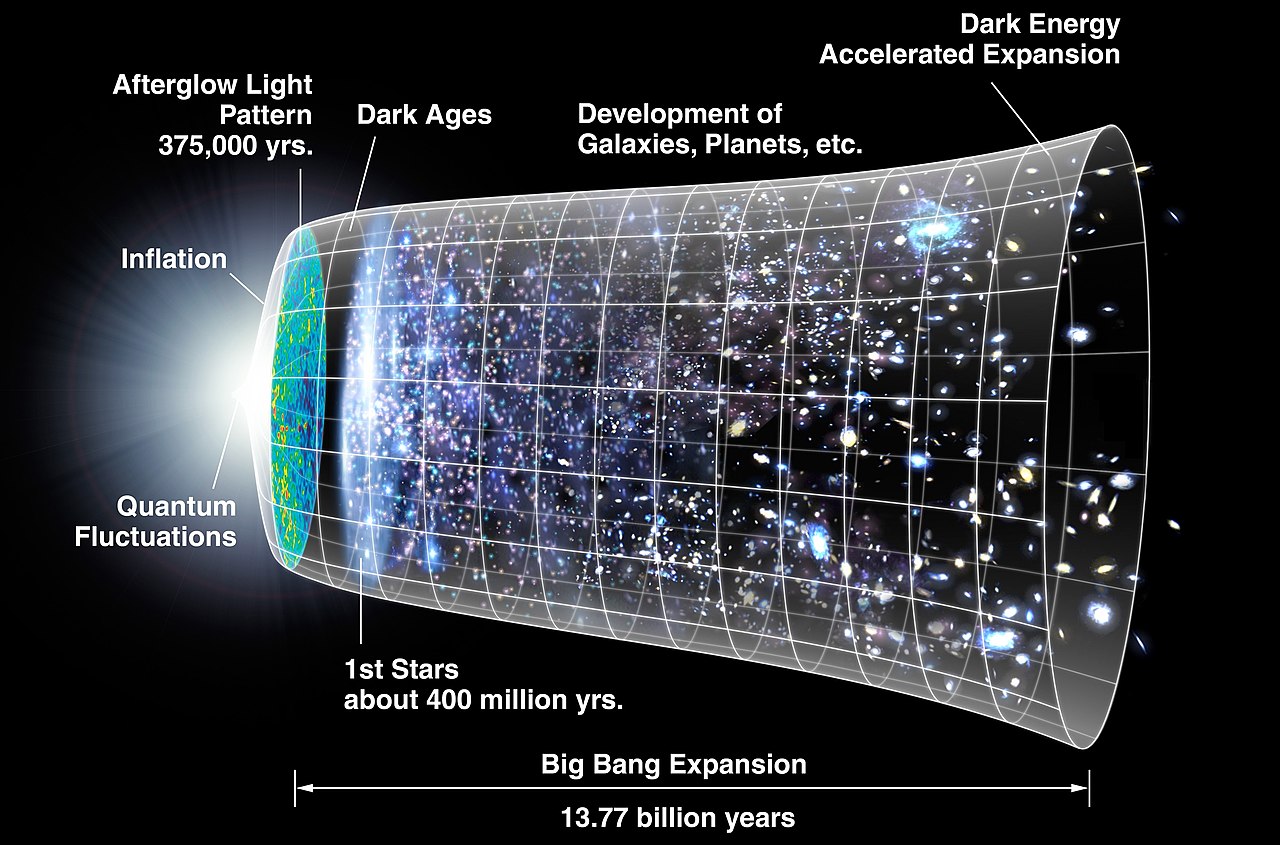
To understand why the universe looks so smooth on large scales but clumpy on smaller ones, you need to zoom into a fraction of a fraction of a second after the Big Bang. Many cosmologists think the universe went through a blisteringly fast growth spurt called inflation. During this phase, space itself expanded so quickly that any initial irregularities were stretched nearly flat, which helps explain why the universe looks so uniform in all directions when you observe it.
But the universe is not perfectly smooth, and that works in your favor. Tiny quantum fluctuations during inflation would have been stretched to cosmic sizes, turning subatomic jitters into the seeds of galaxies. Over billions of years, gravity pulled matter into those slightly denser regions, giving you stars, planets, and eventually the conditions for life. If this picture is right, then everything you experience today is built on the amplified fuzziness of the quantum world, which is a pretty wild thing to carry around in the back of your mind.
What the Big Bang Tells You About Your Place in the Cosmos
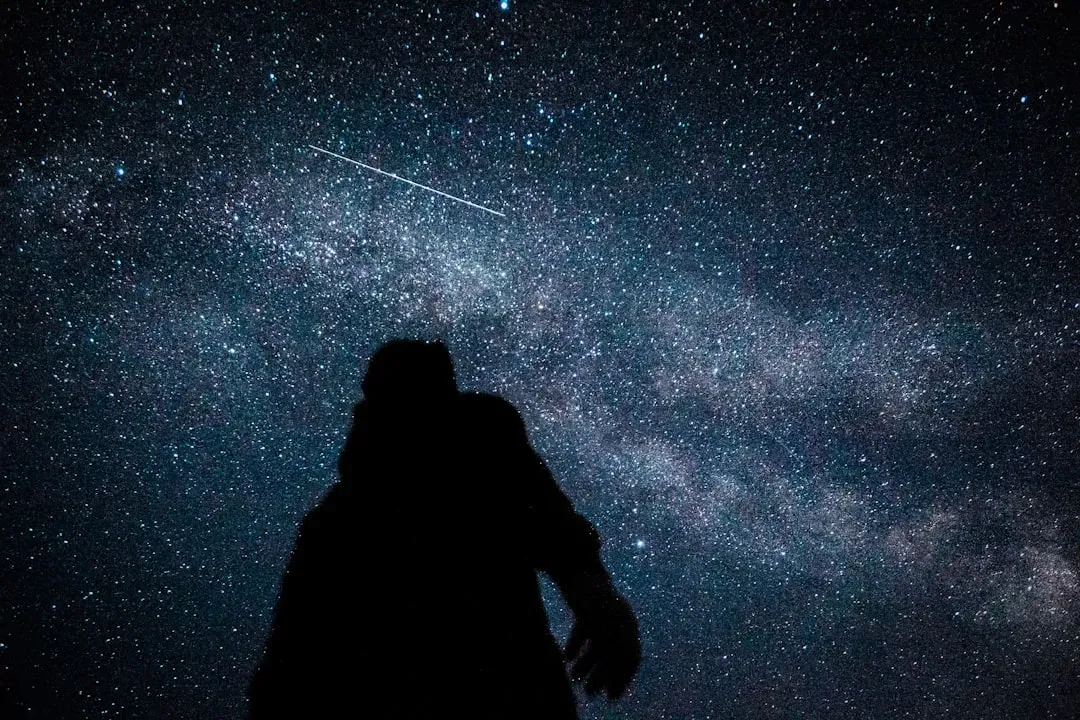
Once you accept that the universe had a beginning and has been evolving ever since, your own existence starts to feel different. You are not standing outside the story; you are a late-breaking chapter in a narrative that began with a hot, dense fireball and gradually unfolded into structure, chemistry, biology, and consciousness. The atoms in your brain were forged in stars that only formed because tiny early-universe fluctuations were there at just the right strength.
This perspective can be strangely grounding for you. Instead of seeing yourself as a lone observer staring at an indifferent cosmos, you start to see that you are literally made of the same stuff and governed by the same rules as the distant galaxies. The Big Bang is not just remote history; it is part of your biography. When you look up at the night sky, you are seeing earlier pages of the same story that led to you wondering about it in the first place.
Why the Big Bang Still Leaves You With Deep Mysteries
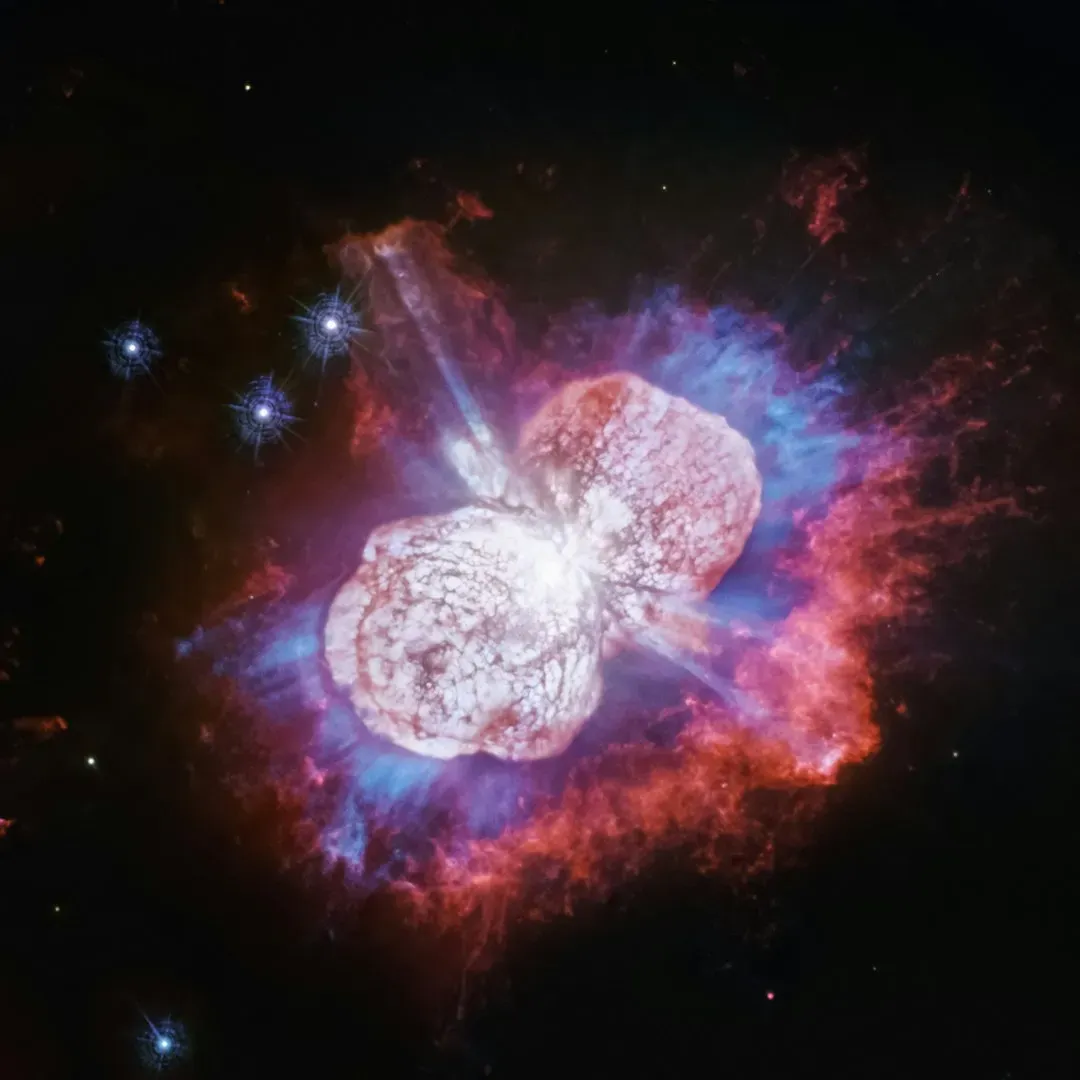
Even though the Big Bang model explains a huge amount of what you see, it does not close the book; it opens new chapters. You still do not know exactly what happened at the very first instant, where the laws of physics you rely on may need to be merged with a consistent quantum theory of gravity. You also do not yet fully understand dark matter and dark energy, which together make up most of the universe’s contents and shape its past and future.
For you, that uncertainty can feel frustrating, but it is also where the excitement lives. Future telescopes, particle experiments, and new ideas may reveal whether there was a bounce before the Bang, other universes, or entirely new kinds of physics. In the meantime, you stand in an interesting place: you know enough to tell a coherent origin story, but not so much that the universe feels solved and dull. The mystery at the edges of the Big Bang is an invitation for you to keep asking better questions.
When you pull everything together, you are left with a universe that began a finite time ago, grew from an unimaginably hot and dense state, and still carries the fingerprints of that beginning in its expansion, its afterglow, and its large-scale structure. You are also left with honest gaps: you do not yet know whether there was a “before,” or why the universe’s laws are what they are. Maybe the deepest value of the Big Bang story for you is that it shows how far careful thinking and observation can take you, while still leaving room for wonder. As you look up at the night sky, knowing it once blazed as a newborn fireball, what new question does that spark in you?