If you think dinosaurs had a monopoly on being gigantic and terrifying, you’re in for a fun shock. All around them – in the seas, rivers, and skies – other reptiles were growing just as huge, just as fierce, and in some cases, even more specialized as killers. You often hear about Tyrannosaurus or Spinosaurus, but you rarely hear that, at the same time, the oceans were ruled by lizards the size of buses and crocodile cousins big enough to yank dinosaurs off riverbanks like rag dolls.
In this article, you’re going to meet nine ancient reptiles that were not dinosaurs, yet absolutely matched them in size and raw menace. You’ll explore monsters of the deep, river ambushers, sky kings with airplane‑sized wingspans, and even a snake that turned tropical rivers into a slow, crushing doom. As you read, try to imagine yourself dropped into each habitat – ask yourself honestly, which would you rather meet: a land dinosaur or one of these things?
Mosasaurus – The Ocean “T. rex” You’d Never See Coming
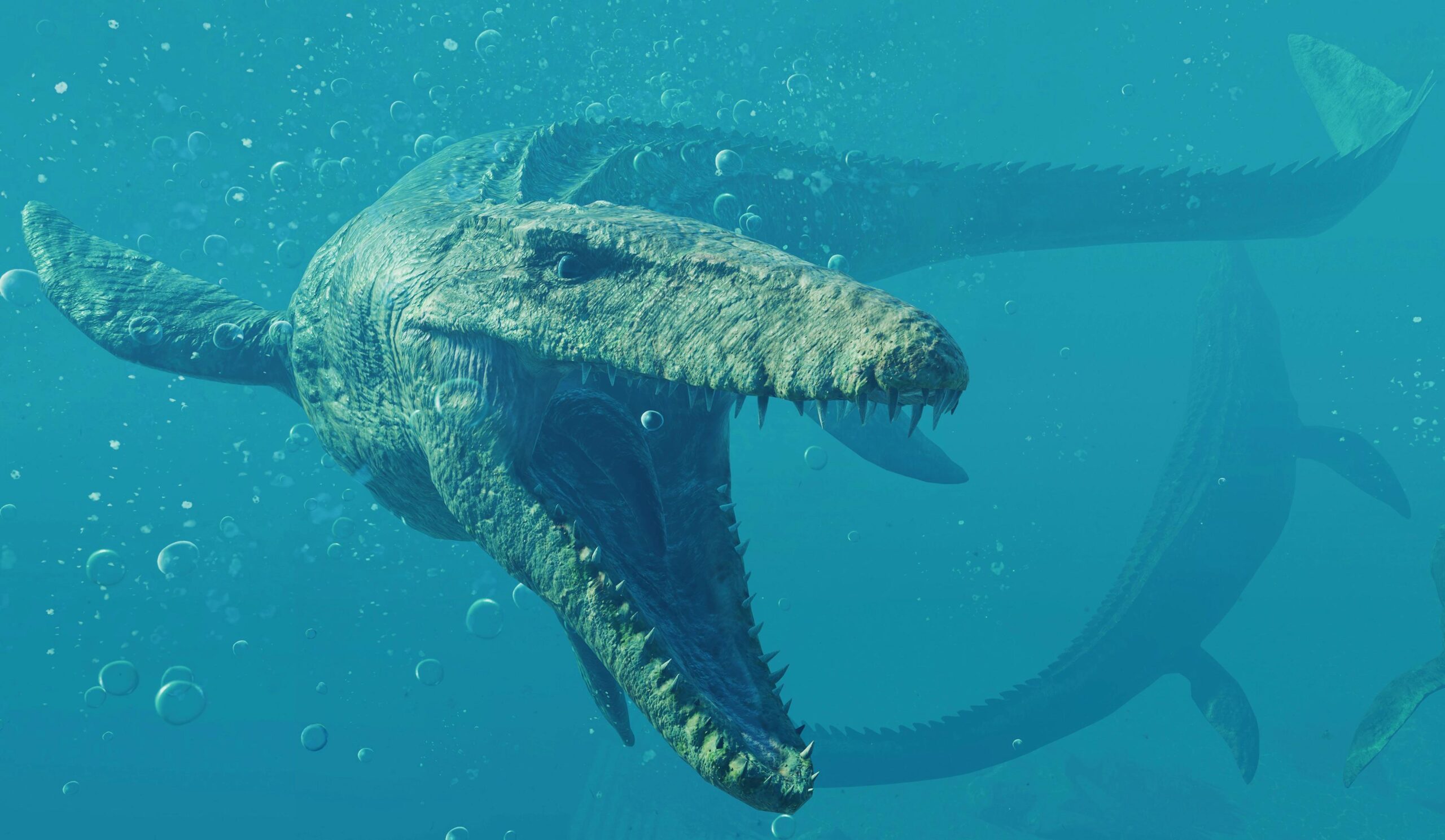
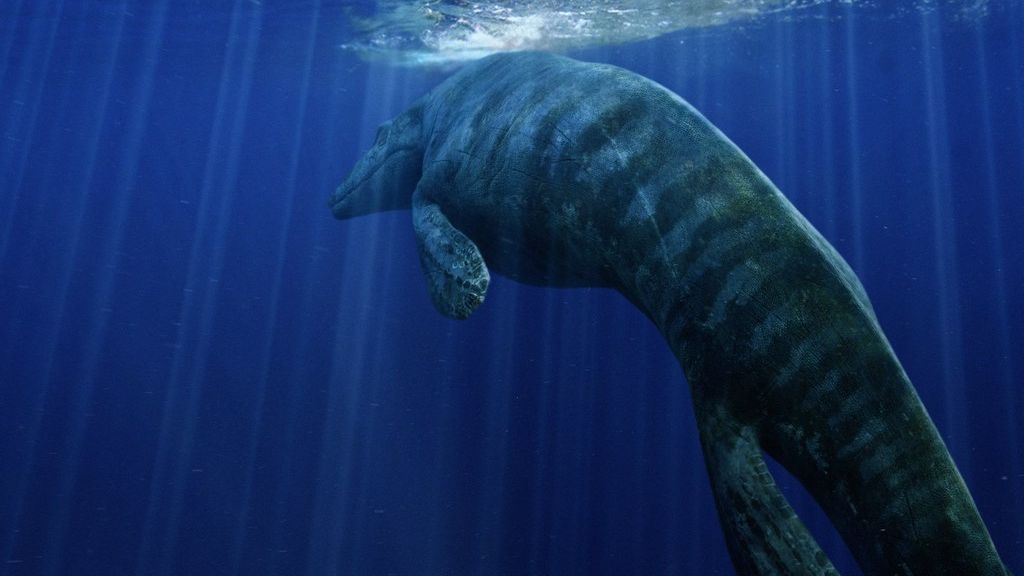
You can picture Mosasaurus as what happens when a Komodo dragon, a shark, and a submarine get mashed into one predator. You’re looking at a marine lizard that could grow well over fifteen meters long, with a thick, muscular body and a skull full of conical teeth built to grab and crush anything it caught. Unlike dinosaurs, it was part of the lizard and snake side of the reptile family, but in its Late Cretaceous oceans, it sat right at the top of the food chain.
If you were swimming in its territory, you would basically be a moving snack surrounded by its preferred prey: fish, sharks, turtles, other marine reptiles, and sometimes even other mosasaurs. Its tail was shaped like a powerful fin, and its limbs had evolved into paddles, letting it accelerate like a torpedo. You would not get the movie‑style breaching jump every few minutes, but you would get something far more frightening: a stealthy, fast, deep‑water hunter that could appear under you from nowhere and swallow you before you even understood what went wrong.
Liopleurodon – The Short‑Body Supersized Bite
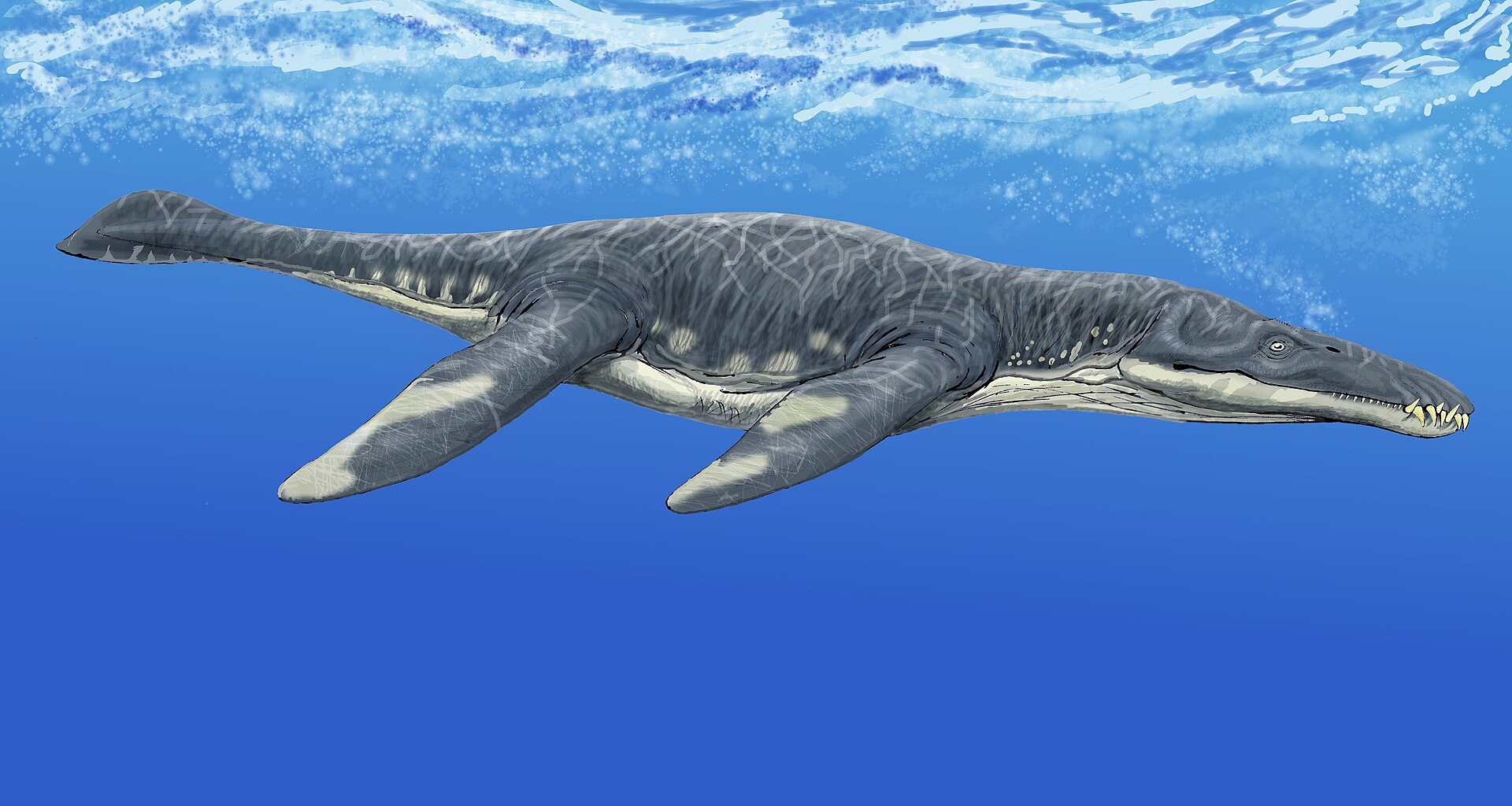
When you step back into the Jurassic seas, you run into Liopleurodon, a pliosaur whose whole design screams “compact power.” Instead of a long, slim body, it packed a massive skull and jaws into a relatively shorter frame, which probably reached around ten meters for the largest individuals. You can think of it as the muscle car of marine reptiles: not necessarily the longest thing in the ocean, but brutally over‑engineered around the engine at the front.
If you imagine yourself as prey in that world, your worst moment would be the instant you realized how much of your field of view was suddenly filled with its head. Its neck was short and strong, which likely gave it a devastatingly fast bite, and its conical teeth were ideal for gripping slippery animals such as fish, other marine reptiles, and maybe even smaller pliosaurs. You would not see a sleek, darting dolphin‑shape; instead you’d be facing a living guillotine that could lunge and clamp down with terrifying force, then use its four powerful flippers to wrench you apart in the water.
Shonisaurus / Shastasaurus – The Whale‑Sized Ichthyosaur Giants
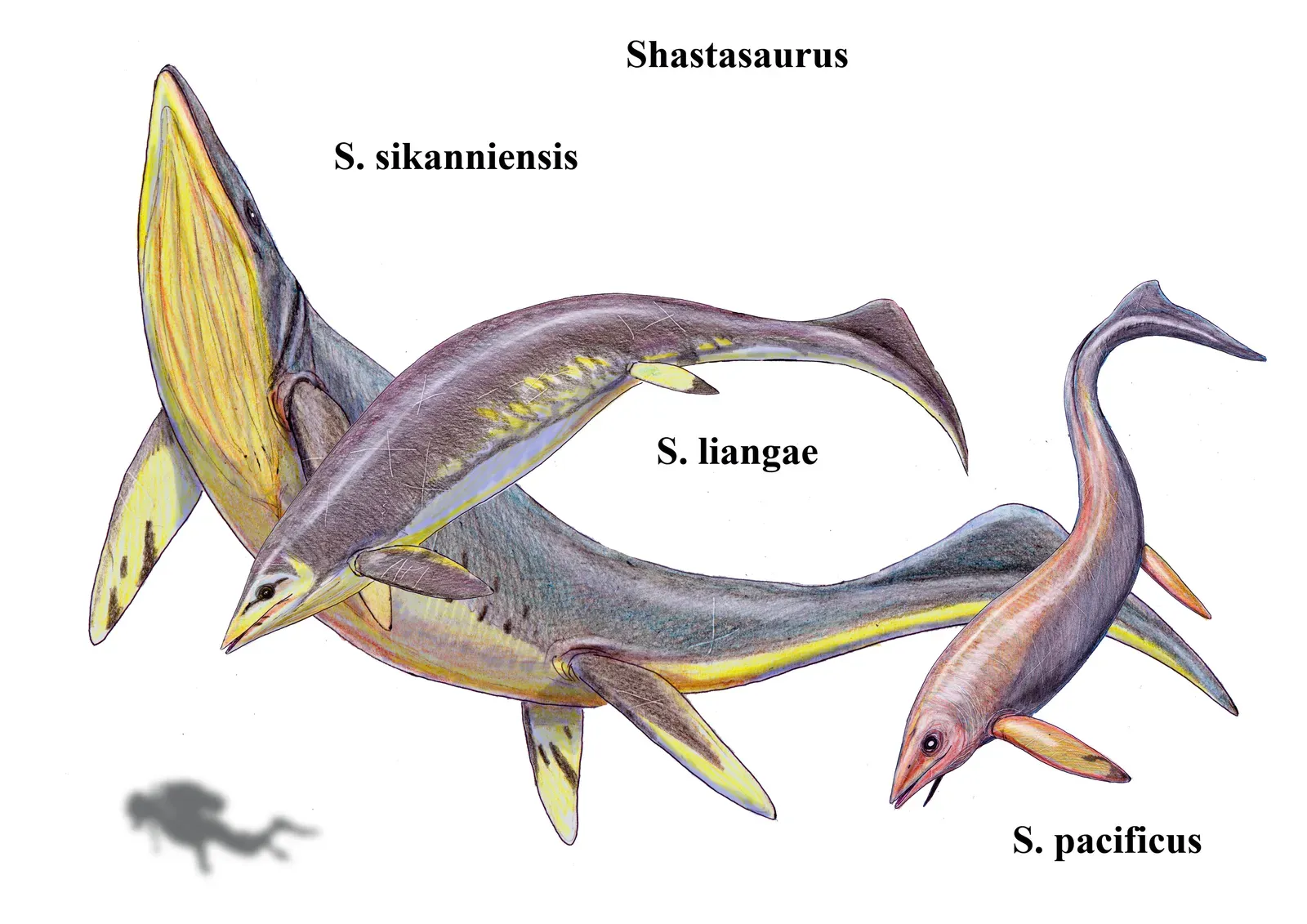
When you think about enormous marine reptiles, you might jump straight to mosasaurs, but ichthyosaurs quietly pushed size into blue‑whale territory long before them. Species in the Shonisaurus–Shastasaurus group are especially mind‑bending, with length estimates reaching over twenty meters for some, making them serious contenders for the largest marine reptiles ever. Instead of jagged, meat‑shredding teeth, many of these giants had either small teeth or were nearly toothless, hinting that they fed more like modern baleen whales than like classic sea monsters.
If you were there, you wouldn’t see a mindless killer racing after you; you’d see a huge, dolphin‑shaped reptile cruising slowly through ancient seas, hoovering up vast quantities of squid and fish. For you, the comparison is almost comforting: these were more like cruising freight ships than attack subs. Yet in terms of sheer scale, they rivaled or exceeded many dinosaurs, reminding you that the ocean often allows bodies to reach sizes that land just cannot support. You could easily have a scene where a giant theropod looks impressive on shore, while out beyond the surf, an ichthyosaur twice its length glides by unnoticed.
Sarcosuchus – The “SuperCroc” That Hunted Dinosaurs
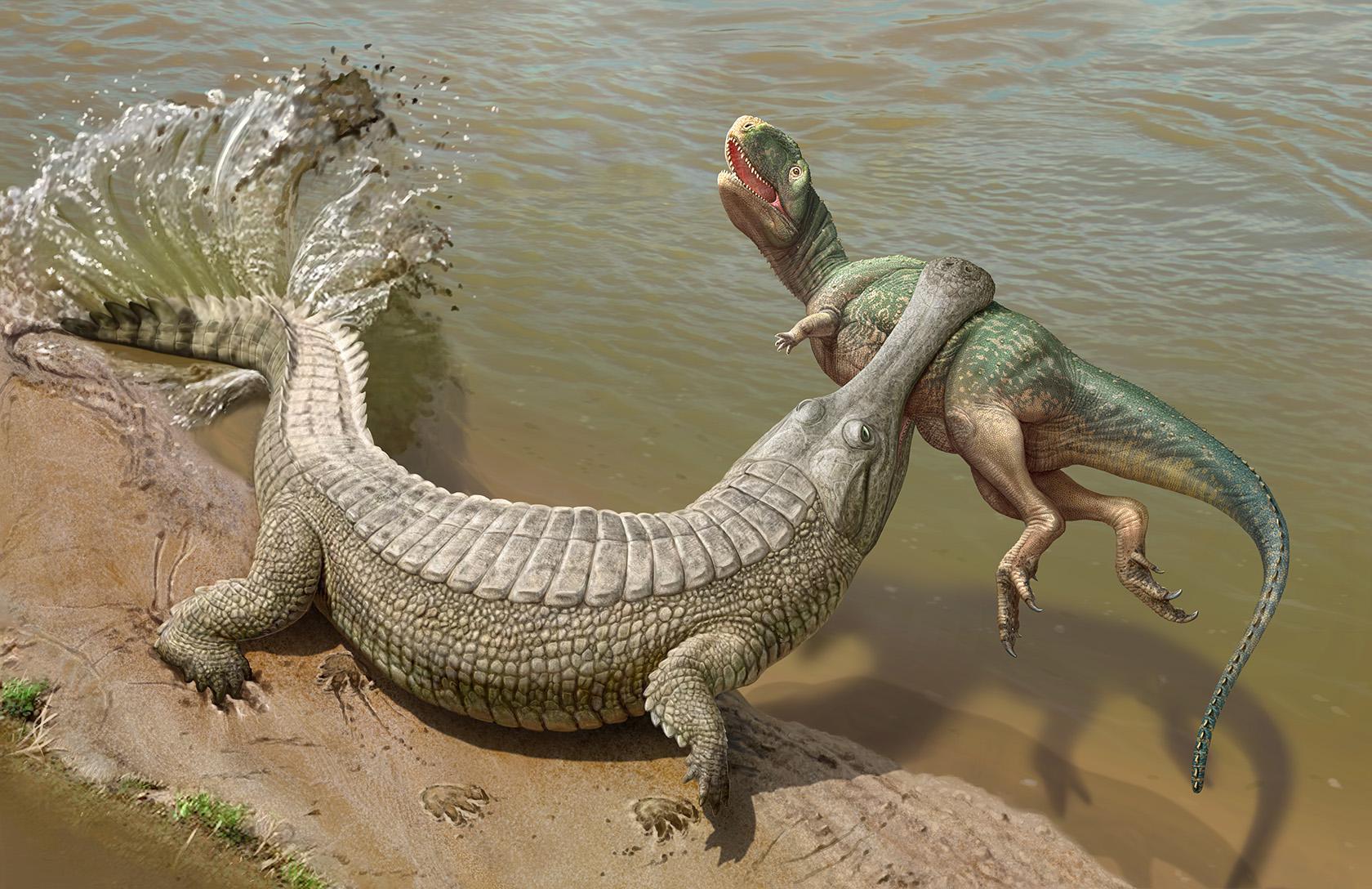
Now shift your attention from the sea to a Cretaceous river in what is now Africa, and drop Sarcosuchus into your imagination. You’re dealing with a crocodile relative that stretched around eleven to twelve meters long, far beyond the biggest modern crocs you know. Its skull alone could rival the length of a human adult, bristling with conical teeth set in jaws that were built for ambush attacks from the water’s edge.
If you were a dinosaur bending down to drink, you’d be in the most dangerous place on the planet: that narrow strip where land meets river. Sarcosuchus lived long before modern Nile crocodiles, yet behaved in a way you’d recognize – except scaled up to nightmare level. Picture the familiar croc “death roll,” but substitute a multi‑ton reptile with decades of steady growth and a skull sized like a small boat. You would not just be grabbed; you’d be overpowered, dragged under, and dismembered in a whirl of water and limbs before you even had time to roar.
Deinosuchus – The Terror of North American Swamps
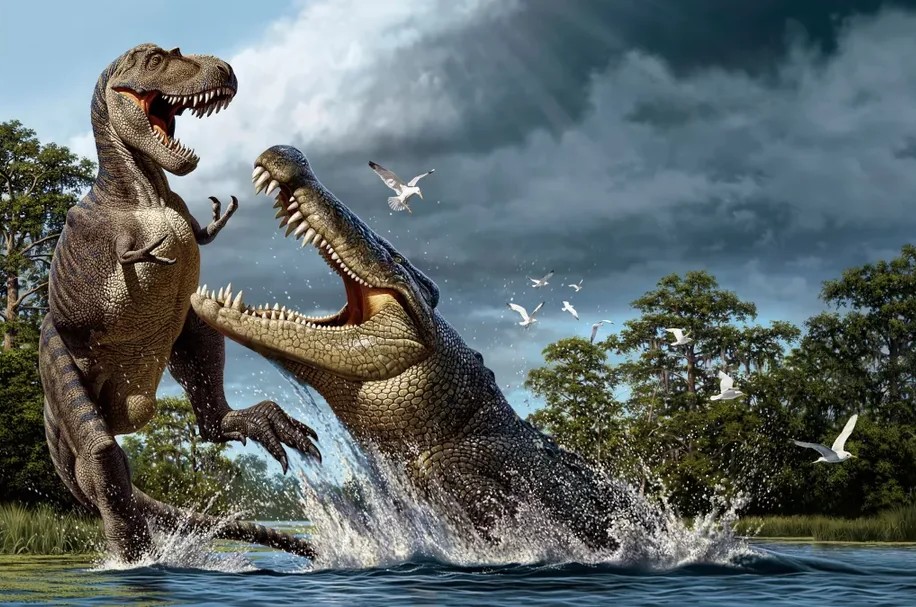
On the other side of the ancient Atlantic, in Late Cretaceous North America, you bump into Deinosuchus, another crocodyliform giant whose very name means something close to “terrible crocodile.” Length estimates put it in roughly the same league as Sarcosuchus, over ten meters long, with a massively reinforced skull and thick armor plating along its back. Where you picture today’s alligators lurking in bayous, you have to mentally scale up every ripple, every log‑shaped silhouette, into something capable of tangling with multi‑ton dinosaurs.
If you stood on a coastal floodplain watching hadrosaurs or ceratopsians browsing, you might feel fairly safe – until you remembered that the water at their feet hid a predator almost as formidable as the big theropods on land. Evidence from its teeth and bite marks strongly suggests it took down large dinosaurs, probably when they ventured too close to the shore. In practical terms, if you were a medium‑sized dinosaur, the boundary between land and water would feel like a war zone: tyrannosaurs on one side, Deinosuchus on the other, both more than capable of ending you in a single, well‑timed attack.
Titanoboa – The Snake That Turned Rivers Into Traps
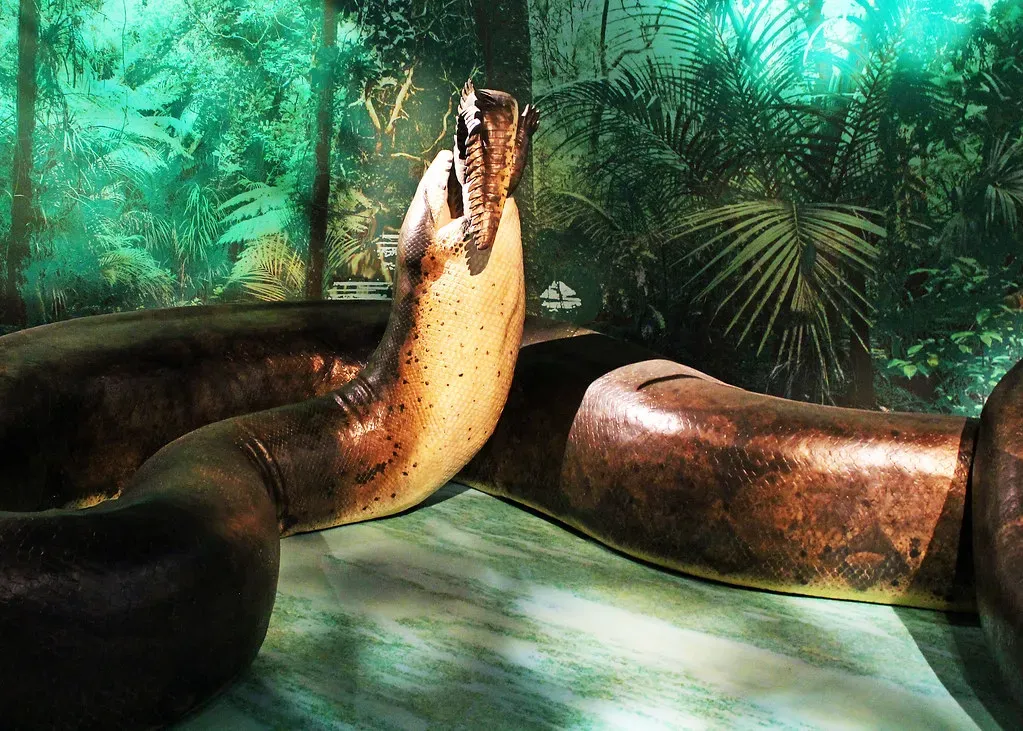
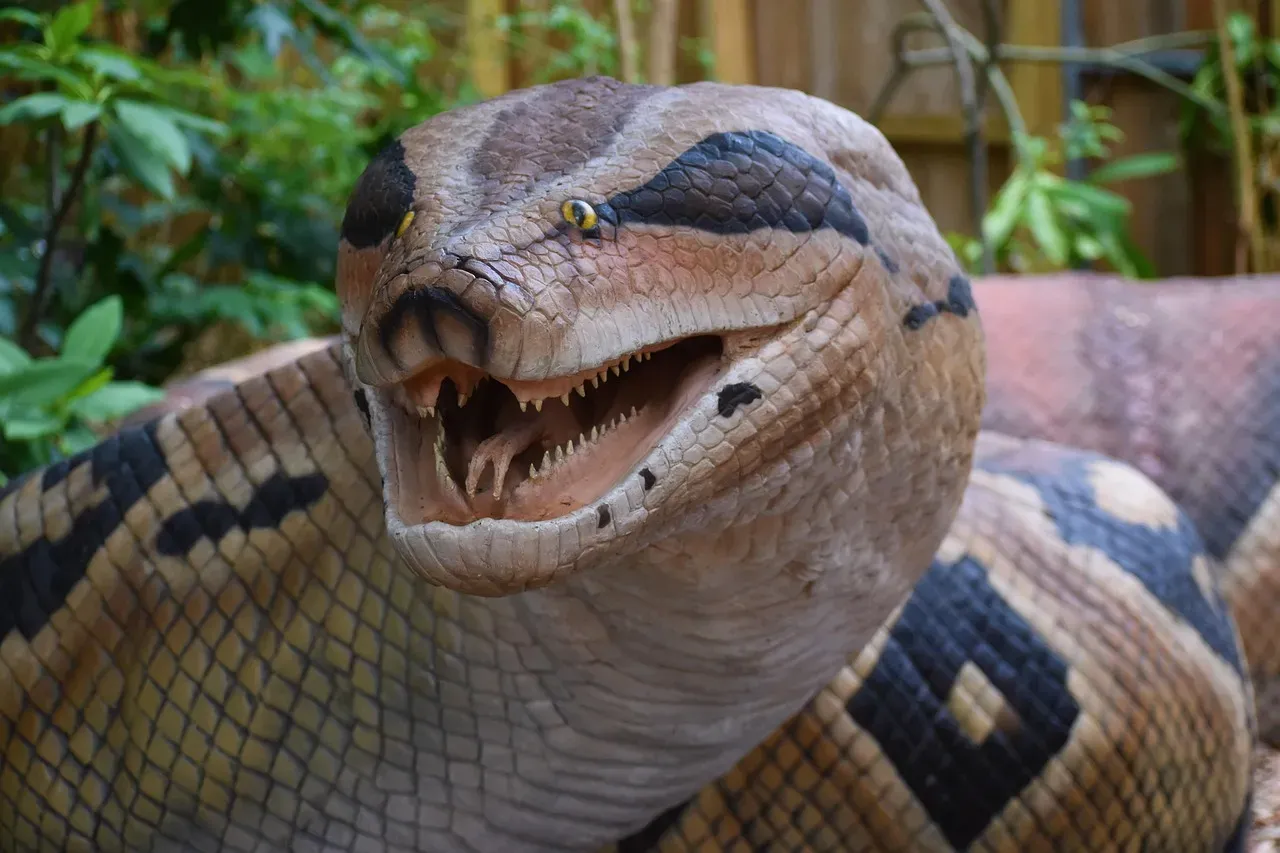
Fast‑forward past the dinosaurs’ extinction, and you find that giant reptiles did not just vanish; they adapted and re‑emerged in new forms. Titanoboa is your most dramatic example: a colossal snake from the Paleocene of what’s now Colombia, stretching over twelve meters long and as thick around as an oil drum. It lived in hot, swampy, river‑laced forests where the climate allowed cold‑blooded animals to grow huge, using the warmth to fuel their bodies.
If you imagine yourself in that rainforest, your biggest mistake would be assuming the water was safer than the trees. Titanoboa seems to have spent much of its time in and around river channels, probably preying on large fish and any other animal unfortunate enough to swim within striking distance. Instead of venom, it relied on raw muscle – coils strong enough to stop hearts and crush bones through sheer pressure. For you, that means no dramatic fangs to worry about; instead, the horror is quieter and more intimate: a slow, suffocating squeeze in the murk, from something you barely saw before it wrapped around you.
Quetzalcoatlus – The Sky Giant That Looked You in the Eye
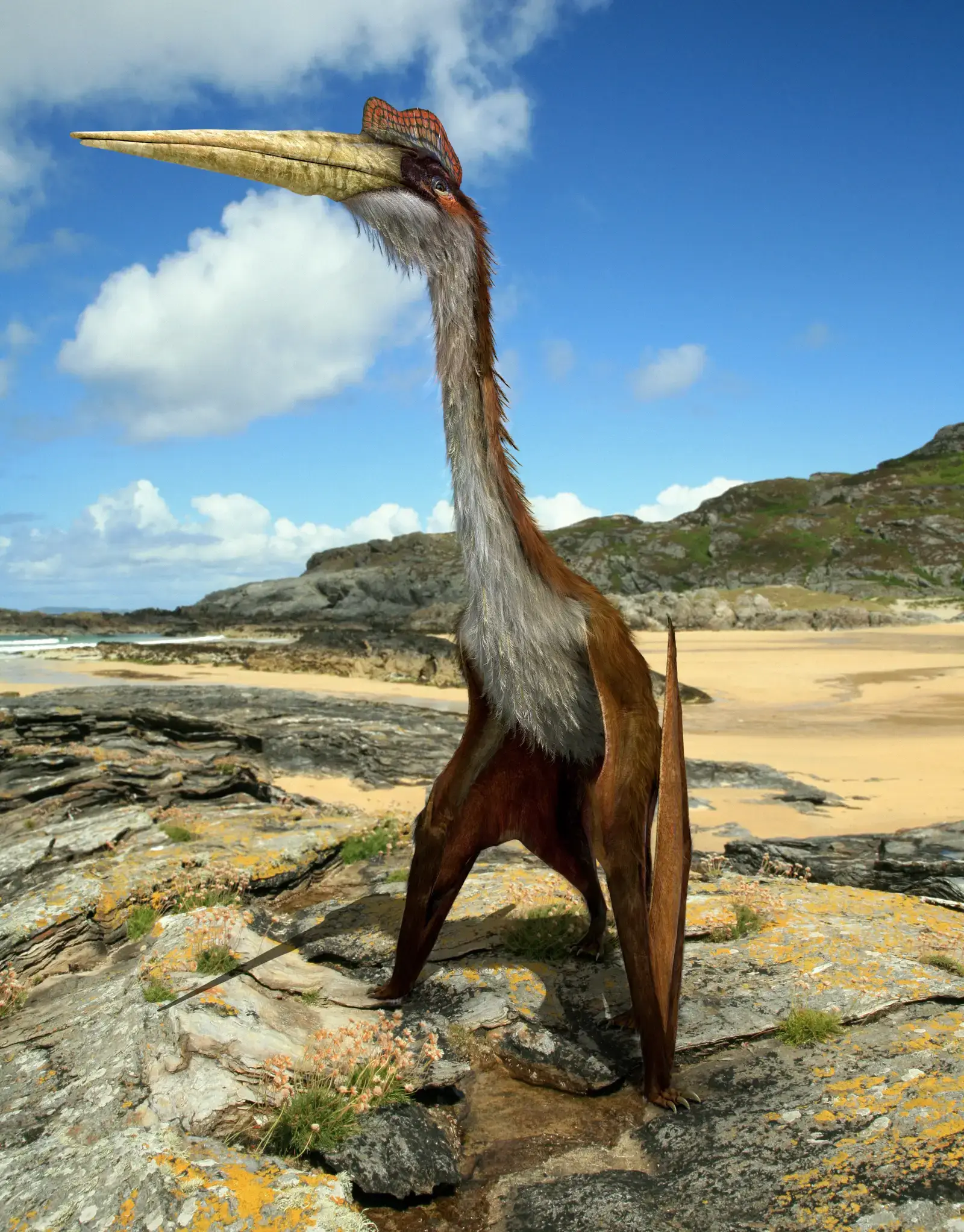
Not all giant reptiles ruled the water or the muddy shorelines. When you look up into the Late Cretaceous sky of what is now North America, the silhouette of Quetzalcoatlus might be the most unsettling thing you could imagine. This pterosaur, a flying reptile and distant cousin of dinosaurs, had a wingspan rivaling a small plane, possibly around ten meters or more in some estimates. On the ground, it probably stood as tall as a giraffe, with a long beak and a lightly built but towering frame.
If you were there to see one land near you, the experience would be more like watching an ultralight aircraft touch down than like seeing a bird. Researchers think it likely spent a lot of time walking on all fours, stalking across open landscapes and snapping up smaller animals or scavenging carcasses. From your perspective, that means the sky was no refuge: danger could arrive silently from above, then stride toward you on elongated limbs, its head able to line up with your own eye level. The idea that something that big could fly at all almost feels like a magic trick, but the fossil bones make it clear: the air was no safer than the sea.
Barinasuchus and Other Giant Land Croc Relatives
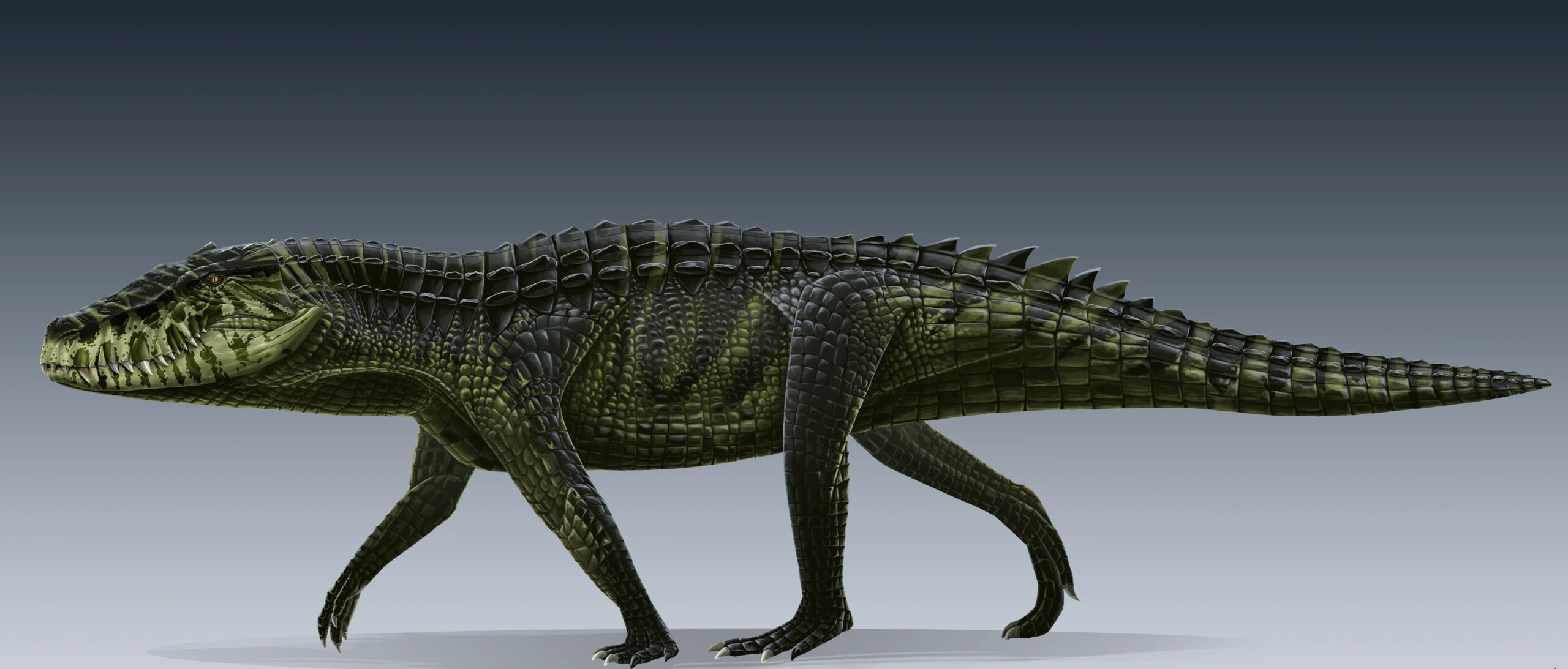
When you picture crocodile relatives, you probably default to water, but some ancient croc‑line reptiles took their ferocity fully onto land. Barinasuchus, known from South America, is one of the standout examples: a large terrestrial predator that lived millions of years after the dinosaurs, with a skull and body suggesting it was a serious carnivore in its ecosystems. Instead of the low, belly‑dragging posture you associate with modern crocs, many of these land‑going forms held their bodies more upright, giving them a surprisingly “dinosaur‑like” stance.
If you dropped yourself into its habitat, you would not see it quietly sunning on a riverbank; you’d see an active, fast‑moving hunter striding over open ground. Its fossils span wide areas and long stretches of time, implying it was successful and well‑adapted, not some oddball evolutionary experiment that fizzled out right away. For you, that’s a reminder that the “giant, scary reptile” niche did not belong only to dinosaurs on land. Even long after the classic Mesozoic scenes ended, croc relatives were still stepping up, filling top‑predator roles, and making sure large plant‑eaters had something serious to fear.
Mosasaur Cousins and the Packed Seas of the Late Cretaceous
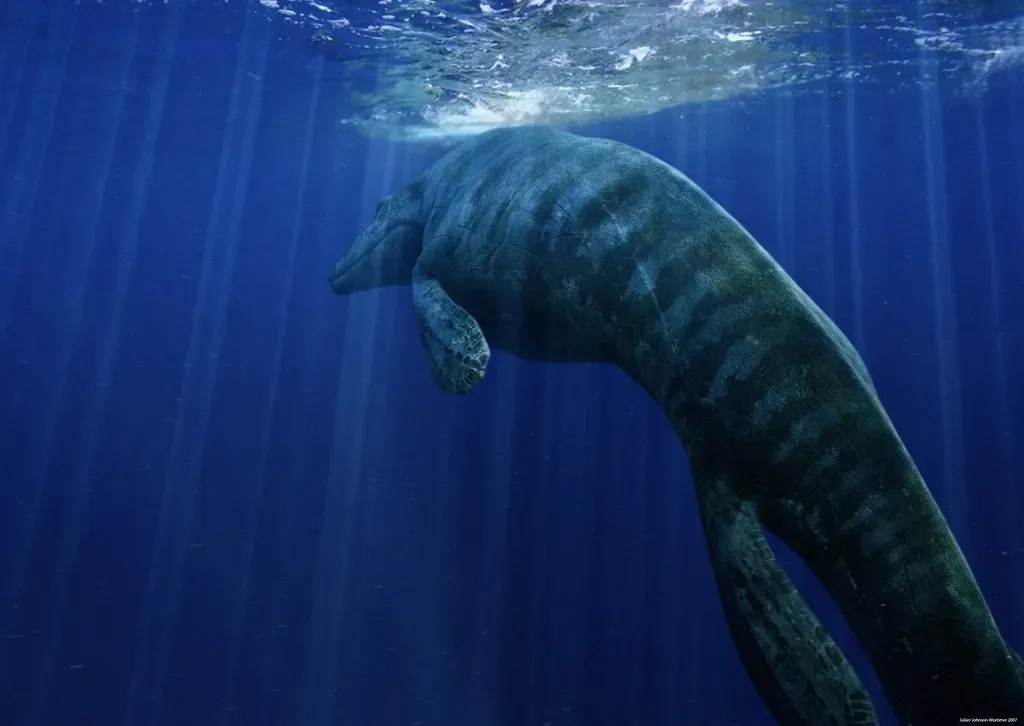
It’s tempting to treat Mosasaurus as the lone superstar of its group, but if you really want to appreciate how completely non‑dinosaur reptiles dominated the seas, you need to think about its many relatives. Genera like Tylosaurus and others turned the Late Cretaceous oceans into a layered arena of different‑sized marine lizards, some specializing in fast pursuit, others in deep‑diving or ambush hunting. You can almost think of them the way you think about modern sharks: a whole community of related predators, each tuned to slightly different prey and tactics.
If you were somehow able to snorkel through those waters, you would be moving through a living minefield of giant squamates, not just a one‑off monster. Some would have elongated snouts built for ramming or stunning prey, others shorter, more massive skulls for crushing turtles and ammonites. The key point for you is scale and variety: dinosaurs may have dominated land, but in the seas, reptiles from different branches – mosasaurs, plesiosaurs, and ichthyosaurs – were doing the same thing, often reaching lengths that equal or exceed many famous dinosaur giants.
Conclusion – A World Where Dinosaurs Weren’t Alone
When you step back and look at these nine reptilian giants together, you start to realize how narrow the usual dinosaur‑centered story really is. Yes, dinosaurs were spectacular, but all around them swam, crawled, flew, and slithered other reptiles that matched them pound for pound, tooth for tooth, and terror for terror. From whale‑sized ichthyosaurs to airplane‑winged pterosaurs, from dinosaur‑snatching crocodile cousins to river‑choking Titanoboa, you were never safe just by stepping off land or looking away from the horizon.
For you as a modern observer, that changes how you picture prehistoric Earth: not as a stage for one cast of monsters, but as a busy, layered world where many reptile lineages took a shot at being big and deadly. It also hints at a deeper truth in evolution – when conditions allow it, life keeps reinventing “giant apex predator,” whether on land, in water, or in the sky. Next time you hear someone say “age of dinosaurs,” you might quietly correct the image in your mind to something richer: an age of giants, where dinosaurs were just one set of players among many. If you had to choose, which of these colossal reptiles would you least want to meet in the wild?