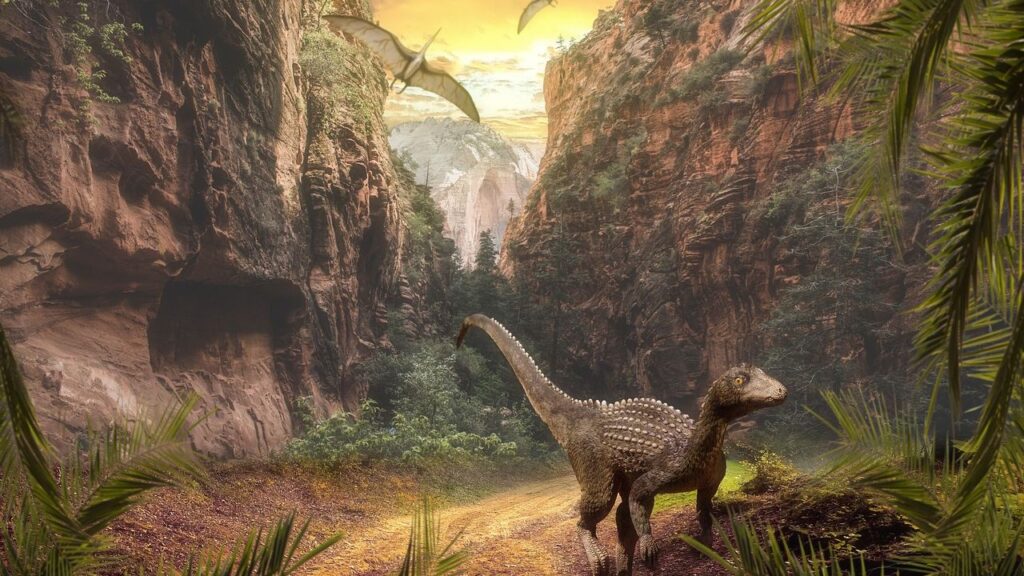
If you could step out of a time machine into the age of dinosaurs, the first shock would not be the animals. It would be the air on your skin, the thickness of the atmosphere, the strange light, and the alien feel of a world where climates obeyed different rules than they do today. You would not be walking into a familiar Earth with different creatures; you would be walking into a planet that feels almost like a different version of reality altogether.
When you hear names like Jurassic or Cretaceous, you probably picture giant predators or long-necked giants, but each of those ages is really a story about climate first, animals second. Changes in heat, rainfall, sea level, and even the chemistry of the air pushed dinosaurs to adapt, migrate, grow larger, shrink down, or die out. As you explore these seven ancient climates, imagine yourself standing there, feeling the wind, smelling the air, and trying to survive alongside the animals that did not know they were living in a world that was about to change.
1. The Late Triassic Greenhouse: A Hot, Unstable World of Dinosaur Beginnings
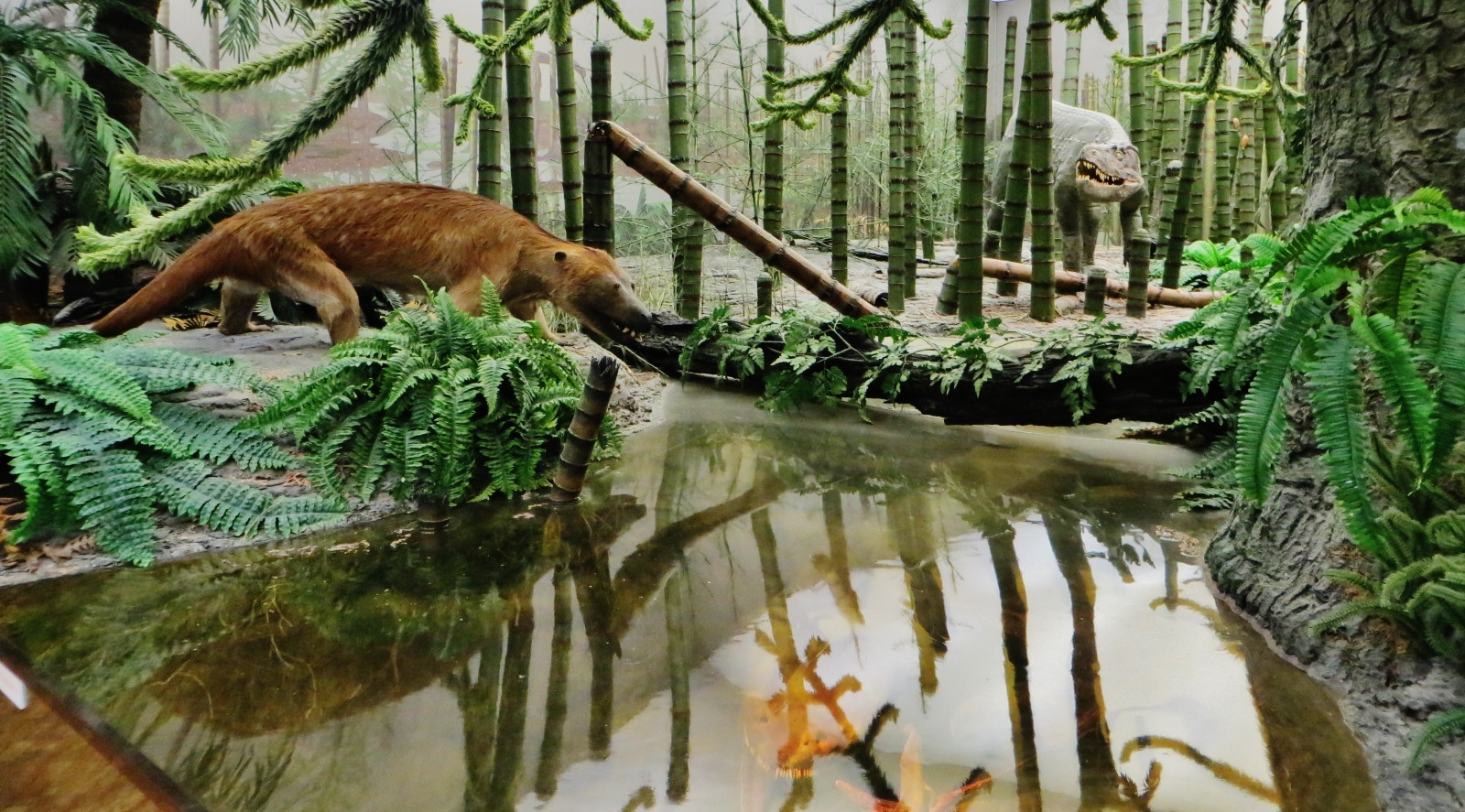
When you rewind to the Late Triassic, you find yourself on a supercontinent called Pangaea, where most of the land is clumped together and the oceans form one giant ring around it. In that world, you would feel a strong, almost desert-like heat in many regions because large land masses tend to produce extreme interiors: scorching hot days, chilly nights, and little moderating effect from the sea. The climate overall was greenhouse-style, with high carbon dioxide levels and almost no polar ice, so you would not see the kind of sharp cold you associate with modern winters.
What makes the Late Triassic especially wild for you is not just the heat but the instability. You would experience intense monsoon-like seasonal rains in some areas and long dry periods in others, a pattern that created patchy habitats where only certain plants and animals could thrive. Early dinosaurs, still small and relatively modest compared to their later relatives, used this chaos to their advantage. You can think of them as climate opportunists, sneaking into empty ecological spaces left open by more rigid, struggling reptile groups and beginning their long rise to dominance.
2. Early Jurassic Recovery: Warm, Humid, and Perfect for Giant Herbivores
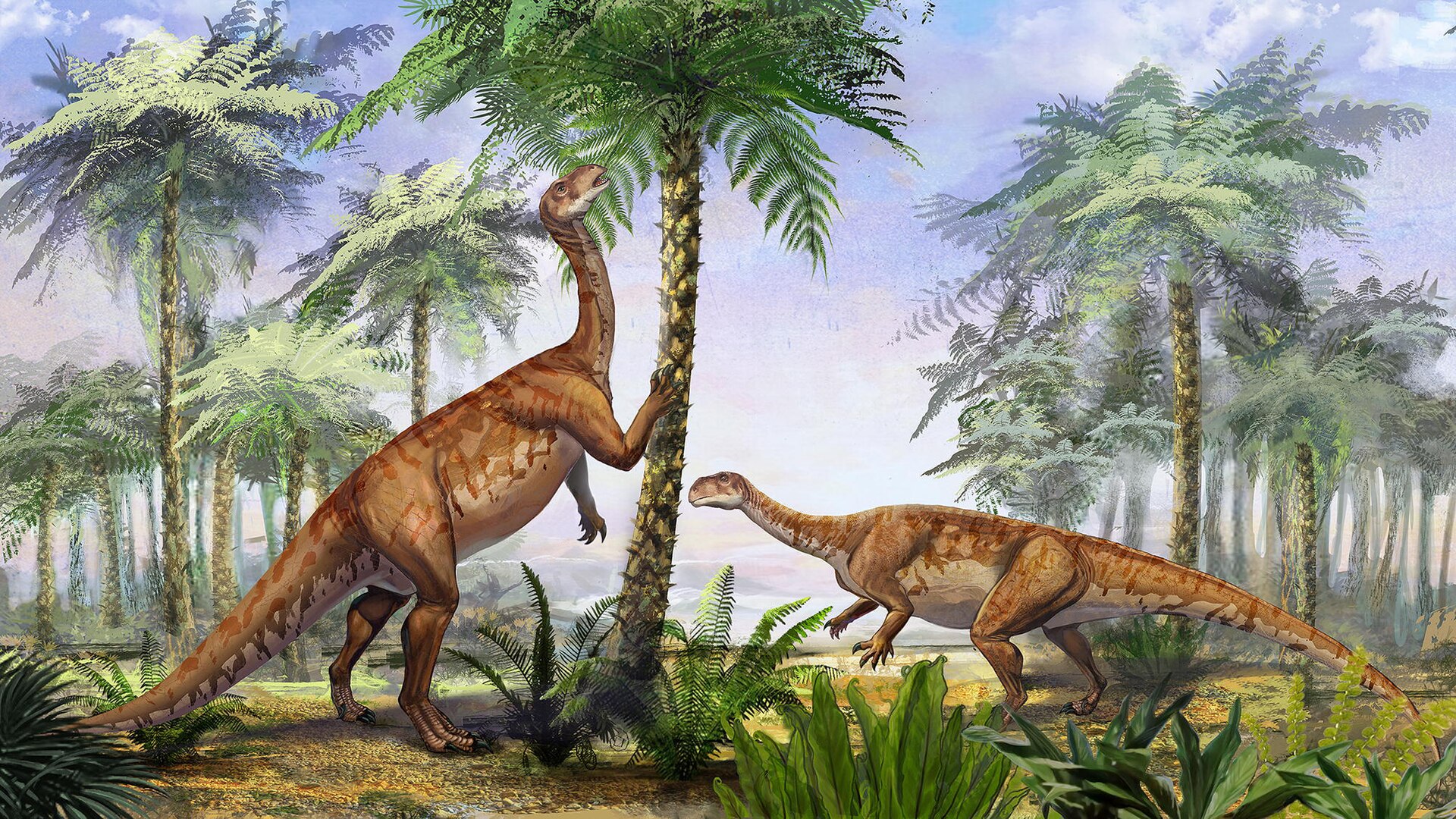
If you jump forward into the Early Jurassic, you walk into a world that is still warm but more predictable than the Late Triassic roller coaster. Massive volcanic eruptions at the end of the Triassic had shaken global climate, caused extinctions, and dumped greenhouse gases into the air. By the time you arrive in the Early Jurassic, the ecosystems are recovering, and you find climates that are generally humid and friendly to lush vegetation in many regions. You would see more stable wet seasons and fewer extreme droughts across much of the planet.
In that kind of climate, you watch plant life explode in diversity and abundance, which is exactly what huge herbivorous dinosaurs needed. Long-necked sauropods begin to dominate, and you can picture yourself craning your neck up just to see the top of one. These giants could thrive because warm, well-watered lands let forests and fern-rich plains spread widely. You might notice that in this world, being big is an advantage: you can roam long distances to follow seasonal plant growth, hold water and heat more efficiently, and stay safe from many predators that are still catching up in size and strategy.
3. The Middle Jurassic Mild Belt: Monsoon Forests and Expanding Seas
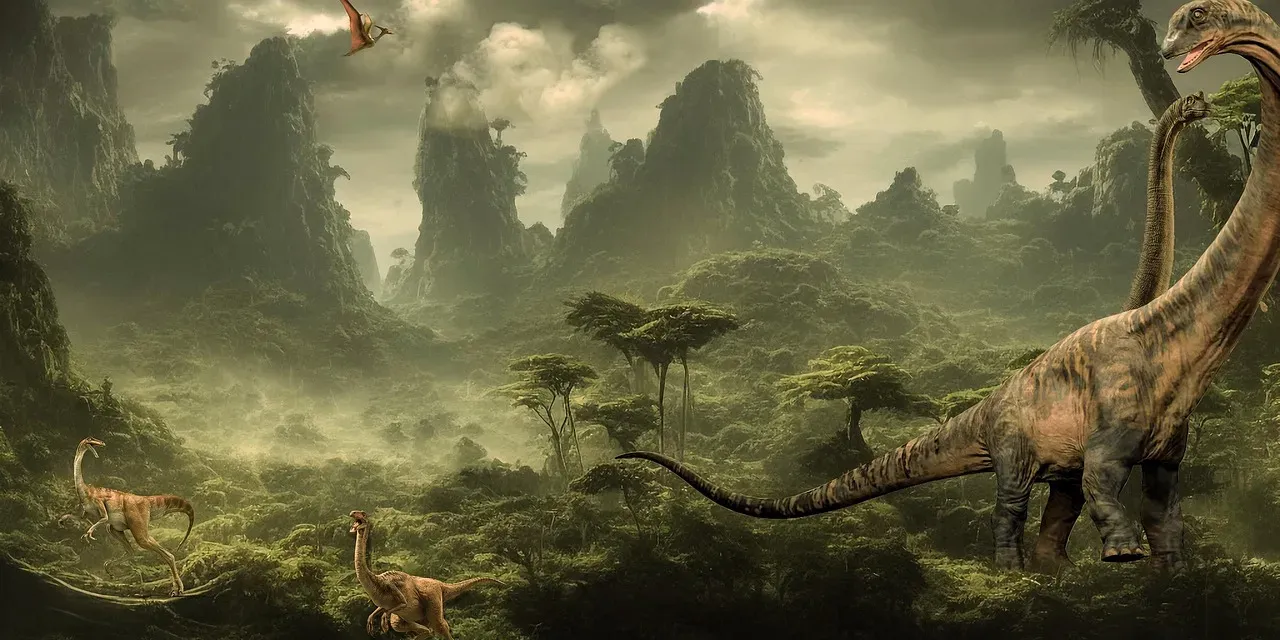
By the Middle Jurassic, if you stand in what is now parts of Europe, Africa, or Asia, you feel a climate that is still warm but not as brutally hot as earlier greenhouse peaks. Sea levels begin to rise as oceans seep into low-lying regions, carving out shallow seas and humid coastal belts. For you, that means more maritime air, more clouds, and more rainfall in many midlatitude areas, with something like a super-charged tropical to subtropical feel in large parts of the world.
Monsoon-like patterns would shape your year if you lived there: a wetter part of the year with heavy storms and a relatively drier part when plants still hang on, but not under the same life-or-death stress as in the Triassic. Dinosaurs follow these patterns closely. You would see herds of herbivores moving along forest edges, taking advantage of bursts of plant growth when rains arrive, while predators track these movements like shadows. Forests of conifers, tree ferns, and cycads create layered habitats, so you would notice that dinosaur evolution begins to diversify vertically too, with some species browsing low, others mid-height, and sauropods harvesting the canopy like giant living cranes.
4. The Late Jurassic Semi-Arid Interiors: Big Bodies in a Land of Seasonal Stress
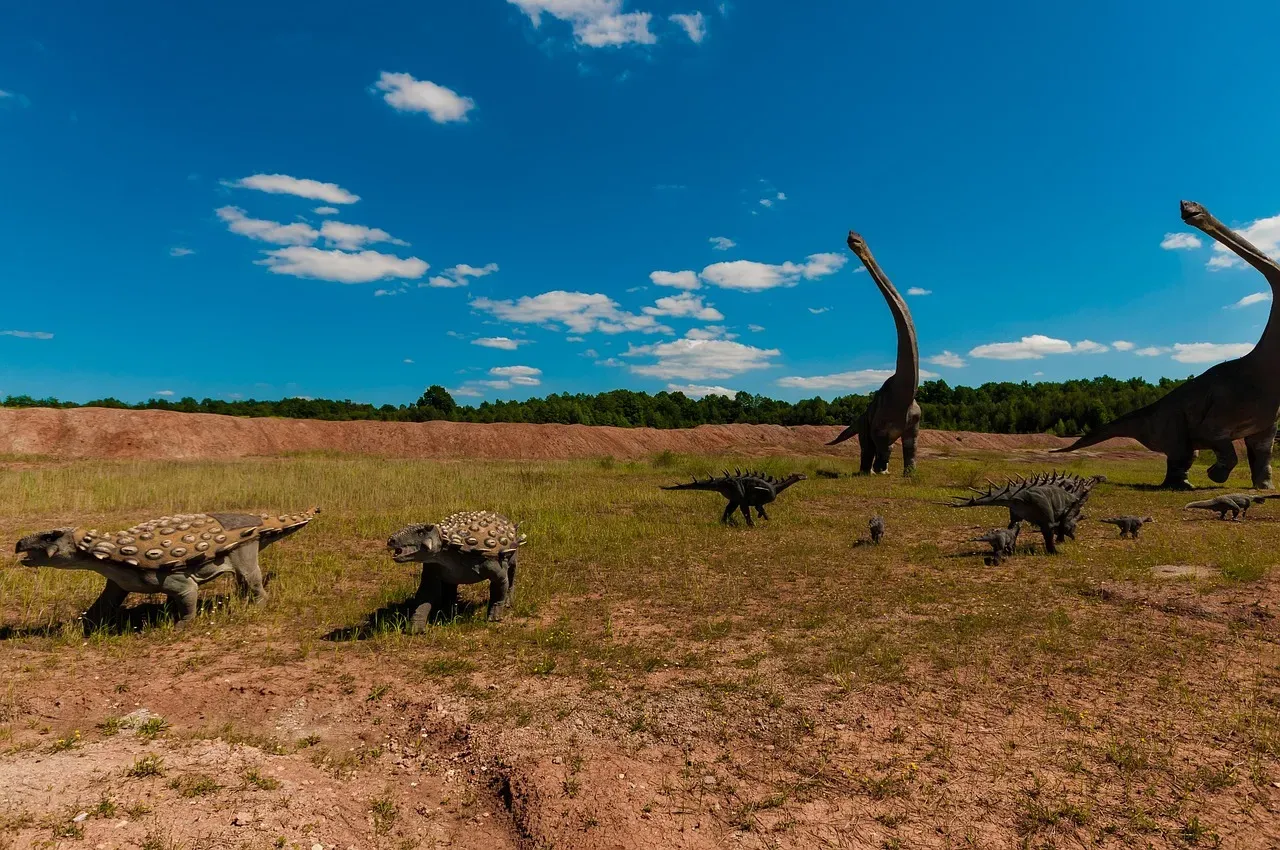
As you walk inland across Late Jurassic landscapes, away from the coasts and seas, the climate starts to dry out and the sky stretches wide above you. Many interior regions become semi-arid, with long dry seasons and short but intense rainy periods. You feel dust under your feet, strong sun overhead, and a sense that water is precious and patchy, gathered in lakes, rivers, and seasonal floodplains. Even in these drier belts, the air is still generally warm, and winters, if present at all, are mild compared to what you know.
This kind of climate pressures dinosaurs to get creative. Large sauropods, again, seem to turn harsh conditions into an advantage: their size lets them travel long distances between water sources and graze wide areas to find enough food. You might notice that many famous Late Jurassic dinosaurs, including big predators, cluster around river systems and floodplains where seasonal floods recharge the soil and nourish vegetation. In a way, the climate forces a gathering effect: herds, schools of fish, and swarms of smaller animals all converge on the same life-giving places, making those regions hotspots for both survival and dramatic predator-prey showdowns.
5. Early Cretaceous Warmth and Patchwork Habitats: New Plants, New Niches
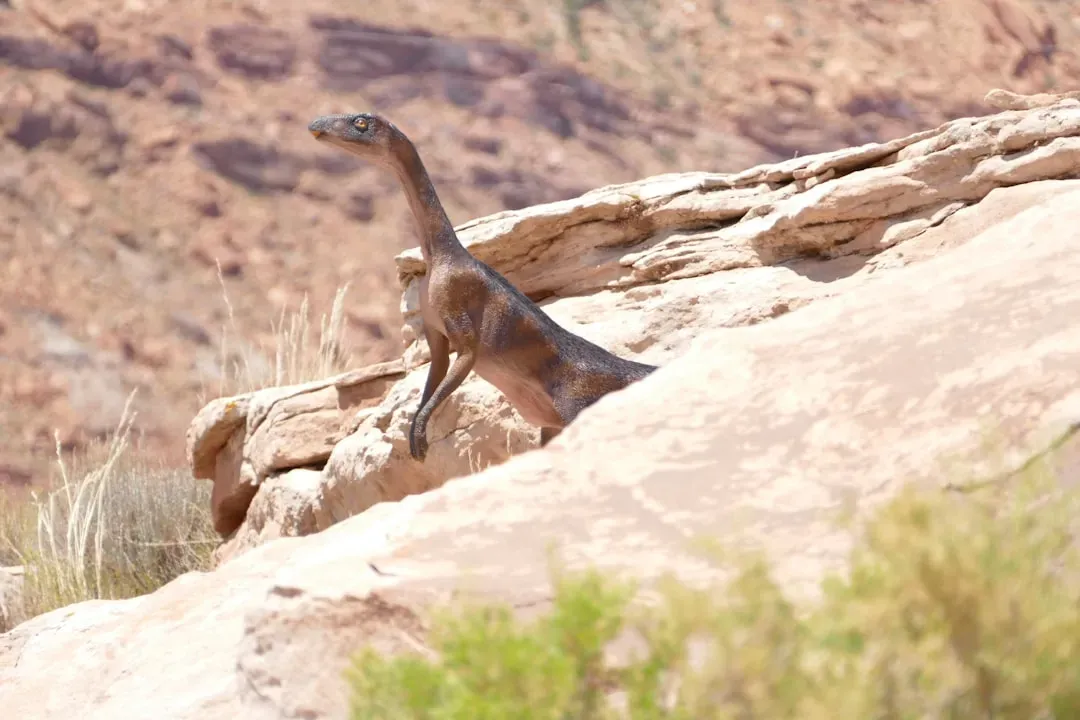
Stepping into the Early Cretaceous, you still feel a generally warm world, but the details around you start to shift in subtle but important ways. Continental drift has pulled landmasses farther apart, carving new coastlines, enclosed seas, and inland basins. That means when you travel across this world, you feel more regional variety: some areas are humid and coastal, others are drier and interior, and highlands or plateaus may have their own microclimates. You no longer sense one unified global climate mood; instead, you feel a mosaic.
This patchwork is a turning point for you if you are watching evolution closely. In some Early Cretaceous environments, flowering plants begin to appear and slowly spread, altering the look and feel of forests and open lands. Even if they are not fully dominant yet, they start to change how food is packaged and when it is available. Dinosaurs respond by specializing: some herbivores adapt to new types of foliage and seeds, while smaller, nimble species exploit mixed habitats along coasts, river deltas, or lagoons. You would see more variety in dinosaur shapes, body plans, and behaviors, because different climates are carving the world into many distinct ecological playgrounds.
6. Mid-Cretaceous Super Greenhouse: Polar Forests and High Sea Levels
If you jump ahead into the mid-Cretaceous, you land in one of the most dramatic greenhouse phases Earth has experienced in the age of dinosaurs. Global temperatures trend high, sea levels rise significantly, and shallow seas flood vast regions of the continents. When you travel from what will one day be North America to Europe or Asia, you may have to cross broad, warm epicontinental seas dotted with islands rather than continuous stretches of land. For you, that means more humid air, more clouds in many places, and fewer truly cold areas.
One of the most surprising experiences you would have is at high latitudes. Instead of icy polar wastes, you find temperate to cool-temperate forests, sometimes even with dinosaurs living near or within the polar circle. You might stand among conifer woods with months-long twilight winters, feeling cooler air but no permanent ice sheets underfoot. Dinosaurs here evolve strategies to cope with seasonal darkness and cooler temperatures: some may migrate, others may tough out long, dim winters, and their bodies and metabolisms must cope with conditions that are milder than today’s poles but still challenging. This shows you that dinosaurs were not just tropical heat-lovers; they handled a wide range of climates when the planet pushed them to.
7. Late Cretaceous Regional Extremes: From Coastal Swamps to Seasonal Interiors
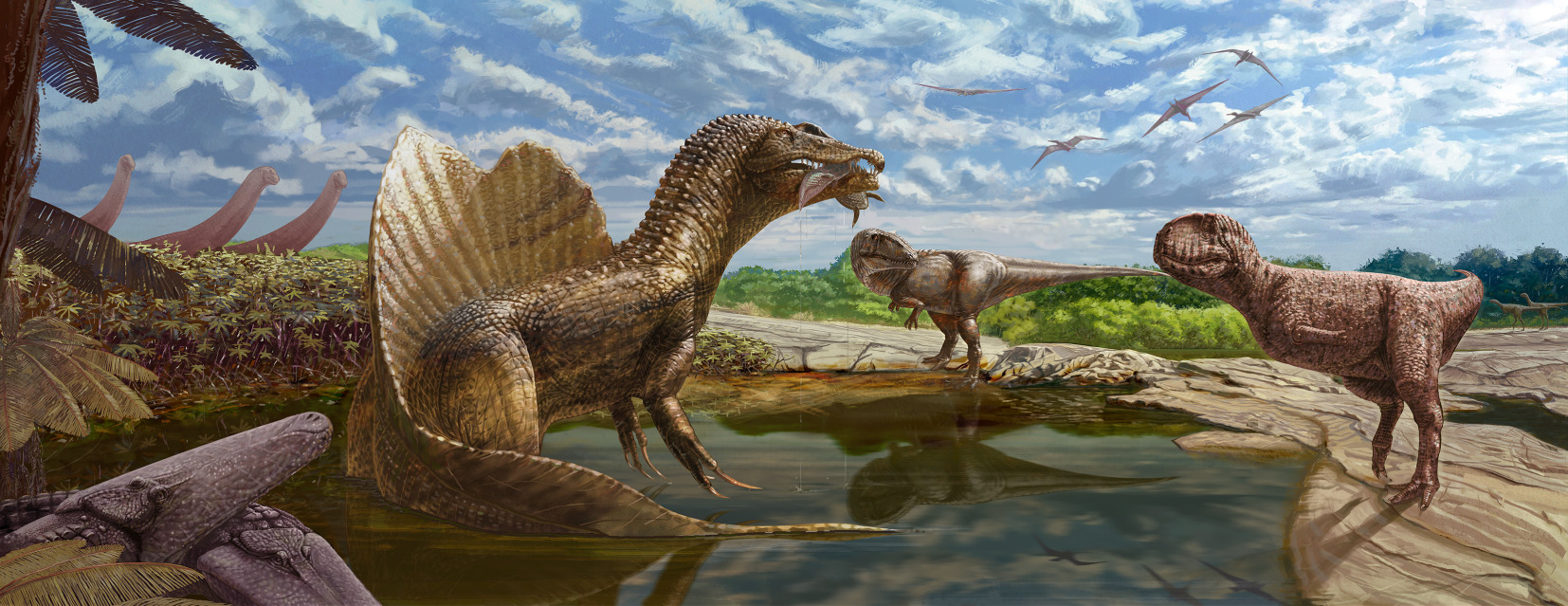
By the Late Cretaceous, as the end of the dinosaur age approaches, the climate is still warm overall, but the world is fragmented enough that your experience changes drastically depending on where you stand. In some regions, such as the interior seaways of North America, you would see vast coastal plains, swampy lowlands, and river deltas under humid, subtropical skies. In these places, you watch duck-billed hadrosaurs and horned ceratopsians graze across floodplains, while dense vegetation and wetlands create complex food webs for everything from small mammals to huge predators like tyrannosaurids.
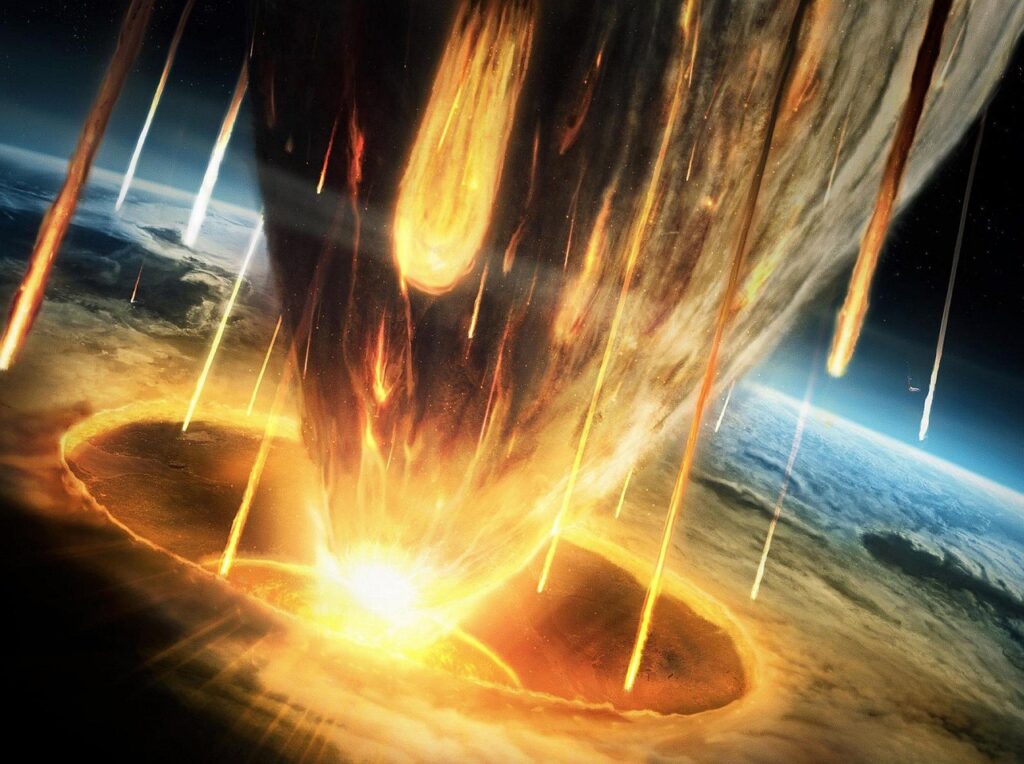
Move inland or to higher elevations, and the story shifts. Some Late Cretaceous regions develop clearer seasons, including cooler winters and more pronounced dry and wet cycles. If you stayed there year-round, you would notice that plant communities respond with seasonal leaf loss or growth pulses, and dinosaurs track those changes through migrations, growth strategies, or flexible diets. When the asteroid impact finally strikes near the end of the Cretaceous, it targets a world already rich in climatic contrasts. The sudden cooling and darkness it produces push even well-adapted dinosaurs past their limits, while some smaller, more climate-flexible lineages, including birds, manage to slip through the bottleneck into the world you know today.
Conclusion: A Planet That Molded Dinosaurs Long Before It Erased Them
When you look back across these seven ancient climates, you see that dinosaurs were not just victims of one final catastrophe; they were products of constant environmental pressure. You could almost say climate was the quiet director in the background, changing the scenery, adjusting the lighting, and forcing the cast to evolve or leave the stage. Hot greenhouse worlds, semi-arid interiors, rising and falling seas, and even forested polar regions all pushed dinosaurs in different directions, shaping their size, behavior, and diversity over tens of millions of years. Every time the climate swung, some lineages failed and others flourished, leaving behind the misleading impression that dinosaur success was effortless.
If you imagine yourself living through those ages, you realize that adaptation is always about staying slightly ahead of the next big change, not just thriving in the present moment. Dinosaurs managed that balancing act remarkably well until a combination of long-term shifts and sudden disaster tipped the scales against them. The next time you picture a towering sauropod or a charging ceratopsian, you can see them not just as creatures of their time, but as survivors of many climates you will never personally feel. It leaves you with a quiet question: in your own changing climate today, which traits, choices, and ways of living are you unknowingly letting the planet select for?