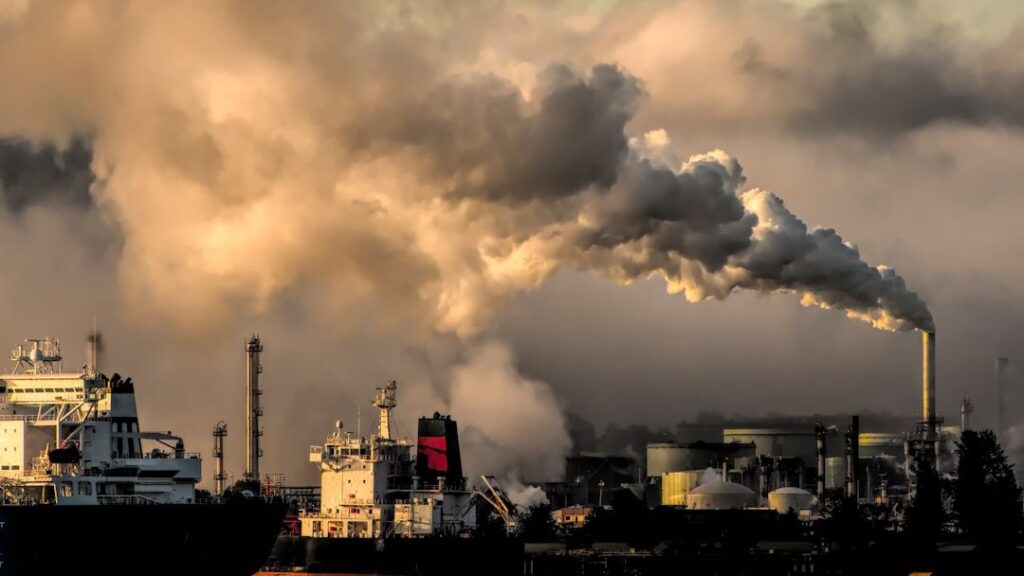
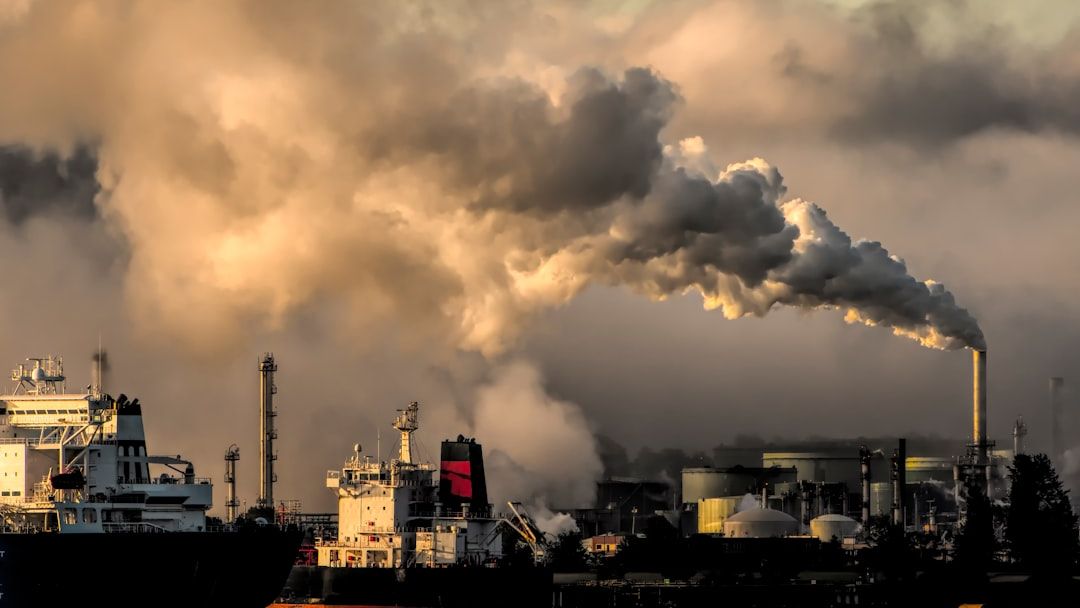
Rolling Back Clean Air Protections: What’s at Stake for Public Health, Wildlife, and the Economy – Image for illustrative purposes only (Image credits: Unsplash)
Communities living near coal-fired power plants now face higher levels of toxic air as federal standards loosen. The changes follow a series of EPA decisions that began shortly after the current administration took office and have accelerated through early 2026. Power sector emissions already climbed nearly 4 percent in 2025, reversing years of steady improvement under the Clean Air Act.
Key Rollbacks Underway
The EPA has repealed the Endangerment Finding that underpinned limits on greenhouse gases and has narrowed rules on methane from oil and gas operations. It also ended a Biden-era standard that capped mercury from certain coal plants and stopped fully counting lives saved in cost-benefit reviews of new pollution controls.
Congress has added momentum through House-passed measures that ease permitting and let states discount some emission sources. Roughly 70 coal plants have received exemptions from core Clean Air Act requirements, part of an effort to keep older facilities running longer.
Real-World Effects on Nearby Residents
At the Colstrip Steam Electric Station in Montana, the nation’s highest soot emitter continues to release elevated mercury without modern controls. Fish in nearby waters on the Northern Cheyenne Reservation now carry higher contamination levels, raising risks for families who rely on subsistence fishing.
Fine particles from these plants travel deep into lungs and bloodstreams, contributing to heart disease, strokes, and shorter lifespans. Mercury, once airborne, converts into a form that builds up in food chains and harms both people and animals such as loons, otters, and the endangered Florida panther.
Health Costs Versus Industry Savings
Analyses show that every dollar spent cutting particulate pollution can return up to $77 in avoided medical expenses and lost productivity. Coal plants alone generate an estimated $13 billion to $26 billion in annual health damages to surrounding communities.
At the same time, coal generation costs rose 28 percent between 2021 and 2024 while wind and solar became cheaper. The long-term economic case for maintaining strong standards rests on these avoided expenses rather than short-term compliance relief for operators.
Stakeholders Watching Next Steps
- Residents near exempted plants who track local air monitors for spikes in sulfur dioxide and nitrogen oxides.
- State regulators deciding whether to adopt stricter limits or accept federal rollbacks.
- Wildlife agencies monitoring mercury levels in fish and mammals as emissions data arrive.
- Energy companies weighing investments in cleaner generation against the possibility of future court reversals.
These overlapping interests will shape whether the recent rise in emissions becomes a temporary pause or a lasting reversal of decades of cleaner air.