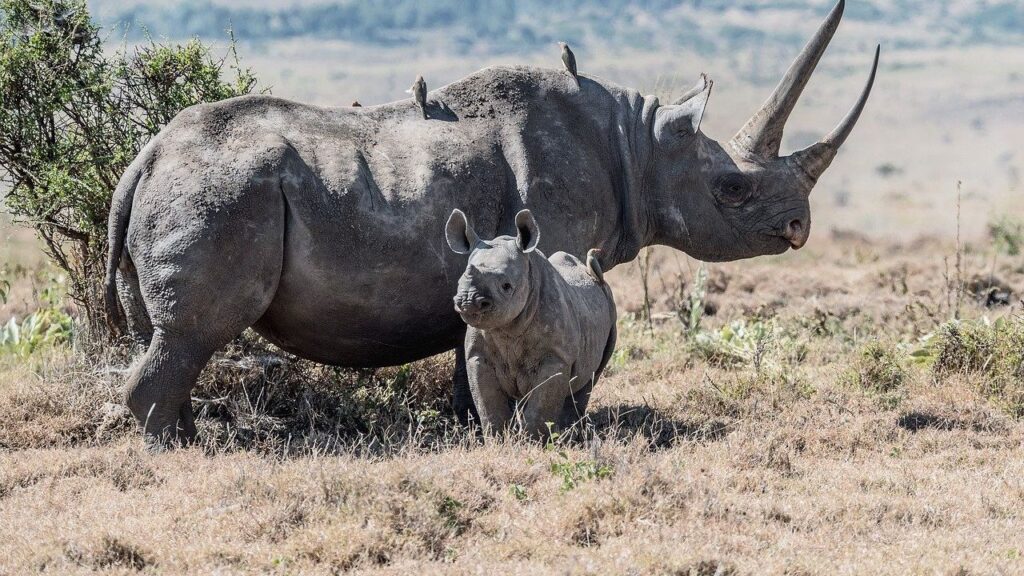
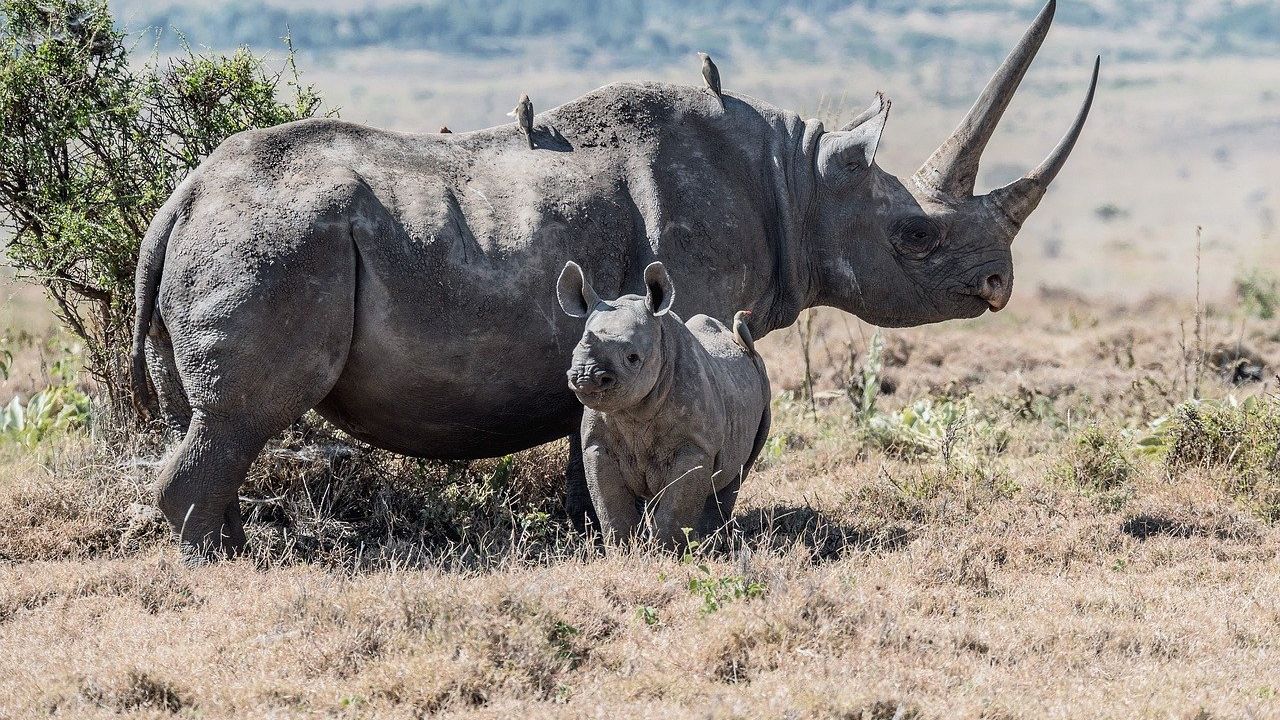
Sidestepping the ban: A reckless gambit for global rhino horn trade – Image for illustrative purposes only (Image credits: Pixabay)
South Africa – A game reserve owner has filed suit against the national government in an attempt to secure export permits for at least 502 rhino horns destined for buyers across eight countries. The legal action, brought by Hendrick “Wicus” Diedericks, directly challenges decades of domestic policy that has upheld the international ban on commercial rhino horn trade. As the case proceeds through the courts, documents submitted by the plaintiff have drawn scrutiny from conservation investigators over the completeness and reliability of the proposed recipients’ details.
The Scope of the Proposed Shipments
Diedericks owns a private game reserve and has accumulated the horns through legal breeding operations. His court filings list prospective importers in Canada, China, Hong Kong SAR, Japan, Laos, Mongolia, the United States, and Vietnam. The Environmental Investigation Agency examined the contact information provided for these parties and found several entries incomplete or inaccurate, while others point to jurisdictions with documented histories of illegal horn trafficking. The request represents one of the largest single attempts to move rhino horn out of South Africa since the global commercial ban took effect. Government records show that no such large-scale exports for medicinal or commercial use have been approved in recent years. The case therefore tests whether existing regulations can withstand a direct judicial challenge from within the private wildlife sector.
Questions Raised About Importer Verification
Review of the submitted paperwork revealed gaps in basic identifying information for multiple intended recipients. In some instances, addresses or business registrations could not be independently confirmed. For others, the listed destinations align with regions where enforcement agencies have previously intercepted rhino horn shipments tied to black-market networks. These discrepancies have prompted conservation organizations to question whether the horns could ultimately reach unregulated markets. South African authorities have historically required rigorous documentation before issuing any export permits, yet the plaintiff argues that the current process imposes unnecessary barriers on legal breeders. The court will now weigh these competing claims against the country’s obligations under international wildlife agreements.
Potential Effects on Wild Rhino Populations
Conservation analysts warn that any resumption of commercial horn exports could reverse recent gains in anti-poaching efforts. Increased legal supply, they argue, tends to stimulate overall demand and complicates efforts to distinguish legitimate stock from poached material. South Africa remains home to the majority of the world’s remaining rhinos, making the outcome of this case particularly consequential for the species’ long-term survival. Stakeholders on both sides acknowledge that private breeding operations have contributed to population growth inside fenced reserves. At the same time, wild rhinos continue to face intense pressure from organized poaching syndicates. A ruling in favor of the exports could alter enforcement priorities and funding allocations for field protection programs across the region.
Next Steps in the Legal Process
The matter is currently advancing through South African administrative and judicial channels, with no final hearing date yet announced. Government lawyers are expected to defend the existing trade restrictions on both domestic and international grounds. Environmental groups, including the Environmental Investigation Agency, have submitted detailed analyses of the importer data to assist the court’s review. A decision could establish an important precedent for how private wildlife enterprises interact with global conservation rules. Observers note that similar challenges in other countries have sometimes led to tightened regulations rather than liberalization. The coming months will clarify whether South Africa maintains its long-standing position or opens a new chapter in rhino horn commerce.