
You usually picture dinosaurs locked in epic battles, but the real drama often started with something much quieter: plants. Without the right prehistoric greenery, even the fiercest predator would have gone hungry, because plant life sat at the base of the entire dinosaur food web. When you follow what the herbivores ate, you suddenly understand how the carnivores survived too, since every bite they took ultimately traced back to ancient leaves, fronds, and cones.
As you explore these prehistoric plants, you are not just reading labels in a primeval salad bar. You are stepping into forests that never saw a single flower, swamps choked with horsetail reeds the size of trees, and conifer woods where giant sauropods browsed like living cranes. You will see how each plant group shaped dinosaur bodies, behavior, and even the landscape itself, and you may be surprised how many of their distant relatives still grow quietly in gardens and forests around you today.
1. Conifers: The Evergreen Backbone of Dinosaur Diets
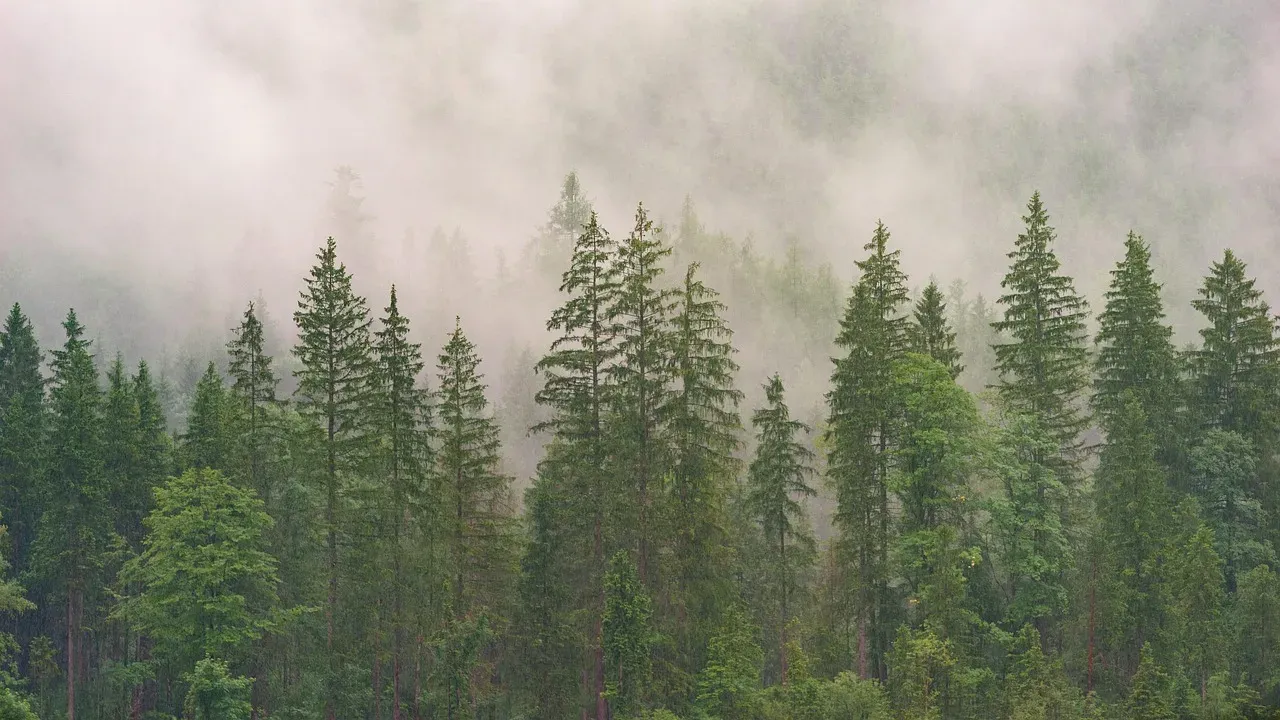
When you imagine a dinosaur wandering through a forest, you are almost certainly picturing conifers in the background, whether you realize it or not. These are the classic evergreen trees you’d recognize today as pines, spruces, firs, and their relatives, but during the age of dinosaurs, their diversity and dominance were even more striking. You can think of them as the backbone of many Mesozoic ecosystems, offering needles, young shoots, seeds, and even bark to a wide range of plant‑eating dinosaurs.
If you picture a long‑necked sauropod lifting its head high into the canopy, you are basically watching a living crane designed to strip foliage from towering conifer branches. You would also find beaked ornithischians, like early relatives of duck‑billed dinosaurs, browsing the lower growth and fallen branches. Because conifers stayed green year‑round, they provided a more stable food supply than many other plants, helping dinosaurs survive seasonal dry spells or cooler periods when other vegetation struggled.
2. Cycads: The Tough “Palms” of the Dinosaur World
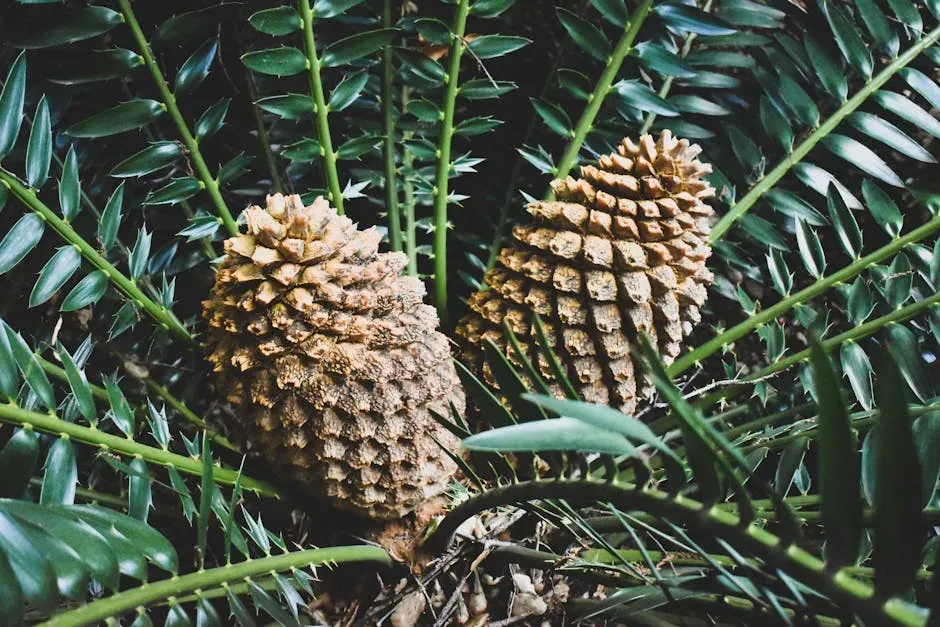
When you see a cycad in a modern botanical garden, it looks like a squat palm or a mini tree fern, but you are actually looking at a survivor from the dinosaur era. During the Mesozoic, cycads were far more common and diverse, forming dense stands in warm regions and adding a rugged texture to the landscape with their thick trunks and stiff, leathery leaves. If you were a plant‑eating dinosaur, these would have been like the tough, fibrous energy bars of your world, packed with starch but wrapped in armor.
Because their leaves and seeds are not easy to chew, you can infer that many dinosaurs evolved specialized jaws and teeth just to tackle plants like cycads. You would see strong beaks to snip leaves, and grinding batteries of teeth to crush the fibrous tissue into something digestible. Cycads also produced large, starchy seeds that would have attracted hungry herbivores, and in return, those dinosaurs likely helped disperse the seeds as they moved across the landscape. When you picture a dinosaur slowly lumbering through a grove of these plants, you are seeing one of the most iconic plant‑dinosaur partnerships of the age.
3. Ginkgos: Fan‑Leaved Relics in a World Without Flowers
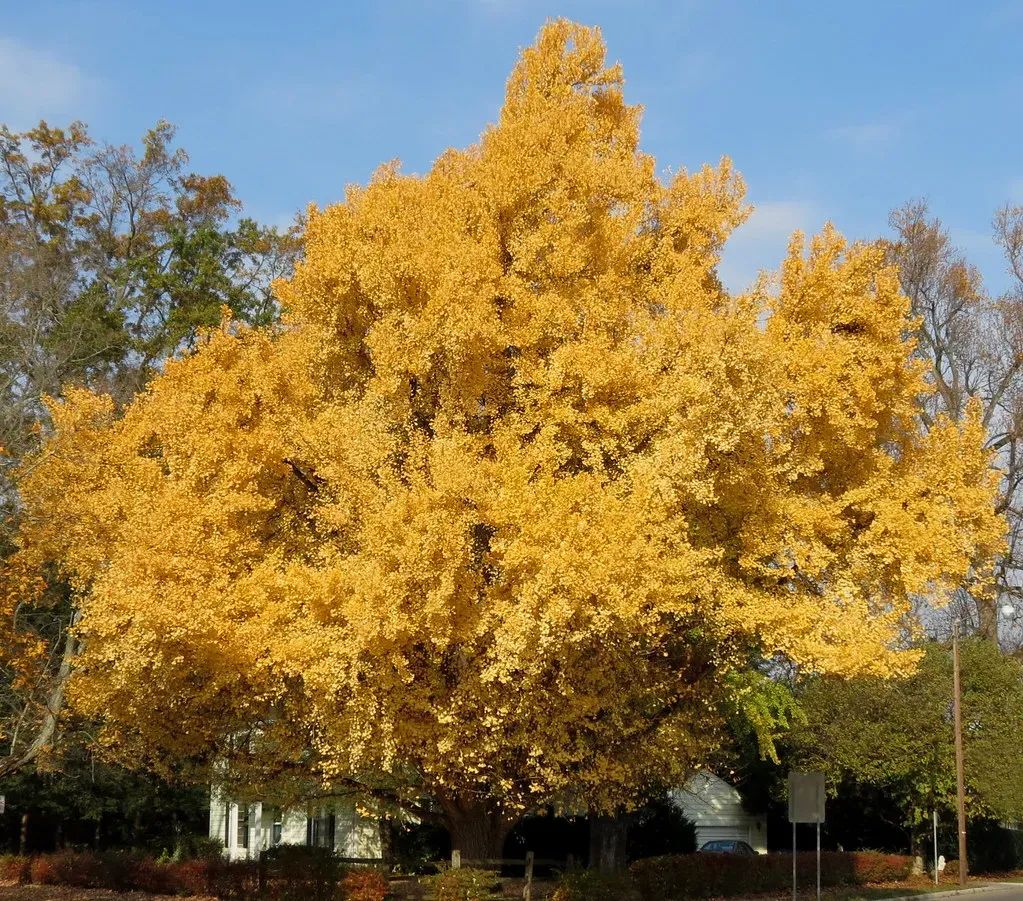
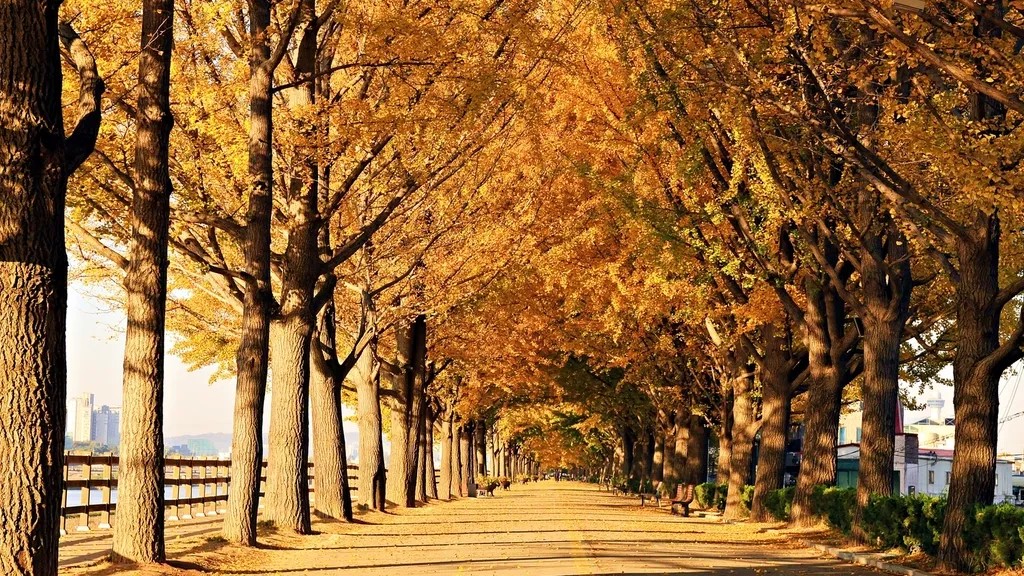
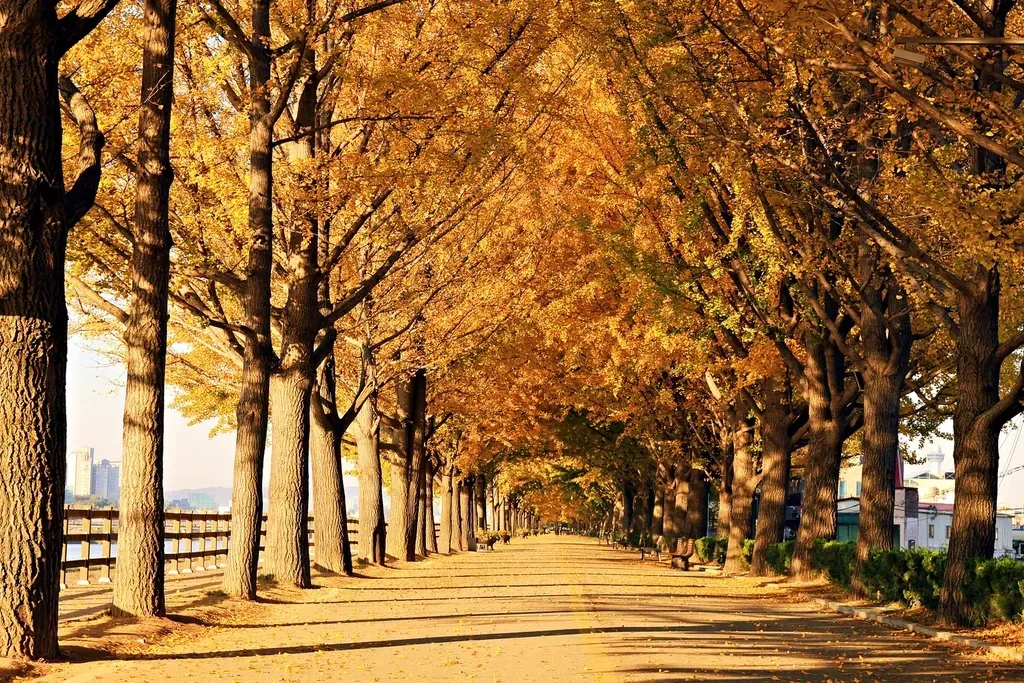
If you have ever walked down a city street lined with ginkgo trees, you have already bumped into one of the strangest time travelers from the dinosaur era. Those distinctive fan‑shaped leaves, with their simple, clean lines, are almost unchanged from fossils that date back to the time when giant reptiles ruled the land. When you hold a ginkgo leaf in your hand, you are essentially holding the kind of foliage that early plant‑eating dinosaurs may have browsed millions of years ago.
Ginkgos likely grew in mixed forests, sprinkled among conifers and other seed plants, creating layered habitats where different dinosaurs could feed at different heights. You can imagine smaller herbivores nibbling on low branches, while taller ones reached higher foliage, a vertical buffet that reduced competition and helped many species live side by side. Ginkgo leaves would not have been the most nutritious option on the menu, but they offered a steady, predictable food source in temperate climates. When you think about it, the same tree that drops smelly seeds on busy sidewalks today once quietly supported the energy needs of some of the largest creatures ever to walk the Earth.
4. Horsetails: Ancient Reed Forests for Hungry Giants
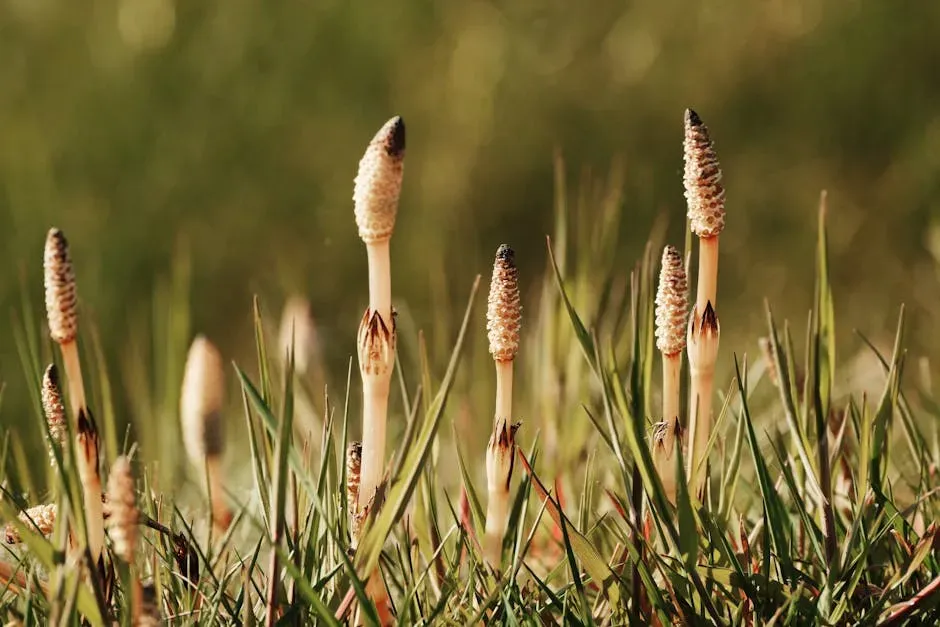
When you look at a modern horsetail plant, usually just a knee‑high reed near a stream or pond, it barely hints at the towering relatives that grew in prehistoric times. Back in the age of dinosaurs, some horsetails could form dense thickets along riverbanks and floodplains, reaching sizes that turned them into substantial food sources instead of just background weeds. If you were a dinosaur walking through one of these areas, you would feel like you were pushing through a forest made of segmented green pipes.
Horsetails store a lot of silica in their tissues, making them quite abrasive, so any dinosaur feeding on them would have needed teeth that could handle serious wear. You can imagine beaked herbivores using their strong jaws to clip and grind these plants, constantly replacing teeth as they were worn down, much like a living conveyor belt of dental tools. Because horsetails grow well in disturbed, wet soils, you can see them as opportunists that flourished after floods or landslides, quickly carpeting fresh ground and offering new grazing areas. Whenever you spot a patch of horsetails today, you are looking at a tiny echo of the soggy feeding grounds that helped sustain entire herds of prehistoric plant‑eaters.
5. Ferns: The Go‑To Greens After Catastrophes
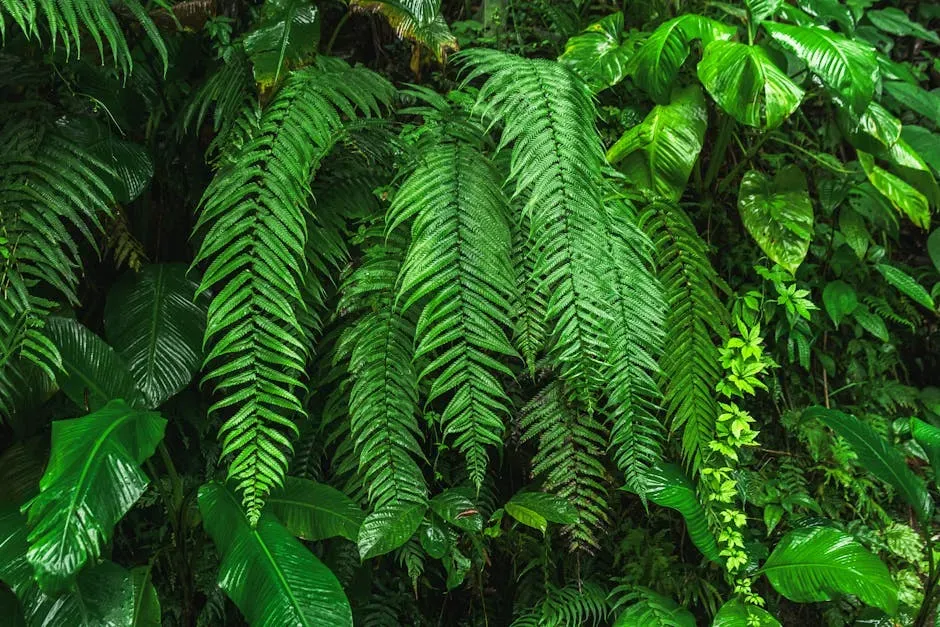
Ferns might seem delicate when you notice them along a shady trail, but in deep time they acted like some of the toughest comeback artists on the planet. Whenever landscapes were disturbed by volcanic eruptions, fires, or even mass extinctions, ferns were often among the first plants to reclaim the bare ground. If you were a dinosaur living in the aftermath of a disaster, you would probably have relied heavily on fern fronds as some of the earliest greenery to return.
You can picture broad, feathery fern leaves unfurling across a once‑burned forest floor, creating a soft carpet of food for smaller herbivores and juveniles of larger species. These young dinosaurs, with shorter necks and lighter bodies, would have had easier access to low ferns than to the higher branches of trees, giving them a crucial lifeline during tough times. Even in stable periods, ferns filled the understory beneath towering conifers and cycads, adding yet another layer to the vertical buffet of prehistoric vegetation. When you walk through a fern‑rich forest today, you are really tracing the same kind of green paths that helped dinosaurs bounce back from environmental shocks over and over again.
6. Seed Ferns: The Now‑Extinct Pioneers of Dinosaurs’ Early Menus
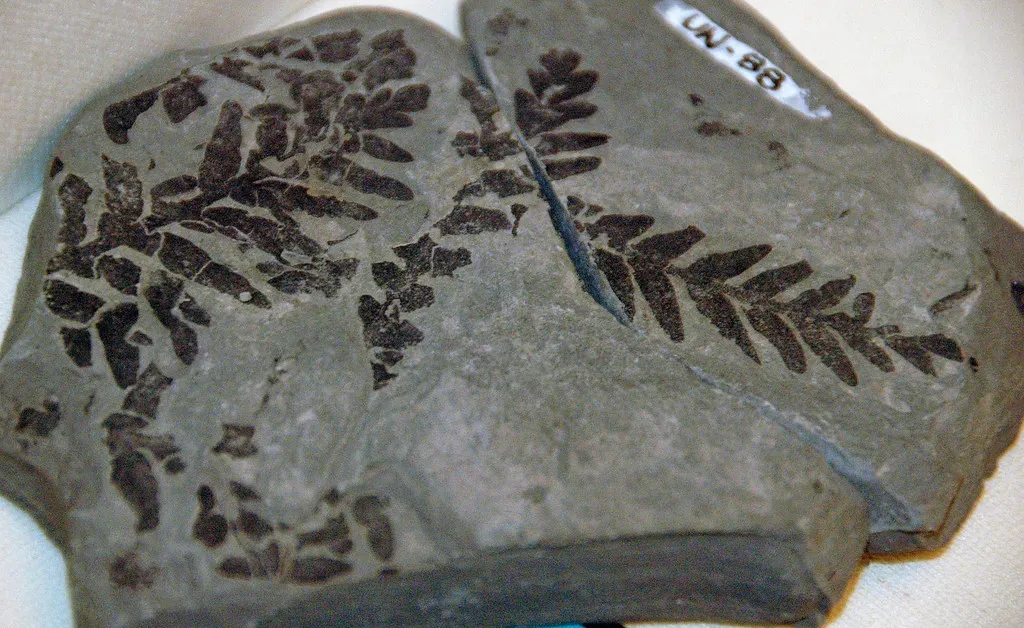
Seed ferns are not something you can go out and see today, but fossil evidence lets you piece together their importance in early dinosaur diets, especially in the Triassic and early Jurassic periods. These plants looked like ferns at first glance, with large, divided leaves, but they reproduced using seeds instead of spores, blending features of two different plant worlds. If you imagine the plant landscape as dinosaurs first began to diversify, seed ferns were like seasoned veterans already in place, ready to be eaten.
You can think of these plants as early test kitchens for the kinds of feeding strategies dinosaurs would later refine on other seed plants. Their broad leaves offered plenty of surface area for browsing, and their seeds would have provided concentrated packets of nutrients for any herbivore clever enough to find them. Over time, many seed ferns declined and vanished, replaced by more modern seed plants like conifers and cycads, but by then you already had plant‑eating dinosaurs well adapted to exploiting such resources. When you read about the earliest dinosaurs, you are really glimpsing animals that cut their feeding teeth on a world dominated by these now‑extinct pioneers.
7. Early Flowering Plants: A Late‑Game Twist in Dinosaur Diets
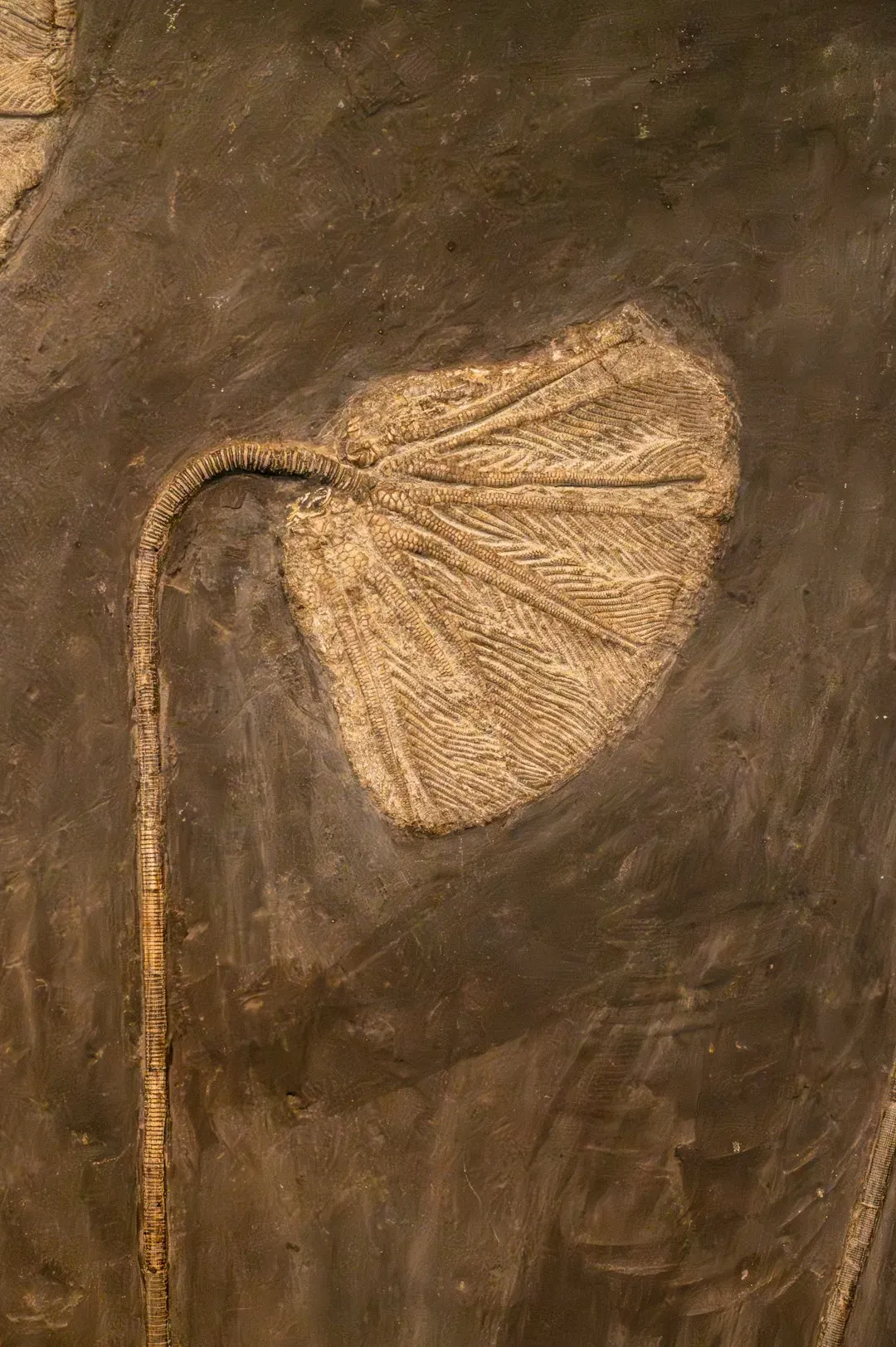
For much of dinosaur history, there were no flowers at all, only seed plants like conifers, cycads, ginkgos, and seed ferns. Then, in the mid‑Cretaceous, flowering plants began to spread, and you suddenly had a new kind of food entering the picture. If you were a herbivorous dinosaur during this time, you would have started encountering leaves with different shapes, softer tissues, and eventually fruits and seeds wrapped in entirely new packages.
As flowering plants expanded, you can picture some dinosaurs shifting their diets to include these more tender and sometimes more nutritious options. Duck‑billed dinosaurs and horned dinosaurs, with their complex chewing systems, seem especially well suited to grinding tough but pliable flowering plant leaves, a bit like living lawnmowers. This botanical revolution also reshaped the landscape, turning parts of the Cretaceous into more diverse, patchy environments with a mix of old and new plant groups. When you look at a field full of wildflowers or a fruiting shrub today, you are seeing the descendants of plants that added a late dramatic twist to what dinosaurs could eat before their reign ended.
8. Bennettitales: The Mysterious “Cycad‑Like” Plants on the Menu
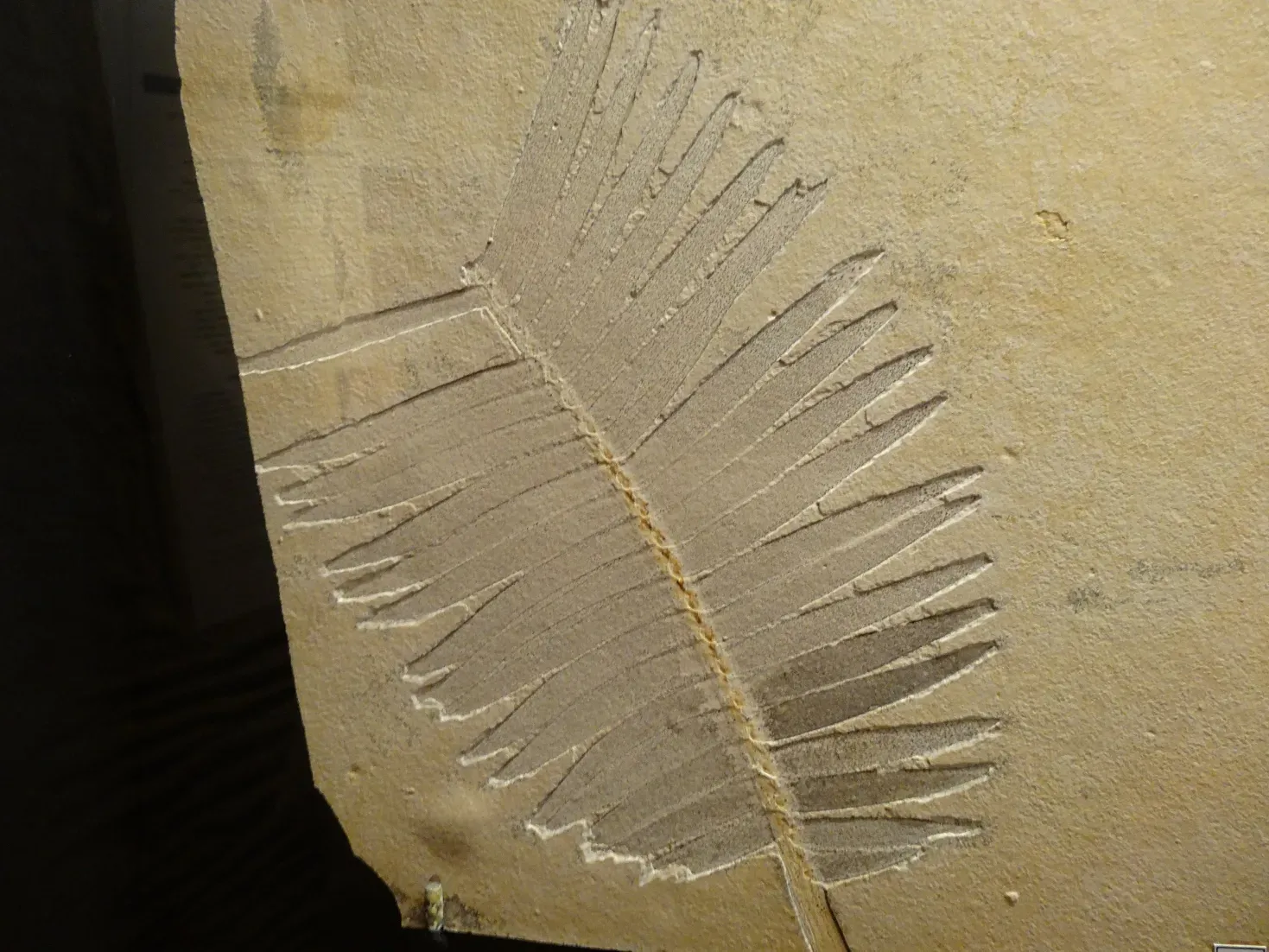
Bennettitales, sometimes called bennettites, are another group you cannot see in living form today, but their fossils show plants that looked strikingly similar to cycads. They had stout trunks and crowns of tough leaves, and many species produced complex reproductive structures that probably stood out visually in Mesozoic landscapes. If you walked through certain Jurassic or Cretaceous environments, you would have seen these plants forming part of the mid‑level vegetation, mixed among cycads and conifers.
Although you cannot watch a dinosaur directly browsing a Bennettitale, the plant’s size, abundance, and structure strongly suggest it contributed to herbivore diets. You can imagine medium‑sized ornithischian dinosaurs pushing between these plants, clipping leaves and perhaps even feeding on reproductive structures that offered extra nutrients. Because Bennettitales disappeared by the end of the Cretaceous, they tell you that not every plant lineage that fed dinosaurs managed to outlive them. When you think about these lost plants, you are reminded that the world dinosaurs knew was both familiar and alien, full of green partners that shaped their success and then quietly exited the stage.
Conclusion: Following the Green Threads of Dinosaur Life
When you step back and look at this prehistoric menu as a whole, you see that dinosaurs did not just survive by being big, fast, or fierce; they survived because entire plant communities kept delivering energy to them day after day. Conifers, cycads, ginkgos, horsetails, ferns, seed ferns, early flowering plants, and Bennettitales each played their part, like different courses in a planetary banquet that lasted more than a hundred million years. As you follow those green threads, you begin to realize that every thunderous footstep, every roaring predator, and every nesting ground depended on quiet photosynthetic work happening in leaves and stems.
Next time you walk past a ginkgo tree, stare at a cycad in a planter, or brush against a patch of horsetails near a stream, you are brushing against the living ghosts of that ancient world. You can almost picture young dinosaurs wading through similar plants, nibbling cautiously or tearing great mouthfuls from the same kinds of tissues you are casually ignoring. When you see the modern world through that lens, your everyday greenery suddenly feels older, deeper, and more dramatic than it looks at first glance. Which plant on this list makes you look at your local park or garden in a completely new way?