
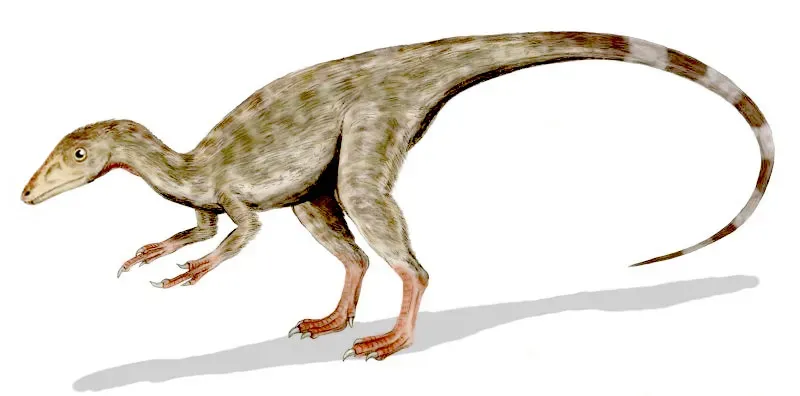
If you picture dinosaurs as towering beasts that shook the ground with every step, Compsognathus will completely rewrite that image for you. This tiny hunter, barely longer than your arm, lived a fast, dangerous life that looked more like a sprinting bird’s than a lumbering reptile’s. And yet, despite its size, it was absolutely built to kill the small animals of its world.
As you get to know Compsognathus, you start to see how power in nature is not just about size, but about speed, precision, and timing. You are looking at a predator that turned being small into an advantage: quicker reactions, less need for food, and the ability to dart through dense vegetation after terrified prey. Once you understand that, this little dinosaur stops being “cute” and starts looking a lot more dangerous.
A Dinosaur That Could Fit Under Your Arm
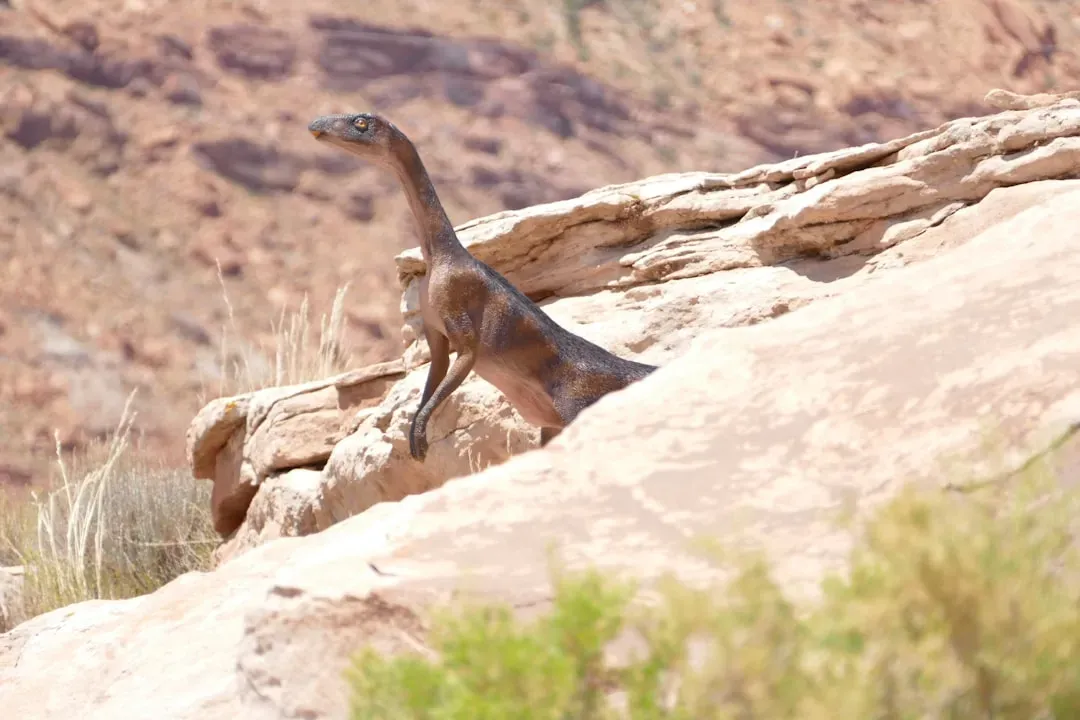
When you read that Compsognathus was one of the smallest known dinosaurs, you might imagine something the size of a dog, but it was often even smaller. Most estimates place it at around the length of a modern house cat or a small dog from nose to tail, with a lightweight, delicate build. You are not dealing with a chunky animal here; it was narrow, lightly built, and probably weighed only a few pounds, more like a large chicken than a crocodile. If you could see one alive, you could probably tuck it under your arm – though that would be a terrible idea with all those sharp teeth.
Its small size meant it could hide easily in low plants, dart between rocks, and slip into places where larger predators could never follow. You can imagine it weaving quickly through fern thickets, its long tail acting like a tightrope walker’s pole for balance. Instead of brute force, it survived by not being seen until the last possible second. In a world filled with larger hunters, staying small and careful might have been one of the smartest survival strategies it had.
Built Like a Sprinting, Featherless Bird
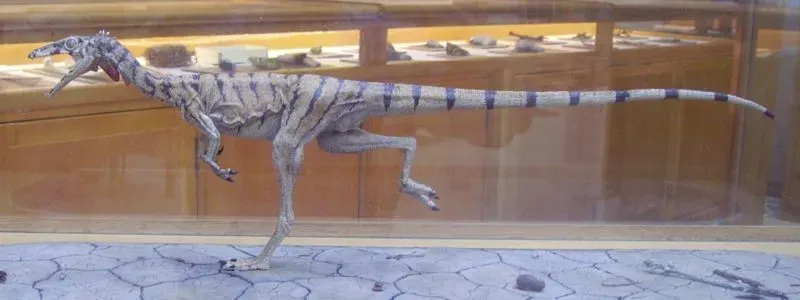
If you saw Compsognathus racing across the ground, you might first mistake it for a strange, scaly bird without wings. It had long, slender hind legs made for speed, with feet that look strikingly birdlike in their structure. Its arms were relatively short with small, grasping hands, and it had a long, balancing tail that helped it stay stable when running. When you mentally strip away the Hollywood monster image of dinosaurs, Compsognathus starts looking more like something you might spot dashing across a field – if you lived 150 million years ago.
You can think of its body as a design optimized for quick, short bursts rather than long-distance running. The lightly built skeleton reduced weight, so it did not waste energy dragging a heavy body around. Its center of gravity sat close to the hips, which gave it strong, agile hindlimb control, just like modern running birds. Every feature seems to say: stay light, stay fast, strike quickly, and then vanish before anything bigger notices you.
Tiny Teeth, Serious Bite
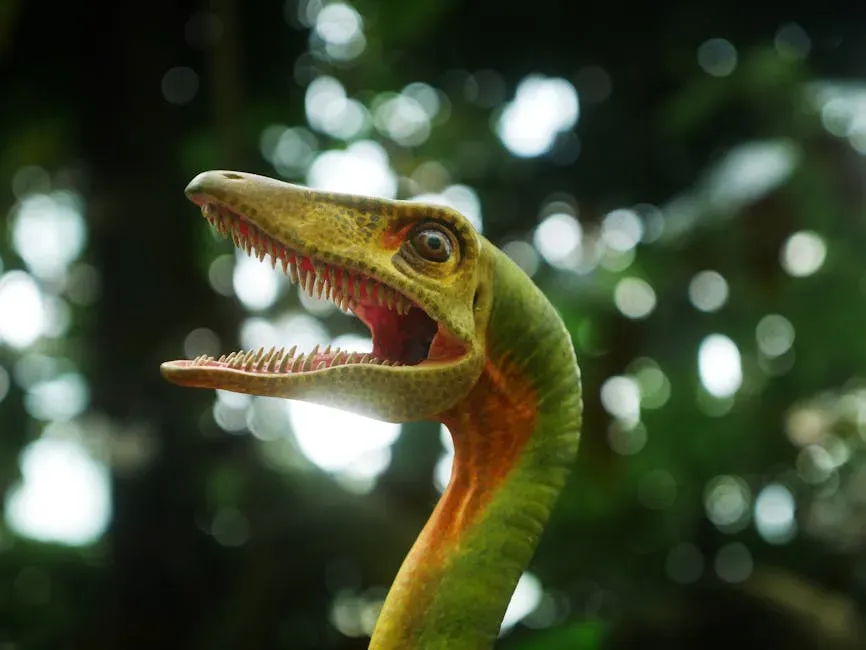
When you look at its skull, Compsognathus stops feeling adorable and starts looking downright unsettling. It had a long, narrow snout lined with small, sharp, recurved teeth, perfect for gripping soft-bodied prey. You would not see big bone-crushing teeth like those of a large carnivore, but rather fine, needle-like teeth that worked more like a row of meat hooks. These were exactly what you would want if your meals were small lizards, insects, or other quick, squirming animals.
The shape of those teeth tells you a lot about how it fed. Instead of tearing huge chunks from large carcasses, it likely swallowed its prey whole or in large pieces, much like many modern reptiles do. Its jaws were probably fast rather than overwhelmingly powerful, ideal for snapping shut on something that moved suddenly. When you imagine a tiny predator lunging forward, jaws snapping like tweezers with razor edges, you get a much clearer sense of how dangerous Compsognathus really was – at least if you were mouse sized in the Jurassic.
A Specialist in Small, Fast Prey
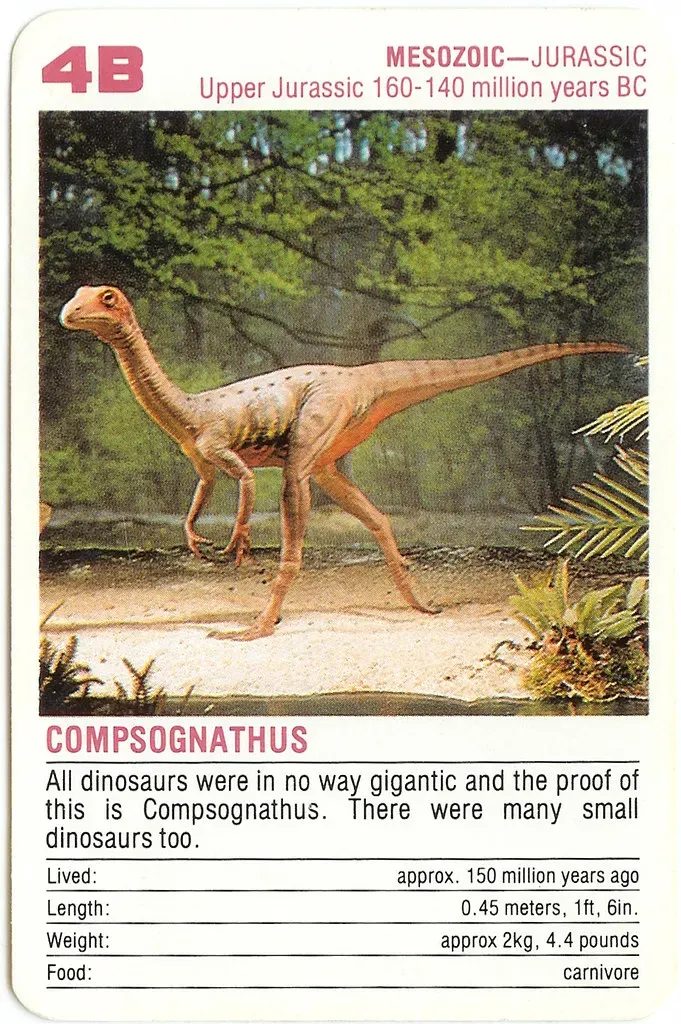
You can think of Compsognathus as the Jurassic version of a small, agile hunter like a mongoose or a roadrunner. Its anatomy suggests it hunted quick, nimble creatures rather than big, slow ones. Fossil evidence from close relatives shows gut contents that include small vertebrates, and Compsognathus is often reconstructed the same way. That means you are probably looking at a diet filled with small lizards, early mammals, insects, and maybe even juvenile dinosaurs when the opportunity arose.
Instead of wrestling with huge prey, it likely relied on timing and stealth. You can picture it waiting patiently near a burrow entrance or in a patch of undergrowth, then exploding into motion the moment something scurried past. Its speed allowed it to close the gap quickly, while those sharp little teeth made sure the struggle was short. From the prey’s perspective, Compsognathus was like a sudden, streaking shadow – there one second, gone the next, with you inside it.
Living Small in a World of Giants
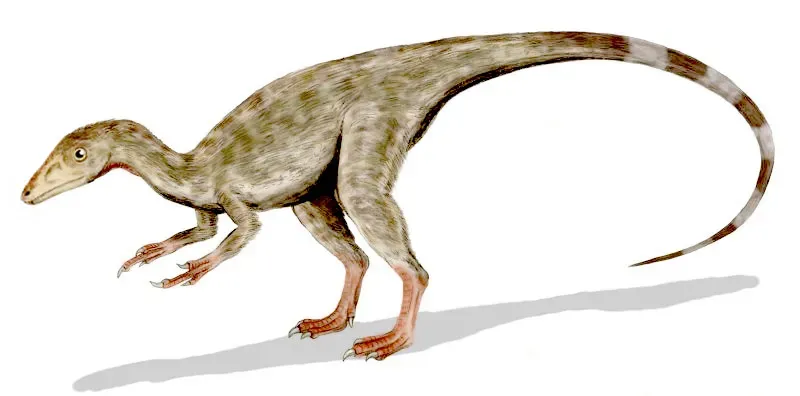
It is easy to forget that Compsognathus shared its world with much larger, more famous dinosaurs. You can place it in the Late Jurassic period, roaming what is now Europe, at a time when large sauropods and big predators were also on the landscape. That meant it was both hunter and potential prey, always a few bad decisions away from becoming someone else’s lunch. Its small body and speed were not just tools for hunting; they were vital for staying alive in a very dangerous neighborhood.
Being small came with some hidden advantages, though. You would need far less food than a large carnivore, so you could survive on little animals that were too small or too much effort for big predators to bother with. You could also slip into different habitats – dense vegetation, rocky crevices, shoreline zones – where giants struggled to move. In a sense, Compsognathus occupied the nimble, fast-moving niche that modern small predators like foxes, mongooses, and corvids fill today, thriving in the gaps larger animals leave behind.
What Fossils Really Tell You About Compsognathus
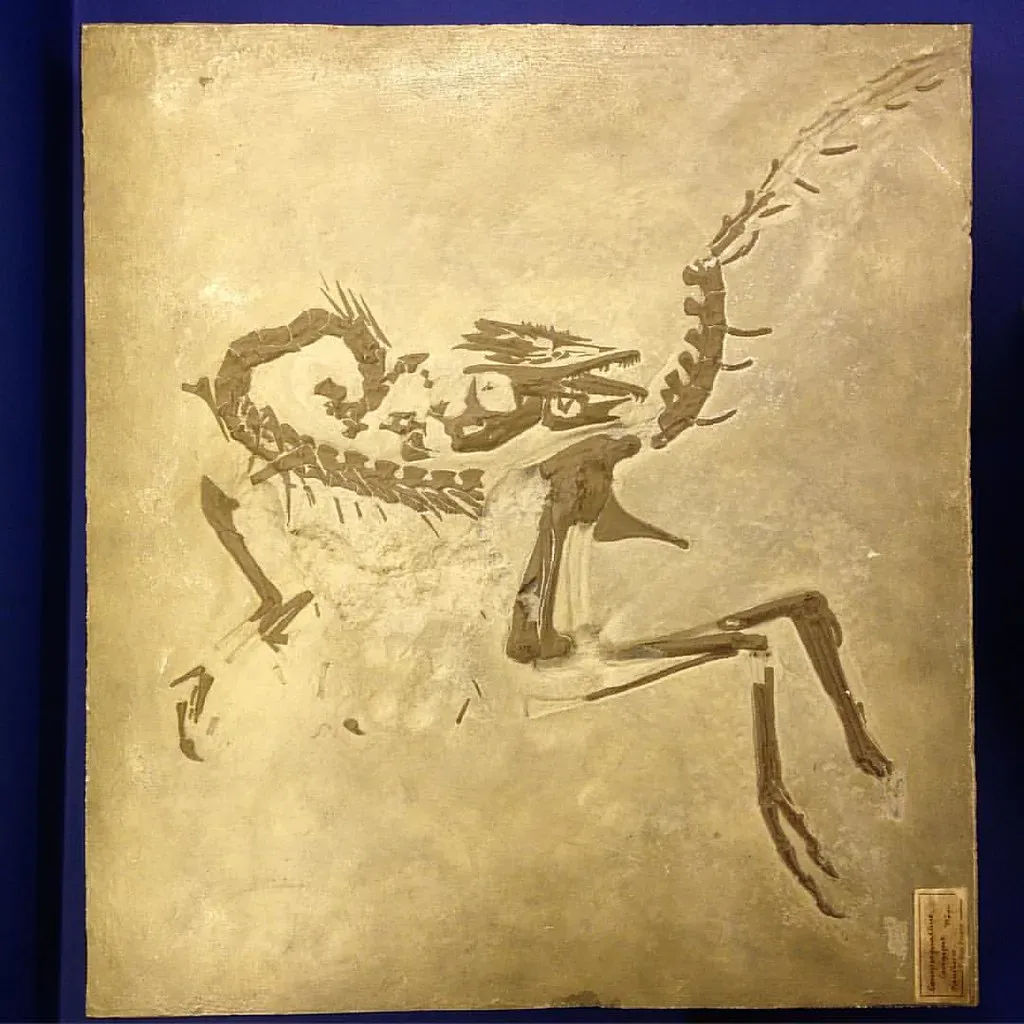
When you hear about Compsognathus, you are really hearing the story of a handful of precious skeletons dug from ancient rocks. The original fossils were discovered in Europe in the nineteenth century, and for a long time, they were among the most complete small dinosaur skeletons ever found. That meant Compsognathus became a kind of poster child for small theropods, shaping how people imagined them for decades. You might think of it almost as the “default” image scientists once had for any small, bipedal dinosaur predator.
But fossils are always incomplete stories, and you have to read them with caution. Differences between specimens have sparked debates about how big Compsognathus really got, whether some fossils belonged to juveniles or closely related species, and how much variation there was in the population. You are looking at snapshots, not a full photo album. That is why paleontologists keep updating reconstructions as new technologies and comparisons with other fossils refine the details. The broad strokes remain solid – a small, agile predator – but the finer details are still being sharpened over time.
From Misunderstood Curiosity to Dinosaur Icon

If you grew up with dinosaur movies or books, you have probably seen a version of Compsognathus that is more dramatic than the fossils alone strictly support. Popular culture has often portrayed it as a swarming, nasty little pack hunter that can overwhelm animals much larger than itself. While that makes for a gripping scene, you have to treat it with a healthy dose of skepticism. The actual evidence for complex group hunting in Compsognathus is thin, and most of what you see on screen is creative exaggeration layered onto a real animal.
That said, its fame has done something useful for you as a learner: it has made people notice the little dinosaurs. Instead of focusing only on the giants, you are pushed to appreciate the subtlety and variety of small predators that were just as important to ancient ecosystems. Compsognathus, accurate or dramatized, opens the door for you to explore the idea that not all dinosaurs were enormous and that some lived lives that, in many ways, resembled the small, quick hunters you see today. In that sense, its popular image may be louder than the fossil record, but it still leads you to ask the right questions.
Conclusion: Small Frame, Big Impact
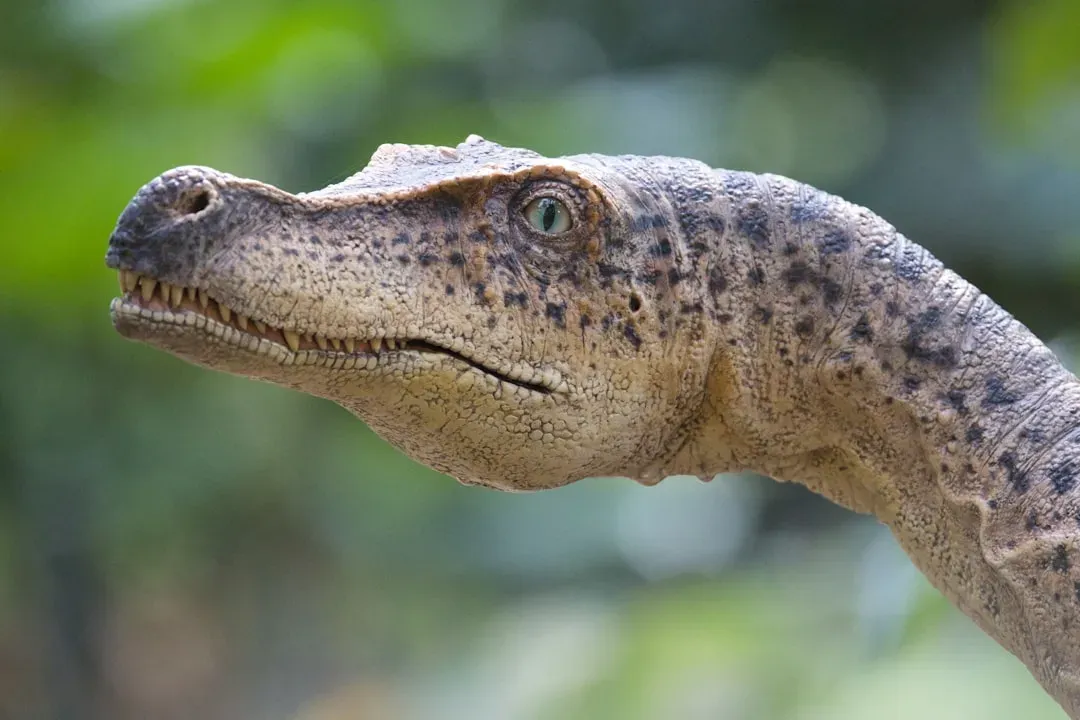
When you step back and put all the pieces together, you stop seeing Compsognathus as a footnote in dinosaur history and start seeing it as a masterclass in how evolution plays with scale. You are looking at a predator that proved you do not need massive size to be dangerous, only the right mix of agility, sharp senses, and well-designed tools. Its small body, swift legs, and fine, gripping teeth made it perfectly tuned to a life of chasing and catching the small, fast animals of its world. That is a very different kind of power than the bone-crushing force of a giant, but it is power all the same.
The next time you picture dinosaurs, you can let Compsognathus slip into that mental scene – a quick flash of movement at ground level while the giants loom overhead. You now know that some of the fiercest stories in nature are written not in tons, but in grams, and not in thunderous footsteps, but in sudden, silent sprints. In a world full of huge, heavy hitters, this little hunter carved out its own sleek and lethal niche. When you imagine which dinosaurs you would actually want to meet face to face, does this tiny, fierce predator still feel like the safest choice?