You know how modern tanks look slow, heavy, and practically unbreakable? Now imagine one of those rolling across the late Cretaceous landscape, but covered in scales, breathing, and swinging a sledgehammer at anything that got too close. That is pretty much what you are dealing with when you look at Ankylosaurus, one of the most impressively armored dinosaurs that ever lived. When you picture this animal, you are not just imagining another big reptile; you are looking at a creature engineered by evolution to say one thing very clearly: good luck trying to eat me.
As you get to know Ankylosaurus, you start to see how every part of its body, from its skull to its tail, seems designed with defense in mind. You are not just talking about thick skin or a couple of spikes. You are looking at a full-body security system, the prehistoric equivalent of reinforced steel, barbed wire, and a wrecking ball combined. And the more you dig into how it lived, what it faced, and how its body worked, the more you realize just how hard it would have been for even the most fearsome predators of its time to bring it down.
You Are Meeting One of the Last Great Armored Dinosaurs
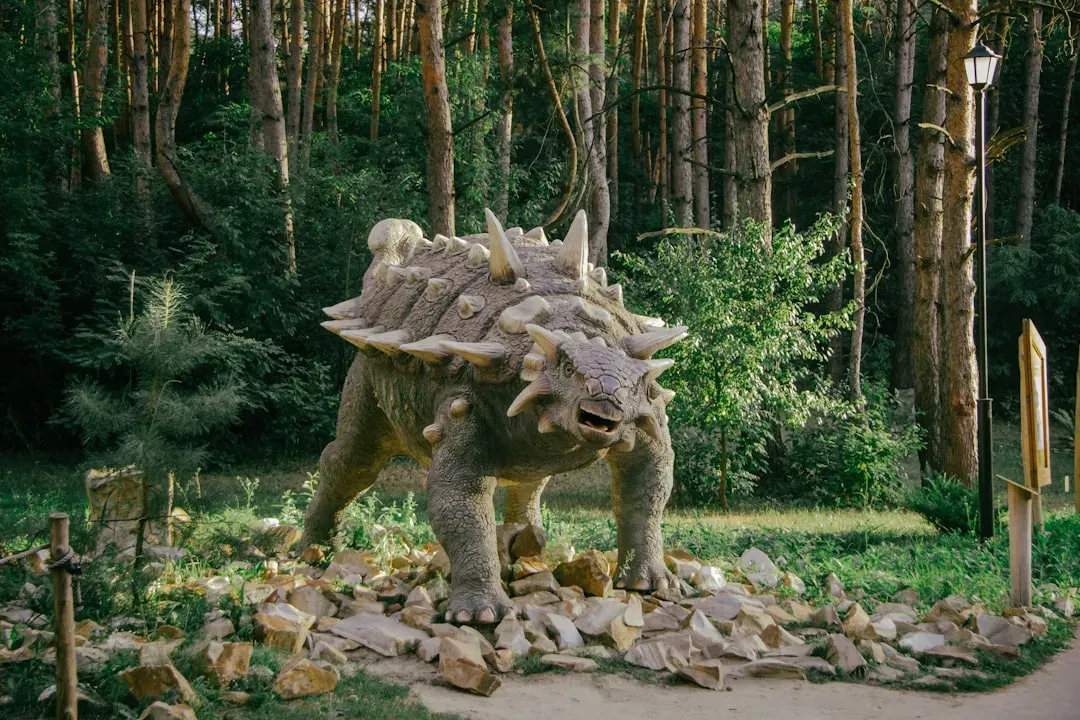
When you think of Ankylosaurus, you are stepping into the very end of the age of dinosaurs, around the final stretch of the Cretaceous period in what is now North America. You are looking at a herbivore that lived alongside some of the most famous predators you already know, including Tyrannosaurus rex. Instead of running, hiding, or outclimbing those threats, Ankylosaurus took a completely different approach: it turned itself into a problem no predator wanted to solve.
You can imagine this animal moving low to the ground on four sturdy legs, more like a living fortress than a typical dinosaur. You are not just walking past a random plant-eater; you are seeing one of the largest armored dinosaurs that ever existed, possibly reaching the length of a bus. When you picture the world it lived in, full of towering carnivores and intense competition, Ankylosaurus stands out because it did not win with speed or surprise, but with sheer, stubborn invincibility.
You Are Looking at Armor That Worked Like Natural Body Armor
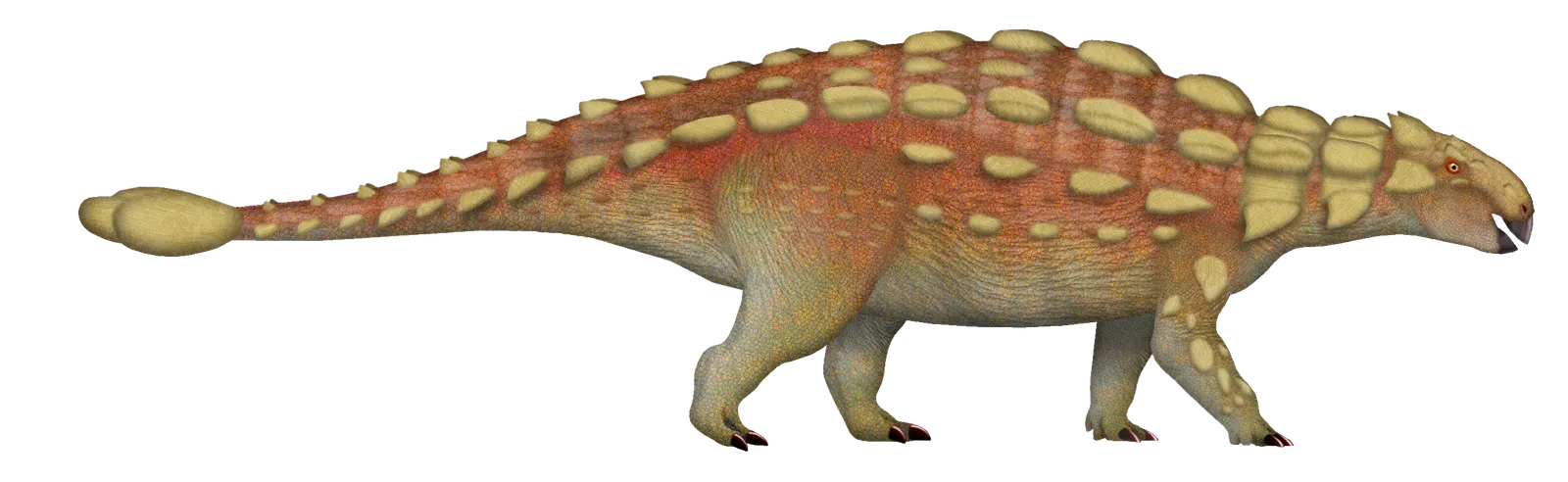
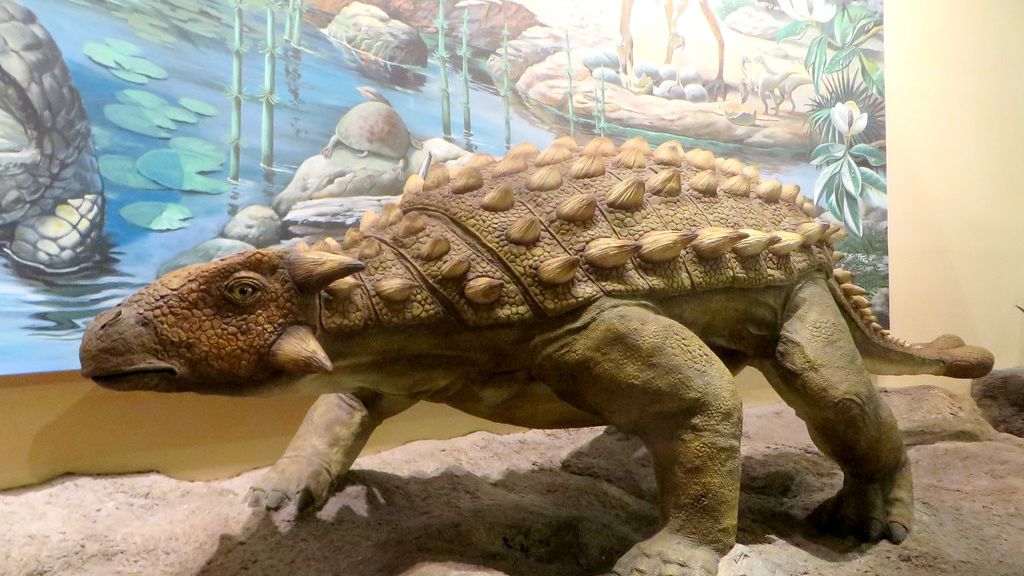
When you look at reconstructions of Ankylosaurus, your eyes are immediately drawn to its armor, those bony plates embedded in the skin that scientists call osteoderms. You can think of these like natural body armor, similar to what you see in modern crocodiles and armadillos, but far more extreme. If you could run your hand over its back, you would not feel smooth scales; you would feel an uneven field of hard, textured plates, knobs, and ridges, each working together to spread out and absorb force.
You are not just dealing with a single layer of protection, either. Under those bony plates, you would find tough skin and strong muscles helping to support the armor. The arrangement of these osteoderms meant that if a predator tried to bite down, its teeth would likely hit solid bone rather than soft flesh. You can imagine how frustrating that would be for a hungry carnivore, like trying to bite into a rock that keeps moving and will not let you get to anything soft underneath.
You Are Facing a Tail Club Built to Break Bones
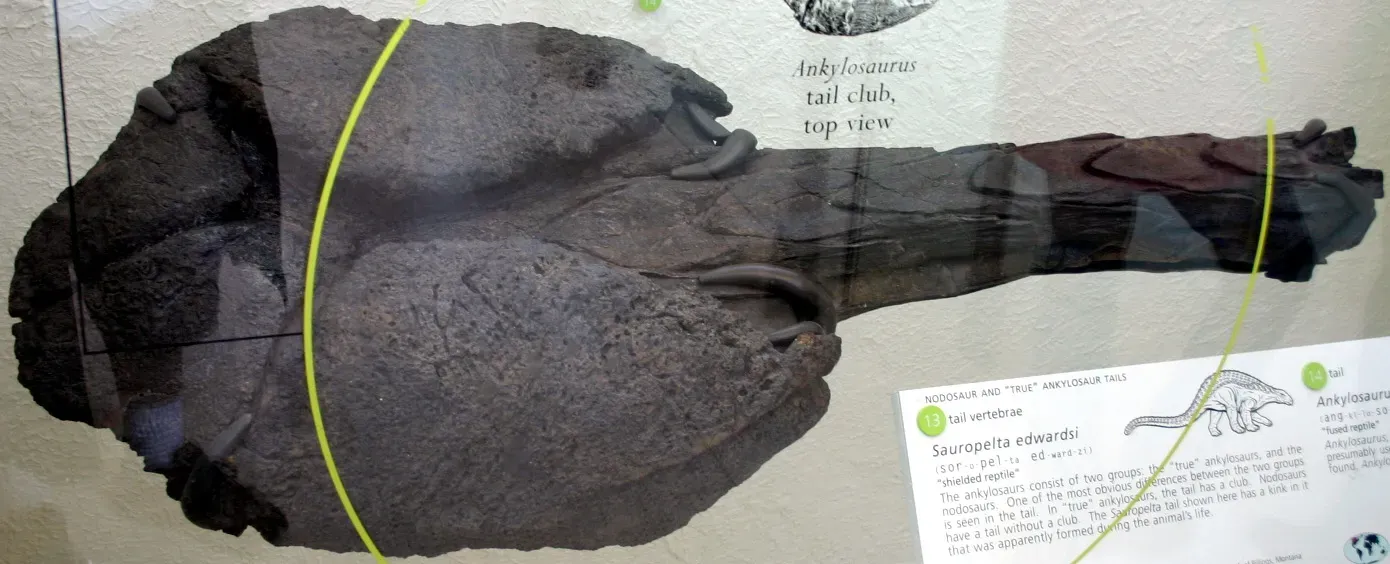
The part of Ankylosaurus that really grabs your attention is its tail club, the heavy mass of bone at the end of a relatively stiff, muscular tail. When you picture this, you should think of someone swinging a giant, solid hammer with both hands, except here the hammer is part of the animal’s own body. You are not just looking at decoration; you are looking at a weapon powerful enough that researchers believe it could have broken the bones of an attacking predator.
If you imagine yourself as a predator approaching from behind, you are putting yourself in a very dangerous position. That tail could swing with serious speed, turning the rear end of Ankylosaurus into a no-go zone. You can think of it a bit like the spiked ball on a medieval flail, except here it is on a living creature that knows exactly when to use it. If you are trying to attack this dinosaur, one wrong move could mean a shattered leg or hip, which for a predator could be the end of the hunt and maybe even the end of its life.
You Are Seeing a Body Designed to Stay Low and Hard to Flip
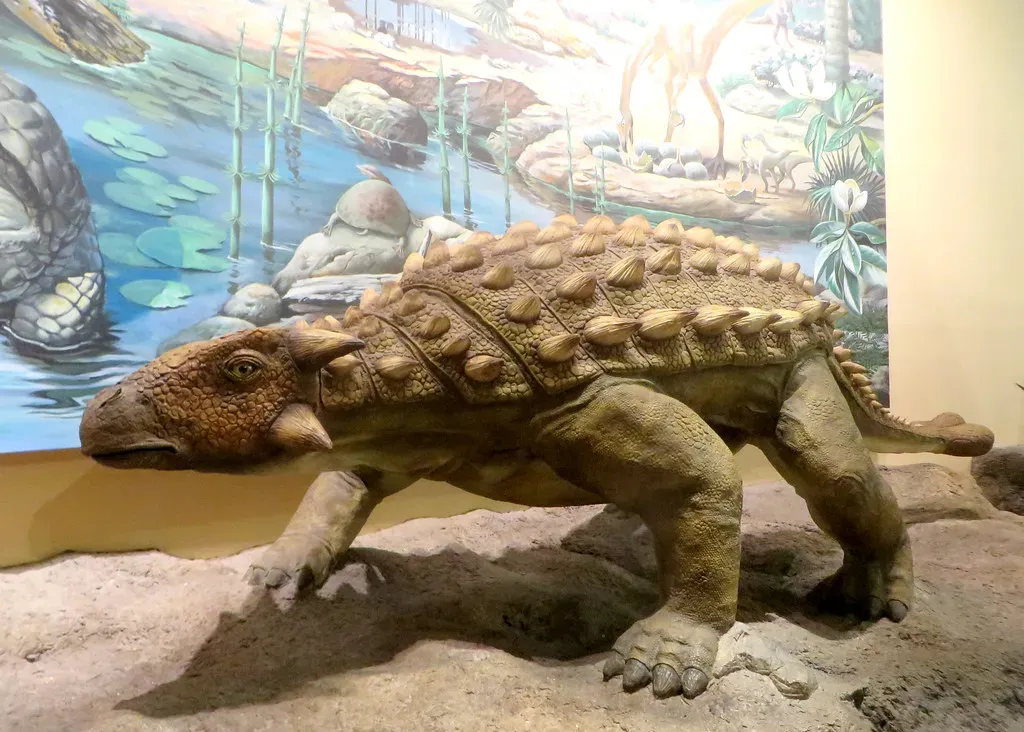
If you picture yourself as a giant carnivorous dinosaur trying to attack Ankylosaurus, you might think that flipping it over would be the smartest move, since the belly would be less protected. But then you look at its body shape, and you realize evolution already saw that trick coming. Ankylosaurus carried its body low and wide, like a heavily loaded, low-riding vehicle that hugs the ground and refuses to tip, no matter how hard you shove it.
You are not just dealing with a tall, wobbly animal that could be rolled or pushed aside. You are looking at a creature whose center of gravity stayed very low, whose limbs were sturdy and spread out, and whose overall shape made it incredibly hard to flip. That means you, as a predator, are stuck attacking from above or the sides, exactly where the armor is thickest and the tail club is most dangerous. From a defensive standpoint, this body plan makes a lot of sense: it keeps Ankylosaurus stable, protected, and very difficult to exploit.
You Are Watching Defense, Not Speed, Do the Heavy Lifting
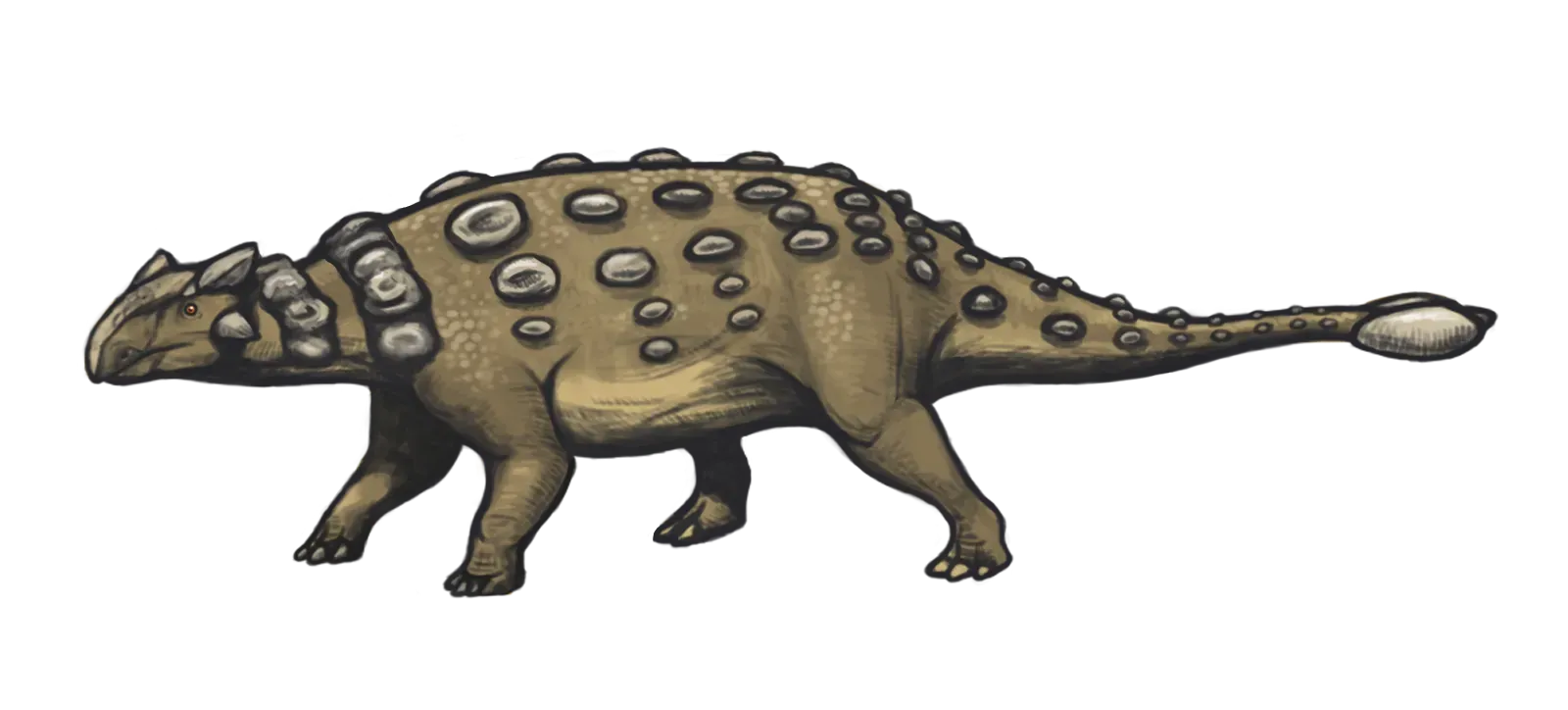
If you expect every dinosaur to be fast like a sprinter or agile like a deer, Ankylosaurus forces you to adjust your mental picture. You are not looking at a creature that could outrun threats; you are looking at one that never really needed to. Its short legs, heavy armor, and solid build tell you that it was probably slow and not built for sudden bursts of speed. Instead of using escape as a strategy, Ankylosaurus relied on making any attack feel like a bad idea.
You can imagine it moving calmly through its environment, not in a hurry, grazing on low plants and shrubs, knowing that its best strategy was to stand its ground when it had to. If you place yourself nearby, you would likely see a quiet, heavy presence rather than a skittish one. When danger appeared, the goal for this animal was not to run far, but to turn its armored side toward the threat, brace its body, and use its tail when the moment was right. You are watching a style of survival based on confidence in its defenses rather than in its legs.
You Are Learning How Its Senses and Brain Helped Its Survival
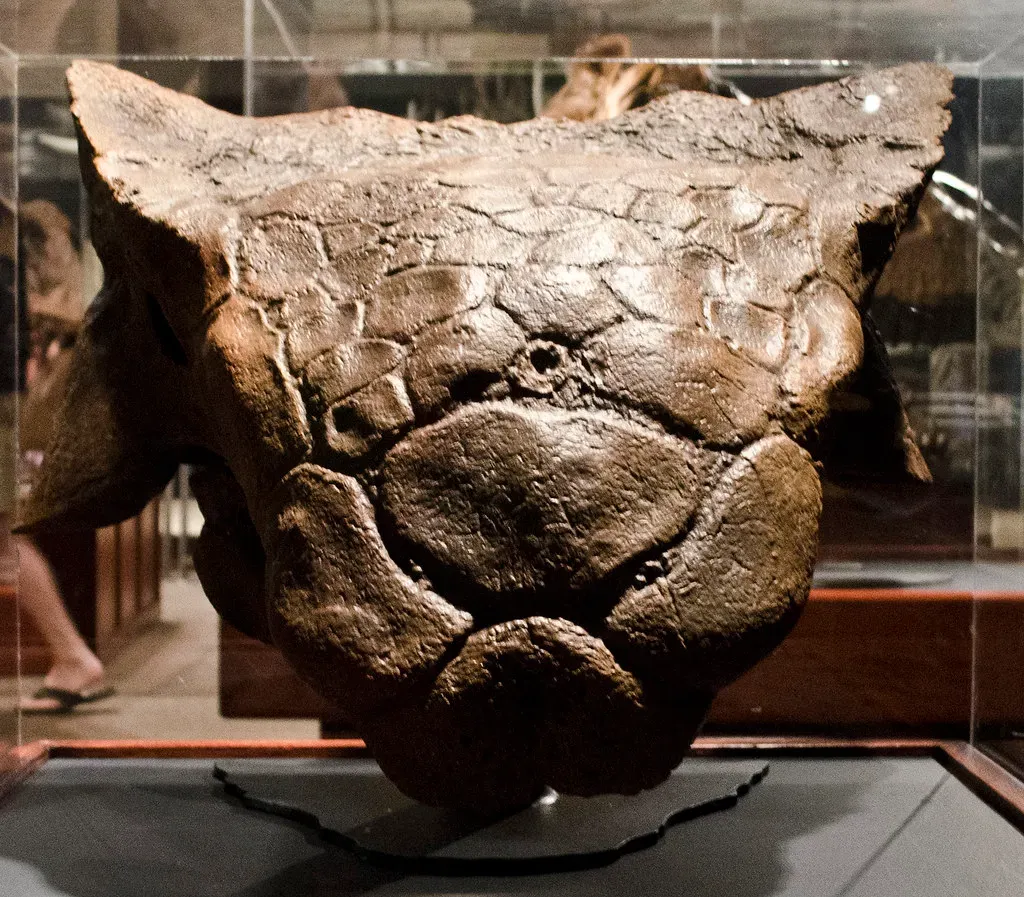
When you look beyond the armor and weaponry, Ankylosaurus becomes even more interesting because of the way its head and skull were built. Fossil evidence suggests that its skull was not only heavily reinforced but also housed a relatively complex system of nasal passages. You can imagine those passages helping you, if you were this animal, to filter, humidify, and possibly regulate the air you breathed, which would be especially useful in warm environments.
You also get a sense that Ankylosaurus likely relied on awareness as much as armor. If you picture yourself in its place, keeping your head low while scanning for movement and listening for threats, you understand that defense is not just about being hard to hurt; it is about knowing what is happening around you. While you are not looking at the brain of a predator or a highly social dinosaur, you are still seeing an animal whose senses and skull structure supported the demands of carrying so much armor and staying alert in a dangerous world.
You Are Exploring How This Walking Tank Fit Into Its Ecosystem
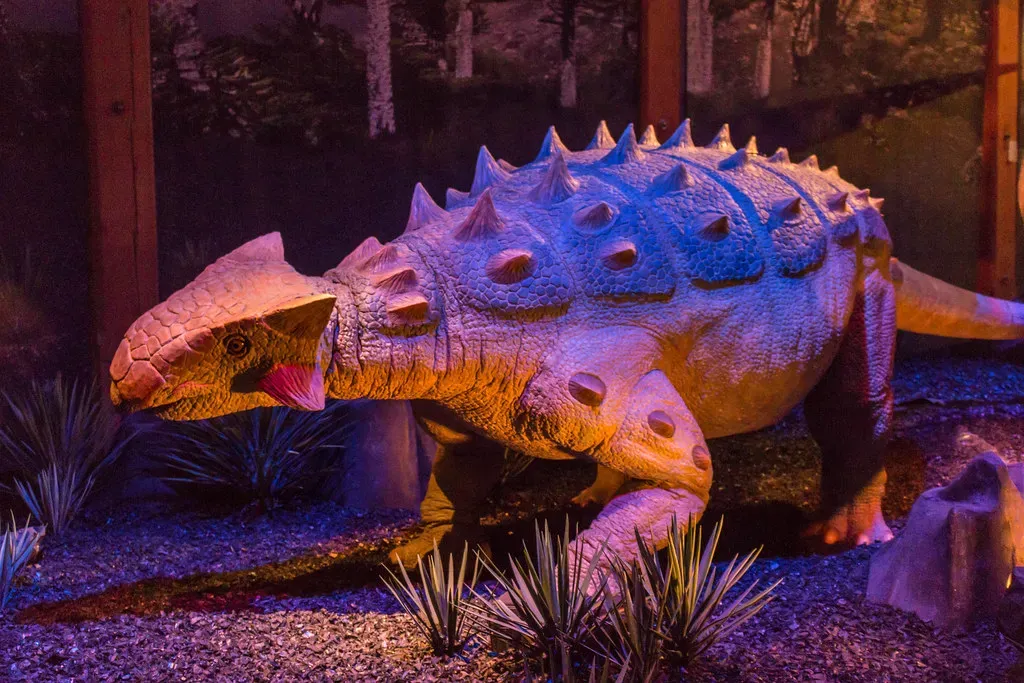
If you drop yourself into its environment, you would see Ankylosaurus as part of a larger community of dinosaurs, plants, and other animals, not just a lone armored oddity. You would probably watch it feeding on low-growing plants, ferns, and possibly shrubs, using its beak to crop vegetation close to the ground. In that role, you are helping shape the plant life of your habitat, essentially acting like a slow-moving lawnmower that affects how vegetation grows and recovers.
You can also imagine how your presence affected predators. A smart carnivore might follow herds of other herbivores, looking for weaker or unprotected individuals, but when it came to Ankylosaurus, the risk would not always be worth the effort. By simply existing as one of the hardest targets around, you are influencing how predators behave and what they choose to hunt. In that sense, you are not just surviving in your ecosystem; you are helping to define the rules of engagement within it.
You Are Seeing Why Its Defense System Was So Hard to Beat
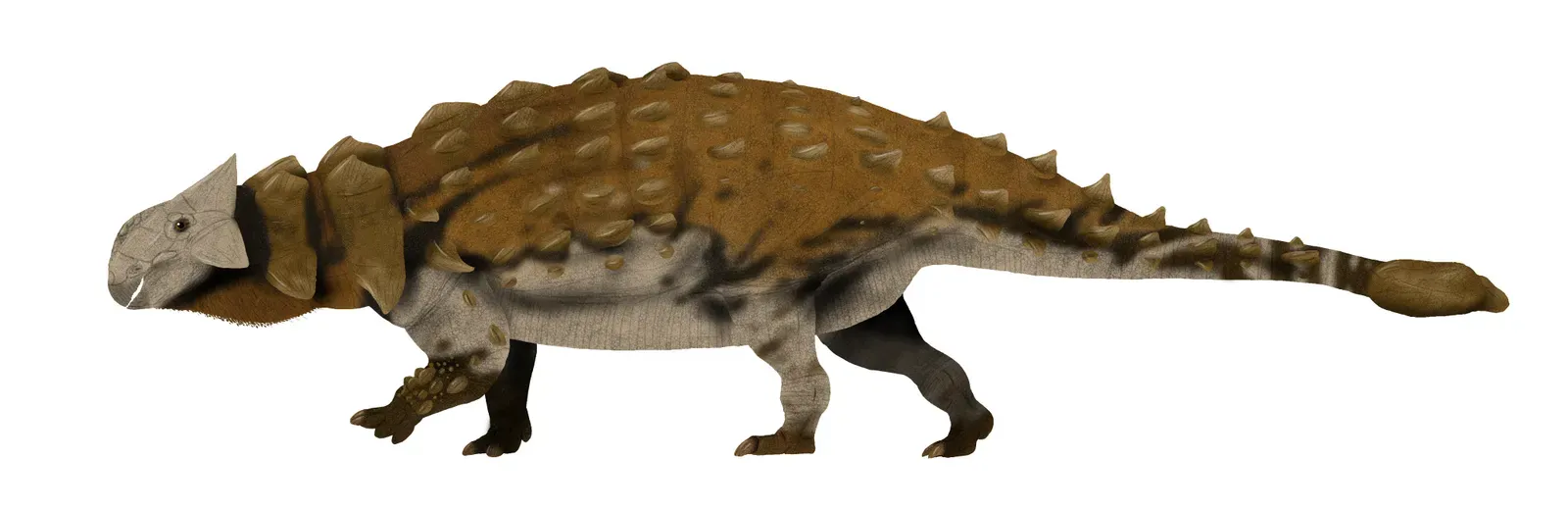
When you put all the pieces together in your mind, you see why Ankylosaurus deserves to be called a walking tank with an almost unbeatable defense system. You are looking at layered armor across the back and sides, a crushing tail club ready to swing at any attacker, a low and stable body that is hard to flip, and a skull that is reinforced like a helmet. Each of these features on its own is impressive, but you understand that it is the combination that really makes this dinosaur so remarkable.
If you imagine yourself as a predator making choices, you quickly realize that attacking this animal would usually be a costly mistake. You might land one bite, but hitting soft, vulnerable parts consistently would be extremely difficult without getting injured in return. That kind of risk–reward balance heavily favors Ankylosaurus. You are not seeing an animal that depended on luck; you are seeing one whose entire design tilted the odds in its favor almost every time.
By now, you can appreciate that Ankylosaurus was not just another dinosaur with a gimmick; it was the result of millions of years of evolutionary trial and error perfecting the art of defense. When you picture it moving through its world, you are seeing a living shield that did not need to be the fastest, the biggest, or the smartest predator to thrive. It only needed to be difficult enough to kill that most hunters looked elsewhere. That kind of strategy is quiet, but incredibly powerful.
The next time you hear about fierce carnivores and dramatic hunts, you can remind yourself that sometimes survival is not about being the strongest attacker, but about being the hardest target. Ankylosaurus shows you how far natural armor and patient resilience can go when the stakes are life and death. In a world full of teeth and claws, would you rather be the hunter everyone fears, or the tank no one wants to fight?