
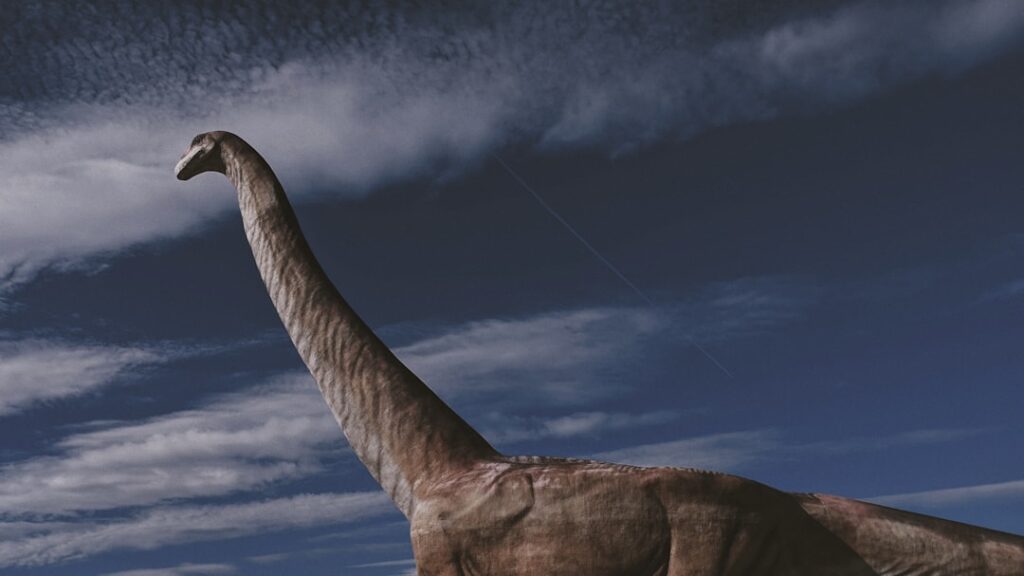
Picture this: animals as long as a basketball court, as tall as a building, walking around like it was no big deal. Dinosaurs did not just get big; some of them pushed the limits of what we even thought life on land could do. For decades, scientists have argued, guessed, tested, and argued some more about one simple but wild question: why on Earth did so many dinosaurs grow to such ridiculous sizes?
The truth is, there is no single magic explanation. Instead, there are several overlapping theories, each trying to explain a different piece of the puzzle. Some are grounded in hard data from fossils and bone chemistry, others are more speculative but still fascinating. Let’s walk through nine of the most mind-blowing ideas researchers have come up with about how and why these prehistoric giants got so colossal.
#1 The Supercharged Lungs Theory: Breathing Like No Land Animal Today
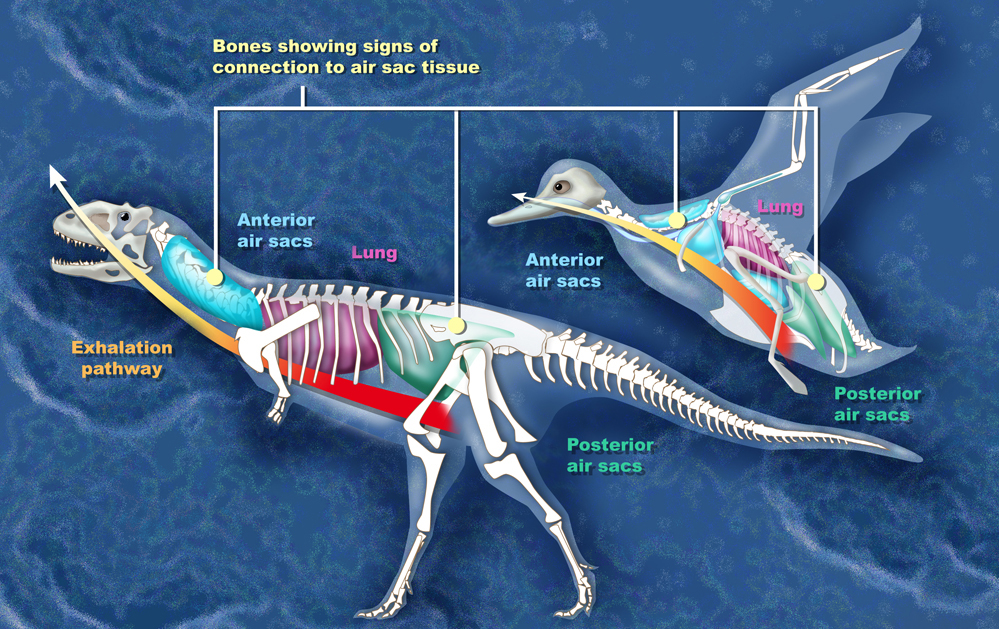
One of the strongest ideas scientists keep coming back to is that many dinosaurs, especially the giant long-necked sauropods, had a breathing system a lot like modern birds. Instead of simple “in and out” lungs like mammals, they probably used an efficient airflow system with air sacs running through their bodies and even inside their bones. This setup pulls oxygen through the lungs in a more continuous stream, which is a huge upgrade for an animal trying to power a massive body.
Those air sacs would have done something else just as important: they made the skeleton lighter. Many dinosaur bones, particularly in sauropods and big theropods like the ancestors of birds, were full of hollow spaces. Think of it like nature’s version of high-tech carbon fiber: strong yet surprisingly light. With lighter bones and turbocharged breathing, it becomes much easier to support and move a gigantic frame, which helps explain how some species could stretch into the tens of meters without collapsing under their own weight.
#2 The Super-Egg Strategy: Bigger Bodies, More Babies, Faster Evolution
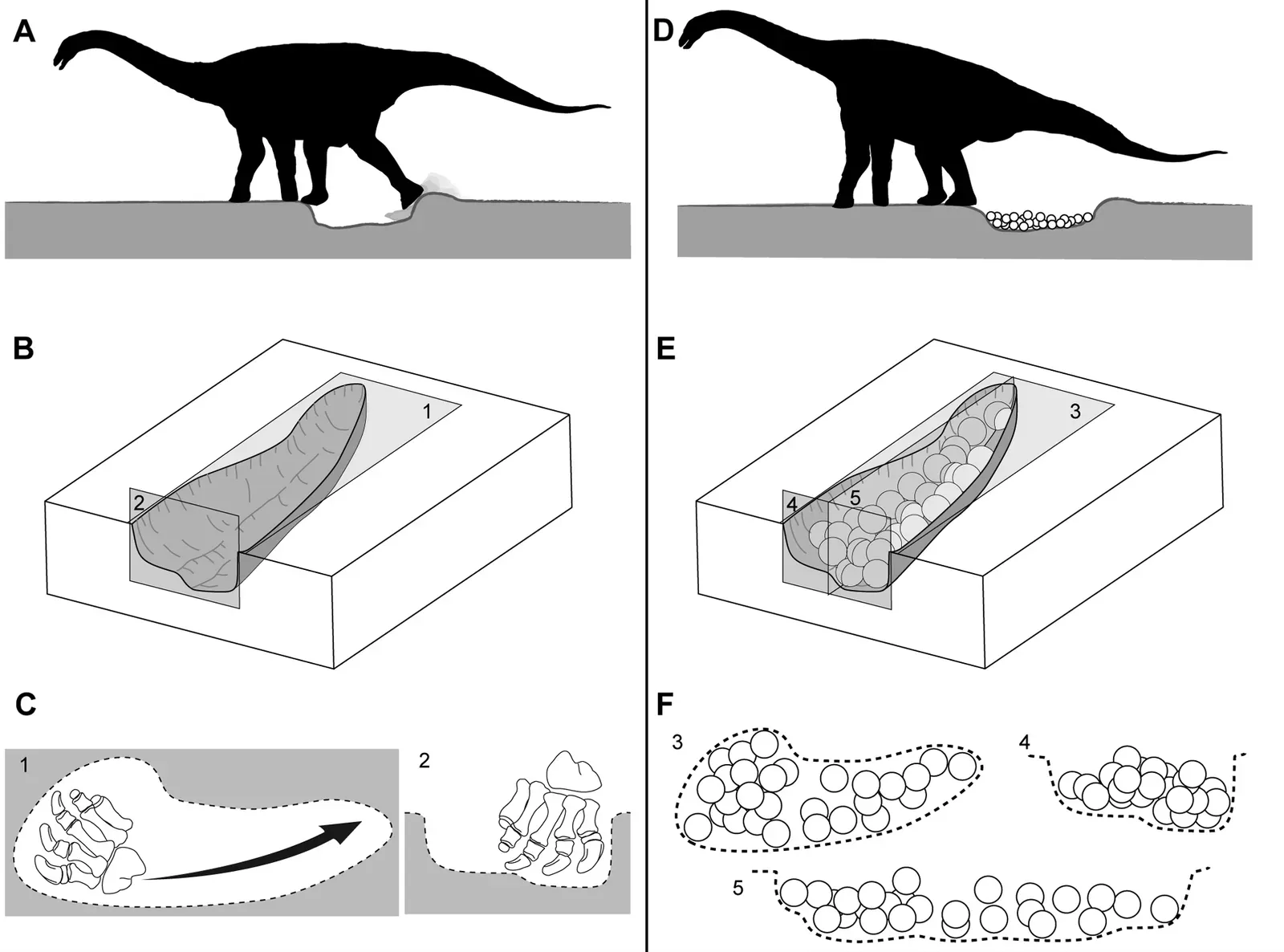
It sounds strange at first, but dinosaur parenting may have been a secret weapon in the race to gigantism. Unlike mammals, which usually invest heavily in a few babies at a time, many dinosaurs laid large clutches of eggs and spread their risk across dozens of offspring. When you combine that with relatively fast growth rates, you get a recipe for rapid evolution. Mutations that allowed some individuals to grow larger could spread through populations more quickly.
Here is where it gets wild: because even the biggest sauropods still started life as small hatchlings, there was no need to give birth to live gigantic babies, the way large mammals often have to. That freed dinosaurs from some of the size limits that mammalian reproduction faces. Huge adult bodies, tiny eggs, and masses of offspring created a flexible system where evolution could push adult size higher and higher as long as the environment allowed it.
#3 The High-CO₂, Greenhouse World: A Buffet Without End
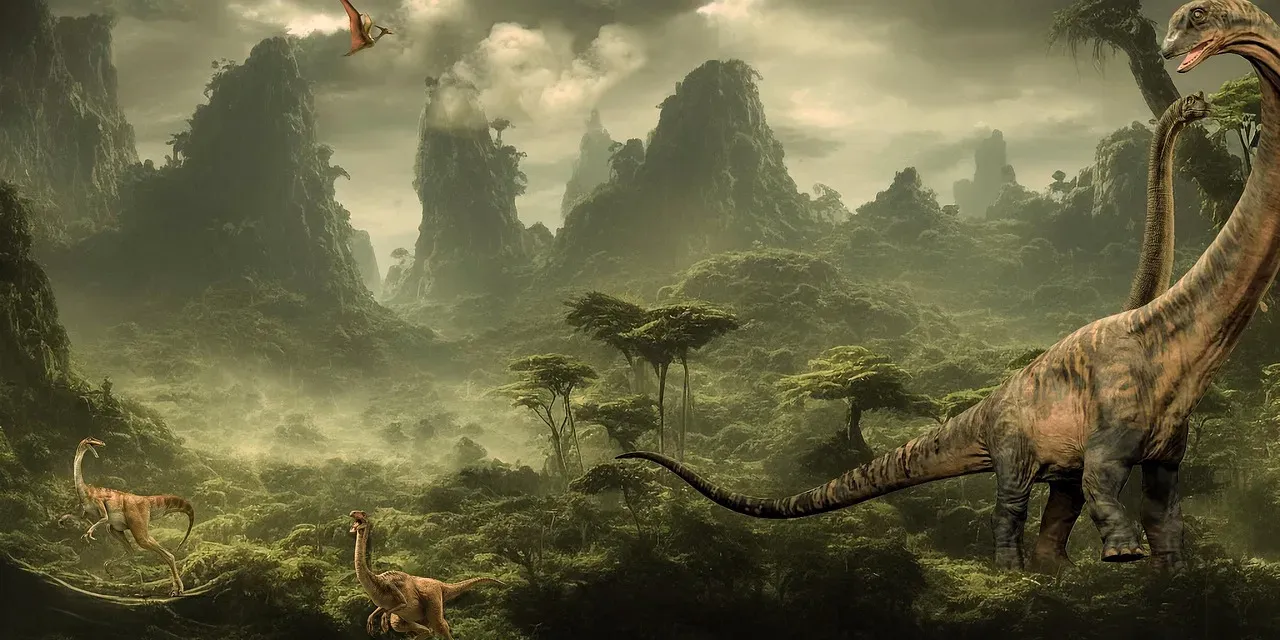
The world of the Mesozoic, when dinosaurs ruled, was not just different in who lived there, but in the air and climate itself. Many parts of that era were warmer than today, with higher levels of atmospheric carbon dioxide feeding explosive plant growth. Vast forests, ferns, and other vegetation would have created something close to an all-you-can-eat buffet for herbivorous dinosaurs, especially in certain periods and regions.
When you have almost endless food and relatively stable warm climates, there is less pressure to stay small and energy-efficient. Larger bodies can actually be an advantage: big animals lose heat more slowly, can travel farther in search of food, and are harder for predators to bring down. That warm, plant-rich greenhouse world likely nudged dinosaur body sizes upward by making it easier to fuel a huge frame and harder for environmental swings to wipe them out overnight.
#4 The Predator–Prey Arms Race: Get Big or Get Eaten
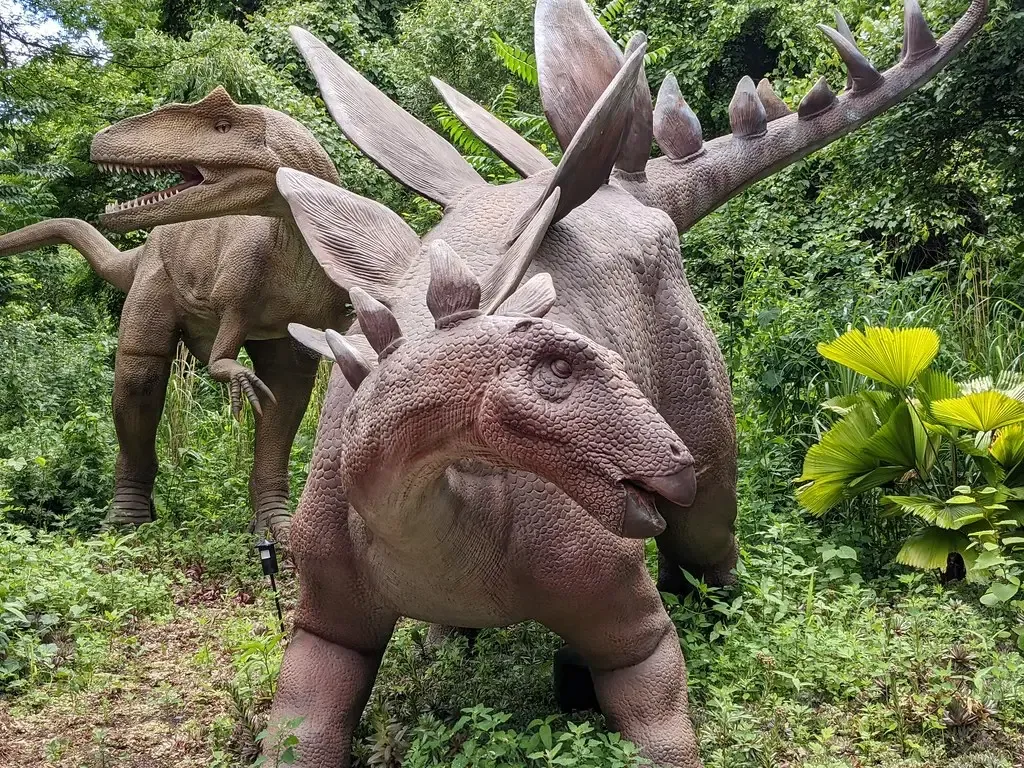
Another powerful idea is that dinosaur size was partly driven by an evolutionary arms race between predators and prey. When predators get larger, stronger, and more efficient, prey species face two basic options: get better at hiding and running, or get big enough that you are simply not worth the risk. Over millions of years, that back-and-forth pressure can push body sizes up on both sides.
Look at it this way: a small herbivore is easy to kill but does not offer much food. A truly enormous sauropod, on the other hand, is incredibly dangerous to attack, even for a group of large predators. One wrong move and a tail the size of a tree trunk can break bones. That means natural selection may have favored individuals that grew larger because their sheer size gave them a survival edge against giant meat-eaters, which in turn had to grow and adapt just to keep up.
#5 The “Warm-Blooded Enough” Hypothesis: Metabolism in the Sweet Spot
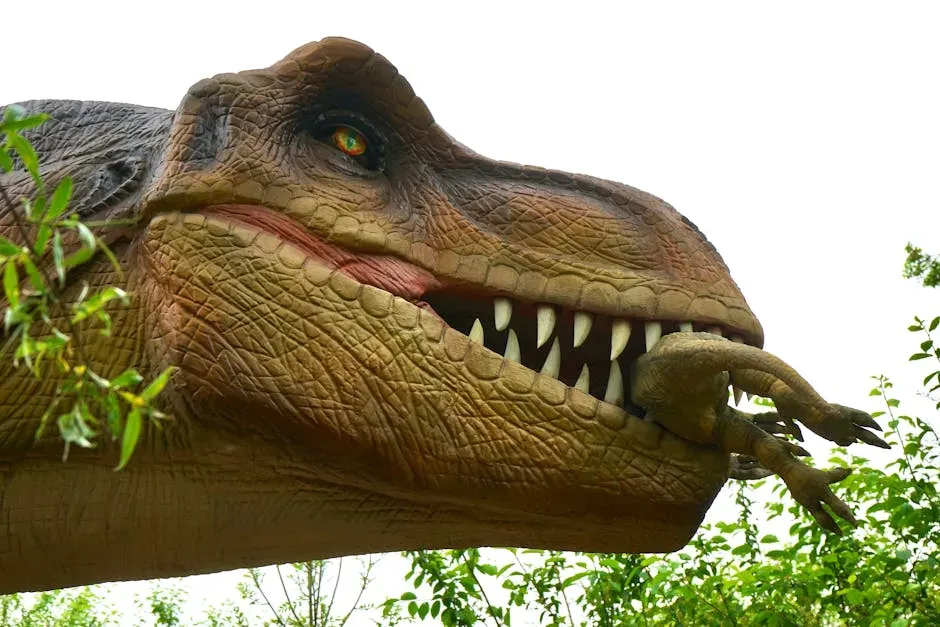
For a long time, dinosaurs were painted as sluggish, cold-blooded reptiles. Then the pendulum swung the other way and many popular images showed them as fully warm-blooded, like birds and mammals. These days, many researchers think the truth sits somewhere in between: dinosaurs may have had an intermediate metabolic style, not as slow as modern reptiles but not as fast-burning as many mammals either.
Why does that matter for size? A middle-ground metabolism could be perfect for gigantism. If your body runs too hot and fast, like many mammals, it becomes harder to fuel that with enough food as you get larger. If it runs too cold and slow, like most reptiles, you may not be active enough to take advantage of a big body. Dinosaurs may have landed in a sweet spot, using energy efficiently enough to grow large, but staying active and powerful enough to dominate their ecosystems.
#6 The Gravity and Bone Engineering Idea: Pushing Physical Limits
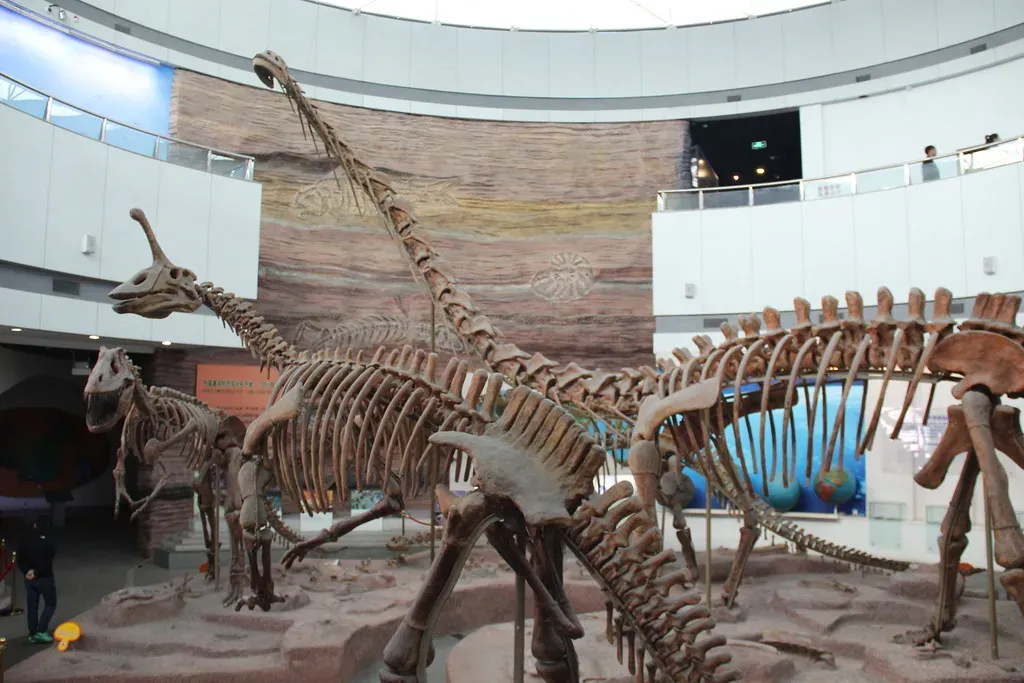
Every time someone jokes that maybe gravity was lower back then, it shows how extreme dinosaur sizes really were. There is no good evidence that gravity was different, but the sheer size of some species does force scientists to think hard about biomechanics. How do you move a forty-ton animal without snapping legs or shredding muscles? Dinosaurs may have solved that puzzle by evolving incredibly well-engineered skeletons and postures.
Many of the largest dinosaurs stood with their limbs held straight under their bodies, like pillars, rather than sprawling out to the sides like crocodiles or lizards. This column-like stance spreads the weight more efficiently, much like how the legs of a table sit directly under it instead of at odd angles. Combined with surprisingly lightweight but strong bones and large, supportive joints, this body plan let them flirt with the limits of what land animals can physically do without rewriting the laws of physics.
#7 The Long-Neck Feeding Strategy: Owning an Entire Forest Layer
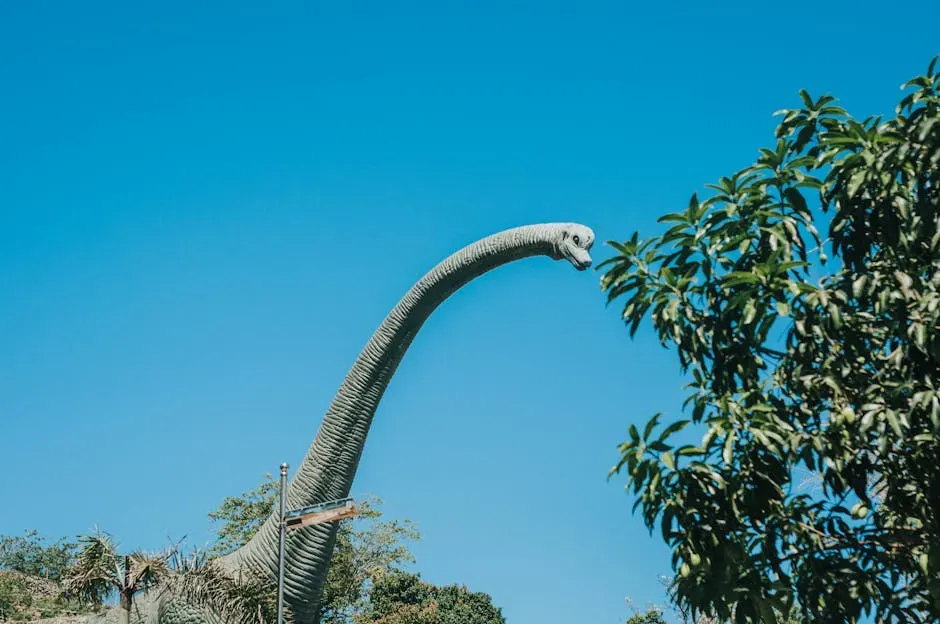
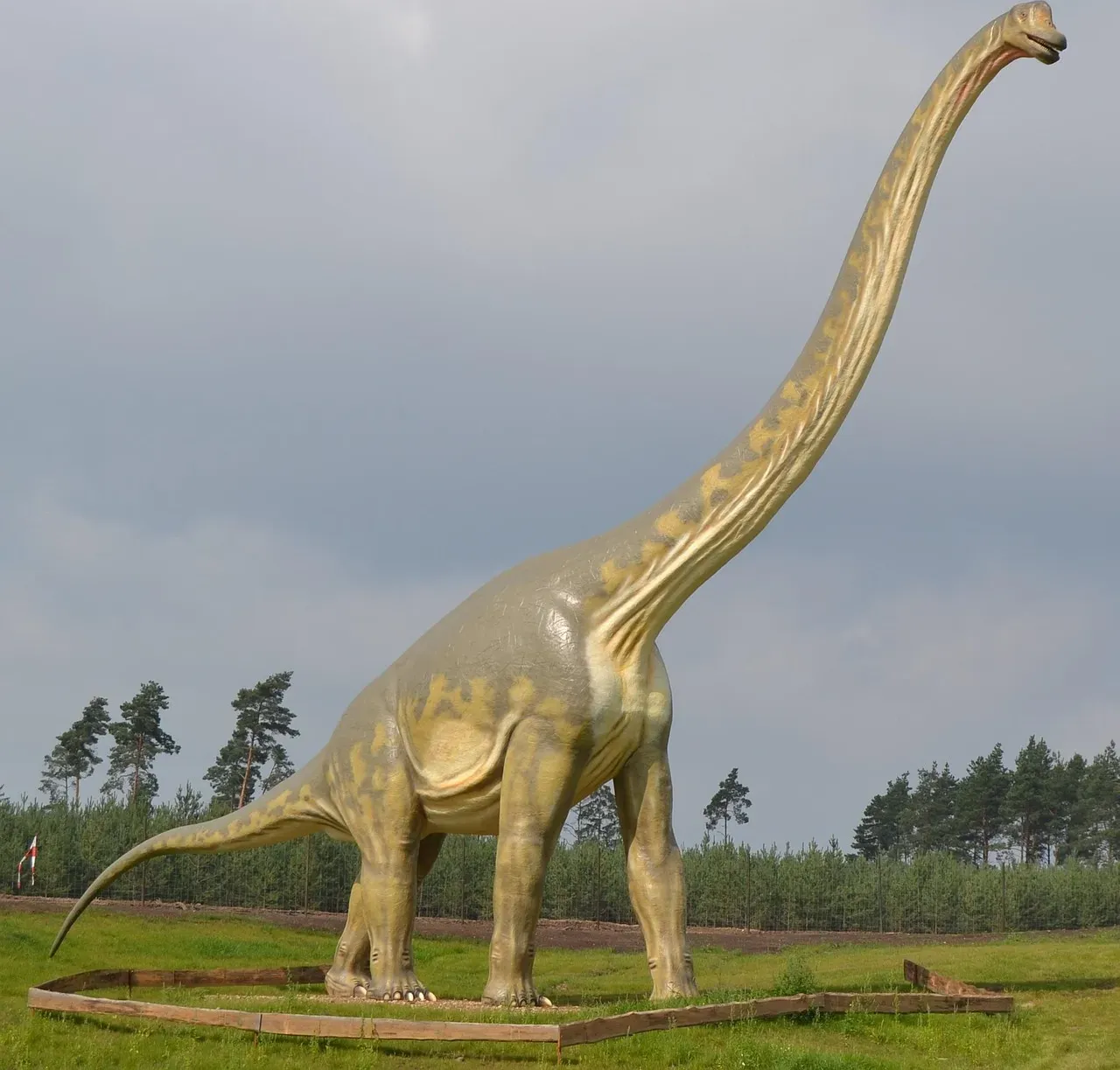
Those legendary long necks were not just for show. One of the most compelling theories is that sauropods evolved tremendous size partly as a way to access huge feeding zones without moving very much. With a neck that could sweep over a wide area like a crane, a giant sauropod could stand in one spot and strip leaves from many trees at different heights. Less walking means less energy spent, which is a big deal when you are hauling a multi-ton body around.
Once that long-neck strategy kicked in, there was evolutionary room to go even bigger. A taller animal with a longer neck can reach more food and face less competition from smaller species stuck at lower browsing levels. In a way, growing enormous let these dinosaurs carve out their own private layer of the forest buffet, reducing direct competition and rewarding individuals that could grow taller and bulkier without falling apart structurally.
#8 The Growth Curve Secret: Staying “Teenagers” for a Very Long Time
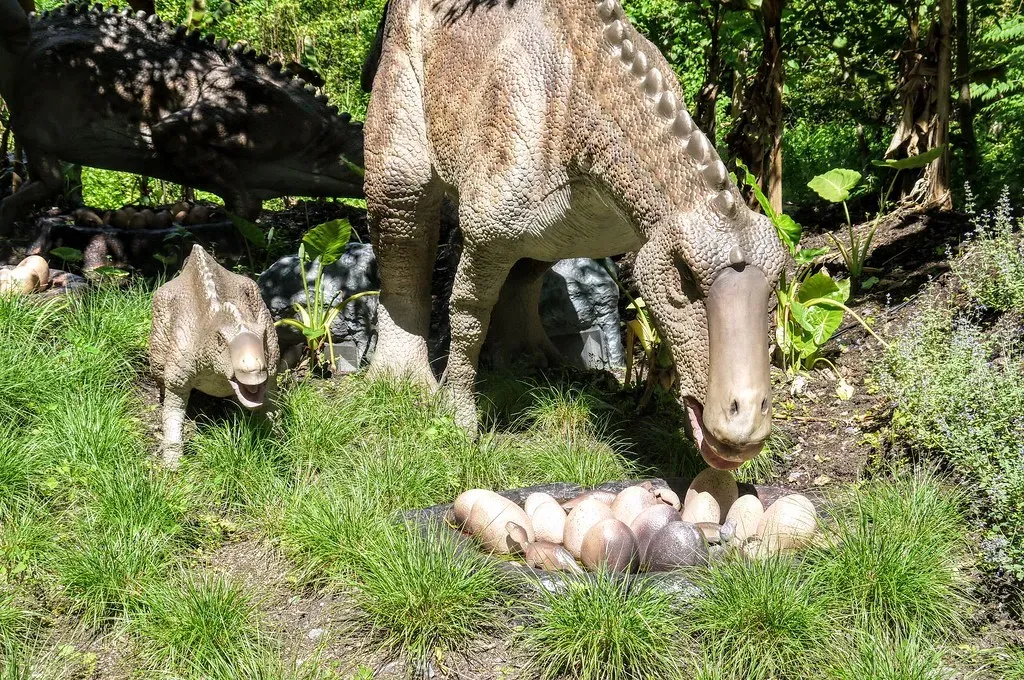
Fossil bone studies show that many dinosaurs grew fast when young, more like birds and mammals than modern reptiles. Some reached near-adult size in just a couple of decades. After that, growth seems to have slowed but not stopped completely. That extended period of slower, steady growth could have allowed individuals to keep gaining mass for many years if they survived long enough, gradually pushing adult sizes upward.
This is a little like a person who keeps adding a tiny bit of weight year after year beyond their twenties, only scaled up to a prehistoric extreme. If natural selection favored individuals that lived longer and continued to grow, you get a feedback loop: longer lifespans, larger bodies, and more chances to reproduce successfully. Over millions of years, that kind of growth curve, fast at first and then prolonged, can help generate some of the largest land animals ever seen.
#9 The Status and Survival Advantage: Big Bodies, Big Payoffs
There is also a social angle to all this. In many modern animals, from deer to seals, larger body size brings big advantages in mating battles, territory control, and social rank. It would not be surprising if something similar played out among dinosaurs. A bigger male might have been better at fending off rivals or impressing potential mates, even if that did not leave direct traces in the fossil record the way horns or frills sometimes do.
On top of that, big bodies can act like built-in survival gear. Large animals are often better at withstanding short-term food shortages, cold snaps, or injuries. They can store more energy as fat and muscle, and predators are less likely to risk attacking a fully grown giant. Put those benefits together and you get a strong push for natural selection to favor individuals that tend to end up on the larger side, especially in stable environments where slow, steady advantages really add up.
Conclusion: A Perfect Storm of Factors, Not a Single Magic Trick
When you step back and look at all these theories together, it becomes clear that dinosaur gigantism was probably not caused by one single thing. It was more like a perfect storm: efficient lungs, clever reproduction, rich plant life, intense predator–prey dynamics, and smart bone engineering all working together over millions of years. In my view, the most convincing picture is that dinosaurs simply hit a combination of traits and environmental conditions that let evolution keep nudging their sizes upward without running into a hard wall.
What makes this topic so addictive is that we are still piecing it together, bone by bone and theory by theory. Every new fossil or growth ring analysis can tilt the debate, but the core idea remains deeply satisfying: dinosaurs were enormous because, for a long stretch of Earth’s history, being enormous really worked. The next time you see a skeleton of a towering sauropod or a massive predator, it is worth asking yourself: if life on land could do that once, what else might be possible that we have not even imagined yet?