If you’ve ever seen a picture of a so‑called duck‑billed dinosaur and thought it looked almost cartoonishly harmless, Hadrosaurus is going to surprise you. It was not some awkward prehistoric oddball; it was one of the great plant‑processing machines of the dinosaur world, armed with a mouthful of teeth that would put most modern animals to shame. Imagine a creature that looks part giant goose, part muscular kangaroo, and part living combine harvester, quietly mowing through ancient forests.
What makes Hadrosaurus so fascinating today is not just how it looked, but what it tells us about dinosaur evolution, ecosystems, and even how we reconstruct the past from frustratingly incomplete bones. I still remember the first time I saw a hadrosaur skull in a museum as a kid; I stared at the dense rows of teeth and thought, “How did this thing even close its mouth?” It turns out, the more scientists study these animals, the more ingenious their design seems. Let’s unpack why this duck‑billed was far more than just a funny face.
A Duck-Bill Built for Serious Eating
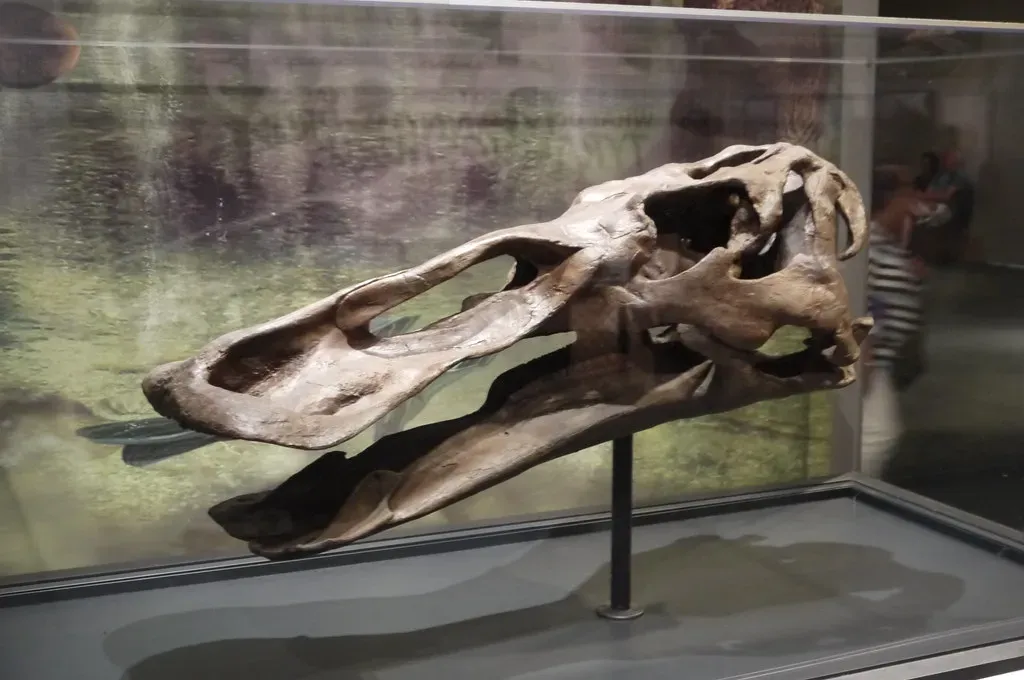
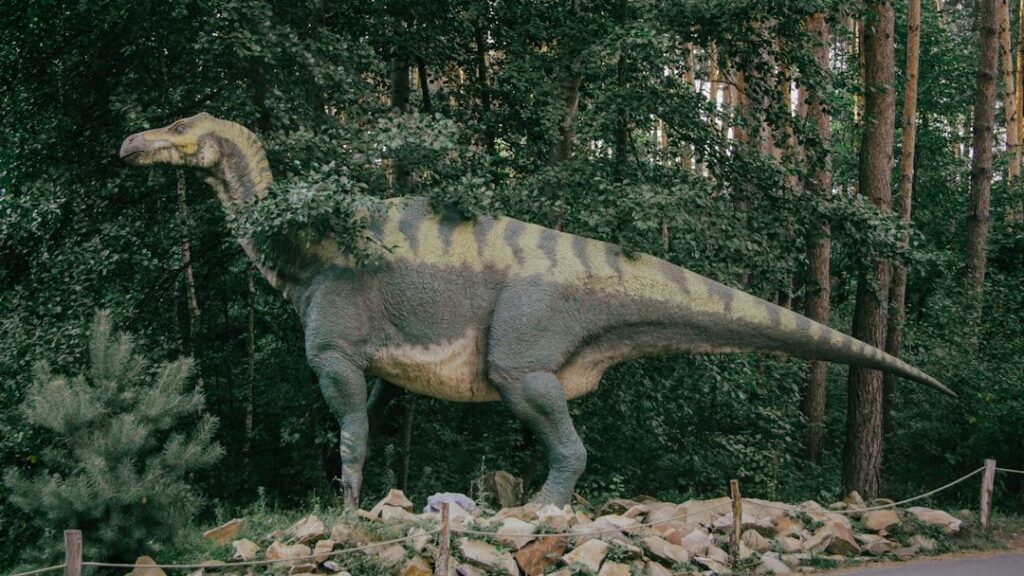
It’s tempting to think the “duck‑bill” nickname means Hadrosaurus had a delicate beak like a pond bird, but that wide, flattened snout was more like heavy‑duty farming equipment. The front of the jaws formed a broad, shovel‑like beak made of keratin in life, ideal for cropping vegetation close to the ground or stripping leaves from branches. Rather than snapping like a crocodile, the jaws worked almost like clippers combined with a rake, gathering mouthfuls of plant matter with each bite.
This shape also meant Hadrosaurus could be a flexible feeder in its Late Cretaceous environment. A broad bill let it handle a mix of leaves, twigs, and possibly even softer fruits or shoots, depending on what was in season. You can think of it as the dinosaur version of a multitool: not perfect for one single job, but good enough at many. That versatility likely helped hadrosaurids dominate herbivore communities in many regions, outlasting more specialized plant‑eaters that could not adapt as easily when conditions changed.
Hundreds of Teeth Working Like a Living Grinding Machine
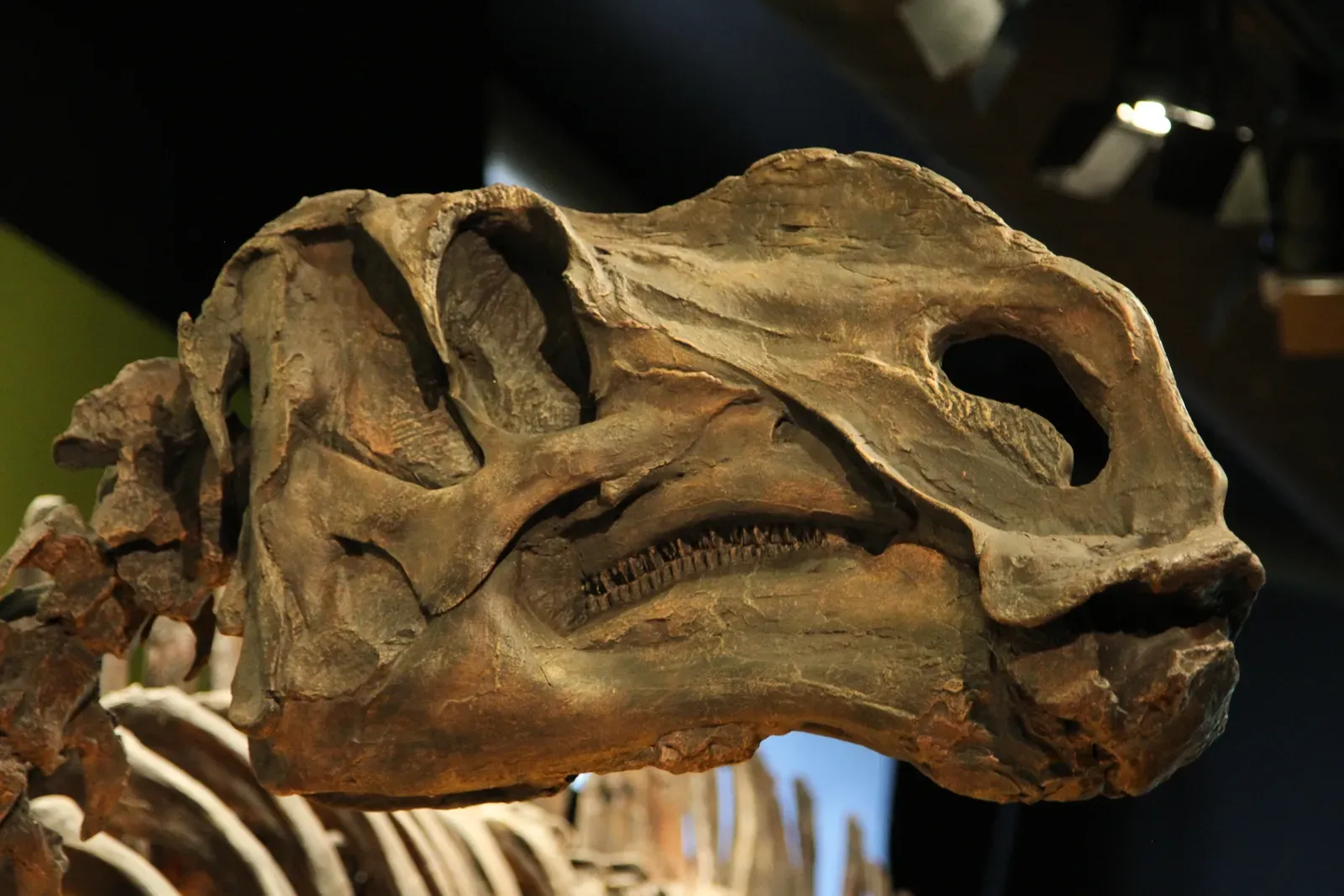
The real magic of Hadrosaurus was hidden just behind that beak: batteries of teeth stacked in tight, vertical rows. Instead of having a simple set of large chewing teeth like a horse, hadrosaurids carried hundreds of small teeth that were constantly being replaced. As old teeth wore down, new ones pushed up from below, forming a dense grinding surface that stayed sharp and functional throughout the animal’s life. It is almost like having an endless roll of sandpaper that renews itself as you use it.
This tooth battery acted like a complex, self‑maintaining millstone. The upper and lower jaws moved in a subtle but effective sideways and up‑and‑down motion, grinding tough plant material into pulp before it was swallowed. That kind of processing allowed Hadrosaurus to extract more nutrients from fibrous vegetation that many other herbivores might simply pass through. In evolutionary terms, that is a major power‑up: better digestion means more energy per mouthful, which supports bigger bodies, larger herds, and longer lifespans. In my view, the tooth batteries are one of the most underrated “inventions” in dinosaur history.
From New Jersey Bones to Scientific Star
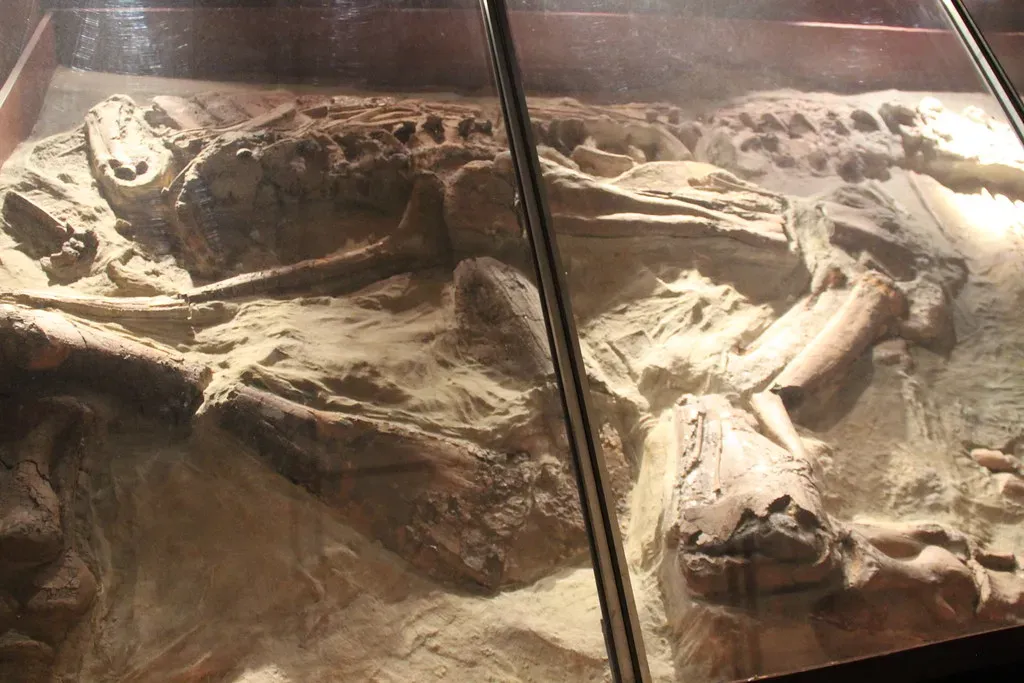
Hadrosaurus is not just important for its biology; it is a milestone in the story of paleontology itself. Discovered in the mid‑nineteenth century in what is now New Jersey, it was one of the first relatively complete dinosaur skeletons found in North America. Before that, scientists were piecing together dinosaurs from scattered bones and wild guesses. The Hadrosaurus discovery gave researchers a clearer view of what a large herbivorous dinosaur actually looked like as a whole animal, not just a skull or a limb bone.
When it was first reconstructed, Hadrosaurus was shown standing upright on its hind legs, almost like an enormous kangaroo with a strange head. That image shaped how people imagined dinosaurs for decades, even though later research suggests a more horizontal, balanced posture was normal. To me, this evolving picture is part of the charm: Hadrosaurus is both a real animal and a time capsule of how our ideas about dinosaurs have changed. It reminds us that science is not fixed; it is a moving target that gets sharper with every new fossil and every new technique.
How Hadrosaurus Lived: Herds, Growth, and Daily Life
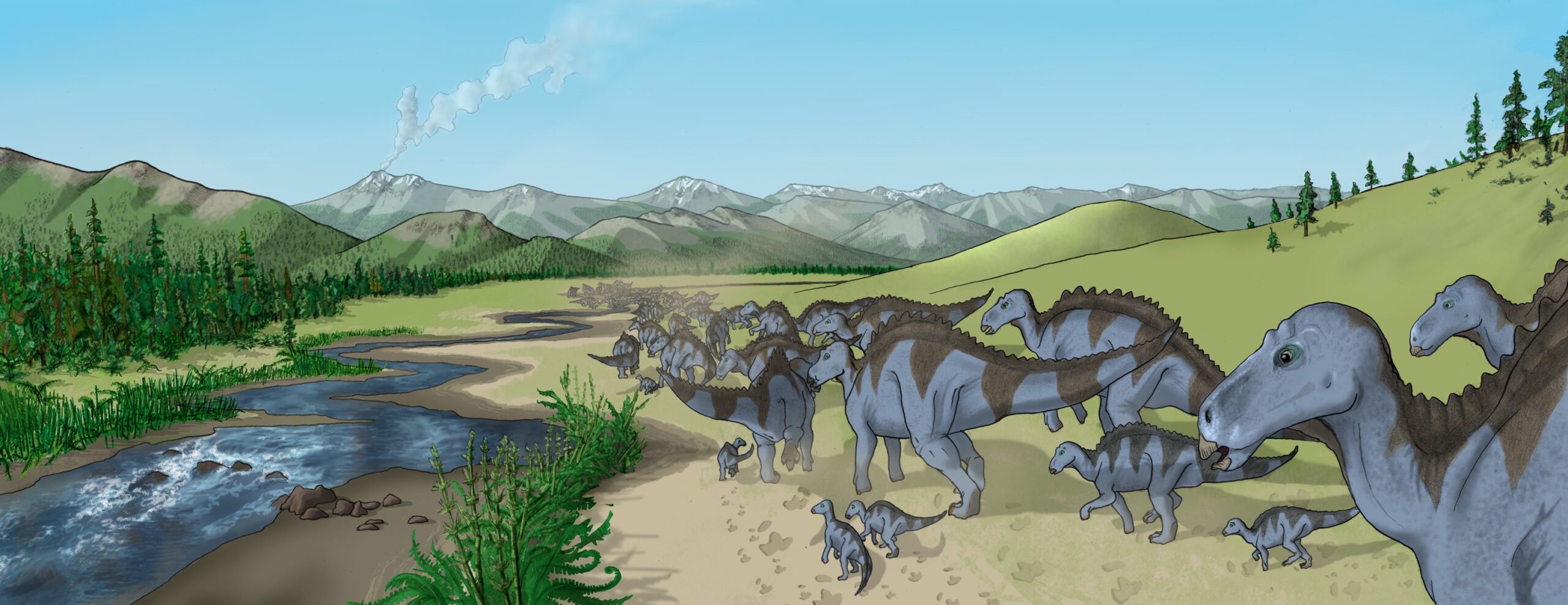
Even though we do not have a complete movie of Hadrosaurus roaming its world, we can make educated inferences from related duck‑billed dinosaurs and the rocks they were buried in. Many hadrosaurid fossils are found in groups, suggesting at least some species lived in herds, which would have offered safety in numbers against large predators. Herd life makes sense for a mid‑to‑large herbivore with strong but not flashy defensive tools: the best defense is a crowd of eyes and a quick retreat. I like to imagine whole river valleys dotted with groups of these animals grazing like prehistoric cattle.
Bone studies in hadrosaurids show growth rings and changing bone textures that hint at relatively fast growth, especially in the early years. Growing quickly to a large size would have been crucial in a world where predators like tyrannosaurs might be prowling nearby. Daily life likely involved long hours of feeding, moving between water sources and feeding grounds, and keeping track of young within the group. It is not hard to picture them as the “background giants” of their ecosystems, doing the quiet, essential work of turning plants into biomass that fed everything from small scavengers to massive carnivores.
The Ecosystem Role of a Giant Plant-Processor
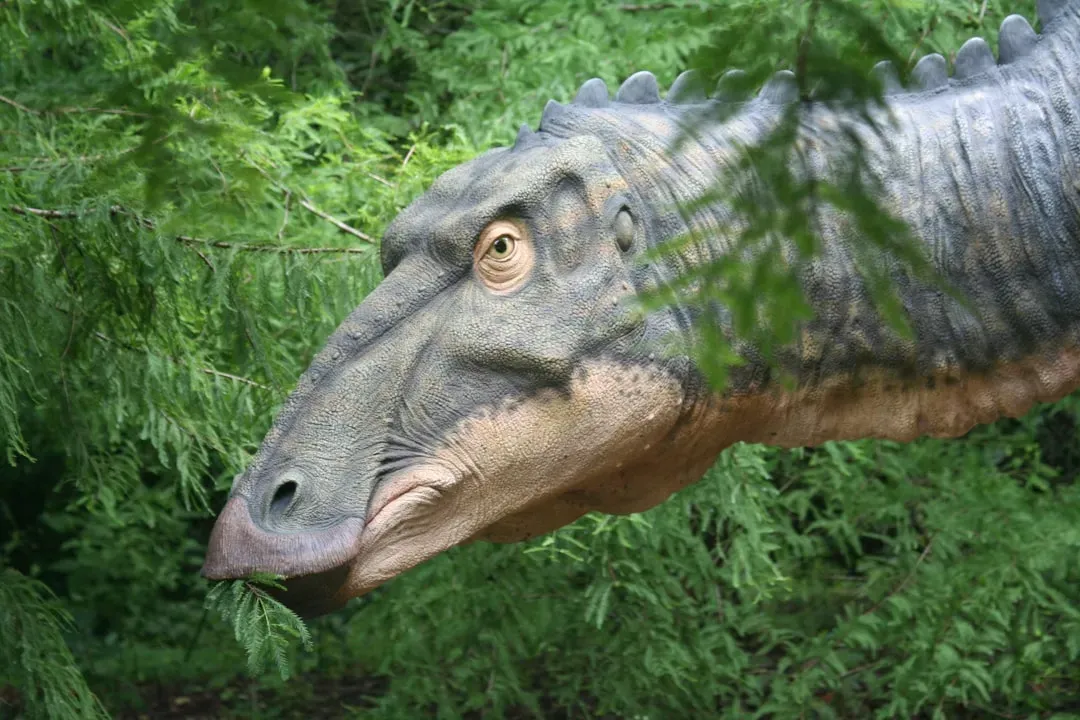
Hadrosaurus and its close relatives were not just passengers in their ecosystems; they were engineers shaping the landscape. By consuming huge amounts of vegetation, they would have influenced which plants thrived, which were kept in check, and how open or dense certain habitats became. This is similar to how modern elephants, bison, and large deer can dramatically change plant communities by the way they feed. In that sense, the “duck‑billed” dinosaur was more like a mobile gardening crew than a passive grazer.
Their droppings would have returned nutrients to the soil and provided food for insects and microorganisms, creating a cascade of life around them. When they died, their carcasses became nutrient hotspots, feeding predators, scavengers, and decomposers in turn. If you zoom out, Hadrosaurus looks less like a quirky dinosaur and more like one of the central energy hubs of its environment. I would argue that without animals like this, the Late Cretaceous ecosystems of North America would have looked and functioned very differently, from the forests right up to the top predators.
What Hadrosaurus Teaches Us About Evolution and Survival
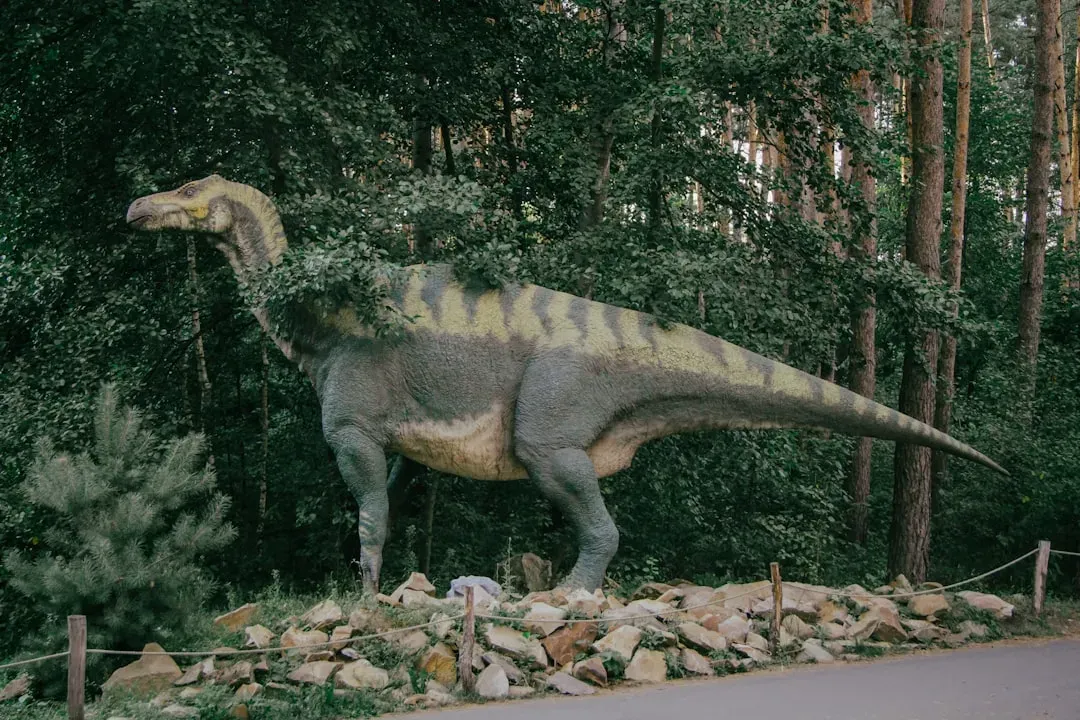
When you step back from the details, Hadrosaurus is a masterclass in evolutionary problem‑solving. It needed to turn tough plants into energy, avoid getting eaten, and succeed in a changing world. Evolution answered with a wide duck‑bill, an army of self‑replacing teeth, a likely herd lifestyle, and a body plan that balanced power and efficiency. None of these traits alone is mind‑blowing, but together they made hadrosaurids some of the most successful dinosaurs of their time. To me, that quiet success story is far more interesting than any flashy set of horns or claws.
There is an opinion I keep coming back to: if we only chase the most dramatic dinosaurs, we miss the real engine of prehistoric life. Hadrosaurus embodies that idea. It was not a cinematic monster, and it probably would not have stolen the spotlight in a nature documentary, but it was absolutely central to how its world worked. In a way, learning about this duck‑billed dinosaur with its hundreds of teeth is a reminder to look twice at the “ordinary” things around us. Sometimes the creatures doing the unglamorous jobs are the ones holding everything together. Did you expect a plant‑eater with a goofy bill to be that important?