The age of dinosaurs gets all the attention, but long before Tyrannosaurus ever sank its teeth into anything, the oceans were already a terrifying battleground. Giant reptiles with jaws like bear traps, flippered speed demons, and armor-plated predators ruled the water while early dinosaurs were still an evolutionary afterthought on land. If you picture the ancient seas as quiet blue deserts, you’re in for a bit of a shock.
What makes these early marine reptiles so fascinating is how alien and yet familiar they feel at the same time. Some looked like monstrous mashups of crocodiles and dolphins, others like twisted sea snakes on steroids. And the wild part? Many of them evolved long before the classic Jurassic sea monsters most of us know from movies. Let’s dive into seven of the most remarkable ancient marine reptiles that reigned in the deep well before dinosaurs truly took over the continents.
1. Mesosaurus – The Slim, Early Pioneer of the Seas
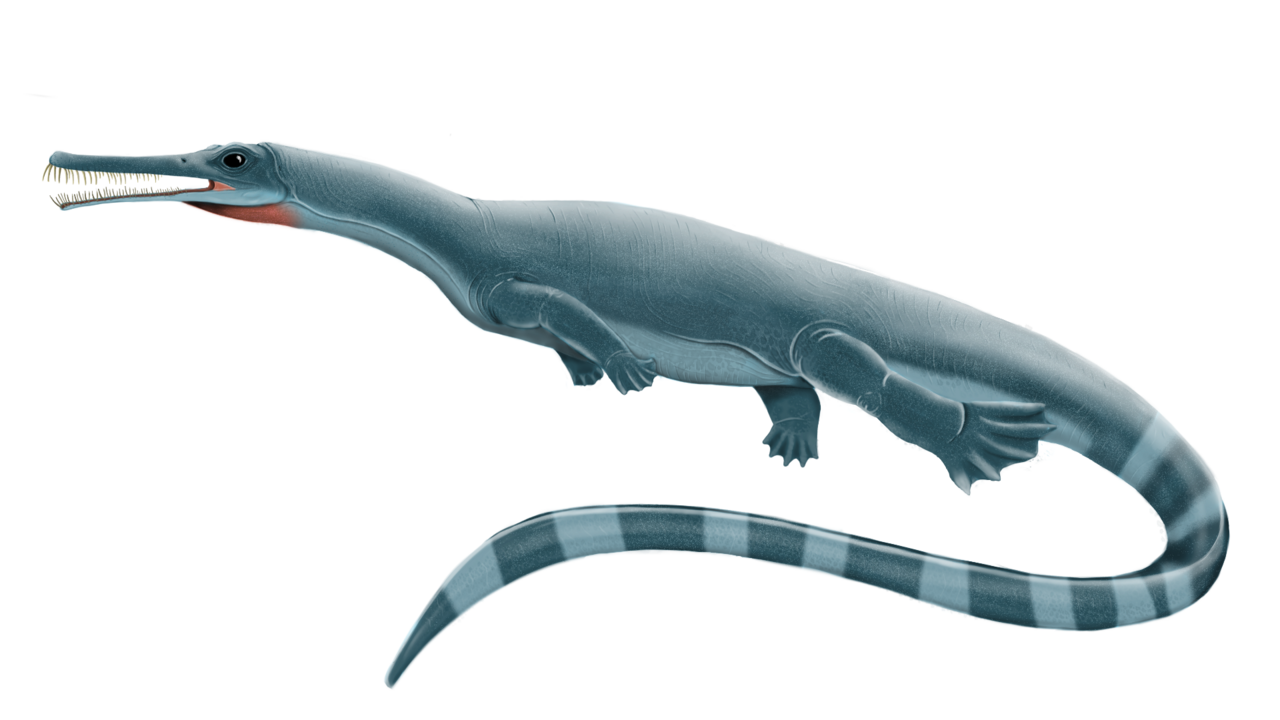
It might not look as dramatic as some of the later marine monsters, but Mesosaurus was a genuine pioneer: one of the earliest reptiles to fully commit to life in the water. Living during the early Permian period, long before dinosaurs evolved, it had a long, slender body, paddle-like limbs, and a tail built for swimming. Imagine a cross between a lizard and a streamlined otter, but with a mouth full of needle-like teeth for snapping up small prey.
Mesosaurus fossils have been found in both South America and Africa, and that geographic spread actually helped scientists figure out that continents used to be joined together. In other words, this modest little reptile quietly helped prove plate tectonics, which is wild when you think about it. Mesosaurus probably hunted tiny fish and crustaceans in shallow coastal lagoons rather than charging through the open ocean like a shark. It was not the biggest or the fiercest predator, but it was one of the very first reptilian trailblazers to truly conquer the seas, setting the stage for the larger, more terrifying marine reptiles that followed.
2. Ichthyosaurus – The “Fish Lizard” Built Like a Modern Dolphin
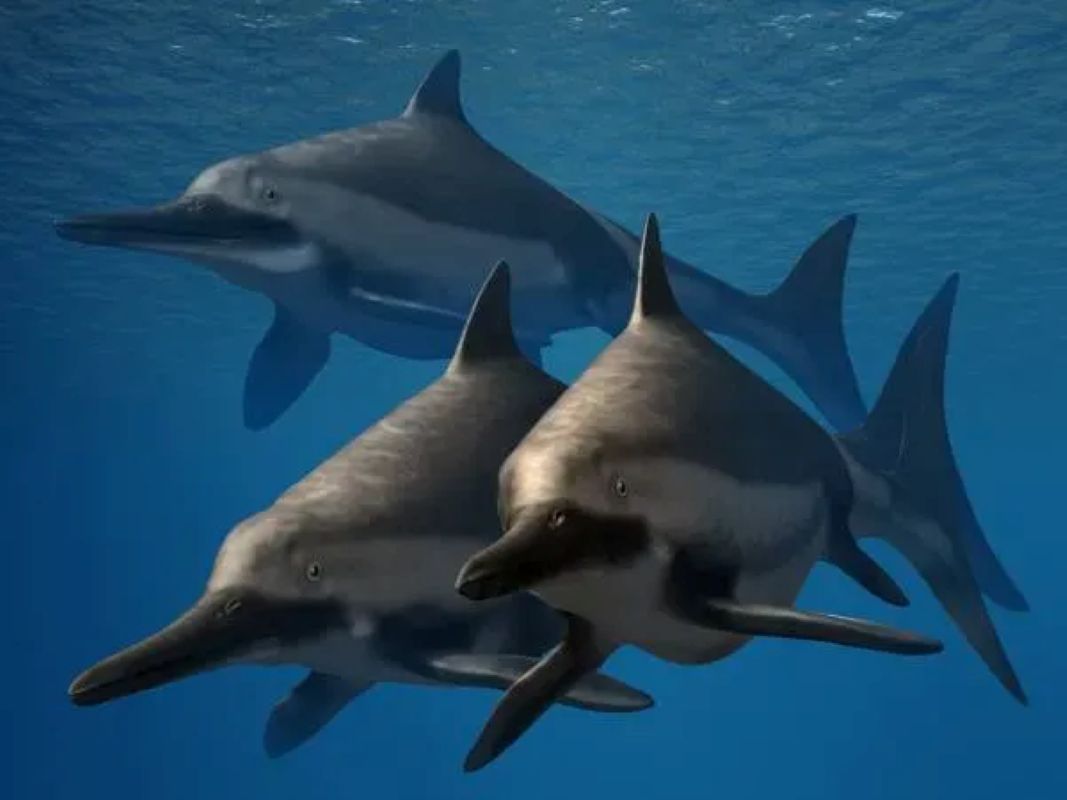
Ichthyosaurus is one of those animals that makes you do a double take, because at first glance you could almost mistake it for a dolphin. It had a long, streamlined body, a powerful tail fin, and big eyes that suggest it hunted by sight in relatively clear water. The name literally means “fish lizard,” and that’s pretty much exactly what it looks like: a reptile that reinvented itself into a fish-like form millions of years before mammals did something similar.
What’s really impressive about Ichthyosaurus and its relatives is how specialized they already were by the early Triassic, when dinosaurs were just beginning to appear on land. These animals were fast swimmers, likely chasing down squid-like creatures and fish with sudden bursts of speed. Some ichthyosaurs related to Ichthyosaurus grew to enormous sizes, but even the more modest species were sleek, efficient predators that dominated their niche. To me, they’re one of the best examples of evolution’s favorite trick: if a body plan works, nature will keep reinventing versions of it, whether in reptiles, mammals, or even fish themselves.
3. Thalattoarchon – The Early Apex Predator That Ate Its Peers
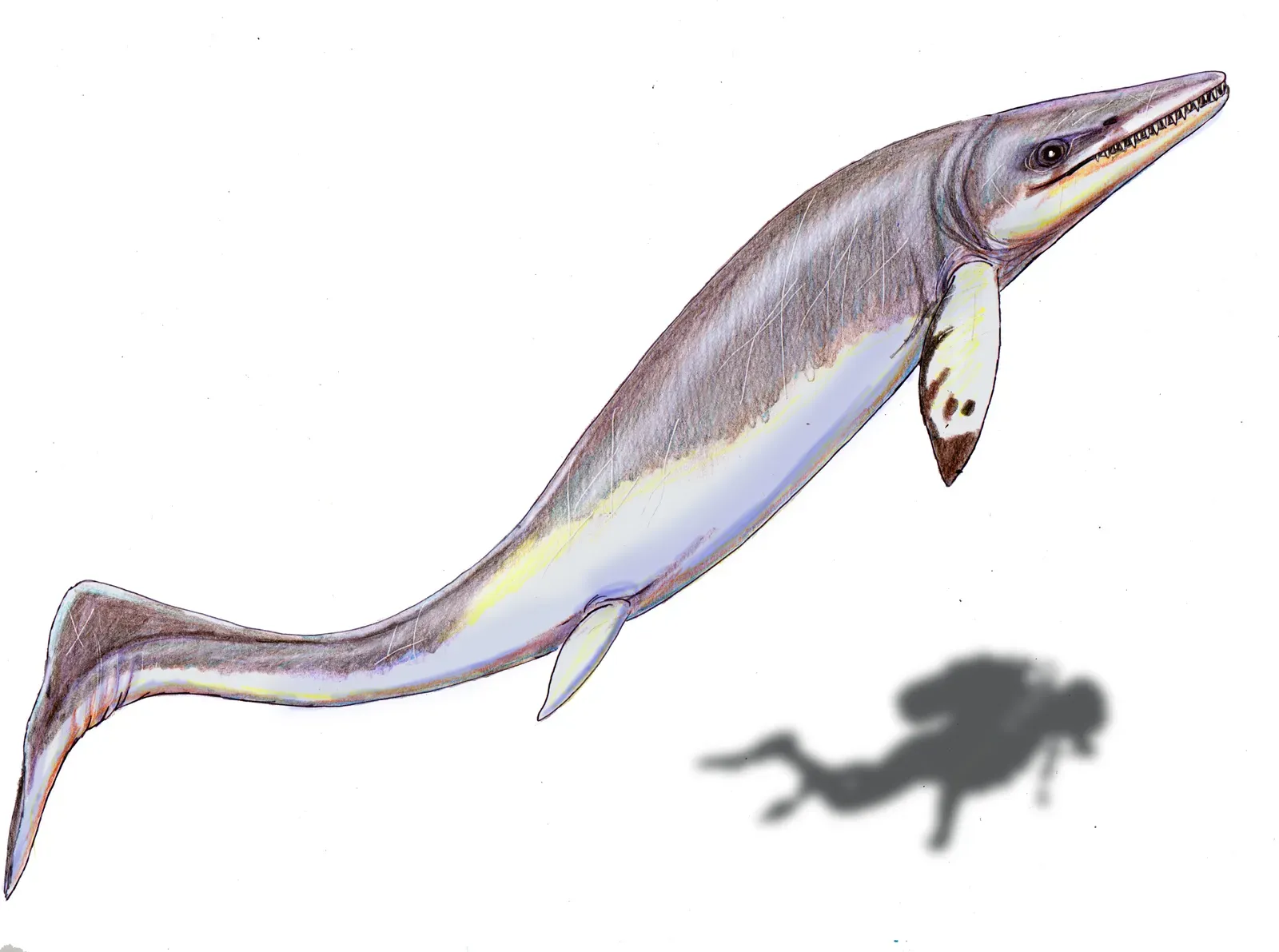
If Mesosaurus was a cautious pioneer and Ichthyosaurus a sleek racer, Thalattoarchon was something else entirely: a brute-force apex predator. Its name translates roughly to “ruler of the sea,” and for once, the name is not an exaggeration. This early Triassic marine reptile had a massive skull with large, blade-like teeth that were not just for catching fish but for tearing apart other large marine reptiles. In plain language, it did not just hunt; it hunted things its own size.
The existence of Thalattoarchon so soon after the largest mass extinction in Earth’s history says a lot about how fast ecosystems can bounce back into something brutally efficient. Within a relatively short geological time, marine food webs went from collapsed to complex enough to support a top predator that specialized in big-game hunting. I find that both chilling and weirdly inspiring: life wastes no time filling empty roles. Thalattoarchon may not be a household name, but it deserves recognition as one of the earliest true sea super‑predators, setting the tone for millions of years of underwater arms races.
4. Nothosaurus – The Ambush Swimmer of Shallow Coasts
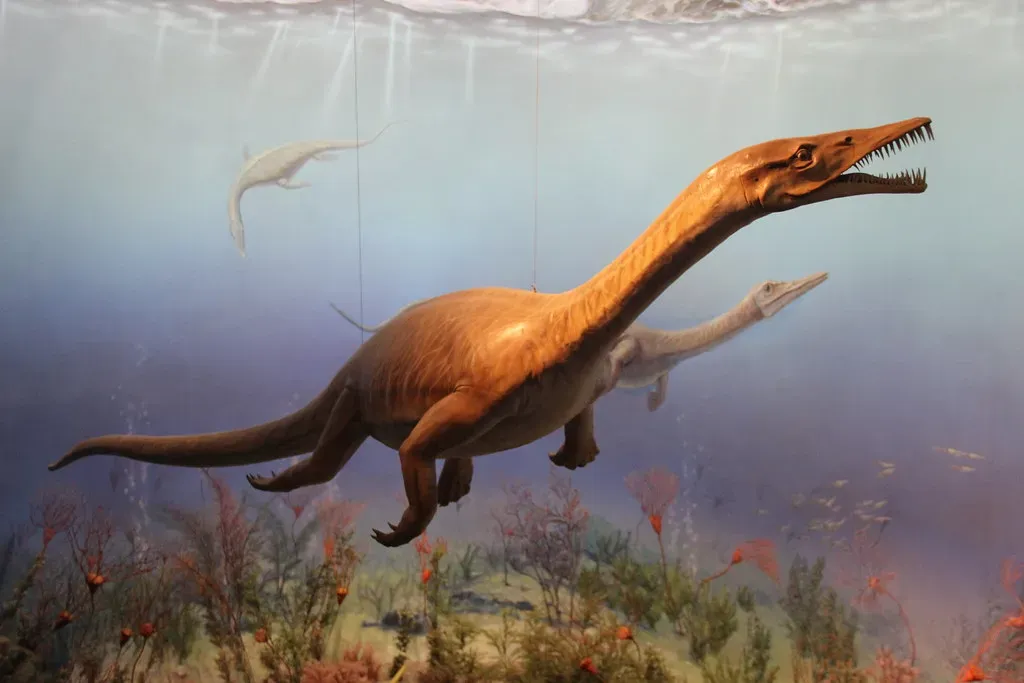
Nothosaurus did not rule the open ocean like some of the larger predators, but it absolutely owned the shallow coastal zones. With its long, low body, slender neck, and crocodile-like head full of sharp teeth, it looks like something halfway between a lizard and a seal. Its limbs were not fully transformed into rigid flippers yet; instead, they seem to have been more flexible, suggesting it could haul itself onto land or at least clamber around in very shallow water, a bit like a modern seal or sea lion.
That body plan hints at its hunting style. Rather than chasing prey over long distances, Nothosaurus likely relied on bursts of speed and surprise, lurking in murky shallows or among rocks before striking. Its long jaws were perfect for grabbing slippery fish or small marine reptiles. To me, Nothosaurus feels like the stealth hunter of this lineup: not the largest, not the flashiest, but probably terrifying if you were a fish minding your business in a coastal lagoon. It also foreshadows the later evolution of fully aquatic forms like the plesiosaurs, making it a kind of transitional experiment that really worked for its time.
5. Placodus – The Shell Crusher With a Barrel Body
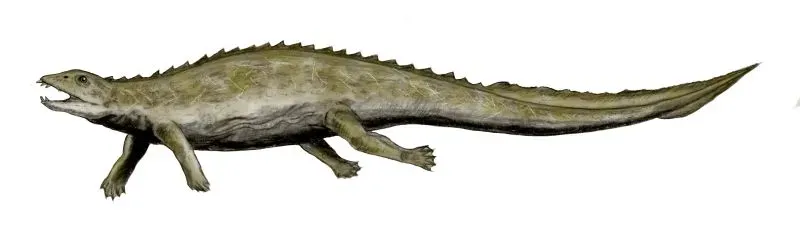
Not all ancient marine reptiles were built for high-speed chases or brutal ambushes. Placodus went for an entirely different strategy: armored, heavy, and specialized for crushing hard-shelled prey. Its body was wide and somewhat barrel-shaped, with dense bones that probably helped weigh it down in shallow coastal waters. Instead of sleek stabbing teeth, it had broad, flat tooth plates in the back of its jaws, ideal for cracking the shells of clams, mussels, and other hard-shelled animals on the seafloor.
In a world full of sharp-toothed predators, Placodus feels almost like the underwater equivalent of a grazing tortoise or a durophagous (hard-prey-eating) mammal. It probably spent much of its time rooting around on the bottom, snapping up shellfish and grinding them down like a living nutcracker. I love that evolution produced a reptile that said, in effect, “You can have the fish; I’ll take the armored snacks.” It is a reminder that ruling the seas is not always about speed or size. Sometimes it is about finding a food source almost no one else is exploiting and building your entire body around that one clever idea.
6. Cymbospondylus – The Giant Before Giants
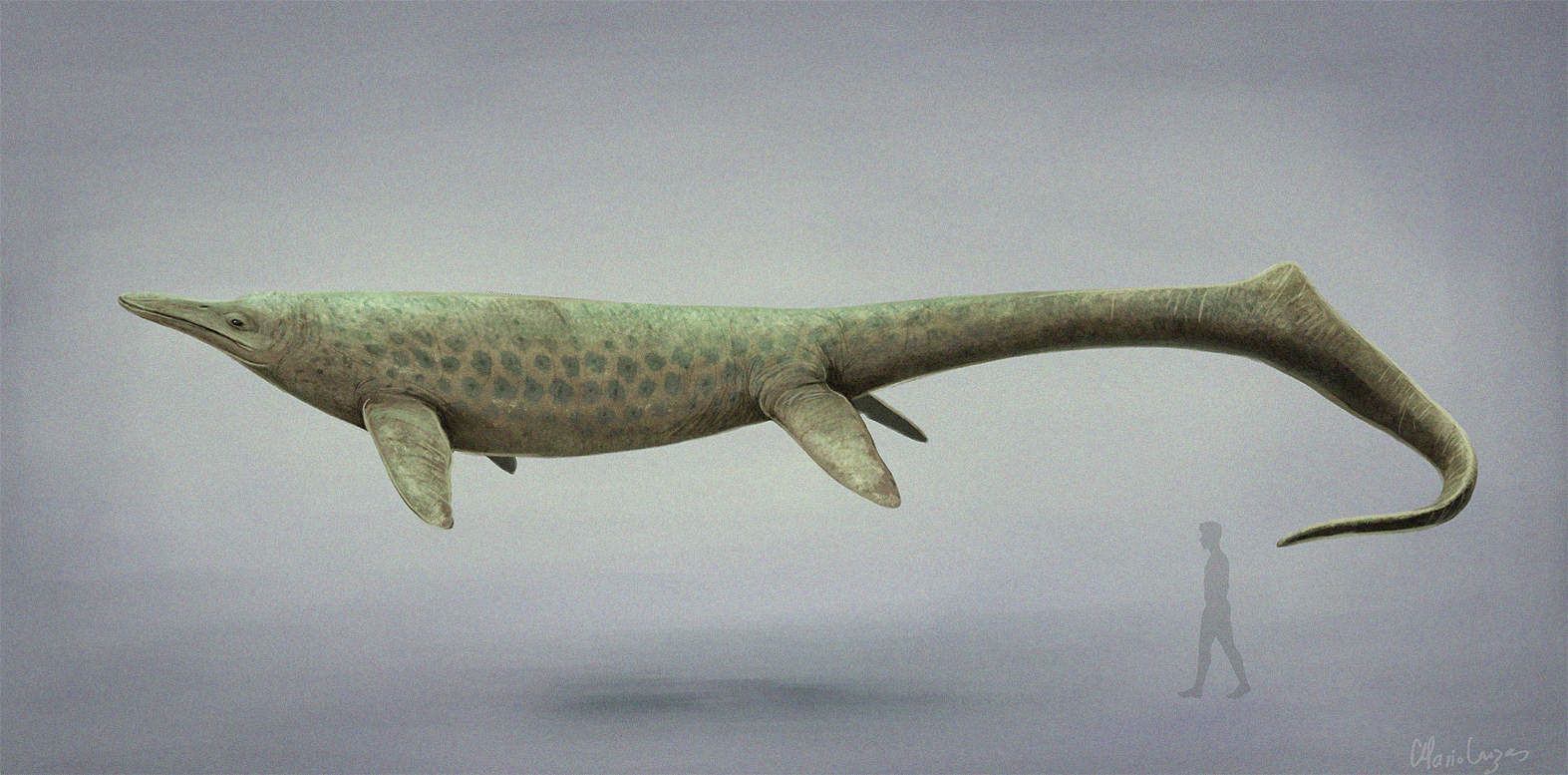
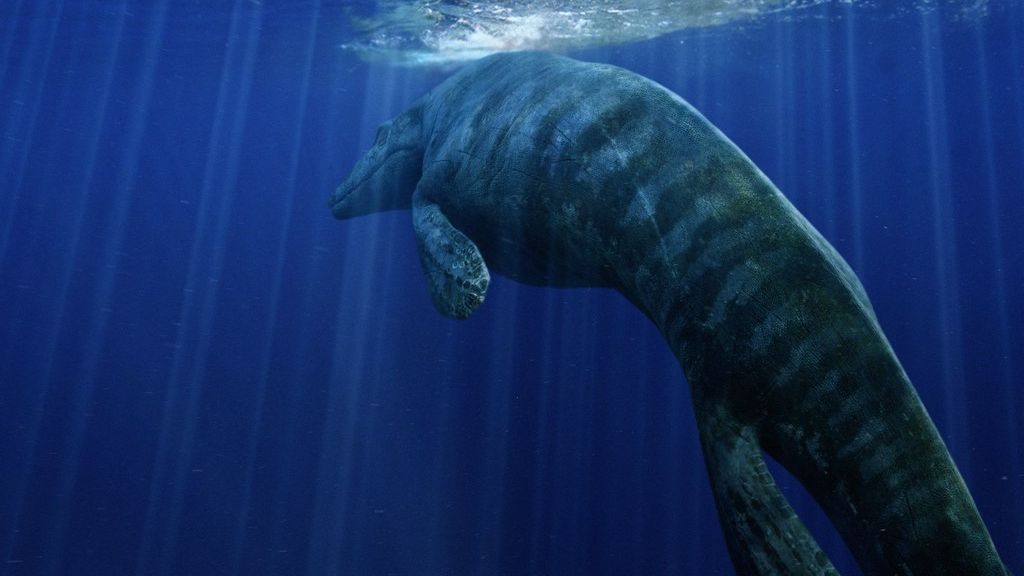
Long before the truly colossal ichthyosaurs evolved, there was Cymbospondylus, an early giant that already pushed the limits of size in the Triassic seas. Unlike the later, more dolphin‑like ichthyosaurs, Cymbospondylus had an elongated, somewhat more eel‑like body, with a long snout and a powerful tail. It could reach impressive lengths, making it one of the dominant large predators of its time, even before the better-known marine reptiles hit their stride.
What fascinates me about Cymbospondylus is how it represents a sort of first draft of the giant marine reptile body plan. It was big and clearly successful as a top predator, yet still a bit more primitive in shape compared to the hydrodynamic, tuna‑shaped ichthyosaurs that came later. That makes it feel like a snapshot of evolution in motion, caught between lizard-like ancestors and the sleek oceanic hunters that would follow. In a sense, Cymbospondylus is proof that once life discovers the open ocean as a stage, it inevitably starts scaling up, testing how large a predator can get before physics and food availability say “enough.”
7. Tanystropheus – The Bizarre Long-Necked Hunter at the Water’s Edge
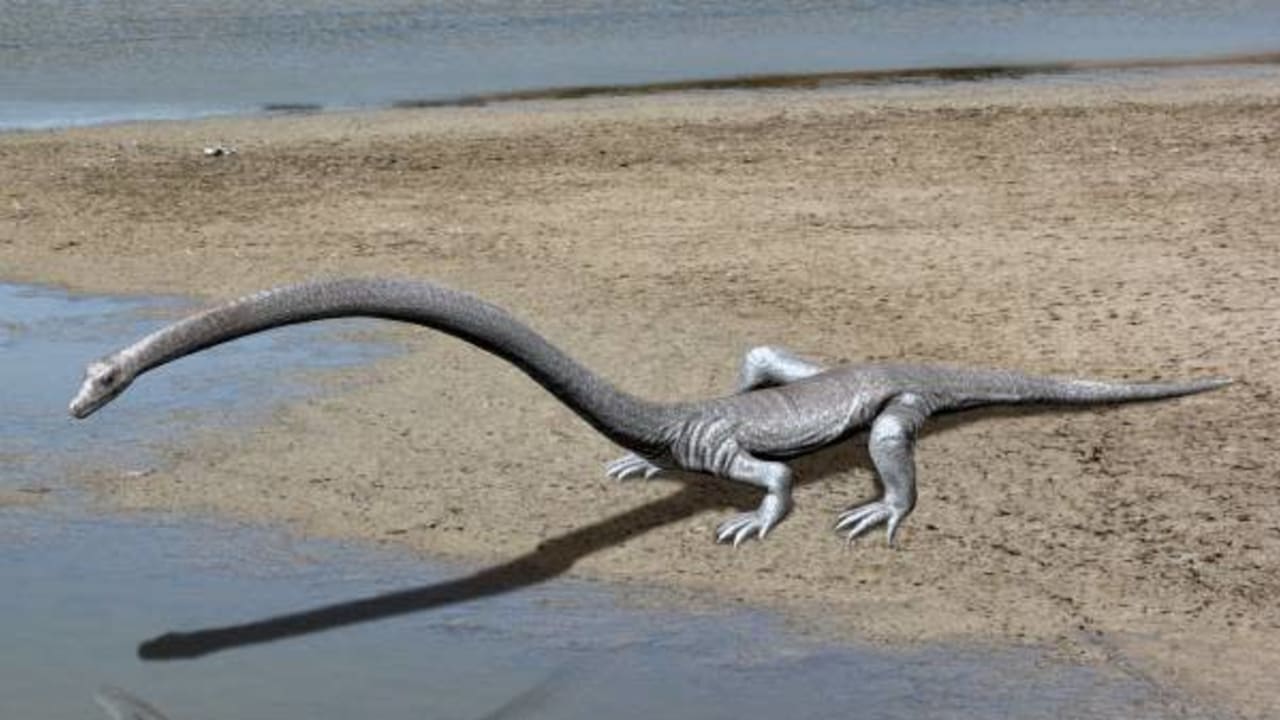
Tanystropheus is the one creature on this list that looks so improbable you might assume it was designed for a fantasy novel. Its neck alone was longer than the rest of its body and tail combined, built from just a few extremely stretched vertebrae. Scientists still debate exactly how it lived, but there is strong evidence that it spent much of its time around coastal waters and lagoons, hunting fish and other prey in or near the water. Picture a reptile perched near the shoreline, swinging its absurdly long neck out over the water like a living fishing pole.
Whether it swam actively or mostly lurked near the margins, Tanystropheus clearly occupied a unique niche that no other reptile has really copied since. That alone makes it unforgettable in my book. Its strange proportions challenge our idea of what a “sensible” body looks like, yet it survived and thrived for millions of years, which is the only vote that really matters in evolution. To me, Tanystropheus is a reminder that ancient seas were not just filled with streamlined, shark-like silhouettes. They also hosted wonderfully weird experiments that stretched anatomy close to its limits and still worked well enough to carve out a living.
Conclusion: The Forgotten Kings of a Harsher Ocean
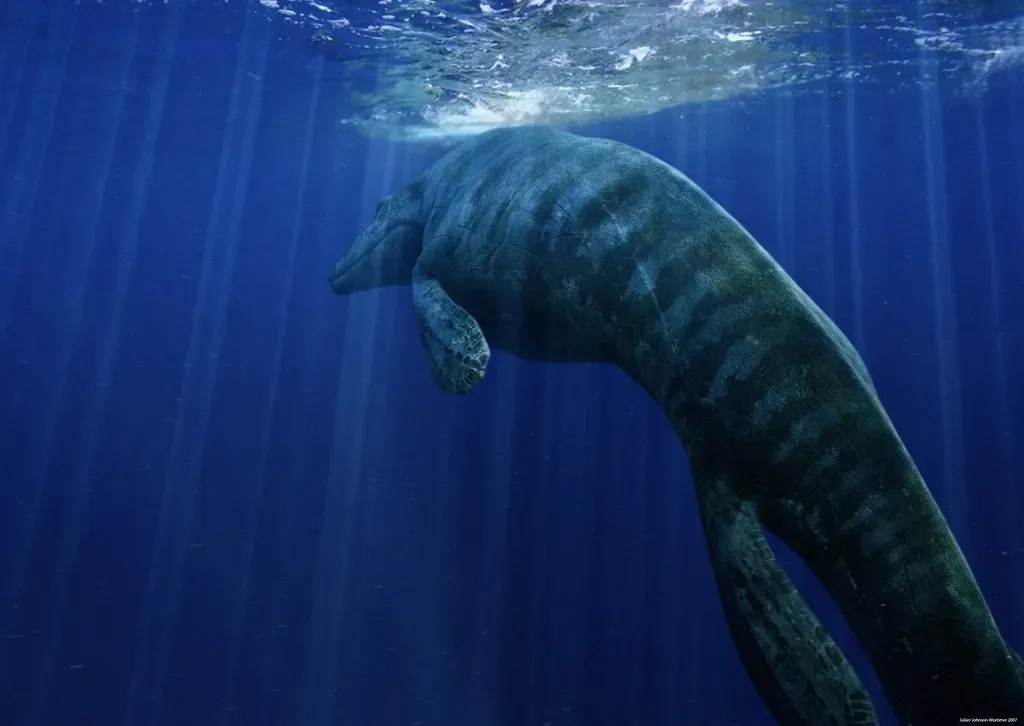
When we talk about prehistoric life, it is easy to act as if everything builds up to dinosaurs and then stops there, like they were the main event and everything else just warm‑up. But these early marine reptiles tell a very different story. Long before dinosaurs towered over forests, the oceans had already gone through their own cycles of innovation, collapse, and recovery, producing pioneers like Mesosaurus, sleek hunters like Ichthyosaurus, and bruiser predators like Thalattoarchon. They were not side characters in the dinosaur saga; they were the dominant players in their own, earlier age.
Personally, I think these ancient sea reptiles deserve far more of the spotlight than they get. They show how quickly life rebounds from catastrophe, how wildly evolution can experiment with body plans, and how often the ocean becomes the first testbed for big, bold ideas. The next time you see a documentary jump straight from trilobites to Jurassic giants, it is worth remembering there was a whole cast of marine rulers in between, patrolling coastlines and open seas while dinosaurs were still waiting in the wings. If anything, they prove that Earth has hosted multiple ages of monsters, not just one. Which of these forgotten ocean lords would you have least wanted to meet in the water?