
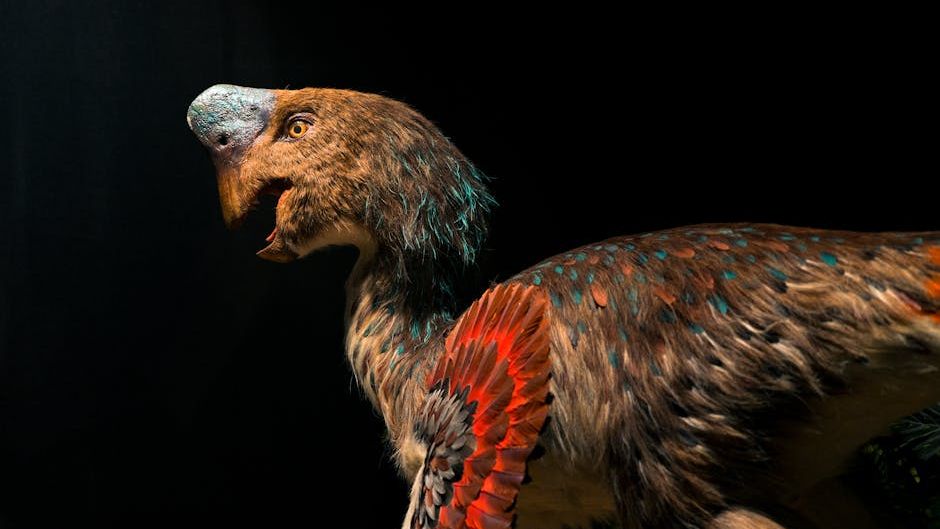
If you could stand in the middle of a Jurassic forest for just one minute, what would you actually see? Not the gray, mud‑covered giants we grew up with in textbooks, but something far stranger: sleek, bird‑like hunters, fuzzy, fluffy, or fully feathered, maybe shimmering like a hummingbird or patterned like a crow. The real shock is that we are only just starting to decode their colors, and the answers we do have are already blowing up decades of dinosaur art in a pretty spectacular way.
At the same time, there is a frustrating limit to how far the science can go. For every fossil that whispers hints of ginger stripes or black wings, there are hundreds that are completely silent about their colors. That tension between thrilling discovery and maddening uncertainty is what makes the story of dinosaur feather colors so addictive: we know just enough to realize how much we still do not know.
The First Signs: When Dinosaurs Stopped Being Gray Monsters
For most of the twentieth century, dinosaurs were colored in science books the way printers liked them: dull green, flat gray, maybe a muddy brown if the illustrator was feeling bold. It was less about evidence and more about habit; nobody had any real data to work with, so the safe choice was “reptile, but bigger and boring.” That mental picture was so strong that when early feathered dinosaur fossils were found, many people honestly thought they had to be misidentified birds.
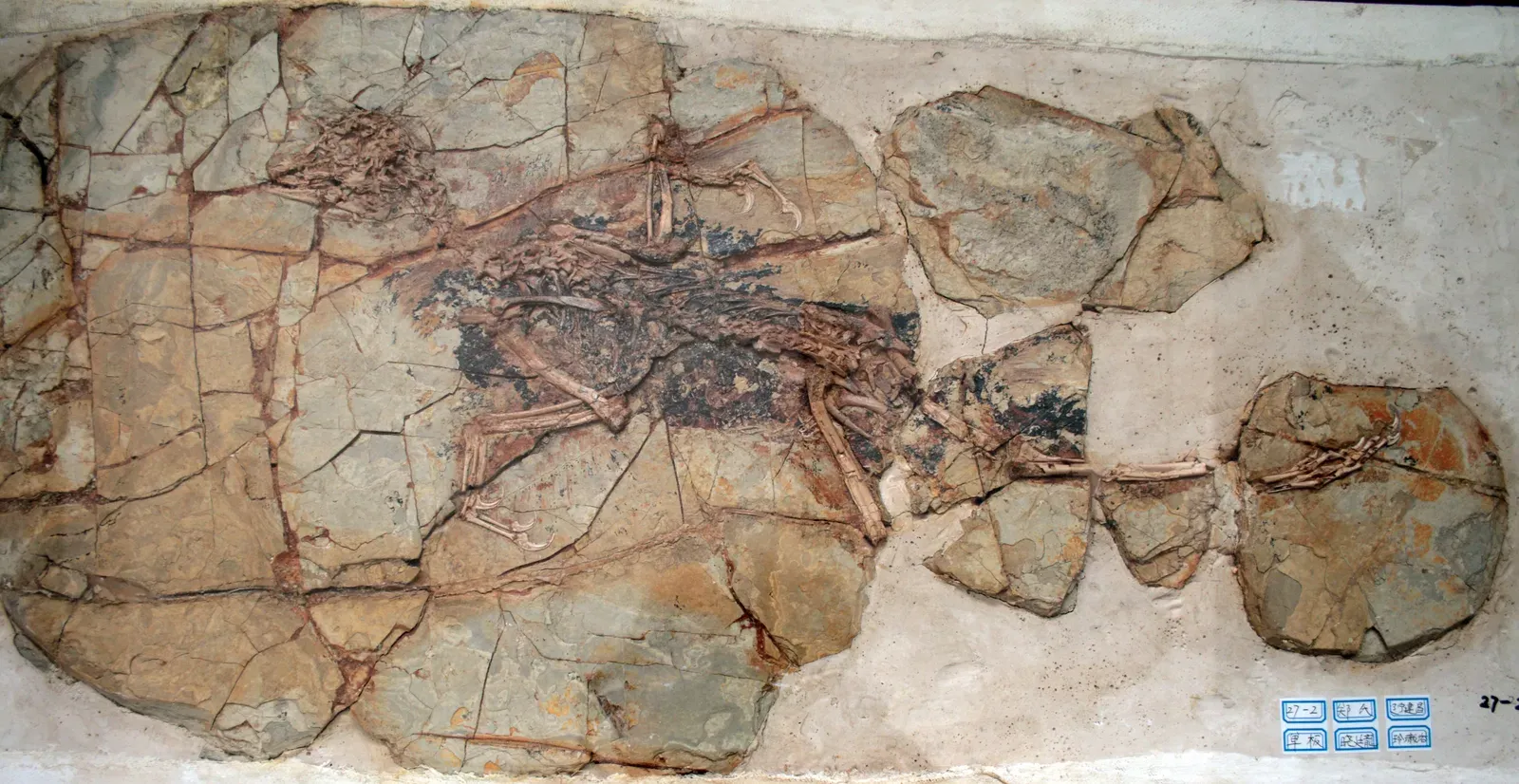
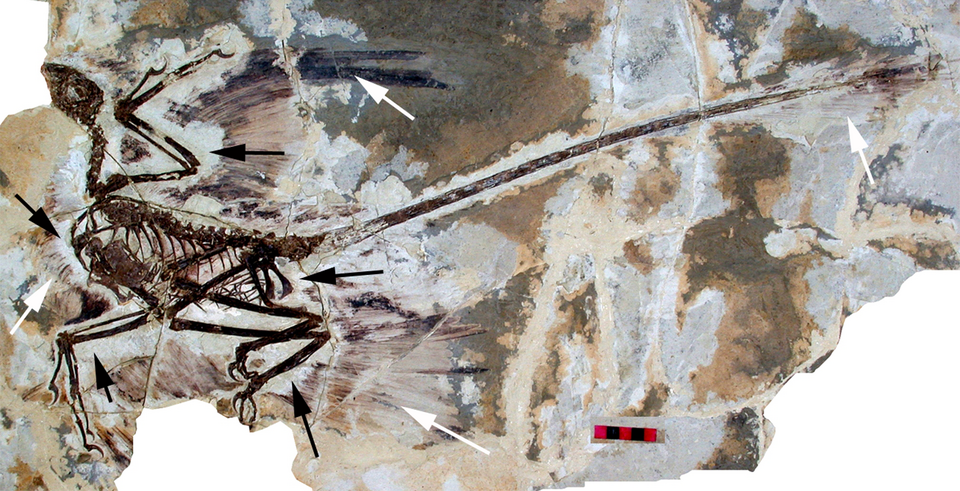
Everything shifted when exquisitely preserved fossils from places like northeastern China started turning up with ghostly halos of filaments around the bones. Under the microscope, those filaments were not random fuzz; they were organized structures, clearly related to feathers. That was the moment dinosaurs stopped being scaly movie monsters and started to look suspiciously like overgrown, ground‑running birds. Color, suddenly, was no longer an optional artistic flourish. It became a real scientific question.
Melanosomes: Tiny Pigment Clues Frozen in Time
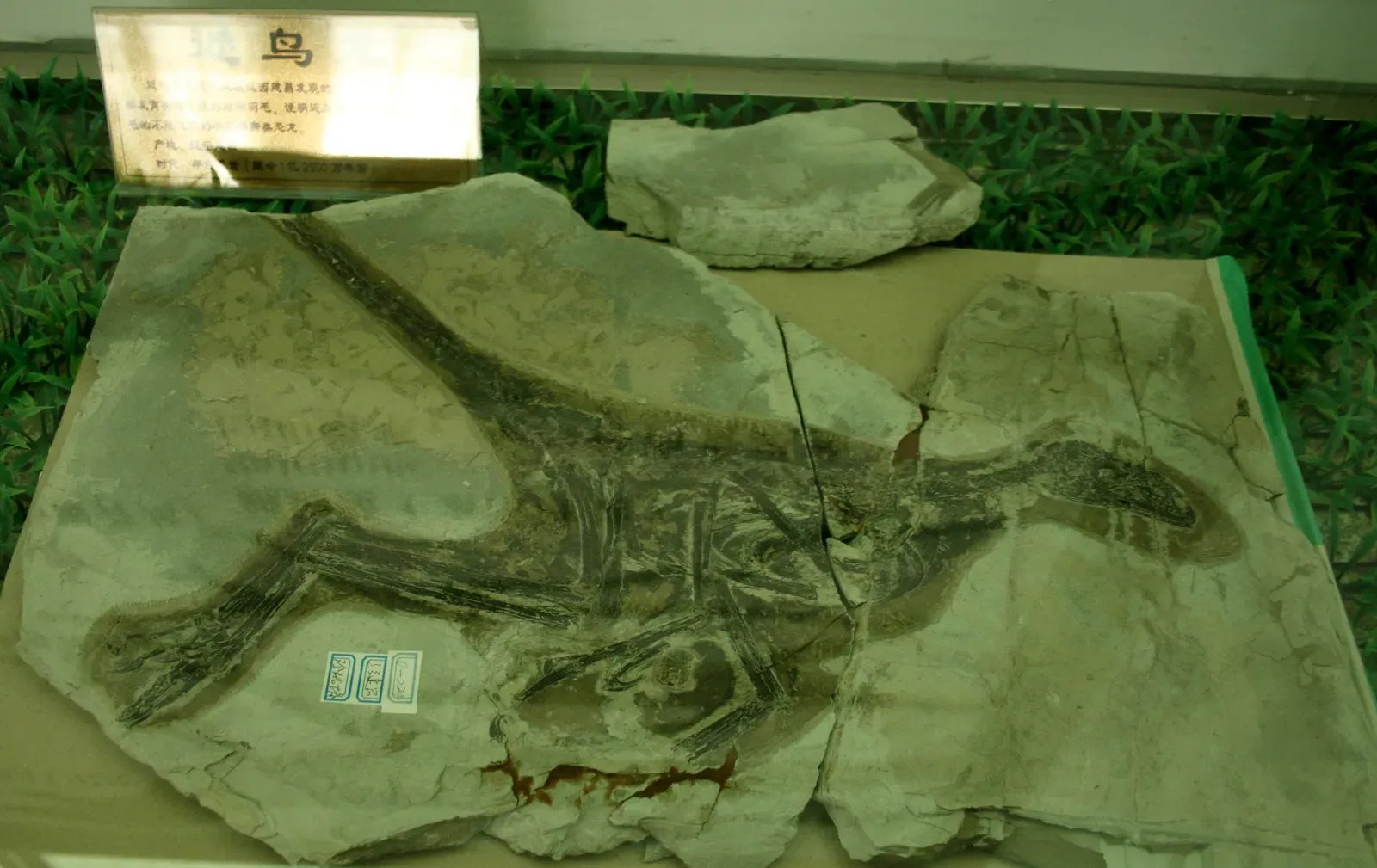
The real plot twist came when paleontologists realized that some fossils preserve microscopic bodies inside the feathers, known as melanosomes. In living birds, those little capsules of pigment come in different shapes that correlate with specific colors: some shapes are usually associated with blacks and grays, others with reddish or chestnut tones, and particular arrangements can even create iridescent effects. It is a bit like finding the paint granules but not the full painting, then trying to work backward from those tiny pieces.
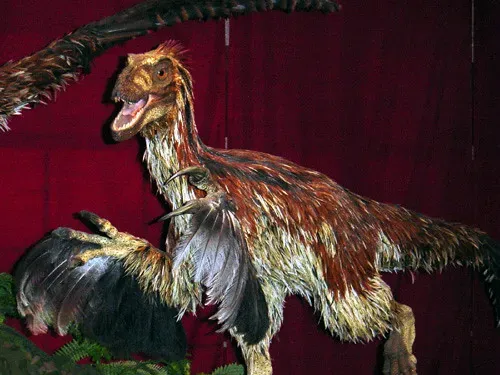
By comparing fossil melanosomes with databases built from modern bird feathers, scientists have reconstructed plausible colors for a handful of feathered dinosaurs. Some appear to have had dark, crow‑like plumage; others show evidence of rusty reds on the body or banded, striped tails. This is not guesswork in the old artistic sense; it is more like forensic work, with statistics and microscopy doing the heavy lifting. Still, it is far from a perfect match, and that is where the debate and excitement really start.
How Confident Are We? The Line Between Data and Art
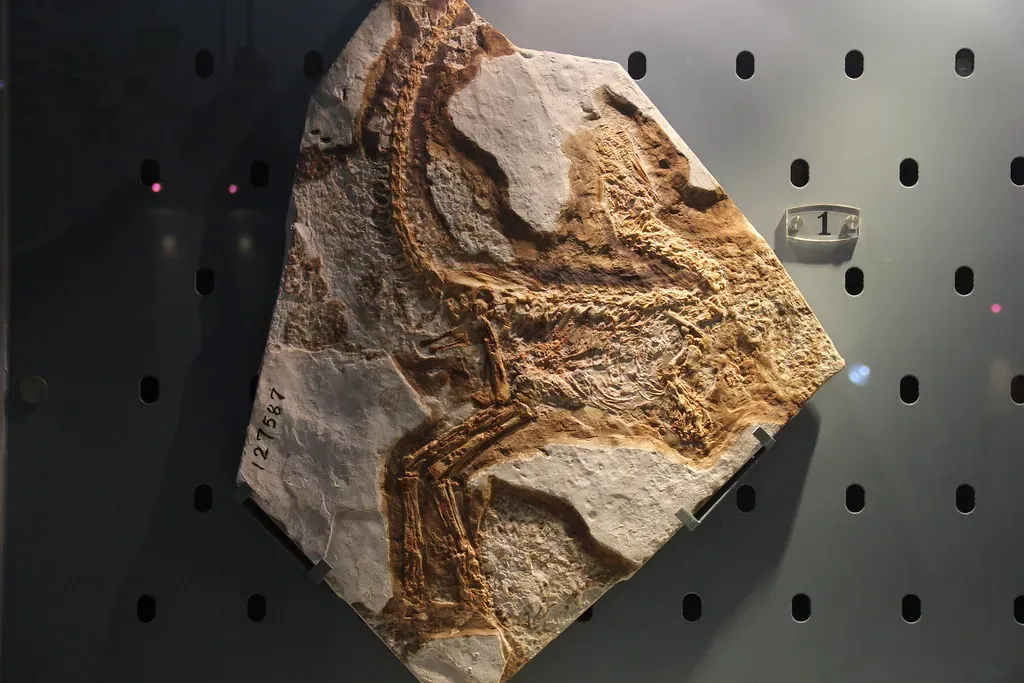
Here is the uncomfortable truth: for only a small fraction of dinosaurs do we have enough preserved melanosomes to say anything meaningful about color, and even then, it is more “probable palette” than an exact color code. Fossilization is brutally biased; soft tissues like feathers usually rot away long before they can be buried and preserved, and the conditions that lock in microscopic details are rare. So when a single specimen gives us clear melanosomes, it is almost like winning the lottery.
On top of that, melanosomes mostly speak to dark pigments, especially blacks, grays, and reddish browns. Other colors, especially bright yellows, greens, and many blues, often rely on different pigments or on structural effects in the feather, and those can be much harder to read in fossils. That means reconstructions you see online or in museums often blend hard data for some areas with educated artistry for the rest. Personally, I think that is fine – as long as we are honest about what is solid evidence and what is still a beautifully informed guess.
Could Dinosaurs Have Been As Flashy As Modern Birds?
When you look at modern birds, especially tropical species, subtle coloring stops looking like the default and starts looking like the exception. From peacocks and hummingbirds to parrots and birds of paradise, many species are walking arguments that evolution loves a good show. Given that birds are literally living dinosaurs, it is hard not to wonder whether their extinct relatives were also dressed to impress, at least some of the time.
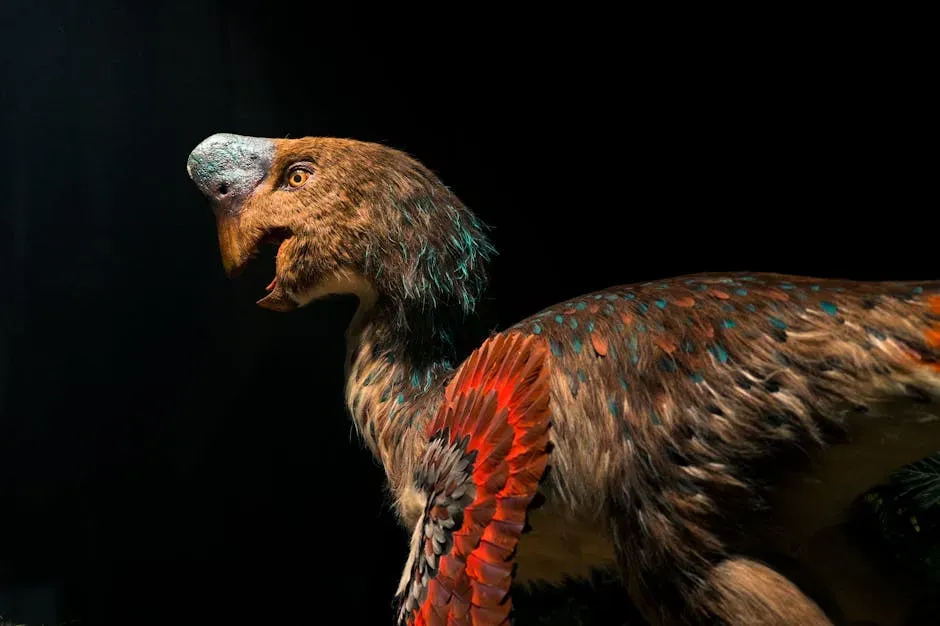
There are hints that this might be true. Some fossil feathers show melanosome arrangements consistent with iridescence, suggesting shimmering, oil‑slick colors rather than flat, matte blacks. The presence of elaborate feather crests or long tail plumes in certain species is also a strong clue; in today’s animals, structures like that are often involved in display, courtship, or intimidation. It would actually be more surprising if dinosaur plumage had no visual signaling role at all than if it turned out to be loud, patterned, and sometimes downright outrageous.
Camouflage, Signaling, and Survival: Why Color Mattered
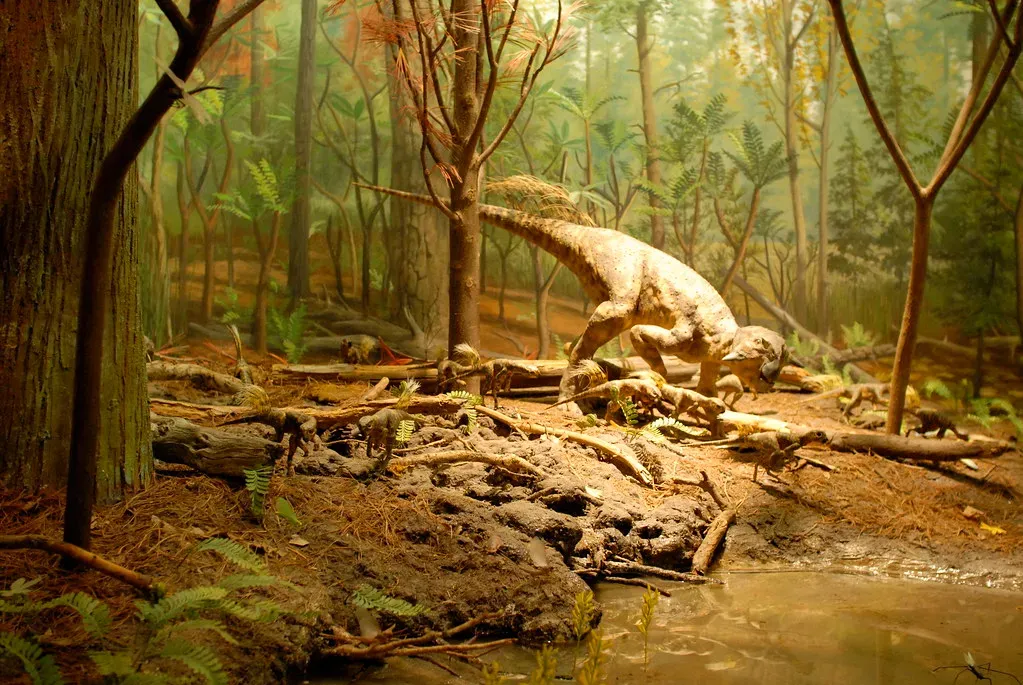
Color is never just decoration in nature; it is a tool, and often several tools at once. Many paleontologists suspect that feather colors in dinosaurs played similar roles to those in living birds and mammals: blending into the background to avoid being eaten, standing out to attract a mate, or sending clear warnings to rivals. Patterns like darker backs and lighter bellies, which help break up an animal’s outline, are extremely common in modern wildlife, so it would make sense if at least some dinosaurs shared similar designs.
There is also the idea that young and adult dinosaurs may have been colored differently, just as many bird chicks and juvenile mammals wear more cryptic, camouflaged coats. A small, vulnerable youngster might benefit from staying visually quiet, while a full‑grown adult could afford the evolutionary luxury of bold displays. We do not yet have enough well‑preserved fossils across life stages to be certain, but the logic is strong. If anything, I suspect we are underestimating how much color variation existed within a single species, the same way we often underestimate how different individual birds can look in a real flock.
The Big Unknowns: Limits of the Science and Common Myths
For all the exciting breakthroughs, there are hard limits we probably will never completely escape. Many pigments simply do not fossilize well, and structures responsible for iridescent or ultraviolet effects can be distorted beyond recognition over millions of years. That means any reconstruction you see that leans heavily on brilliant greens, blues, or complex metallic sheens is, at best, loosely inspired by what is preserved and strongly shaped by analogy with modern birds. It is not necessarily wrong, but it is not directly proven either.
Another common myth is that now that we have melanosome data, we will soon have a color chart for every famous dinosaur, from Tyrannosaurus to Triceratops. Realistically, that is not going to happen. Most large, iconic dinosaurs did not preserve feathers at all, and even when they did, the fine structures we need may never have survived. In my view, the more honest and interesting stance is this: we will probably always live with a blend of solid evidence and creative interpretation, and that is okay. The mystery is not a flaw in the story; it is part of what makes the story worth telling.
Conclusion: Why Embracing the Mystery Makes Dinosaurs More Real
When people ask what color dinosaur feathers really were, they usually want a neat answer: bright red, dull brown, glossy black, something you could match to a paint swatch. The reality is more nuanced. For a few species, we have compelling evidence of dark and reddish tones, maybe even shimmering, crow‑like plumage. For most, we have to lean on comparisons with modern birds, basic biology, and ecological logic. To me, that messy mix of certainty and speculation actually makes these animals feel more alive, not less.
If I am honest, I prefer it this way. Knowing that we can peer into a handful of fossils and glimpse real colors while still leaving room for imagination feels like standing in twilight: you can see shapes and hints, but the full picture never quite resolves. It keeps dinosaurs from becoming static museum pieces and instead frames them as shifting, evolving ideas grounded in hard data but open to revision. Maybe that enduring mystery is the point – it forces us to keep asking, keep testing, keep updating our mental picture. When you picture a feathered dinosaur now, do you still see gray, or can you almost see a flash of color as it vanishes into the prehistoric undergrowth?