
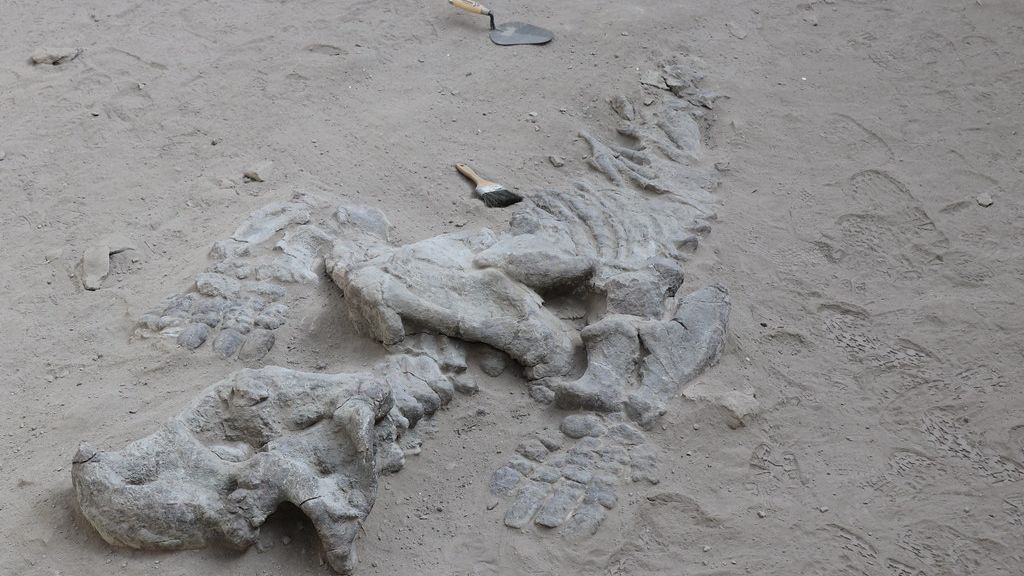
It is a bit wild to realize that the same ground under your favorite coffee shop, freeway, or football stadium was once trampled by dinosaurs. Not just somewhere far away, not just in some desert in Utah you saw in a documentary, but very likely in or near the state you live in right now. The United States is one of the richest places on Earth for dinosaur fossils, and yet most people only ever hear about a handful of famous spots, as if the rest of the map was just empty.
The truth is more exciting and a little unsettling: from New Jersey strip malls to Texas creek beds and the bluffs of the Dakotas, traces of ancient reptiles are quietly sitting in riverbanks, road cuts, and museum basements. This is not a story just about spectacular skeletons; it is also about overlooked footprints, scraps of bone, forgotten quarries, and the strange way deep time intersects with everyday life. Once you see how deep the fossil record runs across America, it becomes very hard to look at any highway cut or rocky hillside the same way again.
The Great American Dinosaur Patchwork
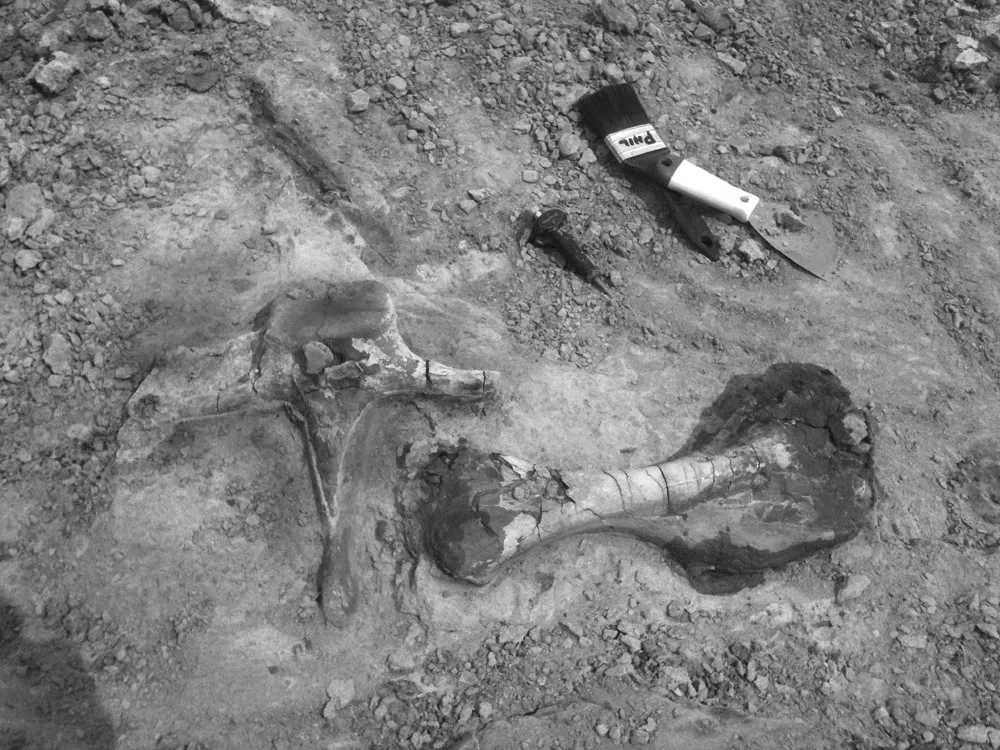
Most of us picture dinosaur country as a single sweeping landscape of red rock canyons and big western skies. In reality, the fossil map of the United States looks more like a patchwork quilt: dense clusters of finds in some regions, frustrating gaps in others, and odd little hotspots that turn up in places you would never expect. Geology, not state borders, is what really matters, but those borders give us a handy way to notice just how many parts of the country preserve pieces of this ancient world.
States like Montana, Wyoming, Colorado, and Utah sit on thick slices of Jurassic and Cretaceous rock that were once river plains and flood basins, perfect for burying and preserving dinosaur bones. But edges of that same story stretch into the Dakotas, Kansas, Oklahoma, and down through Texas, where ancient shorelines of inland seas captured both land animals and marine reptiles. Even more surprising, parts of the East Coast, the Gulf states, and the Pacific Northwest hold traces of dinosaurs, although the rocks there are often more eroded, deeply buried, or overbuilt by cities. When you zoom out, the United States turns into one enormous, uneven, but incredibly rich dinosaur archive.
Western Giants: Montana, Wyoming, Colorado, Utah
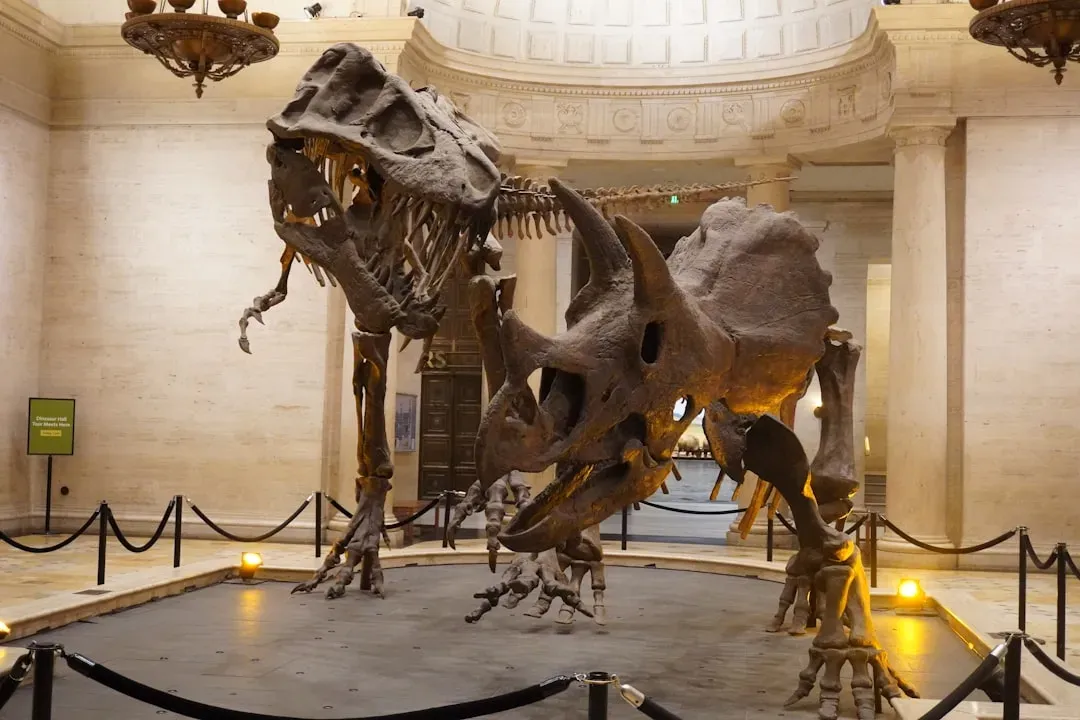
If there is a spiritual home for the classic dinosaur image in American culture, it is the high plains and badlands of the northern and central Rockies. Montana’s Hell Creek Formation is legendary for its late Cretaceous fossils: think tyrannosaurs, horned dinosaurs like Triceratops, and duck-billed hadrosaurs living in lush river valleys just before the mass extinction. Walk those eroded hills today and you are literally stepping across the buried remains of one of the last dinosaur ecosystems on Earth. The fact that so many iconic skeletons in big museums come from this region is not a coincidence; it is a reflection of extraordinary geology and decades of intense collecting.
Head south into Wyoming, Colorado, and Utah, and the calendar rewinds farther into the Jurassic. The Morrison Formation, exposed across these states, preserves long-necked sauropods like Apatosaurus and Diplodocus, carnivores like Allosaurus, and a whole cast of smaller creatures. Dinosaur National Monument on the Utah–Colorado border makes this visible in the most literal way: bones still half-embedded in a rock wall, like a time capsule cracked open. Yet the really humbling part is that for every spectacular site made into a park, there are countless lesser-known quarries and exposures on ranch land and backcountry that still have more to give, often known mainly to local landowners and a handful of researchers.
Desert Seas and Trackways: New Mexico, Arizona, Texas, Oklahoma
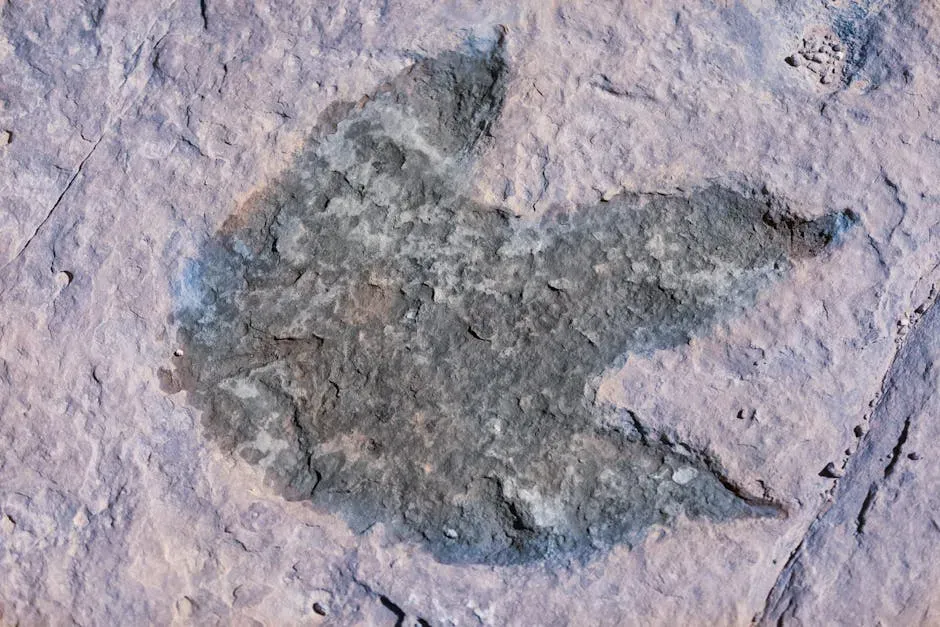
The Southwest tells a different kind of dinosaur story, one that mixes deserts with ancient shorelines. New Mexico and Arizona hold rocks from several different dinosaur-bearing ages, from early relatives in the Triassic to huge Cretaceous creatures walking along coastal plains. In many places the bones are fragmentary, worn by weather and time, but footprints are astonishingly common. Follow some of those trackways and you are literally walking in step with a long-gone animal, seeing where it sped up, turned, or moved in a group. It is one of the few fossil types that truly feels like behavior captured in stone.
Texas and Oklahoma add another twist with the legacy of the Western Interior Seaway, a shallow ocean that cut across North America during the Cretaceous. The shoreline of that sea moved back and forth over time, so in some places you find land dinosaurs near the same rocks that hold marine reptiles like mosasaurs and giant swimming relatives of modern birds. In central Texas, dinosaur tracks show up in riverbeds that, when dry, become open-air museums under your feet. This combination of bones, tracks, and marine fossils makes the southern mid-continent one of the more underrated windows into dinosaur-age life, even if it doesn’t always get the same spotlight as the northern Rockies.
Unexpected Fossils in the East: New Jersey, the Carolinas, and Beyond
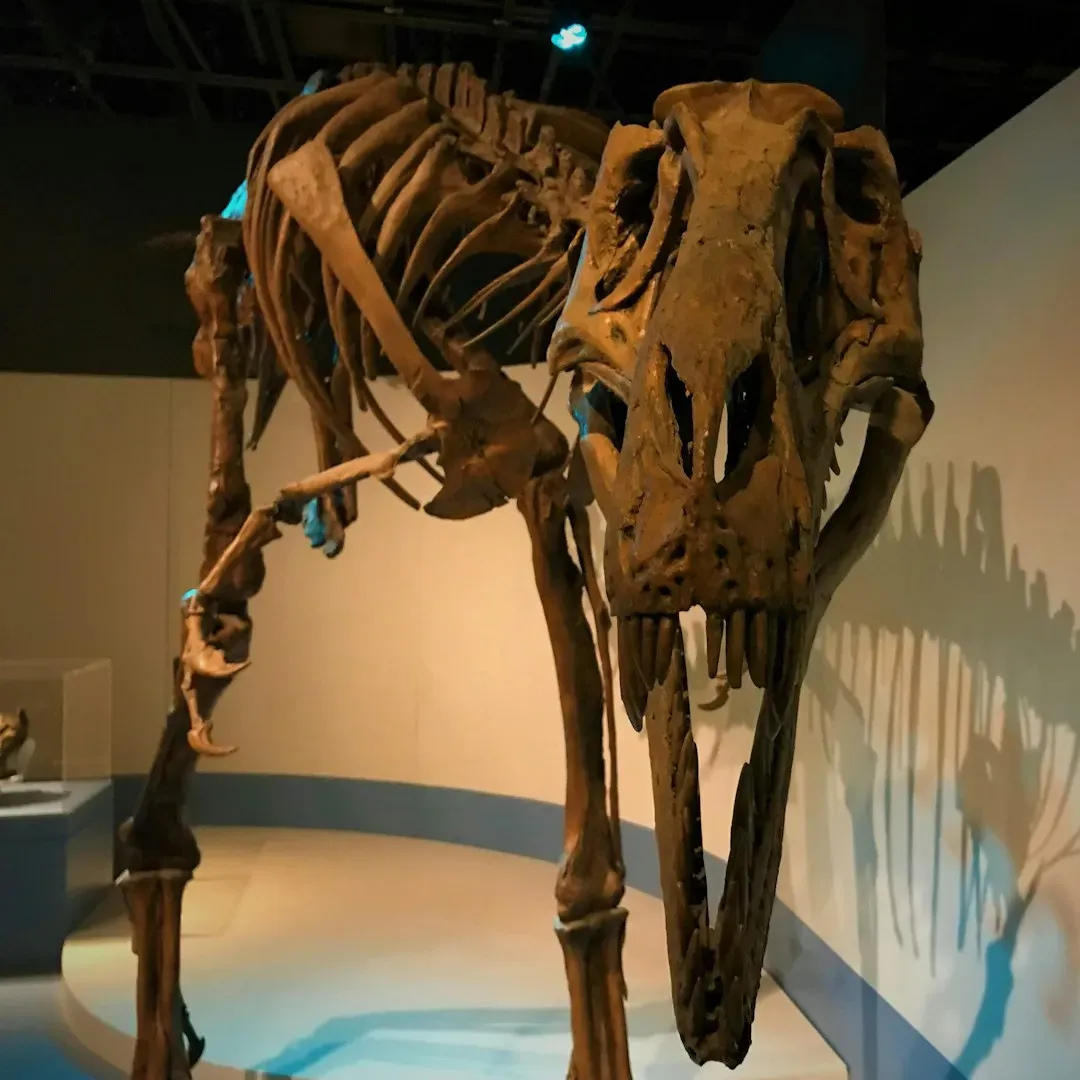
When people think about the eastern United States, they imagine skyscrapers, forests, and interstates, not dinosaur quarries. Yet the East Coast holds some historically important and deeply surprising fossil sites. New Jersey, for instance, was one of the first places in the world where large dinosaur bones were recognized for what they were in the nineteenth century. Many of those fossils came from marl pits and clay quarries that looked entirely ordinary from the outside, the kind of industrial landscapes most of us drive past without a second thought.
Move down through Maryland, Virginia, and the Carolinas, and you encounter river cliffs and coastal bluffs that quietly release bits of dinosaur-era rock as they erode. The big complete skeletons are rarer here than in the West, largely because much of the older rock has been worn away or buried by younger sediments. But teeth, isolated bones, and especially small pieces washed out along riverbanks still show up, sometimes found by sharp-eyed locals out for a walk. The irony is that some of the most densely populated states in the country sit on top of dinosaur-bearing layers that are just harder to reach and easier to overlook under roads, farms, and suburbs.
The Midwest and the Vanished Layers
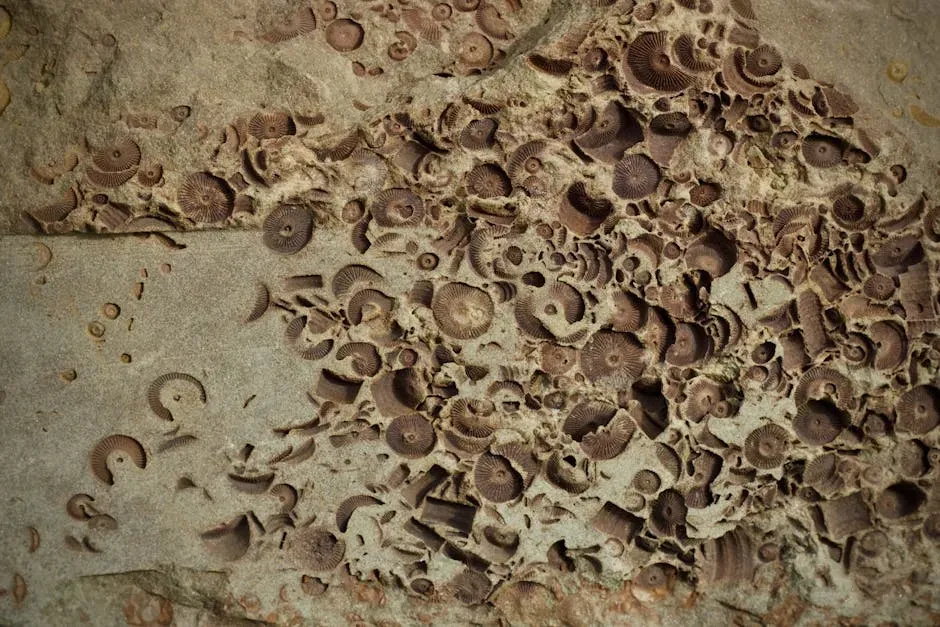
If you live in a Great Lakes state or much of the Midwest, you might have been told that there simply are no dinosaur fossils where you are. That statement is mostly accurate but slightly misleading. It is not that dinosaurs never walked across what is now places like Wisconsin, Minnesota, or much of Illinois and Indiana. The problem is that the right-age rocks either were never deposited, were eroded away long ago, or are buried deep beneath younger layers. Add in the scraping and rearranging force of multiple ice ages, and the landscape has literally been resurfaced since the dinosaurs died.
That said, the broader Midwest still has its windows into the Mesozoic. Parts of Kansas and Nebraska are famous for marine fossils from the same inland sea that left traces in Texas and the Dakotas, including giant swimming reptiles, fish, and flying reptiles that hunted over the water. A few scattered dinosaur remains have turned up along the edges of those deposits, likely animals that died near the shore and were washed out. It is a lesson in humility: sometimes the absence of fossils tells you as much about Earth’s restless surface as their presence does, and it does not mean your region lacked dinosaurs, only that the record of them did not survive the planet’s constant remodeling.
Alaska, California, and the Pacific Rim Story
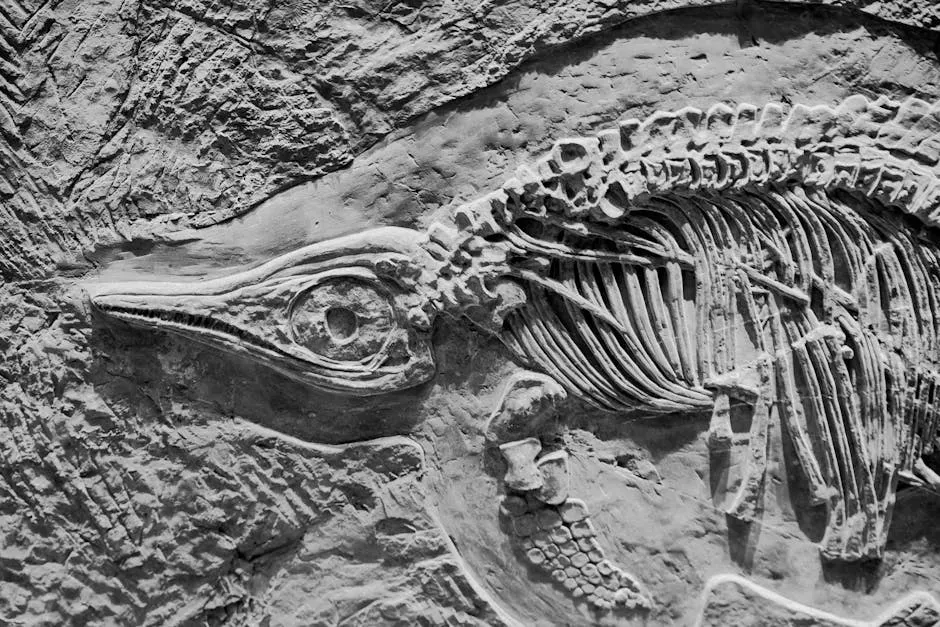
On the opposite side of the map, the Pacific states add yet another layer of complexity to the story of dinosaurs in America. Alaska has yielded dinosaur tracks and bones that show some species lived at surprisingly high latitudes in cooler, seasonal climates. Imagine herds of duck-billed dinosaurs migrating along ancient river deltas under long summer daylight, or predators stalking through forests that saw snow and long winter nights. These finds challenge the old textbook idea of dinosaurs as strictly tropical or subtropical creatures and hint at a much wider ecological range.
Farther south, California and the Pacific Northwest preserve a mix of marine and rare land-dwelling dinosaur fossils. Much of the coastal region has been wildly reshaped by plate tectonics: chunks of crust that once lay elsewhere have been welded on, faulted, and uplifted. That makes the fossil record patchy and hard to interpret, but every new discovery helps fill in gaps about how dinosaurs lived along the western edge of the continent. It also means a lot of potential material still lies hidden in rugged terrain and in layers that have not been explored as thoroughly as the famous inland basins, making the Pacific margin one of the more tantalizing frontiers for future finds.
How to Spot Dinosaur Deep Time in Your Everyday Landscape
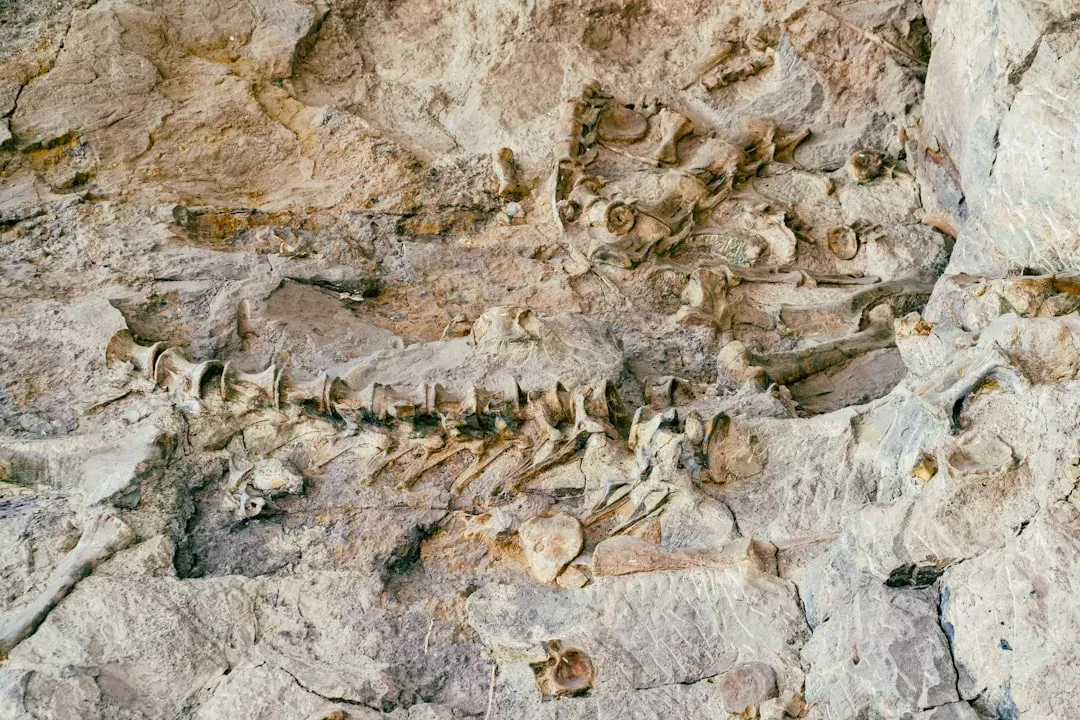
Even if you never plan to pick up a rock hammer, you can still learn to read the quiet dinosaur clues in your own state. Highway cuts that slice through hills, riverbanks after a storm, or rocky outcrops in local parks often reveal layered stories laid down over millions of years. While you should leave any potential fossil where it is and follow local laws, just recognizing that a band of crumbly, layered rock might be older than any mammal on Earth can be a jolt. Museums, state geological surveys, and university websites usually offer simple maps showing where dinosaur-age rocks are exposed near you.
There is also a social side to fossil hunting that rarely gets talked about: local rock clubs, community science projects, and small regional museums often know more about nearby finds than the big institutions on the coasts. Many important discoveries have started with farmers, construction workers, hikers, or kids noticing something odd and telling someone who knew what to do next. The most valuable shift is mental rather than technical: once you start seeing your familiar landscape as a layered archive instead of a flat backdrop, you are halfway to understanding why paleontologists get so obsessed. The dinosaurs are gone, but the traces of their world are hiding in plain sight, if you train your eyes to look.
Why Your State’s Fossil Past Matters Now
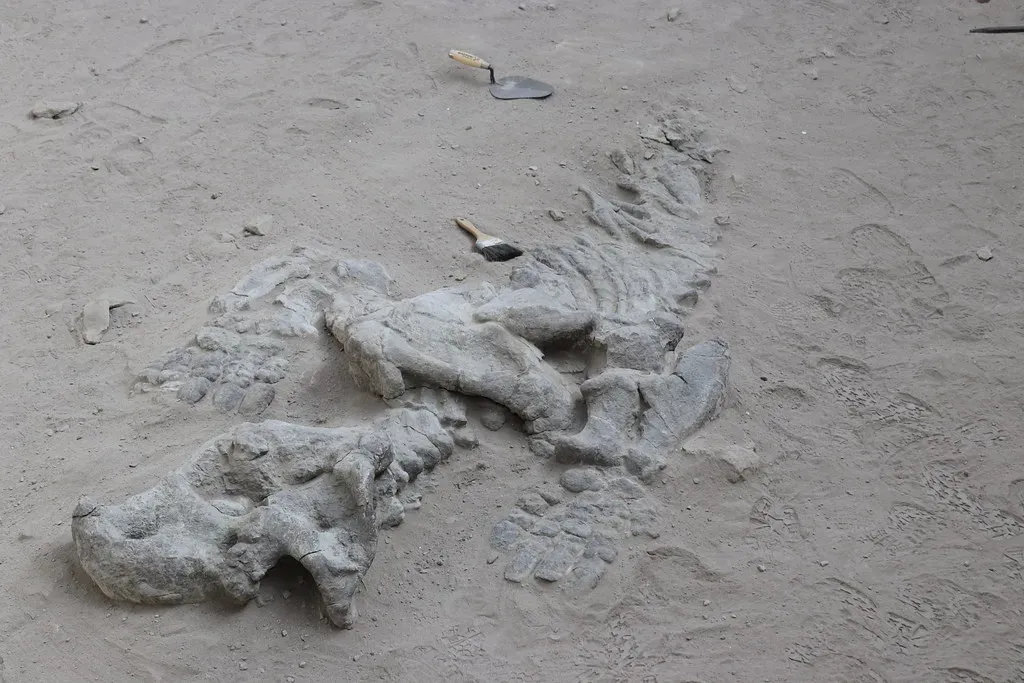
It is tempting to treat all of this as a fun bit of trivia, the kind of thing you might bring up at a party: did you know there were dinosaur fossils in my state? But your local deep time story matters for more than cocktail conversation. Fossils anchor us in a timeline that dwarfs any human history, forcing us to admit that continents move, climates swing, and ecosystems rise and fall on scales we are only just learning to grasp. When you realize your hometown sits atop ancient river deltas, swamps, or shorelines that hosted whole vanished worlds, it becomes harder to imagine that today’s conditions are somehow permanent or guaranteed.
In my view, ignoring that deep context leaves us a bit blind and arrogant about the present. The same forces that buried dinosaurs under mud and sand are still at work, slowly rearranging coastlines and climates in ways our descendants will have to live with. Paying attention to the fossils under our feet is not about nostalgia for monsters; it is about cultivating humility and curiosity about change. Every state, whether it boasts world-famous skeletons or quietly eroded fragments, has a role in that bigger picture. The real question is not whether dinosaurs once roamed where you live, but whether you are willing to see your ordinary surroundings as part of a much older, wilder Earth than the one we usually imagine. Did you expect that?