
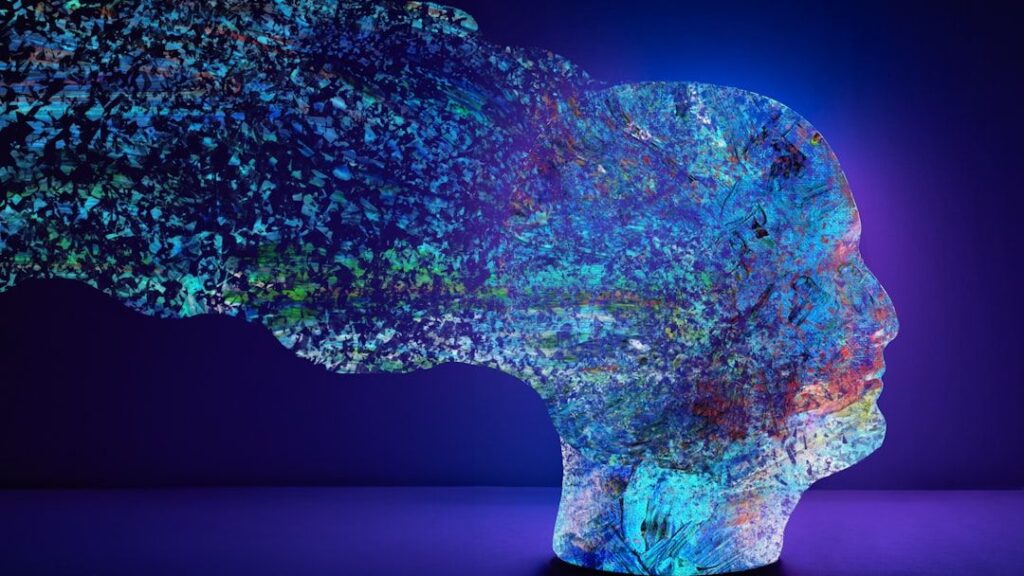
I still remember the first time I heard someone casually say that human consciousness might have switched on almost overnight, like flipping a cosmic light switch. It sounded wild, almost sci‑fi, and yet something about it would not leave my mind. How did a slightly smarter ape suddenly become a creature that paints caves, buries its dead, writes poetry, and argues about the meaning of life on the internet?
When you start looking at the fossil record, ancient tools, and early art, you notice something unnerving: for an incredibly long time, almost nothing new seems to happen… and then, in what looks like an eye‑blink in evolutionary time, there is a sudden blaze of creativity. Language, symbols, rituals, complex tools – they all seem to explode into existence. Did our consciousness really evolve , or is that just how it looks from far away? Let’s dig into what science actually says, what it hints at, and where the honest mysteries still live.
The Great Cognitive Explosion That Appeared Out Of Nowhere
One of the most shocking things about human prehistory is how long our ancestors lived with relatively simple tools and very slow change. For hundreds of thousands of years, stone hand axes and basic implements barely budged in design, generation after generation. Then, somewhere around the last one hundred thousand years or so, the archaeological record starts to look like someone hit fast‑forward. We suddenly see refined blades, harpoons, bone needles, ornaments, and later musical instruments and elaborate burials.
To a casual observer, that pattern screams sudden leap: almost nothing, then almost everything. It is a bit like watching a long, dark movie, only to have the screen blast into color in the final minutes. This period is sometimes called the “cognitive revolution” or “behavioral modernity,” and it is easy to interpret it as the instant when real, reflective consciousness finally arrived. But science is usually wary of neat turning points. What looks like an explosion might partly reflect gaps in the record, changes in population size, or how well certain materials survive over tens of thousands of years. Still, even with those caveats, the clustering of innovation is hard to ignore.
Language As The Possible Trigger For A Mental Quantum Jump
Many researchers suspect that the key to this apparent leap in consciousness is language – not just grunts and calls, but flexible, endlessly recombinable, grammar‑rich language. Once a brain can link symbols to ideas, and then nest those symbols inside each other, you get the ability to talk about the past, imagine the future, and spin entire worlds that do not yet exist. In that sense, language is not just a tool for communication; it is a tool for building shared realities. The jump from simple calls to truly complex language may have been more like a threshold crossed than a smooth slope.
Genetic studies hint that a few changes affecting brain development and vocal control might have set the stage for that threshold. The catch is that a tiny tweak in the right gene can have cascading effects, but it still takes time for culture to catch up. Once language reached a certain power, though, ideas could spread and stack up much faster than genetic evolution ever could. From that point on, each generation could inherit not only genes, but a growing library of stories, skills, and meanings. Seen from that angle, the “sudden” leap in consciousness might really be a sudden leap in linguistic and cultural bandwidth.
Neuroscience And The Illusion Of A Switch Being Flipped
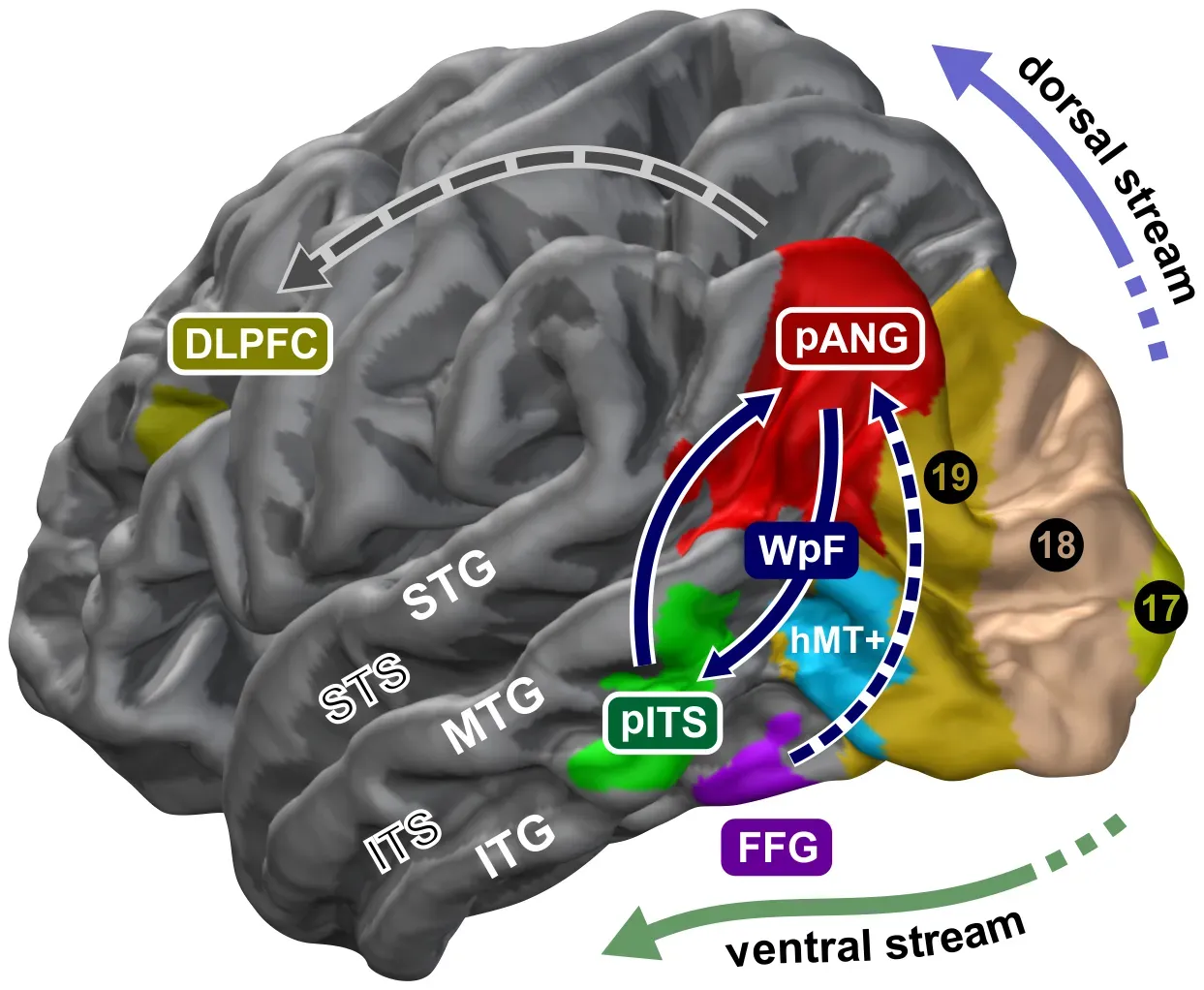
Modern neuroscience does not show a single “consciousness button” that suddenly turned on in one generation. Instead, consciousness seems to emerge from complex networks of brain regions working together: frontal areas that plan and reflect, parietal regions that stitch together a sense of the body, and deep structures handling emotion and attention. When these networks start to synchronize, a unified sense of “I” and “now” appears. It is more like an orchestra tuning itself into harmony than a light flicking on in an empty room.
That said, physiology can pass tipping points. Brain size and structure in our hominin ancestors gradually shifted, but it is plausible that at some stage, connectivity and organization crossed a critical threshold. Think of water heating slowly until, at a specific temperature, it suddenly boils. The molecules did not appear out of nowhere, but their behavior changes dramatically at that point. In that sense, our brains might have been inching toward a configuration where conscious reflection, inner narration, and self‑awareness became stable, persistent features rather than rare, flickering sparks.
Culture As An Evolutionary Shortcut For Consciousness

Even if the raw neural hardware changed gradually, culture can move in sudden leaps. Once groups start imitating, teaching, and refining ideas together, evolution gets a kind of shortcut. You no longer have to wait for a mutation to spread slowly through a population; a clever idea can spread in a few generations, or even a single lifetime. This cultural evolution can create the impression that the mind itself jumped forward, when in fact the brain was just finally being used at full power.
The emergence of symbolic culture – art, ritual, myth – is a strong candidate for that shortcut moment. When early humans began carving figures, decorating bodies, and burying their dead with care, they were doing more than passing time. They were making visible the invisible: fears, hopes, identities, and beliefs about death. At that point, consciousness stops being just a private soundtrack in each skull and becomes a shared project. That collective dimension could reinforce and stabilize individual self‑awareness, giving rise to the feeling of a new kind of mind suddenly inhabiting the planet.
The Strange Case Of Other Human Species And Why Only One Survived
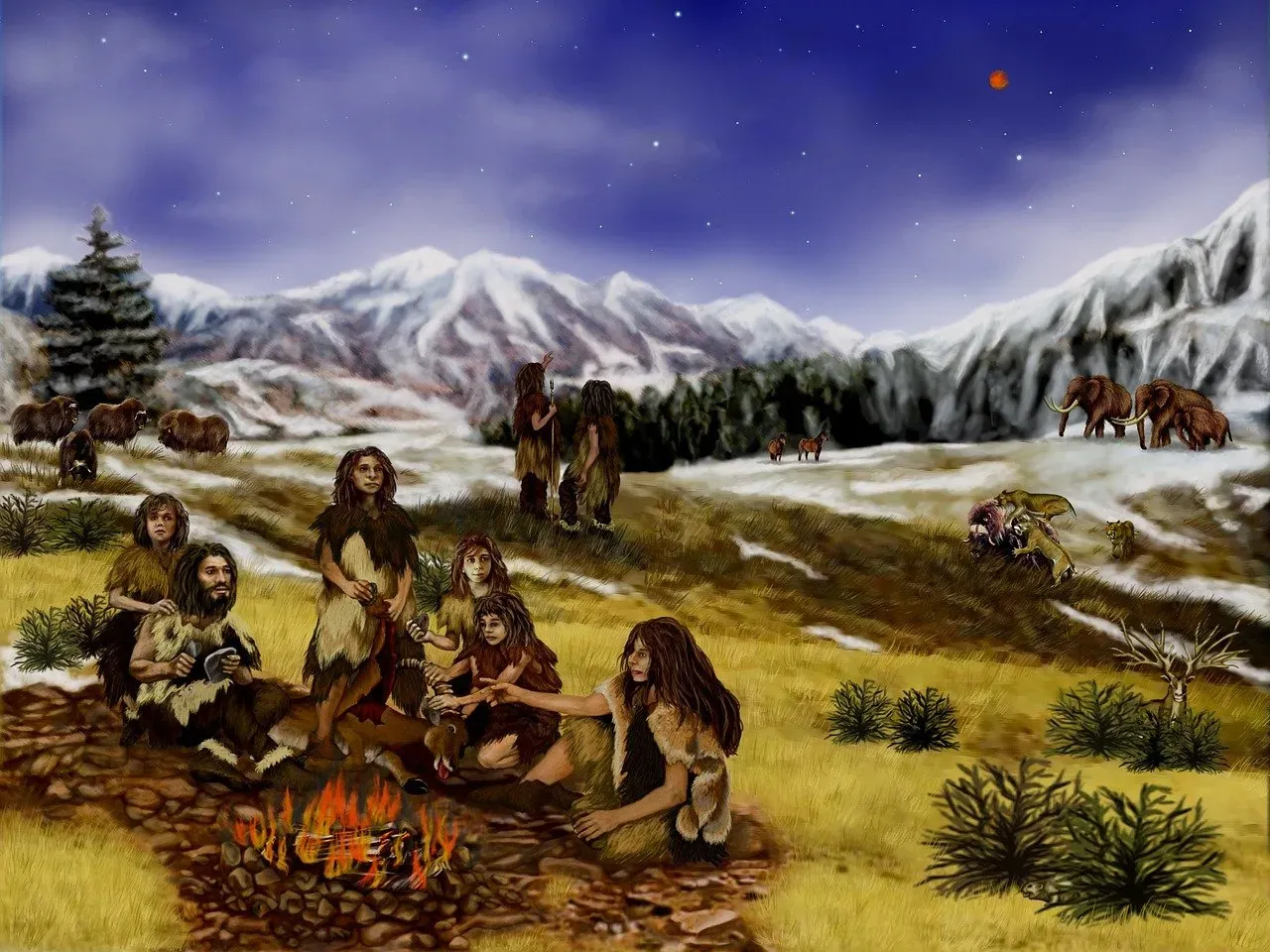
Our species, Homo sapiens, was not always alone. Neanderthals, Denisovans, and possibly other human cousins walked the Earth with us. Neanderthals had sizable brains and made tools; they were not mindless brutes. Yet, in the long run, they disappeared while our lineage spread almost everywhere. One controversial idea is that our particular style of consciousness – more flexible, more symbolic, more socially networked – gave us a decisive edge. If so, the “sudden leap” might have been the moment our inner world diverged just enough to change the outer world forever.
However, this story is still unfolding, and the evidence is messy. There are hints that Neanderthals had symbolic behaviors too, like using pigments or ornaments, which blurs any simplistic divide between “them” and “us.” It might be that multiple human species were approaching similar cognitive thresholds, but only one crossed a specific cultural or demographic tipping point. From my perspective, the haunting part is this: we may have been just one of several nearly conscious flames, and a few twists of history decided which one roared into a global fire.
Did Consciousness Itself Change, Or Just How We Talk About It?
There is another radical possibility: maybe what changed suddenly was not raw consciousness, but how it became structured and narrated. The brain might have been capable of rich experience long before people developed the concepts to describe an inner self, a continuous “I,” or a personal story stretching across years. Once language, culture, and social expectations converged, people may have begun experiencing their own minds differently, almost like updating the operating system on existing hardware.
Some modern theories suggest that consciousness is deeply tied to storytelling – the brain constantly builds a running explanation of what is happening and who we are in the middle of it. If those stories shifted dramatically at some historical moment, then the quality of consciousness might feel like it went through a leap, even if the underlying capacity was older. In that sense, the “sudden leap” could be the dawn of autobiographical, self‑reflective life as we now recognize it, not the first flicker of experience itself. The ape brain might have been dreaming long before it realized it could tell its own story.
Why We Crave A Single Leap Instead Of A Messy Gradual Story

Part of the appeal of the sudden‑leap idea is psychological. We love origin stories with clear before‑and‑after lines: the day fire was discovered, the moment the first word was spoken, the instant consciousness awoke. These stories are tidy, memorable, and emotionally satisfying. They make us feel special, as if there was a precise moment when the universe noticed itself and that moment just happens to be our kind. The reality of slow, overlapping changes is harder to turn into a myth we can carry in casual conversation.
From where I sit, though, there is something even more awe‑inspiring about a messy story. The notion that countless small changes – in genes, brains, tools, and traditions – quietly built up until a tipping point was reached means that our consciousness is both fragile and robust. Fragile, because it depends on a delicate web of factors; robust, because it does not rest on a single magical switch that could have easily failed to flip. The sudden leap is a useful metaphor, but the deeper truth might be that we are always somewhere mid‑jump, our minds still evolving under the pressure of our own creations, from writing to smartphones.
Conclusion: A Leap, Yes – But One That Took A Very Long Run‑Up
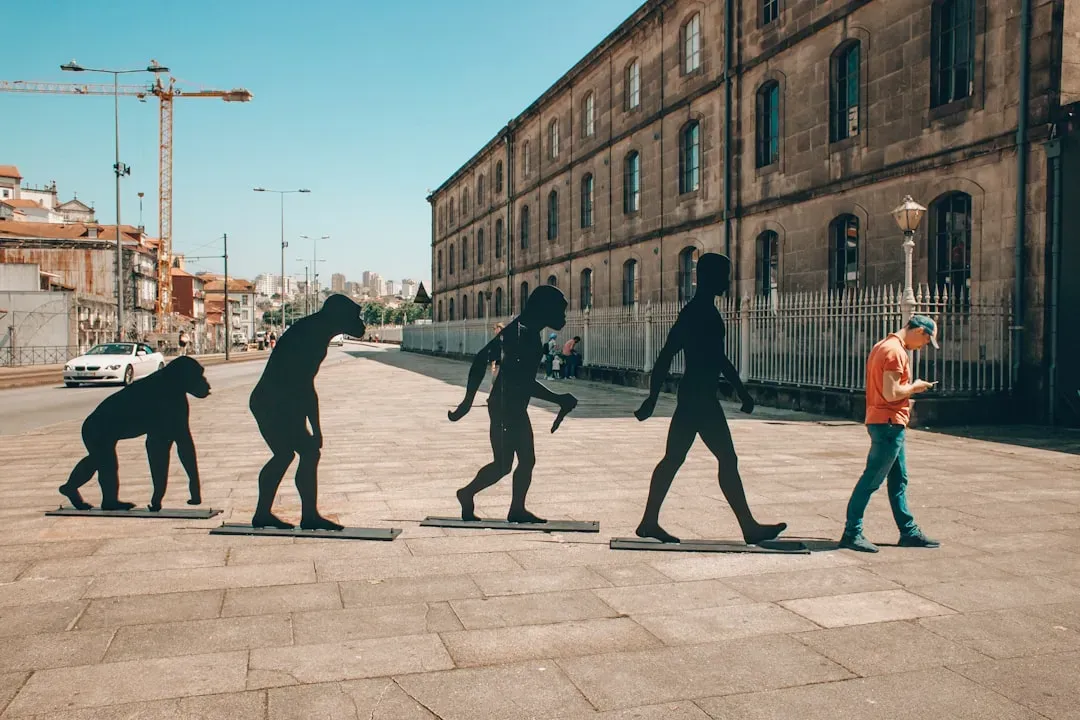
If I had to take a stand, I would say this: humanity’s consciousness did feel like it , but only when viewed from far enough away. Zoom in, and you see the long run‑up – the incremental shifts in anatomy, the gradual thickening of social bonds, the quiet mutations in genes, and the slow accumulation of culture and language. At some point, those pieces reached a critical mass, and behavior changed so dramatically that it might as well have been a new kind of mind stepping onto the stage. To deny that qualitative shift would be dishonest; to pretend it was magic or instantaneous would be equally misleading.
In everyday life, what matters most is not whether the leap took ten thousand years or ten generations, but what we do with this strange, self‑aware consciousness now. We are the only known species that can look back on its own origins and then decide what kind of future mind it wants to become. Artificial intelligence, brain‑computer interfaces, and global digital culture may be pushing us toward another threshold, one that could make the last leap look modest. The real question haunting me is this: if another sudden transformation of consciousness is coming, will we recognize it while it is happening, or only when we look back from the other side?