
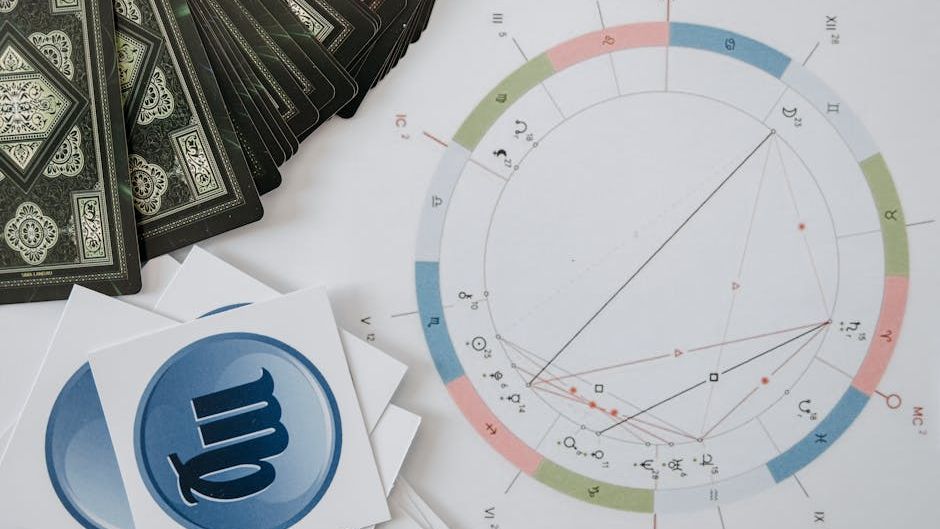
Think your career is just about degrees, LinkedIn connections, and being in the right place at the right time? That’s only part of the story. For a lot of people, their zodiac sign quietly shapes what feels meaningful, how they handle pressure, and why some jobs feel like oxygen while others feel like quicksand. Even if you’re skeptical, it can be surprisingly eye‑opening to see how your sign lines up with the kind of work that actually energizes you instead of draining you.
Astrology is not a strict science and it definitely should not replace real‑world decisions, but it can be a powerful reflective tool. Think of it less like a rulebook and more like a personality mirror: it highlights patterns, tendencies, and blind spots you might not have words for yet. As you read through these seven big ways your zodiac sign can influence your career path, treat them as prompts: Do you recognize yourself, or do you strongly disagree? Either way, that reaction tells you something useful about who you are at work.
1. Natural Motivation: What Actually Gets You Out of Bed

The first big way your sign influences your career is by shaping what motivates you at the deepest level. Some signs are driven by achievement and status, others by connection and purpose, and others by freedom and novelty. Fire signs like Aries, Leo, and Sagittarius often feel most alive when they’re chasing something bold, competitive, or creative, while earth signs like Taurus, Virgo, and Capricorn tend to care more about stability, tangible results, and building something that lasts.
Water signs such as Cancer, Scorpio, and Pisces are often pulled toward emotional meaning, healing, or helping roles, while air signs like Gemini, Libra, and Aquarius are usually motivated by ideas, conversation, and social impact. When you ignore this underlying engine, work can feel like you’re constantly swimming upstream. When you align your job with what naturally lights you up, even hard days feel more like a challenge worth showing up for rather than a slow grind toward burnout.
2. Work Style: How You Prefer to Get Things Done

Your zodiac sign also says a lot about how you like to work day to day, not just what you want to achieve. Some signs crave structure, clear checklists, and predictable routines; others wilt when things get too rigid and need variety to stay engaged. Earth signs often lean toward methodical work, loving processes, systems, and steady improvement, which fits well in roles that require consistency and attention to detail.
By contrast, fire and air signs frequently prefer flexibility, quick decisions, and brainstorming over step‑by‑step procedures. Water signs may need space for emotional pacing, intuition, and deeper focus, doing their best work when they feel safe and understood rather than micromanaged. If your job’s work style constantly clashes with your natural rhythm, it can make you feel “bad at your job” when the real issue is misalignment, not lack of talent.
3. Communication and Collaboration: How You Show Up With Others

Careers are rarely solo missions, and your sign influences how you naturally communicate, negotiate, and collaborate. Air signs usually thrive in environments where talking, writing, and sharing ideas are central, making them well suited to roles in media, teaching, strategy, or networking‑heavy fields. Fire signs tend to communicate boldly and directly, which can be inspiring in leadership, sales, or entrepreneurial roles but may sometimes come off as blunt if not balanced with sensitivity.
Water signs often excel in emotional intelligence, picking up subtleties in tone and mood that others miss, which can be powerful in counseling, HR, coaching, or any role that requires empathy. Earth signs may favor clear, practical communication, focusing on what needs to be done and how, which is invaluable in operations, project management, and technical roles. Understanding this pattern helps you recognize why certain team dynamics feel easy and others feel endlessly confusing, and it gives you a clue about what kind of colleagues and environments bring out your best.
4. Risk Tolerance and Career Decisions

Another major influence is how your sign relates to risk, change, and big career decisions. Some signs are natural risk‑takers who would rather jump and figure it out on the way down, while others are cautious builders who prefer to move only when the ground feels solid. Fire and some air signs often embrace uncertainty more easily, making bold career switches, trying startups, or jumping into new industries without all the answers.
Earth signs, and many water signs, may feel safer in gradual transitions, wanting financial security, proof, or a track record before they commit to something new. This does not mean one group is brave and the other is not; it just means they weigh risk differently. If your career advice always pushes you toward a path that doesn’t match your risk tolerance, you can end up either paralyzed or resentful. Knowing your natural pattern helps you design a way forward that challenges you without constantly triggering panic.
5. Stress Triggers and Coping Styles at Work

Your zodiac sign also tends to color what stresses you out most at work and how you instinctively cope. Fire signs might get frustrated by slow processes, red tape, or feeling blocked, and can respond by pushing harder or getting impatient. Earth signs can get overwhelmed when things are chaotic, unpredictable, or poorly planned, often coping by trying to control more details or working longer hours.
Air signs may feel stressed when they are isolated, stuck in repetitive tasks, or silenced from sharing ideas, sometimes escaping into distraction, overthinking, or endless multitasking. Water signs are often triggered by conflict, cold environments, or lack of emotional support, and may withdraw or internalize stress when they feel hurt. Recognizing these patterns does not magically fix burnout, but it can help you design healthier boundaries, communicate your needs earlier, and choose workplaces that are less likely to grind you down.
6. Leadership Style and Ambition

Not everyone wants to be a manager or a founder, but for those who feel pulled toward leadership, their sign often shapes how they lead and what kind of authority feels natural. Fire signs often step into visible leadership roles, energized by rallying others, setting bold goals, and taking fast action. Earth signs tend to lead by example, focusing on reliability, expertise, and steady results, often becoming the backbone of a team or organization.
Air signs may gravitate toward collaborative or visionary leadership, shining when they are allowed to share ideas, mediate, and connect people across groups. Water signs often become quiet, emotionally attuned leaders, guiding through support, trust, and deep understanding of team dynamics. Ambition looks different for each sign: for some, it is a corner office; for others, it is the freedom to create, to heal, or to work on something that actually feels meaningful. When you define success in a way that matches your nature, your career path starts to feel like yours, not someone else’s checklist.
7. Sense of Purpose and Long‑Term Fulfillment

Finally, your zodiac sign can influence what gives you a sense of purpose over the long haul, beyond promotions and pay raises. Some signs feel fulfilled when they are building something concrete and enduring, like a business, a body of work, or a legacy project. Others feel fulfilled when they are constantly learning, exploring new ideas, or pushing into unfamiliar territory, even if it looks chaotic from the outside.
Many people notice that when their career lines up with the deeper themes of their sign, they feel a quiet sense of rightness, even when the work is hard. When it fights those themes, everything feels strangely hollow, no matter how impressive it looks on paper. I have seen people completely change how they feel about their jobs just by reframing their work in a way that matches their sign’s core drives, even without changing employers. Whether you treat astrology as symbolic psychology or as something more spiritual, it can be a surprisingly useful lens for asking: does this path actually feel like me?
Conclusion: Use the Stars as a Mirror, Not a Map
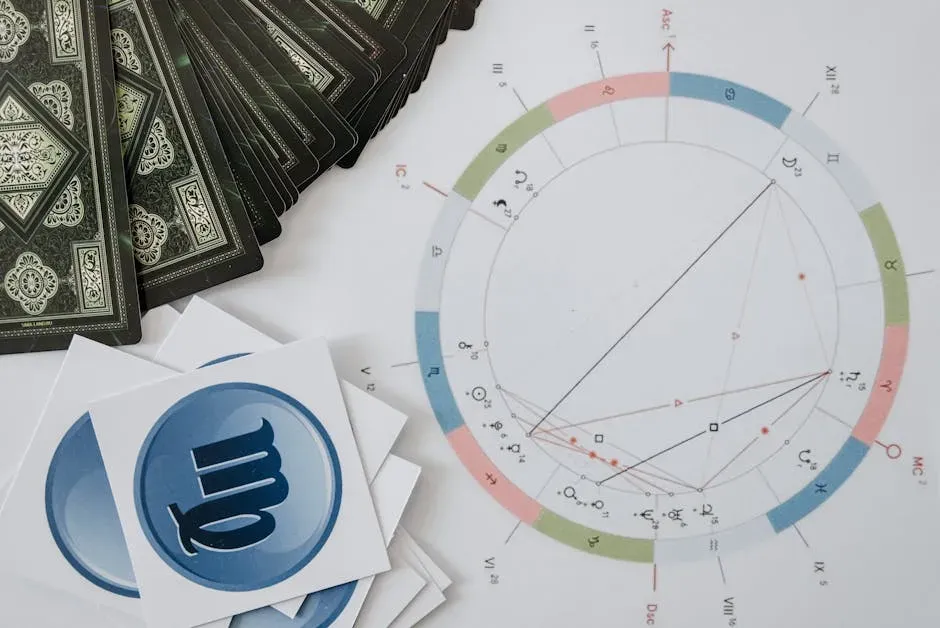
Astrology will not tell you the exact job title you should choose, and it definitely should not be the only factor in a big career decision, but it can highlight patterns you might otherwise ignore. Your sign can point to what motivates you, how you work, how you handle stress, and what kind of success actually feels satisfying rather than empty. If you use it thoughtfully, it becomes less about fate and more about self‑awareness, like a personality framework with a poetic twist.
My personal opinion is that the most grounded way to use astrology in your career is to treat it as a starting point for honest reflection, then pressure‑test those insights against real‑world experience, feedback, and data. If a description resonates, experiment with it; if it does not, let it go. In the end, the most powerful career path comes from knowing yourself deeply and making choices that reflect that, whether or not the stars get any credit. So if your chart hinted at your dream work today, would you be willing to listen closely enough to tell where it is already right and where you want to write your own twist?