
I still remember the first time I watched a heron stalk through a marsh and thought, that’s not a bird, that’s a velociraptor in disguise. Once you start looking for it, you can’t unsee it: those reptilian eyes, the sinewy legs, the way some birds move like they’re remembering a much older body plan. Birds are not just distantly related to dinosaurs; they are what remains of them. And some species today wear that ancient heritage right on the surface.
In this article, we’re going to walk through the modern world as if it were a low-budget Jurassic Park, picking out the creatures that most clearly show their dinosaur ancestry. Some will be familiar backyard visitors you’ll never look at the same way again, while others are so big, strange, or intense they feel like they time-traveled straight out of the Cretaceous. By the end, you might find yourself glancing at your local pond or city park with fresh curiosity – and maybe a tiny bit of awe.
Cassowaries: The Terrifying Forest “Velociraptors”
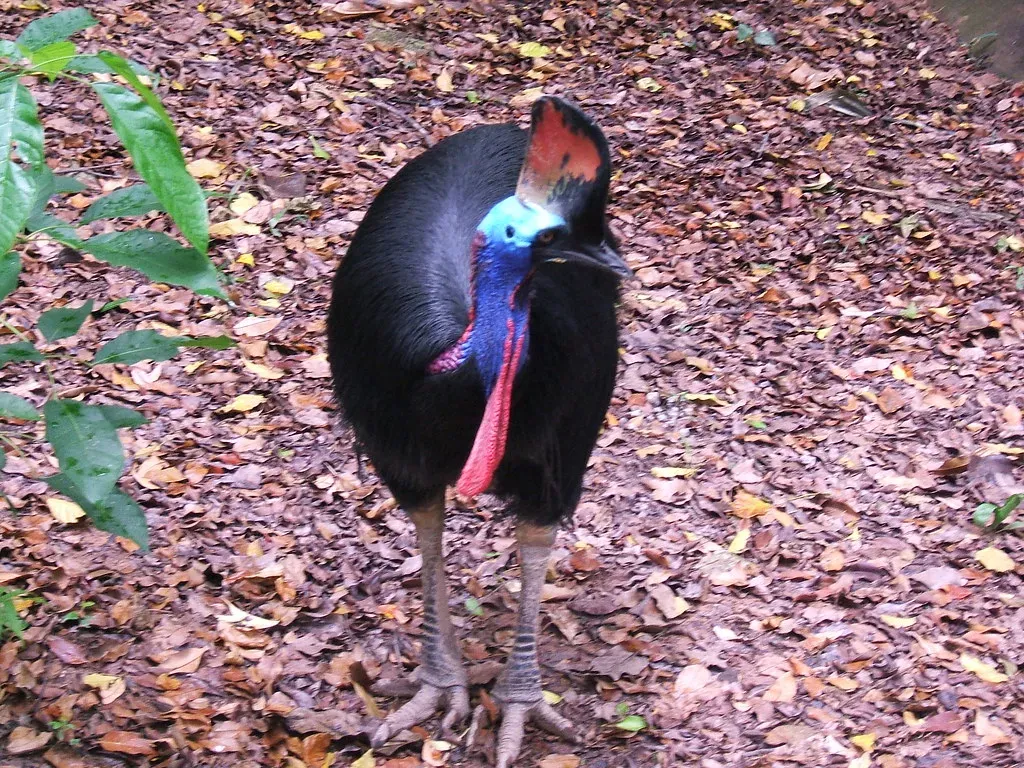
If any bird deserves the title of living dinosaur, the cassowary is a front-runner. These huge, flightless birds from New Guinea and northern Australia have thick, muscular legs, a heavy body, and a bony casque on their head that looks like a built-in helmet. Their dark, shaggy feathers and vivid blue and red skin only make them look more like something a movie designer invented for a dinosaur jungle scene.
What really sells the dinosaur vibe, though, are their feet. Each foot sports a long inner claw shaped like a dagger, and scientists have pointed out how much it resembles the famous enlarged sickle claw of dromaeosaurs, the group that includes the real velociraptors. Cassowaries can run fast, jump high, and lash out with powerful kicks that have injured and, in rare cases, killed people. Watching one pace a forest edge, head bobbing and eyes scanning, you feel like you’re getting a glimpse of how some predatory dinosaurs must have moved and behaved.
Ostriches and Emus: Giant Runners of the Modern Savannah
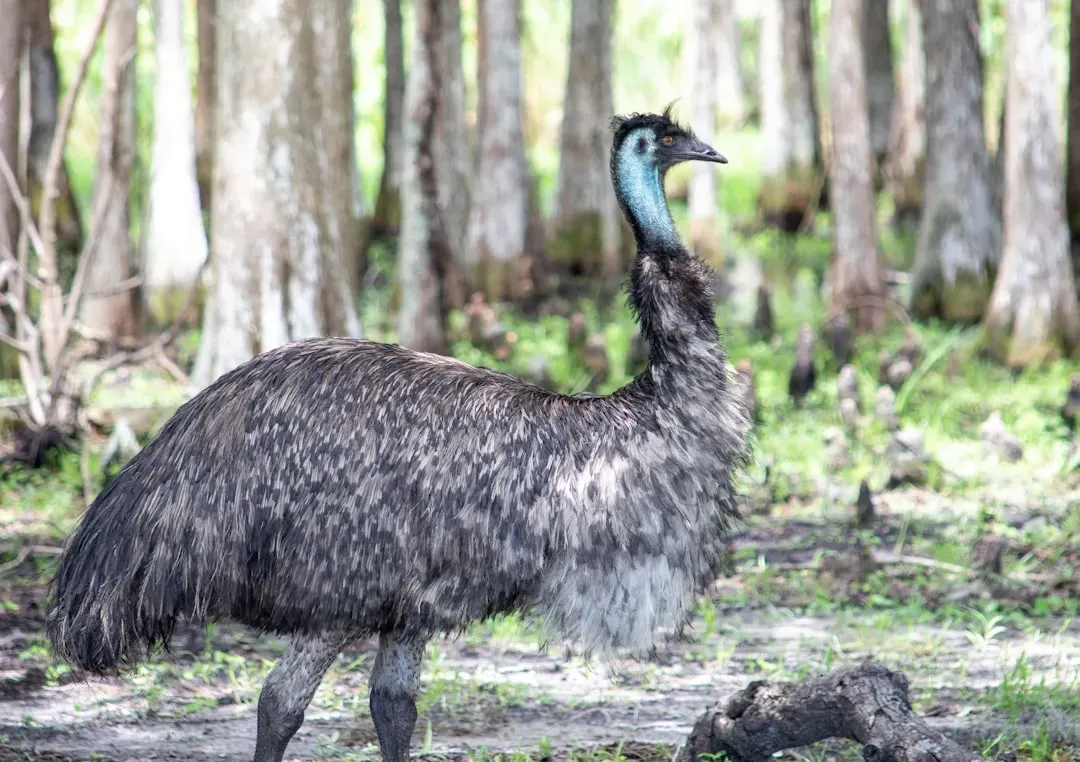
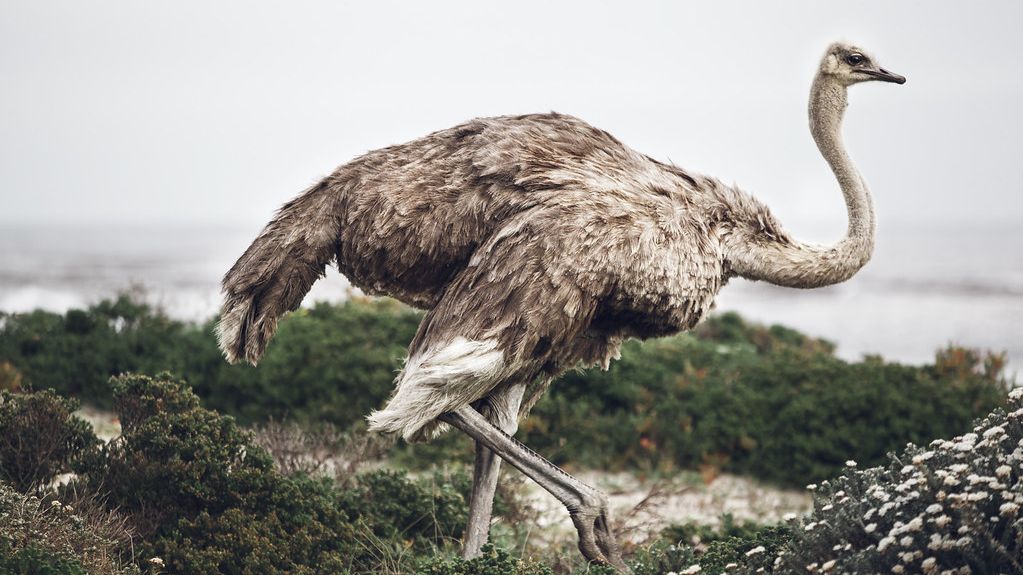
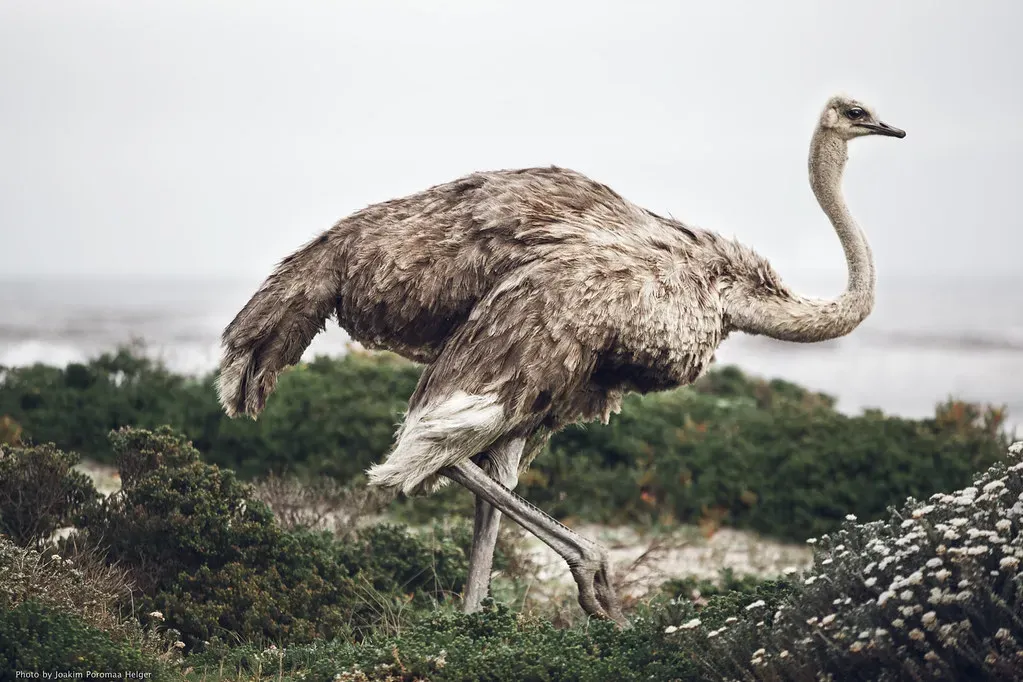
Stand in front of a full-grown ostrich and it is impossible not to think of a small, feathered theropod. They are the tallest living birds, towering over humans, with long necks, tiny wings, and powerful legs that look like they were built in a dinosaur factory. Their overall body plan is strikingly similar to reconstructions of some medium-sized bipedal dinosaurs: long-legged, fast-moving, with the center of mass over the hips.
Emus, their slightly smaller cousins from Australia, share that same ancient aesthetic. Both ostriches and emus rely on running rather than flight, and they can cover ground at speeds that would put most humans to shame. Their toes, tendons, and leg muscles are adapted for endurance and rapid sprints, echoing what paleontologists infer about many dinosaur hunters and runners. Watching a flock of ostriches bolt across open land feels less like a birdwatching moment and more like an accidental cutscene from the Mesozoic.
Secretary Birds: Raptors on Stilts
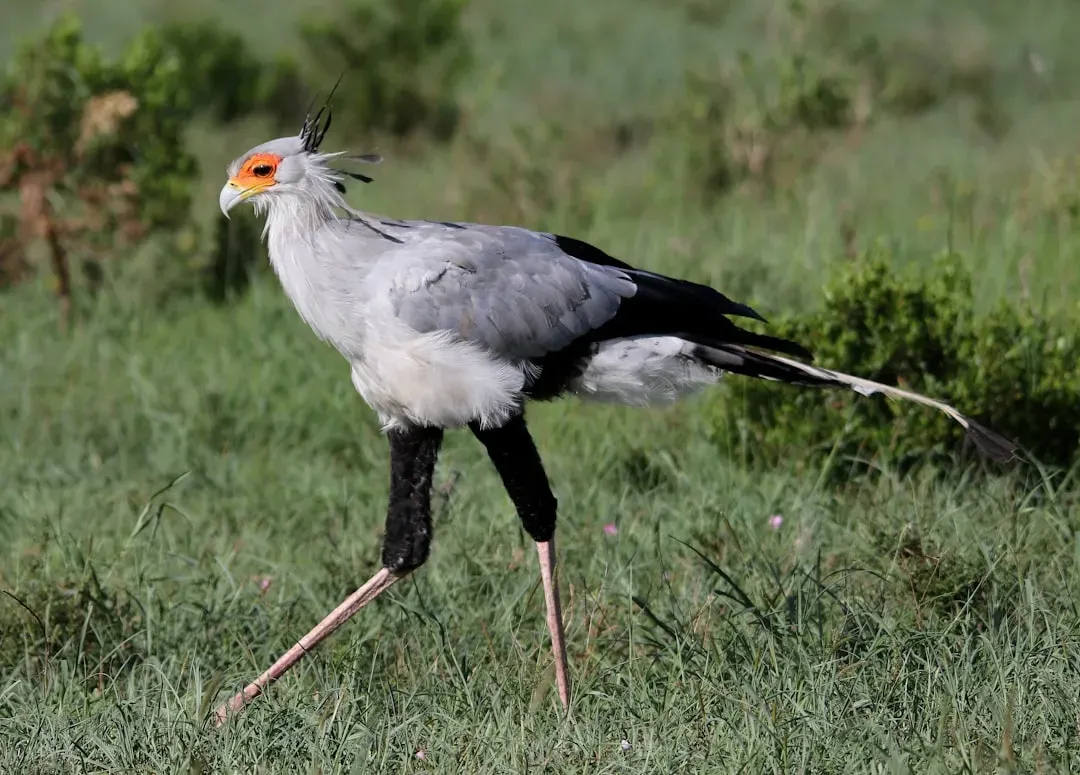
Secretary birds look like someone crossed an eagle with a dinosaur and then put the result on stilts. Native to the grasslands of sub-Saharan Africa, they have the hooked beak and fierce expression of a bird of prey, but they hunt by walking and running across the ground instead of swooping from the sky. Their long, crane-like legs give them a height and posture that instantly triggers that dinosaur comparison in your brain.
These birds actively stomp their prey, especially snakes, with rapid, precise kicks delivered by their strong legs and sharp talons. That unusual hunting style has made some scientists curious about whether certain small theropod dinosaurs might have used similar tactics. When you watch slow-motion footage of a secretary bird driving its foot down with surgical accuracy, it looks uncannily like a scaled-down version of how a land-hunting dinosaur could have used its limbs as weapons.
Herons and Egrets: Slow-Motion Jurassic Stalkers
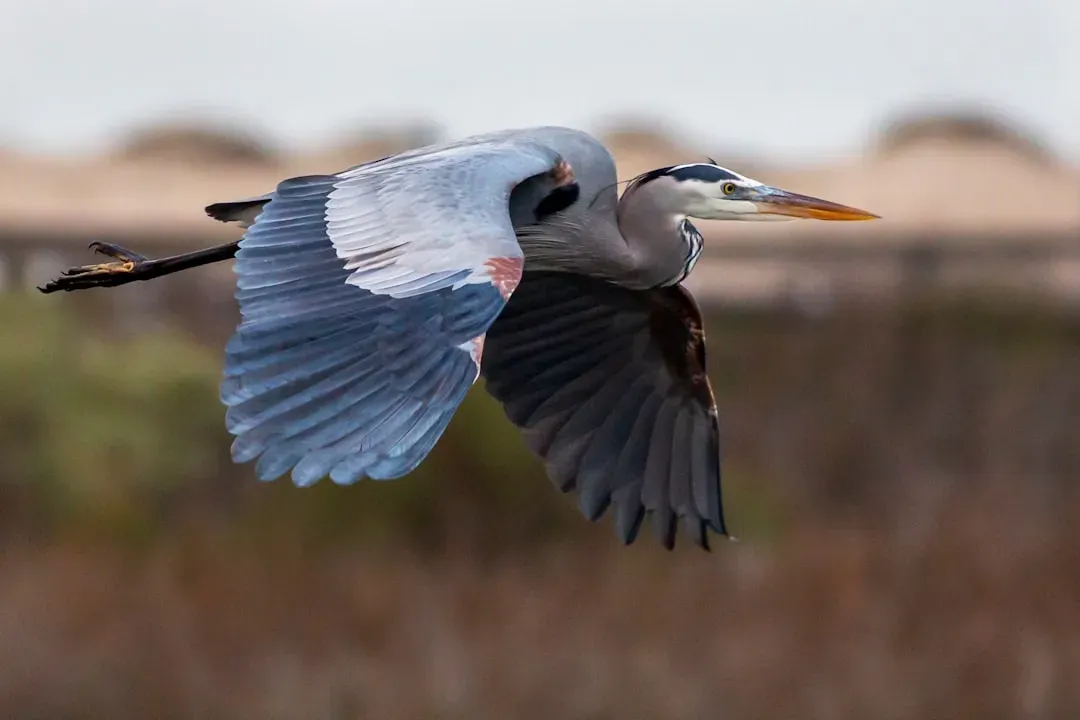
At first glance, herons and egrets look elegant and almost delicate, standing quietly at the edge of lakes and marshes. But watch them for a while and a different picture emerges. They move with an eerie, deliberate slowness, placing each step like a predator trying not to trigger an alarm. Their long S-shaped necks coil and uncoil in a flash when they strike, turning that graceful silhouette into a living spear.
Viewed in profile, a great blue heron or great egret has the silhouette of a small, long-necked dinosaur: elongated hind limbs, compact body, and a head at the end of a long, flexible neck. Their hunting style – stalking, waiting, and striking – feels ancient in its simplicity. More than once, I’ve watched a heron wade through reeds at dawn and thought it looked less like a modern bird and more like a scene from a prehistoric riverbank that somehow slipped through time.
Shoebills: The Prehistoric Statues of African Wetlands
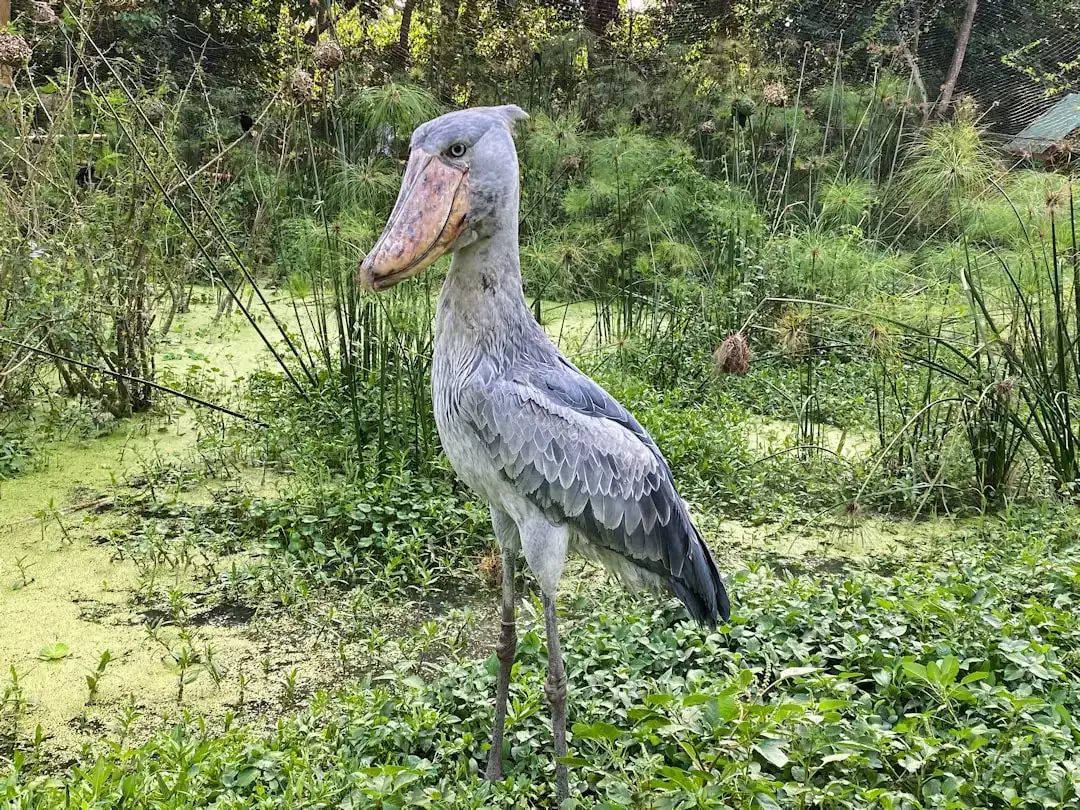
Shoebills might be the closest thing we have to a bird that looks deliberately sculpted to resemble a dinosaur. Found in the marshes of central and eastern Africa, they have enormous, shoe-shaped bills with a sharp hook at the end, squat bodies, and a stare that seems to go right through you. Photos barely do them justice; in person, they look like animatronics from a natural history exhibit about ancient life.
What makes shoebills feel so dinosaur-like is the combination of their size, stillness, and that massive head. They can stand motionless for long periods, waiting for fish or lungfish to come within range, and then strike with a sudden snap of the jaws. Their proportions – big head, hefty torso, strong legs – echo the bulky, predatory look of some extinct reptiles. When a shoebill turns its head slowly to look at you, it is hard not to imagine you’ve just made eye contact with something that remembers an older planet.
Vultures and Condors: Soaring Relics of Ancient Skies
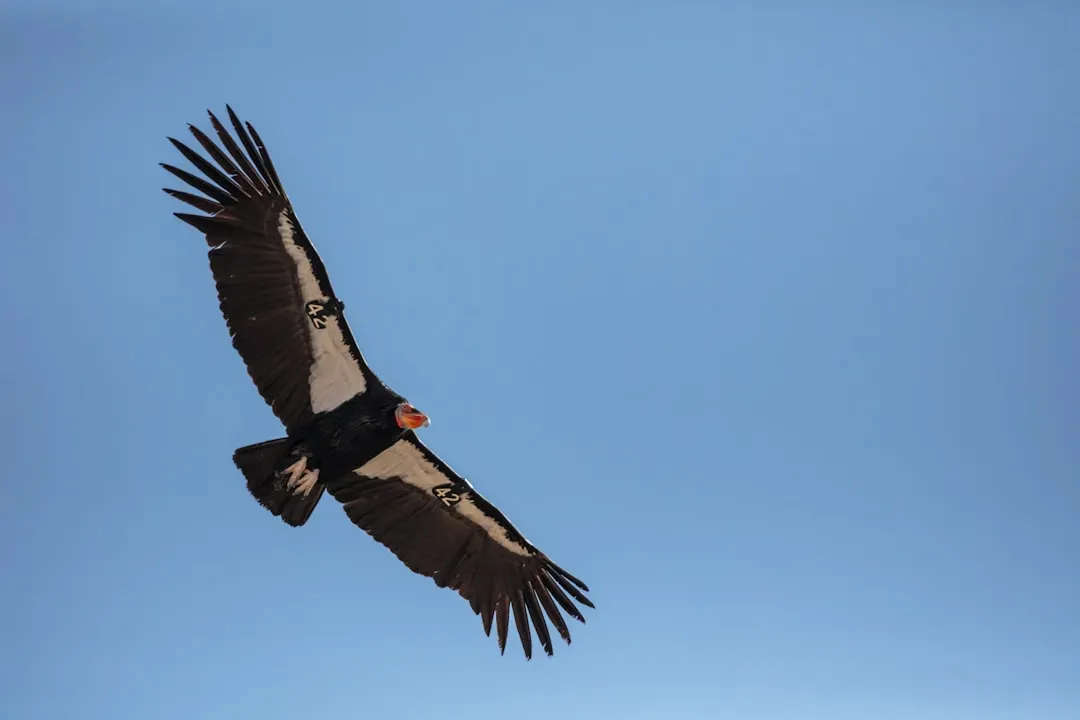
There is something undeniably prehistoric about a vulture or condor riding a thermal high above a landscape. With their broad wings, naked heads, and heavy beaks, these scavengers look less like typical songbirds and more like the distant cousins of the giant flying reptiles that once ruled the skies. While pterosaurs were not birds, the visual impression of a condor gliding across a canyon taps into the same feeling of ancient airspace.
Up close, their reptile-like skin and intense, deep-set eyes only strengthen that impression. The Andean condor and California condor, with their giant wingspans, push that dinosaur energy even further, as if the sky itself is carrying an echo of past ecosystems. Watching one circle slowly overhead, barely moving its wings, feels like a reminder that large, soaring creatures have been part of Earth’s story for a very long time, and that modern scavengers are continuing a role that has existed since before mammals got their big break.
Modern Raptors: Hawks, Eagles, and Falcons as Mini-Theropods
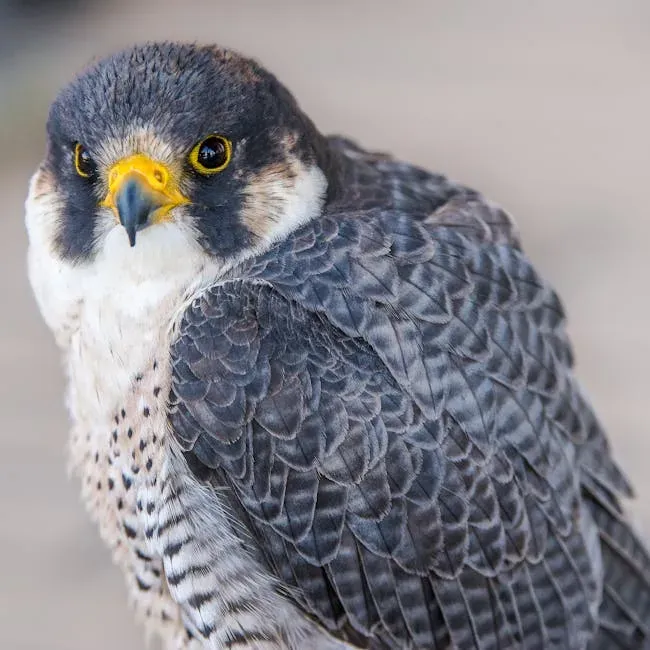
Hawks, eagles, and falcons may seem familiar and even ordinary if you live in an area where they’re common, but their bodies are masterpieces of predatory design. Sharp, hooked beaks; strong, grasping feet; forward-facing eyes; and a brain wired for tracking and seizing moving targets all mirror what researchers infer about many predatory dinosaurs. In a way, they’re just scaled-down, airborne versions of the classic theropod template.
Falcons, in particular, bring a sense of high-speed ferocity that feels surprisingly ancient, despite all their modern adaptations. When a peregrine falcon dives on prey at incredible speeds, it is using gravity, aerodynamics, and finely tuned muscles in a way that would not feel out of place on a different kind of predator with a tail and teeth. Once you realize that birds are literally the only surviving lineage of theropod dinosaurs, watching a hawk tear into its meal suddenly feels a lot like watching a tiny, feathered T. rex going about its daily business.
Chickens and Junglefowl: Backyard Dinosaurs in Plain Sight
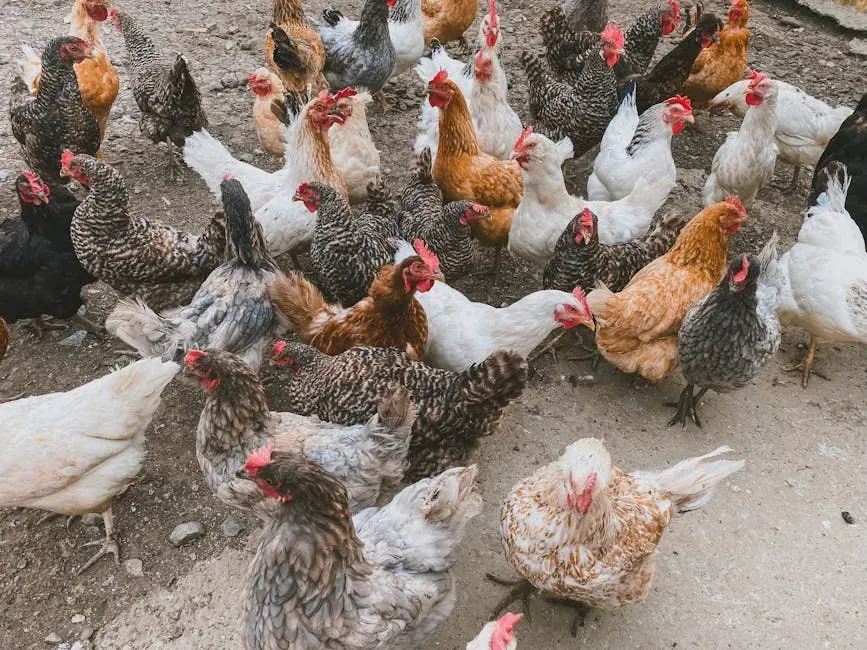
It sounds almost like a joke, but chickens might be the most convincing everyday dinosaurs we have. Strip away the cuteness of baby chicks and the familiarity of farmyards, and you are left with small, feathered, ground-dwelling animals that peck, scratch, and sprint in a way that looks remarkably like some reconstructions of small theropods. When a chicken runs with its body pitched forward and tail feathers out for balance, you can see the echo of a very old design.
Their wild relatives, the junglefowl of South and Southeast Asia, push this even further. Their bright colors, wary movements, and preference for ground living over long-distance flight all match what paleontologists suspect for several early bird and bird-like dinosaur species. I once watched a group of chickens scatter from a sudden noise, wings half-spread and legs pumping, and it genuinely looked like a tiny dinosaur stampede. It is hard not to feel a bit of bewildered amusement at the idea that humanity’s most common domesticated bird is, in a real evolutionary sense, a carefully bred dinosaur.
Hoatzins: Oddball Survivors with Ancient Vibes
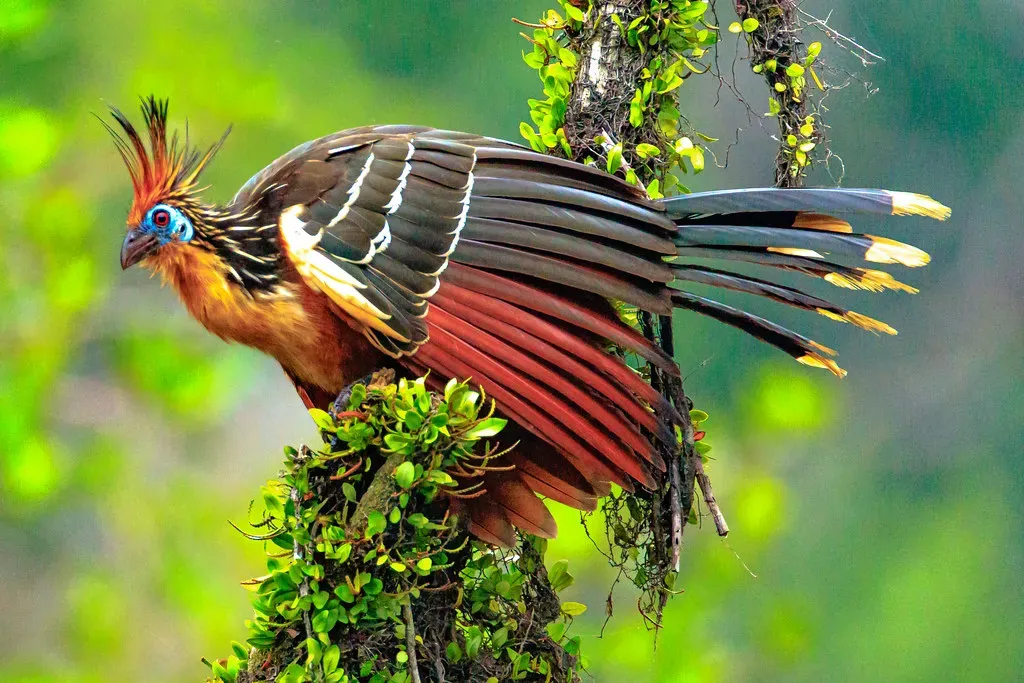
The hoatzin, found in the swamps and rivers of the Amazon, looks like it got stuck halfway between eras. Adults have spiky, reddish crests, blue facial skin, and a generally scruffy, prehistoric look that makes them stand out among other tropical birds. They move with a slightly awkward, deliberate climb through branches, giving off more of a primitive, experimental vibe than the sleek efficiency you see in many other species.
What really makes hoatzins feel dinosaurian, though, is their chicks. Young hoatzins are born with small claws on their wings, which they use to climb around vegetation before they are strong enough to fly. This detail often gets mentioned because it resembles the clawed wings of some early bird fossils. While hoatzins are not direct holdovers from dinosaur times, those tiny wing claws are like a living reminder that the path from reptile to bird had a few more stages than most people realize.
Hornbills and Ground Hornbills: Beaks, Casques, and Jurassic Faces
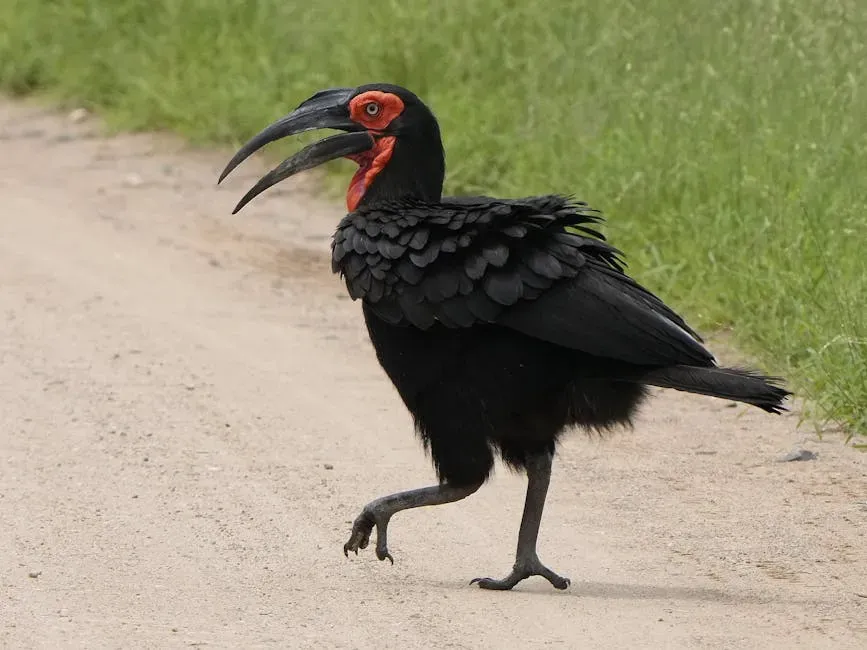
Hornbills, especially the large species of Africa and Asia, have a dramatic, dinosaur-like presence thanks to their massive curved bills and bony casques on top. Some species have faces and throats splashed with bright colors, giving them a look that would fit perfectly into a prehistoric forest painting. Their flight can be loud and heavy-sounding, with wingbeats you can hear from a distance, adding to their sense of physical, almost reptilian solidity.
Ground hornbills, which stalk savannah and open woodland, dial up the dinosaur impression even more. They stride across the landscape on sturdy legs, foraging and hunting in a way that seems closer to small terrestrial dinosaurs than to typical tree-living birds. Their deep calls carry over long distances, sounding more like the booming of some ancient creature than a cheerful bird song. Watching one walk with that deliberate, powerful gait, you can easily imagine you are seeing a faint reflection of behaviors that evolved tens of millions of years ago.
Conclusion: Seeing the Dinosaurs Hidden in Plain Sight
Once you start spotting the dinosaur in the bird, it becomes hard to stop. Cassowaries with their dagger claws, shoebills with their massive jaws, raptors and vultures with their predatory eyes, even scruffy chickens scratching in the dirt – all of them are pieces of an ancient puzzle we used to think was lost forever. In my view, it is a mistake to treat dinosaurs as something that vanished; they simply changed uniforms and moved into new habitats. Birds are not just distant cousins of dinosaurs, they are dinosaurs, and the species that still look most reptilian just make that fact a little harder to ignore.
I think that realization is both humbling and strangely comforting. The world did not hit reset after the asteroid impact; it adapted, reshaped, and kept some of its old cast under new names. The next time a heron stalks past you in the shallows or a hawk circles overhead, it might be worth taking a second to imagine the deep time behind those movements. When you look at birds now, will you still see just birds – or the last living chapter of a dinosaur story that never truly ended?