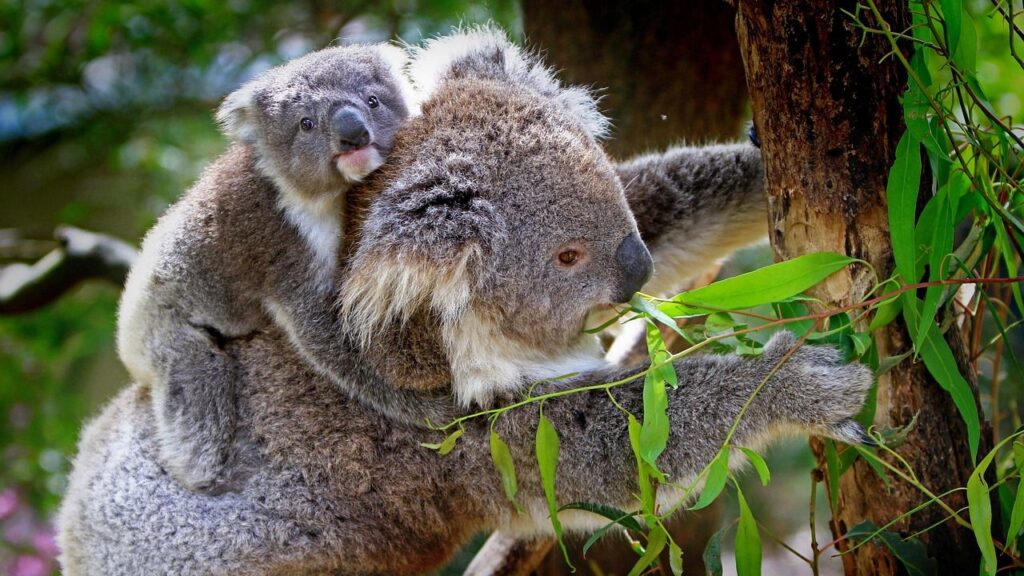
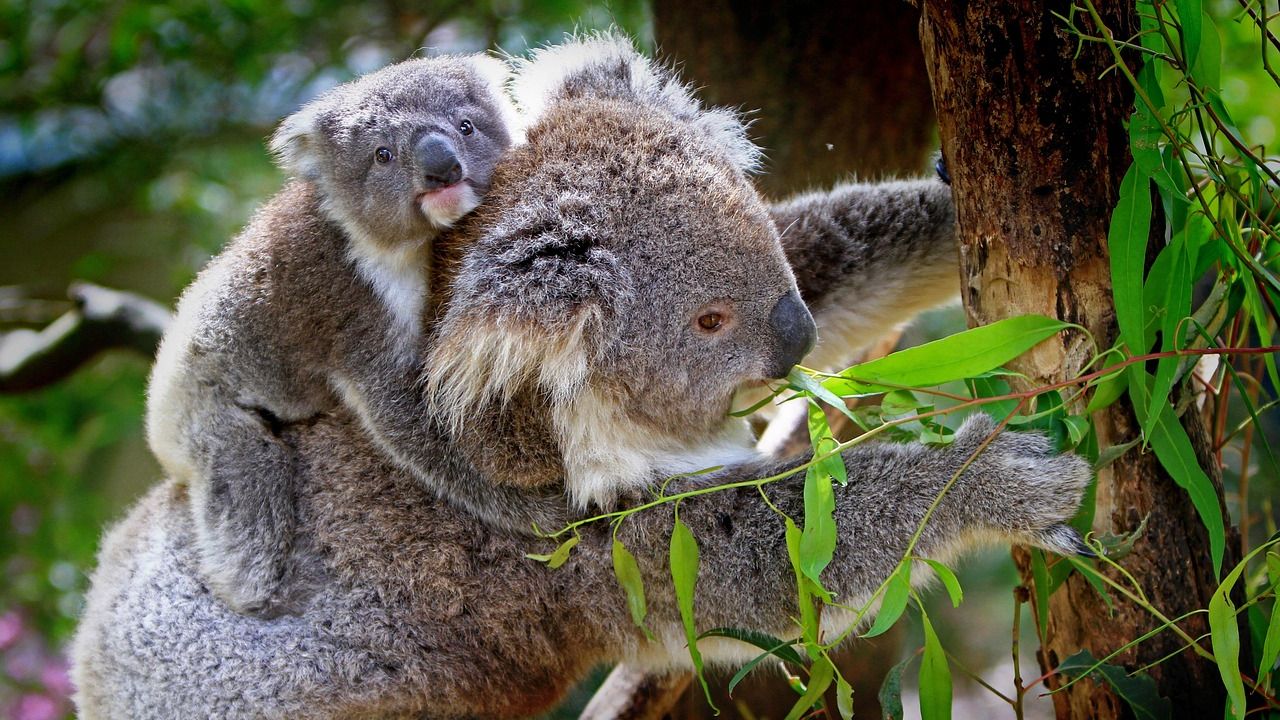
How AI could save koalas – Image for illustrative purposes only (Image credits: Pixabay)
Koalas in eastern Australia continue to lose ground as forests give way to roads and housing. The animals must often cross busy stretches of pavement to reach remaining patches of eucalyptus, and many do not make it. Vehicle strikes now rank among the leading causes of death for the species, compounding long-standing pressures from disease, fire and habitat loss. Researchers at Griffith University are testing whether artificial intelligence can change that outcome by spotting koalas before drivers do.
Pressures That Push Koalas Onto Roads
Habitat clearing for urban growth has left many koala populations isolated in small forest fragments. When animals need to move between these patches in search of food or mates, roads become unavoidable barriers. At the same time, diseases such as chlamydia weaken individuals, making them slower to react to oncoming traffic. Bushfires, which have grown more frequent and intense, further shrink safe areas and force survivors into unfamiliar territory.
These overlapping threats have reduced koala numbers across much of their range. Conservation groups have long called for better road design, yet traditional solutions such as underpasses or fencing cover only a fraction of the needed locations. The result is a steady toll of collisions that adds to the species’ overall decline.
Why Real-Time Detection Matters
Most existing wildlife-warning systems rely on fixed signs or simple motion sensors that cannot distinguish a koala from other animals or debris. Drivers therefore receive little useful advance notice. An AI-powered camera, by contrast, can be trained to recognize the distinctive shape and movement of a koala and trigger an alert only when one approaches the roadway. Such targeted warnings could give motorists the seconds needed to slow down or stop.
The Griffith University team is developing cameras that operate continuously along high-risk stretches. Early trials focus on accuracy: the system must correctly identify koalas while ignoring possums, wallabies and falling branches. Once reliable, the technology could be linked to variable-message signs or even vehicle-to-infrastructure networks that reach drivers directly.
Testing the Technology in the Field
Initial work centers on sites where koala road deaths have been documented repeatedly. Researchers place cameras at known crossing points and compare the AI’s detections against human observers and traditional sensors. The goal is to refine the model so it performs under varying light, weather and traffic conditions. Because koalas are largely nocturnal, the cameras must also function effectively at night without disturbing the animals.
Success will depend on more than hardware. Local transport agencies will need to integrate alerts into existing road-management systems, and drivers will require clear instructions on how to respond. The university group is therefore working with government partners to plan wider deployment if the prototype proves effective.
What the Approach Could Mean for Other Species
While the current project targets koalas, the underlying AI methods could apply to other animals that cross roads in Australia and elsewhere. Wallabies, echidnas and even larger mammals such as kangaroos face similar risks. A single camera network capable of recognizing multiple species would multiply the conservation return on the initial investment.
Still, technology alone cannot reverse population declines. Continued habitat protection, disease management and fire mitigation remain essential. The camera system is best viewed as one practical tool within a broader strategy that addresses the full range of threats koalas encounter.
Key points to watch
- Accuracy of the AI model under real-world conditions
- Integration with road-authority alert systems
- Potential extension to other at-risk wildlife
- Long-term funding and maintenance plans
Early results from the Griffith University effort suggest that precise, species-specific detection is technically feasible. Whether that capability translates into fewer collisions will depend on careful testing, reliable partnerships and sustained commitment to the landscapes koalas still call home. If the system works as hoped, it could mark a modest but meaningful step toward safer passage for one of Australia’s most recognizable animals.