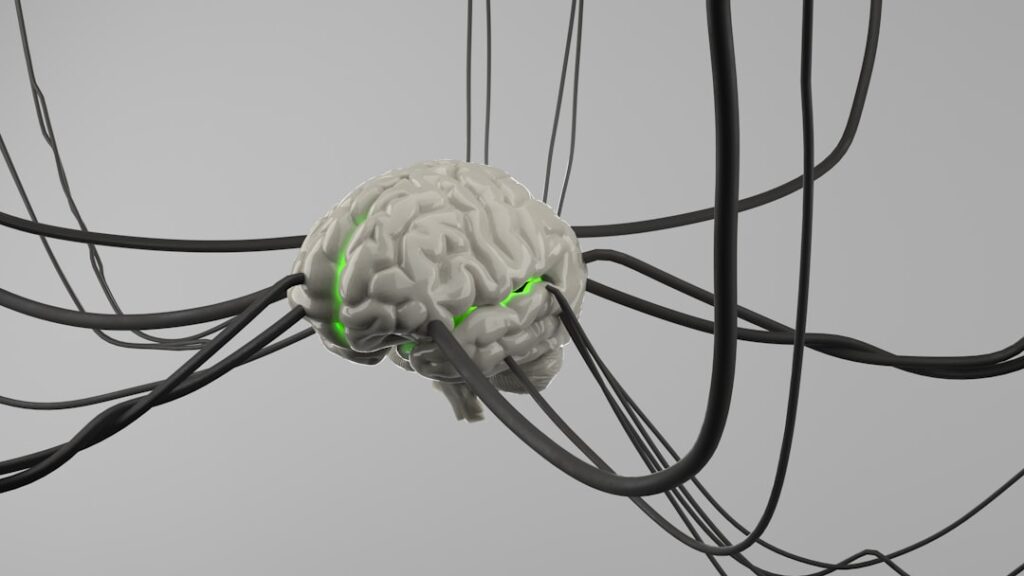
People often assume they can handle two simple chores at the same time without much trouble. In reality, even routine activities draw from the same narrow pool of attention and processing power. This overlap creates friction that slows performance and raises error rates. The result is a quiet but persistent drag on productivity that many experience daily.
The Shared Pool of Mental Capacity
Every action, from reading a message to planning a reply, requires a slice of the brain’s working memory and executive control. When two tasks run together, they pull from this single reserve rather than operating in separate lanes. The brain must then divide its effort, which reduces the depth available for either activity. Over time, this division leads to shallower focus and more frequent slips.
Research in cognitive psychology has long shown that the mind does not maintain unlimited parallel channels. Instead, it manages a bottleneck that forces prioritization. Simple tasks still trigger this bottleneck because they activate overlapping neural pathways. The competition becomes noticeable the moment accuracy or speed begins to drop.
Everyday Moments Where Overlap Appears
Consider someone driving while checking directions on a phone. The visual and decision-making demands of both actions draw from the same attention system, increasing reaction time to road changes. A similar pattern occurs when a person attempts to follow a recipe while holding a conversation. Each interruption forces the brain to reload context, adding small but cumulative delays.
Office workers often notice the effect during back-to-back video calls and email checks. The constant switching leaves less room for careful reading or thoughtful responses. Even brief overlaps compound across a workday, leaving people feeling mentally drained by mid-afternoon. These patterns repeat across many settings because the underlying resource constraint remains constant.
Why Switching Rarely Solves the Problem
Some try to manage the load by alternating quickly between tasks. Yet each switch still requires the brain to reorient its resources, which consumes extra time and energy. The cost of these transitions adds up faster than most realize. Performance on the second task often suffers because residual attention from the first lingers briefly.
Over repeated switches, the brain’s efficiency declines further. Errors rise, and the overall output quality falls below what either task would achieve alone. This pattern holds even when both activities feel straightforward on their own. The limitation stems from architecture rather than effort or motivation.
Practical Steps That Respect the Constraint
One effective approach involves completing one task fully before starting the next. This method preserves the full mental reserve for each activity and reduces reload costs. Another option is to group similar tasks together so the brain stays within one processing mode longer. Both strategies lower the frequency of competition.
Setting clear boundaries around attention also helps. Turning off notifications during focused work periods prevents new demands from entering the shared pool unexpectedly. Over time, these habits allow people to finish more with less strain. The key lies in recognizing that mental resources are finite and allocating them deliberately.
Key insight: Even basic activities draw from one limited mental reserve, so sequencing tasks protects performance better than attempting overlap.