

If you found out that tiny, everyday choices were quietly shaving years off your life, would you change them? Most people imagine big, dramatic events when they think about health and longevity, but research keeps pointing to the same uncomfortable truth: it is the small, repeated habits that matter most. The way you sit, snack, scroll, and sleep can nudge your body either toward resilience or toward slow, steady wear and tear.
What makes this both scary and empowering is that many of the most harmful habits are incredibly common and socially accepted. They do not feel dangerous in the moment, which is why so many of us ignore the warning signs until something breaks. As someone who has had to unlearn more than a few of these myself, I can tell you it is humbling to realize how much damage “normal” can do. Let’s walk through ten daily habits that research links to a shorter lifespan – and what you can realistically do about them without living like a monk.
Sitting Most of the Day (Even If You Exercise)

One of the most surprising findings in modern health research is that you cannot fully out-exercise a chronically sedentary day. Long, unbroken periods of sitting are associated with higher risks of heart disease, type 2 diabetes, and early death, even among people who hit the gym. When you sit for hours, muscles in your legs and core go quiet, your body burns fewer calories, and your blood sugar and blood fats tend to spike higher and stay there longer.
Think of your body like a car idling in the driveway all day: the engine is on, but nothing useful is happening and the parts slowly wear out. If your work forces you to sit, the damage is not inevitable, but it is real. Standing up for a few minutes every half hour, walking during calls, using a standing desk part of the day, or doing brief “movement snacks” can make a meaningful difference. The habit that shortens lifespan is not simply having a desk job, it is letting hours pass without your body moving at all.
Regularly Sleeping Too Little or Too Much
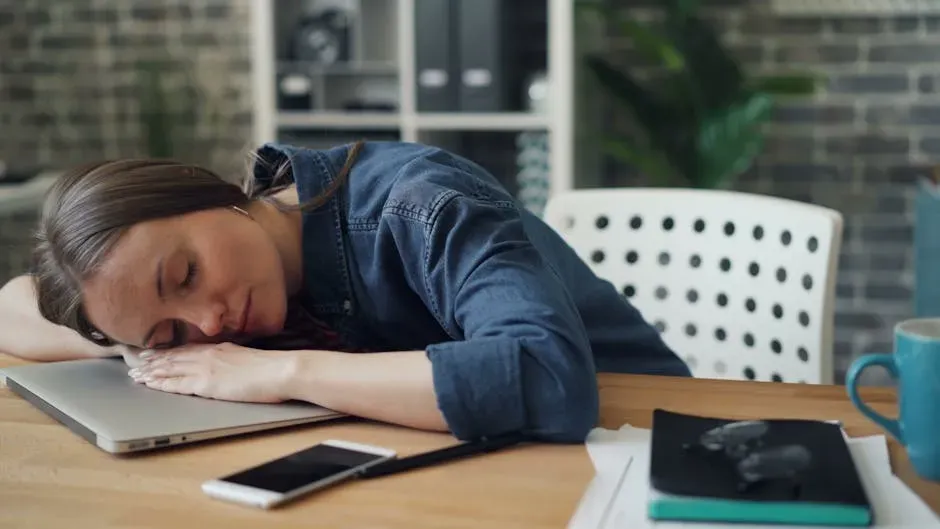
Chronic sleep deprivation has become almost a badge of honor in some circles, but research paints a harsh picture: consistently sleeping far less than seven hours is linked with higher risks of obesity, heart disease, stroke, dementia, and earlier death. When you skimp on sleep, your body produces more stress hormones, your blood pressure runs higher, and your appetite-regulating hormones tilt toward cravings and overeating. Over time, this pushes your whole system into a state of constant, low-level emergency.
What often gets less attention is that habitually sleeping much longer than average, without a medical reason, is also associated with higher mortality. That does not mean one late lie-in on the weekend is dangerous, but if you regularly need very long sleep to function, it can be a sign of underlying issues like depression, sleep apnea, or chronic illness. I used to shrug off my erratic sleep as just “being a night owl,” but once I treated sleep as non-negotiable – like food or oxygen – my mood, weight, and focus changed dramatically. Protecting a roughly seven to nine hour window of quality sleep is one of the least glamorous but most powerful longevity tools you have.
Living on Ultra-Processed Foods and Sugary Drinks
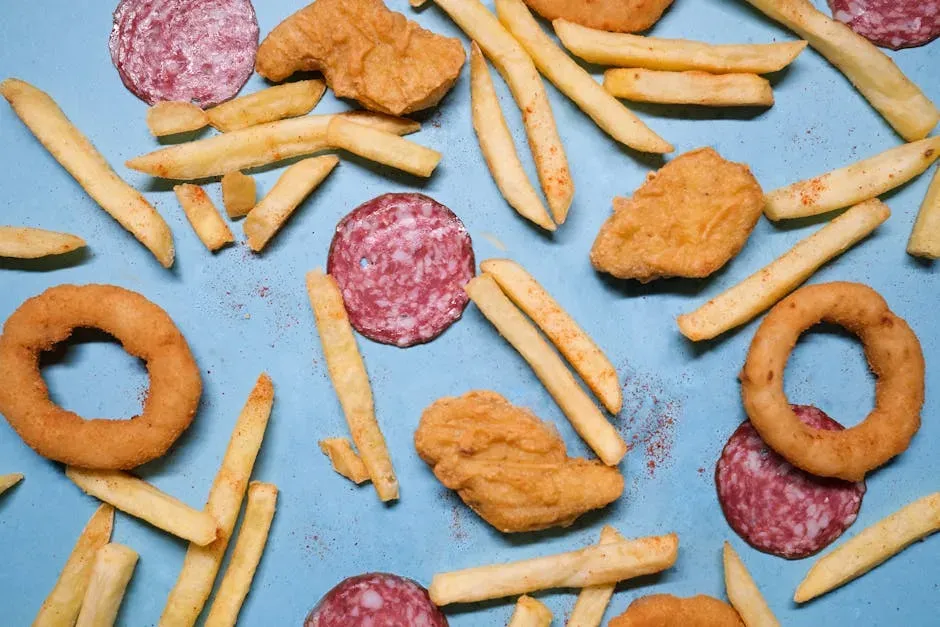
Many people think of diet only in terms of calories or weight, but what you eat daily shapes how fast your body ages on the inside. Diets high in ultra-processed foods – things with long ingredient lists, artificial additives, and very refined flours and oils – are associated with higher risks of heart disease, certain cancers, type 2 diabetes, and early death. Sugary drinks, from regular soda to many “energy” beverages and sweetened coffees, deliver large amounts of rapidly absorbed sugar that hammer your metabolism and blood vessels.
What makes this habit so dangerous is how effortless it is. Vending machines, delivery apps, and convenience foods make it normal to go an entire day barely touching anything resembling its original form. Over time, this pattern drives inflammation, raises blood pressure, and damages arteries in ways you do not feel until decades later. You do not need a perfect, organic, chef-level diet to live longer, but shifting toward more whole foods – fruits, vegetables, beans, nuts, whole grains, and minimally processed proteins – and treating sugary drinks as rare treats instead of daily fuel can literally change your health trajectory.
Smoking and Daily Vaping
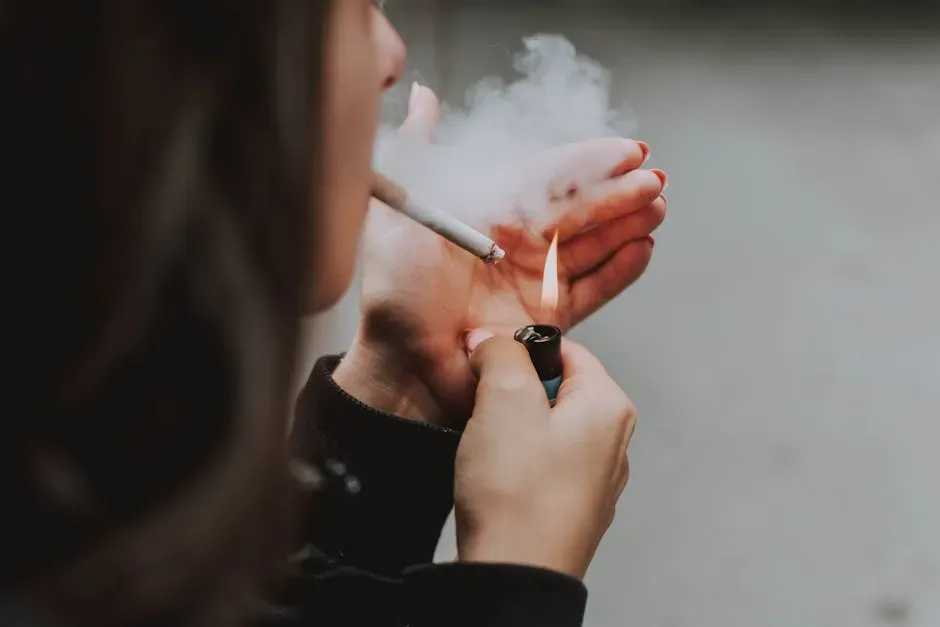
Cigarette smoking is still one of the clearest, most well-established ways to shorten your life, cutting years off on average and increasing the risk of heart disease, stroke, lung disease, and multiple cancers. The damage is not just in the lungs; the chemicals in tobacco smoke injure blood vessels, make blood more likely to clot, and accelerate the aging of almost every organ. Even a few cigarettes a day are enough to significantly raise risk, so there is no truly “safe” level of smoking.
Vaping is trickier, because it was marketed as a safer alternative and the long-term data is still emerging. What we do know is that daily vaping exposes lungs and blood vessels to chemicals and fine particles that can cause inflammation and damage. While it may be less harmful than heavy smoking, especially as a short-term tool to quit cigarettes, treating daily vaping as harmless is wishful thinking. Quitting nicotine is brutally hard – I watched a relative take multiple attempts before finally stopping – but every year you live smoke-free or vape-free tends to lower your risk and give your body room to repair.
Drinking Alcohol Most Days

For years, people liked to believe that a daily drink was good for the heart, but newer and more careful research suggests that regular alcohol intake, especially more than a small amount, is associated with higher risks of cancer, liver disease, heart problems, and early mortality. Alcohol is a toxin your body has to detoxify, and frequent drinking keeps that system working overtime. It also disrupts sleep, can raise blood pressure, and often encourages overeating or other unhealthy choices.
The habit that quietly shortens lifespan is not the rare celebration or the occasional glass with dinner; it is the pattern where drinking becomes part of your daily coping strategy. If you notice that you reach for alcohol most nights to unwind, de-stress, or fall asleep, your liver and brain are paying the price whether you feel it yet or not. Cutting back to several alcohol-free days per week, setting clear limits when you do drink, or getting support to quit entirely if needed, are not moral issues – they are practical steps to give your body a longer runway.
Constant Stress Without Real Recovery

Stress itself is not the villain; your body is built to handle short bursts of challenge. The problem is when stress becomes a constant background noise with no genuine off switch. Chronic, unrelieved stress keeps stress hormones like cortisol elevated, which over time can raise blood pressure, disrupt blood sugar, weaken the immune system, and increase the risk of heart disease and depression. People living under relentless stress often age faster biologically than their peers, even if they look like they are managing on the surface.
In my own life, the most dangerous years were not when I was busiest, but when I felt like I could never truly relax, even on days off. Many people carry their work, financial worries, or family burdens around twenty-four hours a day through their phones and thoughts. Research suggests that habits like regular physical activity, social connection, mindfulness practices, or even simple daily rituals of joy can buffer the damage. The lifespan-shortening habit is not simply “having stress,” it is refusing to build in real recovery and insisting on being “on” all the time.
Neglecting Physical Activity Altogether

Physical inactivity is often called the new smoking for a reason. Being consistently inactive – rarely walking briskly, almost never raising your heart rate, and barely using your muscles – is linked with higher risks of heart disease, stroke, type 2 diabetes, certain cancers, and earlier death. Your body is designed for movement; when you hardly use it, systems from your muscles to your metabolism start to degrade faster than they should.
The hopeful side is that research keeps showing you do not need extreme workouts to reap big benefits. Even modest amounts of regular activity, like brisk walking most days of the week, climbing stairs instead of always taking the elevator, or doing a few short strength sessions at home, can significantly lower risk. I used to think if I could not commit to a hard hour at the gym, it was not worth doing anything, and that mindset itself was deadly. The real habit that harms lifespan is not failing to be an athlete; it is allowing days and weeks to pass with almost no movement at all.
Chronic Sleep-Scrolling and Screen Overload
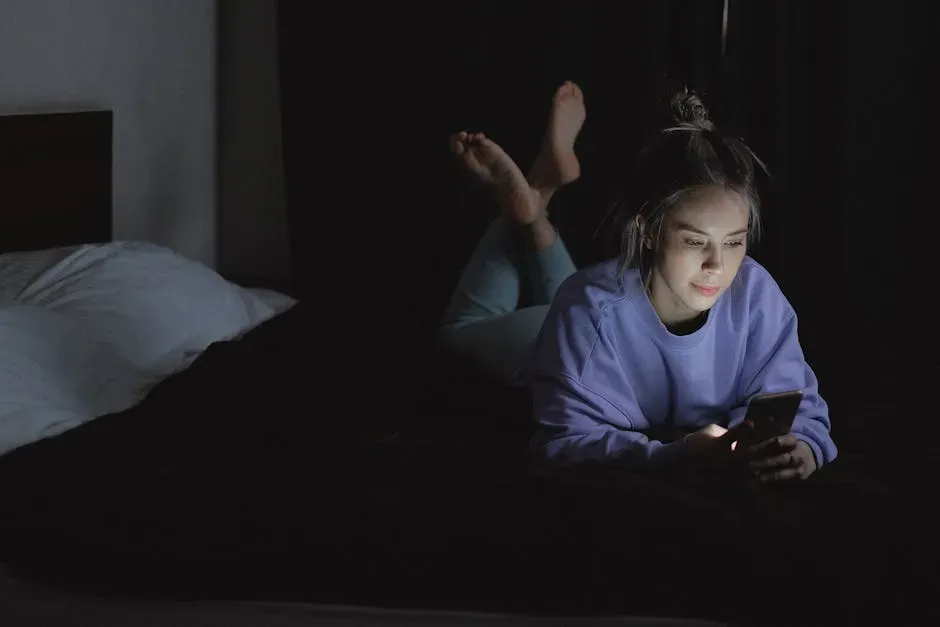
Endless scrolling feels harmless, but when screens eat into your sleep, attention, and mental health, the long-term effects can be serious. Late-night phone and tablet use exposes your eyes to bright light that can disrupt your natural sleep rhythm, making it harder to fall and stay asleep. Poor sleep, in turn, feeds into higher risks of obesity, heart disease, and diabetes, creating a loop where your devices quietly chip away at your health night after night.
Beyond sleep, a constant diet of alarming news, comparison-driven social media, and always-on notifications can keep your brain in a low-level fight-or-flight state. That kind of mental strain may not show up on a lab test right away, but it pushes many people toward anxiety, depression, overeating, or substance use, all of which are linked to shorter lifespan when they persist. Setting screen curfews, charging your phone outside the bedroom, and deliberately carving out tech-free time during the day are not just productivity hacks – they are acts of self-preservation in a world that’s always asking for more of your attention.
Ignoring Social Connections and Loneliness

One of the most quietly lethal habits is pretending you do not need anyone. Strong, supportive relationships are consistently linked with longer life, while chronic loneliness and social isolation are associated with higher risks of heart disease, stroke, dementia, and early death. Humans are wired to connect; when that need goes unmet for long periods, it behaves almost like a health risk factor on its own.
I used to underestimate how much it mattered to simply have people I could call on a bad day. Many adults slide into lonely routines without meaning to – work, commute, eat, Netflix, sleep – and suddenly years have passed with only superficial contact. Building and maintaining friendships, family ties, community or spiritual groups, or even volunteer circles takes effort and vulnerability, which is why so many of us avoid it. But if you look at people who age well, strong relationships are almost always part of the picture. The habit that shortens life is not being introverted; it is letting connection slowly wither until you are facing life’s storms alone.
Living in a Constant Calorie Surplus and Weight Cycling
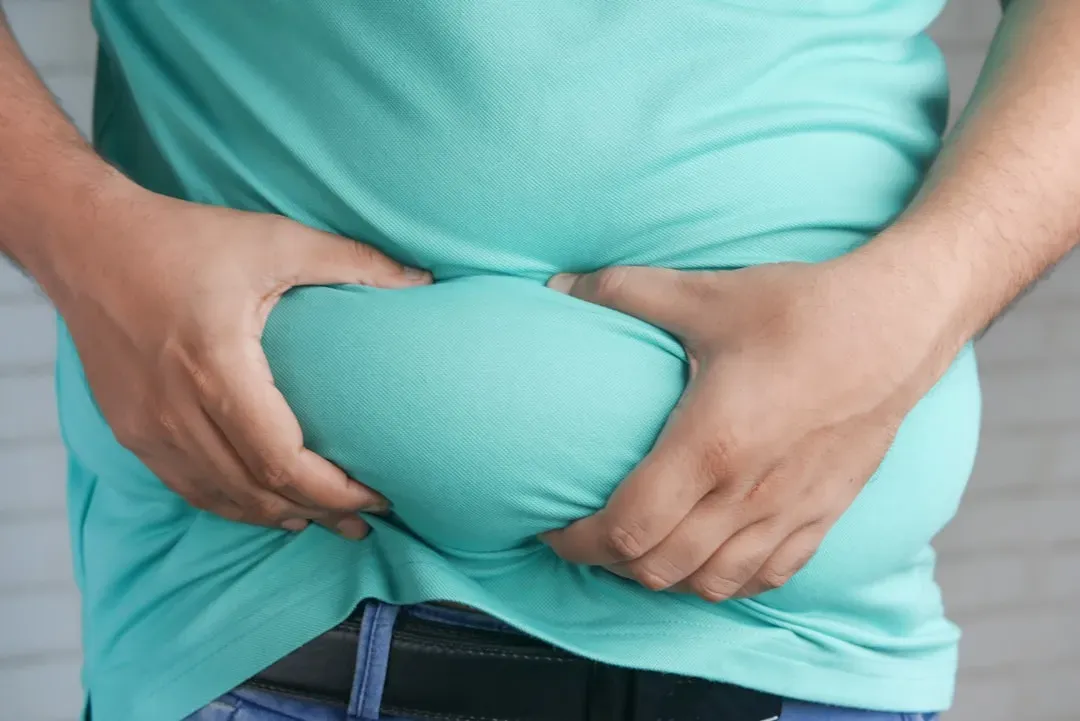
Carrying extra body fat, especially around the abdomen, is associated with higher risks of heart disease, stroke, type 2 diabetes, and some cancers. The daily habit behind this is often simple but insidious: consistently taking in more calories than you burn, usually through energy-dense, low-fiber foods and large portions. Over time, this steady surplus nudges your weight upward, increases inflammation, and makes your body less responsive to insulin, all of which can shorten lifespan if left unchecked.
On the flip side, repeatedly crashing into extreme diets and then regaining the weight – yo-yo dieting or weight cycling – also appears to stress the body and may carry its own risks. I have ridden that roller coaster more than once, and it left me more discouraged and less healthy each time. A steadier, more sustainable approach, where you slowly adjust your eating pattern and activity level in ways you can actually maintain, is far kinder to your body. The real danger is not one holiday meal or one lazy weekend; it is years of habitual overeating or extreme swings that keep your metabolism on a wild ride.
Conclusion: Small Daily Choices, Big Lifetime Consequences
When you zoom out, a pattern appears: the habits most likely to shorten your life are not wild, reckless stunts; they are the comfortable, everyday routines that feel harmless because almost everyone around you shares them. Long hours of sitting, grabbing ultra-processed food, cutting sleep for screens or work, staying “just a bit” stressed all the time – none of these look dramatic on their own. Yet together, over years and decades, they quietly rewrite your body’s future. In my opinion, we massively overrate willpower and underrate environment; if you design your daily surroundings to make healthier choices just slightly easier, you have a far better shot at staying around longer.
The good news – and it really is good – is that you do not need perfection to change your trajectory. You can start with one or two habits that feel most doable: maybe standing up every half hour, replacing one sugary drink a day with water, or setting a real bedtime three nights a week. Research suggests that even modest improvements in movement, diet, sleep, and connection can add meaningful years of better-quality life. You will still be human, still imperfect, still occasionally staying up too late or eating the cookies. But the direction of your habits matters more than any single day. Looking at your own routine, which of these daily patterns are you willing to disrupt before they quietly decide how long you get to stay?