

There is something quietly heartbreaking about how many of us have cried harder over a character’s death than over our own breakups. If you’ve ever felt more understood by a book, a show, or a game than by anyone sitting across from you at the dinner table, you are far from alone. For a lot of people, that deep pull toward fictional worlds did not just appear out of nowhere; it started as a survival strategy when the real world felt confusing, dismissive, or downright dangerous.
Psychologists who study attachment and trauma have noticed a pattern: when children do not feel consistently safe, seen, or soothed by their caregivers, they often learn to turn inward or elsewhere. Sometimes that “elsewhere” becomes a fictional universe that never yells, never leaves, and always plays out in a way you can revisit on your own terms. This does not mean that loving stories is a problem. Stories are one of the most human things we have. But when fictional connections feel safer than any real person, it is worth asking why that is, and what it says about the emotional landscapes we grew up in.
When Real People Hurt, Fiction Feels Like Shelter

Think about how it feels to put on a favorite show after a brutal day: your body actually relaxes before the opening credits finish. For some, that feeling is not just comfort, it is relief from a lifelong tension around other humans. If you grew up with caregivers who were unpredictable, dismissive, or emotionally absent, your nervous system likely learned that people are dangerous ground. In that context, a fictional character who is consistent, knowable, and safely distant can feel like a sanctuary.
This lines up with what we know about attachment theory. Kids who experience rejection, emotional neglect, or chaotic caregiving often adapt by becoming hyper-vigilant or shutting down emotionally around others. Fiction does not demand that kind of defensive work. A character will never suddenly turn on you, mock your feelings, or ghost you. You can press pause, walk away, come back later, and the relationship is waiting exactly where you left it. That predictability can feel like fresh air if you grew up constantly bracing for the next emotional storm.
Parasocial Bonds: One-Sided, But Emotionally Real

Psychologists use the term “parasocial relationship” to describe the one-sided bonds people form with media figures, including fictional characters. On paper, it sounds detached and clinical. In real life, it can feel as powerful as any friendship. You might think about what a character would do, imagine conversations with them, or feel genuine grief when their story ends. Your brain uses many of the same emotional systems it uses for real relationships, even if the other “person” only exists on a screen or page.
For those who grew up feeling unsafe or unseen, parasocial bonds offer something crucial: the illusion of closeness without the risk of rejection. You can attach deeply without ever worrying that the other side will criticize, abandon, or betray you. The character will not call you “too sensitive” or accuse you of overreacting. They simply exist, and your attachment unfolds around them. That emotional safety can be incredibly healing in some ways, but it can also make real-life closeness feel even more intimidating by comparison.
Early Emotional Neglect Teaches You To Hide Your Inner World

Many people who latch onto fictional characters started as kids who learned that their inner worlds were not welcome. Maybe you were told to stop crying, to toughen up, or that your feelings were dramatic and inconvenient. Maybe every attempt to open up was met with silence, sarcasm, or a blank stare. Over time, you learn a quiet rule: your emotions are not a safe thing to share with real people. So you start sharing them with stories instead.
Fiction becomes the place where you can pour everything out without being shamed. You see your anxiety mirrored in the nervous character, your anger echoed in the rebellious one, your loneliness living inside the outcast on screen. These reflections validate you in ways your family or peers never did. It is not that you stopped needing human connection. It is that the safest audience you could find for your messy, complicated feelings was a world that could not talk back or hurt you.
Control, Predictability, And The Power To Rewind
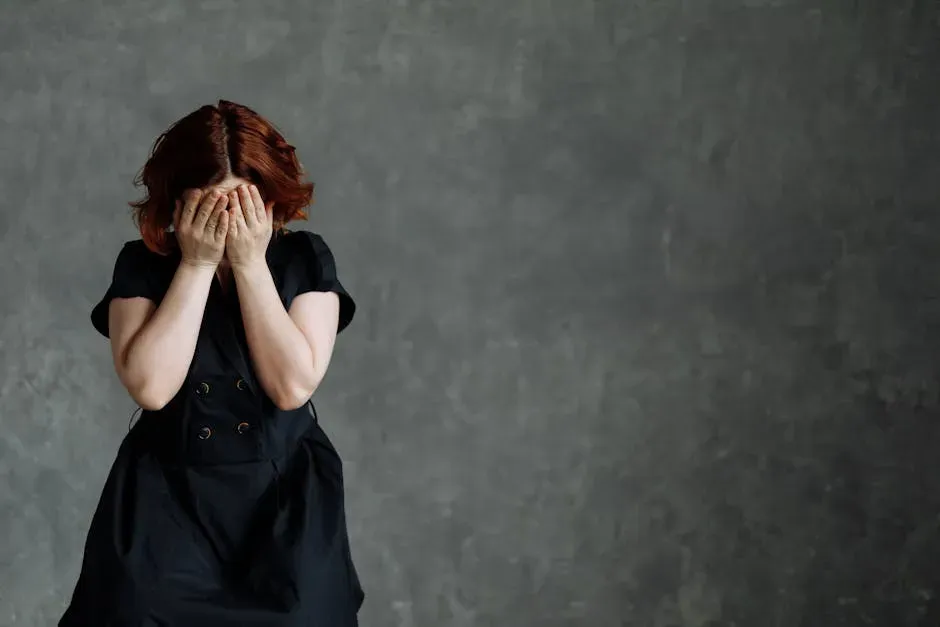
One of the hardest parts of growing up around emotionally unsafe people is the sheer unpredictability. You never quite know who you are going to get when they walk through the door: the kind version, the distracted one, the explosive one. That uncertainty wires your brain to be on constant alert. In contrast, fictional worlds are astonishingly stable. You can rewatch an episode, reread a chapter, or replay a scene, and it will always unfold the same way.
That sense of control is not trivial. For someone with a history of emotional chaos, being able to say “I know exactly what happens next” can be deeply regulating. You can choose when to engage, when to step away, and which parts of the story to revisit. You never had that kind of power with the adults in your life. So you cling to the spaces where you do. Over time, that can create an emotional dependence on fictional narratives, because they offer a predictability that real relationships rarely match.
Fandoms As Found Families And Emotional Training Wheels
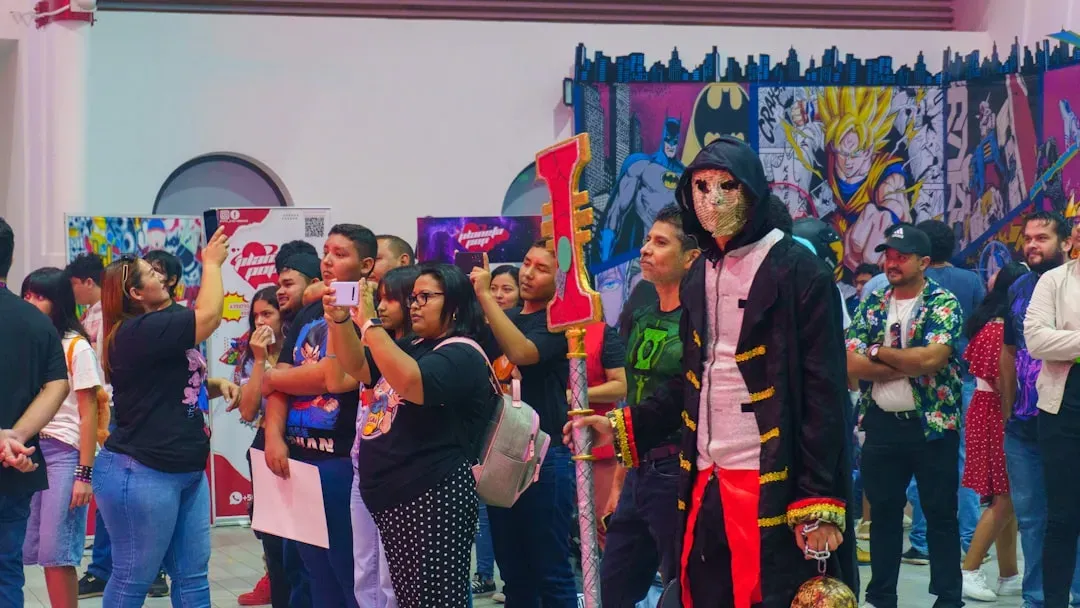
Attachment rarely happens in a vacuum; it spreads. When people fall in love with fictional characters, they often drift toward fandom spaces where others share the same obsession. For someone who grew up feeling like an outsider in their own home, fandom can feel like a kind of found family. Suddenly, you are surrounded by people who understand exactly why that character means so much, who have cried at the same scenes, who also stay up too late reading fan theories.
These communities can serve as emotional training wheels. It is easier to connect when the conversation starts with something “safe,” like a storyline or a ship, instead of your rawest wounds. Gradually, people open up about their lives, their struggles, their mental health, all under the umbrella of shared fandom. That can be profoundly healing, especially if your childhood taught you that nobody cared about what you loved. Fandom says the opposite: your fixations are welcome here, and by extension, so are you.
When Deep Attachment To Fiction Helps – And When It Hurts

It is important to say this clearly: being deeply attached to fictional characters is not automatically a red flag. For many people, it is a creative, meaningful, and even protective part of their emotional life. Stories can help process trauma, teach empathy, and offer language for feelings that were never named at home. Plenty of well-adjusted adults geek out over characters and are perfectly capable of forming healthy real-world relationships too.
The pattern becomes more concerning when fictional attachments feel like the only safe relationships you have. If you find yourself consistently avoiding real intimacy, rejecting support, or feeling like no living person could ever be as safe as your favorite character, that is worth paying attention to. Sometimes this pattern signals unresolved trauma, social anxiety, or attachment wounds that have never really healed. In those moments, the goal is not to give up your fictional loves, but to slowly widen the circle of safety to include real, flesh-and-blood humans as well.
Healing Means Letting Real People Become Safer, Too
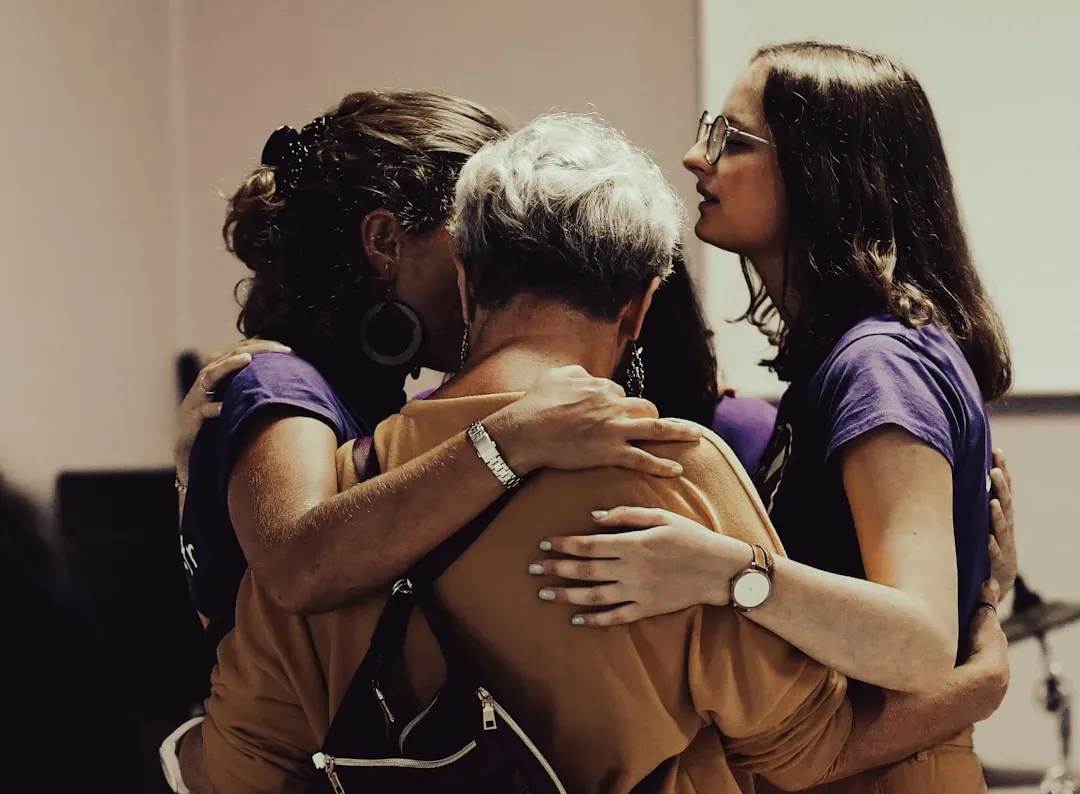
Here is a hard but hopeful truth: the fact that you can attach so deeply to fictional characters is not a weakness, it is proof that your capacity for connection is still alive. You did not shut down completely, even if real people once felt terrifying. You found a safer path for your attachment system to travel, one made of pages, scripts, and pixels. That is resourceful. It also means that, with time and support, you can begin to redirect some of that attachment energy toward relationships that can love you back.
Healing does not mean abandoning the stories that got you through the worst seasons of your life. It means noticing where those attachments are protecting you, and where they are quietly limiting you. Therapy, trauma-informed support, and genuinely kind people can help your nervous system update its expectations: not every conversation leads to shaming, not every vulnerability ends in rejection. Real people will never be as predictable as a scripted character, but they can surprise you in better ways, too. The real plot twist is this: the same heart that clung to fictional safety can, over time, learn to risk real-world intimacy. Would you have guessed that your favorite characters might have been the bridge, not the destination, all along?