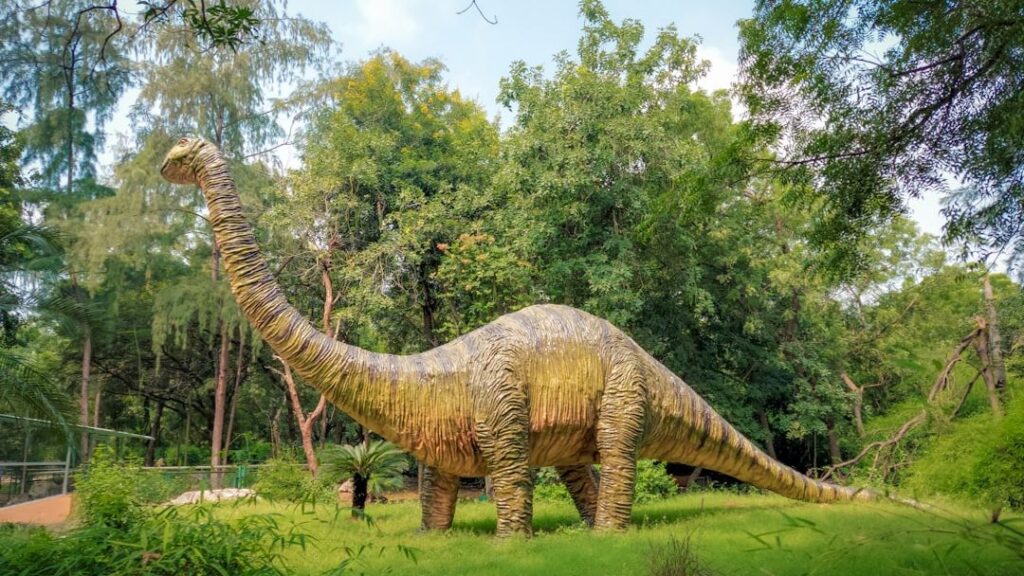
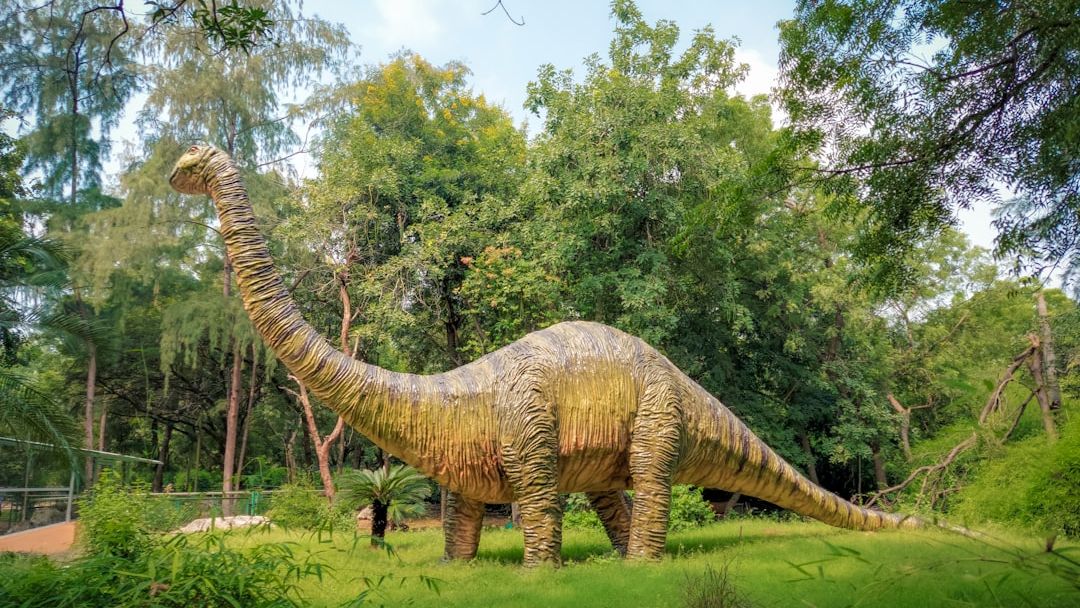
This strange giant dinosaur may change what we know about Jurassic titans – Image for illustrative purposes only (Image credits: Unsplash)
Argentina – A recent find in the country’s fossil-rich deposits has prompted researchers to reconsider long-standing assumptions about how massive plant-eating dinosaurs developed during the Jurassic period in the Southern Hemisphere. The specimen, identified as Bicharracosaurus dionidei, measured roughly 20 meters in length and displayed an unexpected combination of physical traits. This blend has drawn attention from specialists who study the evolutionary paths of sauropods across different continents.
A Find That Stands Apart From Familiar Forms
The dinosaur’s skeleton includes features that echo both the long-necked, slender proportions associated with Diplodocus-like animals and the taller, more upright posture seen in Brachiosaurus relatives. Such a mixture had not been documented in this precise configuration before, according to the team that examined the remains. The discovery site lies in a region already known for yielding other large Jurassic vertebrates, yet this specimen arrived with enough distinctive bone structures to warrant its own genus and species name.
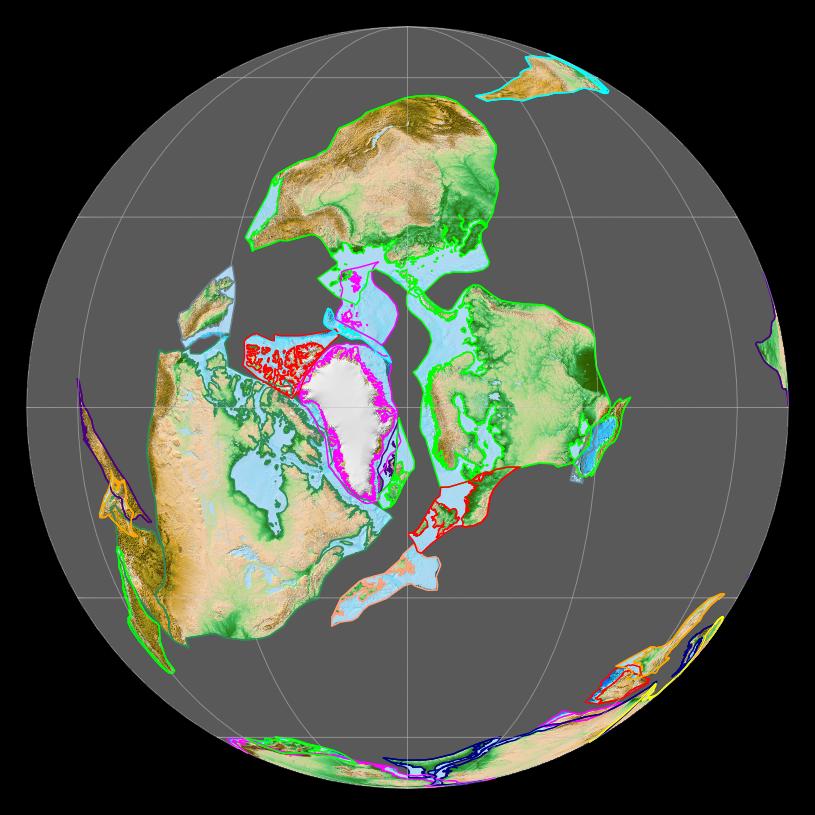
Researchers noted that the animal lived during a time when the supercontinent Gondwana was still breaking apart, which may have influenced how different dinosaur lineages adapted to local environments. The partial skeleton recovered so far shows robust limb bones alongside vertebrae that suggest a flexible neck, hinting at feeding strategies that combined elements from multiple known groups. Further preparation of the fossils is expected to clarify whether these traits represent an early transitional form or a specialized branch that developed independently.
What the Mixed Traits Suggest About Southern Evolution
Paleontologists have long tracked sauropod diversity through separate Northern and Southern Hemisphere records, often treating them as largely distinct. The new specimen complicates that picture by showing that certain anatomical solutions appeared in both regions, possibly through parallel evolution or limited faunal exchange. This raises questions about how environmental pressures in what is now Argentina shaped body plans that look familiar yet occur in novel combinations.
Comparisons with existing collections from North America and Africa indicate that Bicharracosaurus dionidei does not fit neatly into existing family trees. Instead, it may point to greater regional experimentation among giant herbivores than previously modeled. Ongoing studies of the surrounding rock layers could help date the find more precisely and reveal whether similar transitional forms existed nearby.
Next Steps for Research and Fieldwork
Teams plan to return to the excavation area to search for additional bones that could complete the picture of the animal’s size and posture. Museum curators are already preparing casts for comparative work with institutions holding related material from other continents. The following developments are anticipated in the coming months:
- Publication of detailed anatomical descriptions in a peer-reviewed journal.
- CT scanning of key bones to examine internal structure and growth patterns.
- Re-examination of earlier Argentine finds for overlooked similarities.
- Updated computer models of Jurassic food webs that incorporate the new species.
These efforts should help determine whether the dinosaur represents a rare offshoot or part of a broader pattern still hidden in the rock record.
Broader Impact on Understanding Ancient Ecosystems
The discovery underscores how each new specimen can refine timelines of dinosaur diversification, especially in areas once part of Gondwana. It also highlights the value of continued fieldwork in regions where erosion continues to expose fresh material. For scientists who reconstruct ancient environments, the find adds another data point showing that Jurassic giants were more varied in form than simple categories suggest.
Ultimately, Bicharracosaurus dionidei serves as a reminder that the story of these enormous creatures remains incomplete, with each excavation offering the chance to adjust existing narratives about how they lived and spread across the planet.