

Identity used to feel simple: you were defined by your family name, the town you grew up in, maybe your job title on a business card. Today, it is messier, layered, fluid, and sometimes deeply confusing. You can be a gamer, a parent, a programmer, a spiritual seeker, a K‑pop fan, and a climate activist, all before lunch. We carry multiple selves in our pockets via our phones, shifting tone and persona between apps the way people once changed outfits between work and church. That constant switching feels exciting and empowering for some, and quietly exhausting for others.
What has changed is not that humans suddenly became complicated; it is that the world finally started reflecting how complicated we always were. Technology, social movements, psychology, and even genetics have pulled identity apart and shown how many different threads are woven into the stories we tell about who we are. In this article, we will walk through how evolved from rigid labels to flexible narratives, why that shift is both liberating and destabilizing, and how you can navigate it without losing yourself in the noise.
From Tribe and Bloodline to Individual Self
For most of human history, your identity was less a personal choice and more a social assignment. You were born into a tribe, clan, or caste, and that group largely determined your role, beliefs, and status. In many traditional societies, the individual self barely existed as a separate idea; what mattered was your place in the collective, your obligations, and your loyalty. People often introduced themselves by family, village, or lineage before ever mentioning anything like a personal passion.
The rise of large empires, world religions, and later nation‑states changed the scale but not the basic pattern: you were expected to see yourself as a subject of a king, a follower of a faith, or a citizen of a country. Only with the spread of Enlightenment ideas in the seventeenth and eighteenth centuries did the notion of the individual, with personal rights and an inner life, start to take center stage in Western thought. That shift planted the seed for a dramatic evolution: identity slowly moved from being mainly inherited to being something you could shape and renegotiate.
The Birth of the Modern “Inner Self”

With the rise of modern psychology, novels, and introspective philosophy in the nineteenth and twentieth centuries, the idea of an inner self started to feel almost sacred. People were encouraged to look inward, analyze their motives, and discover their authentic personality. Concepts like introversion and extroversion, trauma, and subconscious drives entered everyday language and gave people new tools to describe why they were the way they were. Identity became less about the role you played in public and more about the story you told yourself in private.
This focus on inner life had a powerful upside: it allowed people to challenge suffocating social expectations and to name experiences that had long been invisible, like depression or anxiety. At the same time, it quietly increased the pressure to “find yourself” and to have a stable, coherent sense of who you are. Many of us grew up with the feeling that there is a true self underneath everything and that the goal of life is to peel away layers until you find it. That can be inspiring, but it can also become a lifelong chase for a fixed identity that reality stubbornly refuses to provide.
Identity and the Age of Social Movements
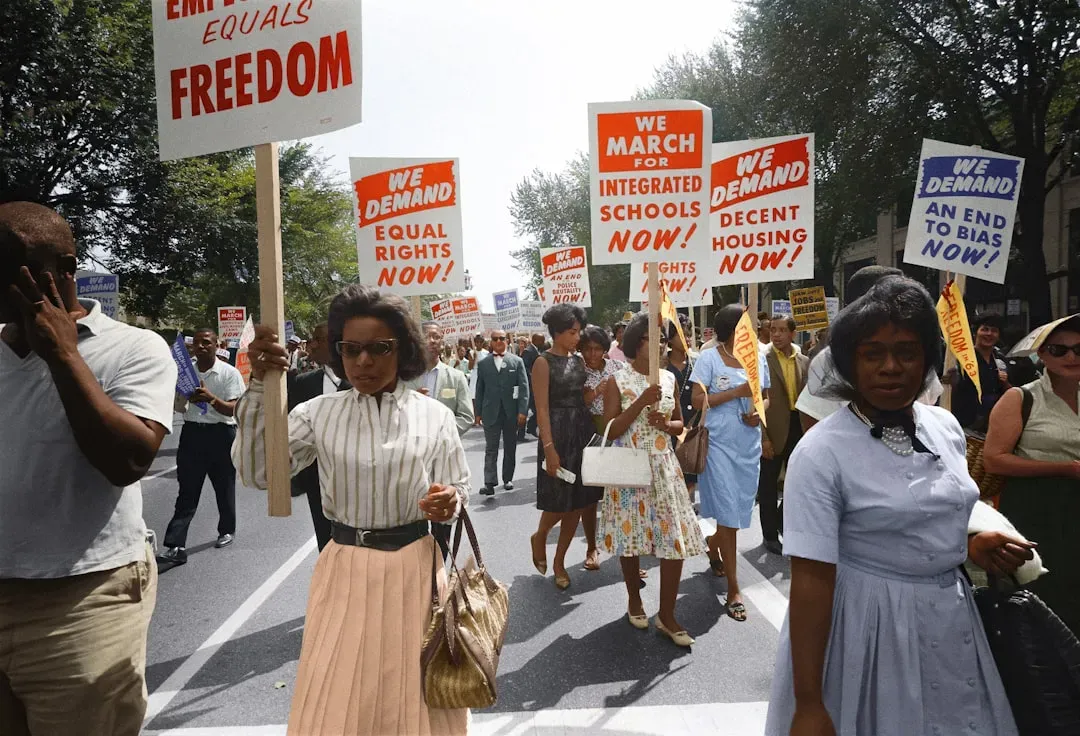
In the twentieth century, identity stopped being purely personal and became a powerful engine for political change. Civil rights struggles, women’s liberation, LGBTQ+ movements, disability rights, and decolonization all showed that identity is not just something you feel inside; it is also how society treats you. Labels like race, gender, and class turned into rallying points for both oppression and resistance. People discovered that naming a shared identity could be the first step toward demanding dignity and equal treatment.
These movements reshaped laws, language, and everyday norms in many countries, especially from the mid‑1900s onward. They made it more acceptable to question categories that were once treated as natural and fixed. Identity, in this phase, became deeply political: it was tied to power, representation, and visibility. The upside is that more people could see themselves reflected in public life; the downside is that identity debates sometimes hardened into battles over purity and belonging, where nuance got lost. Still, it is impossible to understand modern human identity without recognizing how much of it is forged in struggle and collective action.
Digital Selves: Curated, Multiplied, and Performed
Then came the internet, and identity exploded into multiple timelines and profiles. Social media made it normal to perform different versions of yourself for different audiences: professional on LinkedIn, playful on Instagram, opinionated on X, intimate in private chats. Each profile is a curated slice of you, with filters, edits, and careful omissions. The result is that many people now live with a sense of having several parallel selves, each with its own history and expectations.
On one hand, this can be incredibly freeing. If your offline environment is hostile to who you are, you can find communities online that affirm your identity, whether that is about gender, fandoms, neurodiversity, or niche interests. On the other hand, the constant pressure to brand yourself and to be “on” can blur the line between genuine self‑expression and performance. It is easy to start confusing likes with love, reach with worth, and follower counts with the depth of your relationships. I have caught myself rewriting a post to sound smarter rather than more honest, and that tiny hesitation says a lot about how digital life quietly shapes who we think we should be.
Biology, Brain Science, and the Question of “How Fixed Am I?”
As neuroscience and genetics advanced, they added a new twist to the identity story: the idea that parts of who we are have deep biological roots. Research has found heritable influences on traits like temperament, risk‑taking, or susceptibility to certain mental health challenges. Brain imaging has mapped circuits involved in emotion regulation, reward, and social connection. All of this can feel like someone is suddenly showing you the wiring diagram of your personality. It raises unsettling questions: if my brain is wired a certain way, how much freedom do I really have to change?
At the same time, biology has not delivered a simple answer like “you are your genes, full stop.” Studies on neuroplasticity show that experiences can reshape brain structure and function throughout life, not just in childhood. Epigenetics has revealed that environment and stress can influence how genes are expressed, without changing the DNA code itself. So the picture that emerges is more nuanced: there are constraints and tendencies baked into us, but they interact with culture, relationships, and personal choices in complex ways. Identity, from this perspective, is neither a blank slate nor a fixed script; it is more like a rough sketch that you keep redrawing as your life unfolds.
Fragmentation, Burnout, and the Anxiety of Choice
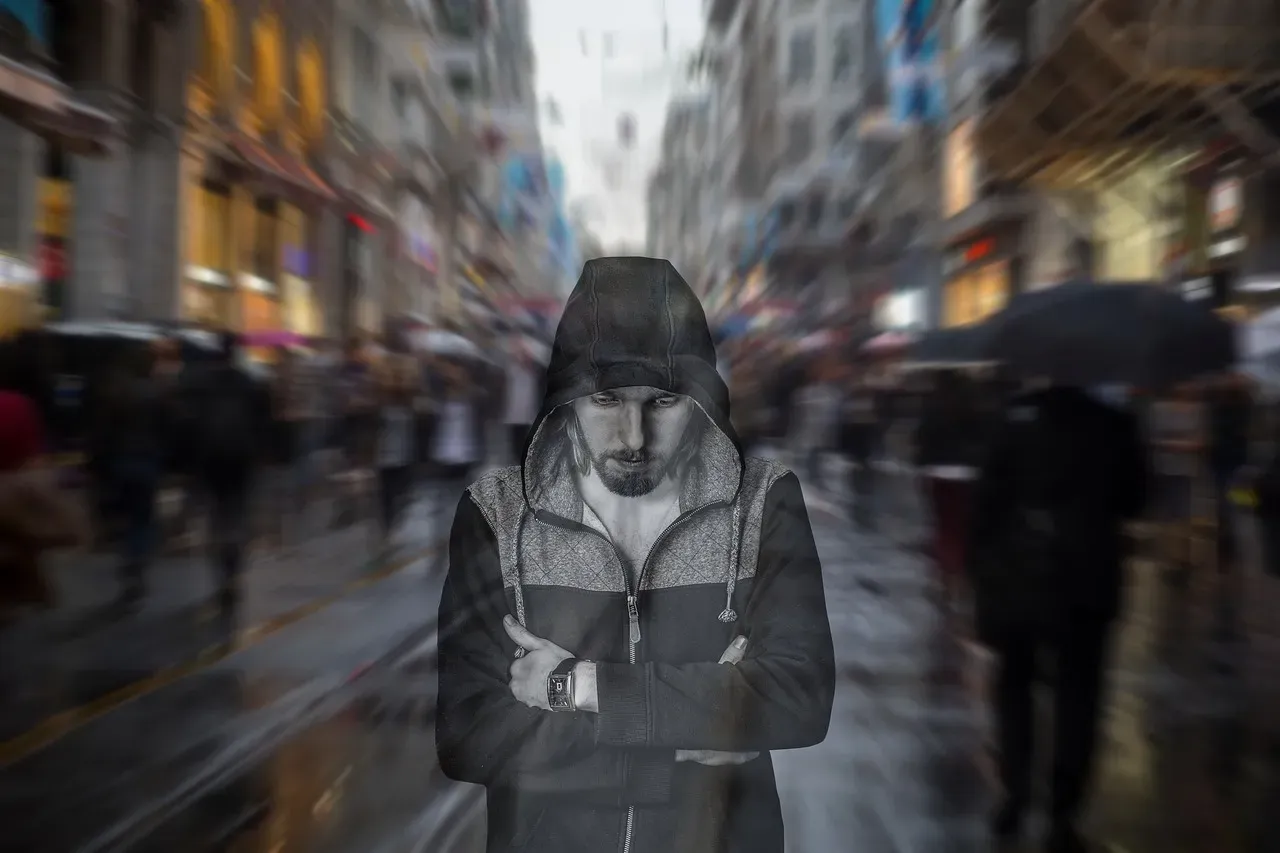
When identity options were limited, people suffered under rigid roles but had fewer decisions to make about who to be. Now, in many parts of the world, you are told that you can be anything, move anywhere, switch careers, reinvent your style, and redefine your relationships. That freedom is real and precious, but it also creates a quiet background hum of anxiety. If you can become almost anyone, then any version of you that feels small or stuck can feel like a personal failure rather than a practical reality. The gap between who you are and who you think you should be becomes a constant mental itch.
This is one reason identity today is often bound up with exhaustion. People juggle multiple roles, maintain several digital personas, and try to stay updated with fast‑moving cultural conversations about gender, race, politics, and more. It can feel like trying to update your phone’s operating system every week while still using it all day; eventually, the device overheats. Many report a sense of fragmentation, like their attention and sense of self are sliced into tiny pieces. In my view, one of the most underrated skills of our time is learning to say no to certain identity scripts and platforms, not because they are bad, but because no human being is built to be everything, everywhere, all the time.
Fluid Identities and the Rise of “Becoming” Over “Being”
One of the most profound shifts in recent decades is the growing acceptance of identity as fluid and evolving. This shows up in how people talk about gender and sexuality, but also in how they approach career paths, spirituality, and even political views. Instead of asking “Who am I, really?” more people are asking “Who am I becoming right now?” That subtle change moves identity from a static label to an ongoing process. It makes room for experimentation, for trying out new ways of living without having to commit forever.
This fluidity can be disorienting if you grew up with the idea that a mature adult should have a stable, fixed sense of self. But it also feels more honest to how human lives actually work. We change when we move to new cities, fall in love, survive illness, or experience loss. We shift when we discover new information or when old beliefs no longer fit. Treating identity as something that can evolve respects that reality. It does, however, require a different kind of courage: not the courage to defend a rigid self at all costs, but the courage to admit that you are a work in progress and that your story is still being written.
Navigating the Future of Identity: My Take
Looking ahead, I think is pushing us toward a simple but uncomfortable truth: there is no final, perfectly polished version of you waiting to be discovered. The self is not a hidden treasure buried deep inside; it is more like a playlist you keep editing as your taste, mood, and circumstances change. That does not mean nothing is real or that everything is just performance. It means that some parts of you are stable anchors and others are flexible sails, and maturity is learning which is which. In my opinion, clinging to a single, unchanging identity in a rapidly shifting world is a recipe for frustration and bitterness.
The challenge, then, is to hold two ideas at once: to respect the deep roots of identity in biology, culture, and history, while also embracing the freedom to revise, grow, and contradict your past self. That might look like stepping back from social media when your online persona starts to feel like a costume, or loosening an old label that no longer fits as well as it once did. Personally, I find it comforting to see identity less as a verdict and more as a conversation you keep having with your life. The question is no longer “Who am I, once and for all?” but “Given everything I know and feel today, who do I want to be next?” Did you expect human identity to be this unfinished on purpose?