
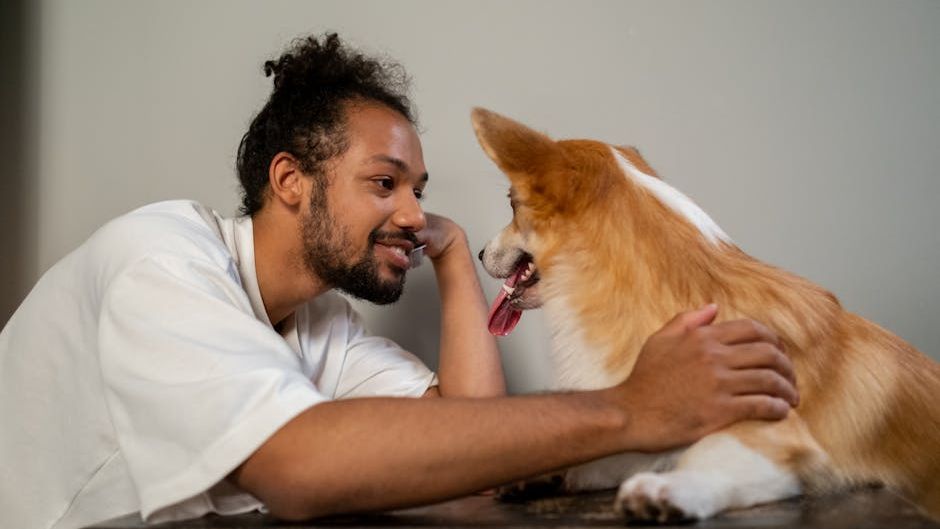
If you’ve ever caught yourself updating your dog on your day, asking your cat for their opinion, or saying sorry to your rabbit out loud, you’re not weird – you’re human. Talking to pets like they’re people can look a little funny from the outside, but on the inside, it often speaks to something deeper: needs, worries, hopes, and aches we struggle to say to other humans. Many people feel more emotionally “seen” by a creature that can’t even talk back than by friends or family who technically could.
Psychologists have been quietly paying attention to this for years. What they’re finding is not a story about lonely “pet-obsessed” people, but about how our brains and hearts grab any safe outlet they can find. Pets become emotional mirrors, private therapists, practice partners for vulnerability, and sometimes stand-ins for connections that feel too risky or complicated with other people. Once you see what’s really going on underneath those one-sided conversations, it changes how you see yourself – and your pet – completely.
Why Talking to Pets Feels So Strangely Natural
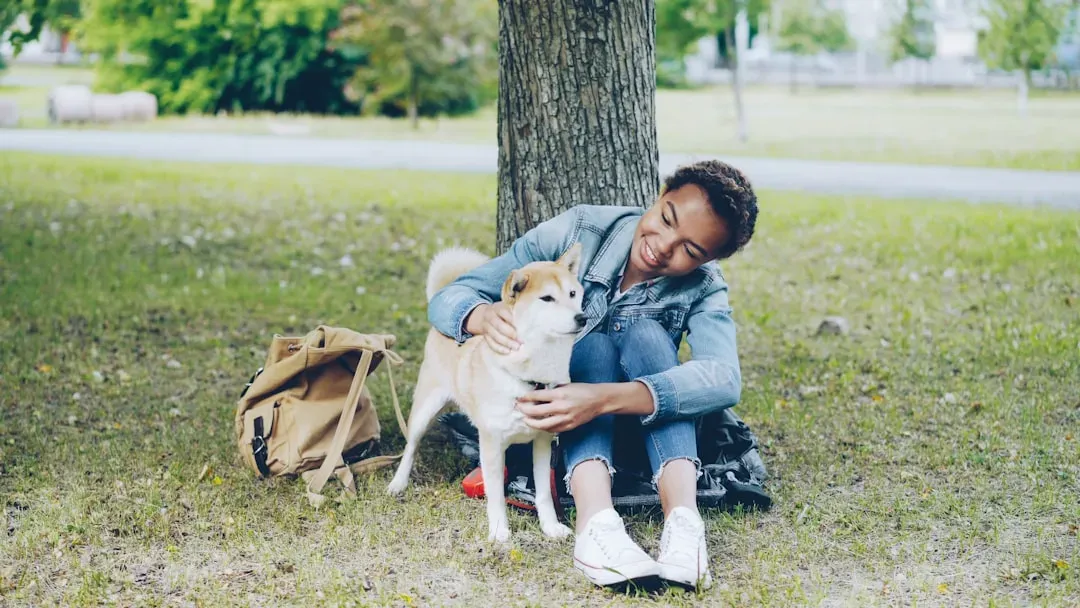
It can feel almost automatic: you walk in the door, drop your keys, and before you’ve even thought about it, you say, “You would not believe the day I just had.” From a psychological angle, this is partly about how our brains are wired to see minds everywhere. We instinctively attribute thoughts and feelings to anything that moves like a living thing, especially animals that live with us, read our routines, and respond to our tone. This tendency, sometimes called anthropomorphism, is not a flaw; it’s a social brain doing its job.
On top of that wiring, pets subtly train us to talk to them. Dogs tilt their heads, wag, or make eye contact; cats meow, blink slowly, or curl up closer. These responses might not be human speech, but they feel like genuine replies. Over time, your brain learns that when you speak to your pet, you’re heard in a simple, uncomplicated way. That makes pet-directed talk not just natural, but rewarding – a tiny emotional feedback loop that makes you more likely to confide in them again.
The Safe Space Effect: Pets Don’t Judge, Interrupt, or Betray
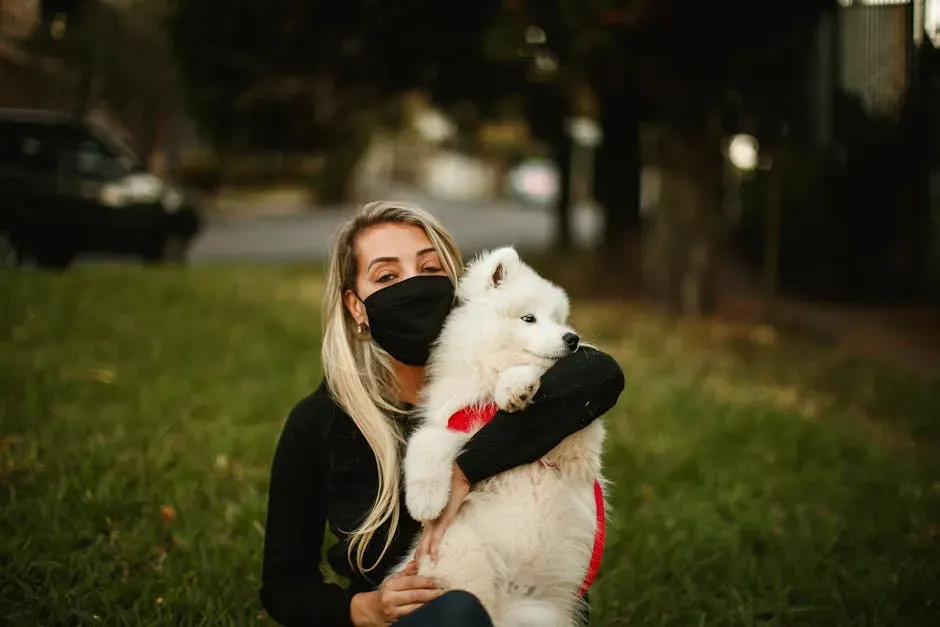
One of the biggest emotional needs people quietly fill with pet conversations is the need for a safe listener. Many of us carry stories we don’t feel comfortable sharing with partners, parents, coworkers, or even close friends – worries about failure, shame from past mistakes, anger that feels “too much.” With humans, you risk being misunderstood, judged, dismissed, or having your words thrown back at you later. With a pet, that risk practically disappears.
This sense of safety matters. Emotional disclosure – saying what you really feel – helps lower stress, regulate mood, and prevent rumination from spiraling out of control. But if you don’t have a person who feels safe enough, your brain often chooses the next best thing: a silent, loyal creature that will not argue, roll its eyes, or change their opinion of you tomorrow. In that sense, your pet becomes a living, breathing safety blanket for emotional honesty you can’t quite risk elsewhere.
Emotional Needs Behind Pet Talk: Loneliness, Stress, and Unspoken Hurt

When someone talks to their pet like a person, it’s rarely just a quirky habit floating in a vacuum. Often, it quietly reflects deeper needs: companionship when you feel alone, a place to vent when work is crushing, a non-threatening “other” to lean on when your own history with people is complicated or painful. People who feel chronically misunderstood, invalidated, or overlooked by those around them are especially likely to form intense emotional bonds with their animals and speak to them as full partners.
It can also be a way to metabolize everyday stress and unresolved hurt. Instead of bottling everything up, you narrate it to your dog lying on the couch: the snide comment from your boss, the argument with your sister, the fear that you’re falling behind in life. These aren’t just random words; they’re emotional pressure release valves. Your pet becomes the silent witness to feelings you can’t or won’t put on another human’s shoulders – sometimes because you don’t trust them with it, and sometimes because you’ve learned that when you do, it doesn’t go well.
Why It’s Not Immature or “Crazy” – It’s Emotional Regulation
There’s a common eye-roll reaction: “You know that dog can’t understand you, right?” But from a psychological standpoint, understanding in the human sense isn’t the whole point. Talking out loud – even to a being that doesn’t grasp the words – helps you organize your thoughts, slow down racing worries, and hear your own story more clearly. It’s a surprisingly effective form of emotional regulation, similar to journaling, except your notebook has a heartbeat and a wagging tail.
When you narrate your feelings to a pet, you unconsciously tidy up your internal chaos. You put vague dread into actual sentences, which makes problems feel smaller and more workable. You might hear yourself say something out loud and realize, in that moment, that you’re being too hard on yourself or ignoring your own limits. Instead of scolding yourself for “talking to an animal,” it’s more accurate – and kinder – to see it as a clever workaround your psyche has found to soothe itself and stay grounded.
Attachment Styles: When Pets Become the Safest Relationship in the Room

For people with insecure or complicated attachment patterns, pets often become their most stable relationship. If you grew up with unreliable caregivers or painful breakups, it can feel risky to lean fully on another human. Pets, by contrast, are predictable in a comforting way. They come running when you get home, curl up nearby when you’re low, and don’t hold grudges from last week’s argument. Talking to them like humans can be a sign that they’re carrying emotional weight you don’t trust people to handle.
This doesn’t mean you’re incapable of human connection; it means you’ve learned to expect hurt or disappointment and your nervous system is protecting you. With a pet, your body finally relaxes. You can be silly, baby-talk them, or cry into their fur without fear that they’ll reject you or weaponize your vulnerability later. In that sense, the way you talk to your pet can be a clue about your attachment history: if your most intimate, unfiltered words go to an animal, it might be a sign that your deeper need is for a human relationship that feels just as safe.
Pets as Emotional Practice Partners for Real Conversations

Here’s a surprisingly constructive side of all this: talking to your pet can be like rehearsal for harder conversations with actual people. Many people quietly practice break-up talks, boundary-setting, job negotiations, or “I’m not okay” confessions by saying them first to their dog or cat. It’s a low-stakes way to hear yourself say the words, test how they feel in your mouth, and get used to the idea that your feelings are allowed to exist outside your own head.
Psychologically, this kind of rehearsal builds a small bridge between internal emotion and external expression. Each time you dare to articulate something raw to your pet, you’re strengthening the muscle that might someday let you say a gentler version to a friend, partner, or therapist. If you’ve grown up in a family or culture where talking about feelings was dismissed or ridiculed, pets can become your first audience for emotional literacy. They listen, you practice, and slowly, the gap between your inner world and your outer life narrows.
When Pet Conversations Hint at Deeper Isolation or Distress
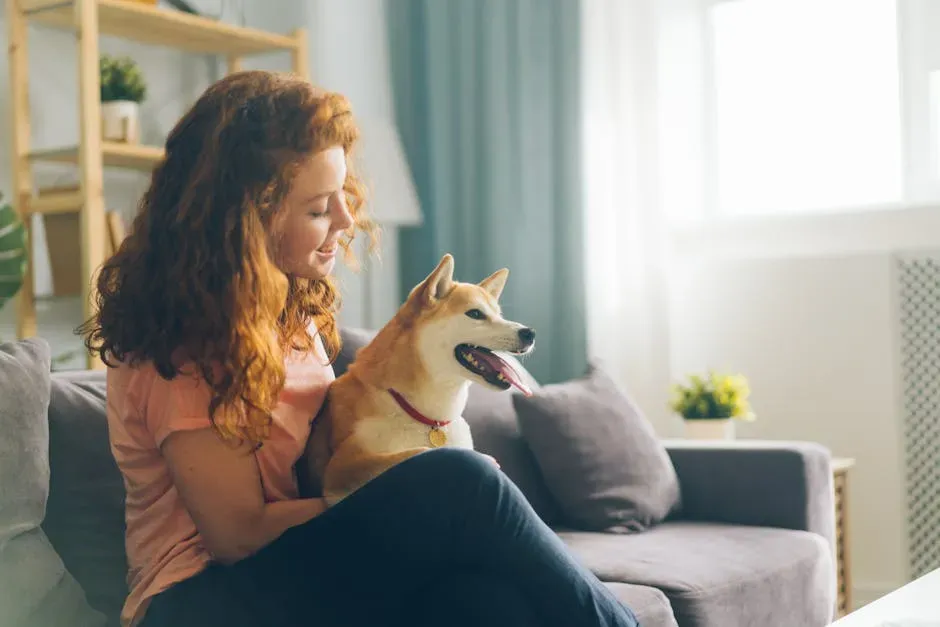
Talking to pets is common and usually healthy, but it can also be a quiet red flag when it becomes the only meaningful “relationship” you rely on. If your dog or cat feels like the only being you can truly trust, or you notice you’re avoiding all human closeness while pouring everything into your pet, that can point to deeper isolation, depression, or social anxiety. In those cases, the pet isn’t the problem – they’re the coping strategy that’s trying to keep you afloat.
It’s worth paying attention to how you feel when you stop and imagine sharing the same feelings with a person. Do you feel a rush of fear, shame, or hopelessness at the idea that anyone could handle the “real you”? Do you automatically think people are too busy, too selfish, or too fragile to hear your truth? That gap matters. Your bond with your pet might be highlighting emotional needs that have gone unmet for a long time. Seeing that clearly can be the first nudge toward getting extra support, whether from trusted friends or a professional.
Healthy Ways to Honor the Bond Without Hiding Behind It
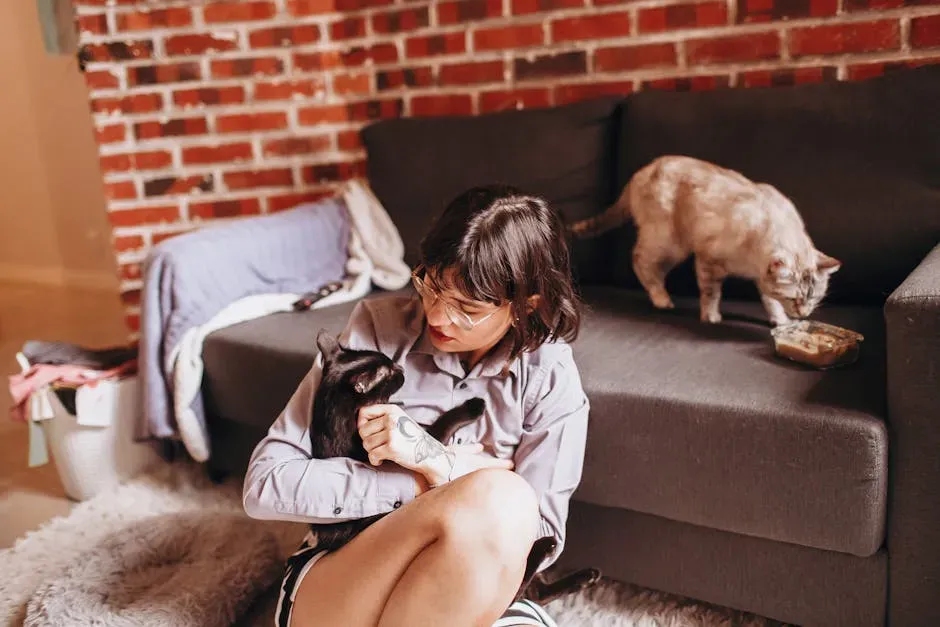
Having deep, almost human-like conversations with your pet doesn’t need to be something you “fix.” In fact, there’s a strong argument for embracing it, as long as you’re also nurturing human connections. You can treat pet talk as part of your self-care toolkit: use those moments to decompress, to reflect, and to feel emotionally held in a simple, wordless way. There’s no psychological prize for pretending you don’t need tenderness, even if it comes from a purring cat on your chest.
At the same time, you can gently experiment with letting some of those pet-only truths leak into your relationships with people. The next time you catch yourself telling your dog how exhausted and overwhelmed you are, you might text a friend a smaller, more manageable version of that same truth. Or you might bring it to therapy and admit that your pet hears more from you than any human does. Instead of seeing your pet bond as a replacement for people, you can see it as a bridge that helps you move a little closer to the connections you secretly wish you had.
Conclusion: Pets Are Not a Substitute for People, but a Mirror of What We Need
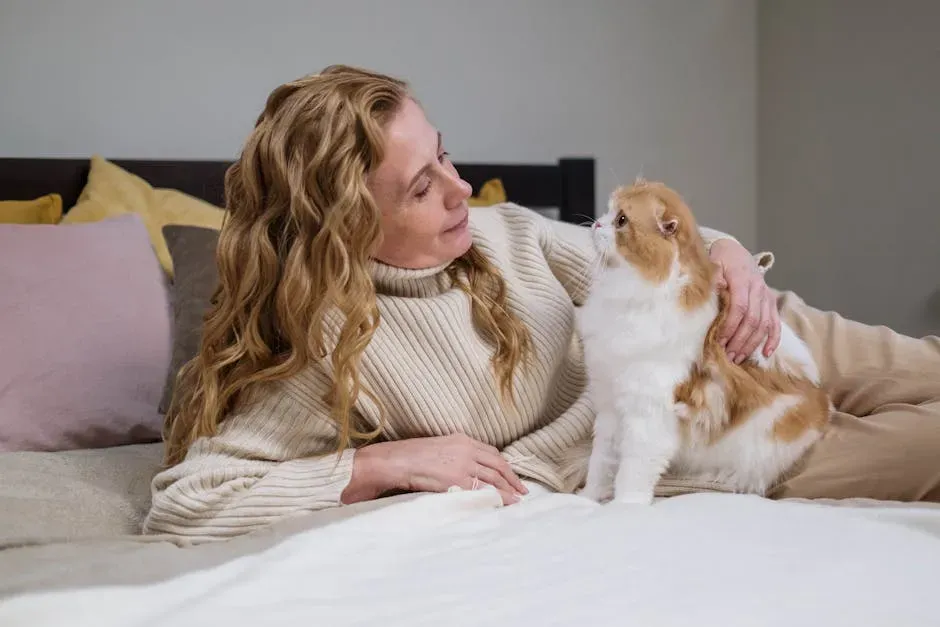
When you strip away the jokes and stereotypes, people who talk to their pets like humans are often doing something quietly wise. They’re finding a way to soothe themselves, to feel less alone, and to make unbearable feelings a little more bearable. In my view, that should be respected, not mocked. But it’s also honest to say this: if your softest, most vulnerable words only ever go to your pet, there’s a good chance you’re carrying an emotional hunger that no animal, however beloved, can fully satisfy.
The real opportunity is to treat those conversations as a kind of emotional compass. What do you say to your pet that you wish you could say to a friend, a partner, or a parent? Where do you feel safest, and what does that tell you about the gaps in your human relationships? Pets may not answer in words, but they still tell us something important about ourselves: what we long for, what we fear, and how badly we want to be known. If your pet could talk, what do you think they’d gently encourage you to finally say to someone else?