
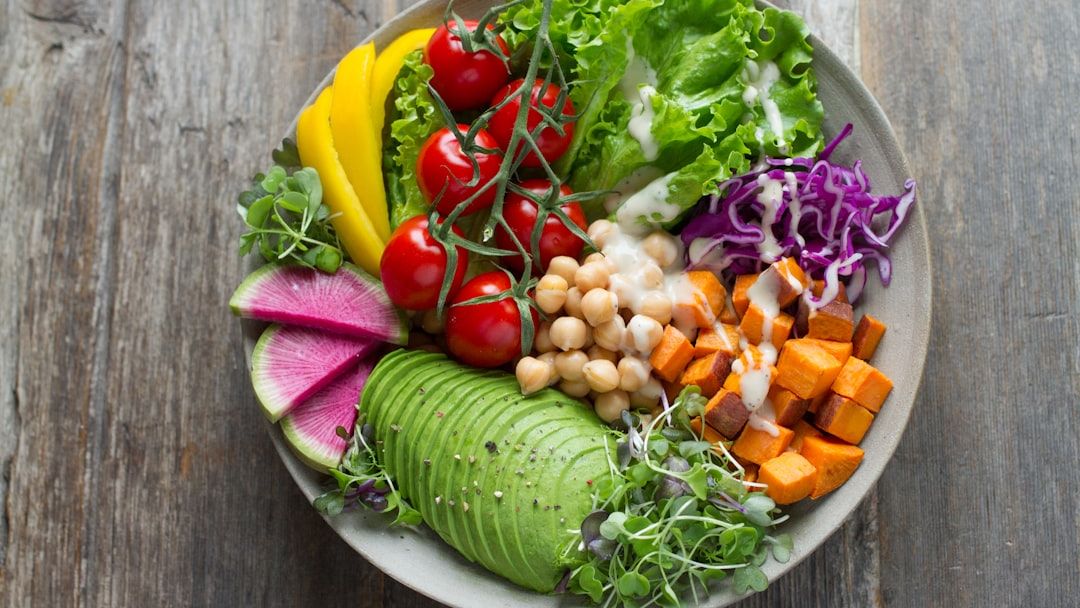
This Simple Diet Is Linked To Higher IQ – Image for illustrative purposes only (Image credits: Unsplash)
People who perform better on standard intelligence measures often show stronger long-term health records, and one emerging explanation centers on the foods they choose to eat. This line of thinking moves beyond purely genetic accounts and instead examines how daily nutrition might shape both cognitive performance and physical resilience. The idea carries weight because it points to habits that can be adjusted rather than fixed traits alone.
The Established Pattern Linking Smarts and Well-Being
Decades of population data have documented that higher cognitive scores correspond with lower rates of many chronic illnesses and greater life expectancy. Researchers have tracked these associations across different countries and socioeconomic groups, finding the relationship holds even after basic adjustments for education and income. The pattern appears early in life and persists into older age, suggesting it is not simply a result of later-life advantages.
Initial interpretations leaned heavily on shared genetic influences that might support both brain function and bodily systems. Those explanations remain plausible, yet they leave room for other contributing elements that operate through behavior rather than inheritance.
Diet as a Plausible Connecting Factor
One straightforward possibility is that individuals with stronger cognitive skills more readily adopt eating patterns known to support cardiovascular and metabolic health. Such patterns typically emphasize whole foods, balanced portions, and consistent nutrient intake over time. Because these choices accumulate across years, they could translate into measurable differences in disease risk and vitality.
The logic follows from the observation that planning and sustaining a nutritious routine requires foresight and self-regulation, qualities that often align with higher test performance. In this view, diet functions less as a direct cause of intelligence and more as a pathway through which cognitive strengths influence physical outcomes.
What Remains Uncertain
While the dietary explanation fits existing observations, direct evidence isolating its contribution is still limited. Most studies rely on correlations rather than controlled trials that track diet changes and subsequent health shifts in groups differing by cognitive ability. Confounding variables such as access to fresh produce or cultural food norms can also blur the picture.
Experts therefore treat the idea as a working hypothesis rather than a settled conclusion. Further work is needed to determine how much of the intelligence-health link diet actually accounts for and whether interventions aimed at eating habits could narrow gaps for people across the cognitive spectrum.
What matters now
Public health efforts may gain from recognizing that cognitive skills and nutrition choices interact. Programs that make balanced eating more accessible could benefit broader populations, regardless of baseline test scores.
Directions for Continued Study
Future investigations could combine detailed dietary records with repeated cognitive assessments and objective health markers. Such designs would help clarify whether improvements in eating habits produce comparable benefits for people at different points on the intelligence distribution. Longitudinal tracking over multiple decades would also reveal whether early dietary patterns predict later health differences more reliably than current snapshots allow.
These steps would move the discussion from plausible mechanism to actionable insight without overstating present knowledge.
Ultimately, the possibility that everyday food choices help bridge intelligence and health underscores how small, repeated decisions can shape long-term trajectories. It invites attention to practical supports that make nutritious options available to more people rather than assuming outcomes are predetermined.