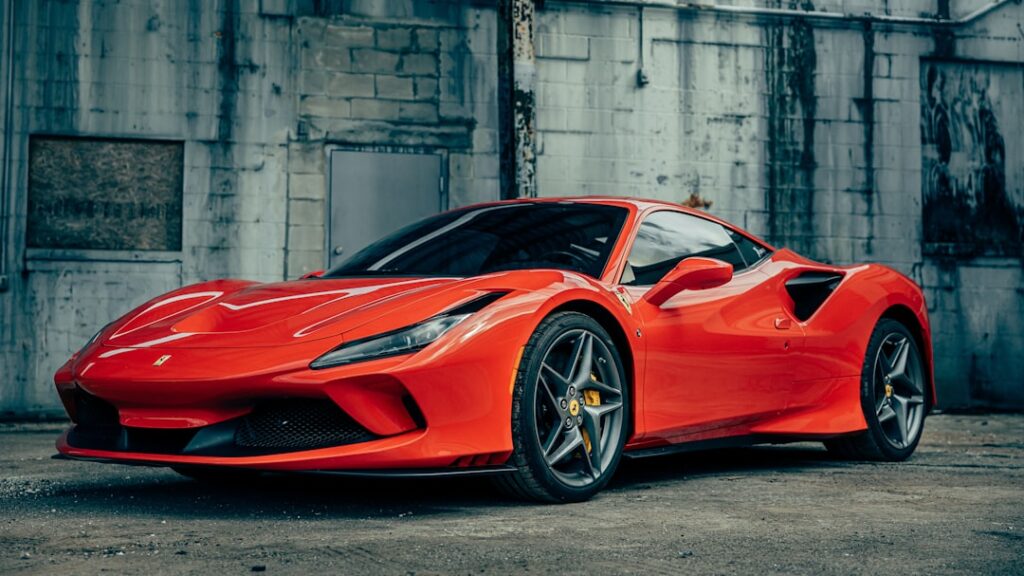
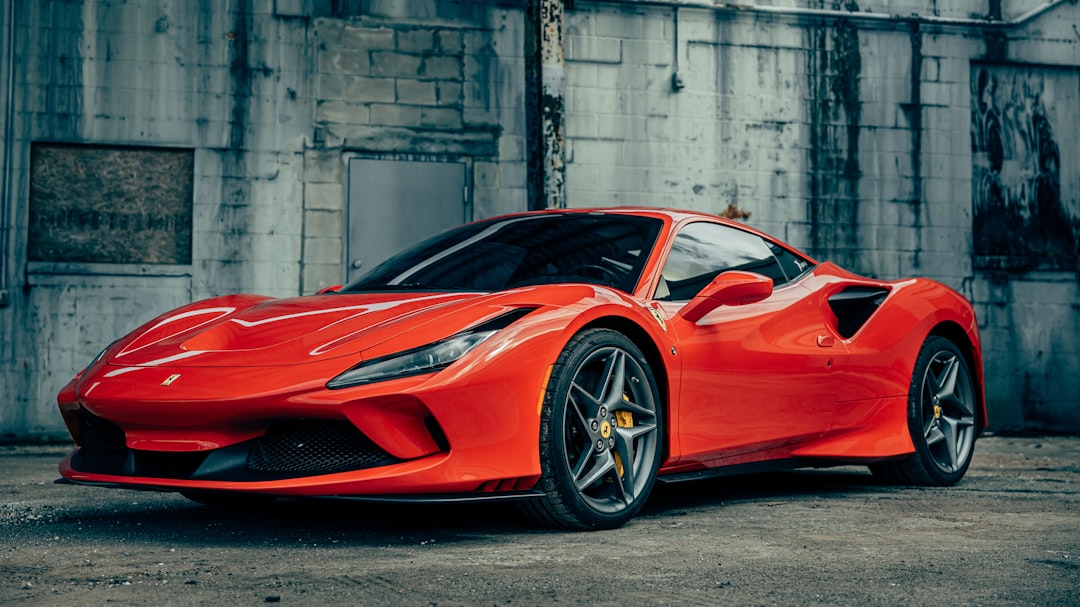
What A High-Status Car Says About Your Personality – Image for illustrative purposes only (Image credits: Unsplash)
Choosing a high-status car is rarely just about getting from one place to another. For many drivers, the decision reflects deeper aspects of who they are and how they want to be seen. Psychologists have examined this pattern for years, noting that certain personality profiles consistently lean toward vehicles that signal prestige and achievement. The trend continues to draw attention in both academic circles and everyday conversations about consumer behavior.
Status Symbols in Modern Life
High-status cars occupy a unique place in consumer culture. They combine performance, design, and visible markers of success that go beyond basic utility. Owners often view these vehicles as extensions of their personal brand rather than simple tools for commuting. This perspective aligns with broader research on how material possessions help shape self-image and social perception.
Over time, the appeal of such cars has remained steady even as transportation options evolve. Electric models from premium brands now join traditional luxury lines, yet the underlying motivation for many buyers stays consistent. The car becomes a statement about priorities, values, and aspirations that the driver holds.
Personality Profiles That Favor Premium Vehicles
Studies in personality psychology have identified clear patterns among those who select high-status cars. Two types in particular stand out for their strong association with this choice. Individuals high in extraversion often seek vehicles that help them stand out in social settings and project confidence. Those scoring higher on measures of status-seeking or materialism also show a marked preference for cars that convey achievement and exclusivity.
These traits influence decision-making at multiple stages, from initial research to final purchase. Extraverted drivers may prioritize models with bold styling and strong presence on the road. Status-oriented buyers tend to focus on brand reputation and resale value as indicators of lasting success. The overlap between these profiles explains why certain cars attract a predictable segment of the market year after year.
Broader Implications for Consumers and Society
Understanding these connections offers practical insights for both buyers and marketers. People who recognize their own motivations can make more deliberate choices rather than following automatic impulses. At the same time, the pattern highlights how consumer goods continue to serve as shorthand for personal qualities in daily interactions.
Future research may explore how these preferences shift with changing economic conditions or new vehicle technologies. For now, the link between personality and car selection remains a reliable observation in the study of human behavior and material culture.