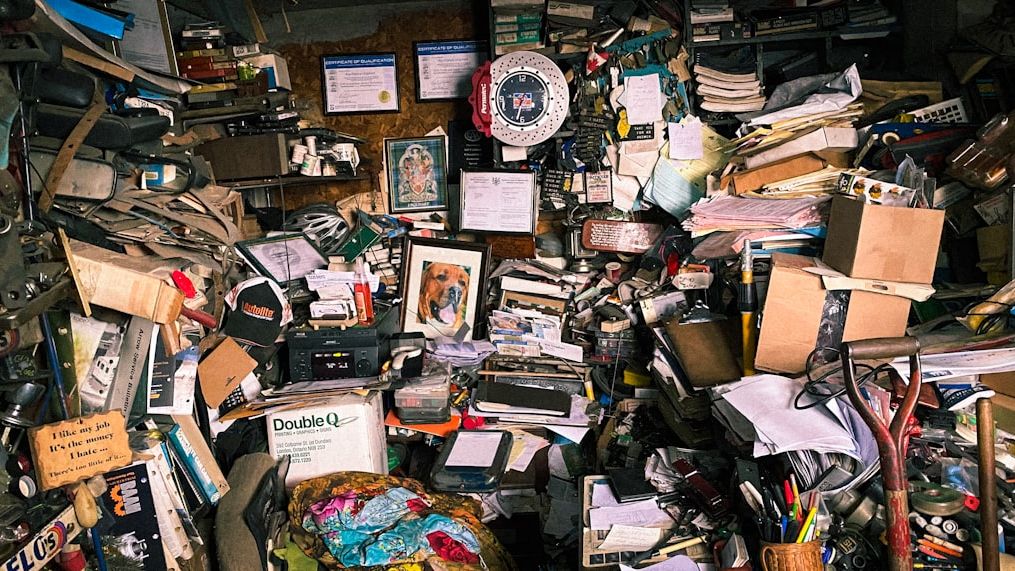
You know that one box you never open but would never dare throw away? The ticket stubs, the faded hoodie, the birthday cards from people you no longer talk to. On the surface, it just looks like clutter. But psychologically, that “clutter” is often doing some heavy emotional lifting: it’s protecting an identity you’re scared might disappear without a trace.
Psychologists have spent years studying why some people hang onto sentimental items far longer and far more intensely than others. What’s emerging is a picture that’s less about being messy or nostalgic and more about how we deal with loss, change, and the scary feeling that we’re not the person we used to be. If you’ve ever held a worn-out object and thought, “I don’t know who I’d be without this,” this article is going to feel uncomfortably, surprisingly close to home.
How Objects Become “Emotional Time Capsules”
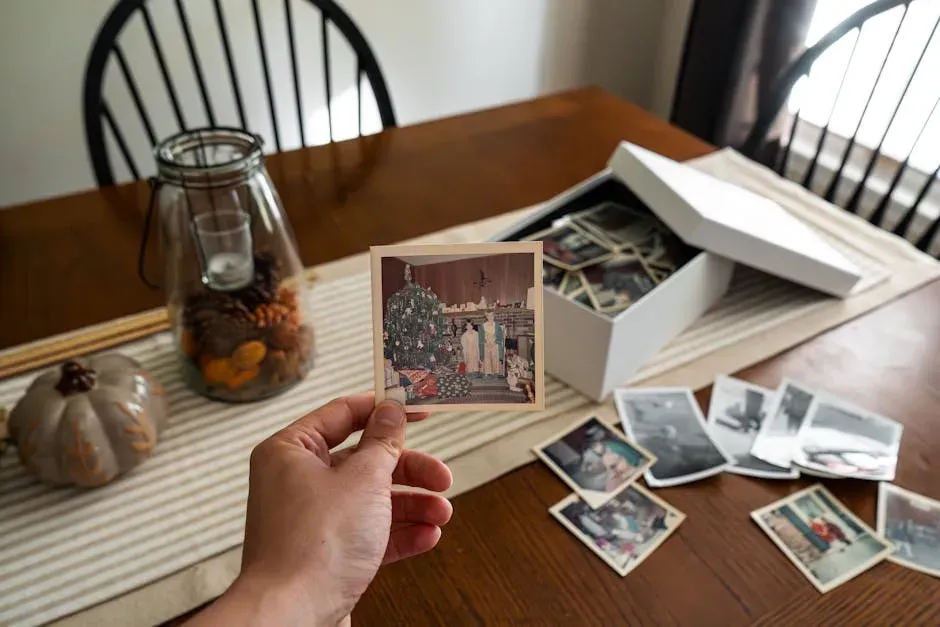
It can be shocking to realize how much of your life story you’ve outsourced to things. A sweatshirt that still smells faintly like college, a chipped mug from your first apartment, a playlist burned onto an ancient CD: these are not just objects; they are physical bookmarks in your personal timeline. In psychology, sentimental items often act as cues that trigger autobiographical memories, which are the memories that tell you who you are, not just what happened.
Because memory is imperfect and fades over time, our brains lean on these external anchors. The object becomes a portal back to a specific version of you: the “you” who was in love, the “you” who felt free, the “you” who had a different body, different dreams, or fewer regrets. That portal can feel precious – almost sacred – especially when your current life looks very different. So when someone suggests decluttering, it can feel less like organizing and more like erasing chapters of your existence.
When Keeping Things Turns Into Holding Onto Lost Selves
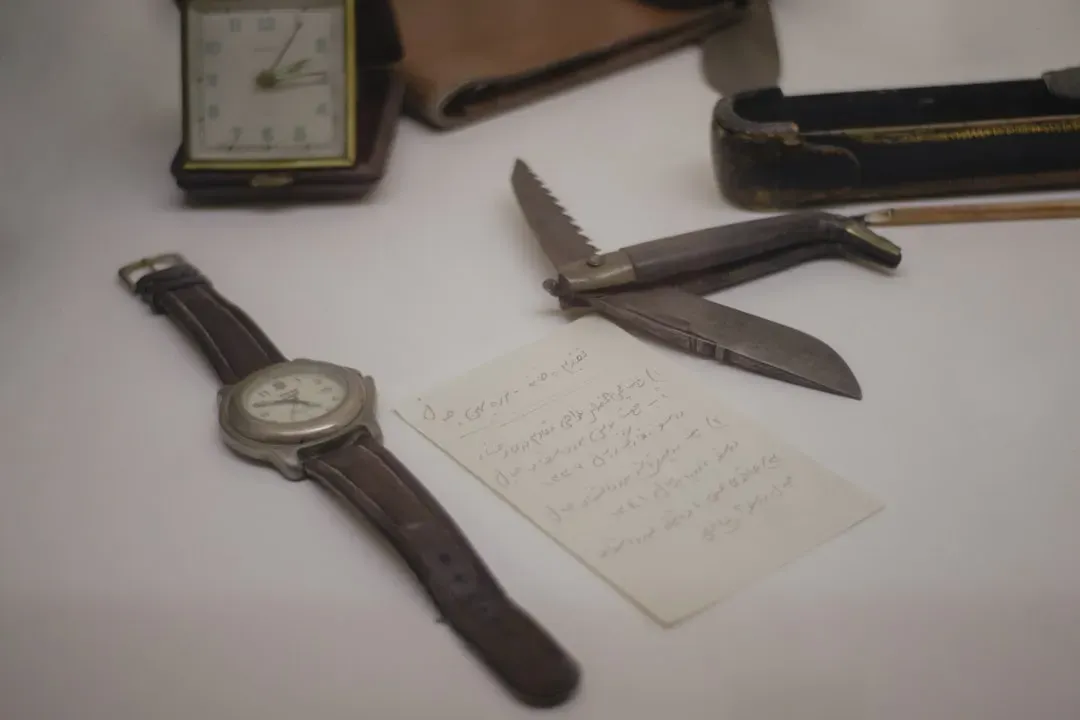
The connection between sentimental hoarding and identity is subtle but powerful. Often, people who struggle to let go of sentimental objects are not actually attached to the thing itself, but to the person they were when that thing mattered. If your favorite old jeans no longer fit, getting rid of them might feel like admitting that you’ll never be that carefree, confident version of yourself again – and that can be brutally hard to face.
Over time, this dynamic can snowball. Instead of grieving and integrating those past versions of yourself, you outsource the grief to your stuff. The more your life changes – breakups, moves, career shifts, kids, aging – the more pressure you put on your objects to “hold” the old you. Suddenly, your home starts to feel like a museum of former selves, and every attempt to declutter feels like an attack on your history, not just on your belongings.
Attachment Styles, Loss, and Why Some People Hoard More Than Others
Not everyone reacts to sentimental objects the same way, and that’s where attachment and loss come in. People who have gone through intense grief, sudden breakups, family instability, or childhood chaos often learn to lean on objects as reliable sources of comfort when people are not. A stuffed animal from childhood, a book from a lost friend, or clothes from a deceased parent can become emotionally non-negotiable, almost like stand-ins for the people themselves.
Attachment style also plays a role. If you tend to be more anxious in relationships, you might be more likely to cling tightly to reminders of connection – old messages, photos, physical tokens – because they feel like proof that you were loved or lovable. Letting go can feel like rewriting the story: “If I throw this away, did that love even happen? Did that version of me even exist?” In that light, hoarding isn’t laziness; it’s a way of trying to keep emotional security from slipping through your fingers.
Sentimental Hoarding vs. Hoarding Disorder: Where’s the Line?
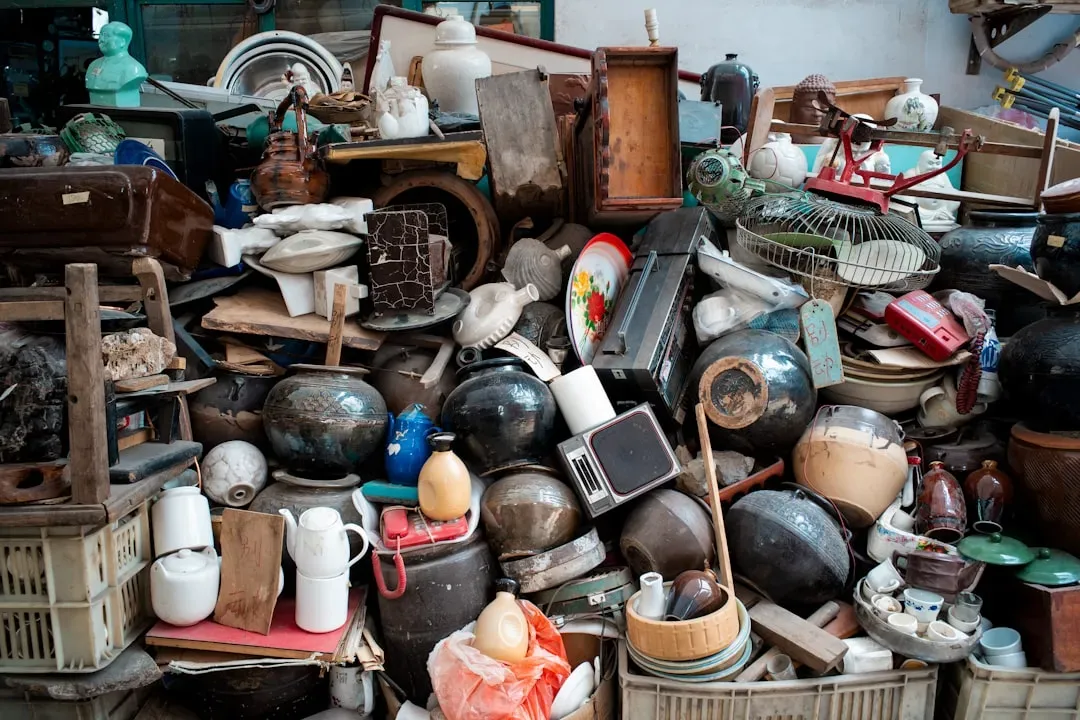
It’s important not to pathologize every box of old letters or childhood toys. Nearly everyone keeps some sentimental objects; that’s normal, healthy, and deeply human. The issue arises when the volume and emotional charge of these items start to interfere with your life – like when you can’t use certain rooms, feel intense distress at the idea of parting with anything, or avoid inviting people over because you’re ashamed of the clutter.
Clinically, hoarding disorder is not just about having a lot of stuff; it involves persistent difficulty discarding possessions, regardless of their actual value, and significant distress or impairment because of it. Sentimental hoarding often sits on a spectrum with this. You may not meet criteria for a disorder, but you might still feel trapped by objects you feel morally or emotionally obligated to keep. The common thread is fear: fear that if the object goes, stability, identity, or emotional safety will go with it.
Shame, Identity, and the Secret Rules We Create Around Our Stuff
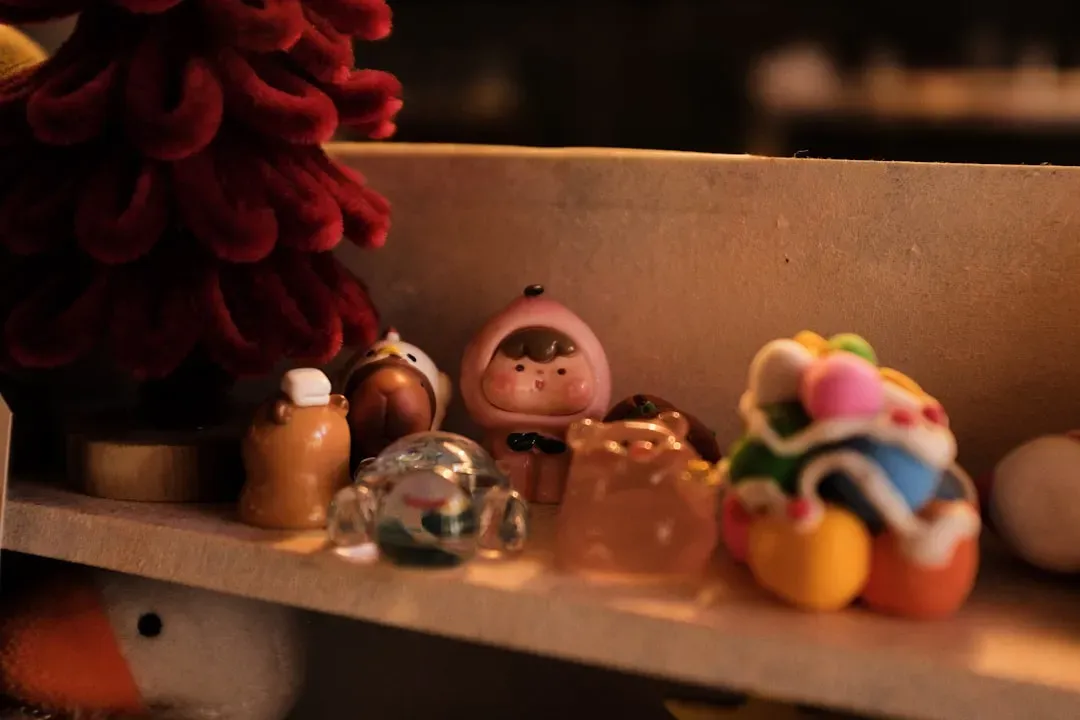
One of the most painful parts of sentimental hoarding is the shame that hides underneath it. You might tell yourself stories like, “I’m so disorganized,” or “I’m just a mess,” while ignoring the deeper belief: “If I let go of these things, I’ll have nothing left that proves I mattered.” That fear can create secret rules: never throw away gifts, never delete messages, never let go of anything linked to a major life event, no matter how small or broken it is.
These rules can quietly govern your behavior for years. You might feel guilty even considering tossing a card from someone who once hurt you, because it represents a version of yourself who tried hard, loved deeply, or endured something intense. In a way, the clutter becomes a visible, physical layer of unresolved stories. You are not just keeping things; you are preserving alt-versions of yourself you never fully said goodbye to, even when those selves are no longer serving who you are now.
How to Let Go Without Feeling Like You’re Erasing Yourself
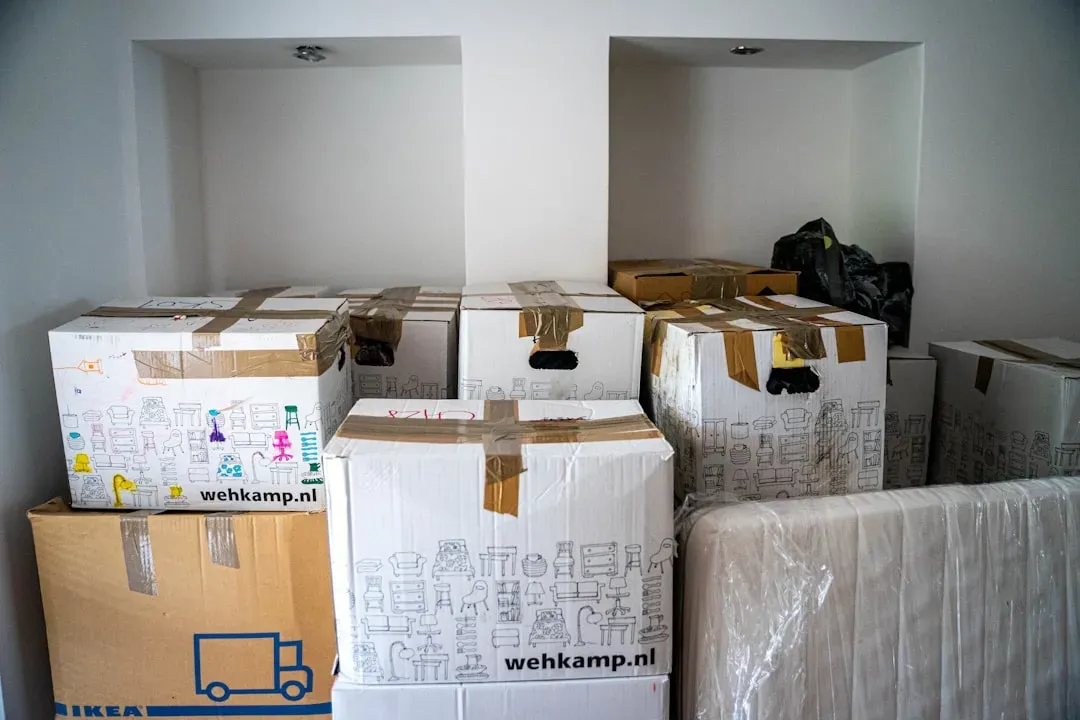
The good news is that you can honor the versions of yourself tied to these objects without keeping every single thing. One helpful shift is moving from “If I throw this away, it’s gone forever” to “The memory and meaning live in me, not only in this object.” Creating intentional rituals – like taking a photo, writing down the story behind the item, or choosing one or two representative pieces instead of twenty – can help your brain feel safe enough to release the rest.
Another powerful approach is to ask, “Does this support the person I’m becoming, or only the person I used to be?” That question isn’t always comfortable, but it’s clarifying. You might decide to keep a handful of deeply meaningful items that genuinely nourish you and let go of the ones that only trigger regret, sadness, or pressure. In my own life, I realized I was keeping entire boxes from a past relationship that only made me feel small and stuck. Letting most of it go felt less like erasing the past and more like finally allowing that chapter to close.
Choosing Who You Are Now: An Opinionated Take on Sentimental Stuff
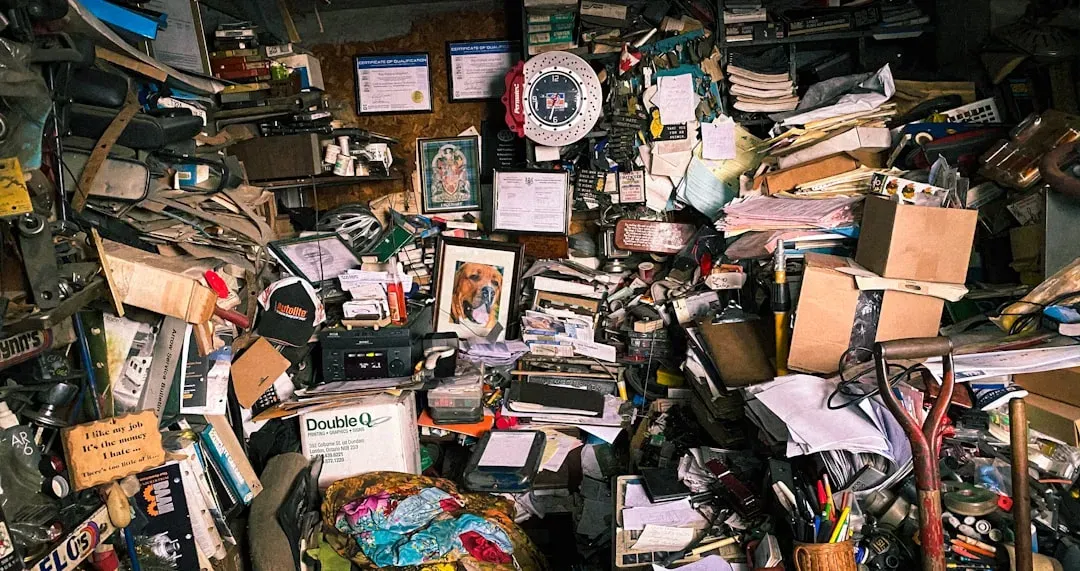
Here’s the uncomfortable truth: at some point, sentimental hoarding stops being about love or meaning and starts being about fear. Fear of aging, fear of change, fear of admitting that some dreams will never come back in the form you imagined. When your space becomes a shrine to versions of you that no longer exist, it quietly steals energy from the version of you who is still here, still evolving, still capable of creating new memories without needing physical proof of every one.
In my view, the bravest thing you can do is not to keep everything, but to curate your past like an honest, compassionate editor. Keep the few items that genuinely light you up when you see them, that help you feel rooted and real. Let go of the ones you’re only keeping because you’re scared of what their absence might say about you. You are not a box of old concert tickets or a pile of sweaters from another decade. You are the person deciding what matters now – and that choice, more than any object, is what defines who you really are. Did you expect your junk drawer to be this existential?