
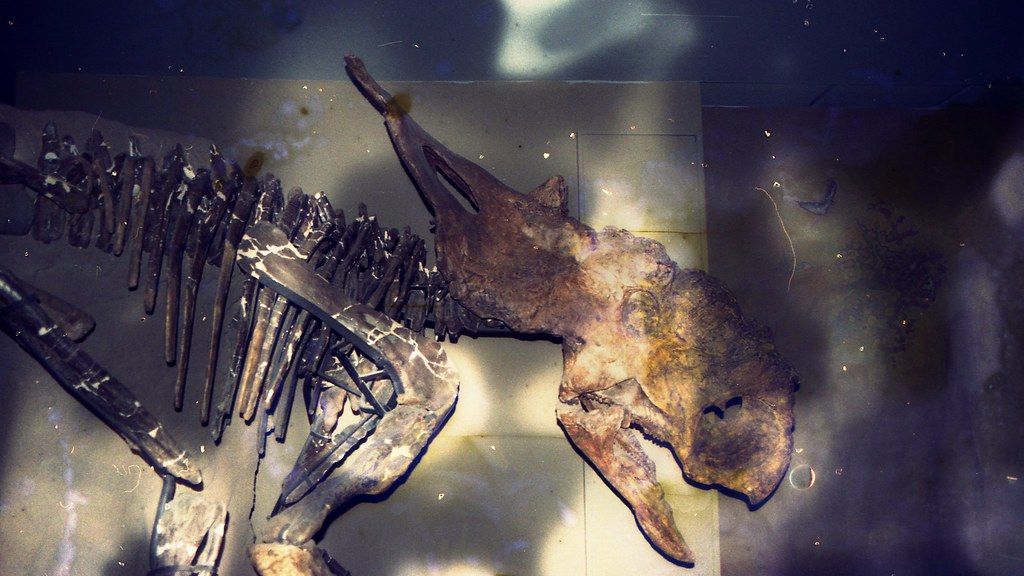
The idea sounds almost like science fiction: clues from dinosaurs and ancient mammals helping doctors make better decisions in modern hospitals. Yet that is exactly what is quietly happening in labs around the world, as paleontologists and medical researchers look at the same fossils and see different, but deeply connected, stories about survival. Fossils no longer feel like dusty museum pieces; they have become time capsules of stress, injury, disease, and resilience stretching back tens of millions of years.
Of course, nobody is claiming we can copy a dinosaur’s biology straight into a human body. But the way ancient creatures survived trauma, infection, and violent climate swings leaves patterns that are surprisingly familiar. Doctors are asking a bold question: if life has already tested survival strategies over millions of years, what can those ancient “experiments” teach us about healing, prevention, and longevity today?
1. Bones That Healed From Brutal Injuries Reveal Hidden Regeneration Skills
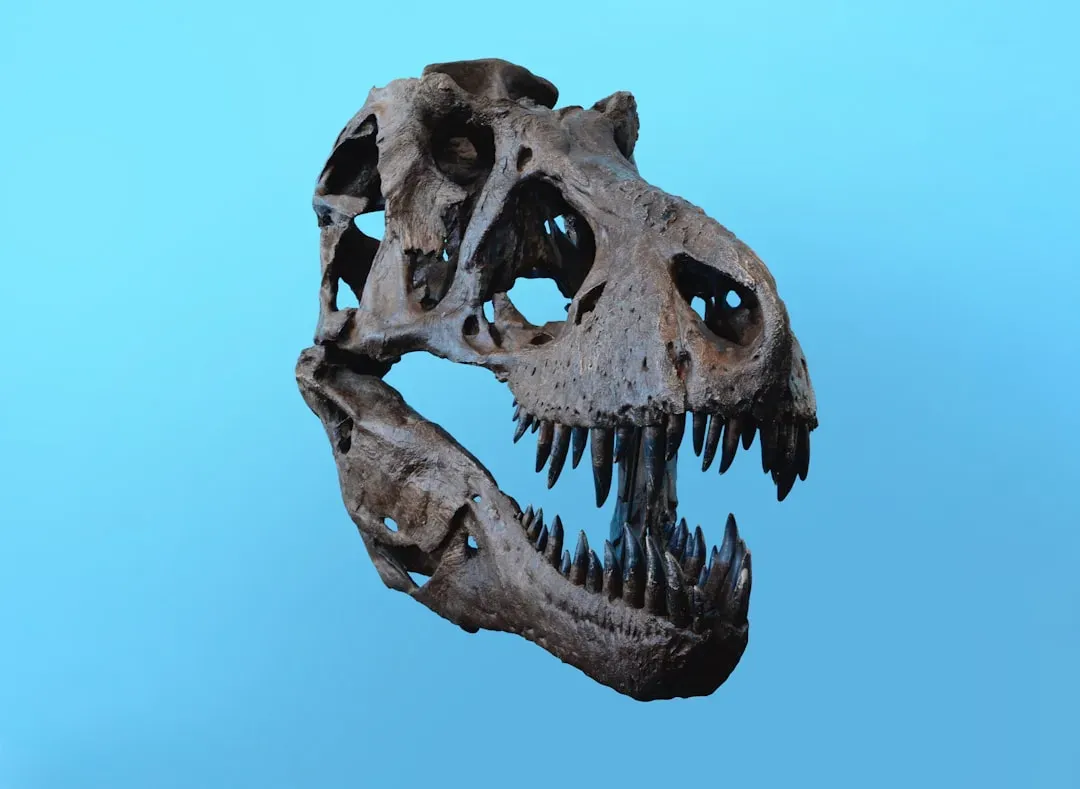
One of the most shocking sights in a fossil collection is not a perfect skeleton, but a broken one that clearly kept going. Paleontologists have found dinosaur bones with deep fractures that later fused, signs of arthritis that animals lived with for years, and even evidence of amputated limbs that healed over with thick scar-like bone. These are not stories of delicate creatures toppled by every injury; they are stories of bodies that absorbed massive trauma and still survived long enough to leave descendants. For doctors, that raises an immediate question: what did their tissues do so well that ours often fail at after big injuries?
Modern imaging of fossils, using high‑resolution CT scans and microscopic analysis of bone structure, shows intricate patterns of repair that can look more organized than expected. In some cases, the density of the new bone and the way blood vessel channels re‑form hint at very efficient regeneration, closer in spirit to how some reptiles today can regrow parts of their tails. Medical researchers study these patterns to better understand how bones coordinate inflammation, stem cells, and blood supply over long healing periods. While we cannot perfectly reconstruct ancient physiology, the fact that such severe damage could stabilize at all reinforces a core medical idea: the body can tolerate more controlled strain and gradual loading than we often assume, opening the door to more proactive rehabilitation instead of prolonged immobilization.
2. Evidence of Infection and Immune Response Points to Deep Roots of Disease Defense
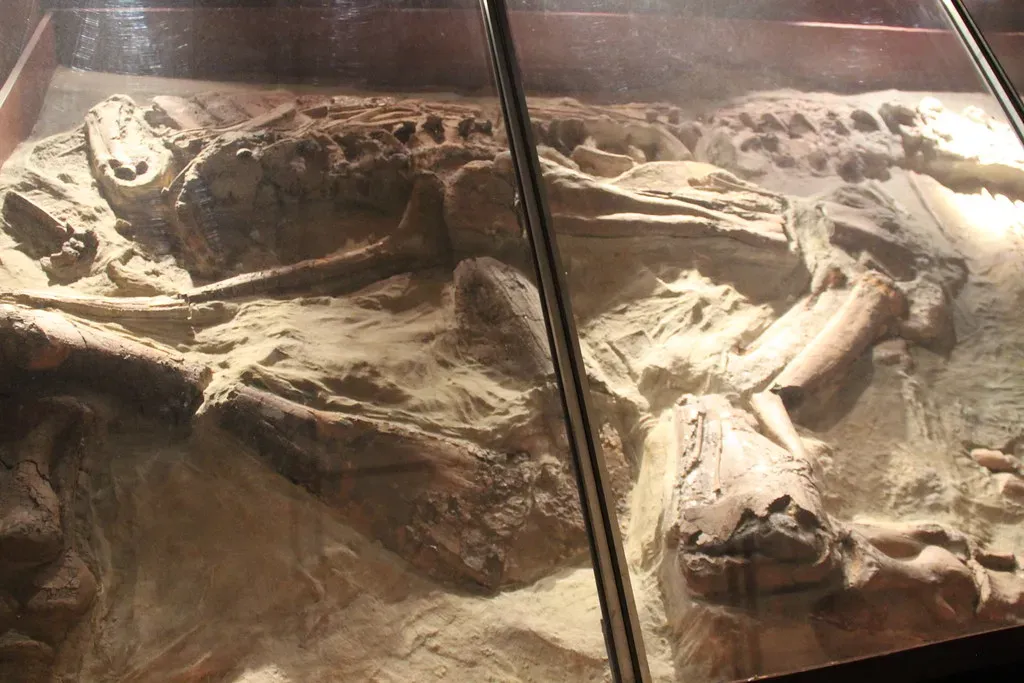
Look closely at certain fossils, and you see small pits, abnormal growths, or strange textures on bone that tell a quiet but dramatic story: infection. Some dinosaurs and early mammals clearly suffered from chronic bone infections, dental abscesses, and even tumor‑like lesions. Yet the very fact these marks are present on mature individuals means they did not die instantly from those problems. They lived with them, sometimes for years, which means their immune systems were constantly battling threats in ways that left permanent signatures on their skeletons.
For doctors and immunologists, these findings confirm that many core elements of our immune strategy are far older than our species. The balance between attacking invaders and limiting self‑damage appears to have been under refinement for tens of millions of years. By comparing the kinds of bone changes seen in fossils with similar changes in modern patients – say, the way chronic infections remodel bone or how some inflammatory diseases leave characteristic damage – researchers gain confidence that certain patterns of inflammation are not random. They are part of deeply rooted survival tactics. This perspective encourages medicine to respect inflammation as a tool to be guided, not simply suppressed, and supports modern trends toward precision immunology rather than one‑size‑fits‑all anti‑inflammatory treatment.
3. Surviving Ancient Climate Shocks Highlights the Power of Metabolic Flexibility
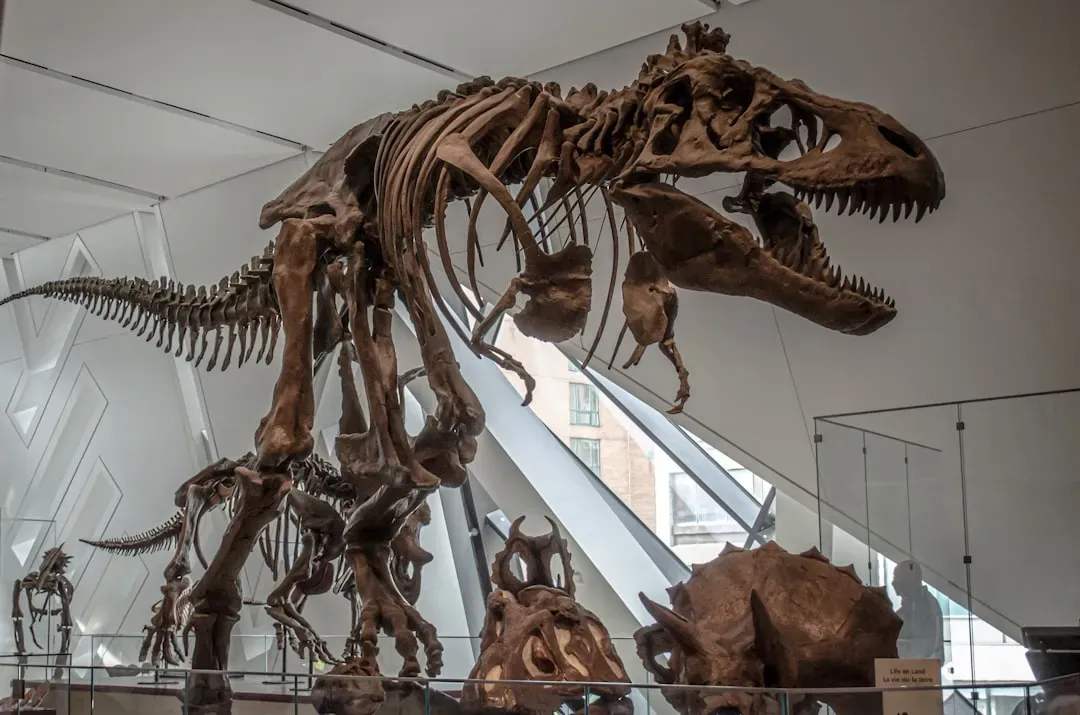
The creatures that lived around the time of the dinosaurs’ extinction did not just face one bad day; they endured aftershocks, volcanic activity, and long‑term climate and food disruption. Fossils from this period show dramatic changes in body size, limb structure, and even dental patterns as ecosystems crashed and slowly recovered. Many lineages survived not because they were the biggest or strongest, but because they could flex their metabolism: eat different foods, store energy in new ways, and adjust their activity levels to wildly changing conditions.
Doctors are increasingly interested in this concept of metabolic flexibility because we live in a world of constant, less dramatic but still significant shifts – irregular eating schedules, processed diets, sedentary jobs, and sleep disruption. Studies of fossil communities suggest that species with narrow, rigid energy strategies often vanished when environments changed, while generalists that could handle feast and famine cycles persisted. Translating that into human health, clinicians now explore how periods of controlled fasting, varied movement patterns, and more diverse diets might help the body cope better with stress and reduce chronic disease risk. The fossil record does not hand us a diet plan, but it does deliver a blunt message: in unstable worlds, adaptable metabolisms outlast fragile, overspecialized ones.
4. Lifelong Wear and Tear Shows That Movement Is Both Risk and Medicine
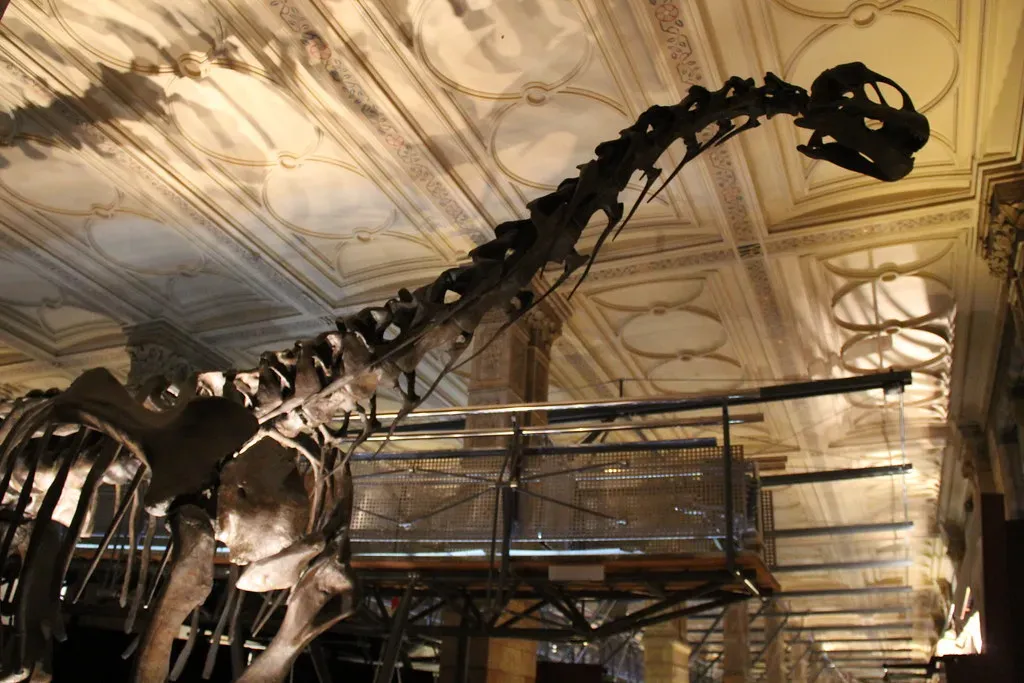
When scientists examine the joints of large dinosaurs, early hoofed mammals, or ancient primates, they often find the same thing orthopedic surgeons see today: wear and tear. There are grooves, bone spurs, and cartilage loss that look very much like arthritis in modern patients. Yet many of these animals clearly reached adulthood and sometimes older ages despite those changes. They moved, hunted, migrated, and reproduced with joints that were far from pristine. This challenges the comforting myth that a pain‑free body is the default state and that any sign of degeneration means failure.
Medical researchers looking at these fossils are reminded that joints are built to be used and, within limits, abused. Ancient animals that stopped moving because of pain would not have survived long enough to pass on their genes, so evolution favored bodies that could function with less‑than‑perfect hardware. For modern doctors, this supports a more nuanced view: rest has its place, but complete avoidance of movement often backfires. Carefully dosed activity can stabilize joints, strengthen supporting muscles, and even alter pain perception over time. Fossils showing heavily used but still functional skeletons reinforce a simple but powerful survival secret: movement is a form of medicine, even when the body is not in ideal condition.
5. Patterns of Extinction and Survival Emphasize Cooperation Over Isolation
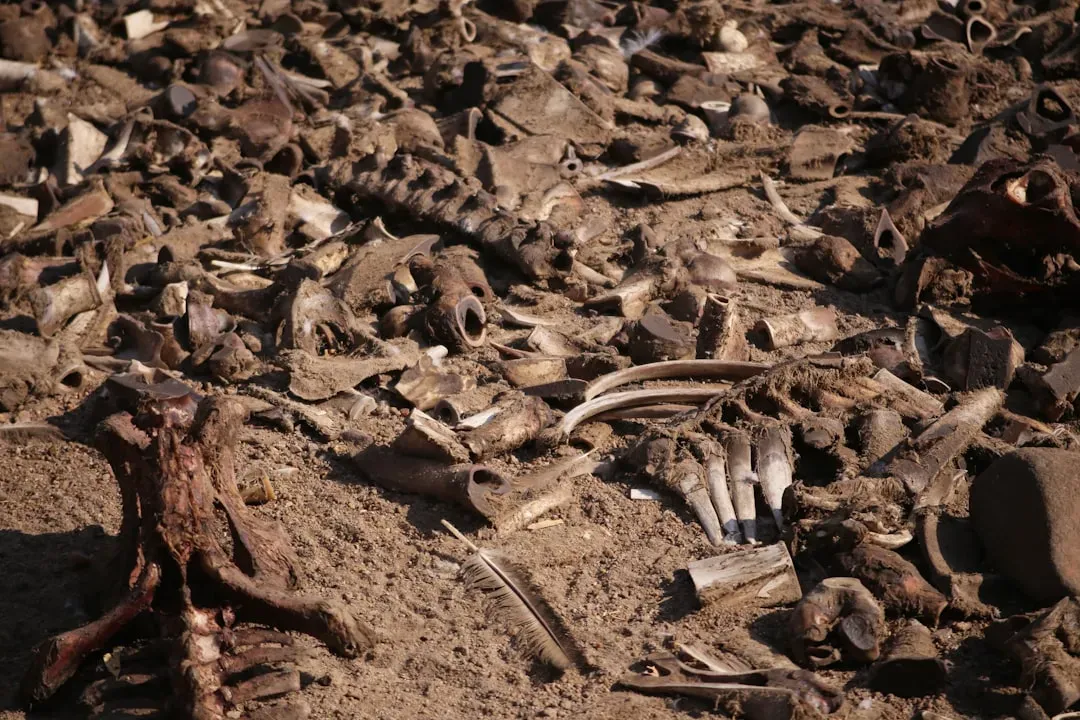
Not all survival secrets lie inside individual bones; some live in the patterns of who vanished and who made it through catastrophic events. Around the time of the mass extinction that ended most dinosaur lineages, smaller animals that likely lived in groups, shared burrows, or cared for their young had a better chance of making it into the next chapter of life on Earth. Fossil sites showing clustered remains, shared nesting areas, and evidence of parental care tell us that social strategies were not optional extras. They were core survival tools when the world fell apart.
Doctors and public health experts see a striking parallel in modern data: humans with stronger social ties tend to fare better during health crises, recover more fully from surgery, and cope more effectively with chronic illness. While fossils cannot tell us about emotional bonds, they can reveal when animals invested energy in group living or offspring support despite the costs. That evolutionary investment suggests cooperation paid off, even in brutally competitive environments. In medicine, this fuels a more outspoken view that community, family involvement, and social support are not “soft” add‑ons but as fundamental to survival as any drug or device. The deep time record quietly argues that going it completely alone has always been a fragile strategy.
Conclusion: Ancient Bones, Modern Choices
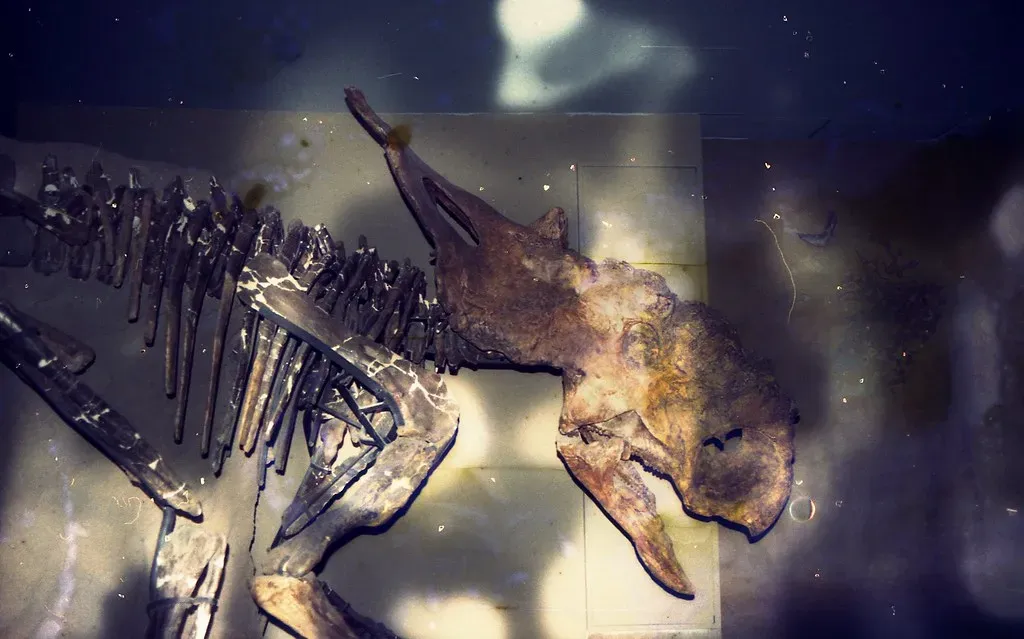
When you step back, the most surprising thing about these survival secrets is how familiar they feel. Bones that heal after massive injuries, immune systems wrestling with infection, bodies bending their metabolism to match a changing world, joints enduring years of use, and communities weathering disasters together – none of this is alien. It is our story, playing out over millions of years before we ever walked the planet. That makes fossils less like dead relics and more like brutally honest case studies about what works and what fails when life is under pressure.
My own take is that medicine is at its best when it listens to these long‑running experiments instead of assuming we can shortcut them with quick fixes. The fossil record seems to vote for slow, consistent adaptation: move, but wisely; eat, but flexibly; accept that bodies will scar and creak, yet still push toward function; and lean into other people instead of pretending to be invincible alone. We cannot copy a dinosaur’s biology, but we can learn from its resilience – and from its extinction. The real question is whether we will treat these ancient warnings and successes as distant curiosities, or as urgent nudges to change how we live and heal right now.