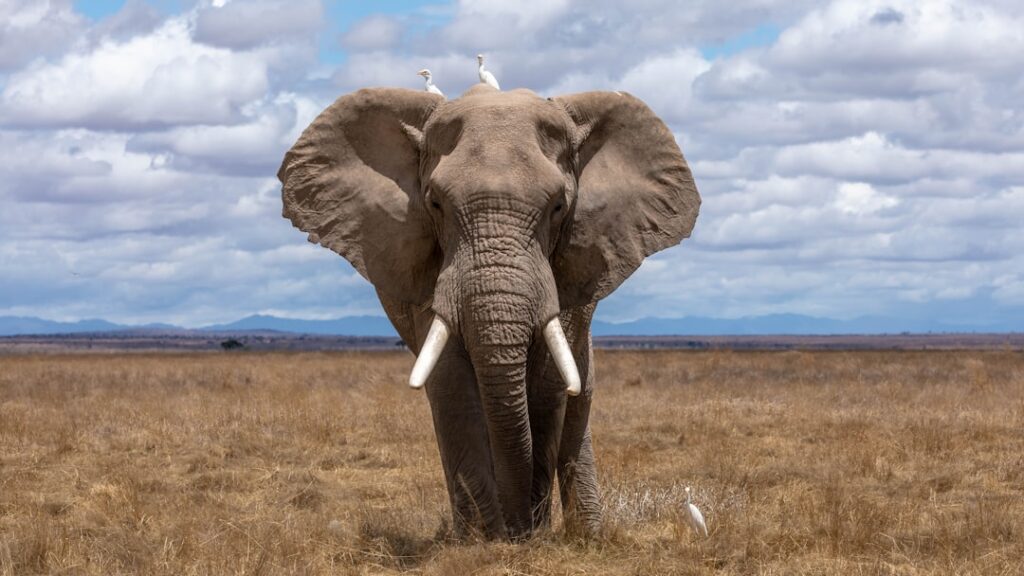
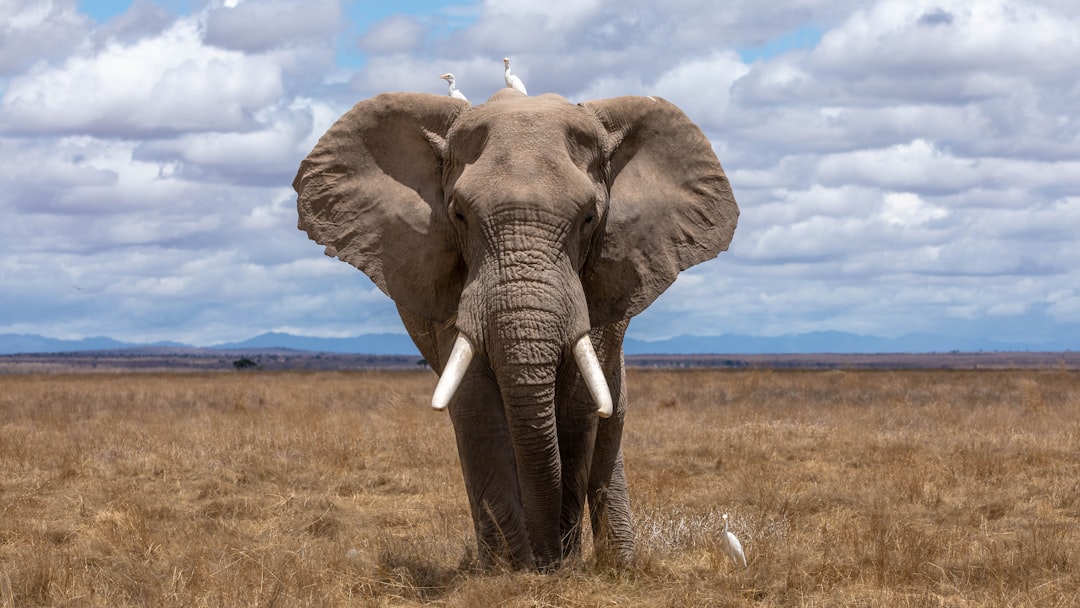
Bureaucratic delays could lead to ‘last-resort’ culling of SA elephants, Parliament is warned – Image for illustrative purposes only (Image credits: Unsplash)
Parliamentary hearings this week exposed how repeated administrative shortfalls in two provinces are narrowing the range of choices available for managing growing elephant populations. Lawmakers heard that without timely action on non-lethal measures, culling risks shifting from a rarely used option to a more immediate prospect. Deputy Environment Minister Narend Singh reiterated that any such step would require his approval and remain a measure of last resort. The discussion focused on reserves in North West and KwaZulu-Natal, where fenced systems place the animals under direct human oversight.
MPs Press for Answers on Missed Deadlines and Excluded Bodies
Democratic Alliance MP Andrew de Blocq outlined a series of unfulfilled parliamentary instructions that have left key stakeholders without basic information. He noted that the Provincial Elephant Task Team had not produced requested minutes, failed to deliver a final report due in November 2025, and had not convened at all this year. The National Society for the Prevention of Cruelty to Animals, the only statutory animal welfare body, also remained outside formal processes despite explicit directives to include it.
These gaps, de Blocq argued, have allowed problems at sites such as Madikwe Game Reserve and Pilanesberg to intensify. He acknowledged that rapid population growth in some areas may eventually require difficult decisions, yet stressed that existing laws demand exhaustion of non-lethal alternatives first. Elephants, he reminded the committee, are sentient and socially complex, so management cannot treat them simply as surplus numbers.
Shortcomings in the Elephant Indaba and Revised Norms
De Blocq also questioned reliance on last year’s Elephant Indaba as a foundation for national policy. Invitations went out with very short notice, the venue proved difficult and costly to reach, and no parliamentary committee members attended. Consumptive-use groups such as hunters participated more fully and earlier, while the outcomes were never formally voted on or adopted.
The department nevertheless positions the Indaba at the centre of its emerging National Elephant Heritage Strategy. One listed outcome calls for culling once flexible ecological limits are exceeded, and another includes hunting and culling among possible revenue streams. MPs further noted that revised Elephant Norms and Standards, originally published after public consultation in 2023, were withdrawn on a technicality and are now being reworked internally without a published record of how earlier submissions were handled.
Stalled Contraception Projects and Avoidable Population Growth
Humane World for Animals described concrete delays that have already produced measurable results. A memorandum of understanding signed in 2020 to deliver immunocontraception at no cost to Madikwe was extended in 2024 yet never implemented. Modelling presented to the committee showed that earlier action could have stabilised numbers on a lower trajectory; instead, at least 400 additional calves have been born, with roughly half the adult females now expected to be pregnant.
A revised tripartite agreement requested after an October 2025 oversight visit remains unapproved, pushing any start date to 2027 at the earliest. The NSPCA separately offered to treat the entire Madikwe herd in a single week at no cost, but six months later no steps had been taken. Officials have not rejected the science behind these tools; the projects have simply not moved forward.
Key points raised in the hearing
- Task team minutes and reports still outstanding despite parliamentary instructions
- NSPCA excluded from provincial processes
- Contraception agreements signed but unimplemented for years
- No central database on human-elephant conflict yet available
Calls for Outcome-Based Approaches and Greater Transparency
Jeanetta Selier of the South African National Biodiversity Institute cautioned against assuming that reducing overall numbers will automatically resolve localised damage. Specific groups of elephants, such as bulls at waterholes, can continue to affect sensitive areas even after broader culls. Management, she said, should identify the actual problem, select the right intervention and monitor results rather than rely on crude carrying-capacity calculations.
Dr Tony Gerrans of Humane World argued that the draft National Elephant Heritage Strategy does not sufficiently embed the least-harm and precautionary principles already present in South African environmental law. He welcomed the minister’s assurance that culling remains a last resort but noted the strategy itself does not state this clearly. In contrast, coordinated non-lethal work in KwaZulu-Natal’s Mawana area, including collaring, mitigation and relocation, demonstrated what shared commitment can achieve when authorities act promptly.
The hearing left lawmakers with a clear distinction: when agreements exist, capacity is available and scientific tools are ready, continued inaction converts a manageable situation into one where lethal measures later appear unavoidable. The responsibility for that outcome, several MPs concluded, would rest with the administrative and governance failures that blocked earlier alternatives.