
If you grew up imagining dinosaurs as slow, lumbering monsters, the idea of a genuinely smart dinosaur might feel almost shocking. Yet when look closely at fossil skulls, brain cavities, senses, and behavior clues, a very different picture emerges: some dinosaurs were sharp, adaptable, and surprisingly complex animals. They were not building cities or doing math, but in their own ancient ecosystems, a few species were probably the problem‑solvers, strategists, and opportunists of their world.
Of course, we need to be honest: we cannot hook a T. rex up to an IQ test. Most of what we know about dinosaur intelligence comes from indirect evidence like brain-to-body ratios, sensory abilities, and comparisons with modern birds and reptiles. That means this ranking is based on the best current science, plus a bit of informed interpretation, not wild fantasy. So, think of this list as a guided tour through the dinosaurs that likely sat at the top of the class, from clever pack hunters to bird‑like brainiacs. Some of them may surprise you.
1. Troodon: The Classic “Genius” Dinosaur
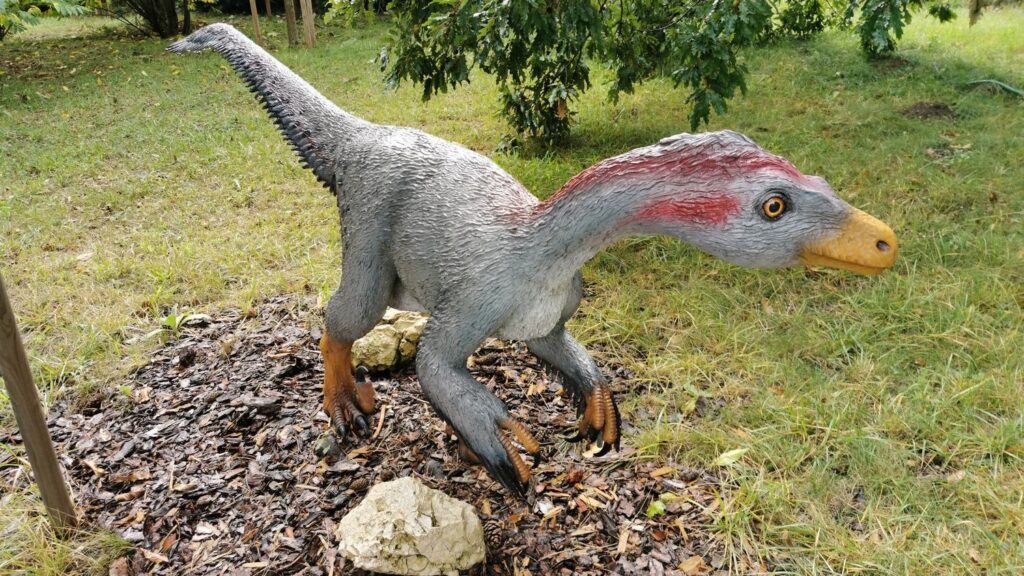
Troodon has long been the poster child for dinosaur intelligence, and for good reason. Its brain-to-body size ratio was among the highest known for non-avian dinosaurs, putting it in a range that, in very rough terms, overlaps with modern birds known for their smarts. Fossilized skulls show a relatively large brain cavity and forward‑facing eyes, suggesting good depth perception and advanced sensory processing. In simple terms, Troodon had the hardware to be one of the sharpest tools in the Mesozoic shed.
This dinosaur also had grasping hands and a sickle-shaped claw, hinting at a life that demanded precise movements and complex hunting strategies rather than brute force. Some have suggested Troodon may have hunted in low‑light conditions, using keen eyesight to pick off small prey with agility and planning. We have to be careful not to turn it into a science‑fiction alien, but it is fair to imagine Troodon as an alert, curious, opportunistic predator. If any non‑bird dinosaur was capable of flexible, problem‑solving behavior, Troodon is at the top of that shortlist.
2. Dromaeosaurids (Velociraptor and Its Relatives)
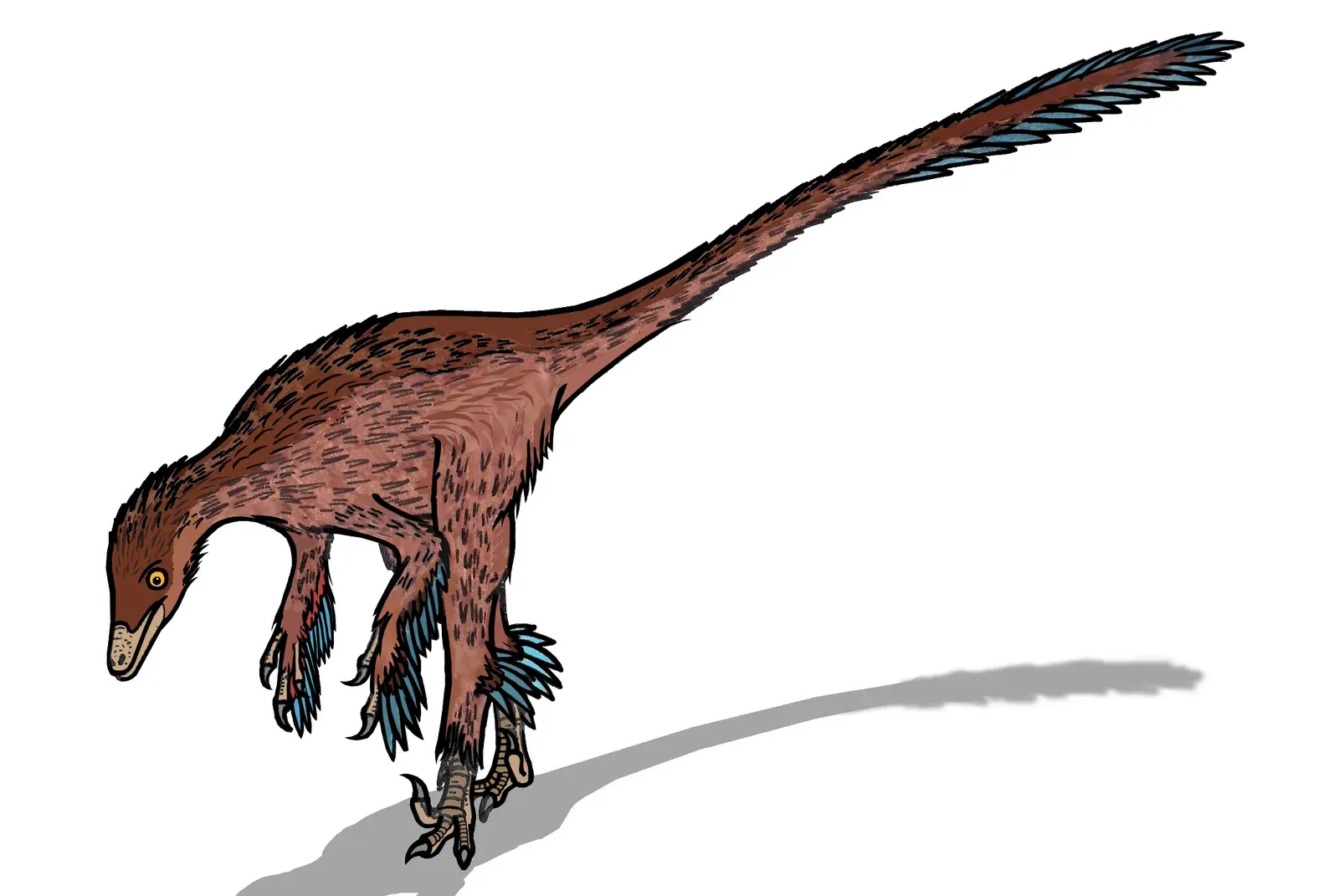
Dromaeosaurids, the family that includes Velociraptor, are often portrayed as cunning pack hunters, and the science does give some support to the idea that they were relatively bright. Their brains were proportionally larger than those of many big plant‑eating dinosaurs, and their skulls show features associated with good vision and balance. Combine that with a stiffened tail for agility and grasping, clawed hands, and that famous sickle claw on the second toe, and you get an animal built for coordinated, precise action.
There is ongoing debate about whether they truly hunted in organized groups or simply gathered where prey was abundant, but even the possibility of coordinated behavior hints at a more complex behavioral repertoire. Modern birds of prey and some social birds show how sharp senses plus decent brains can lead to surprisingly sophisticated tactics. While Velociraptor was much smaller than its movie version and likely feathered, it almost certainly was no fool. Among predatory dinosaurs, dromaeosaurids probably ranked near the top for learning, planning, and reacting quickly to changing situations.
3. Troodontids Beyond Troodon: A Whole Smart Clade
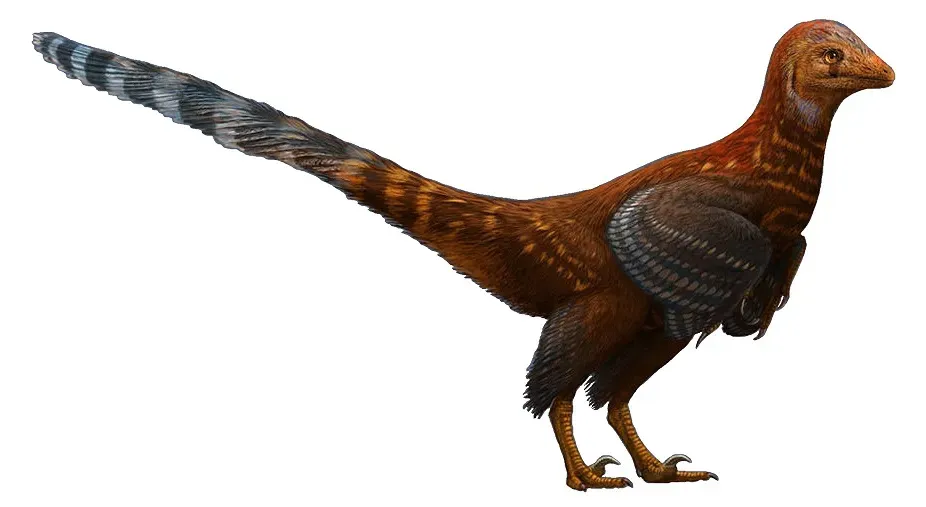
Troodon gets the spotlight, but it belonged to a larger group called troodontids, many of which likely shared similar brainy traits. Fossil discoveries in Asia and North America have revealed multiple troodontid species with enlarged braincases, keen senses, and lightweight, agile bodies. While their exact relationships and species names shift as new fossils are studied, the broader pattern is clear: this was a clade leaning heavily toward high sensory processing and relatively advanced cognition by dinosaur standards.
Some troodontids show adaptations for bird‑like hearing and balance, hinting that they may have relied on rapid responses and possibly complex communication. Think of them less as isolated geniuses and more as an entire extended family of quick thinkers in the late dinosaur world. If you picture small, feathered, sharp‑eyed hunters weaving through the undergrowth at dusk, searching for insects, small vertebrates, or eggs, you are probably not far off. In terms of flexible, opportunistic behavior, troodontids as a group deserve a spot right near the top of any intelligence ranking.
4. Oviraptorosaurs: The Curious, Bird‑Like Omnivores
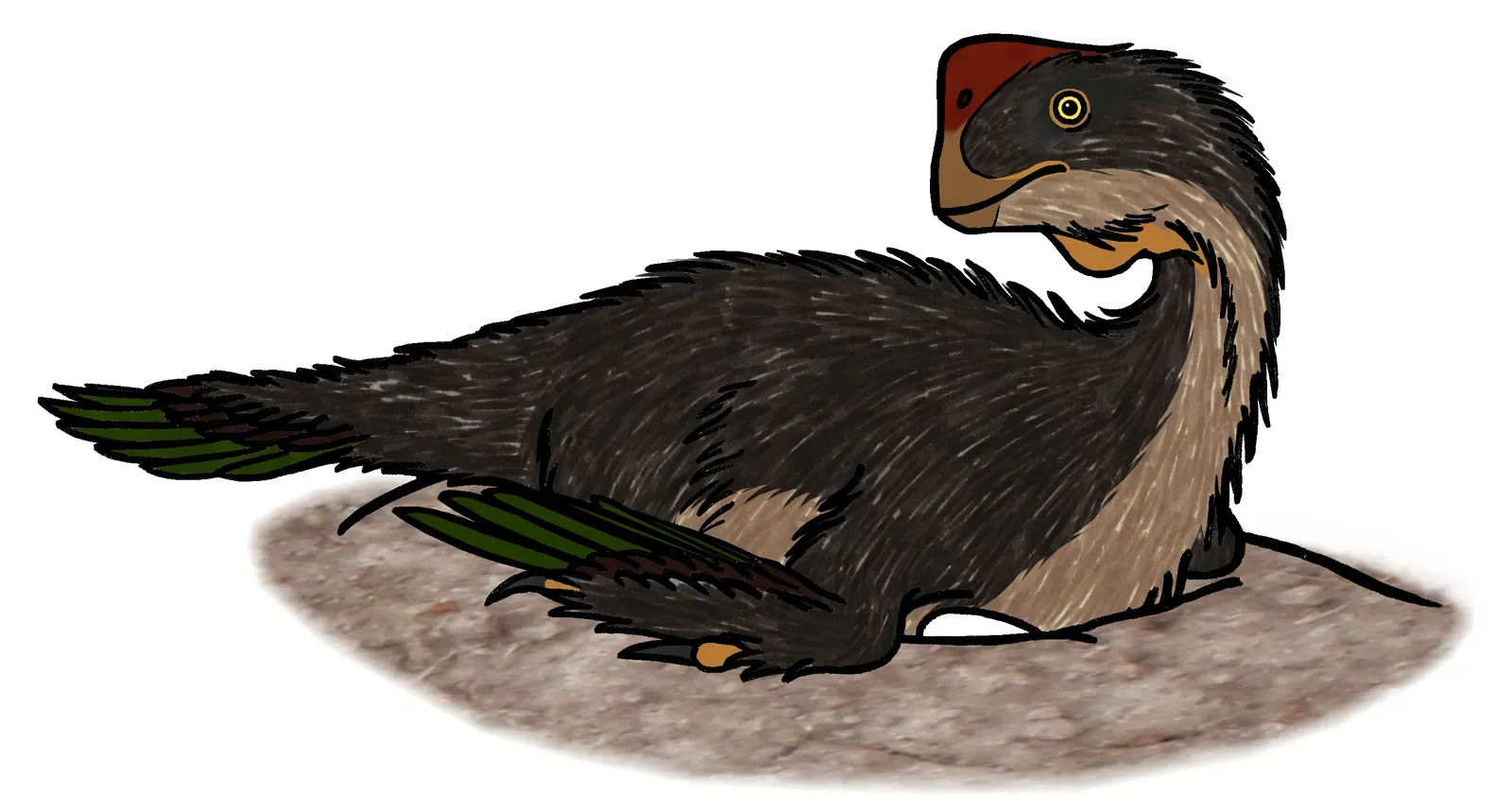
Oviraptorosaurs are those strange, beaked dinosaurs that look like a mashup of a parrot, an ostrich, and a reptile. Their skulls often show expanded brain cavities, with particular development in regions associated with sight and balance. Many had toothless beaks, strong jaws, and sometimes elaborate crests, suggesting a lifestyle that went beyond simple meat‑eating: some were likely omnivores or specialized feeders that needed to recognize a wide range of foods and environments. That kind of ecological versatility often goes hand in hand with behavioral flexibility.
There is also compelling evidence that some oviraptorosaurs brooded their eggs, sitting on nests in poses strikingly similar to modern birds. Parental care is usually a sign of more complex behavior, from nest building to defending and possibly even teaching offspring. While we cannot see their day‑to‑day routines, the combination of relatively large brains, bird‑like bodies, and care for their young points to an animal capable of more than simple reflex reactions. Among non‑avian dinosaurs, oviraptorosaurs feel like early experiments in the bird style of life: active, social, and likely quite aware of their surroundings.
5. Troodontid‑Level Contenders: Deinonychus and Other Mid‑Sized Predators
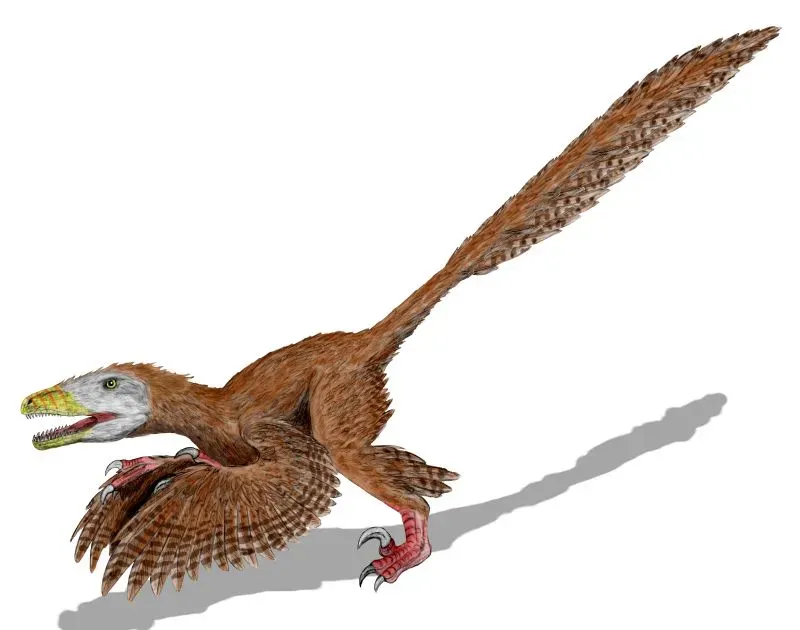
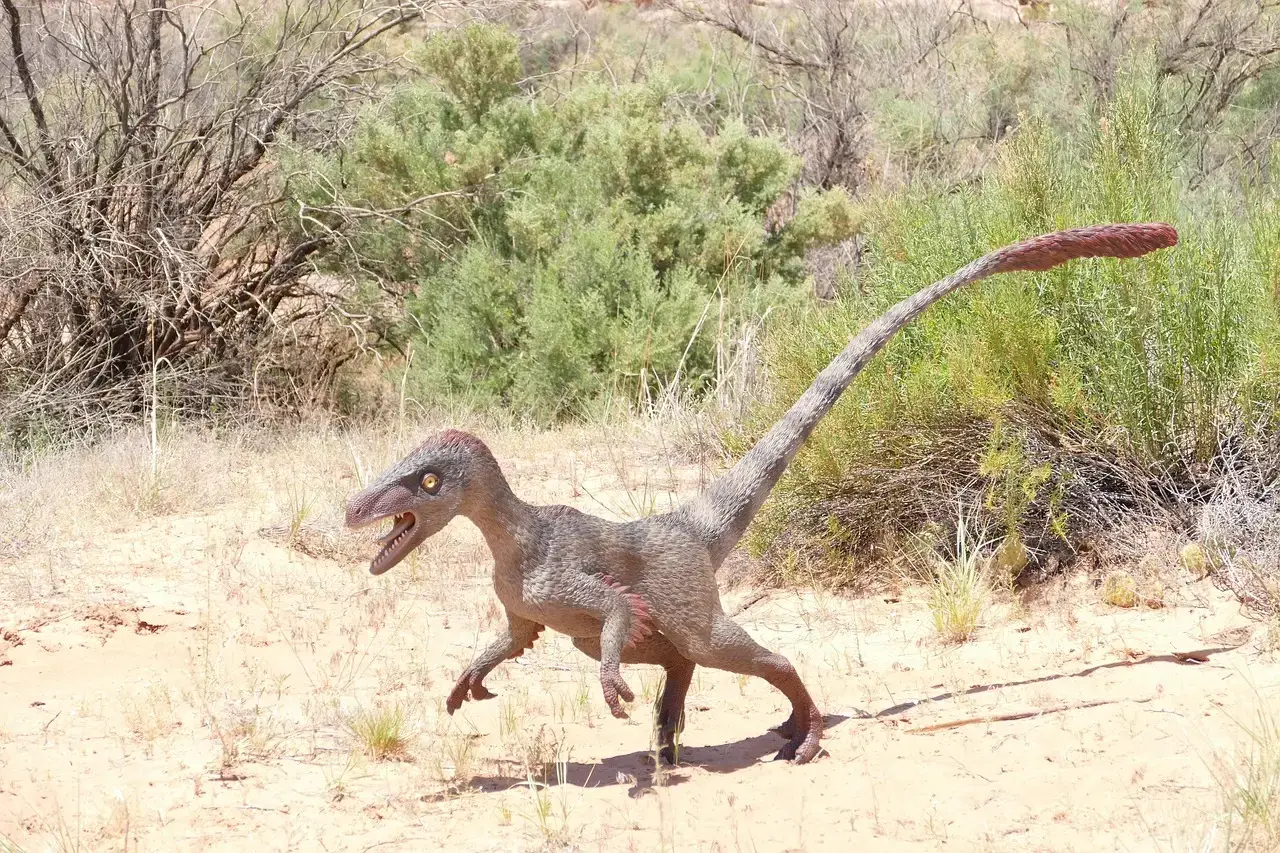
Deinonychus, famous for inspiring the fictional Velociraptors in popular culture, deserves its own nod in the intelligence conversation. This mid‑sized predator had a proportionally large brain, forward‑facing eyes, and anatomy that suggests agility and coordination. Its fossils are associated with possible group activity around prey, leading some researchers to propose at least loosely cooperative behavior. Even if they were not running military‑style raids, just coordinating around large prey would have required quick learning and adaptable responses.
What makes dinosaurs like Deinonychus especially interesting is how many different traits converge: decent brain size, sharp senses, powerful claws, and a body balanced for rapid movement. Predators that rely on ambush and brute force can afford to be a little dull; predators that chase, maneuver, and target dangerous or fast prey usually cannot. When you put Deinonychus alongside troodontids and other bird‑like theropods, a pattern emerges of mid‑sized carnivores that were probably the problem‑solvers of their ecosystems. They may not have been plotting, but they likely were learning.
6. Early Birds Like Archaeopteryx: Small Brains, Big Potential
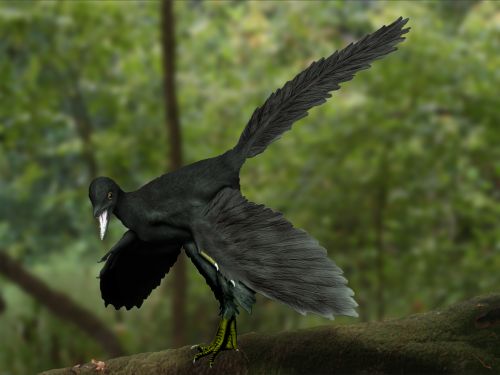
Once you step into the early birds, you are effectively looking at the line that leads to modern crows, parrots, and other famously clever animals. Archaeopteryx, often cited as one of the earliest known birds, had a brain that, while small in absolute terms, showed features associated with improved vision, balance, and coordination for flight. Flying or even just gliding demands quick processing of complex information: wind, obstacles, predators, and landing spots all have to be managed in real time.
Although Archaeopteryx itself probably did not match the problem‑solving genius of a modern corvid, it represents a turning point where dinosaur brains were being retooled for a new lifestyle. Early birds may have navigated forest canopies, recognized subtle environmental cues, and used a greater range of vocalizations. All of that hints at gradually rising cognitive sophistication. In a list of smartest dinosaurs, it would feel wrong not to include these early avian pioneers, because they are the bridge between the ancient reptilian world and the surprisingly bright birds we know today.
7. Pachycephalosaurs: More Than Just Thick Skulls?
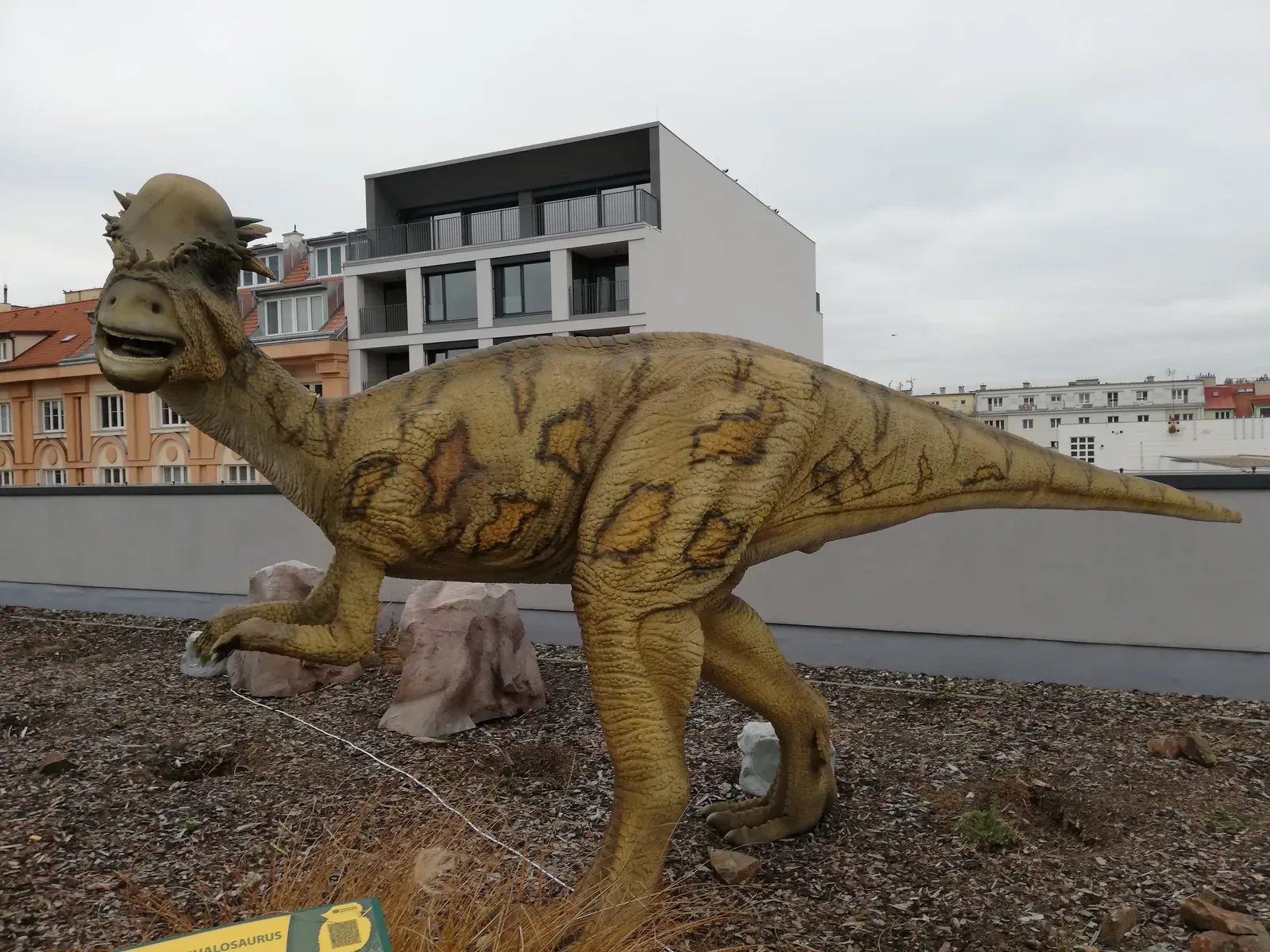
Pachycephalosaurs are usually remembered for one thing: those massive, domed skulls that look like built‑in helmets. For a long time, that overshadowed any thoughts about their brains, but newer studies suggest their nervous systems might have been more interesting than once assumed. Some research indicates relatively enlarged areas related to balance and coordination, which could make sense if they engaged in head‑butting or fast, agile movement through their environments. An animal that rams, dodges, and maneuvers needs solid processing power to keep from injuring itself.
We should not oversell them as secret geniuses, but it is likely that pachycephalosaurs were more than slow, brainless battering rams. Their sensory systems and motor control appear to have been reasonably refined, and that points to at least moderate intelligence compared with many other herbivorous dinosaurs. If you picture them as the rough‑and‑tumble, street‑smart kids of the dinosaur world, you might not be that far off. They probably knew their terrain well, recognized rivals and mates, and made rapid decisions during clashes or escapes from predators.
8. Ornithomimids: The “Ostrich Dinosaurs” on the Move
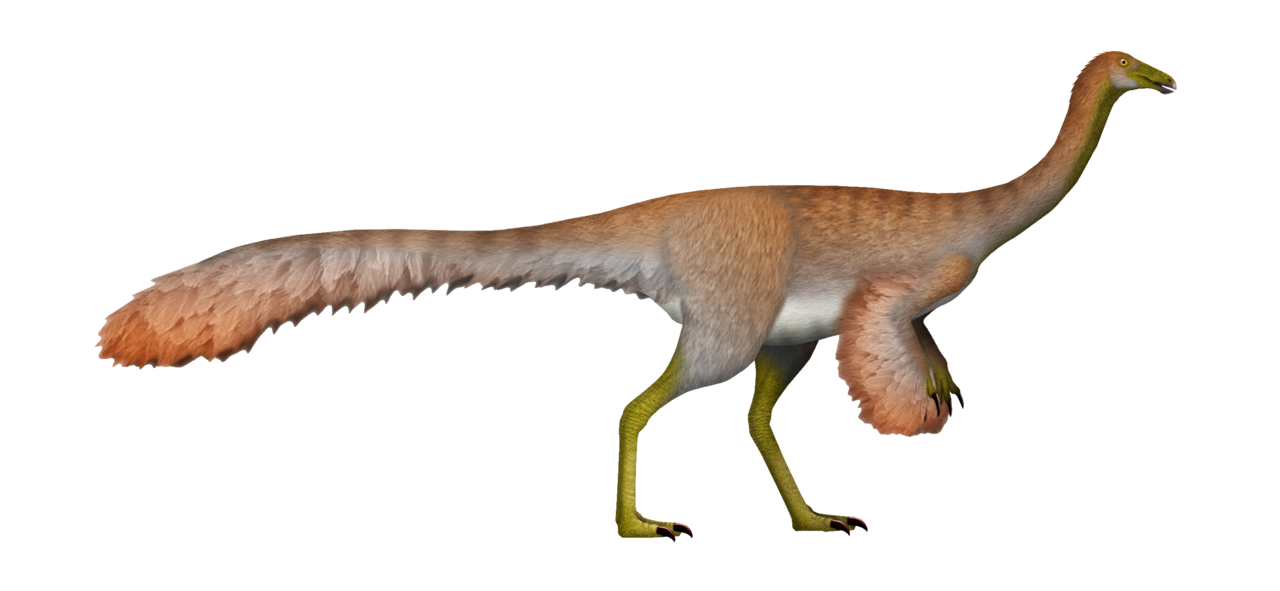
Ornithomimids, often called ostrich dinosaurs, looked and probably moved a lot like modern flightless birds. Long legs, lightweight bodies, and toothless beaks suggest fast runners and versatile feeders, possibly eating plants, small animals, and whatever else they could catch. Their braincases show a respectable brain size for their body, and their large eyes imply good vision, which is crucial for a high‑speed lifestyle. When you sprint across open ground, you need to process a flood of visual information very quickly.
Many scientists suspect ornithomimids were relatively social, perhaps moving in groups across wide landscapes. Social living often correlates with more sophisticated behavior, from recognizing individuals to coordinating movement. They might not have been plotting ambushes like some predators, but navigating social dynamics plus environmental variety is its own kind of cognitive challenge. In a way, you can think of ornithomimids as the long‑distance runners and situational thinkers of their time, constantly making small, fast decisions as they moved through their world.
9. Ceratopsians Like Triceratops: Big Herds, Big Brains (Relatively)
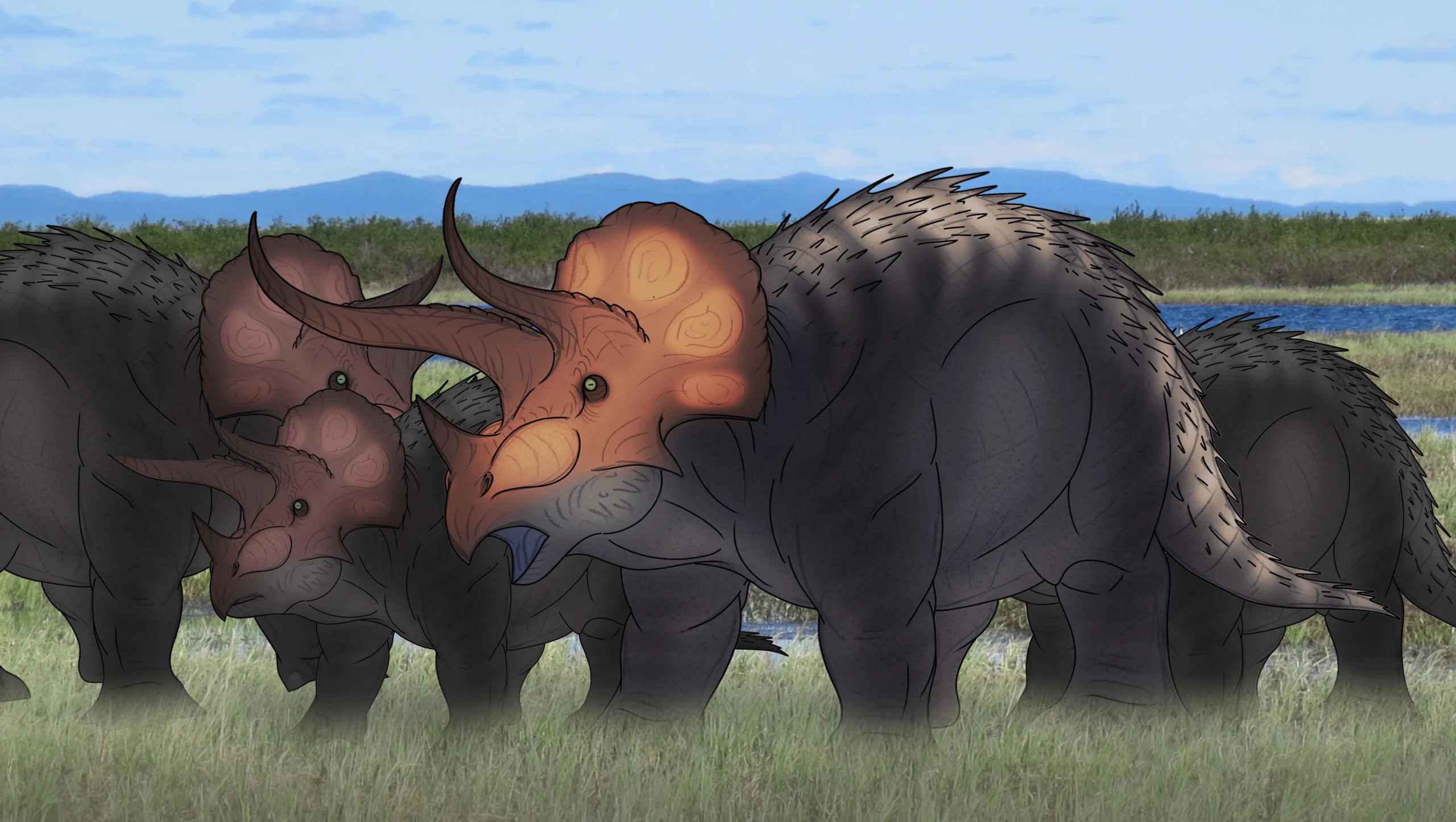
Ceratopsians, the horned dinosaurs like Triceratops, are not usually anyone’s first pick for dinosaur brainpower, but they should not be dismissed too quickly. Their brains were not huge, but when you adjust for body size and look at behavior clues, things get more interesting. Evidence of herding, growth stages, and possibly complex social structures suggests that at least some species navigated rich social lives. Herd animals need to recognize companions, rivals, and maybe even maintain loose hierarchies, which demands more from the brain than simple solitary browsing.
There is also the question of their impressive headgear: horns and frills that may have played roles in display, species recognition, and communication. Using visual signals effectively within a herd is another layer of complexity. While ceratopsians were probably not solving puzzles like a crow, they may have been quite savvy about reading their own kind and responding to threats as a group. In terms of social intelligence, they could easily outclass many of the larger, more solitary giants that shared their world.
10. Hadrosaurs: The “Ducks” That Might Have Been Subtly Smart
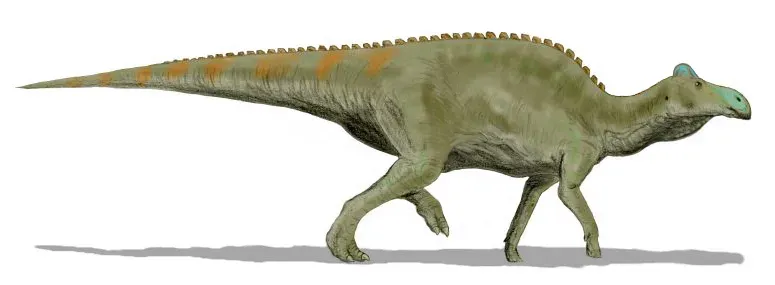
Hadrosaurs, often nicknamed duck‑billed dinosaurs, are one of the underappreciated candidates for dinosaur intelligence. Brain endocasts show that some hadrosaur species had fairly well‑developed brains for large herbivores, with regions associated with sight and hearing that look reasonably advanced. Add to that the complex crests in some species, which may have been used to produce sounds, and you have the ingredients for more nuanced communication. Sound‑based signaling, especially in large herds, tends to go hand in hand with more intricate behavior.
Fossil evidence suggests hadrosaurs lived in large groups and cared for their young, at least to some extent. Nesting sites, growth series, and trackways all point toward a life where coordination, learning, and social awareness mattered. In a modern context, large social herbivores like elephants and some hoofed mammals can be surprisingly intelligent, even if they are not predators. Hadrosaurs might have filled a similar role in their ecosystems: not the flashiest thinkers, but quietly competent, adaptable, and capable of subtle, socially informed decisions.
Conclusion: Rethinking “Dumb Dinosaurs” in Light of Modern Science
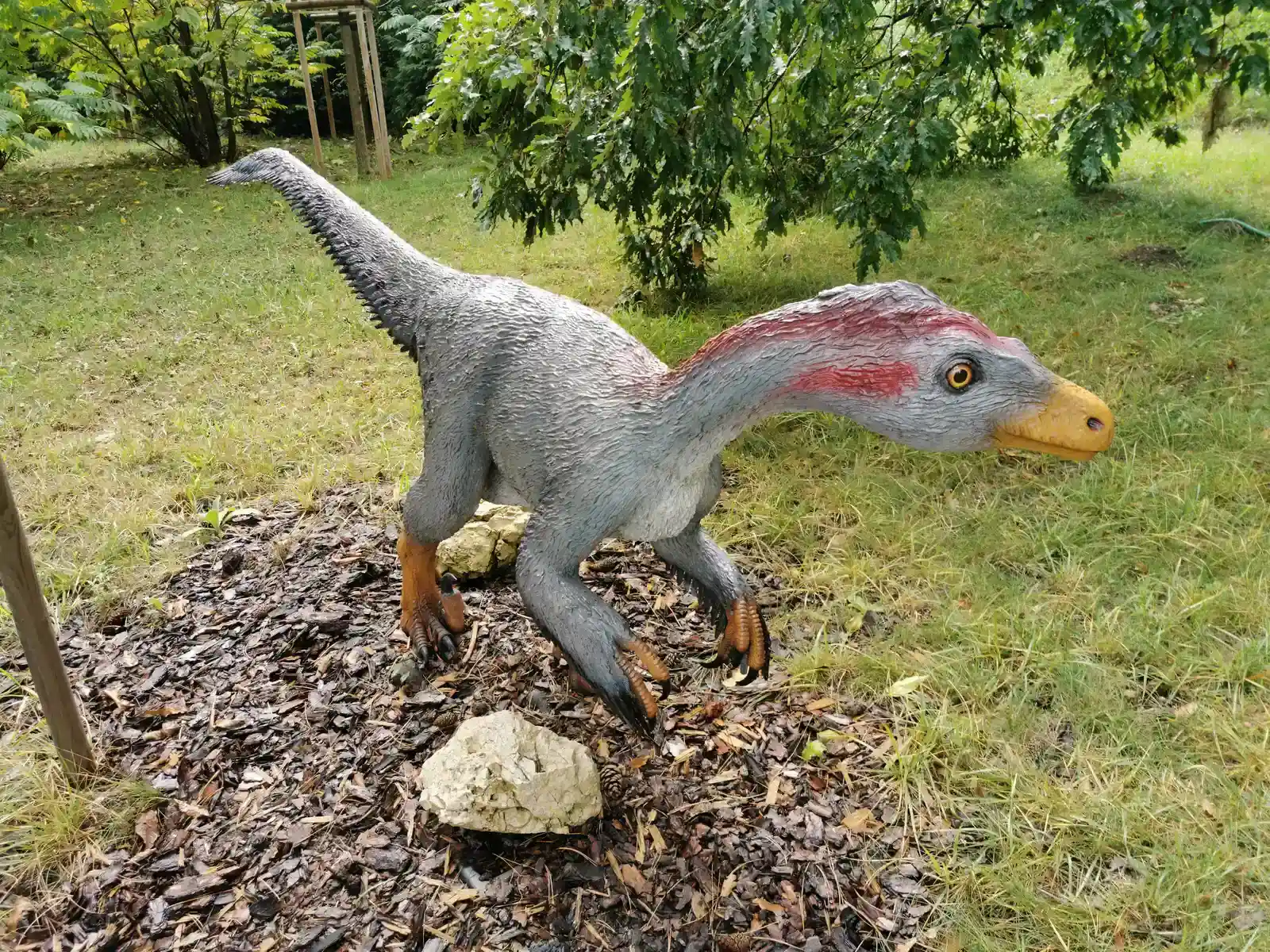
Looking across this ranking, a pattern emerges that I find genuinely exciting: as you move toward smaller, more bird‑like bodies and richer social or sensory lives, dinosaur brains become more complex and capable. The old stereotype of dinosaurs as dim‑witted brutes simply does not hold up against the fossil and braincase evidence we have now. Instead, we see a spectrum of intelligence, from straightforward grazers to agile hunters and social, bird‑like omnivores that likely navigated surprisingly intricate worlds. In that sense, the line between dinosaur and bird feels less like a sharp boundary and more like a gradual rise in mental sophistication.
My own opinion is that we are probably still underestimating many of these animals, especially the smaller predators and early birds whose intelligence would have been expressed in fleeting, everyday decisions we will never directly witness. At the same time, it is important not to turn them into fantasy creatures with human minds; they were smart on their own terms, shaped by their own challenges. As new fossils and imaging techniques appear, this ranking could shift, but the broader story is likely to stay the same: some dinosaurs were anything but stupid. When you picture Troodon watching from the shadows or an early bird weaving through ancient trees, does it change how you imagine the age of dinosaurs at all?