Dinosaur movies tap into something primal in us: awe, fear, and that weird nostalgia for a time none of us actually lived through. The best ones do more than just throw some giant reptiles on the screen; they blend science, suspense, character, and sheer spectacle in a way that makes you wonder, just for a second, what it would feel like to hear those footsteps thundering toward you. When they get it right, you walk out of the movie feeling like you’ve actually visited another era, not just watched pixels roar.
What’s fascinating is how wildly different great dinosaur films can be. Some lean into hard science, others go full adventure, and a few even sneak in philosophy and heartbreak under the cover of rampaging theropods. This list focuses on eight standouts that shaped how we imagine dinosaurs, pushed visual effects forward, and still hold up today. You may not agree with every pick, but that’s half the fun – because arguing about dinosaurs is basically a human tradition at this point.
1. Jurassic Park (1993)
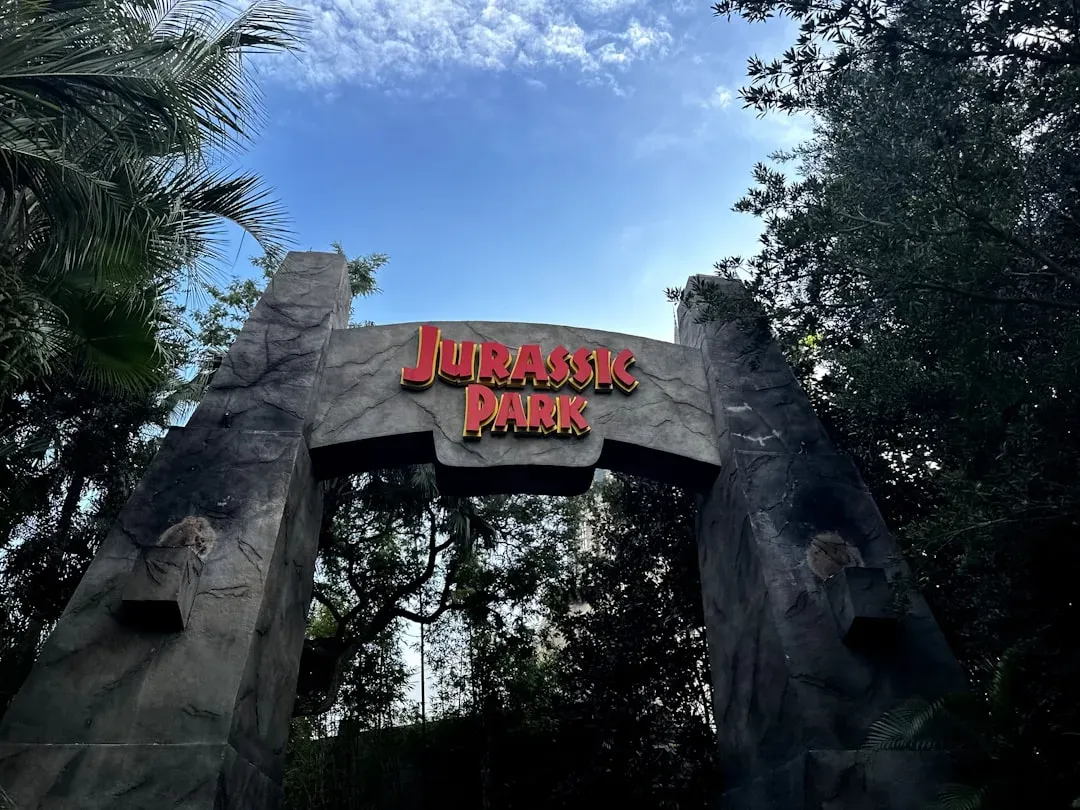
It’s impossible to talk about dinosaur movies without starting here. Jurassic Park didn’t just raise the bar; it catapulted it into orbit. Combining cutting-edge CGI with animatronics, it made dinosaurs feel physically present in a way audiences had never seen. The film takes a simple premise – humans resurrecting dinosaurs for a theme park – and plays it out like a tightly wound survival thriller, with moments of quiet wonder giving way to genuinely terrifying set pieces.
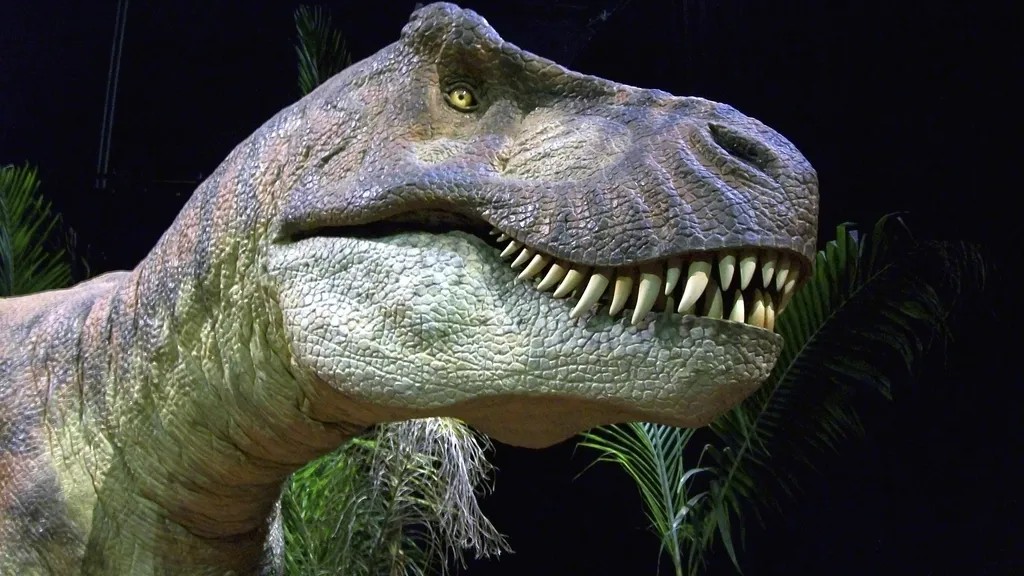
What really makes it timeless, though, is how it frames dinosaurs as real animals, not just movie monsters. You get a taste of scientific debate, ethical questions around genetic engineering, and that haunting sense that humans have underestimated forces way beyond their control. The velociraptors are exaggerated compared to what paleontologists know now, but their intelligence and pack behavior tap into current theories about some theropods being much smarter than we once believed. Even decades later, the T. rex reveal still lands like a punch in the chest.
2. The Lost World: Jurassic Park (1997)
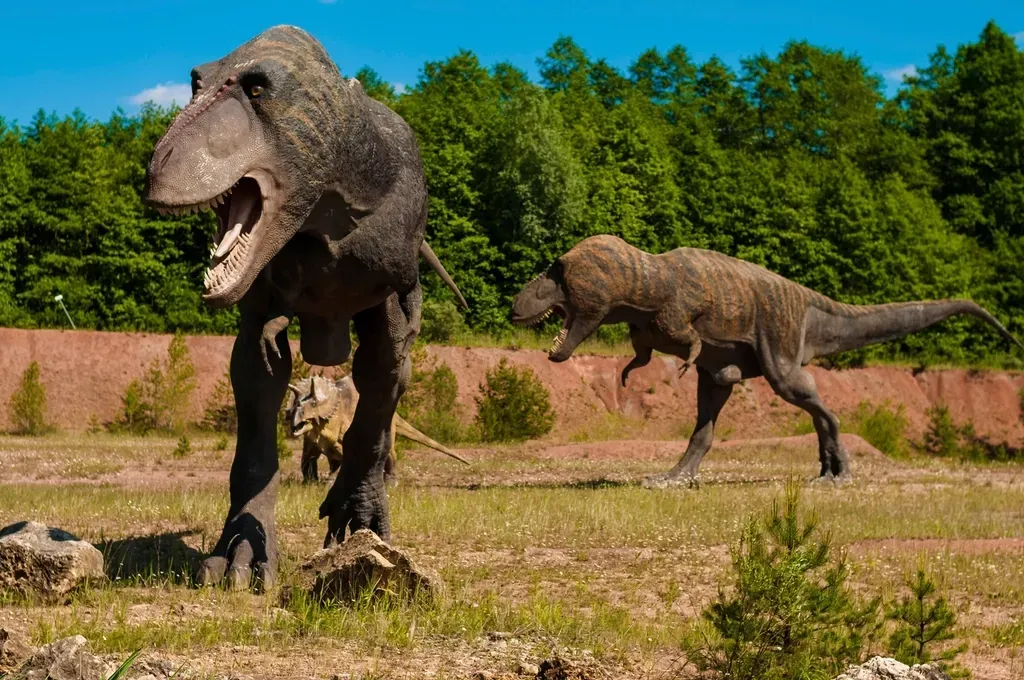
The Lost World is more chaotic, more crowded, and more over-the-top than its predecessor – and that’s exactly why it deserves a spot here. Instead of a controlled park, we get a dinosaur-inhabited island where nature has taken over, which feels closer to a true lost-world fantasy. The movie dives deeper into herd behavior, introducing packs of smaller predators and massive herbivores moving like living bulldozers through the jungle. It’s less precise than the first film, but more wild in a way that fits the theme.
From a science and storytelling angle, it plays with the idea of humans trying to exploit nature even after being burned once. The scenes with hunters corralling dinosaurs feel uncomfortably believable, mirroring real-world stories of wildlife exploited for profit. The iconic T. rex rampage in the city might not be realistic, but it taps into a shared nightmare: prehistoric power crashing into modern life. It’s messy, sure, but it’s also thrilling, and it keeps the core idea alive – dinosaurs are not attractions; they’re forces of nature we can’t fully control.
3. Jurassic World (2015)
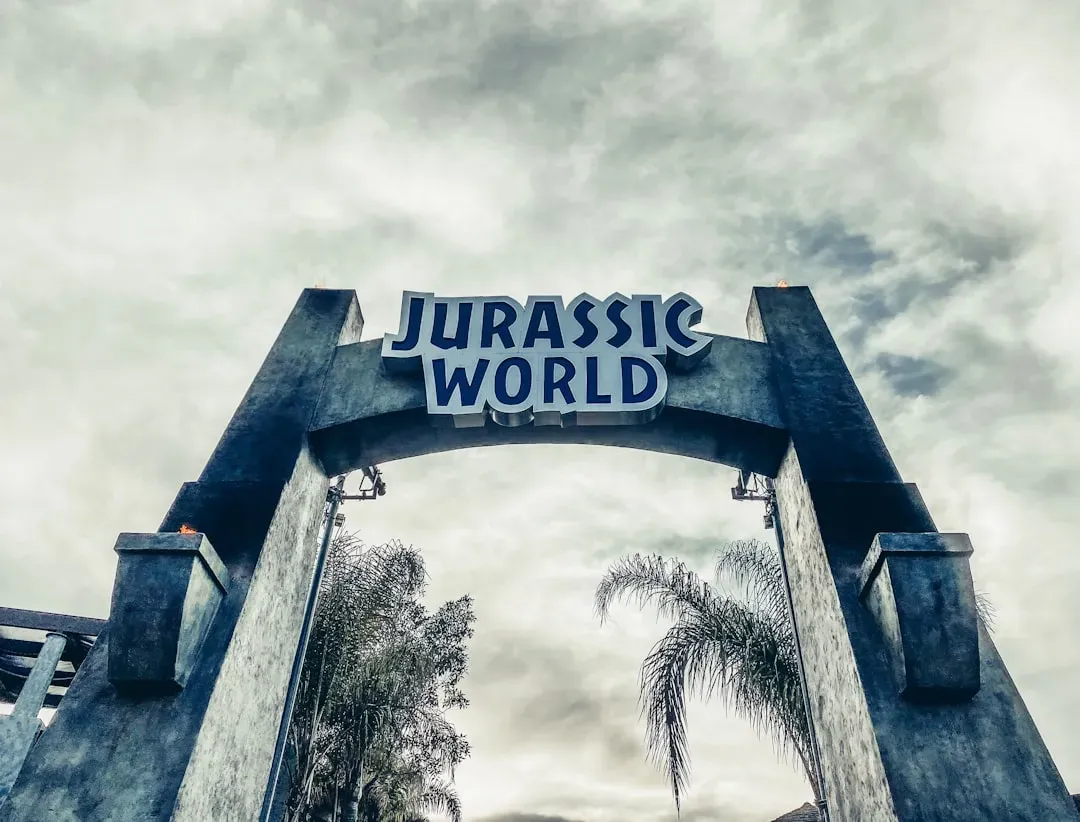
Jurassic World takes the original park concept and asks a brutally honest question: if we actually pulled this off, would people eventually get bored? The answer in the film is depressing and totally believable – yes, they would. That’s where the genetically engineered Indominus rex comes in, a mashup predator designed to be scarier, more extreme, and more marketable. It’s a smart, slightly cynical commentary on how entertainment industries (and, honestly, audiences) constantly crave something bigger and more shocking.
On the dino front, the movie gives us updated visual effects that showcase behavior on a grander scale: pterosaur attacks over crowds, marine reptiles launching from massive enclosures, and raptor-human team-ups that feel like a strange mix of science fiction and animal training reality shows. Is it scientifically strict? Not at all. But it taps into real discussions about genetic modification, animal welfare, and how far humans are willing to push nature for profit and thrill. It’s bombastic, but it understands that dinosaurs in the modern world would be as much about branding and business as bones and biology.
4. The Land Before Time (1988)
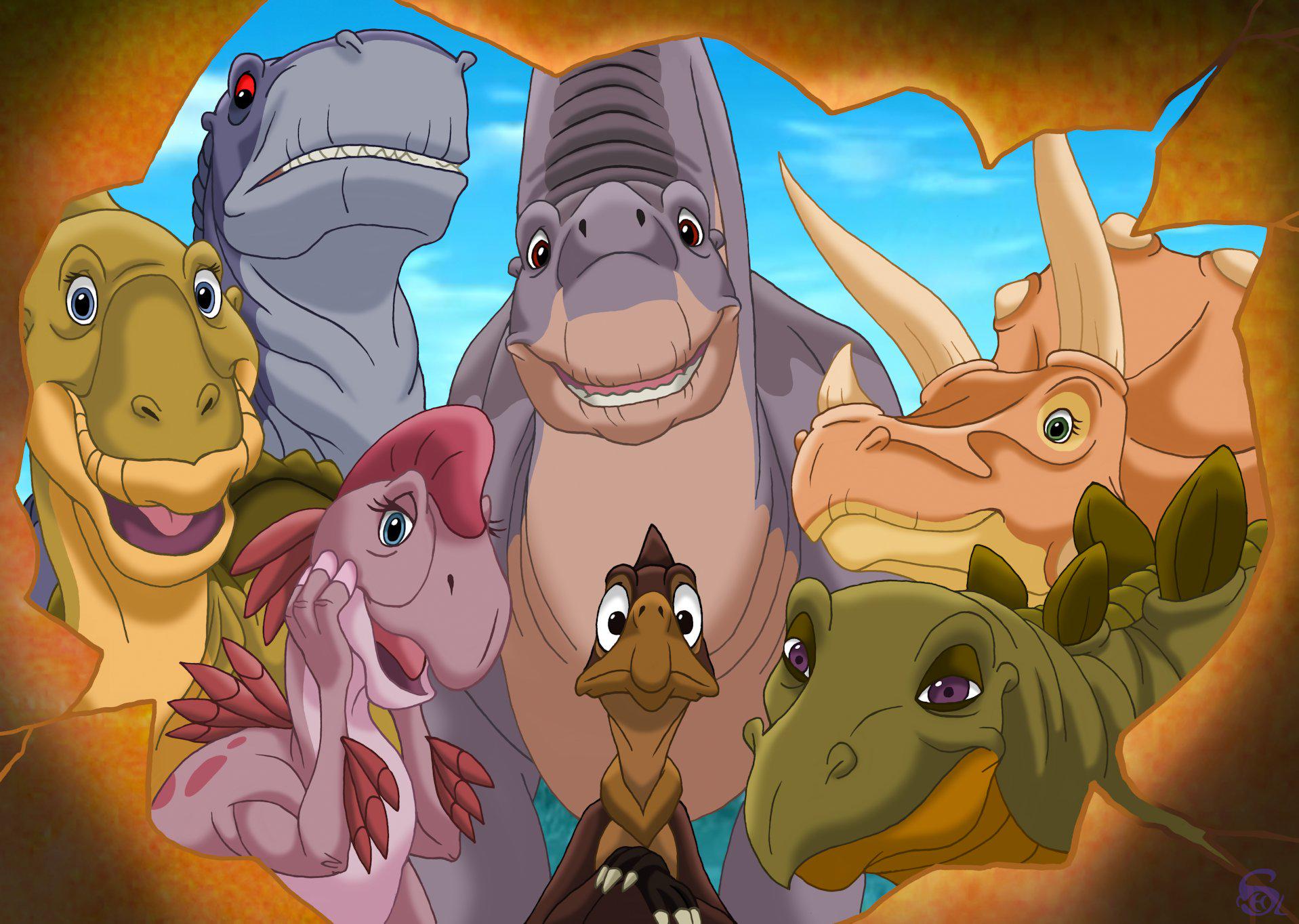
This one hits a completely different emotional register. The Land Before Time is technically a kids’ animated movie, but calling it that undersells how heavy and moving it really is. Instead of focusing on humans meeting dinosaurs, it follows the dinosaurs themselves, turning them into deeply sympathetic characters. Through Littlefoot, Cera, and the others, you feel the constant anxiety of living in a dangerous, changing world where food is scarce and predators are everywhere.
What stands out is how it sneaks in real prehistoric themes under the emotional story. The Great Valley migration echoes actual paleontological ideas about changing climates and continental shifts driving huge movements of animals. Herbivores navigating a landscape shaped by volcanic activity and drought is not just dramatic – it’s plausible. As a kid, I remember being more devastated by one particular loss in this movie than by most live-action films. It’s proof that dinosaur stories don’t have to be all roars and chases; they can break your heart and still feel grounded.
5. King Kong (2005)
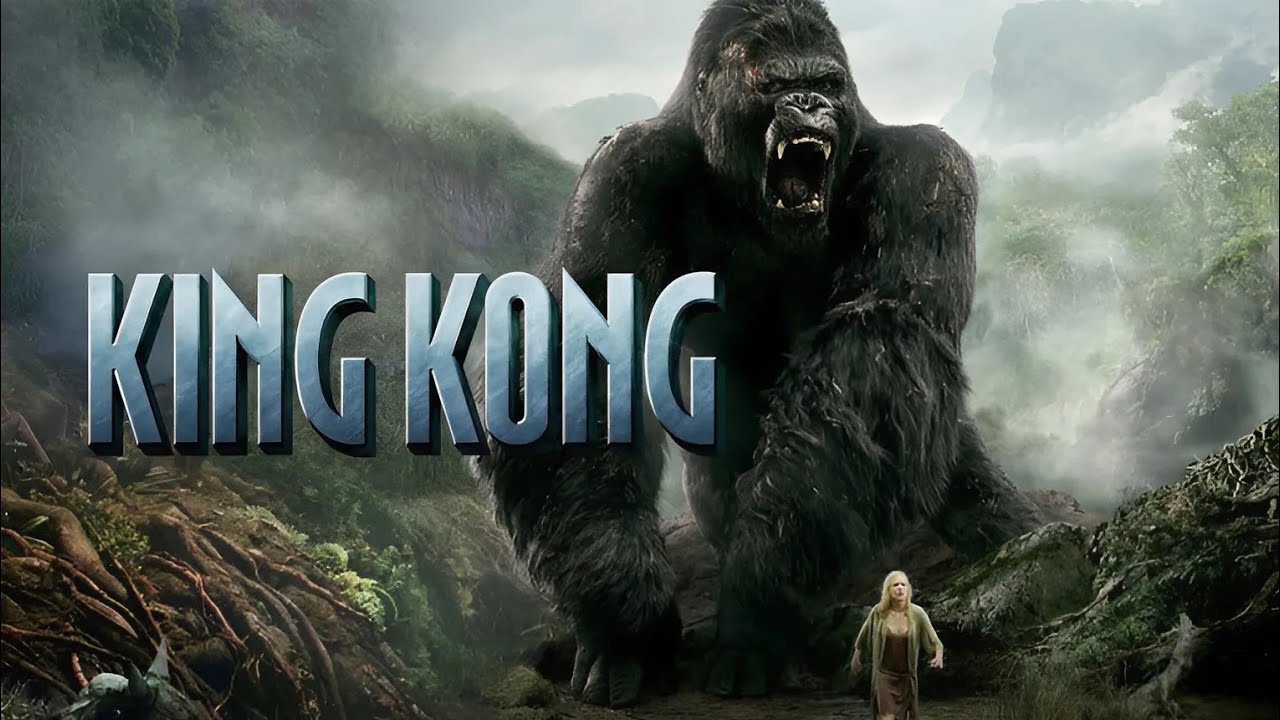
Peter Jackson’s King Kong is technically a giant-ape movie, but its Skull Island dinosaur sequence earns it a spot on this list. The film leans into a pulp-style ecosystem where prehistoric creatures never went extinct, evolving in brutal isolation. The stampede of massive herbivores and the raptor-like predators that attack them might not be textbook accurate, but they create a visceral sense of an ecosystem locked in permanent struggle. You feel the weight, speed, and sheer chaos of large animals colliding in tight spaces.
What I love about this portrayal is that the dinosaurs are not the main event; they’re simply part of the planet’s indifferent cruelty. To the characters, encountering them is just one more reminder that they’re absurdly out of their depth. The designs blend familiar dinosaur anatomy with exaggerated, almost nightmarish twists, which oddly mirrors how early scientific dinosaur reconstructions often reflected more imagination than data. It’s less about clean science and more about tapping into that childhood fear that the jungle might still hide something with too many teeth.
6. Walking with Dinosaurs (1999)
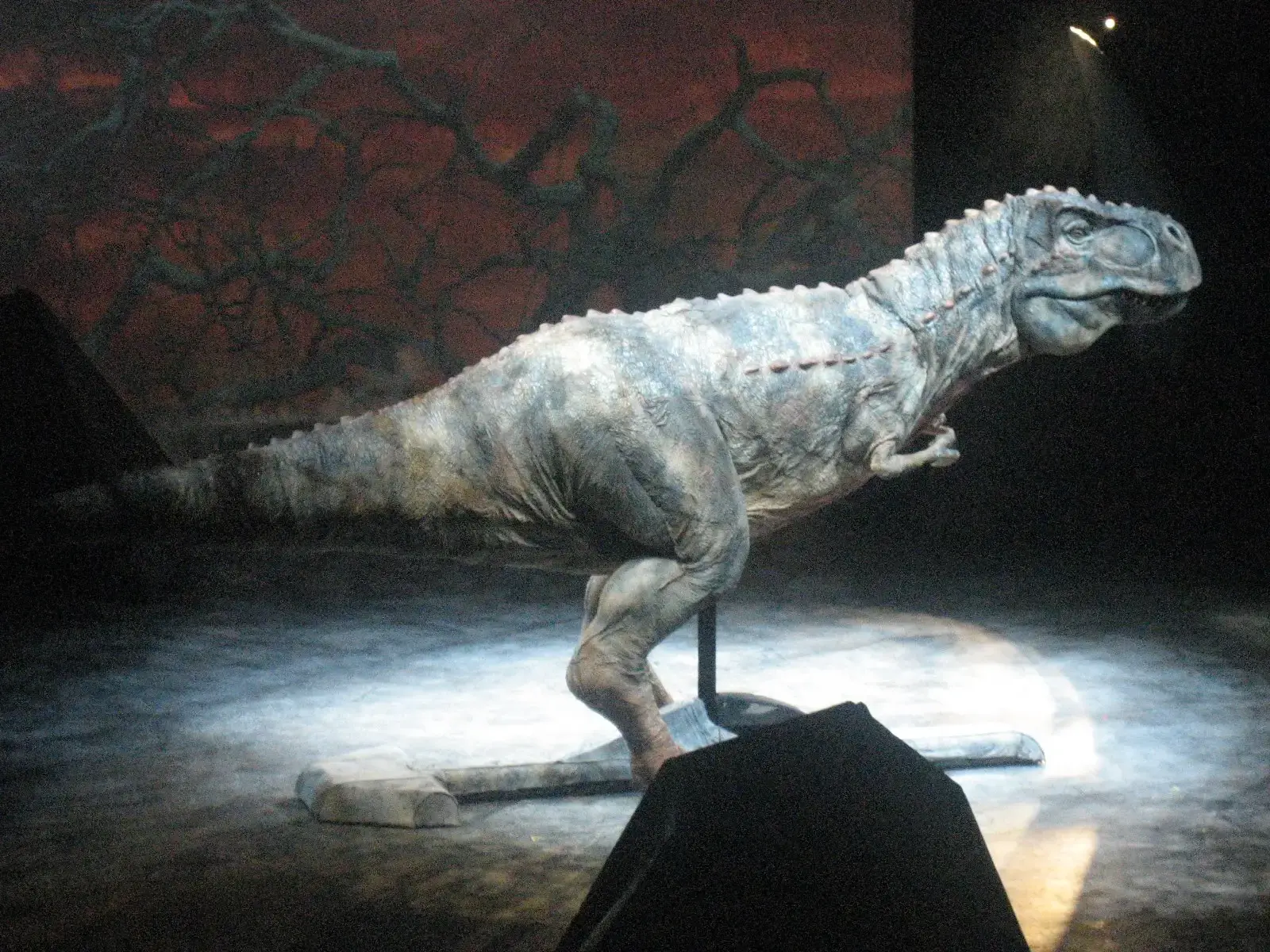
While technically a TV miniseries that’s often packaged like a film, Walking with Dinosaurs earns its place because it changed how visual media presents prehistoric life. It approached dinosaurs the way nature documentaries treat living animals: as complex creatures going through everyday struggles of hunting, parenting, and surviving. Using then-groundbreaking CGI blended with real landscapes, it aimed to reconstruct specific species and behaviors based on the best available science at the time, not just what looked coolest on a poster.
The result feels surprisingly intimate. You watch hatchlings stumble through their first steps, apex predators fail hunts, and herds migrate in response to subtle seasonal changes. Sure, some details have aged as new discoveries came in – feathers, colors, and behaviors have been updated by later research – but the core idea holds strong. Dinosaurs are not monsters; they’re animals that lived real lives in functioning ecosystems. For a lot of people, this series was the first time dinosaurs felt less like fantasy creatures and more like something that could have been filmed with a very unlucky camera crew.
7. Disney’s Dinosaur (2000)
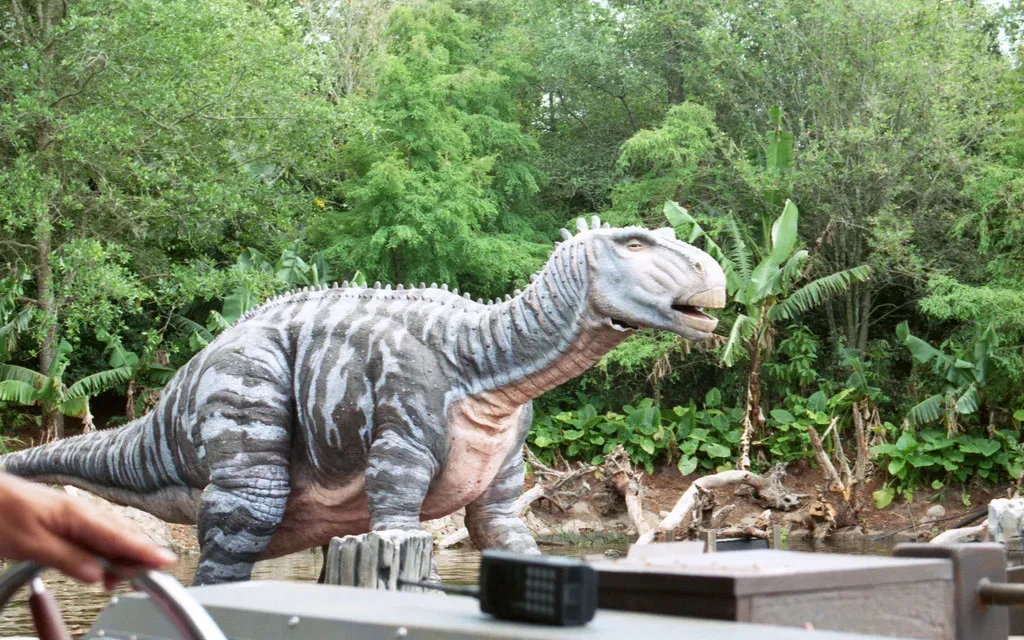
Disney’s Dinosaur is a strange, underrated mix of hyper-real environments and expressive, talking dinosaur characters. Visually, it tries to ground itself in something resembling real prehistoric terrain, using live-action backdrops with computer-generated dinosaurs layered in. The story follows an orphaned iguanodon raised by lemurs, which is obviously not scientifically strict, but it uses that setup to explore themes of migration, hierarchy, and survival under brutal conditions.
What makes it interesting in a dinosaur-movie context is how it tries to show long, exhausting journeys and the relentless pressure of limited resources. The herd politics, while dramatized, echo real behaviors we see in modern herd animals today: dominance challenges, sacrificial decisions, and the tension between the old and the strong. The carnivores are a bit one-note as villains, but the film still hints at a harsh, unforgiving world where even the biggest dinosaurs are one drought away from disaster. It might not top every fan’s list, but it deserves more respect than it usually gets.
8. Jurassic Park III (2001)
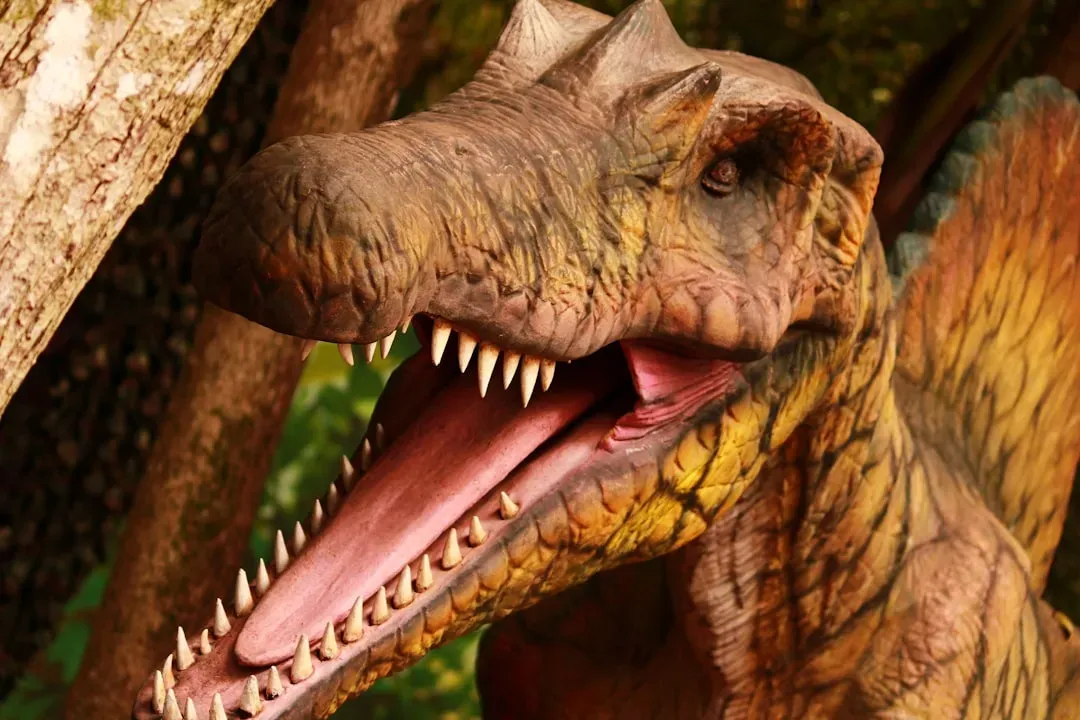
Jurassic Park III is often the most divisive of the original trilogy, but if you love dinosaur behavior, it has some underrated gems. The movie introduces the Spinosaurus as a new apex predator, controversially overshadowing the beloved T. rex. Paleontologists today see Spinosaurus as much more aquatic than depicted here, but its design and presence still capture that unsettling feeling of meeting something familiar yet fundamentally alien. The aviary sequence with the pterosaurs, too, leans into this eerie elegance, making the skies feel as dangerous as the jungle floor.
Story-wise, it is lean and straightforward – basically one long rescue mission – but that stripped-down plot leaves more room for set pieces that highlight different species. You get glimpses of herd dynamics, territoriality, and parental behavior that hint at a world continuing on whether humans are watching or not. I’ll admit, it is not the most polished film on this list, but it understands one crucial truth: the more you treat dinosaurs as animals with their own agendas, the more intense every encounter becomes. Imperfect as it is, it still delivers that addictive mix of wonder and dread that keeps us coming back to this genre.
Conclusion: Why These Dinosaurs Still Roar
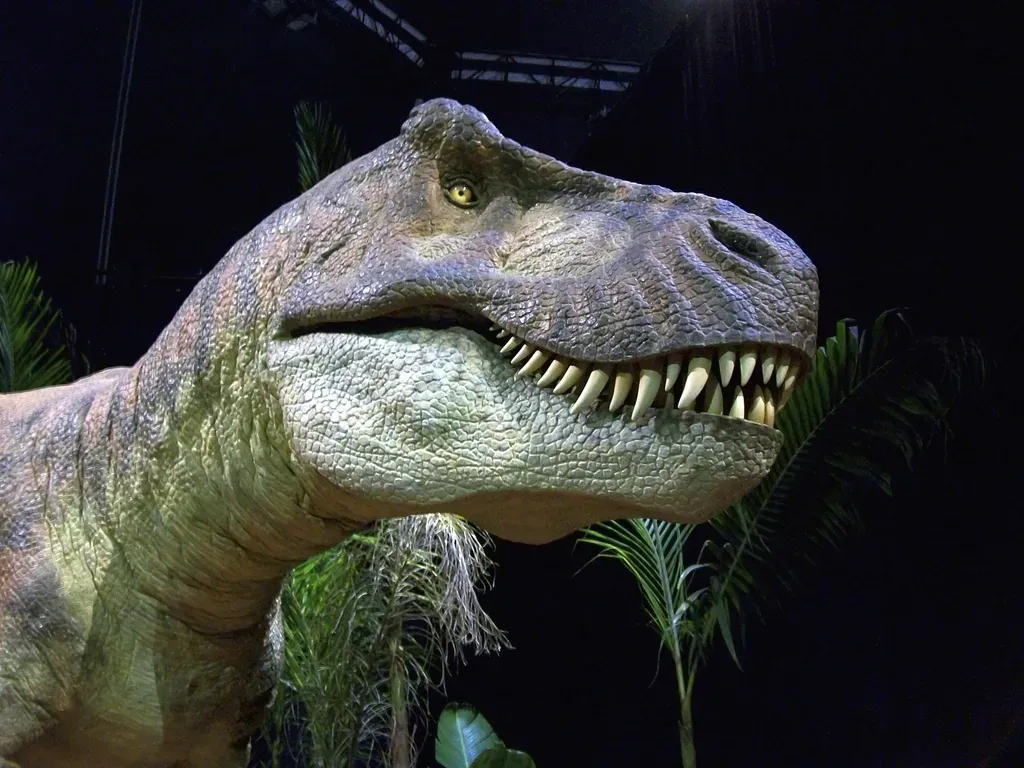
Looking across these eight movies, a pattern jumps out: the best dinosaur films do not just show you big teeth; they make you feel the weight of a world that does not care if humans survive it. Whether it is the corporate hubris of Jurassic World, the raw emotion of The Land Before Time, or the documentary-style grit of Walking with Dinosaurs, each of these titles treats dinosaurs as more than background props. They are the engine for deeper questions about power, survival, and what happens when we poke at forces we barely understand. For my money, Jurassic Park still sits firmly at the top, not just because of nostalgia, but because it blends science, suspense, and soul better than anything that has followed.
At the same time, I think we’re overdue for a new wave of dinosaur movies that lean harder into what modern paleontology is uncovering: feathers, complex social structures, and creatures that are stranger and more beautiful than the old lizard stereotypes. Imagine a big-budget film that embraces that fully and still hits with the emotional force of these classics – that’s the movie I’m waiting for. Until then, these eight stand as the core fossil record of dinosaur cinema: not perfect, sometimes a little speculative, but absolutely unforgettable. If you had to pick just one to rewatch tonight, would you go with pure wonder, raw terror, or something that manages to break your heart with a long-extinct animal?