
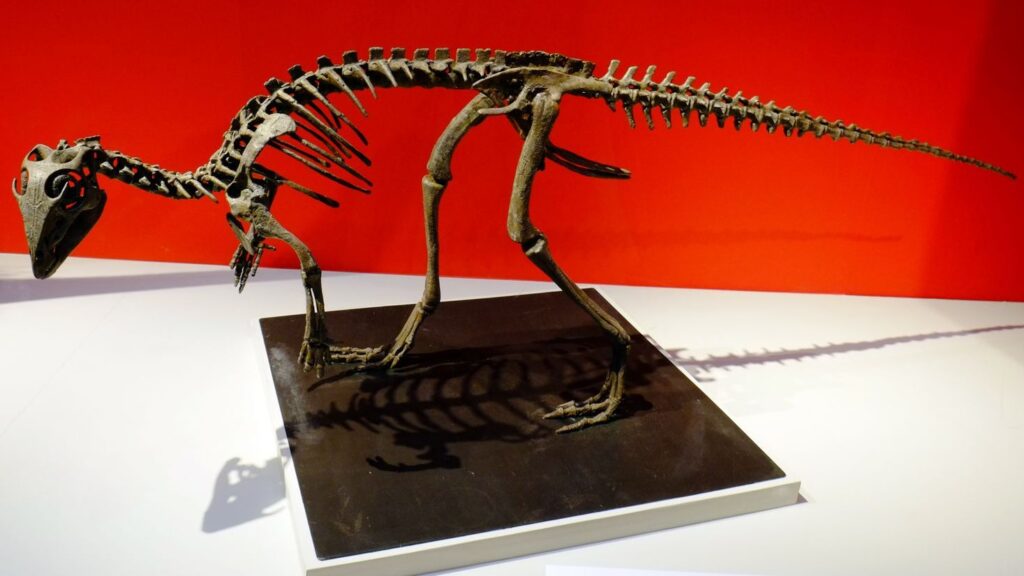
If you think science is always calm, careful and orderly, you have not watched paleontologists react to a truly weird dinosaur fossil. A single bone, a skull, or even a little patch of fossilized skin can wreck decades of confident storytelling about how dinosaurs lived, moved, and evolved. More than once, one fossil has forced scientists to rip up their charts, redraw family trees, and admit that the prehistoric world was far stranger than they thought.
Over the past few decades especially, a series of headline-making finds has triggered exactly that kind of chaos. Some of those fossils turned beloved dinosaur “facts” into dusty museum pieces overnight. Others locked scientists into years of arguments over what they were even looking at. Let’s walk through nine of those moments when one fossil, dug out of rock by some patient team in brutal heat or freezing cold, sent a shockwave through dinosaur science.
1. Archaeopteryx and the Birth of the Bird-Dinosaur Revolution
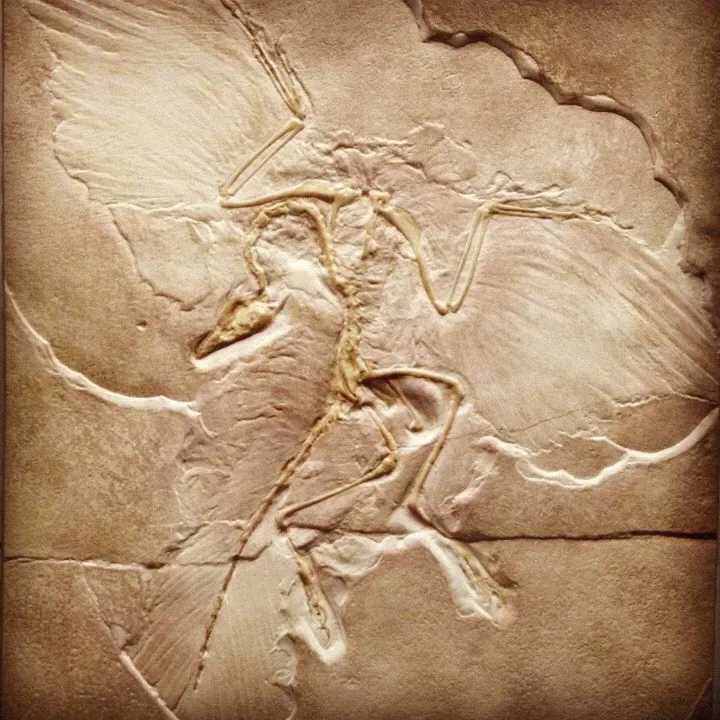
Hidden inside limestone slabs from nineteenth‑century Germany, Archaeopteryx looked like something out of a fever dream: teeth like a tiny dinosaur, clawed fingers on its wings, and feathers that would not look totally out of place on a modern bird. When the first skeleton came to light in the 1860s, it collided head‑on with new ideas about evolution and forced scientists to confront a deeply uncomfortable possibility: birds might literally be living dinosaurs. At a time when many researchers still pictured dinosaurs as sluggish, reptilian brutes, this fossil suggested a much more dynamic family history.
For more than a century, Archaeopteryx sat in a strange limbo, treated by some as a weird evolutionary one‑off rather than a genuine bridge between dinosaurs and birds. But as more specimens were described, and as new feathered dinosaurs began pouring out of China in the late twentieth century, this single fossil suddenly became a kind of Rosetta Stone. It pushed the scientific community to accept that feathers, flight, and high metabolism did not magically appear out of nowhere, but evolved step by step from theropod dinosaurs. In my opinion, nothing has shaken public imagination about dinosaurs more than the realization, sparked by fossils like Archaeopteryx, that the pigeons annoying you at lunch are basically tiny, highly modified raptors.
2. Deinonychus and the Death of the Slow, Swamp-Dwelling Dinosaur
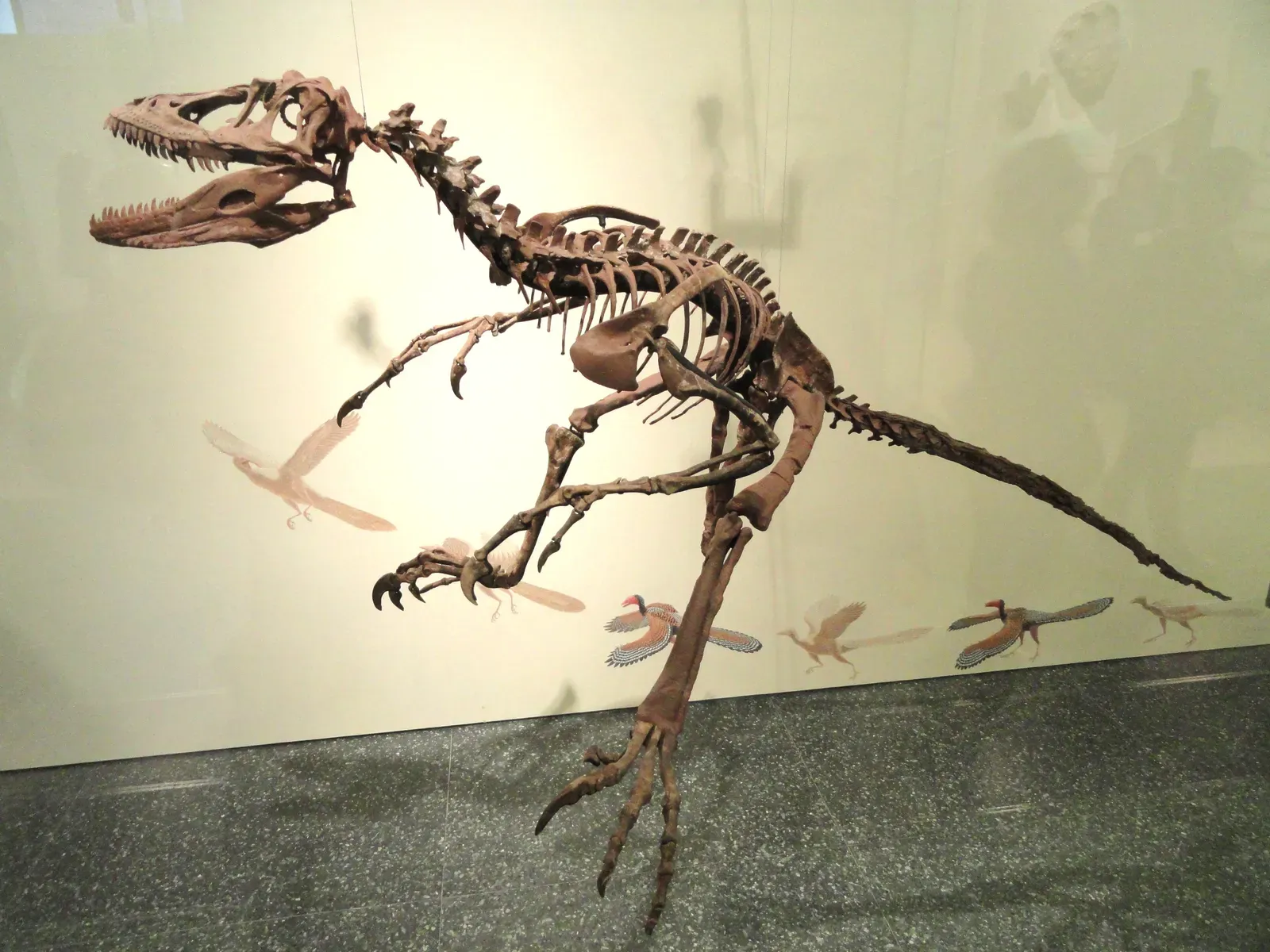
When paleontologist John Ostrom’s team uncovered Deinonychus fossils in the 1960s in Montana, they found a predator that made the classic “tail‑dragging, swamp monster” dinosaur image look instantly ridiculous. Here was a relatively small theropod with a huge sickle‑claw on each foot, long stiff tail, and a build that screamed speed and agility, not laziness. Its bones looked more like those of a highly active animal, with strong limb muscles and an overall design that fit a fast, dynamic hunter.
This one fossil lit the fuse on what later became known as the “dinosaur renaissance,” a major shift in how scientists imagined dinosaur biology. Arguments erupted over whether dinosaurs were warm‑blooded, how fast they could move, and whether they might have behaved more like birds and mammals than modern reptiles. The idea that dinosaurs were active, social, and maybe even intelligent enough for pack hunting started gaining traction because fossils like Deinonychus made the old picture impossible to defend. Honestly, without this single animal shaking things up, our modern, energetic image of dinosaurs might have arrived decades later.
3. Sinosauropteryx and the First Feathery Shock From China
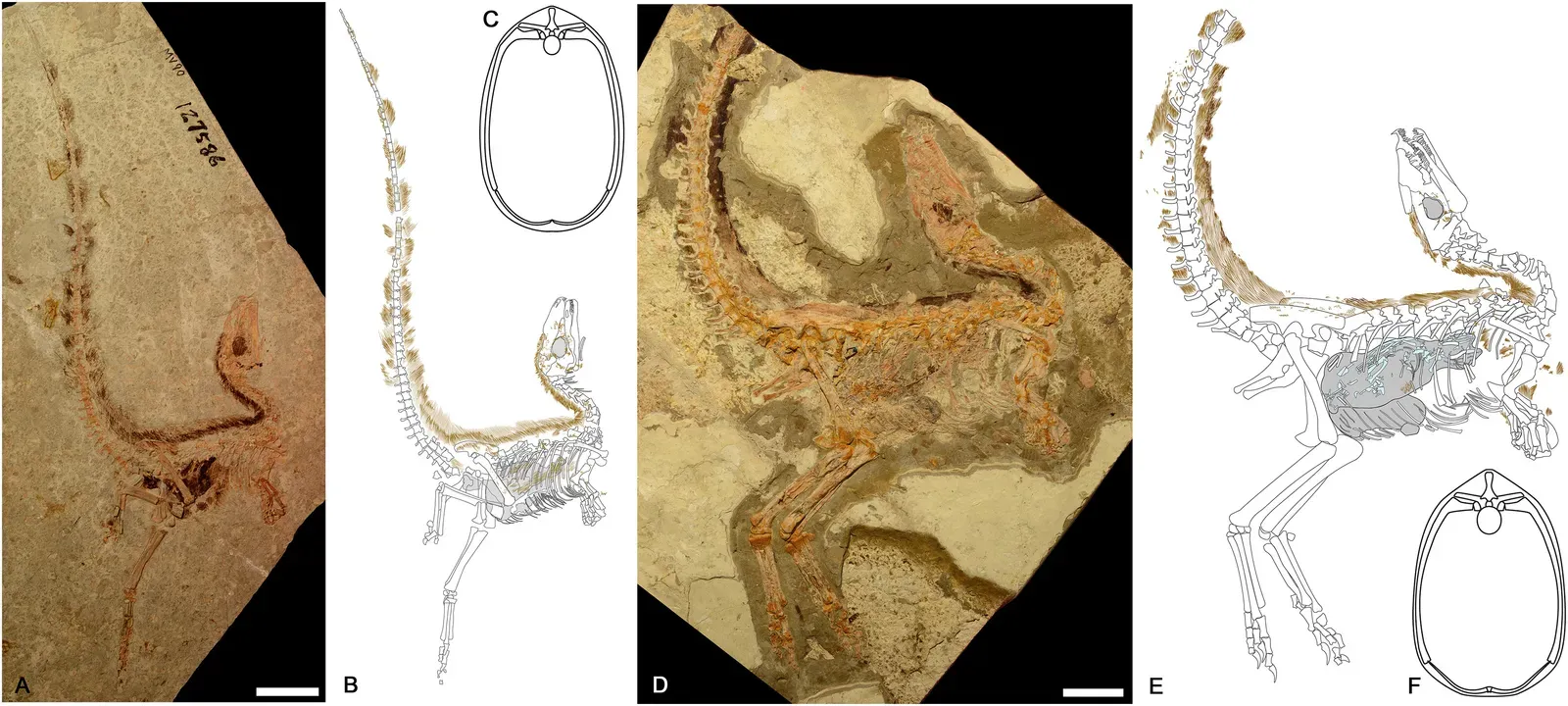
In the mid‑1990s, the discovery of Sinosauropteryx in the famous fossil beds of Liaoning, China, punched a hole straight through the comfortable belief that feathers were rare or unique to early birds. This small theropod was clearly not a bird, but it had a halo of filamentous structures along its body that looked suspiciously like primitive feathers. At first, some scientists pushed back hard, claiming the filaments might just be decayed skin or collagen fibers. The stakes were high: if those filaments really were feathers, feathers must have evolved long before true birds took off.
As more specimens were studied and more feathered dinosaurs followed, it became increasingly difficult to sustain the old view. Sinosauropteryx forced researchers to re‑imagine feathers not as a quirky invention of flight, but as multi‑purpose structures that may have initially evolved for insulation, display, or both. Even more chaotic was the realization that this little dinosaur preserved color patterns, including banded tail stripes, hinting that scientists could someday reconstruct dinosaur coloration. The idea that we might know not just the shape but the color scheme of a non‑avian dinosaur would have sounded like science fiction before fossils like Sinosauropteryx arrived.
4. Spinosaurus and the Battle Over a Semi-Aquatic Super Predator
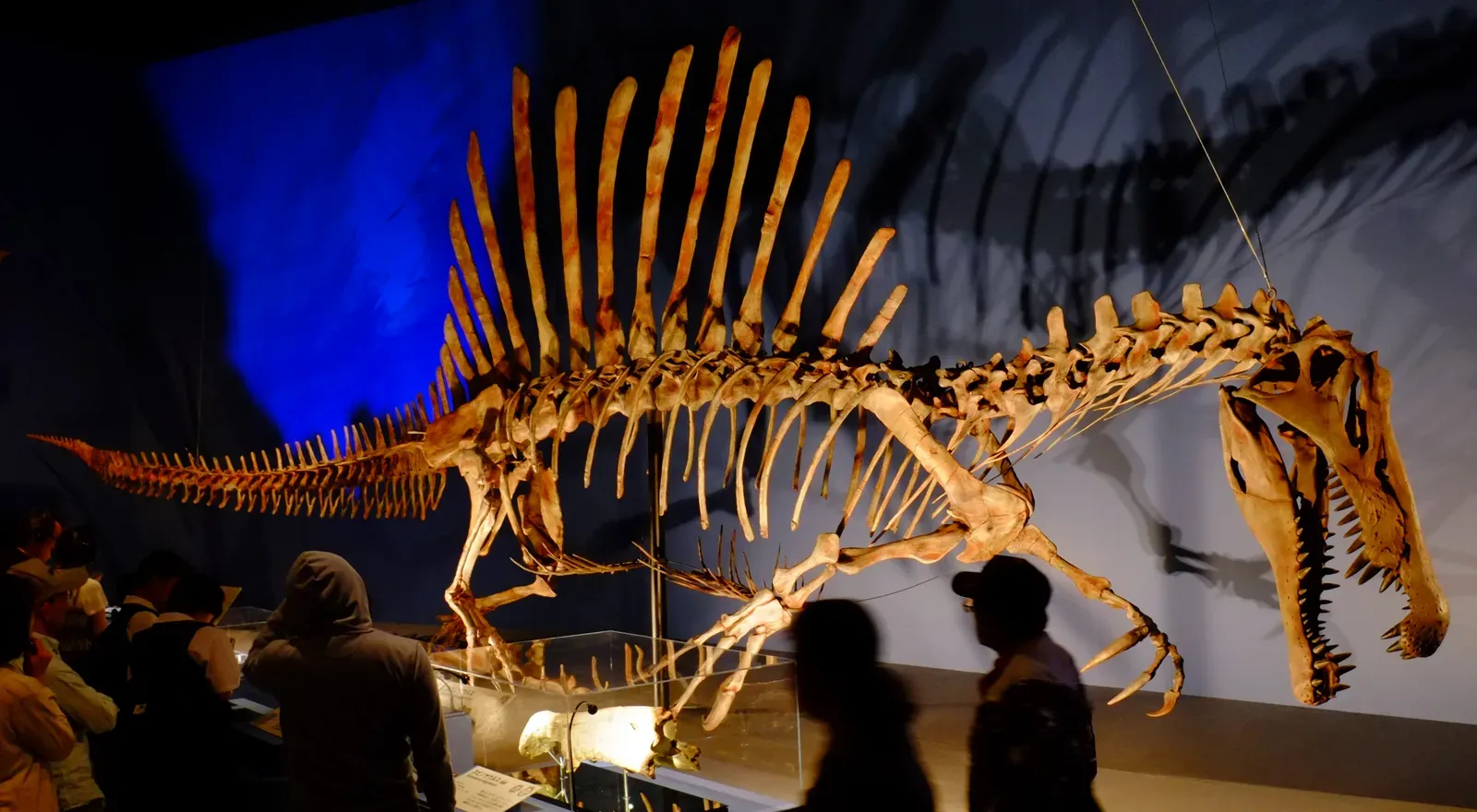
Spinosaurus was already mysterious because key original fossils from North Africa were destroyed during World War II. When new remains were described in the early twenty‑first century, they painted a totally different picture from the familiar T. rex‑style predator many people had imagined. The new fossils showed a long, crocodile‑like snout, retracted nostrils, dense limb bones, and a bizarre, paddle‑like tail in later finds. Put together, they suggested a giant hunter that spent a lot of time in the water, stalking fish like a monstrous heron‑crocodile mashup.
This interpretation set off a firestorm. Some paleontologists embraced the idea of a semi‑aquatic Spinosaurus as revolutionary, while others questioned the reconstructions and argued the animal was still mostly terrestrial. Debates erupted over how it walked, how buoyant it was, and whether its short hind limbs really made sense for a land predator. One set of fossils essentially launched a multi‑year argument about what is even anatomically possible for a giant theropod. To me, this ongoing chaos around Spinosaurus is healthy: it shows that even with spectacular fossils, paleontology is never just about “finding the right answer” once and for all, but about wrestling with incomplete evidence and uncomfortable possibilities.
5. Kulindadromeus and the Shocking Spread of Dinosaur “Feathers”
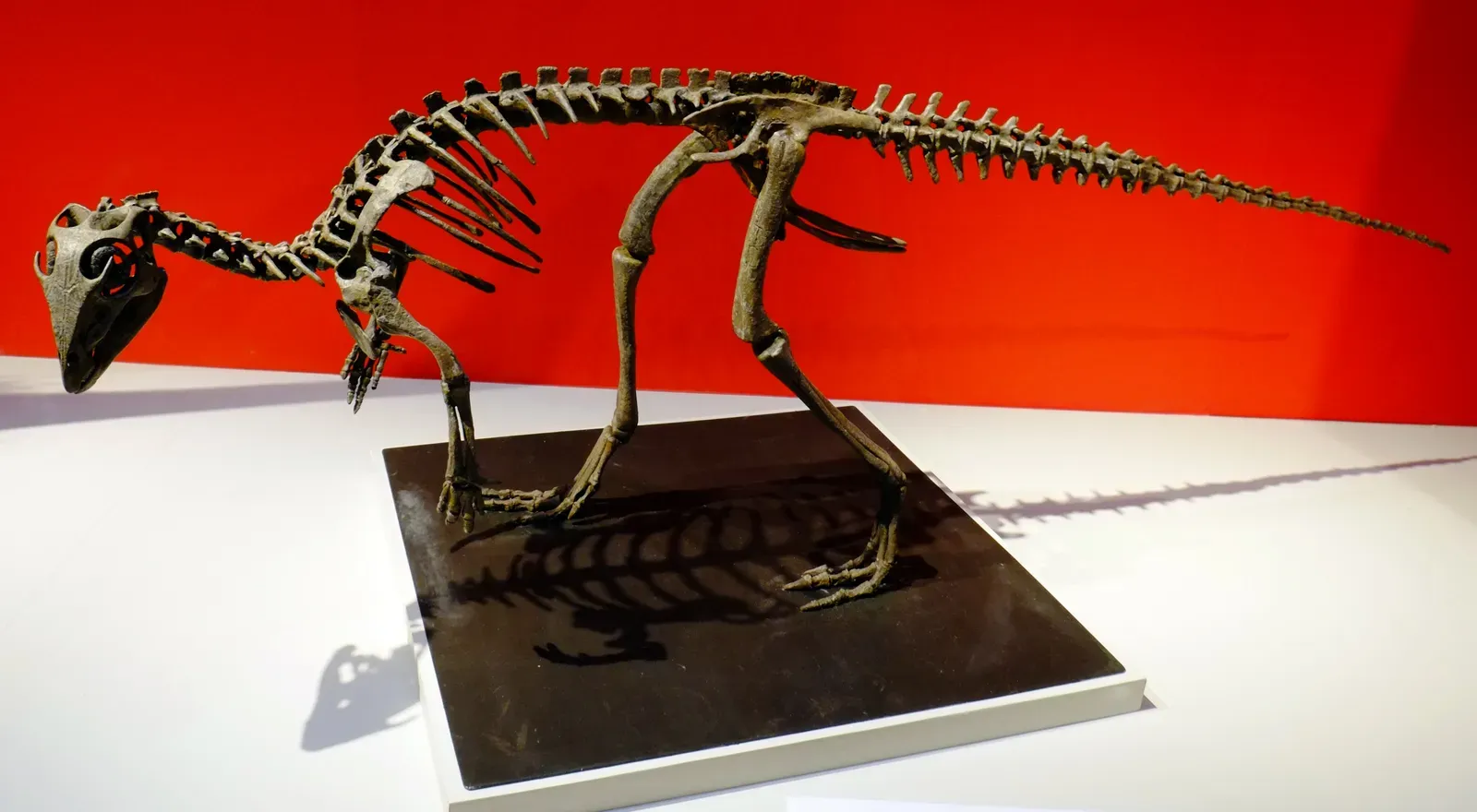
For a long time, feathers were seen mostly as a theropod thing, tightly chained to the bird side of the dinosaur family. Then a small, plant‑eating dinosaur from Siberia called Kulindadromeus crashed the party. This fossil showed not just scales, but also complex filamentous structures and feather‑like coverings on a dinosaur that was nowhere near birds on the family tree. Suddenly, scientists had to consider a radical idea: maybe the earliest dinosaurs already had some kind of fuzzy or filamentous skin covering, and both scales and more complex feathers evolved from that starting point in different lineages.
This single fossil forced a huge mental reset. If a relatively primitive ornithischian dinosaur sported feather‑like structures, then feathers were not a late luxury upgrade for predators but a deep, ancient trait. The debate quickly turned to just how widespread these coverings were and what they really looked like across different groups. It also triggered the deeply unsettling thought that many dinosaurs we still picture as scaly might actually have been at least partially fuzzy. In my view, Kulindadromeus quietly detonated the old visual canon of dinosaurs in a way that the public has not fully caught up with yet.
6. Hadrosaur Mummies and the Revolution in Dinosaur Soft Tissue
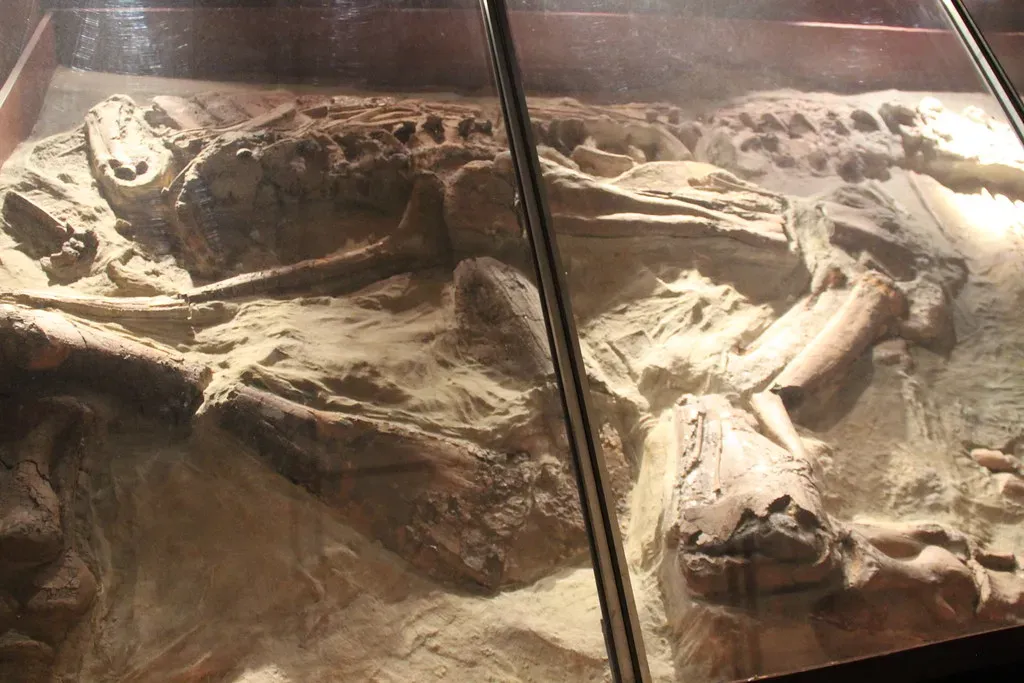
Every fossilized bone is useful, but every preserved patch of skin or soft tissue is a miracle. So when remarkably well‑preserved hadrosaur “mummies” were uncovered, showing detailed skin impressions, possible soft tissues, and even hints of preserved internal structures, paleontologists understandably went into overdrive. These fossils turned dinosaurs from skeletons with guesswork textures into animals with real, mapped‑out skin patterns and muscle outlines. Suddenly, artists were no longer just making educated guesses about how thick the muscles around a limb were; they had direct evidence.
These finds also opened the controversial door to chemical and microscopic studies of preserved soft tissues, including structures that some researchers interpret as blood vessels or proteins. Not everyone agrees on how much original material is really present versus geological alteration, and those arguments can get very heated. Still, a single hadrosaur mummy can upend comfortable assumptions about how much biological information can survive deep time. As someone who loves when science is forced to admit, “We underestimated nature again,” I find these fossils genuinely thrilling, because they make the ancient world feel a little less distant and a lot more tangible.
7. Sue the T. rex and the Legal, Ethical, and Scientific Earthquake
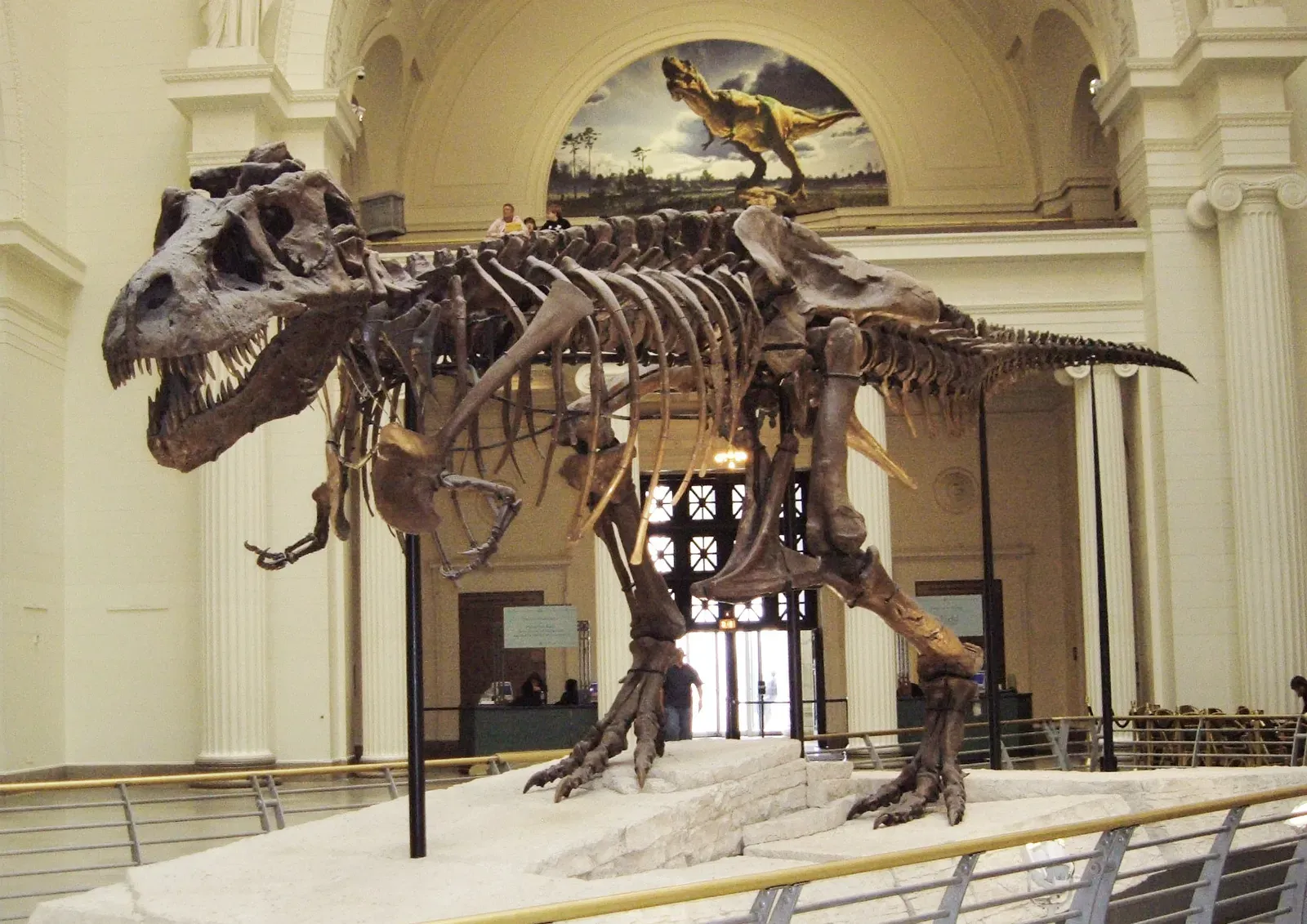
When the Tyrannosaurus rex specimen nicknamed Sue was unearthed in South Dakota in 1990, it was immediately clear this was something special: one of the most complete and massive T. rex skeletons ever found. Scientifically, it offered an unprecedented look at the anatomy, pathologies, and growth of the most famous dinosaur on Earth. Researchers could study injuries, bone texture, and subtle anatomical details that older, more fragmentary specimens simply did not preserve. That alone would have made Sue a landmark discovery.
But what really threw the community into chaos was everything around the fossil: the ownership disputes, legal battles, and eventual multi‑million‑dollar auction. Suddenly, scientists had to confront hard questions about who owns fossils, how they should be collected, and what happens when rare specimens become high‑priced commodities. Museums, private collectors, local landowners, and governments were all pulled into the conversation. In my opinion, Sue did not just reshape our understanding of T. rex biology; it also forced paleontology to grow up a little and face the messy intersection of science, money, and law.
8. Dinosaur Embryos and the Surprise of Nesting, Growth, and Care
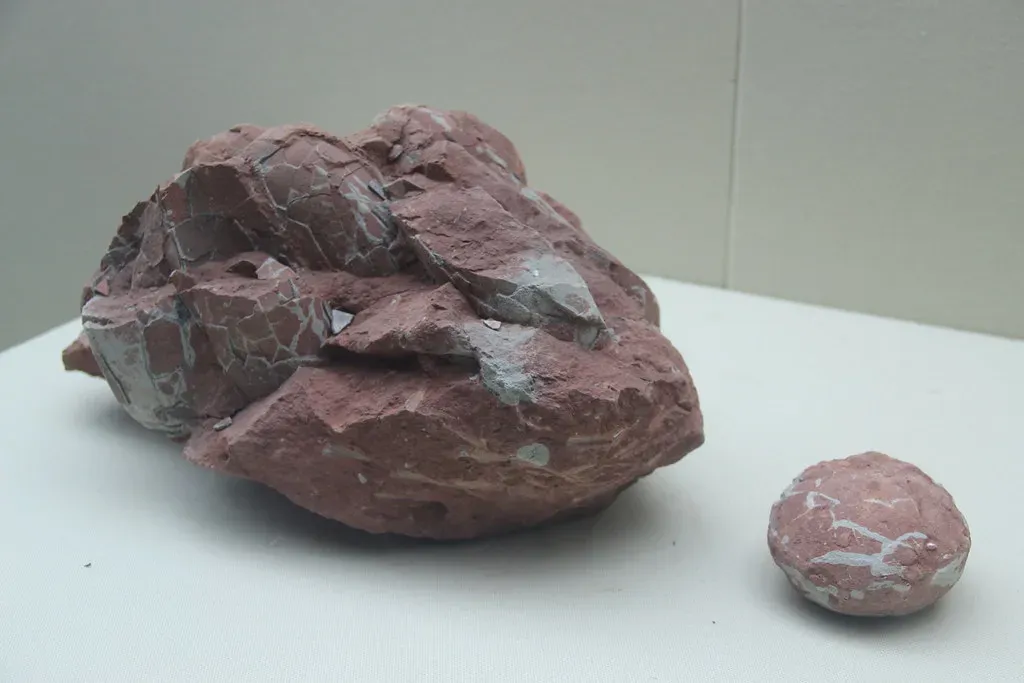
Fossilized dinosaur eggs had been known for a while, but it was the discovery of well‑preserved embryos and nests that really shook long‑held assumptions about dinosaur life cycles. Finding tiny skeletons curled inside eggs or arranged in nests, sometimes with evidence of repeated use or parental association, suggested a level of care and behavioral complexity that many had once reserved mainly for birds and mammals. These fossils helped show that at least some dinosaurs built nests, arranged their eggs in deliberate patterns, and may have guarded or tended them.
The chaos came from realizing that behavior, which often feels invisible in the fossil record, could actually be reconstructed in surprising detail. Scientists had to rethink how fast different dinosaurs grew, how long they stayed in nests, and how much energy parents might have invested in raising young. That, in turn, fed back into hot debates about metabolism and warm‑bloodedness. Personally, I find dinosaur embryos and nests some of the most moving fossils we have: they collapse the distance between “them” and “us” by showing that the urge to protect and nurture young is far older and more widespread than we used to admit.
9. The Hell Creek Oddballs: Transitional Birds, Tiny Raptors, and the Last Days Before Impact
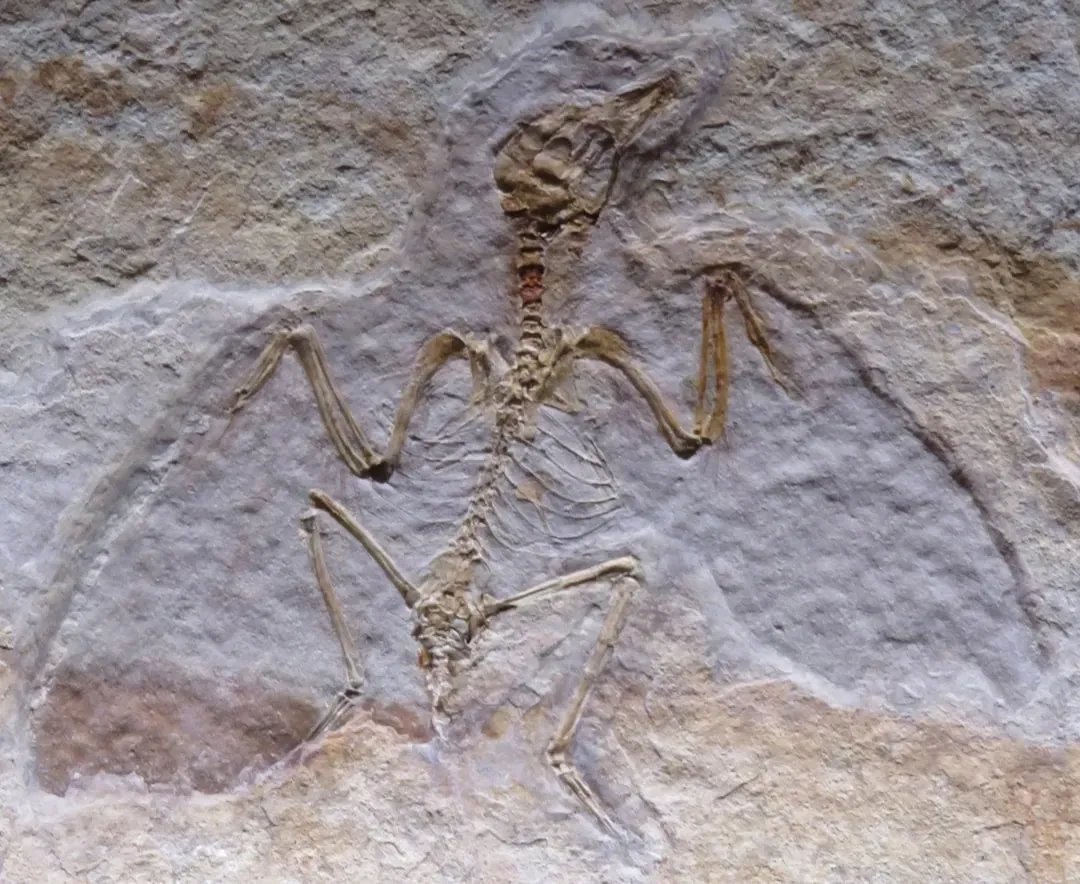
Late Cretaceous formations like the Hell Creek Formation in North America have produced a strange mix of tiny theropods, early birds, and small raptor‑like dinosaurs that do not fit neatly into simple categories. A single partial skeleton or skull from these layers can trigger long arguments about whether it represents a true bird, a non‑avian dinosaur, or something in between. These fossils blur the once sharp line drawn at the dinosaur–bird transition and force scientists to accept that evolution is messy, gradual, and full of overlapping experiments, not clean steps on a chart.
Some of these finds also preserve details of ecosystems in the final moments before the asteroid impact that ended the non‑avian dinosaurs. A small raptor tooth here, a bird wing bone there, suddenly changes estimates of how diverse and abundant these animals were at the very end. This has sparked debates about whether birds survived because of particular traits, such as diet or size, or whether sheer luck played a bigger role than we like to admit. To me, these Hell Creek oddballs are like cryptic last text messages from the Cretaceous, and no single fossil from this period ever seems to arrive without rewriting at least a corner of the story.
Conclusion: When One Bone Is Enough to Rewrite the Story
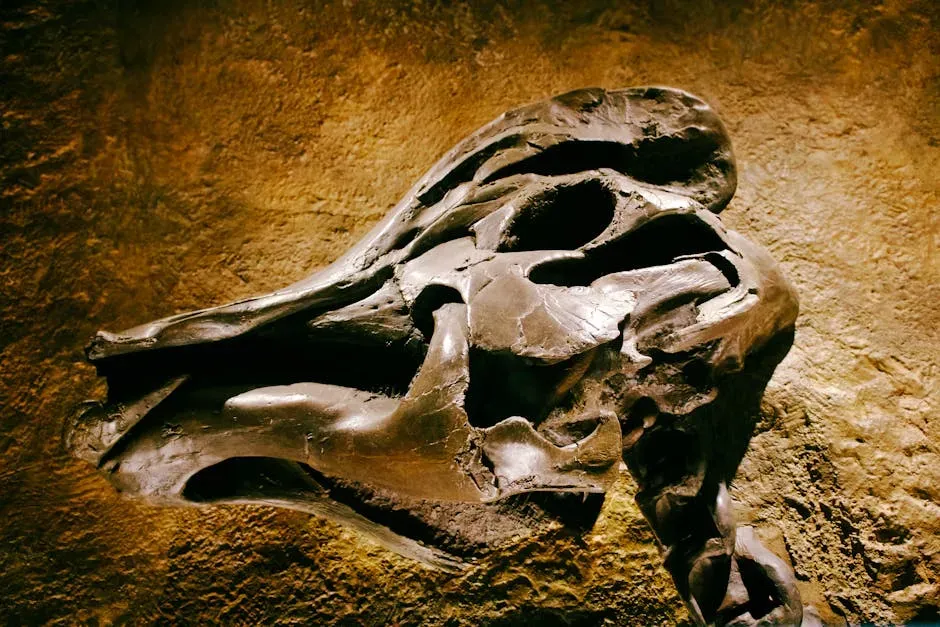
Looking across these nine cases, a pattern jumps out: dinosaur science does not move forward in a straight line; it lurches, stumbles, and occasionally sprints when a single fossil blows up the old picture. A lone skeleton can turn swamp‑dragging reptiles into energetic athletes, transform scaly monsters into feathered animals, or reveal that parenting, social behavior, and complex ecosystems were already thriving long before humans appeared. In my view, the most honest thing we can say about dinosaur science is that it is permanently unfinished and permanently vulnerable to the next surprise in the rock.
I actually love that vulnerability, because it keeps paleontology from turning into a museum of fixed ideas and forces it to remain a living, argumentative, occasionally chaotic field. Every time a new fossil throws scientists into heated debate, it is a reminder that reality is under no obligation to match our favorite illustrations or childhood toys. The next jawbone, hatchling, or patch of fossilized skin could be waiting right now to make us redraw everything yet again. When that happens, will it confirm what you always imagined… or prove that the dinosaurs were even stranger than you dared to guess?